Loading…


ChapterBrief · Manhwa
Manhwa Like Made in Abyss: 6 Picks for the Patient
Manhwa like Made in Abyss, sorted by what they replicate: vertical exploration, horror escalation, world-building, and the curse mechanic. Six picks.
10 min readBy Ethan Mercer
Manhwa like Made in Abyss is a search that usually returns lists padded with dark isekai and dungeon crawlers. They're dark fantasy, sure. They're not what MiA readers are looking for.
Content warning: Made in Abyss contains extreme violence, depictions of child characters in peril, and body horror. Some series recommended below contain similar content. Notes are included for each pick.
Made in Abyss (manga by Akihito Tsukushi, anime by Kinema Citrus, 2017, Season 2 in 2022) has a specific structural logic. The Abyss is a vertical chasm. Descending is easy. Ascending causes escalating physical damage (the Curse of the Abyss) ranging from nausea at the upper layers to death with no recovery at the deepest. Riko and Reg go down knowing this. The descent is irreversible. The art style is soft and round, designed to look like a children's adventure. The content is not.
That combination (patient world-building, structural constraint on movement, tonal gap between visual style and actual content) is almost unreplicated in manhwa. This list names what manhwa cover which pieces of it. One series covers the vertical exploration angle. Others cover horror escalation, slow world-building, or the structural constraint. None combines all four the way MiA does. That honesty matters for setting expectations.
TL;DR: Manhwa like Made in Abyss sorted by which quality each matches: Tower of God for vertical exploration, Sweet Home for horror escalation, The Breaker for structural constraint, Bastard for tragedy without resolution.
Key takeaways
Six picks for manhwa like Made in Abyss, sorted by what quality each matches:
| Quality | Best manhwa match |
|---|---|
| Vertical exploration structure | Tower of God |
| Horror escalation without softening | Sweet Home |
| Patient world-building (500+ chapters) | Red Storm |
| Patient world-building (completed) | Legend of the Northern Blade |
| Structural constraint on protagonist | The Breaker |
| Tragedy without resolution | Bastard |
Note upfront: Made in Abyss is manga, published in Japan. The recommendations below are manhwa (Korean webcomics) that share specific structural or tonal qualities with it.
manhwa like Made in Abyss: overview: what made in abyss actually is
The tonal gap is the thing that's hardest to explain to someone who hasn't read MiA, and it's the quality that's hardest to match in manhwa.
Tsukushi draws the Abyss with the visual language of children's illustration. Riko is rendered like a Studio Ghibli protagonist. The caves and relics have the wonder of classic adventure storytelling. The first few layers read almost like a fairy tale descent. Then the Curse begins to compound. By the time the series reaches Nanachi and Mitty, the children's art style is framing content that would be disturbing in any register. The gap between how the story looks and what it's actually depicting is the mechanism. It's not accidental and it's not softened.
Manhwa mostly doesn't do this. Korean webtoons commit to a visual register and maintain it: either the series is a dark horror book with dark horror art, or it's a soft romance with soft art. The art-tone gap is specifically MiA's identity. Readers who come to manhwa expecting to find that combination will be disappointed, and it's more useful to know this upfront than to discover it after investing 100 chapters.
What manhwa can match: the vertical exploration, the patient world-building, the horror that doesn't soften, and the structural constraint that limits what the protagonist can do. Those are worth finding on their own terms.
Our master manhwa reading list covers the top 30 titles across every genre for 2026.
Best Manhwa to Read in 2026 →
Manhwa like Made in Abyss: the six picks and what they match
Advertisement
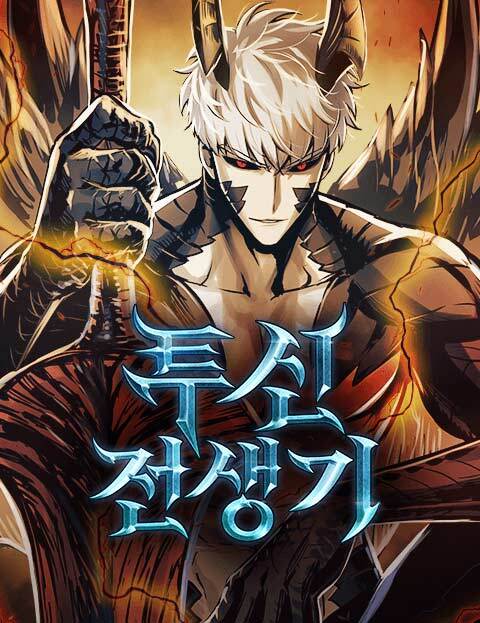
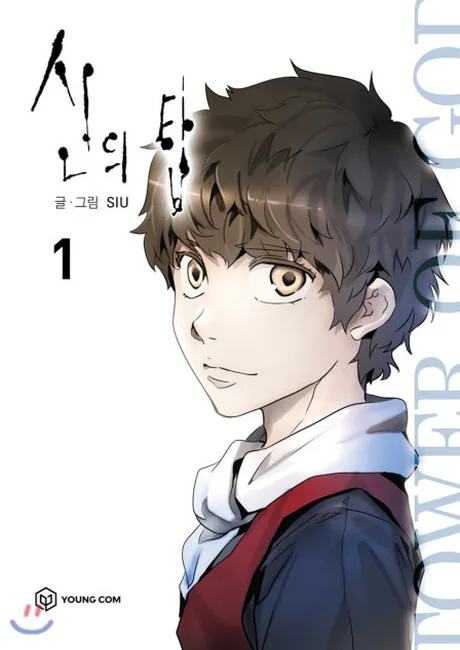
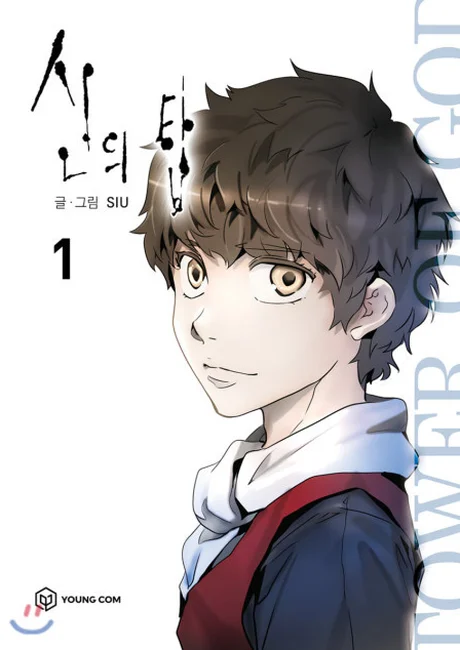 Tower of God cover.
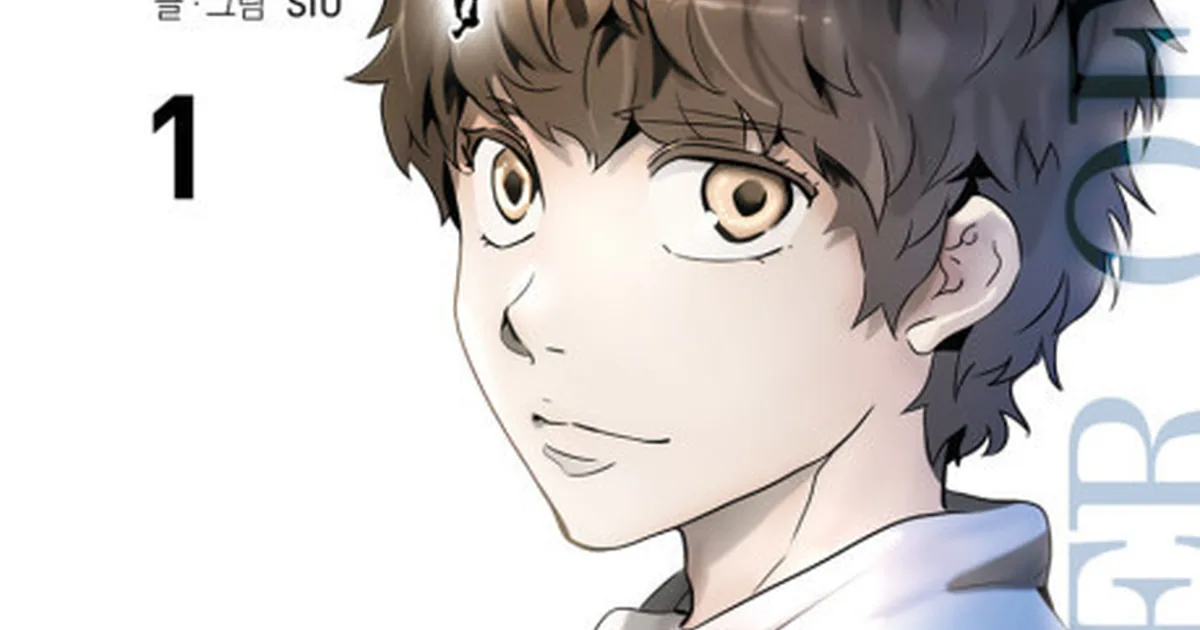
Tower of God: vertical exploration (WEBTOON, on hiatus since Feb 2025, 652+ episodes)
Tower of God is the strongest structural match for the exploration dimension of Made in Abyss. The Tower is a vertical structure. Each floor operates by different rules, inhabited by different factions, tested by different mechanics. Bam (the protagonist) enters the Tower from outside, a rare irregular, and the early floors function as a discovery arc. What are the tests? What are the stakes? Who else is in here?
Ascending requires passing tests, each floor harder than the last, and the Tower has a mythology that the series builds out over hundreds of chapters. Part 1 is 78 chapters and functions as a self-contained arc: Bam's initial ascent, the mechanics of the test system, a conclusion. Part 2 expands the scope significantly, adding faction politics and a time skip that changes the series' register.
The differences matter too. Tower of God's art, especially early on, is rough: creator SIU developed the style as he published. The series is not primarily a horror book; it's closer to an action-adventure with dark consequences. Characters die, but death in Tower of God is usually a narrative beat, not a structural argument the way it is in MiA. The scale of the Tower is comparable to the Abyss; the emotional weight of descending it is different.
For fantasy manhwa recommendations beyond this list, Tower of God appears alongside several other long-running vertical-world series. It's the best starting point for MiA readers who prioritize the exploration dimension over everything else.
Free on WEBTOON. Reading just Part 1 (78 chapters) is a valid option for readers who want to test the series without committing to 600 chapters.
 Sweet Home cover.
Sweet Home: horror escalation without softening (WEBTOON, completed, 141 chapters)
Sweet Home is not a visual match for Made in Abyss (the art is dark and grounded where MiA is soft and round) but it's the strongest manhwa argument for horror escalation without narrative mitigation.
The premise: humans with intense unfulfilled desires transform into monsters. The protagonist, Cha Hyun-soo, is suicidal before the outbreak starts. That's not backstory incidental to the plot. It's the series' central question: whether a person who doesn't want to exist has any reason to survive. The monster designs are diagnostic: each transformation reflects what the person wanted. By chapter 40, the monsters stop reading as threats and start reading as portraits.
What connects it to MiA is what the series refuses to do. In most horror manhwa, surviving a horror encounter is coded as a victory. Sweet Home doesn't code it that way. Characters who survive to the end carry the weight of who didn't. There's no redemption arc for the people who transformed. The losses accumulate without the story offering a clean emotional exit.
The Netflix adaptation (three seasons, 2020-2024) exists and is worth watching as a companion, not a substitute. The manhwa's psychological argument is quieter in the adaptation. Read both if you have the time; read the manhwa if you only have one.
Content note: Sweet Home contains depictions of body horror, suicide ideation, and character deaths. 141 chapters plus a short epilogue. Free on WEBTOON.
See the best manhwa horror 2026 guide for a full breakdown of what the horror register looks like across current manhwa, and the manhwa like Sweet Home list if this pick lands for you and you want more from the same vein.
Red Storm: patient world-building (Naver, ongoing, 500+ chapters)
Red Storm doesn't match MiA's horror or its structural constraint. It matches the other thing: the patience. Tsukushi spends dozens of chapters building the Abyss's ecology before sending Riko down into it. Red Storm takes a comparable approach to world-building across its whole run.
The series is set in a desert world with its own factions, geography, and internal logic. The protagonist, Yulian Provoke, is heir to a nomadic clan. The early arc establishes the world's rules through his training. The series builds outward from there (clan politics, desert dangers that deepen with each arc, the history of why the world is structured the way it is) across 500-plus chapters at a pace that never trades world-building for plot momentum.
Red Storm is not a horror series. It's closer to epic fantasy with a martial focus. It won't scratch the horror escalation that MiA readers come for. But for readers who responded to MiA's willingness to spend chapters on ecology and history before the danger escalates (the sense that the world exists before the protagonist arrives in it), Red Storm earns its chapter count.
The long-running investment required is real. The best manhwa long-running series guide has more context on how to approach a 500-chapter commitment and which arcs to prioritize.
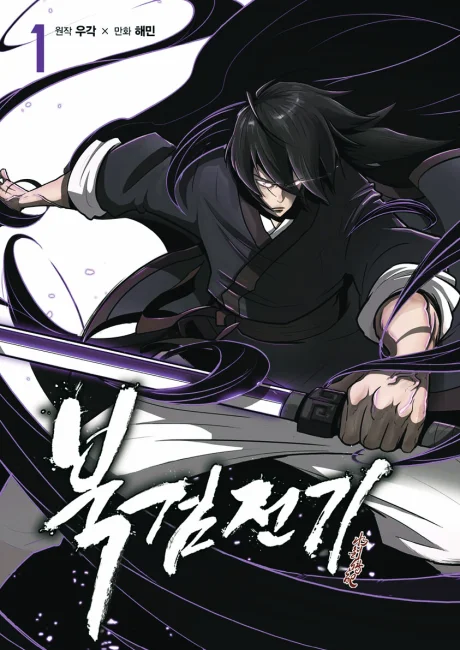 Legend of the Northern Blade cover.
Legend of the Northern Blade: world-building, completed (Tappytoon, 202 chapters)
Where Red Storm requires a 500-chapter patience, Legend of the Northern Blade delivers the same slow world-building payoff in 202 completed chapters.
The premise is murim: a sect of martial artists is destroyed by a political enemy, and the surviving heir grows up in hiding before returning to rebuild the sect and take revenge. The world-building is the actual architecture: the history of the Northern Blade Sect, how the martial techniques actually function internally, the political logic of the murim world. It's built out across the full series run without shortcuts.
The comparison to MiA is specific: both series treat their worlds as things that existed before the protagonist. The Abyss has history, relics, a mythological depth that wasn't designed for Riko's adventure. The murim world in Northern Blade has the same texture. The revenge plot is the surface structure; the world is the actual subject.
The series completes at a satisfying endpoint. That matters if you want something that doesn't require indefinite commitment. Chapter 50 is when the training arc ends and the scope expands: that's the pivot point worth reaching.
Free on Webtoon with recent chapters behind Fast Pass; also available via Tappytoon subscription.
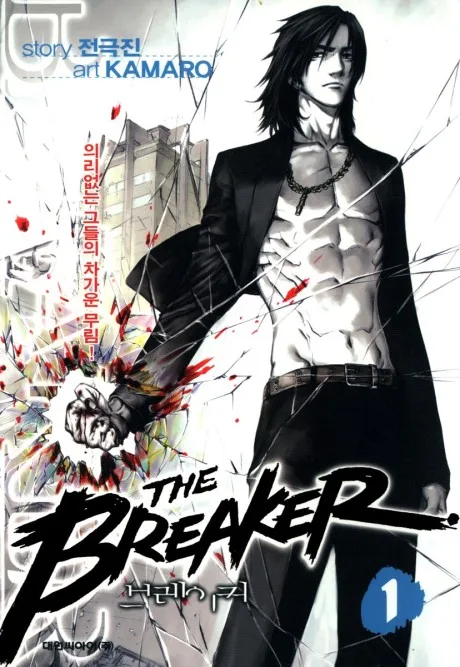 The Breaker cover.
The Breaker: structural constraint (completed two-series run)
The Curse of the Abyss is structural. It doesn't get solved. Riko and Reg can't train around it or power-up past it: ascending costs them something real, every time. Most manhwa protagonists operate on a growth curve that eventually lets them move through obstacles that once stopped them. The Breaker is the closest match for the structural constraint idea.
In The Breaker, Shi-Woon Yi begins as a student who accidentally becomes entangled in the murim world. By the end of the first series, his Ki center (the internal energy source required for martial arts) is permanently damaged. In The Breaker: New Waves (the second series, continuing directly from the first), that damage is the central tension. He cannot simply get stronger through training. The limitation is permanent and the series does not reverse it.
The Breaker is completed across two series: The Breaker (72 chapters) and The Breaker: New Waves (201 chapters). The third series, The Breaker: Eternal Force, began in 2023 and is ongoing. Reading just the first two gets you the complete structural-constraint arc.
That's the closest manhwa comes to replicating the Abyss Curse as a narrative device: a permanent ceiling that generates story pressure rather than getting trained away.
See the best completed manhwa 2026 guide for additional completed series recommendations, or the best dark manhwa guide for content context on the darker entries in this list.
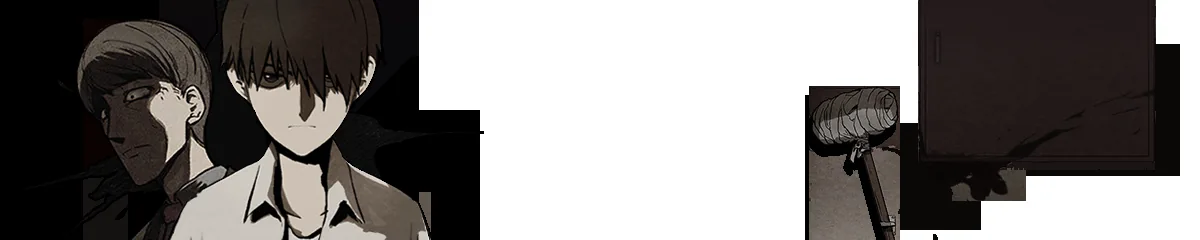 Bastard cover.
Bastard: tragedy without resolution (completed, 92 chapters)
Made in Abyss kills characters without softening. The deaths aren't fuel for Riko's emotional growth. They're losses. The series stays in the room with them.
Bastard (by Carnby Kim and Youngchan Hwang, the same team behind Sweet Home) is the manhwa that handles tragedy with the most similar restraint. Jin Seon is the son of a serial killer who uses Jin as lure bait. The series runs for 92 chapters asking what complicity makes of a person and whether it can be undone. It doesn't let Jin's eventual resistance redeem the people who died before it. The tragedy is structural, not motivational.
The difference from MiA is register. Bastard is a psychological thriller, not an adventure or horror book. The genre mechanics (will the father be caught, will Yun Ji survive) are real, but they function as pressure on the central psychological question rather than as the story itself. By chapter 30 the relationship between Jin and his father is rendered precisely enough that the genre stops mattering.
92 chapters. Completed. Content note: depicts a serial killer using his child as an instrument, child endangerment throughout, violent deaths. Appropriate for adult readers.
For readers whose primary interest is in the tragedy-without-redemption quality, the best manhwa horror guide and the best dark manhwa roundup both cover the tonal territory in more depth.
What Made in Abyss does that manhwa doesn't
The honest answer to any manhwa like Made in Abyss search is: nothing does all of it.
The tonal gap (childlike visual style paired with escalating body horror) is essentially MiA's specific identity. Korean webtoon aesthetics don't operate that way. The format tends toward visual consistency: dark stories look dark, soft stories look soft. Tsukushi's choice to maintain the children's-adventure art style through content that is not a children's adventure is a deliberate structural decision, and it's the thing that makes MiA feel singular. Readers who respond to that gap specifically will not find it in manhwa.
Tower of God covers the vertical exploration. Sweet Home covers horror escalation that doesn't soften. Red Storm or Legend of the Northern Blade cover the world-building patience. The Breaker covers the structural constraint. Bastard covers tragedy without a clean exit. Six series, four qualities, assembled from different shelves.
Finding manhwa like Made in Abyss means accepting you're building a substitute from parts. The whole thing doesn't exist in manhwa. These are the closest pieces.
Our best thriller manhwa list covers dark exploration and body-horror adjacent reads.
Best Thriller Manhwa →
Frequently Asked Questions
Is there a manhwa like Made in Abyss? Nothing replicates the exact combination of childlike art paired with escalating body horror, inside a vertical exploration structure with a built-in movement penalty. Tower of God is the closest structural match for the vertical dimension. Sweet Home matches the horror escalation. No single manhwa does both simultaneously the way Made in Abyss does, and the art-tone gap is essentially MiA's alone.
What manhwa has the best world-building similar to Made in Abyss? Tower of God has the most comparable vertical world-building, with each floor of the Tower operating by different rules and inhabited by different factions. Red Storm builds an original world across 500+ chapters with the same patient approach as MiA's descent arcs. Legend of the Northern Blade does it more compactly across 202 completed chapters.
What manhwa uses a curse mechanic like Made in Abyss? The Breaker is the strongest structural match. Shi-Woon's damaged Ki center means his power growth has a real ceiling that can't be trained around: it's a permanent cost the series never reverses. Eleceed establishes Kayden's limitations early and maintains them across hundreds of chapters rather than inflating power to match each new threat.
Is Made in Abyss manga or manhwa? Made in Abyss is manga, not manhwa. It's written and illustrated by Akihito Tsukushi and published in Japan. The anime adaptation (2017, Season 2 2022) was produced by Kinema Citrus. The recommendations here are manhwa that share specific qualities with MiA rather than direct equivalents.
What's the darkest manhwa for Made in Abyss readers? Sweet Home is the darkest accessible pick: the monster transformations are rendered as loss, not power-up, and the series doesn't allow the protagonist's survival to redeem anyone who didn't make it. Bastard is more psychologically precise but operates in a thriller register rather than horror. For readers who found MiA's treatment of child characters in danger specifically affecting, see the best dark manhwa guide for content details before reading further.
What manhwa should I read if I want Tower of God but shorter? Tower of God Part 1 is 78 chapters and functions as a self-contained arc. Reading just Part 1 gets you Bam's full initial ascent, the mechanics of the Tower, and a conclusion that works without continuing into Part 2. If you want something completed at a similar scope, Legend of the Northern Blade finishes at 202 chapters with a resolved ending.
What manhwa pairs with Made in Abyss for the tragedy angle? Bastard (92 chapters, completed) is the strongest match for tragedy without narrative mitigation. The series kills characters without allowing their deaths to serve as fuel for protagonist growth: the tragedy is the point, not a mechanism. Sweet Home handles this differently; the losses accumulate structurally rather than individually. Both are worth reading alongside MiA rather than as replacements for it.
Related Reading
- Best Manhwa to Read in 2026: 20 Series Worth Your Time: 2026 list for readers seeking manhwa with Made in Abyss' tonal depth.
- Tower of God Review: 652 Episodes and Worth Every One: Full review of the most structurally comparable Korean epic.
- Tower of God Reading Guide: Where to Start in 2026: How to read Tower of God's 652 chapters.
- Omniscient Reader's Viewpoint Manhwa Review: Earns Its Hype: Full review of the most narratively ambitious manhwa.
- Best Thriller Manhwa: 10 Series You Can't Put Down: 10 psychological thriller and dark manhwa picks.
References
About the author

Senior Manhwa Critic & Analyst
Manhwa critic and former Korean-to-English webtoon translator with 8 years reading across 40+ genres. London-based. Tracks everything from power-progression to slice-of-life romance.
- 8 years reading manhwa across 40+ genres
- Former Korean-to-English webtoon translator
- 500+ manhwa titles completed
- Specializes in progression systems and power-scaling analysis

Disclaimer
This article is published for informational and entertainment purposes. It does not constitute professional financial, legal, or technical advice. Series availability, platform access, translation status, and chapter counts change. Verify critical details (pricing, regional availability, official translation status) with publishers and platforms. Affiliate links, where present, help support our editorial work and are labelled in our affiliate disclosure.
Comments
Loading comments…