Manhwa tournament arcs work when the competition has real stakes attached. Not power-scaling consequences, but actual character consequences. You finish a manhwa tournament match and something has changed: a relationship, an alliance, a reputation, a secret that came out under pressure. That's the version worth reading.
TL;DR: The God of High School is the apex case for manhwa tournament structure: a whole series built on that foundation, 569 chapters. Tower of God's Floor Tests function as a manhwa tournament series across the entire run, not a single contained arc. Weak Hero earns comparison to manhwa tournament format despite never holding an official competition
The version that doesn't work runs its bracket as a delay mechanism. Six chapters of preliminary rounds to introduce minor characters who never matter. A protagonist who coasts through opponents so undermatched the outcome was never in doubt. A manhwa tournament that exists to fill space between plot beats isn't really a tournament. It's pacing filler with brackets drawn on top.
This list focuses on manhwa tournament arcs that justify their length. Some are whole-series propositions: the competition structure IS the series. Others are embedded arcs within longer stories. All of them use the manhwa tournament format to change something about the reader's understanding of the characters involved.
Key takeaways
- The God of High School is the apex case for manhwa tournament structure: a whole series built on that foundation, 569 chapters
- Tower of God's Floor Tests function as a manhwa tournament series across the entire run, not a single contained arc
- Weak Hero earns comparison to manhwa tournament format despite never holding an official competition
- A manhwa tournament arc fails when it exists only to delay the main plot. The signs are easy to spot.
- For free reading: WEBTOON hosts GoHS, Tower of God, Weak Hero, and Eleceed at no cost
Overview
Not all manhwa tournament arcs are built the same. Some series use competition as a premise: the tournament IS the plot, from the first chapter to the last. Others embed a tournament arc within a larger story, using bracket mechanics to create stakes within a world that extends past the competition. A third category uses the competition as a legitimacy test, a formal structure through which characters prove something to an audience that doubts them.
The best manhwa tournament examples in the format share one structural trait: the bracket produces irreversible consequences. Someone loses and it matters for the next hundred chapters. An alliance formed in a preliminary round becomes the core of the main cast. A rivalry exposed in competition becomes the engine of the whole series.
The worst of these arcs reverse that: the bracket runs, the protagonist wins, and the series continues as if the competition barely happened. You could excise it and nothing would be lost. This overview covers six series where that is not the case, where the manhwa tournament structure earns every chapter it takes.
Our best action manhwa list covers the top tournament-arc and fight-bracket battle reads.
Best Action Manhwa 2026 →
What makes a manhwa tournament arc work
Advertisement
Three things. Stakes that extend past the match result. Opponents who matter as people rather than obstacles. And elimination that actually eliminates: the loss reshapes what comes next, not just the final standings.
Stakes are the obvious requirement. The God of High School's manhwa tournament awards the winner a single wish: anything they want, no conditions. That mechanic means every participant fights for a different reason. Jin Mori fights because he likes fighting. Park Ilpyo fights to see if the tiger Jeok-Bong prophecy holds. Daewi fights to save his dying friend. The same bracket holds three completely different stories at once, and the fights reveal which story each character is actually in.
Opponents who matter is the harder requirement. Most manhwa tournament arcs fail here. A roster of one-dimensional villains who exist to lose doesn't create investment. It creates a countdown clock. The best match-ups in The God of High School work because both sides have intelligible motivation. When Jin Mori faces Taek Jegal in the later rounds, the fight matters because Jegal is pursuing something real and his method of pursuing it conflicts with everything Jin Mori represents. You're not watching a fight. You're watching two different philosophies collide.
Elimination that actually eliminates is rarer than you'd expect. A lot of these stories soften losing by having the loser recover, rejoin, or transfer to a parallel role that erases the cost of defeat. The God of High School respects its own bracket enough that major character absences from the finals follow logically from earlier losses. Eleceed's ranking competitions cut cast members from active storylines when they fail, which sounds harsh, but it's what makes each entry worth something.
The tournament-as-filler problem looks like this: a main character has a goal. An obstacle appears. Instead of confronting it directly, the series introduces a competition requiring a new power threshold before the confrontation can happen. The bracket runs six to ten chapters. The protagonist wins. The original obstacle is addressed. If you removed the entire arc, the story would be shorter but not weaker. That's the test.
Series where the manhwa tournament IS the story
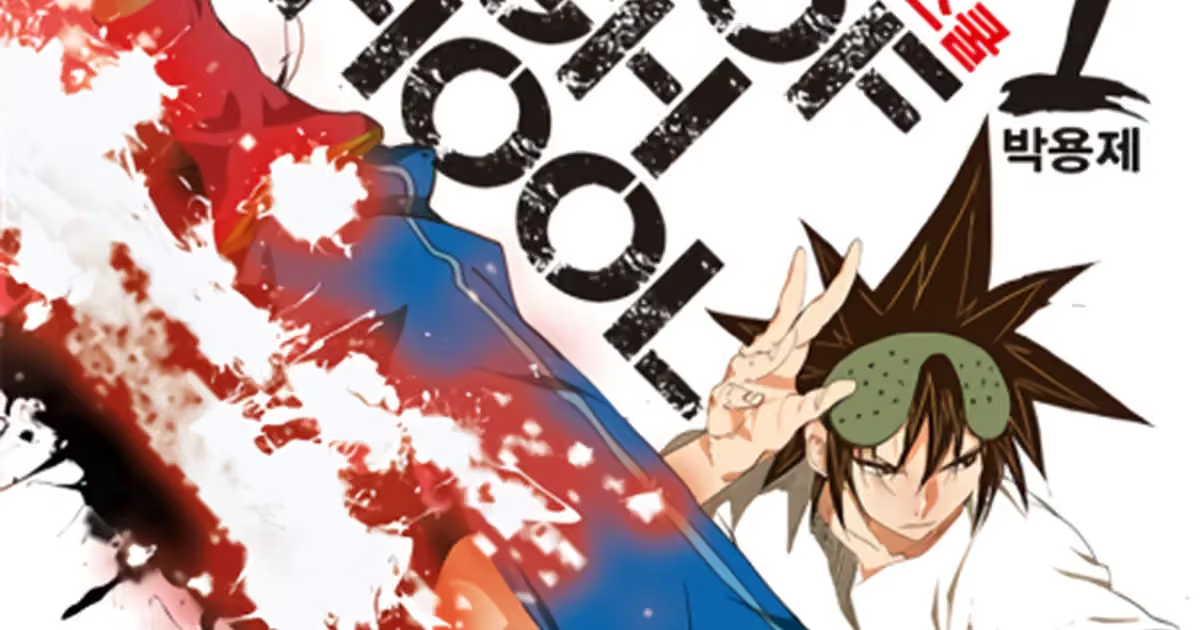
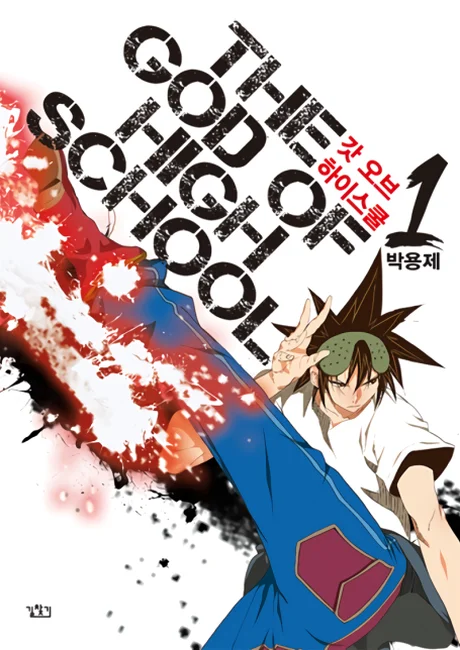 The God of High School cover art.
The God of High School (569 chapters, completed)
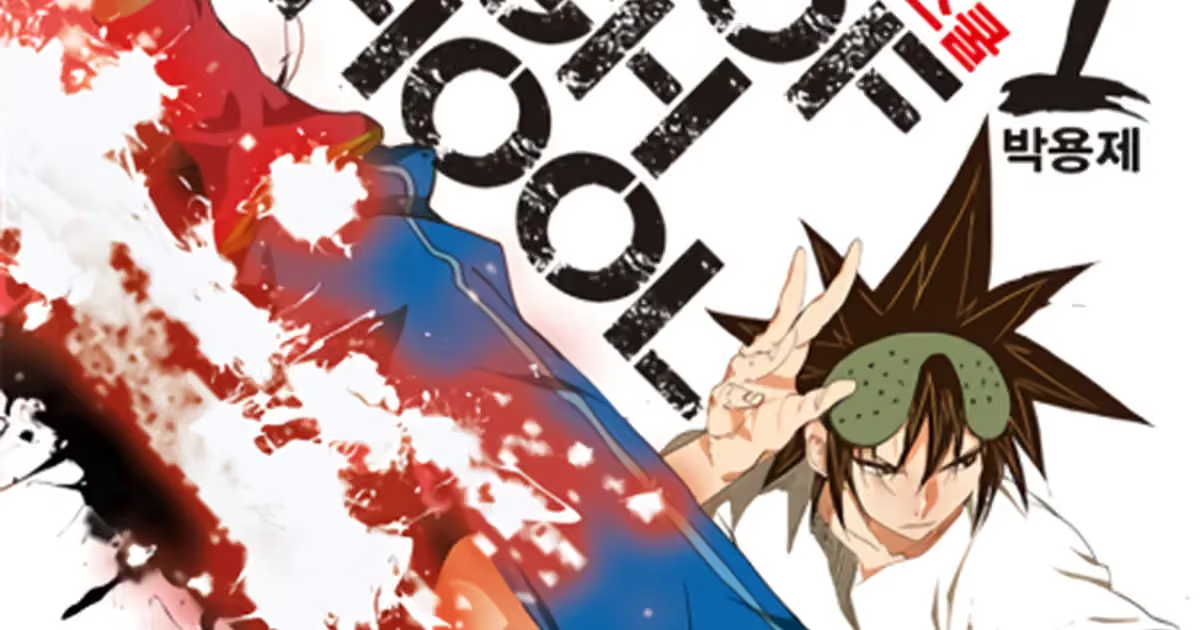
The series opens with a deceptively simple premise: a nationwide martial arts manhwa tournament for high school students, winner gets a wish. Park Yongje ran with that premise for 569 chapters and made it carry enormous structural weight before the story expanded past it.
The national competition arc (the first major manhwa tournament, running through roughly the first 180 chapters) is the best argument for reading the series. Every fight introduces a new martial art style with specific mechanical rules, and the style matchups are worked out carefully enough that results feel earned rather than predetermined by protagonist status. Jin Mori's borrowed power from Renewal Taekwondo, Park Ilpyo's tiger martial arts, and Daewi's water-based style aren't interchangeable. They create different problems and different advantages.
The bracket also functions as a character delivery mechanism. The cast is enormous, but the format means each character gets a fight before they get a backstory. You learn what someone is made of before you learn where they came from. That's an unusual structural choice that works because the fights are specific enough to carry characterization.
Where the series falters is after the national manhwa tournament ends. The story expands into a mythological conflict involving gods and borrowed powers that some readers find thrilling and others find like a genre switch mid-series. My view: this arc is worth reading regardless of whether you continue past it. It's one of the most complete examples of manhwa tournament structure in the format, and the 569-chapter total shouldn't scare you off from starting.
For reading context: The God of High School reading guide covers the arc structure and how to approach the power system. If you've already read it and want adjacent series: manhwa like The God of High School is the next stop.
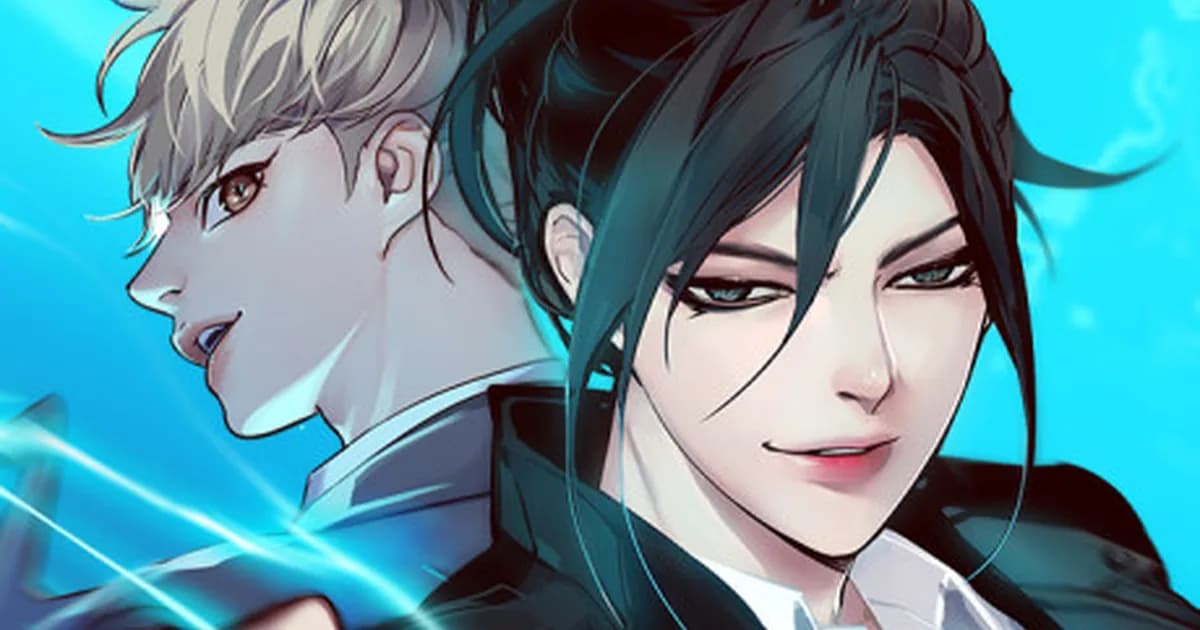
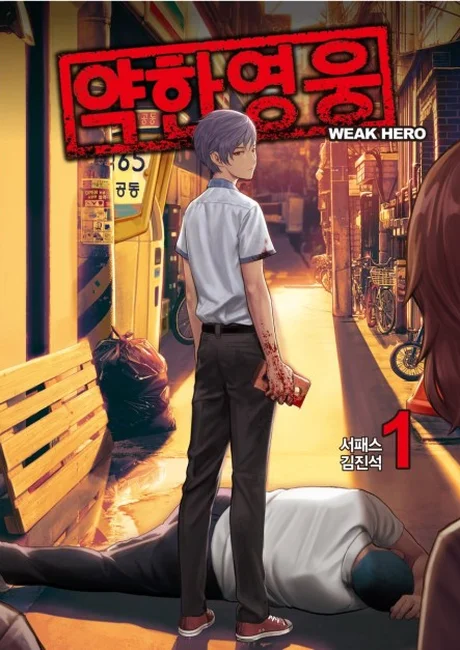 Weak Hero cover art.
Weak Hero (WEBTOON, completed, 268 chapters)
Weak Hero doesn't have a manhwa tournament. It has something that works better.
The series is set in Yeongdeungpo, where every school has a dominant delinquent hierarchy that controls who gets bullied and who walks the halls without incident. Gray Yeon, the protagonist, is a slight kid who systematically dismantles these hierarchies using precise knowledge of human anatomy, pressure points, and borrowed torque. The series progresses through schools in a clear bracket logic: each new school is harder, the opponents are more connected to the central antagonist, and each victory has social consequences that ripple outward.
This is a manhwa tournament without a trophy. The structure creates the same tension as an elimination bracket. Gray has to beat everyone above him in the hierarchy before the real conflict resolves, but the consequences are grounded in social reality rather than formal competition. Losing in Weak Hero means getting beaten badly enough that you can't protect yourself or the people near you. That's a higher stake than most bracket manga bother with.
The fight choreography is exceptional. Gray doesn't win through power. He wins through preparation, exploitation of mechanics (standing positions, reach disadvantages, crowd psychology), and a very specific threshold of controlled violence. Worth reading alongside the best manhwa martial arts picks because it's doing something technically different from murim or system combat.
Manhwa tournament arcs embedded within larger stories
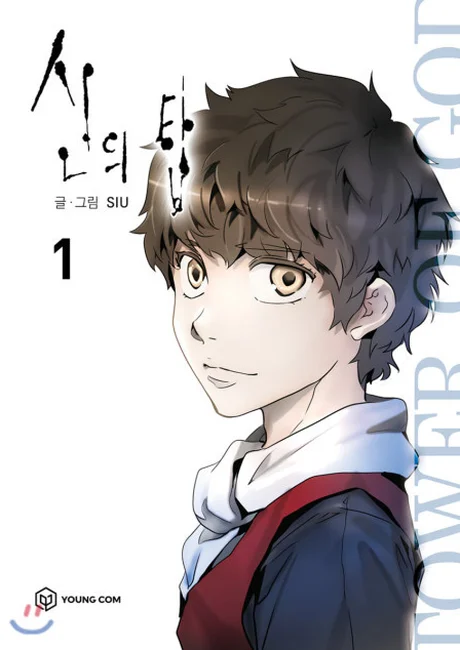 Tower of God cover art.
Tower of God (on hiatus since Feb 2025, WEBTOON)
Tower of God doesn't have a single manhwa tournament arc. Its official English WEBTOON page currently ends at [Season 3] Episode 235 (platform #652, Feb 23, 2025) and displays a will-return notice; those episodes function as a series of tournament-like tests.
The premise is structural: Bam enters the Tower to find Rachel, and ascending requires passing Tests on each Floor. The Tests are designed by Floor Administrators with specific rules, participant limits, and elimination conditions. Every arc is essentially a mini-tournament with its own bracket logic.
The Second Floor arc (running from roughly Chapter 1 through Chapter 185) is the one most comparable to a pure manhwa tournament. The Tests involve teams, position assignments (Fisherman, Spear Bearer, Light Bearer, Scout, Wave Controller), and elimination rounds with clear stakes. Characters compete, form alliances, betray each other, and exit. The bracket advances. The Tower gets harder.
What distinguishes Tower of God from most manhwa tournament stories is the political layer. The Tests aren't purely meritocratic. They're run by Rankers with their own agendas, and understanding who controls each Floor tells you what the Test is really testing. The Headon game in the very first arc seems like a simple ball challenge until you understand what a Floor Administrator actually wants from participants.
The drawback is scope. If you want a single contained arc and then you're done, Tower of God isn't that. It's a multi-decade series with no clear endpoint. But the Second Floor arc is among the best executed manhwa tournament-structure writing in the format, and it's worth reading for that alone even if you stop there. Full reading context: Tower of God reading guide.
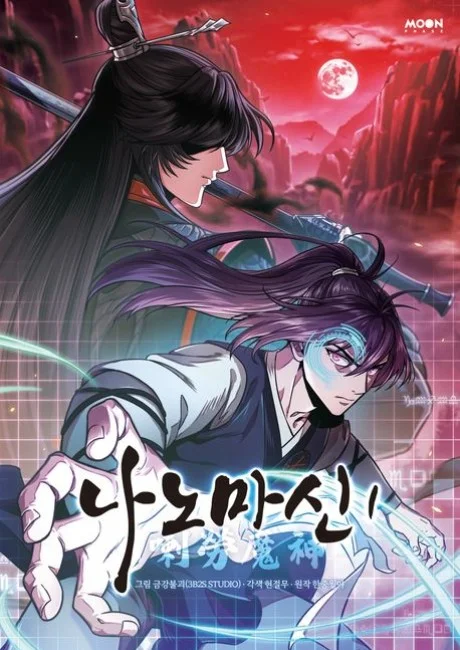 Nano Machine cover art.
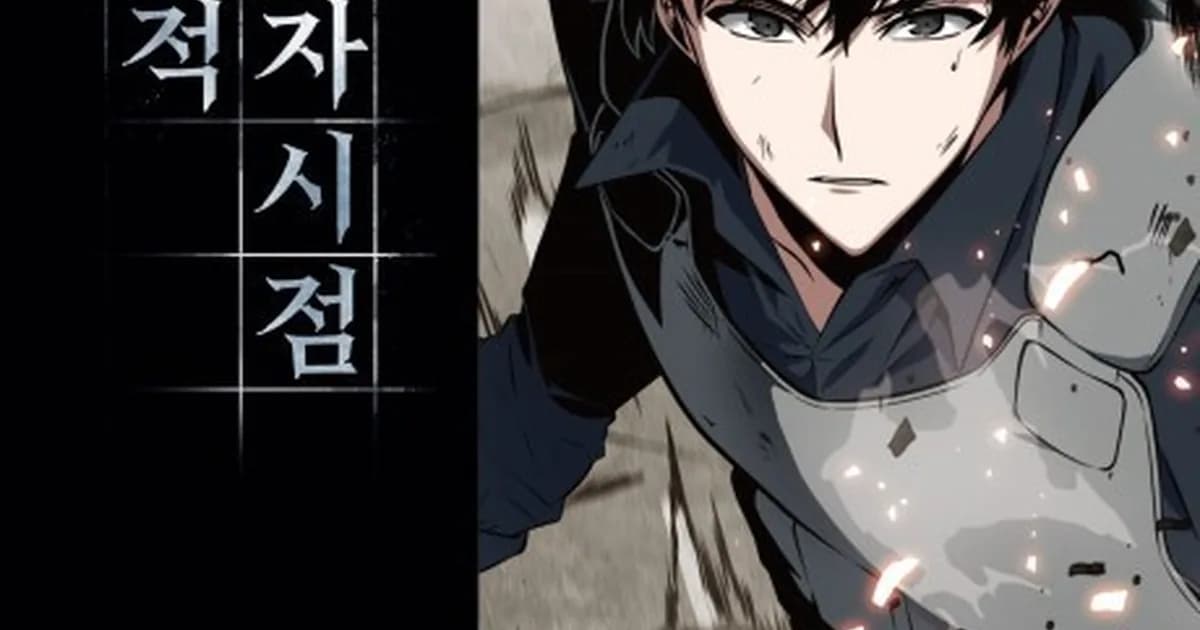
Nano Machine (ongoing, WEBTOON)
Nano Machine is a cultivation manhwa (a genre built on progression systems, sect politics, and martial arts mastery), so competition arrives as a natural part of the world rather than as a forced narrative device. The Heavenly Demon Cult has internal ranking competitions. The murim world holds inter-faction manhwa tournaments to establish regional power hierarchies. Cheon Yeo-Woon progresses through both.
The murim competition arcs mid-series (roughly Chapters 100 through 160) are the strongest material in this vein. The manhwa tournament format does what good arcs should: it forces characters who've been circling each other into direct confrontation, introduces the outside factions who will matter later, and uses the bracket to reveal exactly how far Yeo-Woon's cultivation has outpaced his rivals.
Nano Machine's advantage over pure manhwa tournament series is that the competition exists within a world that extends past it. The results carry forward. Victories and losses create relationships and grudges that operate for hundreds of chapters after the formal bracket ends. For readers who want this structure without a tournament-as-premise commitment, this is the better entry.
For more on the murim genre: best manhwa martial arts has the full context. Nano Machine also pairs naturally with best manhwa long-running: Naver's Korean listing currently shows 331 episodes, while the English WEBTOON edition has a separate release listing with only its first five episodes exposed on the public web page. AniList records the manga as RELEASING with no chapter total.
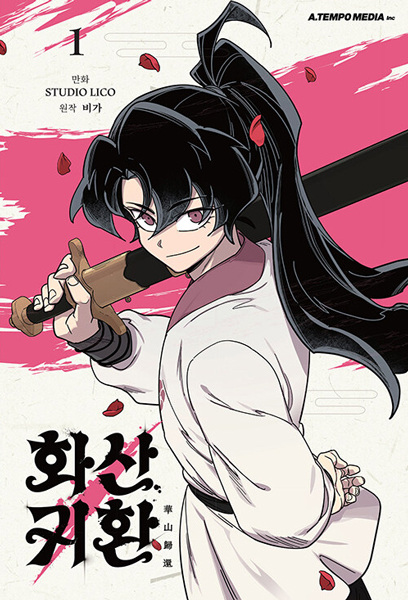
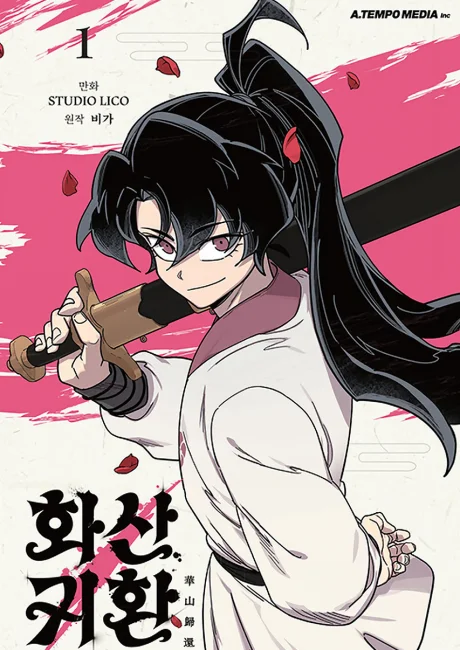 Return of the Blossoming Blade cover art.
Return of the Blossoming Blade (ongoing, S3 Episode 176 / platform #182)
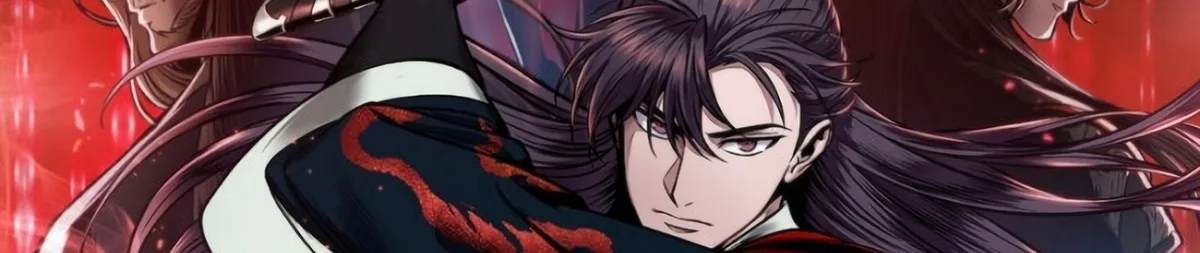
Return of the Blossoming Blade uses manhwa tournament structure as a legitimacy test. The protagonist needs to prove that the Silent Night sect is worth rebuilding. The inter-sect competitions early in the series aren't casual ranking exercises. They're political demonstrations. Winning publicly establishes that the sect has returned, that its martial arts tradition survived, and that rivals should reconsider their positioning.
The competition arcs here work because the social stakes are specific. This isn't "win to survive" or "win to advance." It's "win to prove that something people believed was destroyed is still here." Matches against other sect representatives carry a decade of inter-clan history that the reader gradually understands as the bracket progresses.
The series is ongoing. The official English WEBTOON listing currently shows (S3) Episode 176, platform #182, dated Sep 22, 2026, with five newer episodes available in the app. AniList records it as RELEASING. The arcs in the first third are the best material, though the payoff for them extends through the ending.
Our master manhwa reading list covers the top 30 titles across every genre for 2026.
Best Manhwa to Read in 2026 →
Tournaments as proof of legitimacy
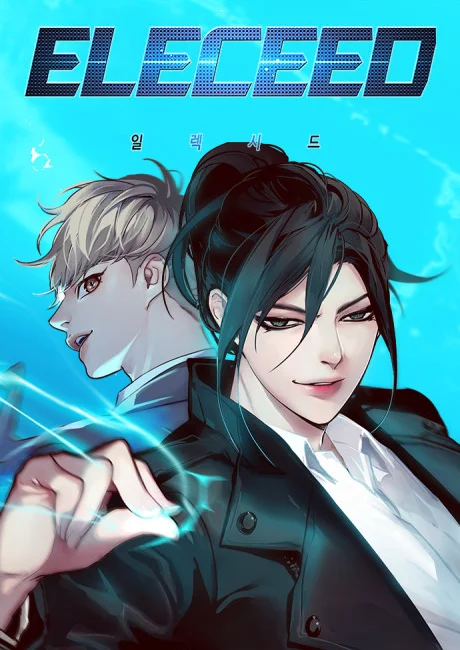 Eleceed cover art.
Eleceed (AniList RELEASING, WEBTOON Episode 404, Sep 21, 2026)
Eleceed is different from everything else on this list because it's a contemporary urban fantasy rather than a murim or historical martial arts series. The characters are espers, people with supernatural awakened abilities, and the manhwa tournament arcs here are formal ranking competitions that determine resource allocation, mission assignments, and overall status within the esper community.
The ranking competitions around Chapters 100 to 200 are the series at its best. Kaiden and Jiwoo enter a ranking event with a clear ceiling. They're not expected to finish in the top tier, and the competition establishes exactly how much they've grown relative to the esper community's power structure. What makes these arcs effective is that Jiwoo's combat style creates genuine confusion among opponents who can't read what power level he's actually at. The reader knows more than the opponents, which creates a specific kind of tension unique to manhwa tournament format.
Eleceed has a warmth that most series in this genre lack. The competition arcs include the brutal stuff: opponents who fight dirty, juniors who are out of their depth, but the emotional center is the mentorship between Jiwoo and Kaiden, which the ranking competitions stress-test in useful ways. The official English WEBTOON page shows Episode 404 dated Sep 21, 2026, with newer episodes app-only and Tuesday updates. For broader context: Eleceed review and the manhwa like Bleach list both place it in useful genre company.
Analysis
Advertisement
The pattern across all six series here is that the best manhwa tournament arcs are the ones where the competition is a delivery system for something else. The God of High School uses its bracket to deliver three different character studies simultaneously. Tower of God uses Floor Test structure to deliver political education about how the Tower actually works. Weak Hero uses its pseudo-tournament to deliver social commentary about hierarchy, violence, and what the word "weak" actually means when applied to a person.
Series that fail at the manhwa tournament format (and there are many in the murim and martial arts genres) tend to treat the competition as the point. Win matches, advance the bracket, get stronger. That's a progression system, not a story. The emotional investment that makes a tournament arc memorable comes from caring about what the fight means rather than who wins it.
For readers coming from manga: Blue Lock, Haikyuu, and Hajime no Ippo all execute similar tournament-structure logic at different scales. The best manhwa action 2026 list includes overlap with this one if you want to extend beyond the tournament format. For completed series: best manhwa completed 2026 includes several picks from this list.
Frequently Asked Questions
What manhwa has the best tournament arc? The God of High School is the standard answer: a 569-chapter series built almost entirely on manhwa tournament structure, where the national martial arts competition drives the whole story. If you want a manhwa tournament embedded within a larger series, Tower of God's Floor Tests from Chapters 1 through roughly 200 hit the same bracket-elimination rhythm with more world-building attached.
Is The God of High School worth reading for the tournament? Yes, specifically for the first major arc, the three-year national manhwa tournament covering roughly the first 180 chapters. The fights are genuinely inventive, each match changes something about the character dynamics, and Park Yongje's choreography translates unusually well to the vertical scroll format. The series expands past manhwa tournament structure later, which is either a plus or a minus depending on what you came for.
What makes manhwa tournament arcs different from manga? The vertical scroll format changes how elimination brackets feel. Manga uses page-turn reveals for key match results; webtoon scrolling creates a different kind of anticipation because you're moving through continuous action rather than discrete pages. Manhwa tournament arcs also tend to invest more in crowd and environmental storytelling because the format has more visual real estate to work with per scene.
Does Weak Hero have a tournament arc? Not a literal bracket competition. Weak Hero operates more like a manhwa tournament in structure. Every school in Yeongdeungpo has a dominant hierarchy, Gray has to fight through it to survive, and the tension follows elimination logic even without a formal competition.
Which manhwa tournament arcs are worth finishing even if the series gets worse later? The God of High School's national manhwa tournament arc is worth reading through even if you stop after it. Eleceed's ranking competition arcs around Chapters 100 to 200 are the series' best material and work mostly as standalone story beats. Return of the Blossoming Blade's inter-sect manhwa tournament early in the series sets up character dynamics that pay off significantly. Skipping it loses context for later confrontations.
Related Reading
- The God of High School Review: 8.5/10, Worth Reading: Full review of the benchmark tournament arc manhwa.
- The God of High School Reading Guide: 569 Chapters Done: How to navigate The God of High School's 569 chapters.
- Best Action Manhwa 2026: 12 Series Worth Your Time: 12 action series where combat is the primary draw.
- Lookism Review: 8/10, the Verdict on a Genre-Shifter: Lookism reviewed: street fighting tournaments with social commentary.
- Best Manhwa to Read in 2026: 30 Series Worth Your Time: Broader 2026 list spanning tournament and non-tournament series.
References
- The God of High School on WEBTOON
- Tower of God on WEBTOON
- Nano Machine on WEBTOON
- Nano Machine on Naver Webtoon -- official Korean listing, currently 331 episodes
- Return of the Blossoming Blade on WEBTOON -- official English listing, current public Season 3 episode
- Weak Hero on WEBTOON
- Eleceed on WEBTOON