Loading…
ChapterBrief · Manhwa
Manhwa like Sword Art Online: 6 picks ranked by match
Manhwa like Sword Art Online: 6 picks sorted by what SAO actually delivers. Game mechanics, trapped stakes, party dynamics, and solo progression.
13 min readBy Ethan Mercer
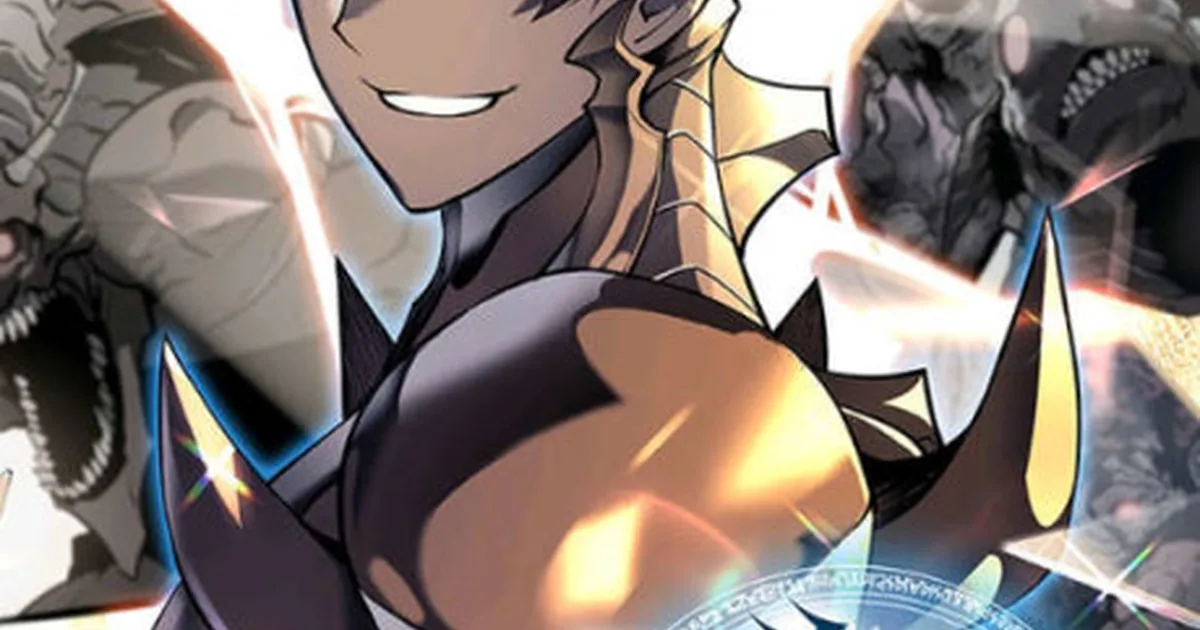
Most manhwa like Sword Art Online lists start and end with Solo Leveling. That's the right instinct applied to the wrong question. Solo Leveling matches SAO's protagonist-grows-exponentially arc, but it doesn't match the part that made SAO distinct.
What SAO is actually doing: a VR world becomes real, players are physically trapped, and dying in-game kills you in life. The stakes are permanent. The social layer (guilds, alliances, betrayals, the romance) isn't decoration. It's what makes the trapped-in-game premise matter beyond a lone-protagonist arc. Kirito starts competent. He doesn't need to grind from zero. What he needs is to navigate a world where every social choice carries the same weight as every combat choice.
Finding manhwa like Sword Art Online means tracking which of those elements you actually want. The visible RPG system? The trapped-protagonist stakes? The party dynamics? The solo-against-the-world arc? The series below are sorted by which of those angles they match closest.
TL;DR: Manhwa like Sword Art Online: 6 picks ranked by which part of SAO drew you in. No manhwa replicates the VR-trap premise exactly. The Gamer for game mechanics, Dungeon Reset for trapped-protagonist stakes, Tower of God for party dynamics, Solo Leveling for progression arc.
Overview
Sword Art Online is a Japanese light novel series written by Reki Kawahara, with manga and anime adaptations. The first arc, Aincrad, is set in a virtual reality MMORPG where 10,000 players log in on launch day and discover they cannot log out. The game's creator has removed the logout function: the only exit is to clear all 100 floors of the floating castle Aincrad, and dying in the game kills the player in real life via their NerveGear headset. The protagonist Kirito is a beta tester who plays solo but forms alliances as the stakes escalate. The anime adaptation aired in 2012 and became one of the defining examples of the trapped-in-game (isekai-adjacent) genre.
The core premise that distinguishes SAO from other game-adjacent series is the irreversibility of failure. Players entered voluntarily, and now the system that was designed for entertainment has become a survival trap with no bypass. The social layer (guilds, alliances, betrayal, romance under permanent death conditions) exists because no one can leave. That setup is what most "manhwa like SAO" searches are actually looking for: stakes that make the social choices feel as consequential as the combat choices. No manhwa in the Korean webtoon space has replicated the VR-trap mechanism exactly. The series below are the closest structural equivalents available, sorted by which component of SAO they most directly deliver.
manhwa like Sword Art Online: key takeaways
- 6 picks ranked by how closely they match SAO's actual components, not just the genre label
- For the game-mechanic overlay: The Gamer (stat windows, skill trees, level thresholds; most mechanically faithful)
- For the trapped-dungeon logic: Dungeon Reset (physical dungeon that resets, protagonist keeps his progress)
- For tower structure and party dynamics: Tower of God (652+ chapters, on hiatus after Season 3; floor-test and faction politics closest to SAO's guild layer)
- For insider knowledge: Omniscient Reader's Viewpoint (foreknowledge as the core mechanic, ongoing; source novel: 551 chapters)
- For the solo progression arc: Solo Leveling (cleanest power-growth curve in the genre; social layer absent)
- For a technological overlay in a non-game setting: Nano Machine (cultivation world with a stat-reading HUD)
- No manhwa replicates SAO's VR-trap premise exactly
manhwa like Sword Art Online: what sword art online actually delivers
Advertisement
SAO's first arc runs on five load-bearing elements: visible game mechanics with real consequences (dying kills you for real), a competent-from-the-start protagonist who was a beta tester, guild and party politics that shape every major decision, romance threaded through survival stakes, and death as the permanent design constraint that changes how every character relates to every other.
Manhwa like Sword Art Online tracks which of those five elements each series actually carries. Most lists skip this step and recommend anything with a system interface. The recommendations below don't.
Our master manhwa reading list covers the top 30 titles across every genre for 2026.
Best Manhwa to Read in 2026 →
For the trapped-in-game mechanic
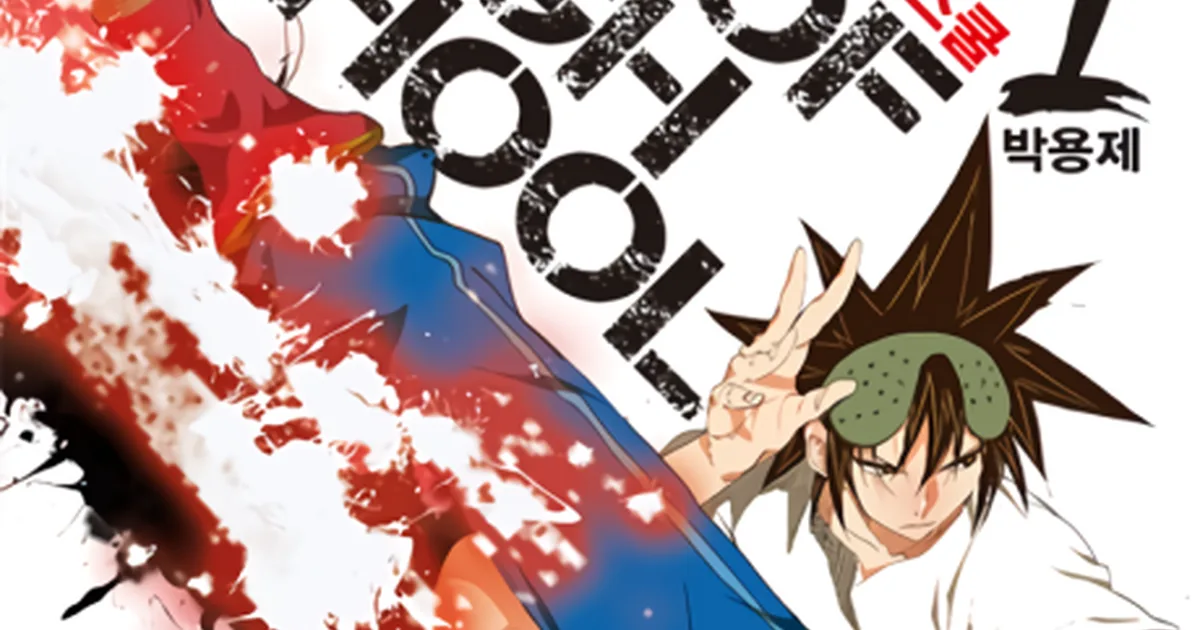
The Gamer (WEBTOON, 500+ chapters, completed 2024)
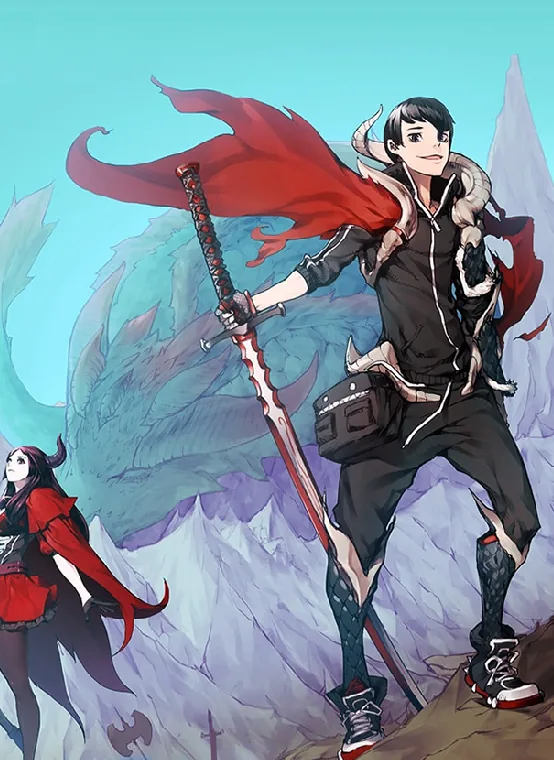
The Gamer is the most mechanically faithful manhwa like Sword Art Online available. Han Jihan wakes up one day with a game interface overlaid on his real life. Stat windows. Experience bars. Skill trees. Level thresholds that unlock new abilities. A dedicated inventory slot. He can enter "Dungeons" that appear in the real world and gain power by clearing them.
The interface looks identical to an RPG HUD, because that's what it is. Where SAO puts its characters inside a game, The Gamer puts the game inside the real world. The protagonist is never trapped; he can walk away. That's the one major structural difference.
By chapter 40, Jihan has figured out that his ability isn't unique: there's an entire hidden society of "Awakened" players operating in the same real-world dungeon ecosystem. The mechanical foundation from the first 60 chapters holds up well, and the social layer of the Awakened world is where the series gets interesting. The pacing inflates in the middle arcs, but the system design stays faithful.
Where to read: The Gamer on WEBTOON | Status: Completed, 500+ chapters (concluded 2024)
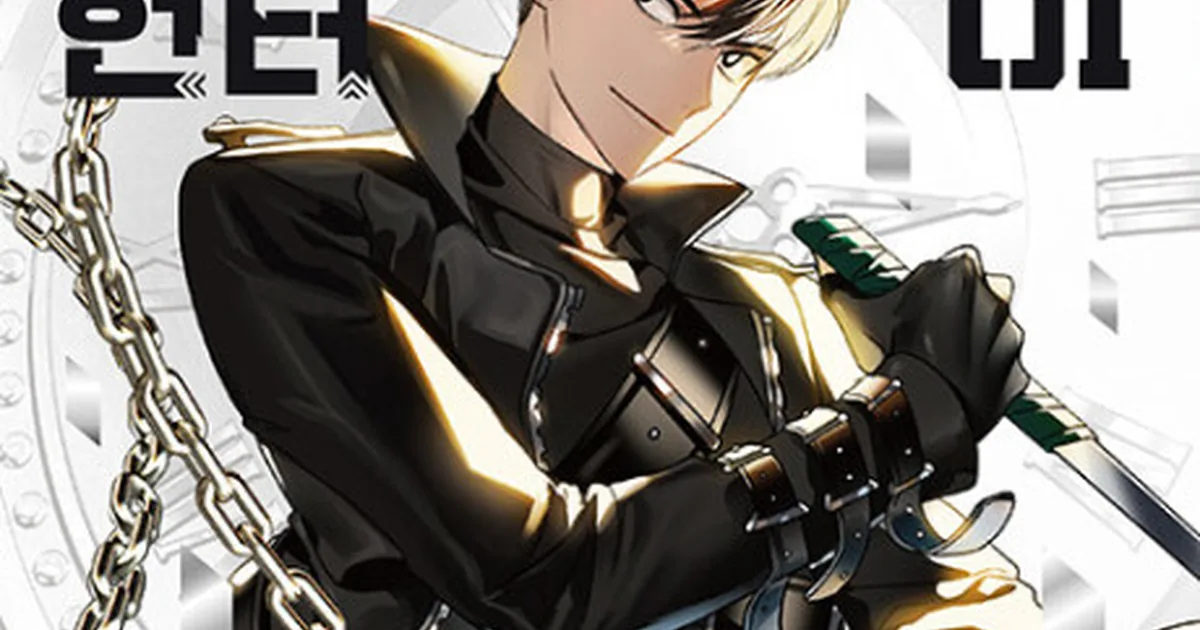
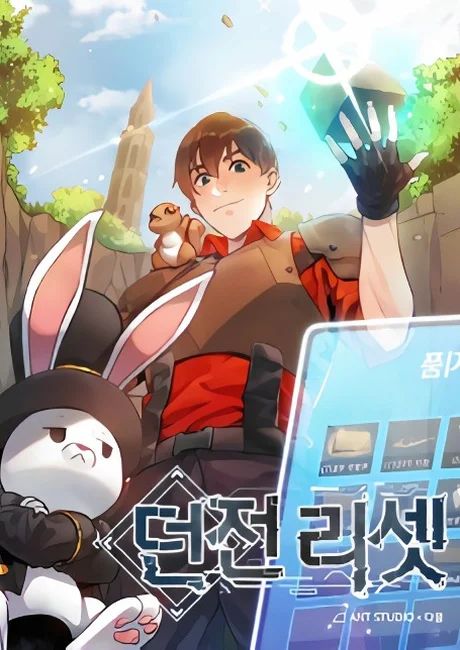 Dungeon Reset cover art.
Dungeon Reset (WEBTOON, completed)
Dungeon Reset is a structural match for SAO's trapped-protagonist premise that the genre rarely produces. Dawon Jung is a dungeon hunter who gets stuck inside a dungeon during a reset cycle. Every other participant respawns to the start with no memory of the previous run. Dawon doesn't. He keeps his items, his stats, his knowledge of the dungeon's layout, and the wounds he earned in the previous cycle.
The result is a protagonist who has permanent advantage over a dungeon that can't account for him: the dungeon's reset mechanic wasn't designed to handle someone who doesn't reset. He exploits this systematically, working alone because the other participants are always starting from zero.
This is the closest manhwa equivalent to SAO's death-stakes logic: the dungeon is a real trap, not a game. Exiting requires clearing floors, not logging out. The protagonist's edge comes from accumulation rather than raw power, and the series is careful about maintaining that the dungeon itself is dangerous: Dawon's advantage is relative, not absolute.
Completed. If you want the trapped-protagonist mechanic without waiting for ongoing releases, Dungeon Reset is the cleanest finished option on this list.
Where to read: WEBTOON | Status: Completed
For readers who want a broader list covering dungeon-trap manhwa beyond these two picks, best manhwa dungeon series on ChapterBrief covers additional entries with chapter counts and platform status.
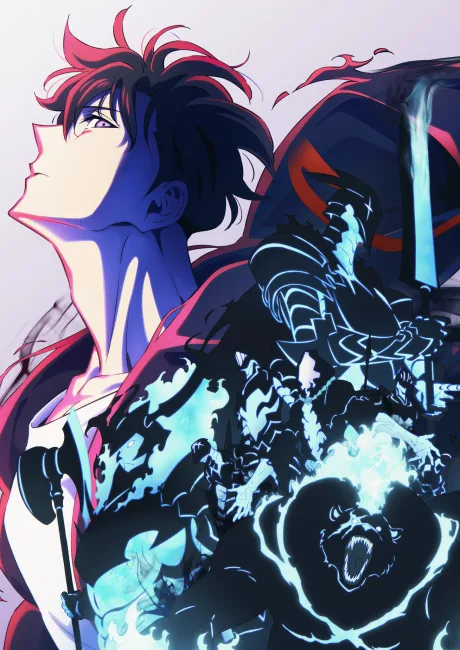
For the tower structure and party dynamics
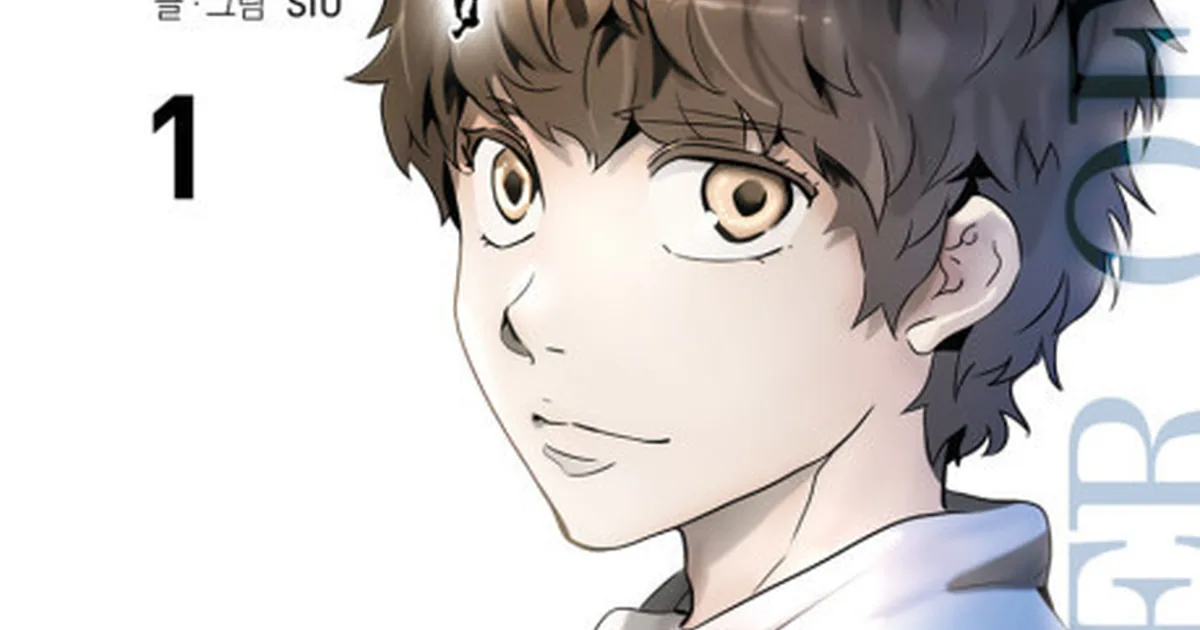
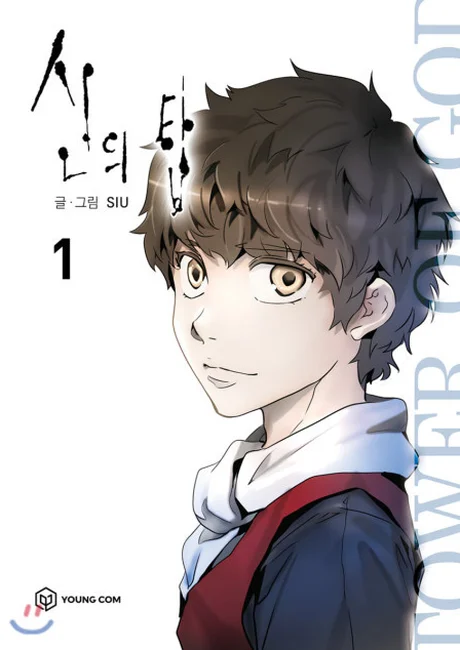 Tower of God cover art.
Tower of God (WEBTOON, 652+ chapters, on hiatus after Season 3)
Tower of God is not a game, and that distinction matters less than you'd think.
The Tower is a structure with floors. To reach the top, participants must clear tests. Tests are designed to require team formation, specialization, and trust. The floor structure functions like dungeon levels: each test is a new design problem, the difficulty scales, and the players who survive long enough start developing relationships and factions that operate above and beyond individual test performance.
That social and political layer is where Tower of God earns its place on any manhwa like Sword Art Online list. The guild dynamics SAO builds across its clearing guilds (trust allocation, leader decisions under pressure, the cost of partying with someone unreliable) Tower of God replicates structurally, just without calling it a game.
Bam enters the tower to follow someone he cares about. He isn't the strongest participant, but the series is interested in resilience against opponents who are simply more talented: a protagonist competent at surviving rather than at winning. The early arcs (Chapters 1-100) are the most directly game-like. The series expands into faction politics from there.
Where to read: Tower of God on WEBTOON | Status: On hiatus after Season 3, 652+ chapters
If Tower of God's style is what you want more of, manhwa like Tower of God on ChapterBrief covers the floor-climbing genre with rankings by structural similarity.
Our best system fantasy manhwa list covers top VR-world and game-mechanics manhwa.
Best System Fantasy Manhwa →
For the protagonist with insider knowledge
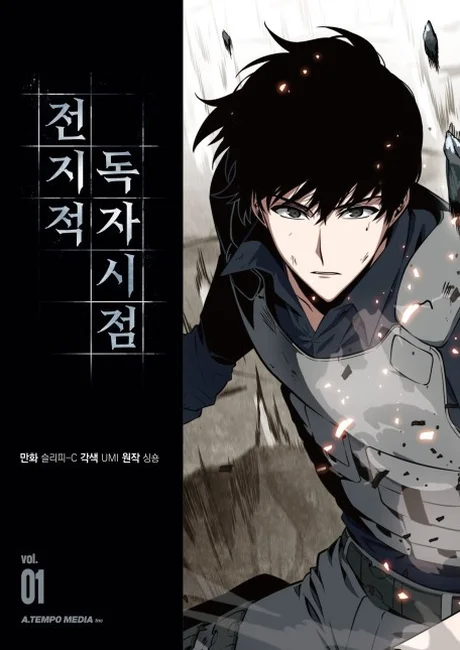 Omniscient Reader's Viewpoint cover art.
Omniscient Reader's Viewpoint (WEBTOON, ongoing; source novel: 551 chapters)
Kim Dokja spent years as the sole reader of a web novel called Ways of Survival. When that novel's apocalyptic scenario begins in real life, he's the only person who has read every chapter. He knows which scenarios kill everyone, which characters survive, and how the system's rules work, because he's already read the story that's now operating on real people.
That's the insider-knowledge register SAO's beta-tester framing hints at. Kirito knows the game before everyone else. ORV takes the same structure and makes the knowledge-advantage also an emotional wound: Dokja already loved these people as fictional characters before he met them as real ones.
The system mechanics are real and detailed (scenario structure, constellation reward economy, power scaling between regression cycles). But ORV uses the system as a narrative layer, not the central hook. 551 chapters, completed. The source web novel is fully translated; the manhwa adaptation is ongoing as of mid-2026.
Where to read: WEBTOON | Status: Completed (manhwa adaptation ongoing); source novel complete
For a deeper breakdown of what makes ORV's structure distinctive from other system-fantasy manhwa: manhwa like Omniscient Reader's Viewpoint on ChapterBrief covers the closest alternatives.
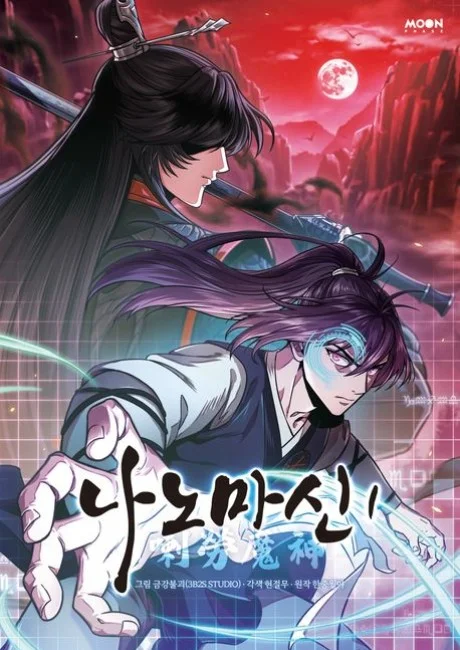 Nano Machine cover art.
Nano Machine (WEBTOON, 300+ chapters)
Nano Machine is the outlier on this list in terms of setting: it's a murim (martial world) cultivation manhwa, not a dungeon or isekai story. The reason it belongs here is the overlay.
The protagonist, Cheon Yeo-Woon, receives a nano machine injection from a descendant in the future. The nano machine functions like SAO's system interface: it reads the stats and skill levels of opponents, identifies techniques, and provides tactical analysis in real time. In a setting where everyone else is operating on raw cultivation and instinct, Cheon has a HUD.
The tone is lighter than SAO and the setting is entirely different, but the mechanic (a protagonist with a visible technological interface in a world that operates on different rules) is the same structural idea. The system gives him information asymmetry, not just power. He uses it to understand encounters analytically rather than emotionally.
On hiatus as of mid-2026 at around 300 chapters, extended but not confirmed permanent. The translated chapters tell a largely self-contained arc.
Where to read: WEBTOON | Status: ~313 chapters, in its final arc (nearing completion)
Solo Leveling: the progression match
Solo Leveling appears on every manhwa like Sword Art Online list. The actual overlap is narrower than the genre label suggests.
Sung Jinwoo starts as the weakest hunter. After a double dungeon event, he gets a system interface and begins progressing (missions, levels, shadow soldiers). By the end, he's the Shadow Monarch. That arc across 179 chapters is one of the cleanest progression curves in manhwa. The dungeon-clear tension in the early arcs genuinely approximates SAO's floor-clearing pressure.
What doesn't match: Jinwoo is fundamentally alone. The system separates him from other hunters rather than connecting him to them. The guild dynamics, party politics, and romance threads that carry weight in SAO are absent. Jinwoo's growth makes him an island. Kirito's growth makes him a better partner.
Mechanical progression and dungeon stakes: Solo Leveling delivers. Social layer: it doesn't.
Where to read: Tappytoon (official), WEBTOON (official) | Status: Completed, 179 chapters
For a broader set of options across what "manhwa like Solo Leveling" actually searches for: manhwa like Omniscient Reader's Viewpoint and best manhwa isekai on ChapterBrief both cover adjacent territory with different emphasis on the power-arc vs. narrative depth question.
The honest gap: what manhwa can't replicate
Advertisement
SAO's first arc premise (players physically trapped in a VR world, death inside the game causing real death outside it) has no exact manhwa equivalent. The gap is structural, not accidental.
Manhwa's dungeon-hunter genre gets close with physical traps: dungeons that actually kill, floors that require clearing before exit. Dungeon Reset is the closest. But dungeon-hunter series are built around the premise that the hunter chose to enter and has a route out through performance. The locked-in-with-no-exit-except-victory structure of SAO's Aincrad arc hasn't been replicated.
The VR component specifically is absent. Korean manhwa doesn't have a strong VR-gaming tradition in its system-fantasy subgenre. The mechanism that replaces the game world is almost always a physical dungeon, a real-world system awakening, or a novel/story world made literal. None of these carry the specific charge of "you logged in voluntarily and now the logout button is gone."
What's closest in emotional register: Dungeon Reset for the physical trap, ORV for the knowledge-inside-the-system angle, Tower of God for the social weight of parties and factions operating under permanent failure conditions. You can stack these and approximate most of what SAO delivers. You can't find a single manhwa that delivers the whole thing at once.
That's not a reason to stop reading manhwa. It's a reason to read the right manhwa for the right component.
For ongoing series in related isekai subgenres: best manhwa isekai and best manhwa fantasy both track active and completed options with platform and status information. If you want completed-only options: best manhwa completed 2026 narrows the field.
Frequently Asked Questions
Is there a manhwa with the same trapped-in-VR premise as SAO?
No manhwa replicates the VR-trap premise directly. The physical dungeon-trap in Dungeon Reset is structurally closest: a protagonist locked inside a space he can only leave by clearing it, with death as the failure state. The Gamer puts a game interface into the real world but the protagonist can walk away. ORV traps the protagonist inside a story-world rather than a game world. The VR component and the "logout button is gone" tension are genuinely absent from manhwa as a genre.
What manhwa has the best game-mechanic system like Sword Art Online?
The Gamer. Han Jihan's interface is literally an RPG HUD (stat windows, skill trees, experience bars, inventory slots, dungeon-entry prompts). The system is the premise, not a background detail. At 500+ chapters across 14 years, it's one of the longest completed system-fantasy manhwa on WEBTOON. If mechanical fidelity to SAO's RPG-interface design is the criterion, The Gamer wins.
Is Solo Leveling similar to Sword Art Online?
In progression structure, yes. Both protagonists move through a system with visible mechanics, both face dungeon-level escalation, and both end at a power ceiling that changes their relationship to the world. Solo Leveling is the closest manhwa to SAO's individual power arc. The social layer (guilds, party politics, romance under survival conditions) isn't present in Solo Leveling. Kirito's arc is about being exceptional inside a social world. Jinwoo's arc is about becoming exceptional beyond the social world.
What is Tower of God and is it similar to SAO?
Tower of God is a 652+-chapter WEBTOON (on hiatus after Season 3) where participants climb a structure of floors by clearing tests. The floor-test structure functions like SAO's boss-floor logic, and the series is built around party formation and faction dynamics in ways that mirror SAO's guild layer. It's not a game (no HUD or system interface), but the social and structural experience is closer to SAO than most system-fantasy manhwa.
Is The Gamer a good recommendation for SAO fans?
Yes, with one qualification: The Gamer doesn't have SAO's death stakes. Han Jihan can die in his dungeon runs but respawns. The permanent-death pressure that makes SAO's Aincrad arc tense isn't present. If the mechanics were the draw, The Gamer is the right call. If survival pressure was the draw, the Gamer won't replicate that.
What manhwa has the best progression system like SAO's leveling?
The Gamer for mechanical fidelity (stat windows, skill trees, level thresholds). Solo Leveling for the cleanest arc shape: D-rank to Shadow Monarch, 179 chapters, consistent internal logic. ORV for structural ambition: progression tied to narrative foreknowledge rather than raw stat accumulation. Which is best depends on what you're optimizing for.
Related Reading
- Best Isekai Manhwa Ranked for 2026: 15 Series You Need: 15 isekai and game-world manhwa picks for SAO fans.
- Best System Fantasy Manhwa: 10 Series to Read in 2026: 10 system-fantasy picks where game mechanics drive the story.
- Manhwa Like Solo Leveling: 10 Series Worth Reading Next: 8 picks for Solo Leveling fans, with heavy overlap with SAO adjacent picks.
- Best Manhwa with OP MC: 10 Must-Read Series in 2026: 10 series where the protagonist becomes unstoppable inside a game world.
- Best Manhwa to Read in 2026: 20 Series Worth Your Time: 2026 starter list for readers crossing from anime.
References
- Tower of God on WEBTOON: On hiatus after Season 3, 652+ chapters, official English platform
- The Gamer on WEBTOON: Ongoing, official English platform with full archive
- Solo Leveling on Tappytoon: Official English translation, completed 179 chapters
About the author

Senior Manhwa Critic & Analyst
Manhwa critic and former Korean-to-English webtoon translator with 8 years reading across 40+ genres. London-based. Tracks everything from power-progression to slice-of-life romance.
- 8 years reading manhwa across 40+ genres
- Former Korean-to-English webtoon translator
- 500+ manhwa titles completed
- Specializes in progression systems and power-scaling analysis
Disclaimer
This article is published for informational and entertainment purposes. It does not constitute professional financial, legal, or technical advice. Series availability, platform access, translation status, and chapter counts change. Verify critical details (pricing, regional availability, official translation status) with publishers and platforms. Affiliate links, where present, help support our editorial work and are labelled in our affiliate disclosure.
Comments
Loading comments…