TL;DR: Tomb Raider King and Nano Machine are the cleanest versions of rejection and revenge: a specific person close to the protagonist causes the fall, and the entire plot is the response. The Villainess Turns the Hourglass and I Am the Real One run the same shape through a broken engagement and a stolen identity. Gosu, Legend of the Northern Blade, and Return of the Blossoming Blade put the betrayal at the level of a sect instead of a person.
Recent updates:
- October 6, 2026: Re-verified all 8 ranked entries, reconciled AniList and English-edition count differences, refreshed Return of the Blossoming Blade's latest listing, added depth, and added six new internal links.
- September 1, 2026: The list launched around the specific wound behind each revenge arc rather than generic power escalation.
Best manhwa about rejection and revenge share one structural move competitors on this search term keep skipping: they name the specific wound before they get to the payoff. Not "a villain," not "an evil empire." A half-sister. A colleague. A sect elder. A household that believed a stranger over its own daughter.
Tapas access note: Tapas ends service on March 31, 2027 at 23:59 PT, so unlocked episodes will not be accessible after that date; see the official Tapas update.
Our broader manhwa revenge list sorts eight series by revenge type, cold and calculated, visceral, regression-based, and it's the place to start if you want a wide survey of the genre. This list does something narrower: every entry here begins with a protagonist who was rejected, betrayed, or humiliated by someone they trusted, and every revenge arc is a direct answer to that specific wound, not a generic villain-punishing plot. Only one series, Return of the Blossoming Blade, appears on both lists, and for a different reason each time.
Best manhwa about rejection and revenge: overview
The best manhwa about rejection and revenge begins with a close relationship that breaks: family, sect, fiancé, household, or colleague. The strongest picks keep that original wound visible while the protagonist grows stronger. Tomb Raider King stays locked on a named betrayer, while Return of the Blossoming Blade turns the same pain into reconstruction.
The rejection has to come from somewhere close for the revenge to land. A random monster killing your village is tragedy. A half-sister engineering your death, a mentor's own students selling him out, a household choosing a stranger over its own daughter, that's betrayal, and manhwa readers respond to it differently. The genre knows this. Villainess manhwa, murim regression, and modern hunter-system stories all lean on it constantly, which is exactly why the trope needed its own list instead of a paragraph inside a broader one.
Eight series made the cut, grouped by who did the wronging. Four involve family or a sect. Three involve a fiancé or household. One involves a trusted colleague, and it is the sharpest example of the trope. Chapter counts, status, and platform are checked against AniList and each series' official English platform. Where a series doesn't fully deliver on the revenge premise, that's said directly rather than papered over.
Readers who want more historical and martial-arts context can pair this list with best historical manhwa and best martial arts manhwa before choosing between a family, sect, and court-centered story.
Key takeaways
- Tomb Raider King and Nano Machine are the most direct executions of the trope: one specific betrayer, one sustained response
- The Villainess Turns the Hourglass and I Am the Real One cover the fiancé-and-household version of rejection and revenge
- Gosu, Legend of the Northern Blade, and Return of the Blossoming Blade all use a sect or school destroyed from within as the inciting wound
- Six of the eight are completed: Legend of the Northern Blade, Gosu, Tomb Raider King, The Villainess Turns the Hourglass, I Am the Real One, and The Villainess is a Marionette
- I Am the Real One is the one entry where the revenge premise doesn't fully hold; it pivots to family drama at the midpoint, and that's noted below rather than hidden
Betrayed by family or sect
Family and sect betrayals make the most direct rejection-and-revenge stories because the protagonist loses both a relationship and a place in the world. Nano Machine and Legend of the Northern Blade answer that wound through power and restoration, while Gosu and Return of the Blossoming Blade turn the aftermath into a longer rebuilding project.
The murim genre runs on this setup more than any other corner of manhwa. A sect gets destroyed, or a family disowns its own blood. The survivor spends years becoming someone who can answer for it. I'll admit I used to skim past these origin chapters to get to the fights. I don't anymore. The slow humiliation is the part that makes the eventual reckoning mean something.
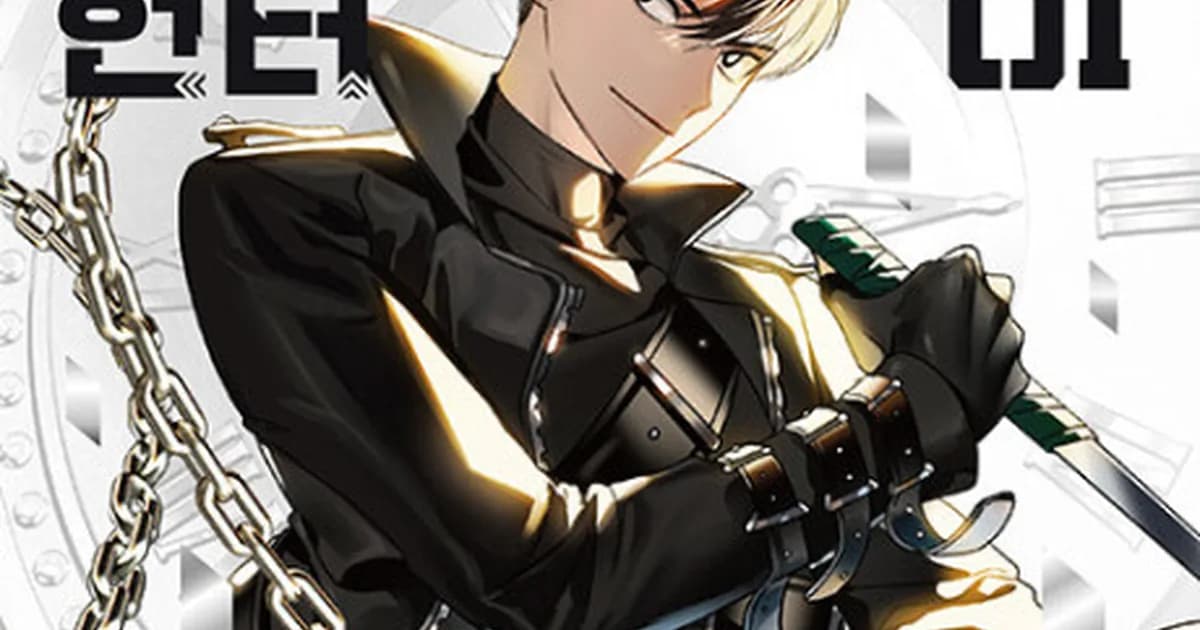
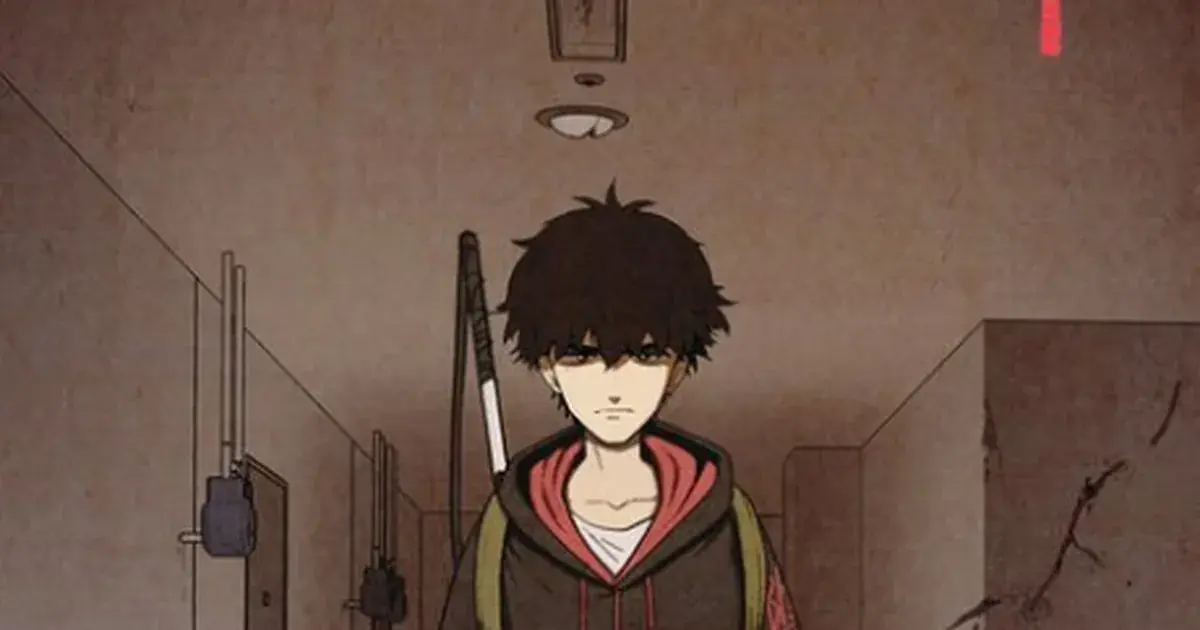
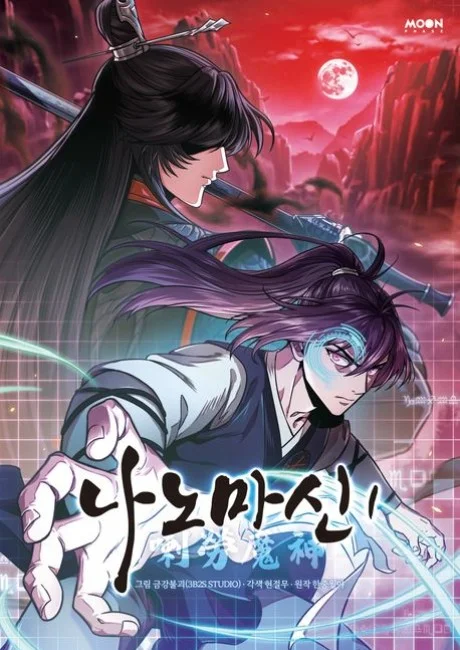 Nano Machine cover art.
Nano Machine
Chapters: No fixed AniList total | Platform: WEBTOON, Naver Webtoon | Status: AniList RELEASING; no completion date announced.
Cheon Yeo-woon is the lowest-ranked member of his own family's bloodline hierarchy, illegitimate, politically exposed, and treated as disposable by higher-status relatives who have both the motive and the standing to have him removed. A piece of nanomachine technology from the future changes what he's capable of, but the series never lets that erase where he started. Every gain he makes plays out against people who already decided he didn't matter.
What separates Nano Machine from a standard cultivation power-up story is that the family politics don't fade into the background once Yeo-woon gets strong. The murim-and-system hybrid premise is a substantial commitment even without assigning an unverified total chapter count.
The family hierarchy is the real engine. The nano machine changes the balance of power, but it does not erase the social rules that made Yeo-woon vulnerable. Readers who want the genre context behind that setting can use what murim manhwa means before branching into more martial-arts systems.
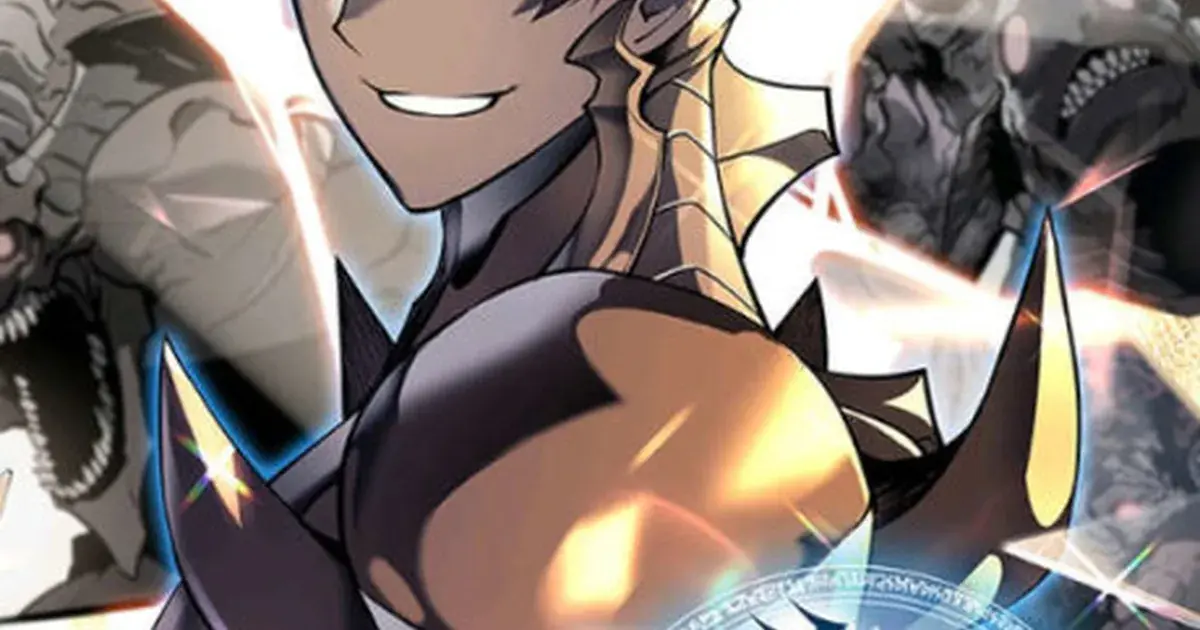
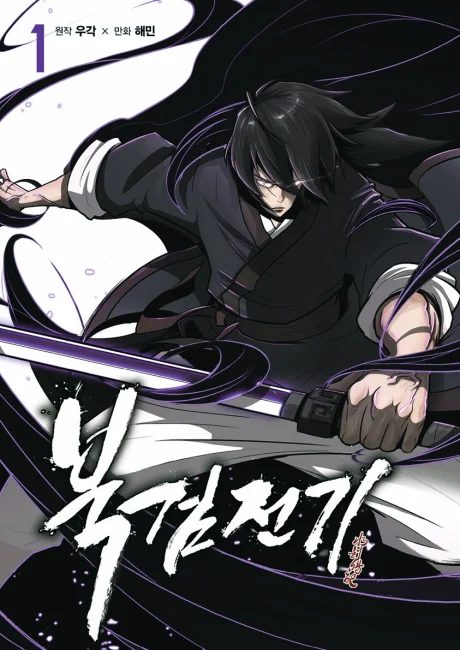 Legend of the Northern Blade cover art.
Legend of the Northern Blade
Chapters: 202, completed | Platform: Tappytoon | Status: Finished run, no filler arcs added.
Jin Mu-Won starts with nothing: no system, no hidden bloodline, no mentor who sees his potential. His father is falsely accused of conspiring with the organization that has spent decades attacking their sect, and the accusation destroys everything. The sect disbands. Mu-Won survives, but stripped of status and watched by the people who should have protected him.
The revenge here isn't hot-blooded. It's a restoration project: uncover what actually happened, confront the people who destroyed it, and rebuild what was unjustly erased. Legend of the Northern Blade wraps its full run in 202 chapters without tournament filler, which is rare for the genre.
That restoration angle makes the series a strong historical companion to the more system-driven picks above. Mu-Won's anger has to coexist with a responsibility to the people who inherit the sect after the original conspiracy, which gives the revenge a slower and more deliberate shape.
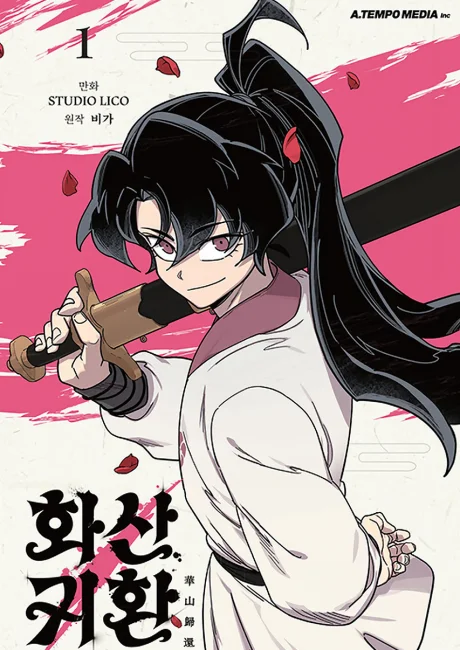 Return of the Blossoming Blade cover art.
Return of the Blossoming Blade
Latest listing: Season 3, Episode 177 / platform #183 on WEBTOON English (September 29, 2026) | Platform: WEBTOON | Status: AniList RELEASING.
Mount Hua Sect is destroyed by betrayal from within, and Cheongmyeong regresses carrying the standard of an era when sect survival was a daily problem, not an assumption his current disciples take for granted. The comedy the series is known for sits on top of that loss the entire time. It doesn't disappear as the story goes; it lands harder once the reader understands what it's covering.
Where Return of the Blossoming Blade differs from a straight revenge arc is emphasis: reconstruction over confrontation. Rebuilding what enemies took reads as its own kind of reckoning, just a slower one.
The comedy is therefore part of the recovery process. Cheongmyeong's remembered standard gives him a sharp way to judge the weakened sect, but the younger disciples need instruction rather than punishment. That tension makes this the gentlest entry here even though its origin wound is one of the most severe.
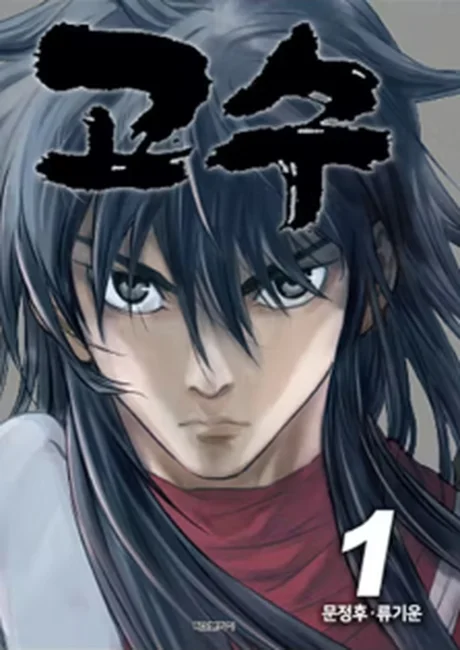 GOSU cover art.
Gosu
Chapters: 233, completed | Platform: WEBTOON, Naver Webtoon | Status: Finished 2021, anime adaptation in production.
Gang Ryong's master was a real authority in the murim world before his own disciples betrayed him, left him for dead, and erased his school's reputation. Gang Ryong emerges from years of training with his master's complete techniques and one goal: find the men responsible.
The trick Gosu pulls off is tonal. The early chapters read as comedy, built on the power gap between Gang Ryong and everyone underestimating him. As the betrayal's consequences get more personal, the humor doesn't get cut, it just stops landing the same way, and by the midpoint this is a revenge narrative with occasional jokes rather than the other way around. 1.4 billion views on Naver Webtoon is the kind of number a tonal shift like that earns.
Gosu fits readers who want a completed answer to the master-and-disciples betrayal without losing the pleasure of a comic lead. Its revenge is personal at the start, then widens into a question about whether the murim world can be trusted with the techniques it helped bury.
For a full ranking of the villainess subgenre this list borrows from, ten reincarnation and regression picks sorted by tone.
Best Villainess Manhwa 2026 →
Rejected by a fiancé or household
Fiancé and household rejection shifts the payoff from sect restoration to public legitimacy. The Villainess Turns the Hourglass pursues deliberate retaliation. I Am the Real One changes course toward family healing. The Villainess is a Marionette turns repeated use into a fight for control. The best reincarnation manhwa guide covers the wider subgenre around these premises.
The villainess genre runs its own version of this trope, and the rejection is almost always literal: an engagement broken in public, a household that picks a stranger over its own daughter, an execution ordered by someone who was supposed to protect her. This is the corner of the genre I keep coming back to, honestly. Something about a woman who was supposed to just accept it and doesn't.
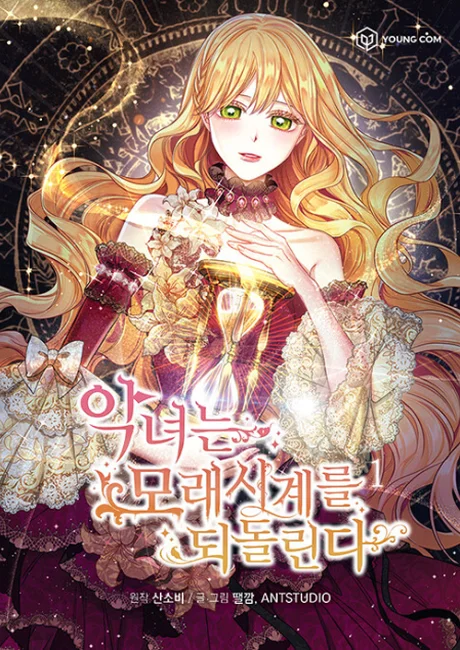 The Villainess Turns the Hourglass cover art.
The Villainess Turns the Hourglass
Chapters: 125, completed | Platform: Tapas, Tappytoon | Status: Finished, full arc resolved.
Aria Roscente is betrayed by her own half-sister, and the ending she gets is bad enough that when her regression ability hands her a second run, she doesn't use it to escape quietly. She uses it to go after the people who destroyed her original life, deliberately and without much interest in being liked for it.
That's what sets The Villainess Turns the Hourglass apart from the escape-focused version of the genre. The protagonist is closer to an anti-heroine than a sympathetic lead, and the series doesn't soften that to make her easier to root for.
Aria's advantage is precise because the betrayal is precise. She remembers who benefited from her first death and uses the hourglass to change the social order around them, one decision at a time. Readers who want the same tension with a broader romance frame can branch into the best romance manhwa list.
 I Am the Real One cover art.
I Am the Real One
Chapters: 160, completed | Platform: Tapas | Status: Finished February 2026.
Keira Roberstein, daughter of a Grand Duke, is executed after an impostor named Cosette convinces the entire household she's the legitimate heir. Keira regresses two years before her death with full memory of how it played out, and uses that foreknowledge to expose the fraud before the household repeats the same mistake.
Worth saying plainly: I Am the Real One sets up as a revenge thriller and mostly isn't one by the second half. The tonal shift toward healing family drama is a deliberate structural choice, not a series losing its nerve, but readers who came only for sustained payoff against the people who wronged Keira should know the pivot is coming before chapter 30.
That pivot changes the question from "how does Keira punish them?" to "can this household become safe after it failed her?" It is a useful pick for readers who want the rejection premise to lead somewhere softer, even if that means the revenge payoff is no longer the main event.
 The Villainess is a Marionette cover art.
The Villainess is a Marionette
Chapters: 112, completed | Platform: Tapas | Status: Finished, full arc resolved.
Kayena Hill dies twice as a pawn in someone else's plan before she decides a third death isn't happening. The novel's version of her is naive and easy to maneuver into a bad ending; this version isn't interested in playing that part again. Once she understands how the story is meant to unfold, she starts making sure other people's plans stop working on her.
The premise gives The Villainess is a Marionette a sharper edge than most genre entries that start from "I woke up as the villainess." The rejection here isn't one betrayal, it's a pattern of being used, and the revenge is control itself.
The repeated-use pattern also makes the title a better match for readers who dislike a single public humiliation being treated as the whole conflict. Kayena refuses to be controlled. Her choices build into a wider attempt to own the role everyone else assigned her.
Readers who prefer a villainess lead with harsher survival pressure can compare Manhwa Like Villains Are Destined to Die after this completed pick.
Betrayed by a colleague, not a family or a kingdom
Colleague betrayal is the cleanest single-person version of the trope because the professional relationship is close enough to create trust and competitive enough to create motive. Tomb Raider King keeps the original colleague visible across its long relic-hunting run, so the revenge does not disappear when larger threats arrive.
One entry sits outside the family-and-fiancé pattern entirely, and it might be the tightest execution of the whole trope on this list precisely because the betrayer isn't a relative or a lover. It's someone who worked next to him.
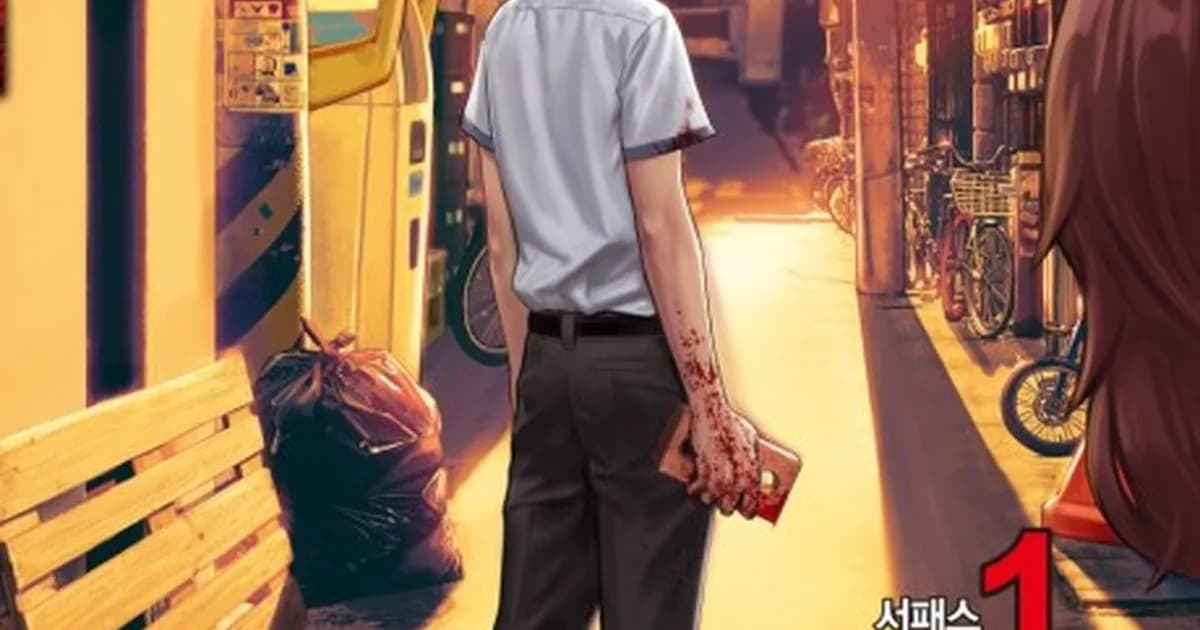
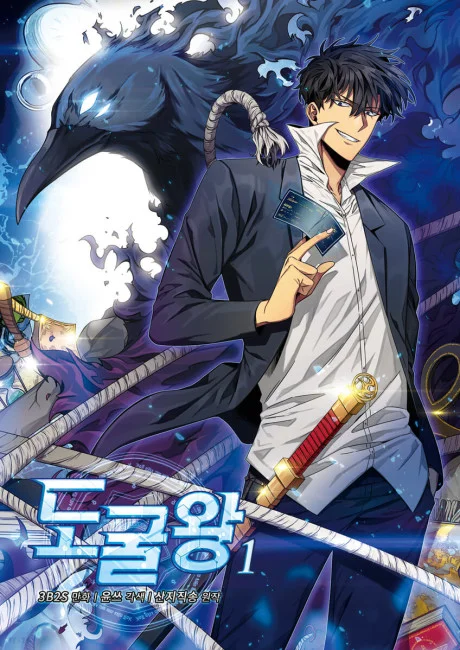 Tomb Raider King cover art.
Tomb Raider King
Chapters: AniList lists 411 source chapters; Tapas lists 412 completed English episodes | Platform: Tapas, Yen Press | Status: AniList FINISHED; direct sequel launched July 2026.
Jooheon Kwon was one of the top relic hunters in the world before a colleague betrayed and killed him to steal a powerful relic. He's sent back 15 years with full memory of the relic ecosystem, and from there the entire series runs as one very long revenge scheme, executed through acquiring artifacts other hunters can't access yet rather than raw power.
Here's the part that actually earns Tomb Raider King a spot on this list: the betrayal doesn't fade into backstory once the plot gets moving. The finale resolves the central conflict directly with the colleague who killed him. That's rarer than it should be in a genre where the inciting wrong usually gets outrun by whatever bigger threat shows up around chapter 100.
The edition difference matters for readers planning the time commitment. AniList's source record stops at 411 chapters, while the official English Tapas listing exposes 412 episodes. Both refer to the completed main run, so the extra English episode should not be treated as a contradiction or a new sequel.
If Tomb Raider King's finished, satisfying arc is what you're after, our list of completed manhwa covers more series with real endings instead of open-ended runs.
Best Completed Manhwa →
Best manhwa about rejection and revenge: which wound hits hardest
The strongest pick depends on whether you want revenge to punish a person, restore a group, or heal a damaged household. Tomb Raider King and Nano Machine stay closest to direct retaliation. Legend of the Northern Blade and Gosu widen the wound to a sect. I Am the Real One and Return of the Blossoming Blade turn the same starting pain toward recovery.
Rank these eight by quality and you'd get a reasonable but unremarkable list. Rank them by how directly the revenge answers the specific wound, and the pattern gets more interesting.
Tomb Raider King and Nano Machine sit at one end: a named, specific betrayer, and a plot that stays locked onto them until the story ends. The Villainess Turns the Hourglass belongs there too, structurally, even though the setting is a broken engagement rather than a professional betrayal. Gosu and Legend of the Northern Blade widen the wound from a person to an institution, a sect instead of a colleague, which changes the shape of the payoff: you're not confronting one person, you're dismantling a structure that let the betrayal happen.
I Am the Real One and Return of the Blossoming Blade sit at the other end, series that set up a revenge premise and then use it for something else, healing and reconstruction respectively. That's not a weakness. It's a different answer to the same starting wound, and knowing which kind you want going in will save you from feeling let down partway through. The Villainess is a Marionette splits the difference: the rejection is repeated rather than singular, and the revenge is about refusing to be used again more than punishing any one person.
If a specific betrayal by someone close is what you're looking for in your next read, start with Tomb Raider King or Nano Machine. If you want the villainess version of the same wound, The Villainess Turns the Hourglass delivers it without softening the protagonist into someone easier to like.
Frequently Asked Questions
What is the best manhwa about rejection and revenge? Tomb Raider King is the cleanest version of the trope: Jooheon Kwon is betrayed and killed by a colleague who steals his relic, regresses 15 years, and spends the completed main run building a revenge scheme. AniList lists 411 source chapters, while Tapas lists 412 English episodes. For a family-betrayal version, Nano Machine and Legend of the Northern Blade cover the sect-and-clan angle just as directly.
What manhwa has a protagonist betrayed by their own family? Nano Machine's Cheon Yeo-woon is the illegitimate, lowest-status son in his own Cult's bloodline hierarchy, targeted by higher-ranked relatives who see him as expendable. Legend of the Northern Blade's Jin Mu-Won loses his status when his father is falsely accused and the family's sect is destroyed from within.
Is there a manhwa where the sect or clan betrays the main character? Three on this list run that exact structure. Legend of the Northern Blade and Return of the Blossoming Blade both center on a sect destroyed by an inside conspiracy. Gosu's setup is closer still: Gang Ryong's master is betrayed by his own disciples and left for dead, and Gang Ryong spends the series finding the men responsible.
What villainess manhwa has real revenge, not just survival? The Villainess Turns the Hourglass is the most direct: Aria Roscente is betrayed by her half-sister, and her regression is used deliberately to take revenge on the people who destroyed her first life. The Villainess is a Marionette runs a variation, where Kayena Hill dies twice as a pawn in someone else's plan before she starts pulling the strings herself.
Which manhwa about rejection and revenge are completed? Legend of the Northern Blade (202 chapters), Gosu (233 chapters), Tomb Raider King (411 AniList source chapters and 412 Tapas English episodes), The Villainess Turns the Hourglass (125 chapters), I Am the Real One (160 chapters), and The Villainess is a Marionette (112 chapters) are all finished. Nano Machine and Return of the Blossoming Blade are still ongoing.
What manhwa deals with betrayal by a fiancé or a household? I Am the Real One is the clearest fit: Keira Roberstein is executed after an impostor convinces her own household she's the fraud. The premise is a straight revenge setup, though the series spends its second half on family healing rather than sustained payoff, which is worth knowing going in.
Related Reading
References
- Nano Machine on WEBTOON
- Legend of the Northern Blade on Tappytoon
- Return of the Blossoming Blade on WEBTOON
- Gosu on WEBTOON
- Tomb Raider King on Tapas
- The Villainess Turns the Hourglass on Tapas
- I Am the Real One on Tapas
- The Villainess is a Marionette on Tapas
- Manhwa on Wikipedia: format and industry background