Loading…
ChapterBrief · Manhwa
6 manhwa like Death Note for psychological thriller fans
Looking for manhwa like Death Note? These 6 picks match the psychological mind games, villain protagonists, and tight plotting that made it unforgettable.
manhwa like Death Note is one of the harder recommendation requests to answer honestly. Most lists handle it by indexing on "psychological thriller" as a genre label and returning whatever fits the category. That's not useful. Death Note's specific qualities are narrow enough that only a few manhwa actually deliver them.
TL;DR: For the information-asymmetry cat-and-mouse specifically: Bastard (94 chapters, complete) is the closest overall. For the genius-protagonist-who-outmaneuvers-everyone feeling: Omniscient Reader's Viewpoint (manhwa Season 1 complete, Season 2 on hiatus; source novel: 551 chapters, complete). For morally grey protagonists whose methods are hard to defend: Weak Hero (completed, 268 chapters, WEBTOON)
Quick note before the list: Death Note is manga, not manhwa. It was written by Tsugumi Ohba and drawn by Takeshi Obata, published in Weekly Shonen Jump from 2003 to 2006. The recommendation lists that conflate manga and manhwa freely are fine for casual browsing. For precision reading, the distinction matters. This list covers manhwa (Korean comics, typically in vertical scroll webtoon format) that come closest to what Death Note actually does.
Official Death Note trailer, via Crunchyroll.
Overview
Death Note is a Japanese manga, not a manhwa. Written by Tsugumi Ohba and drawn by Takeshi Obata, it ran in Weekly Shonen Jump from 2003 to 2006. The series is Japanese in origin, published in tankobon format and adapted into a well-known anime. Readers searching for "manhwa like Death Note" are typically looking for Korean webtoons that replicate the psychological mechanism, not the format origin.
The premise is compact: Light Yagami, a brilliant high school student, finds a notebook that kills anyone whose name is written in it. He decides to use it to create a world without crime, with himself as its hidden god. L, an equally brilliant detective, begins investigating the killings. The story runs on their hidden contest, played through information, manipulation, and deduction, with the reader watching both sides' reasoning simultaneously.
Death Note's specific qualities are narrower than the "psychological thriller" genre label suggests. The first arc (volumes 1 through 7, ending with L's death) is built on three precise mechanisms: information asymmetry between Light, L, and the reader; a protagonist who is genuinely the villain and knows it; and plotting that never wastes a beat. The post-L arc (volumes 8-12) is widely considered weaker because it relaxes the third of these.
The series has spawned multiple adaptations including a live-action film series and a Netflix adaptation. The original manga and its 2006-2007 anime remain the definitive versions of the story.
Readers searching for manhwa like Death Note are usually looking for the information-warfare cat-and-mouse, the villain protagonist framing, or the tight no-filler plotting. Most recommendation lists conflate these into a genre label and miss the precision. This list is sorted by which mechanism each series actually delivers.
Key takeaways
- For the information-asymmetry cat-and-mouse specifically: Bastard (94 chapters, complete) is the closest overall
- For the genius-protagonist-who-outmaneuvers-everyone feeling: Omniscient Reader's Viewpoint (manhwa Season 1 complete, Season 2 on hiatus; source novel: 551 chapters, complete)
- For morally grey protagonists whose methods are hard to defend: Weak Hero (completed, 268 chapters, WEBTOON)
- For the darkest version of "protagonist trapped with a killer": Killing Stalking (18+ content warning, read the note before starting)
- For psychological thriller tension with completed tight arcs: Bastard and The Horizon (30 chapters)
- For supernatural dread with completed arcs: Sweet Home (141 chapters, complete)
- Death Note's exact formula (genius villain vs. genius detective, pure information warfare) is essentially unreplicated in manhwa; be honest with yourself about what you're actually looking for
What manhwa like Death Note actually needs to deliver
Advertisement
Before looking at manhwa like Death Note, it's worth naming what Death Note does that made it memorable. The first arc (volumes 1 through 7, ending with L's death) is built on three specific mechanisms working together.
The first is information asymmetry. Light knows he has the Death Note. L suspects Light is Kira but can't prove it. The reader knows both. The story runs on what each party knows, what they're hiding, and how both use partial information as a weapon. Almost no action happens in any conventional sense. Scenes of two people having a conversation carry the full weight of the stakes.
The second is a protagonist who is genuinely the villain and knows it. Light Yagami isn't a morally grey antihero who does bad things for understandable reasons. He acquires power, decides he's qualified to be a god, and starts killing people. The series doesn't soften this. What makes the first arc work is that Light's opponent, L, is as intelligent as he is, so the reader is watching a precise game between two people who both deserve to win and only one will.
The third is plotting that never wastes a beat. The first arc has almost no filler. Every chapter advances the game. The post-L arc (volumes 8-12) is widely considered weaker because it doesn't maintain the same constraint.
No manhwa like Death Note matches on all three conditions simultaneously. What follows identifies which series come closest to each condition, and where the honest gaps are.
Our master manhwa reading list covers the top 30 titles across every genre for 2026.
Best Manhwa to Read in 2026 →
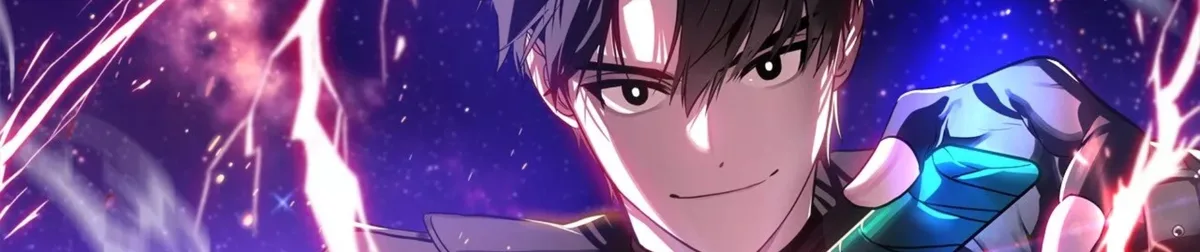
Bastard: the manhwa like Death Note that comes closest
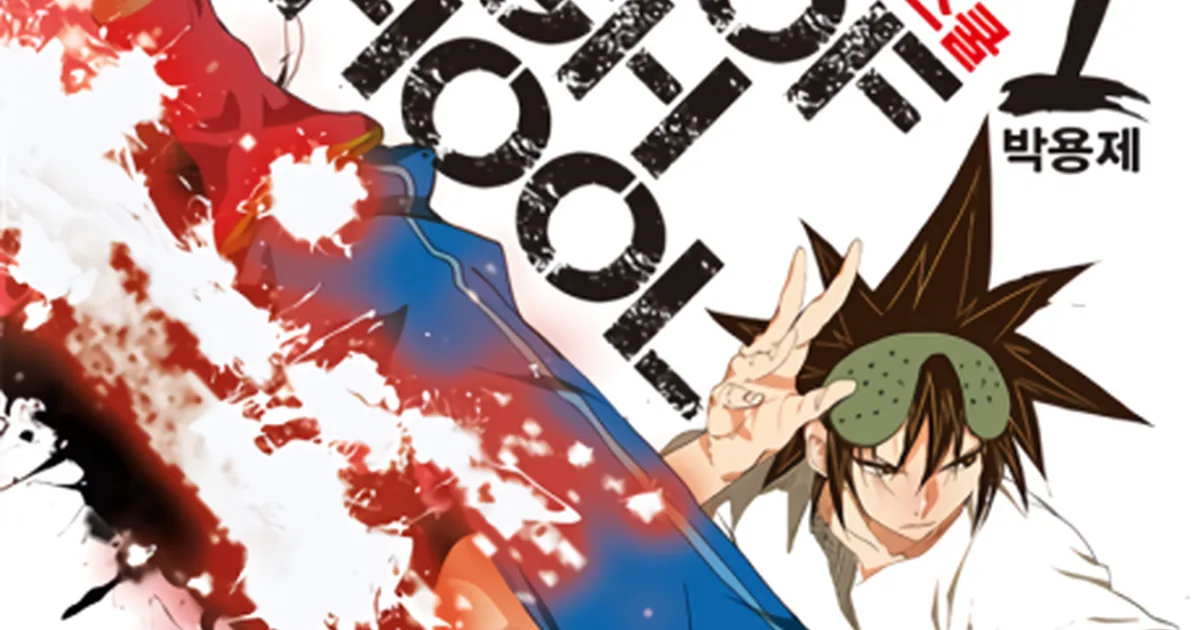
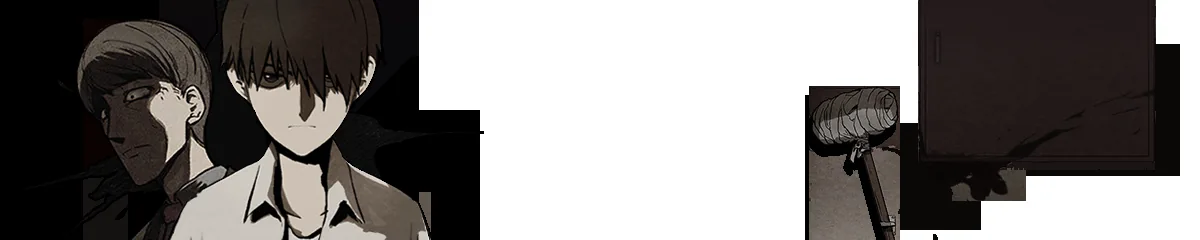 Bastard.
Bastard (written by Kim Carnby, art by Hwang Young-chan) runs 94 chapters on WEBTOON and is complete. The premise: Jin Seon is a high school student whose father is a serial killer. Jin has known this for years. His father uses Jin's social connections to find victims. Jin covers his tracks. The story opens when a new girl, Yoon Kyun, starts school and becomes the next target.
As a manhwa like Death Note, Bastard's structural match is in information asymmetry. Jin knows his father kills people. His father knows Jin knows, and uses that knowledge to keep him in line. Yoon Kyun doesn't know what she's walked into. The reader knows all of it. The chapters work by controlling what each character knows at any given moment and what they choose to do with it. This is exactly the mechanism Death Note uses between Light, L, and the task force.
Where Bastard differs: power dynamics. Light Yagami holds a supernatural tool and chooses to become a killer. Jin Seon has no power and is surviving proximity to someone who kills. Death Note is a god-mode fantasy where ethics is the antagonist. Bastard is a survival story where the threat lives in the same apartment. The emotional experience is not the same. The structural logic is closely related.
The pacing discipline holds through all 94 chapters. Bastard doesn't run filler or recaps. Each chapter tightens something. The ending explains the opening. It's the rare completed manhwa that rewards rereading from chapter one once you know where it goes.
For readers who want the best completed psychological manhwa with mind games, matched by mechanism rather than by genre label, Bastard is the first recommendation for a reason.
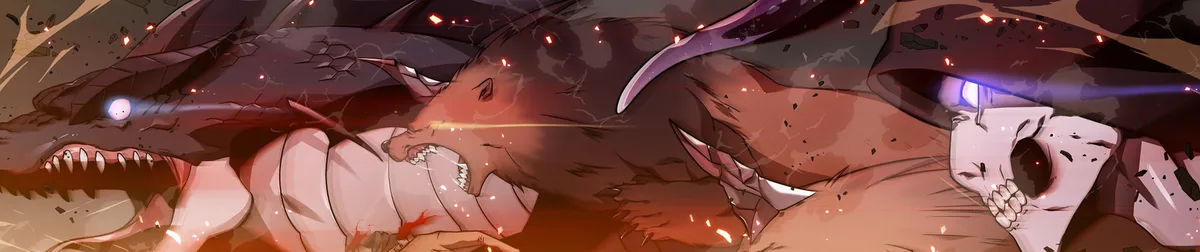
Omniscient Reader's Viewpoint: the genius who knows the story
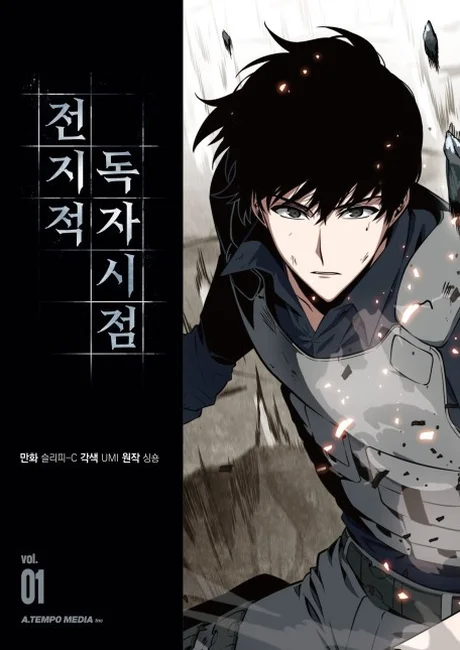 Omniscient Reader's Viewpoint.
Omniscient Reader's Viewpoint (written by Sing Shong, adapted for WEBTOON by Sleepy-C) has Season 1 complete at 311 chapters on WEBTOON; Season 2 is on hiatus, no return date announced. The source novel ran 551 chapters. The premise: Kim Dokja is the only reader to finish a web novel called Three Ways to Survive the Apocalypse, and then the story starts happening in real life. He's the only person in the world who knows how the plot unfolds.
Readers looking for manhwa like Death Note specifically for this quality want the manhwa where protagonist outsmarts everyone using information no one else has. ORV is the closest match in the medium. Dokja knows which characters will betray each other, which events are coming, and which choices lead to which outcomes. The story's central pleasure is watching him use that knowledge as a strategic resource: choosing when to reveal what he knows, when to pretend ignorance, and how to survive in a world that doesn't understand its own rules yet.
Light Yagami uses the Death Note's rules as a weapon. Dokja uses his knowledge of the story as one. The mechanism isn't identical, but the reader's position is similar. You're watching a person play a game where knowing more than your opponents is the core advantage.
The honest comparison: Omniscient Reader's Viewpoint is far more action-heavy than Death Note. The first arc (roughly the first 100 chapters) is the tightest; the series expands across multiple arcs and grows into a broader ensemble story. Death Note maintains its tight two-player structure through the first arc. ORV eventually becomes something closer to a battle-royale survival epic.
Still recommended. The strategic-mind-as-weapon quality is there throughout, and the payoff at Season 1's ending justifies the commitment for readers who can pace themselves across the run.
For more like-for-like comparisons with similar tension structures, see the Related Reading section below for more manhwa like The Promised Neverland, which also covers series that run on information asymmetry between children and a threat they can't fully name.
Weak Hero: moral complexity without clean hands
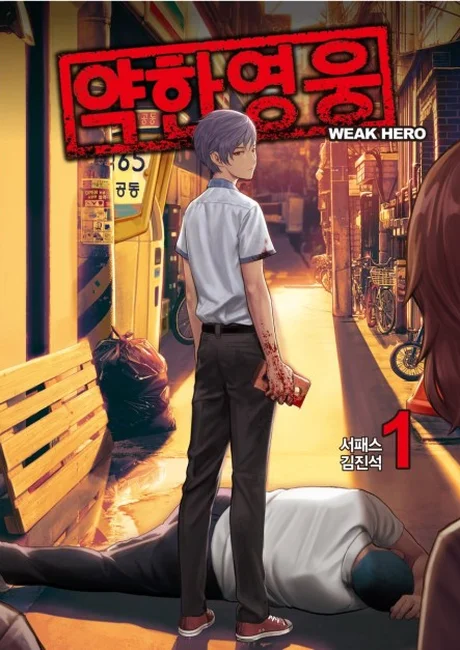 Weak Hero.
Weak Hero (written by SeoPass, art by Razen) is completed at 268 chapters on WEBTOON. It's not a psychological thriller by genre. It's a school action manhwa: Gray Yeon fights back against school bullies using calculated violence rather than strength or power.
It belongs on a manhwa like Death Note list because of moral complexity around a protagonist whose methods are hard to fully defend. Light Yagami starts Death Note by killing criminals and ends it as someone who kills anyone who gets in his way. The series never fully exonerates him. It just tracks the logic of someone who decided they were right and followed that logic to its endpoint.
Weak Hero isn't as dark as Death Note, but it applies the same interrogation. Gray's methods work. They also cause harm. The series refuses to resolve that into simple vigilante-hero logic. By chapter 80, the question isn't whether Gray is effective. It's whether effectiveness is the right frame.
No powers, realistic violence with realistic consequences, moral ambiguity that the series maintains rather than resolving neatly. The first 80 chapters are the strongest section. The series grows into a two-protagonist structure around chapter 40 that adds complexity.
For completed alternatives in similar territory, the best manhwa completed 2026 list has entries that pair well.
Our best psychological thriller manhwa list covers cat-and-mouse stories that match Death Note's tension.
Best Thriller Manhwa →
Killing Stalking: the darkest version of the proximity dynamic
A content note before anything else: Killing Stalking (Koogi, Lezhin Comics) is rated 18+. It depicts psychological captivity, physical abuse, a captive-captor dynamic with Stockholm Syndrome elements, and non-consensual scenarios throughout its 67-chapter run. This is not a recommendation for readers who find abusive dynamics romanticized in fiction distressing, even when the series doesn't romanticize them. Know what you're reading before you start.
Even so, Killing Stalking earns a place on any manhwa like Death Note list because it operates on a structurally similar set of conditions to Death Note's cat-and-mouse, pushed to a completely different emotional register.
The protagonist, Yoon Bum, was stalking Sangwoo before the story starts. When he breaks into Sangwoo's house, he discovers that Sangwoo kills people. He becomes a prisoner of someone who knows he was stalking him, who is using that knowledge to control him, and who is genuinely dangerous. The power asymmetry between them is total.
The Death Note comparison: Light and Kira's opponents are always operating from positions of incomplete information. Killing Stalking's horror comes from the same place. Yoon Bum knows what Sangwoo is capable of, Sangwoo knows what Yoon Bum did, and neither piece of knowledge protects anyone. The information is a trap rather than a weapon.
At 67 chapters and complete, it's the shortest recommendation on this list. Sangwoo is not a sympathetic character. The series doesn't offer rescue or redemption as comfort. Approach it as a psychological study of what proximity to a killer does to perception and decision-making.
For more context on where Killing Stalking sits among horror and thriller manhwa, see the best manhwa horror 2026 roundup.
Sweet Home: suspense through proximity, psychological dread at scale
 Sweet Home.
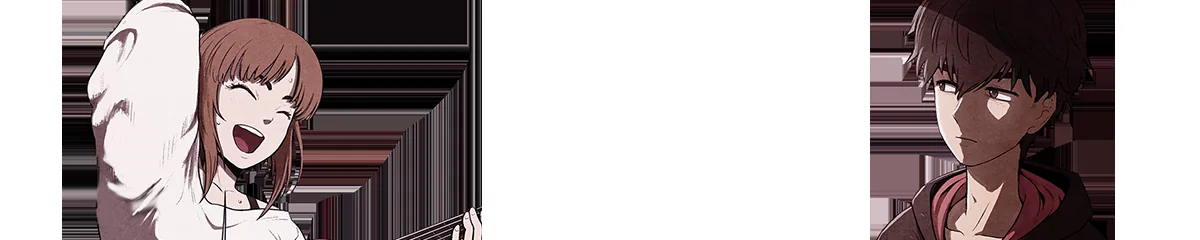
Sweet Home (also by Kim Carnby and Hwang Young-chan, the same team behind Bastard) is 141 chapters, complete on WEBTOON. The premise differs from Bastard: supernatural monster transformation rather than realistic serial killer thriller. But the craft is the same.
Sweet Home's link to manhwa like Death Note is more indirect than Bastard's. Sweet Home's tension comes from proximity to threat, from characters who know something the others don't, and from a cast that becomes increasingly morally ambiguous as survival pressure compounds. Characters who are unambiguously good in chapter 10 are in harder-to-read positions by chapter 70. The series doesn't let anyone stay clean.
It's worth reading if Bastard landed and you want more of the same author's approach to building dread through information and proximity. It's a less precise Death Note match than Bastard: the mechanism is different, the stakes are more epic, the cast is much larger.
The Netflix adaptation (three seasons) exists and covers most of the plot, though with structural revisions in the later seasons. The manhwa ending is more contained.
If Sweet Home appeals, the manhwa like Sweet Home list has more recommendations in that territory.
Analysis: the villain-protagonist gap in manhwa
Advertisement
This is worth naming directly for anyone searching manhwa like Death Note: Death Note's central formula (a protagonist who is unambiguously the villain, who knows he's the villain, who believes his villainy is justified, and who the story tracks with full intelligence and sympathy through his logic) is essentially unreplicated in manhwa.
Light Yagami is not a morally grey antihero who makes bad choices. He's a person who acquires power, decides he deserves to use it, and spends 12 volumes following that decision to its end. The first arc works because L is as intelligent as he is and because the series maintains both of them as comprehensible, plausible people. You understand why Light does what he does and you understand why L is right to stop him. That dual sympathy for incompatible positions is what made the first arc structurally exceptional.
Manhwa tends toward protagonists who are morally complex rather than genuinely villainous. Sangwoo in Killing Stalking is irredeemably dangerous, but the story follows his victim, not him. Gray Yeon in Weak Hero does harm, but the story's sympathies are with him. Jin Seon in Bastard is in genuine moral jeopardy, but he's not the killer. He's someone trying to survive proximity to one.
The closest manhwa comes to Death Note's villain-protagonist structure is in series with antagonist-perspective chapters, not protagonist-level commitment. If the villain-protagonist quality was the specific thing you loved about Death Note, none of the series on this list will fully replace it. They'll get you close, through information asymmetry, moral complexity, and psychological tension, but not to the same place.
That's an honest gap in the manhwa like Death Note search. Better to know it going in than to expect any of these to land the same way and be disappointed.
Best manhwa seinen picks for mature psychological stories covers more titles in this territory for readers who want to keep looking.
Frequently Asked Questions
Is there a manhwa as good as Death Note?
Not in the same exact formula. Death Note's structure of genius villain vs. genius detective, both fighting through information as the primary weapon, hasn't been directly replicated in manhwa. Bastard (94 chapters, complete) comes closest in terms of information asymmetry and psychological pressure. Omniscient Reader's Viewpoint delivers the closest match to the feeling of watching a protagonist outmaneuver everyone by knowing more than they do.
What manhwa has the best psychological plot?
Bastard is the most structurally tight psychological manhwa: 94 chapters with almost no wasted space, built entirely on what characters know and choose not to say. Killing Stalking (18+ content warning) operates on a similar mechanism pushed to its extreme. For pure plotting ambition, Omniscient Reader's Viewpoint is the longest and most complex, though its execution across the run can be uneven. (Source novel: 551 chapters; manhwa: Season 1 complete at 311 chapters, Season 2 on hiatus.)
Is there manhwa with a villain protagonist?
Death Note's specific formula (a protagonist who is genuinely the villain and knows it) is rare in manhwa. Killing Stalking has Sangwoo as an irredeemably compelling antagonist force, though the series follows the victim's perspective. Weak Hero puts the reader on the side of a protagonist whose methods are hard to fully defend. None replicate Light Yagami's self-aware, god-mode villainy in quite the same way.
What should I read if I loved the first arc of Death Note specifically?
The first arc (L alive, pure information warfare between two geniuses) is widely considered the tightest part of the series. For that quality, Bastard is the closest manhwa match: both run on information asymmetry, both have a protagonist and antagonist who know more than they say, and both maintain that structure without breaking it for action sequences. The Horizon (30 chapters, complete) offers the same compressed, precise plotting in much shorter form.
Is Bastard manhwa similar to Death Note?
Structurally yes, with an important difference in power dynamics. Light Yagami holds a supernatural tool and chooses to become a killer. Jin Seon has no power and is surviving proximity to someone who kills. Death Note is about acquiring and wielding power. Bastard is about what knowledge costs when you have no power to act on it. The information-asymmetry mechanism is shared. The emotional experience is different.
Where can I read Bastard manhwa in English?
Bastard is available in full on WEBTOON in English, free. Seven Seas Entertainment released a print omnibus edition. The WEBTOON version is the easiest starting point: 94 chapters, complete, no wait. Killing Stalking is on Lezhin Comics in English (paid, 18+ only). Omniscient Reader's Viewpoint is on WEBTOON and Tapas.
Is Omniscient Reader's Viewpoint worth reading for Death Note fans?
Yes, if you can commit to its length. ORV delivers the closest match to the feeling of watching a protagonist outmaneuver a world by knowing more than everyone else. The mechanism mirrors Death Note's Light using the notebook's rules to stay ahead of L. It's far more action-heavy, but the strategic-mind-as-weapon quality carries through the full run.
Related Reading
- SSS-Class Revival Hunter Review: The Best Death Mechanic: Review of SSS-Class: the manhwa most comparable to Death Note's stakes.
- Best System Fantasy Manhwa: 10 Series to Read in 2026: 10 system-fantasy picks for readers who like logic and rules-based drama.
- Manhwa Like The Promised Neverland: More series built on information asymmetry, this time between children and a threat they can't fully name.
References
About the author

Anime and manhwa writer covering seasonal releases and ongoing webtoons since 2018. Seoul-born, Melbourne-based. Writes the way she reads — fast and direct.
- Covering anime and manhwa since 2018
- 400+ series completed across anime and manhwa
- Seasonal anime tracker for 6 years running
- Romance and fantasy specialist with deep genre knowledge
Disclaimer
This article is published for informational and entertainment purposes. It does not constitute professional financial, legal, or technical advice. Series availability, platform access, translation status, and chapter counts change. Verify critical details (pricing, regional availability, official translation status) with publishers and platforms. Affiliate links, where present, help support our editorial work and are labelled in our affiliate disclosure.
Comments
Loading comments…