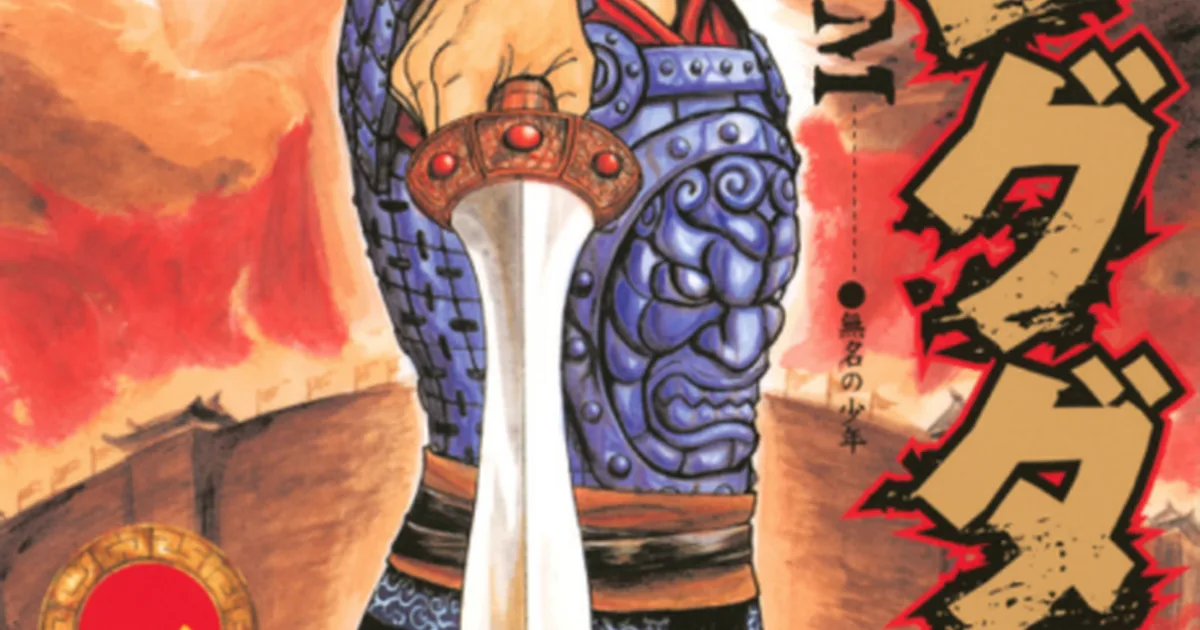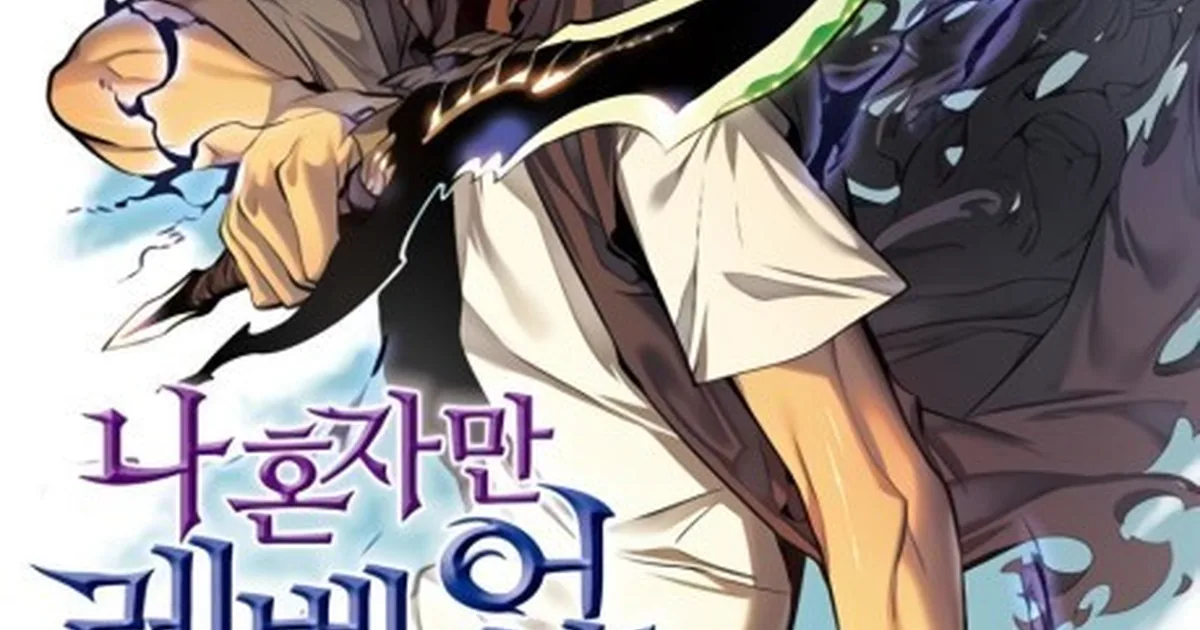
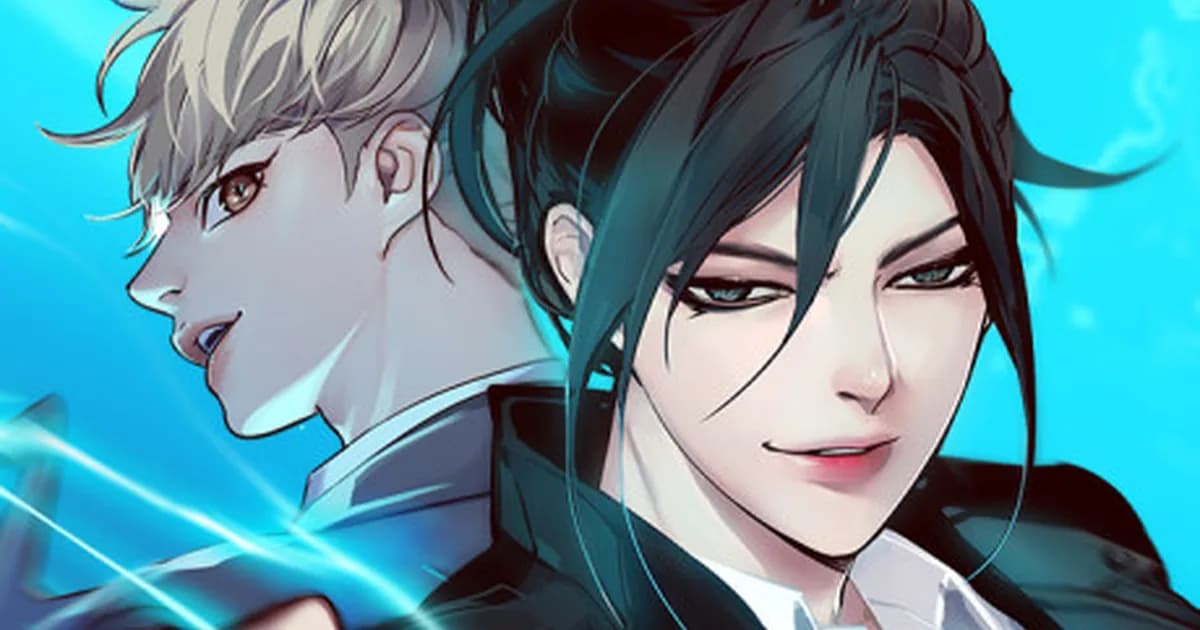
Most manhwa coming of age recommendations conflate setting with theme. A story set in a high school isn't automatically a coming-of-age story. Growth has to cost something. The character at the end has to be meaningfully different, not just more confident, not just romantically successful. Something has to be lost, given up, or recognized as wrong.
Eight series that actually do this, sorted by what kind of growth drives the arc.
TL;DR: Manhwa coming of age extends past high school: university and early adulthood count. Identity and self-perception: True Beauty (completed, 223 episodes), Cheese in the Trap (completed). Power and its costs: Weak Hero (268 ch, completed), Lookism (600+ ch, ongoing)
Overview
Coming-of-age manhwa covers a wider age range than most readers expect. Korean storytelling treats university years and early adulthood as legitimate territory for the genre, not just high school. Cheese in the Trap is set entirely in university. Yumi's Cells follows a woman in her thirties. Semantic Error centers two university students. None of these series treat 19 as the age when personal development is finished.
The more useful way to think about the genre is by what kind of growth is driving the arc. Identity and self-perception stories follow characters who cannot see themselves clearly, often because external pressure has distorted the picture. True Beauty is about a protagonist who has internalized years of cruelty about her appearance and cannot separate who she is from what people think they see. Cheese in the Trap is about learning to recognize manipulation that presents itself as care. The growth is perceptual: the character at the end sees themselves and others more accurately than the character at the beginning.
Power and cost stories follow characters who discover that gaining what they wanted has consequences they did not anticipate. Weak Hero tracks what happens to a protagonist who has thought carefully about what he is willing to become and then becomes it anyway. The question across its 268 chapters is not whether he can win. It is what winning does to him. Lookism runs a similar thread through its first 150 chapters: physical power changes a character's moral position in ways the story makes him see.
Rebuilding-past-a-broken-start stories use regression or survival premises to ask identity questions. Doom Breaker sends its protagonist back in time with nothing except the knowledge of who he was used as, and the arc is about who he is allowed to become when that role is no longer imposed on him.
Eight series are ranked here by which type of coming-of-age arc they run, so you can find the right entry point by what kind of growth you want to follow.
Key takeaways
- Manhwa coming of age extends past high school: university and early adulthood count
- Identity and self-perception: True Beauty (completed, 223 episodes), Cheese in the Trap (completed)
- Power and its costs: Weak Hero (268 ch, completed), Lookism (600+ ch, ongoing)
- Rebuilding after a broken past: Doom Breaker (on hiatus, 101 chapters), Eleceed (390+ ch, ongoing)
- Emotional and social growth: Yumi's Cells (completed, 520 eps), Semantic Error (completed, 104 Manta eps)
- Completed series: True Beauty, Weak Hero, Cheese in the Trap, Semantic Error, Yumi's Cells
- Chapter counts verified mid-2026
manhwa coming of age: what coming of age means in manhwa
Advertisement
This is worth naming explicitly because the definition shifts depending on where you're reading.
Western YA (the category that shaped most English-language coming-of-age fiction) treats the endpoint as early independence: leaving home, finishing school, first love, some version of choosing who you want to be. The arc closes around 18.
Manhwa extends past that. Cheese in the Trap is entirely set in university. Yumi's Cells follows a woman in her thirties. Semantic Error is about two university students discovering who they are through conflict with each other. None of these stories act like adulthood is already figured out when the protagonist turns 19.
Coming-of-age in manhwa often means learning to read other people correctly: recognizing manipulation, understanding what love actually requires. It's slower and more social than the genre label usually suggests.
Several series on this list start with a dramatic premise (physical transformation, revenge, time regression) and use that premise to ask sincere questions about identity rather than as a pure action driver. Don't mistake the premise for the point.
Our best manhwa for beginners guide covers titles that work well as entry points for new readers.
Best Manhwa for Beginners →
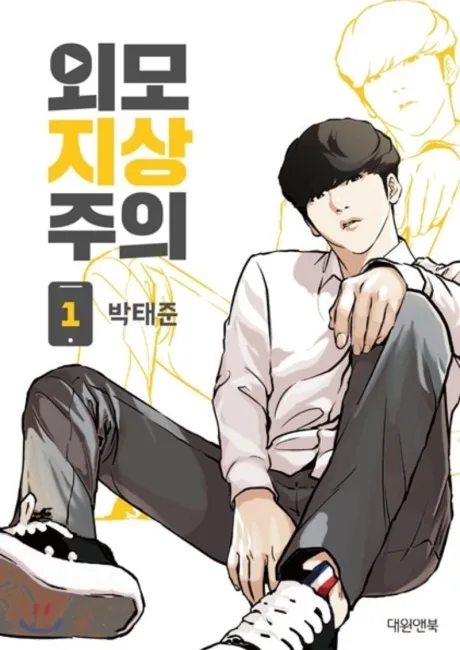
Identity and self-perception
 True Beauty cover art.
True Beauty
Platform: WEBTOON | Status: Completed (223 episodes) | Creator: Yaongyi
Lim Jugyeong learns to do makeup and the world treats her differently. The premise is simple. What the story does with it isn't.
The coming-of-age arc in True Beauty isn't really about makeup. It's about whether Jugyeong can be known. She hides what she looks like without makeup from nearly everyone in her life because she's internalized years of cruelty about her appearance. The story's central tension is whether she can trust anyone to see the real version of her. The answer the series works toward isn't triumphant so much as provisional. She learns something, but the work isn't finished.
The K-drama adaptation (2020, JTBC) covers the early arc. The manhwa runs significantly longer. What makes it a coming-of-age story rather than just a romance: her arc isn't completed by getting the boy. Her relationship with her own face is the unresolved thing the story is actually about.
For adjacent series, manhwa like True Beauty covers titles that share its school-romance-and-identity combination.
 Cheese in the Trap cover art.
Cheese in the Trap
Platform: WEBTOON | Status: Completed | Creator: Soonkki
Hong Seol spends her university years trying to make sense of Yoo Jung.
Yoo Jung is one of the stranger male leads in manhwa. He's attentive, socially fluent, and appears genuinely interested in Seol, but his behavior patterns don't add up. People who antagonize Seol tend to have things go wrong for them in ways that can't quite be traced back to him. The coming-of-age arc is Seol learning to read these patterns: learning to see manipulation that presents itself as care.
There's no fight to win here, no power to discover. Seol's progress is her increasing ability to recognize what's actually happening in the relationships around her. The story is also honest about campus life in specific ways: the part-time jobs, the competitive classes, the relationships that form because of proximity.
If the campus setting draws you here, best manhwa school setting covers other series where the educational environment does real work.
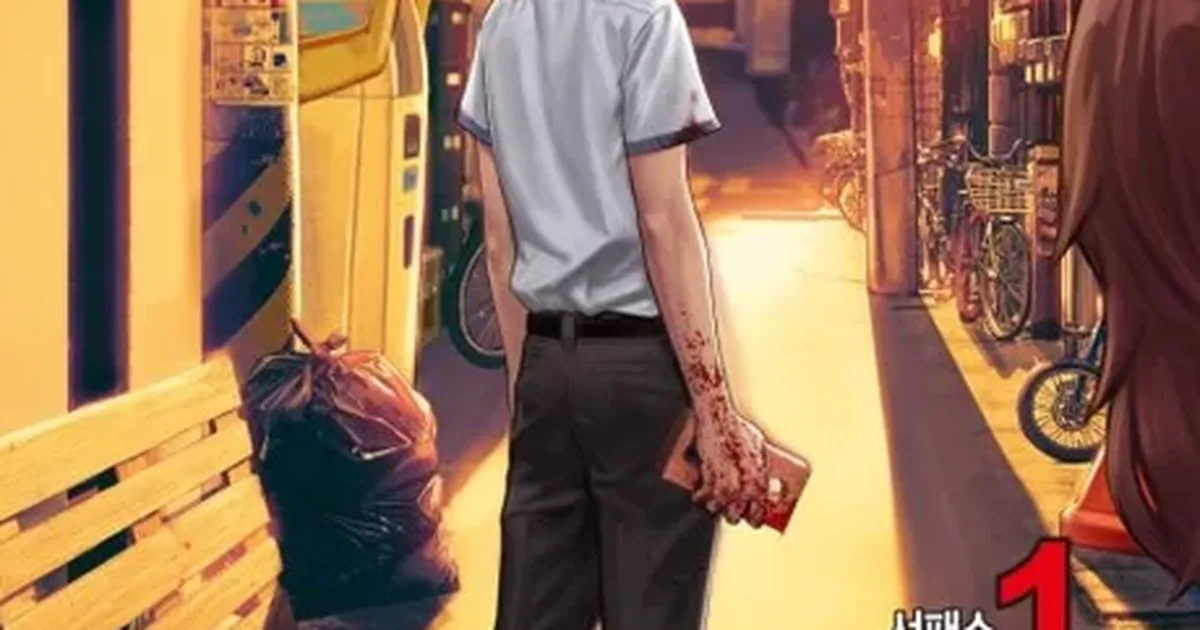
Power, cost, and who you become
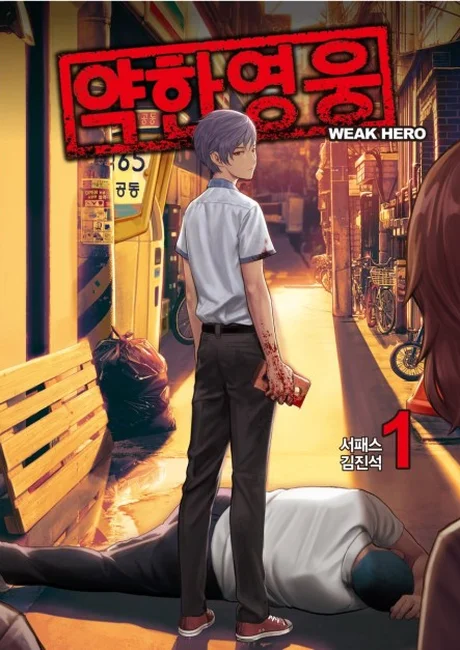 Weak Hero cover art.
Weak Hero
Platform: WEBTOON | Status: Completed (268 chapters) | Creator: SH, Razen
Yeon-si is small, unremarkable-looking, and doesn't want to fight anyone.
Weak Hero opens with a scene that makes clear he can fight, efficiently, without hesitation, with a precision that suggests calculation rather than rage. The coming-of-age question in this series isn't whether he can win. It's what winning does to him.
The series tracks what happens when someone who has thought carefully about what he's willing to become gets drawn, step by step, into becoming it anyway. Each fight costs something. By 200 chapters in, whether Yeon-si is still who he thought he was becomes genuinely complicated. He becomes something he wasn't sure he wanted to be.
For adjacent titles, manhwa like Weak Hero covers series that take violence and social hierarchy seriously.
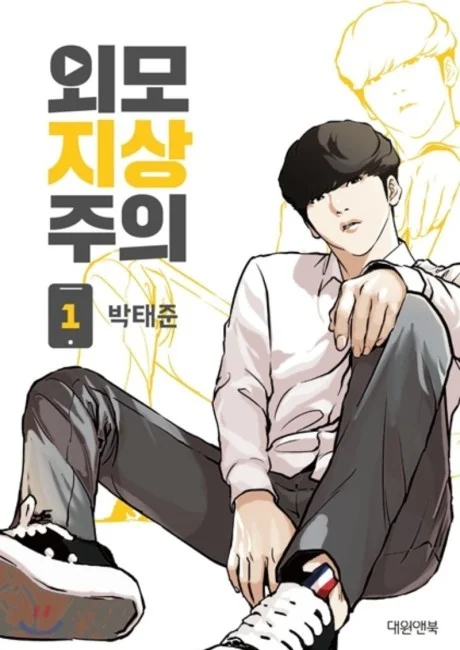 Lookism cover art.
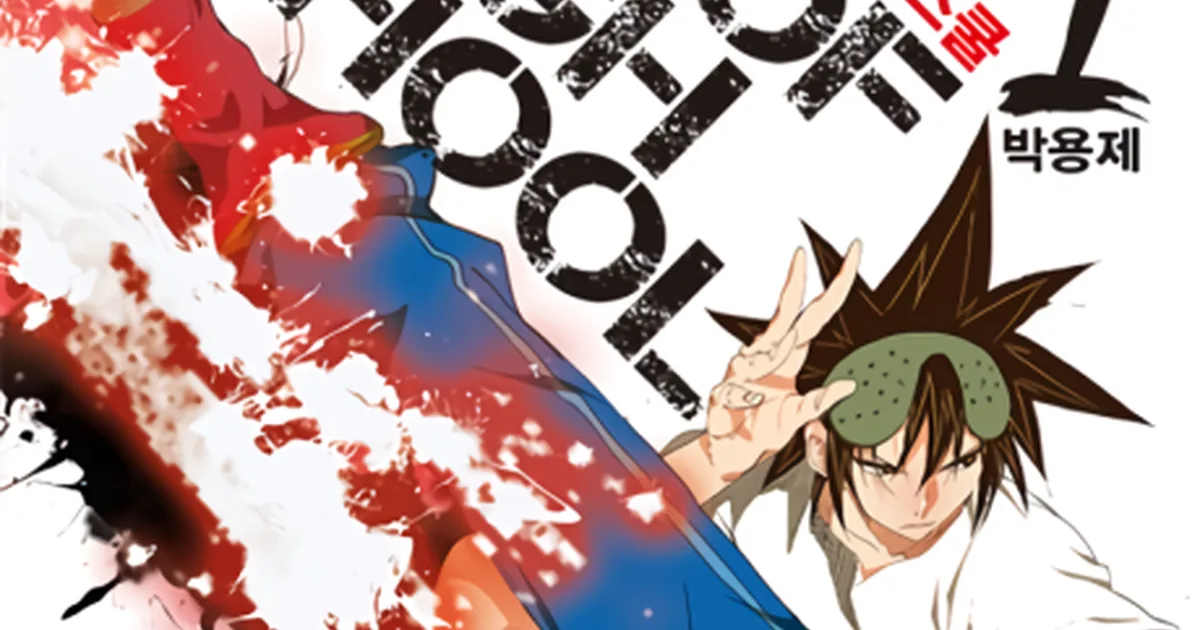
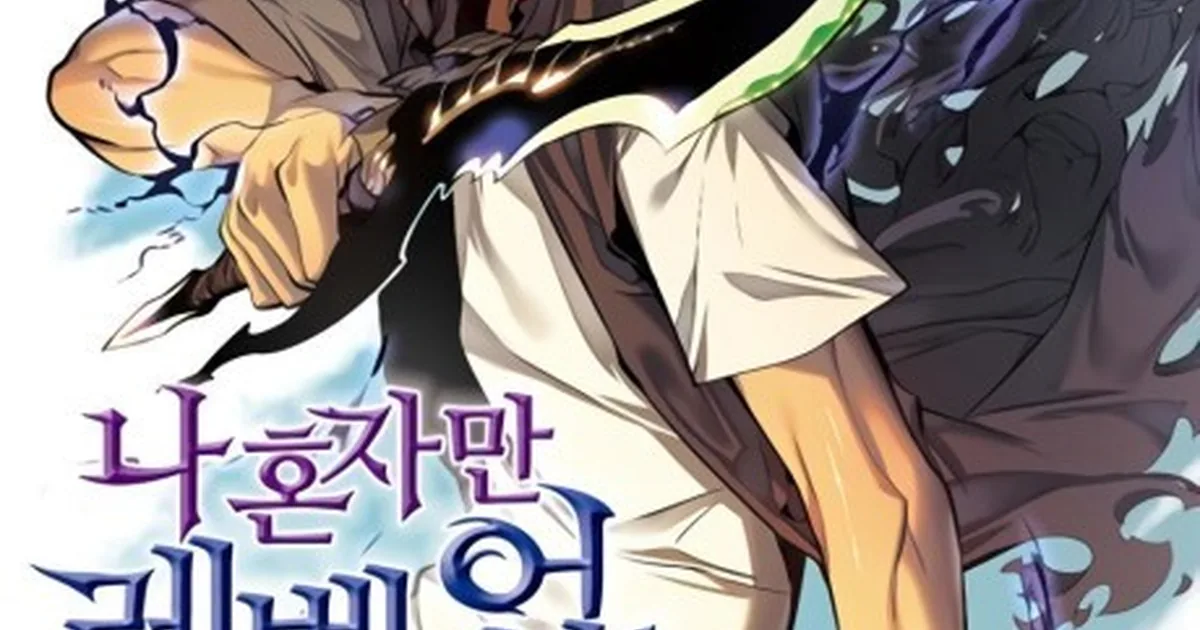
Lookism
Platform: WEBTOON | Status: Ongoing (600+ chapters) | Creator: Taejun Pak
Daniel Park wakes up in a different body. His original body (overweight, frequently bullied) is still there, needing sleep to keep functioning. His new body is handsome. The world responds to both versions of him in completely different ways.
This is where most versions of this story would stop. Lookism keeps going. The coming-of-age arc isn't "Daniel learns the world is superficial": that lesson lands in the first 30 chapters. What the series does across its full run is trace how physical power changes Daniel's moral position. He can protect people. He does protect people. But protection at scale starts looking like control, and the series is interested in whether Daniel can see that distinction.
The later arcs shift into faction politics. The identity thread is most concentrated in chapters 1-150.
Rebuilding past a broken start
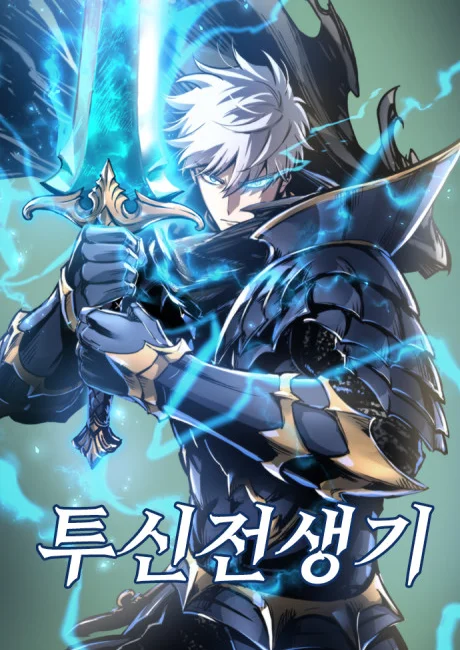 Doom Breaker cover art.
Doom Breaker
Platform: WEBTOON | Status: On hiatus (Season 3 confirmed, no release date) | Creator: Studio Misty
Zephyr dies in a failed apocalypse attempt, gets sent back in time, and spends the series navigating the gap between who he was (a weapon, nothing more) and who he might be allowed to become.
Coming-of-age through regression is a genre convention in manhwa, but Doom Breaker earns the label because Zephyr's arc is about identity rather than power. He has power. What he lacks is any clear sense of who he is when he's not using it. Zephyr in chapter 80 is genuinely different from Zephyr in chapter 1: not just stronger, but differently formed as a person.
For readers drawn to emotional recalibration as the main event, best manhwa romance covers a few titles in that register.
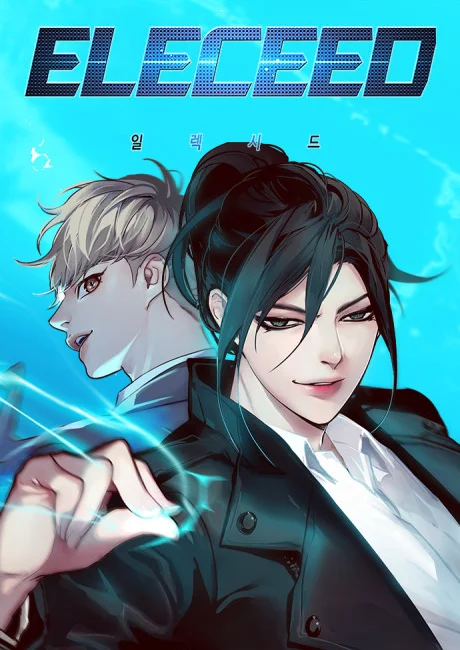 Eleceed cover art.
Eleceed
Platform: WEBTOON | Status: Ongoing (390+ chapters) | Creator: Son Je-Ho, Zhena
Jiwoo can move very fast. He also picks up stray cats. The series opens with the tension between those two facts.
Eleceed is a coming-of-age story about learning what power is actually for. The esper world Jiwoo gets pulled into has clear hierarchies and people who use their abilities for self-interested reasons. Jiwoo doesn't fit those incentive structures. The coming-of-age arc is him figuring out what he's willing to do with his abilities, not through a single revelation but through accumulated contact with how that world operates.
390+ chapters is a commitment, but the character work compounds between arcs. Jiwoo at chapter 200 has been changed by what happened at chapter 50. For readers interested in the everyday-tension end of the spectrum, best manhwa slice of life is worth checking.
Our best romance manhwa list includes coming-of-age titles where love and identity are tangled.
Best Romance Manhwa 2026 →
Social outsiders finding their ground
Yumi's Cells
Platform: WEBTOON | Status: Completed (520 episodes, multiple seasons) | Creator: Donggeon Lee
Yumi is in her thirties and doesn't have herself figured out.
The coming-of-age framing is worth defending. Yumi's Cells treats its protagonist's emotional life as ongoing work. The cells that drive her behavior (fear, hunger, love, reason) are constantly in conflict, and the series presents that as the normal condition of an adult rather than a sign she hasn't grown up yet. The arcs she goes through (relationships that end, discovering what she actually cares about professionally, learning which patterns are protective and which are just old) are coming-of-age arcs happening to a 30-something woman.
The series is completed across 520 episodes. It's one of the few very long manhwa on this list where you can see the full arc through to its actual ending.
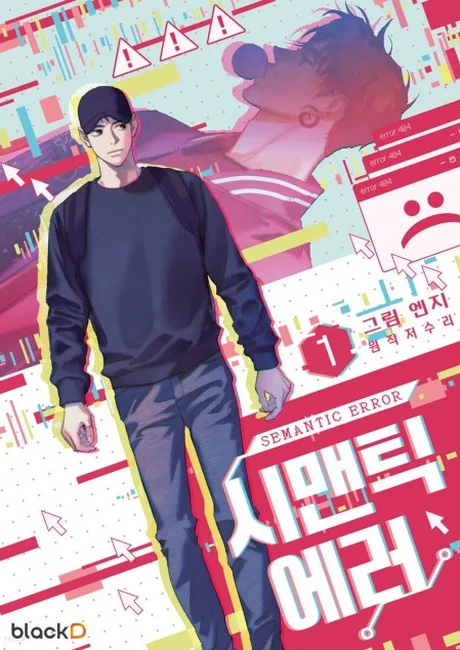 Semantic Error cover art.
Semantic Error
Platform: Manta Comics | Status: Completed (104 episodes) | Creator: J. Soori, Angy
Sangwoo is rigidly principled. Jaeyoung is deliberately disruptive. The series tracks what happens when someone who has organized their entire identity around one set of values has to actually see another person who operates on completely different ones.
Semantic Error is a BL manhwa: the content is mild, nothing explicit. Manta's official English full version lists 104 episodes. The coming-of-age arc isn't really about the romance. Sangwoo's identity is entirely composed of rules he follows reliably. Jaeyoung's existence as someone who breaks rules and is still a real person forces Sangwoo to figure out whether his principles are genuinely his or just a structure he inherited. That's the actual coming-of-age moment. The romance is the mechanism.
At 104 episodes, it's still one of the shortest series on this list. That compression works in its favor: the arc doesn't have room to drift. The Semantic Error reading guide covers the chapter structure for readers who want to know what to expect.
manhwa coming of age: completed vs ongoing, which to start if you want a finished arc
Advertisement
If you need a completed arc before committing, your options from this list:
True Beauty (223 episodes): the main story concludes cleanly. Side arcs exist but you can stop after the core Jugyeong arc.
Cheese in the Trap: completed. The ending divided readers at the time, but it's the actual ending the creator chose.
Lookism: ongoing (600+ chapters on WEBTOON). The identity thread is in the first half; later arcs shift to faction politics.
Semantic Error (80 chapters): completed and compact. Two sittings.
Yumi's Cells (520 episodes): completed. Long, but the seasonal structure means each arc concludes before the next begins.
Eleceed is ongoing, worth reading despite being unresolved. Doom Breaker is on hiatus (Season 3 confirmed, no release date). Weak Hero is complete at 268 chapters; enough has already compounded; you're not waiting for the arc to begin.
If choosing based on completion status alone, best manhwa completed 2026 covers the broader pool. For campus-set stories specifically, best manhwa school setting adds more options.
Frequently Asked Questions
What is the best manhwa coming of age series to start with? True Beauty: completed at 223 episodes, free on WEBTOON, and there's a K-drama if you want to preview the story before committing to the episodes.
Is manhwa coming of age different from manga or Western YA? Yes. Coming of age in manhwa regularly extends into the early twenties: university, first jobs, early adult relationships all count. Cheese in the Trap is set entirely in university. Yumi's Cells follows a woman in her thirties. Korean storytelling treats early adulthood as unfinished business, not the conclusion of the arc.
What manhwa coming of age series are completed? From this list: True Beauty (223 episodes), Cheese in the Trap, Semantic Error (104 Manta episodes), and Yumi's Cells (520 episodes) are all completed. Lookism and Doom Breaker are on hiatus (Doom Breaker's Season 3 is confirmed, with no release date). Eleceed is ongoing as of mid-2026.
Is Semantic Error appropriate for all readers? Semantic Error is a BL manhwa with two male leads. The content is mild, nothing explicit. Manta's official English full version lists 104 episodes. There's also a live-action drama adaptation (Watcha, 2022) if you'd rather watch it first.
What manhwa coming of age has the best character arc for a male lead? Yeon-si in Weak Hero. He starts with a very specific idea of what power is and the story methodically complicates that across 268 chapters. It's a cost arc: he gets what he thought he wanted and discovers what it does to him.
Where can I read these manhwa legally in English? WEBTOON carries True Beauty, Weak Hero, Lookism, Cheese in the Trap, Doom Breaker, Eleceed, and Yumi's Cells for free. Semantic Error's official English full version is on Manta Comics. All listed titles have official English translations.
Is Lookism worth reading for the coming-of-age angle specifically? The first 100 chapters focus tightly on Daniel's identity crisis. The two-body premise is strange and the story earns it. After chapter 150 the narrative shifts to faction politics and the identity thread fades. Read through chapter 120 if that's specifically what you're after.
Related Reading
- Best Manhwa for Beginners →
- manhwa like True Beauty
- best manhwa school setting
- manhwa like Weak Hero
- best manhwa romance
References
- True Beauty on WEBTOON: official English release, 223 episodes, completed
- Weak Hero on WEBTOON: official English release, completed 268 chapters
- Semantic Error full version on Manta Comics: official English release, 104 episodes, completed