Loading…
ChapterBrief · Manhwa
Best Manhwa Revenge: 8 Stories That Earn the Payoff
Manhwa revenge stories ranked by whether the payoff is earned. Covers ORV, Bastard, Weak Hero, Doom Breaker, and 4 more with notes on cost and platform.
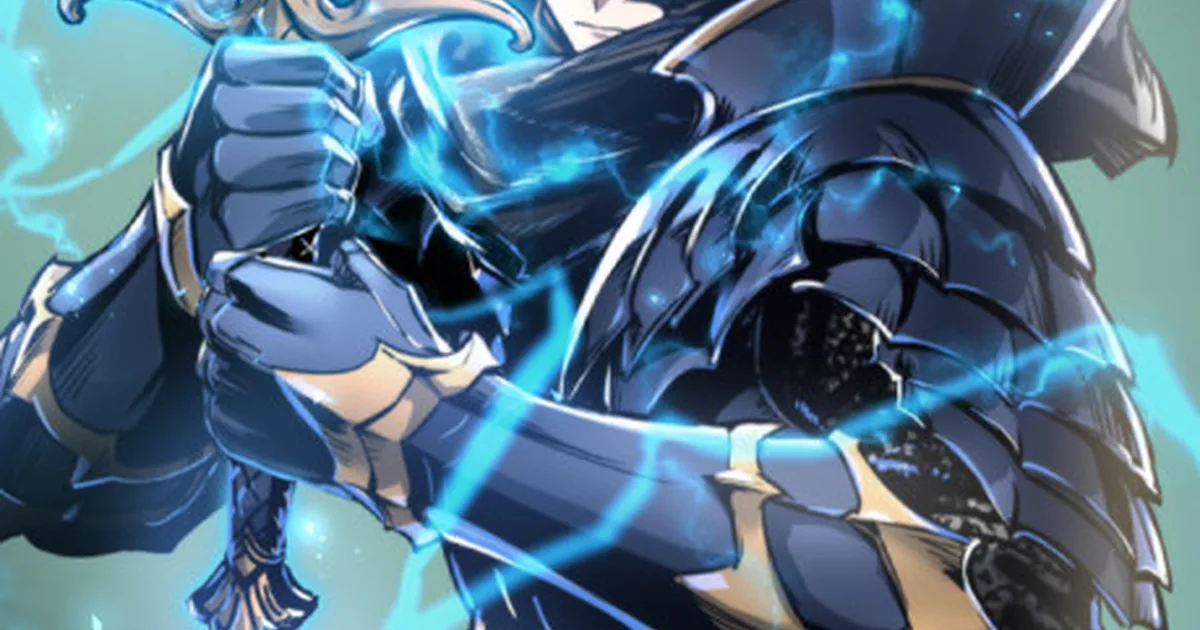
Most manhwa revenge setups are wish-fulfillment with extra steps. The protagonist was wronged. They train, or regress, or unlock a hidden power. They destroy everyone responsible. It feels good. The story wraps. Nothing about the original loss changes -- but a satisfying conclusion papers over that absence well enough that you don't notice until you're already done.
TL;DR: Bastard and Weak Hero are the two manhwa on this list that treat the cost of revenge as a structural element, not a footnote. Doom Breaker and Return of the Blossoming Blade are pure payoff -- the best examples of the wish-fulfillment form done with craft. Omniscient Reader's Viewpoint uses revenge as architecture, not as motivation -- Dokja's position in the scenario is more about grief than anger
The manhwa revenge stories worth reading in 2026 are the ones that do something harder. They make you feel the payoff and then make you reckon with what it cost, or didn't cost, or couldn't fix. This list covers eight series sorted by revenge type: cold and calculated, visceral, regression-based, and the kind that reveals its real price slowly. Which ones earn the payoff and which deliver pure satisfaction is a distinction worth making. It's not a ranking.
Overview
Revenge is one of the most common setups in manhwa and one of the most frequently misused. The default version is a contract: the protagonist was wronged, they acquire power or foreknowledge, they destroy the people responsible, the story ends. The wronged parties are avenged, the protagonist is validated, and the gap left by the original loss is covered over by the satisfaction of the payoff.
What the best manhwa revenge stories understand is that the gap cannot actually be covered. Bastard does not promise resolution. Weak Hero does not give its protagonist a clean exit from the situation his choices created. Even Doom Breaker, which is the most direct wish-fulfillment series on this list, builds Zephyr's grief into the mechanics of the regression: he carries the memory of what everyone looked like before the destruction, and no amount of preventing that destruction erases what he saw.
This list covers eight series sorted by revenge type: cold and calculated, visceral and survival-driven, regression-based, and the kind that reveals its real price slowly across hundreds of chapters. The distinction between earned payoff and wish-fulfillment payoff is noted explicitly for each series because it affects whether the story will feel satisfying or hollow at the end.
All eight are available on official English platforms, with platform and completion status noted for each pick.
Key takeaways
- Bastard and Weak Hero are the two manhwa on this list that treat the cost of revenge as a structural element, not a footnote
- Doom Breaker and Return of the Blossoming Blade are pure payoff -- the best examples of the wish-fulfillment form done with craft
- Omniscient Reader's Viewpoint uses revenge as architecture, not as motivation -- Dokja's position in the scenario is more about grief than anger
- SSS-Class Revival Hunter turns its revenge premise into a systematic argument about what it means to fight on the terms of a system designed to destroy you
- ORV Season 1 complete (on hiatus ahead of Season 2), SSS Hunter ongoing on hiatus after Season 4 (Tapas), Bastard and Sweet Home completed (WEBTOON/Lezhin) -- all have legal free or paid access
manhwa revenge: what separates a good revenge arc from wish-fulfillment
Advertisement
Wish-fulfillment revenge and earned revenge look identical at the start. Both begin with loss. Both give the protagonist something to fight toward. The difference shows up at the end -- or more specifically, at the moment after the payoff.
In wish-fulfillment, that moment doesn't exist. The antagonist is destroyed, the wronged parties are avenged, the story closes. In earned revenge, that moment is where the story was going all along. Bastard's final arc isn't about whether Jin Seon escapes -- it's about what he is after escaping, and what years of complicity left in him. Weak Hero isn't asking whether Yeon-si can beat the next bully. It's asking whether his method -- controlling situations through calculated violence -- is actually a sustainable way to live.
The other difference is reversibility. A good revenge arc establishes early what cannot be undone. The friend who didn't make it. The years lost. The person the protagonist was before all of it. Regression stories complicate this -- Doom Breaker literally reverses time, which should make the losses fixable. What the series understands is that reversing time doesn't undo what Zephyr saw and felt the first time through. The knowledge stays. That's where the weight comes from.
Our best action manhwa list covers the top revenge-narrative and progression stories.
Best Action Manhwa 2026 →
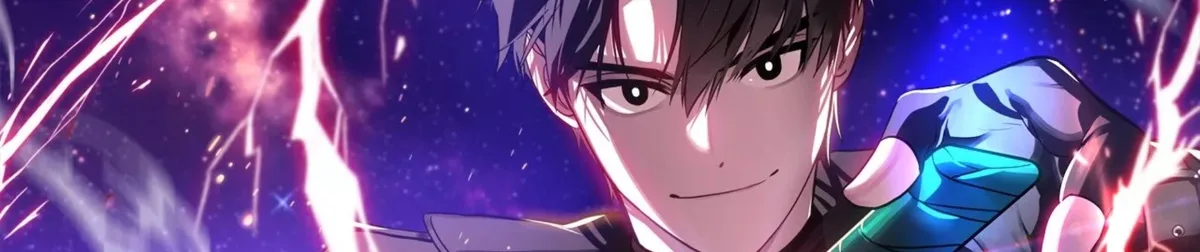
Cold, calculated revenge: ORV and SSS-Class Revival Hunter
Both series treat revenge as architecture -- designed and executed methodically, where the planning matters as much as the payoff.
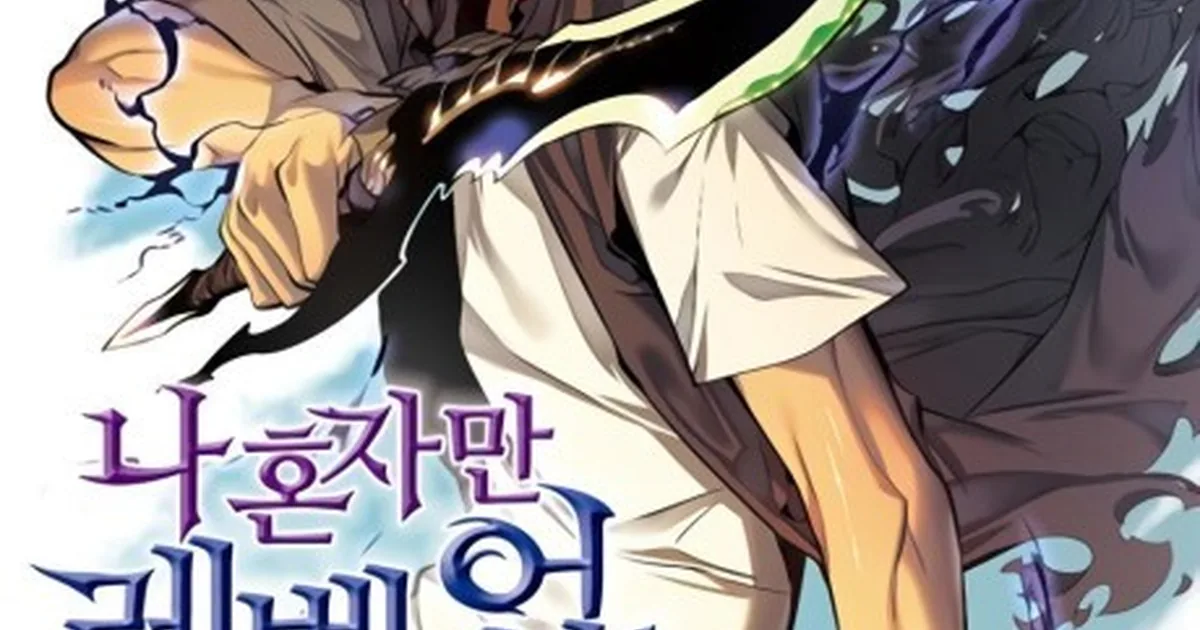
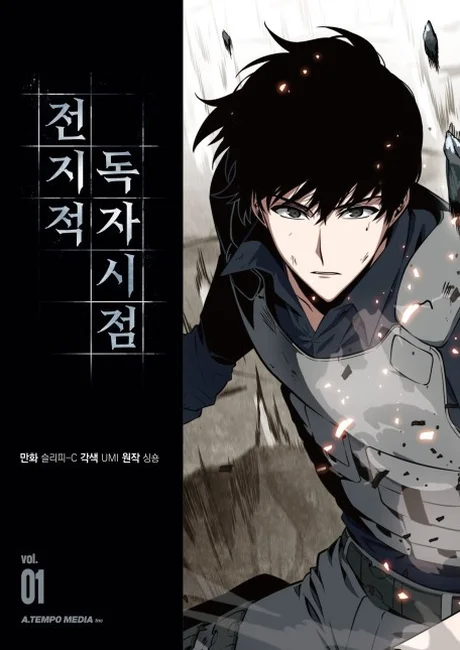 Omniscient Reader's Viewpoint cover art.
Omniscient Reader's Viewpoint
Chapters: 311, Season 1 complete | Platform: WEBTOON (free) | Status: On hiatus ahead of Season 2 (novel: 551 chapters, completed)
Kim Dokja spent years reading a web novel that no one else cared about. The novel is called "Three Ways to Survive in a Ruined World," and when its scenario becomes real -- the world literally restructures itself along the story's rules -- Dokja is the only person who knows how it ends. He's also the only person who loved it enough for that knowledge to matter.
Calling ORV a revenge manhwa undersells it, but revenge is baked into the structure. Dokja's position -- insider knowledge in a world designed to kill people like him -- is a quiet argument against a world that consumed the one person who cared about him. He doesn't rage. He moves through the scenario using everything the story gave him, turning years of isolation into the only advantage available.
Across its full run (source novel 551 chapters, manhwa Season 1 complete at 311 chapters and now on hiatus ahead of Season 2), the emotional payoffs build slowly rather than arriving in a rush. This is a manhwa where the revenge is against circumstances rather than a person, which turns out to be more affecting than the standard form. For more on ORV's structure, the Omniscient Reader's Viewpoint reading guide covers how to pace through the longer arcs.
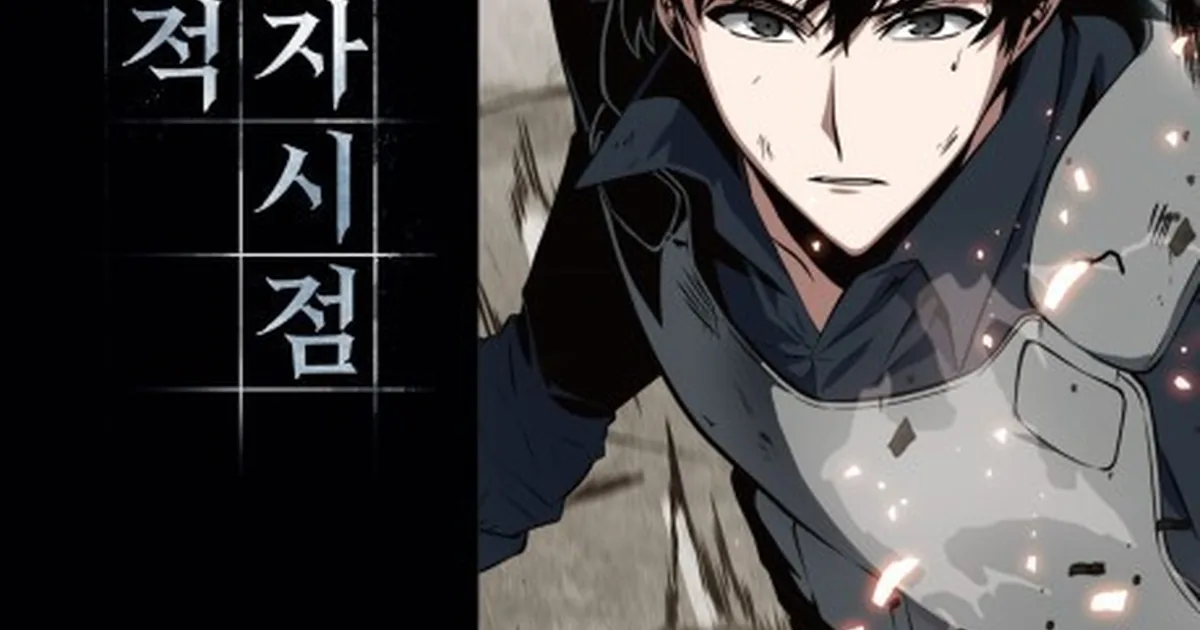
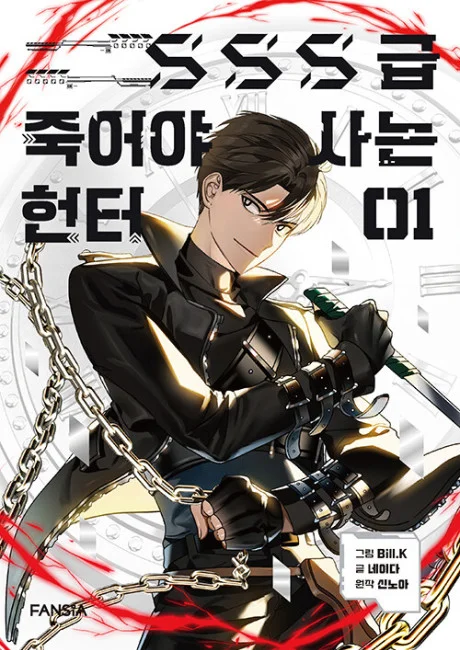 SSS-Class Revival Hunter cover art.
SSS-Class Revival Hunter
Episodes: 154 | Platform: Tapas | Status: Ongoing, on hiatus after Season 4 ahead of Season 5
Kim Gongja dies -- repeatedly -- because the dungeon hunter system rewards power and he has none. His copied ability lets him reverse deaths: die, copy an enemy's skill, rewind. The practical result is a series structured around turning a system built to destroy him into a weapon against itself.
There's no single antagonist. What Gongja is fighting is a structure -- a world that assigns value by power and treats the weak as disposable. The series makes victories feel costly even when Gongja is winning. Each death is a reset, but it's also information, and the accumulation of that information reads differently than pure progression.
If dark psychological manhwa is your thing alongside the action, Best Manhwa Psychological Thriller has related picks.
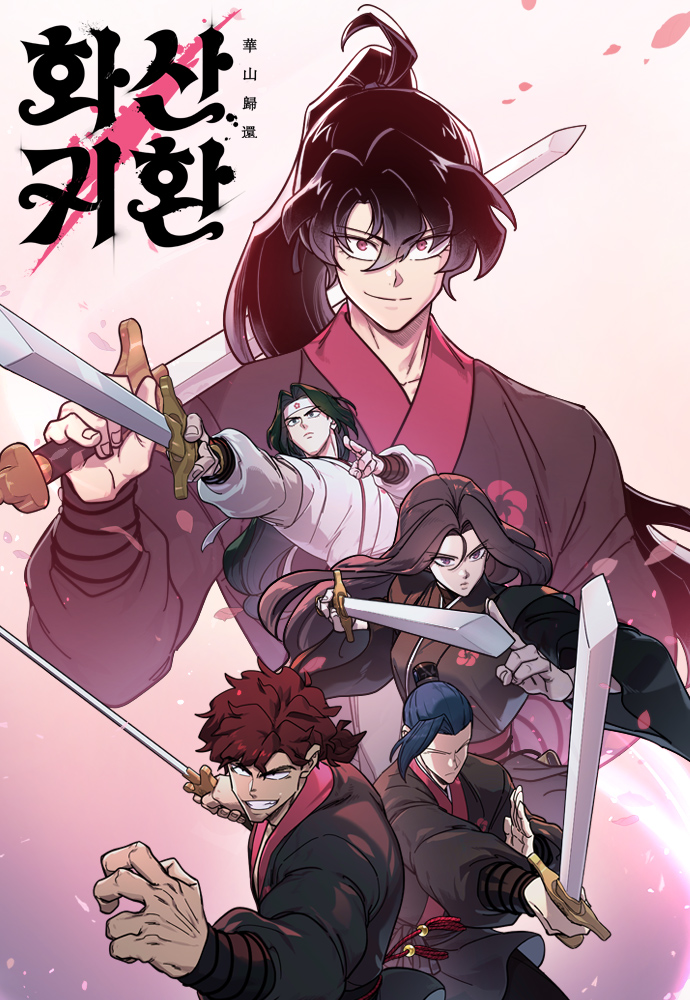
Hot, visceral revenge: Bastard and Sweet Home
Neither of these series gives its protagonist the luxury of planning. What passes for revenge here is the result of surviving something that should have destroyed them -- and barely doing it.
Bastard
Chapters: 92 | Platform: WEBTOON (free) | Completed: 2016
Jin Seon's father is a serial killer. Jin Seon has been helping conceal the crimes since childhood -- not by choice, but because the alternative is worse. When a new student becomes the next target, Jin has to decide whether to act.
Bastard isn't a revenge story in the planned sense. Jin doesn't want payoff. He wants out. What the series is actually examining is what it costs to escape a monster who made you part of his crimes -- and whether "out" means anything after that kind of complicity. The final arc lands because the series never promised resolution. The question was never "will Jin win." It was "what will be left of him."
92 chapters. No bloat. You can read it in a weekend. Read it a second time and the first half recontextualizes completely -- the series is doing things in its opening chapters that you only understand once you know where it ends.
For more completed manhwa in this register, the best dark manhwa list covers the broader category.
Sweet Home
Chapters: 140 (Season 1) | Platform: WEBTOON (free) | Completed: Yes (Season 1)
Cha Hyun-soo arrives at his new apartment building suicidal and isolated. Residents begin transforming into monsters. He doesn't.
Sweet Home isn't a revenge story in any conventional sense. But Hyun-soo's arc -- from wanting to die to fighting to preserve other people's lives -- is, in its own way, revenge against a world that took everything from him. The target isn't a person. It's the situation itself. The series is clear-eyed about what surviving costs, and about the fact that survival and recovery aren't the same thing.
Season 1 is 141 chapters and works as a complete story. Free on WEBTOON. Netflix adapted it (three seasons of the drama), but the source material is tighter and doesn't drag in the way the later drama seasons do. For readers who came to manhwa through Sweet Home, manhwa like Sweet Home maps the related series worth reading next.
Our master manhwa reading list covers the top 30 titles across every genre for 2026.
Best Manhwa to Read in 2026 →
Regression revenge: Doom Breaker and Return of the Blossoming Blade
The regression genre gives protagonists something other revenge setups can't -- the knowledge of exactly what went wrong, and a chance to prevent it. These two series take opposite approaches to what that knowledge actually does to a person.
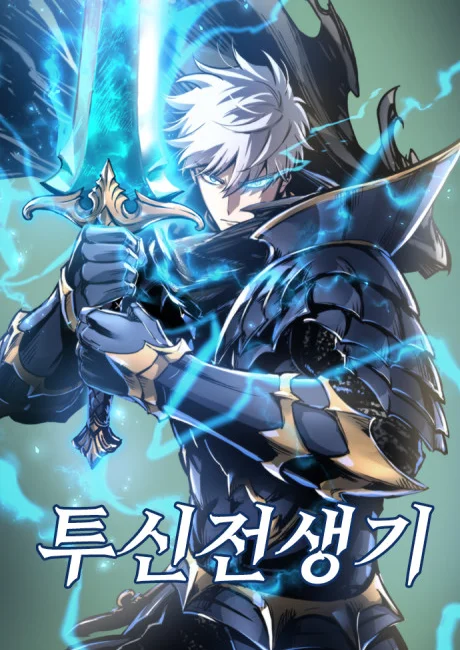 Doom Breaker cover art.
Doom Breaker
Platform: WEBTOON | Status: On hiatus (Season 3 confirmed, no release date)
Zephyr watched everything end. He goes back.
That's the setup, and stated that simply for a reason -- the series earns its premise through execution, not complexity. Zephyr isn't trying to rewrite history in the abstract. He's trying to destroy specific things that destroyed specific people. The targets are clear, the progress is visible, and the power growth is satisfying in the way competent wish-fulfillment is satisfying when the author knows what they're doing.
Doom Breaker is the purest payoff on this list. It delivers what it promises. What stops it from being shallow is Zephyr's grief -- the first timeline didn't just give him information about enemies and battles, it left him with losses the regression can't erase. He knows how everyone died. He carries that into a timeline where some of them haven't died yet.
For more series in this vein, manhwa like Doom Breaker lists the closest equivalents.
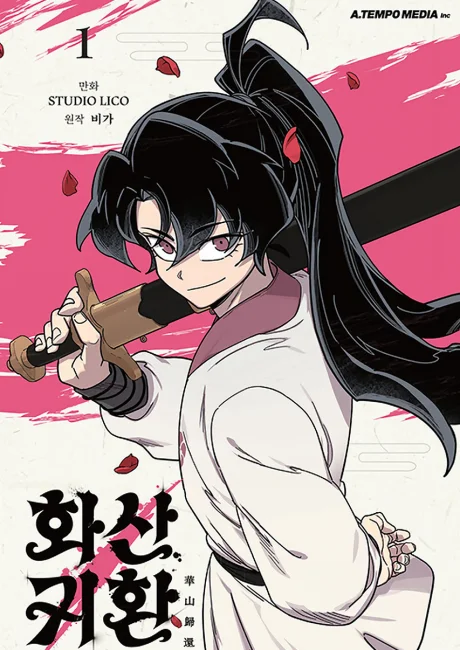 Return of the Blossoming Blade cover art.
Return of the Blossoming Blade
Platform: WEBTOON | Status: Ongoing -- 181 episodes in WEBTOON's running count (latest listed episode: 175UP)
Chun Myung returns from a timeline where his clan was destroyed. The goal isn't vengeance in a violent sense -- it's reconstruction. Rebuild what was taken. Restore what was lost.
This is a softer take. The series is more interested in the process of rebuilding than in the moment of confrontation -- which makes it feel less like wish-fulfillment than Doom Breaker and more like deliberate grief work. The revenge is slow and cumulative. If you find the standard regression power-climb too frantic, this pacing suits.
For completed picks in this territory, best completed manhwa has a fuller overview.
Which ones are honest about the cost
Most manhwa revenge setups treat cost as a narrative tax -- something paid briefly, early, before the real payoff begins. The series that do it honestly build cost into the structure rather than getting it out of the way.
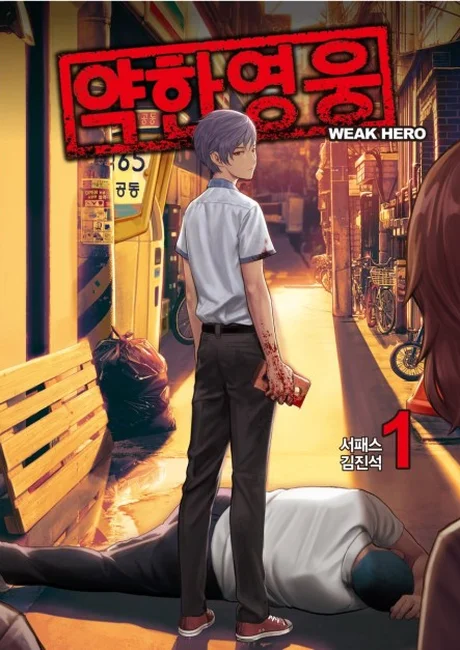 Weak Hero cover art.
Weak Hero
Platform: WEBTOON | Status: Completed -- 268 chapters
Yeon-si is small. He wins by being smarter than the people trying to hurt him -- knowing exactly where to hit, controlling situations before they escalate to raw strength. The early chapters frame this as intelligence. By the mid-series point, it's framing it as something else.
The cost is cumulative and social. Each fight cuts Yeon-si off from something -- from people who might have helped him, from any version of normal school life, from the possibility of just being a kid who reads. His strategy has no off switch. He can keep winning individual confrontations, but each win makes the next one worse.
The early chapters are almost fun. The later ones are not. That's the series working as intended. For readers drawn to the psychological territory Weak Hero occupies, the best manhwa psychological thriller list has related picks.
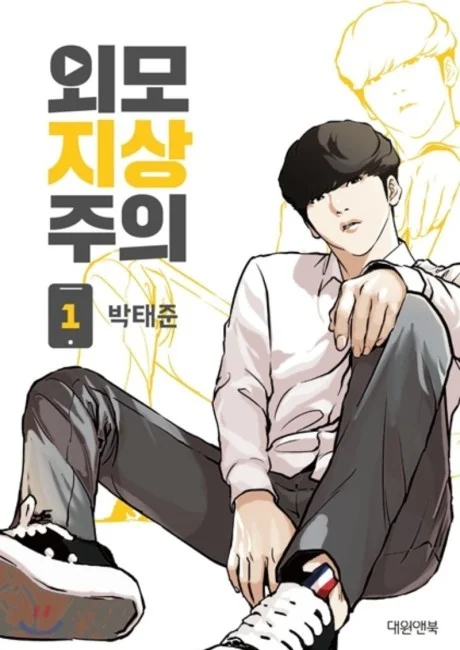 Lookism cover art.
Lookism
Chapters: Ongoing | Platform: WEBTOON (free) | Completed: Original run finished
Daniel Park wakes up in a different body -- conventionally attractive -- and the world immediately treats him differently. His original motivation is escape: get out from under the social structure that destroyed his previous life. Lookism expands past that setup into something more interested in how the system works than in any personal payoff.
What the series understands is that Daniel's two-body situation doesn't give him uncomplicated access to the social capital he lacked before. It gives him visibility into how that capital gets assigned -- which is a more uncomfortable kind of knowledge. The revenge against the original bullying structure does happen eventually, but by the time it arrives, the series has already moved on to a different question.
For manhwa with strong characterization alongside the action, best manhwa seinen covers the mature-tone category that Lookism occupies in its later chapters.
manhwa revenge -- verdict: which eight are worth your time
Advertisement
Only two series on this list -- Bastard and Weak Hero -- treat the cost of revenge as non-negotiable. Every other series here makes a trade: a more satisfying payoff in exchange for less accounting of what the protagonist lost or became in the process of getting it.
That trade isn't a failure. Doom Breaker makes it consciously and delivers. ORV makes it and builds something emotionally complex enough that you don't feel cheated. SSS-Class Revival Hunter makes it and wraps the payoff in enough structural intelligence that it feels earned even when it's technically wish-fulfillment.
Bastard and Weak Hero are different in kind. If you've worked through the wish-fulfillment options and found them satisfying but thin, those two are where to go next. They're harder reads. They're more honest.
For manhwa recommendations that cross genre lines, the best manhwa redemption arc list covers the related territory -- characters whose arcs involve reckoning rather than pure payoff.
Frequently Asked Questions
Shortest completed series on this list? Bastard at 92 chapters. Sweet Home Season 1 at 141 chapters is second.
Best entry point if you've never read manhwa? Sweet Home if you want horror; Bastard if you want the tightest possible introduction to what the format can do with a limited chapter count.
Which are free? Bastard, Sweet Home, Doom Breaker, Return of the Blossoming Blade, Weak Hero, and Lookism are all free on WEBTOON (with fast-pass for recent chapters). ORV and SSS-Class Revival Hunter have free chapters with wait times.
Related Reading
- Best Action Manhwa 2026 →
- Omniscient Reader's Viewpoint reading guide
- Best Manhwa Psychological Thriller
- best dark manhwa
- manhwa like Sweet Home
- Best Manhwa About Rejection and Revenge: the narrower list, sorted by who did the wronging instead of by revenge type.
References
- Doom Breaker on WEBTOON
- Bastard on WEBTOON
- Sweet Home on WEBTOON
- Weak Hero on WEBTOON
- Omniscient Reader's Viewpoint on WEBTOON
- Return of the Blossoming Blade on WEBTOON
- SSS-Class Revival Hunter on Tapas (154 episodes; Season 4 hiatus before Season 5)
About the author

Senior Manhwa Critic & Analyst
Manhwa critic and former Korean-to-English webtoon translator with 8 years reading across 40+ genres. London-based. Tracks everything from power-progression to slice-of-life romance.
- 8 years reading manhwa across 40+ genres
- Former Korean-to-English webtoon translator
- 500+ manhwa titles completed
- Specializes in progression systems and power-scaling analysis
Disclaimer
This article is published for informational and entertainment purposes. It does not constitute professional financial, legal, or technical advice. Series availability, platform access, translation status, and chapter counts change. Verify critical details (pricing, regional availability, official translation status) with publishers and platforms. Affiliate links, where present, help support our editorial work and are labelled in our affiliate disclosure.
Comments
Loading comments…