
Best manhwa with op mc, ranked by how well each series delivers on the premise, not just how powerful the protagonist gets.
TL;DR: Best manhwa with op mc ranked, from Solo Leveling's rock-bottom-to-god arc to Nano Machine's cultivation accelerator. Verified picks, no filler.
The distinction matters because OP MC stories can fail even when the protagonist is genuinely unstoppable. If power scaling eliminates all tension, the series has nothing left to do but inflate numbers. The picks below avoid that problem through different approaches: regression (protagonist is already powerful, the interest is in watching them reclaim it), strategic constraint (power is real but context limits its use), or actual character work that makes the power arc a backdrop for something more specific.
OP MC manhwa is easy to execute badly. Start weak, get power, dominate enemies, repeat. The best manhwa with op mc on this list do something more: some use the power progression as a vehicle for an actual story, some have mechanics that stay interesting even after the protagonist becomes unkillable, and a few have art that elevates the fights beyond what the prose source could achieve.
Ranked from most-recommended entry point down to deeper cuts.
Best Manhwa with OP MC: Overview
Overpowered main character manhwa is one of the most popular categories in the format, and for a straightforward reason: watching someone go from powerless to dominant is satisfying in a way that's difficult to replicate with other genre structures. The appeal is not subtle and doesn't need to be. When the genre works, it works because the power progression is legible, the art makes the fights spectacular, and the protagonist's rise carries enough emotional weight to keep you invested past the first major power-up.
What separates the best manhwa with OP MC from the forgettable pile is usually one of three things. Either the power acquisition mechanic is interesting enough to sustain attention for hundreds of chapters (Solo Leveling's shadow extraction, SSS-Class Revival Hunter's death-copying), or the protagonist's emotional situation gives the power arc a vehicle for something more specific than wish fulfillment, or the setting is unusual enough that the familiar progression structure feels fresh.
For readers new to the genre, Solo Leveling is the right starting point because it is the most polished version of the concept, completed, and available on official platforms. It is also the clearest example of what OP MC manhwa does well and what it is not trying to do. Once you have read it, the other series on this list become easier to calibrate against.
For readers who have already finished Solo Leveling and want a different angle: Second Life Ranker adds strategic complexity, Nano Machine shifts to a murim setting, and SSS-Class Revival Hunter uses its power mechanic to build something genuinely strange. Each of the ten picks below solves a different version of the OP MC formula.
Best Manhwa with OP MC: Key Takeaways
- Solo Leveling is complete and the cleanest entry, verified pick for first-time OP MC readers
- Second Life Ranker has the most narrative depth in the genre if you want more than wish fulfillment
- Nano Machine is the murim pick, cultivation system instead of hunter/dungeon format
- SSS-Class Revival Hunter has the most mechanically interesting power: absorb the skill of whoever kills you, then reset
- Overgeared takes 100+ chapters to get going but pays off for patient readers
- "OP" in this list means the protagonist genuinely dominates; no "technically strong but constantly losing" entries
Manhwa with an overpowered MC who is reincarnated
Advertisement
For manhwa with an overpowered MC who is reincarnated, start with I Am the Sorcerer King for immediate magical power, A Returner's Magic Should Be Special for foreknowledge used strategically, or Tomb Raider King for a reset-and-artifact route. Solo Leveling is not reincarnation, so it is a comparison point, not a literal match.
For the category boundary, compare the best reincarnation manhwa guide with OP MC manhwa explained, which separates literal power from the broader trope.
1. Solo Leveling
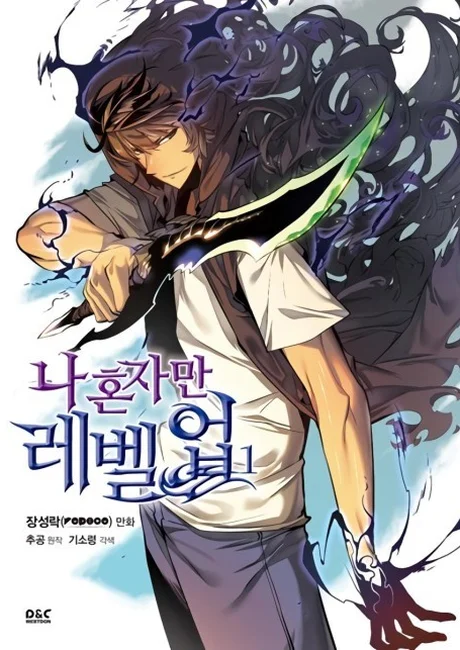
Sung Jinwoo starts as the weakest E-rank hunter, cannon fodder who survives double dungeons by staying out of the way. Then he gets a system that only he can see, which levels him up as he completes quests and defeats monsters. What starts as a survival story becomes a domination arc.
The manhwa adaptation is exceptional. The original web novel by Chugong is good; Dubu's art for the manhwa is better. The action sequences in particular land differently in illustrated form. Shadow Monarch fights hit harder when you can see them.
The novel is complete. The manhwa is complete. This is the only series on this list you can read from chapter 1 to the final page right now.
Start here if you're new to the genre. Solo Leveling is the clearest, most polished version of the OP MC premise and it's fully complete.
2. Second Life Ranker
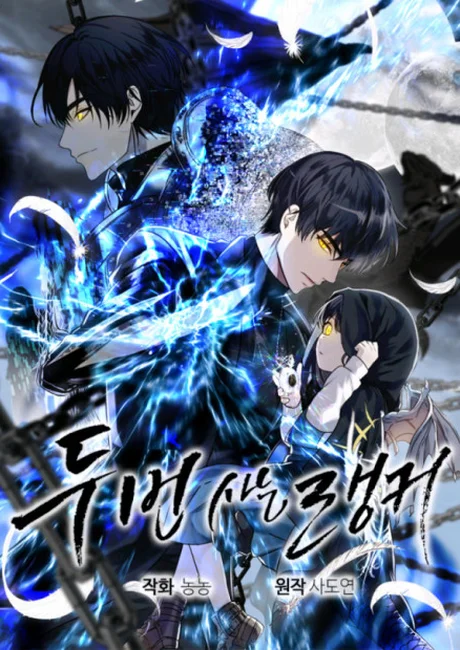
Yeon-woo receives his dead brother's pocket watch containing records of everything his brother experienced in a brutal tower that runs on life and death combat. He enters the tower knowing every trap, every faction, every secret. His brother's accumulated experience is already built in.
The difference from Solo Leveling is how Yeon-woo uses his advantage. He's calculating and strategic in a way Sung Jinwoo isn't. He outmaneuvers people as often as he outfights them. The antagonists have actual depth, and several characters you expect to be enemies turn out to be more complicated.
The art handles the tower's mythology, gods and mythological figures repurposed as tower inhabitants, well enough that the scale doesn't collapse under its own weight.
The pick for readers who want OP MC with strategy and moral complexity, not just spectacle.
AniList lists Second Life Ranker as RELEASING. Its official Tapas page currently shows 219 episodes and a Season 3 hiatus before Season 4, so older claims that Season 4 was already active are not current.
For the full ranked list across all manhwa genres,
Best Manhwa to Read in 2026 →
3. Nano Machine
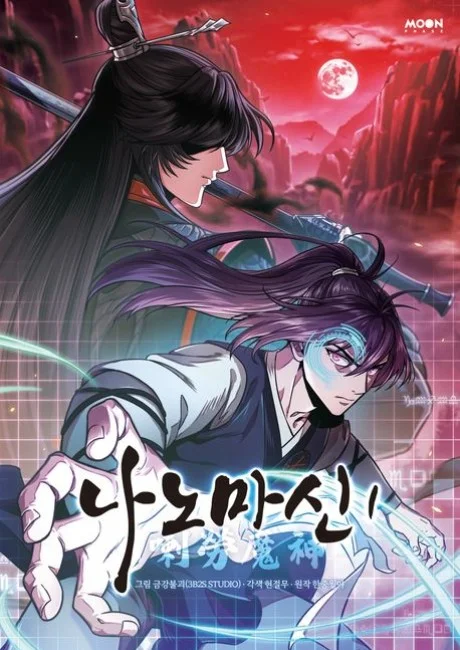
Cheon Yeo-Woon is a low-ranked member of a murim sect who receives a nano machine from a descendant in the future. The nano machine accelerates his cultivation, heals injuries, analyzes opponents, and provides real-time tactical data.
Nano Machine sits in the murim (Korean martial arts) genre rather than the hunter/dungeon format that dominates OP MC manhwa. If you've read cultivation novels and want that setting with a faster-burning protagonist, this is the pick. The power system has internal logic that the series maintains consistently.
AniList lists Nano Machine as RELEASING without a stable universal chapter total. A public WEBTOON locale listed Episode 284 on September 24, 2026, but chapter and episode numbering is edition-specific. The novel, which the manhwa adapts, is significantly further ahead in story terms.
The murim pick for readers who want cultivation mechanics instead of the dungeon/hunter format that dominates the genre.
4. SSS-Class Revival Hunter
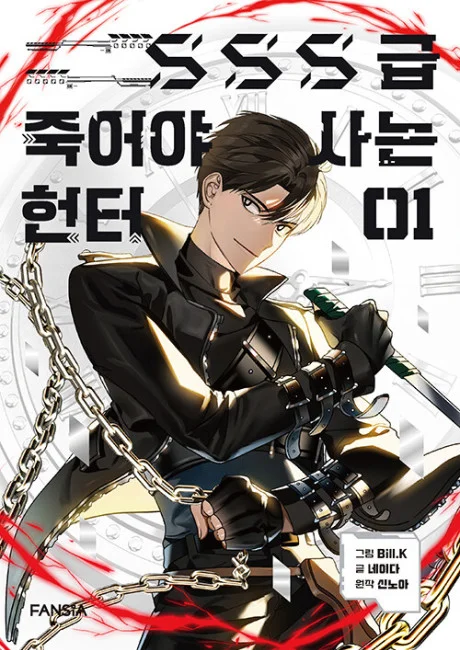
Kim Gong-ja's skill: when he dies, he resets to 24 hours before his death and absorbs whatever skill killed him. The problem at the series' start is that he's weak enough that being killed is easy.
The setup forces the series to do something most OP MC manhwa avoid: the protagonist has to strategically arrange his own deaths to acquire useful skills. The early sections have a dark humor that comes from how methodically Kim Gong-ja approaches his own mortality as a resource. As he accumulates more stolen abilities, the fights become genuinely complex.
By the time he's OP, he's OP in ways that are specific to the skills he's absorbed. The variety keeps it from feeling repetitive in the way that "protagonist punches harder" progressions can.
Read this if you want an OP MC story where the power acquisition mechanic stays interesting: dying strategically never gets boring.
5. Tomb Raider King
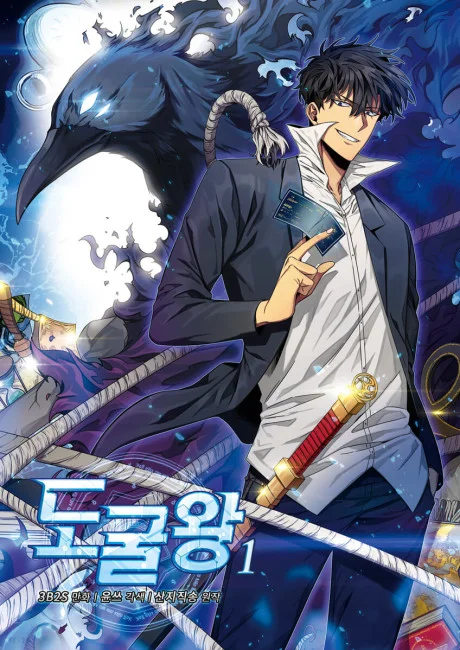
Seo Joo-Heon is the best tomb raider in a world where divine tombs containing relics and artifacts have appeared worldwide. He gets betrayed and killed, resets to 15 years earlier, and uses his foreknowledge to acquire the most powerful divine artifacts before anyone else.
The artifact-hunting structure differs from standard power progression. Seo Joo-Heon doesn't get exponentially stronger in a linear way. He acquires specific tools with specific applications and uses them cleverly. Some of the best moments in Tomb Raider King come from him deploying an obscure artifact in an unexpected context.
The protagonist is charismatic in a way that most OP MC leads aren't. He's funny, occasionally reckless, and enjoyable to read even when the plot mechanics are thin.
AniList marks the main Tomb Raider King record FINISHED at 411 chapters. A separate record, Tomb Raider King: End Line, is RELEASING, so the completed claim applies to the main run. A TV anime adaptation from Studio EEK premiered in July 2026 and streams on Crunchyroll. See our Tomb Raider King anime coverage for episode details.
Pick this if artifact collection and clever deployment appeal more than stat-scaling progression.
6. A Returner's Magic Should Be Special
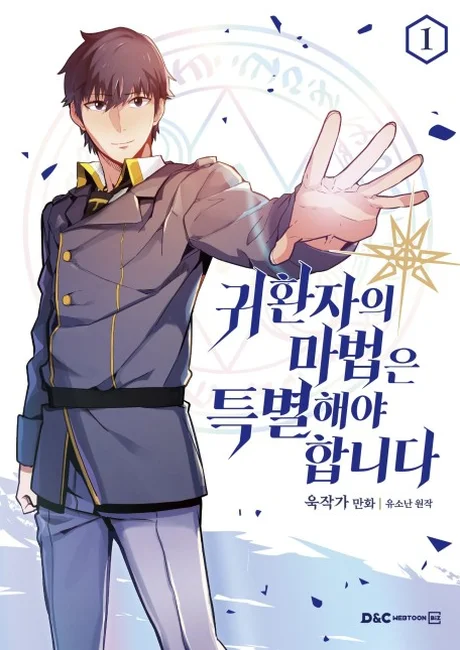
Desir Arman and the last survivors fight to the death against the final shadow labyrinth and lose. Then Desir wakes up 13 years earlier, at the beginning of his magic academy years, with full memory of every spell, tactic, and strategy he spent a lifetime learning.
The time regression structure makes Desir OP before the story even starts. What makes the series work is the school setting, which gives it interpersonal dynamics and relationships that wouldn't exist in a pure action progression story. Desir's foreknowledge isn't just combat application. He knows which people will become important, which rivalries will define the future, and who dies if nothing changes.
The manhwa adaptation is clean and the academy setting keeps it visually grounded during sections that would otherwise be pure exposition.
A Season 2 anime is confirmed for October 7, 2026, with Arvo Animation returning to animate and Crunchyroll streaming globally; see our Season 2 breakdown for what it covers.
The academy setting and interpersonal dynamics make this the pick for readers who want OP MC with actual relationships around the wish-fulfillment structure.
For the full isekai and regression manhwa ranked list,
Best Isekai Manhwa →


7. Overgeared
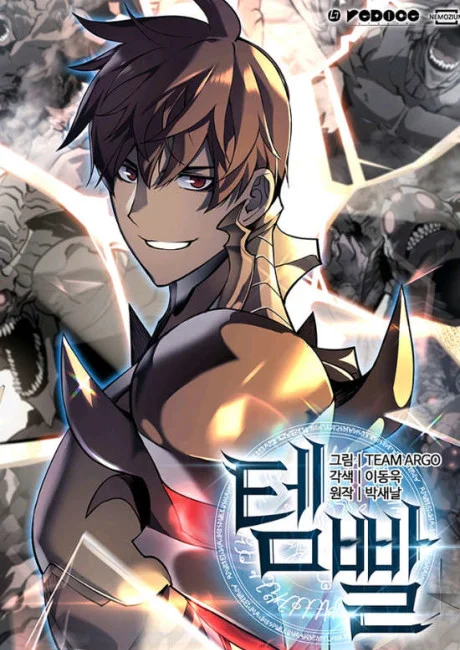
Shin Youngwoo (Grid) plays Satisfy, a full-immersion MMORPG, as a below-average player in a game designed for actual talent to win. He stumbles into Pagma's Rare Class (a legendary blacksmith/warrior class) and slowly becomes the most powerful player in the game by understanding the class better than anyone thought possible.
Overgeared is the longest series on this list by a significant margin and the slowest to develop. Grid is not immediately OP. The series earns the wish-fulfillment structure over hundreds of chapters. This is either a positive or a dealbreaker depending on how you read.
The payoff is substantial. By the time Grid is genuinely dominant, the world around him has expanded enough that new challenges exist at the same level. The series doesn't stagnate the way shorter OP MC stories can.
At this update, the anime has not premiered. Crunchyroll lists the international stream for September 27, 2026, excluding Japan and Korea, while the official announcement gives Prime Video Japan an early September 27 stream before the Japanese TV broadcast on October 2. AniList marks the manhwa RELEASING.
For patient readers only. Overgeared takes a long time to deliver on its premise but compounds in a way most OP MC series don't.
8. I Am the Sorcerer King
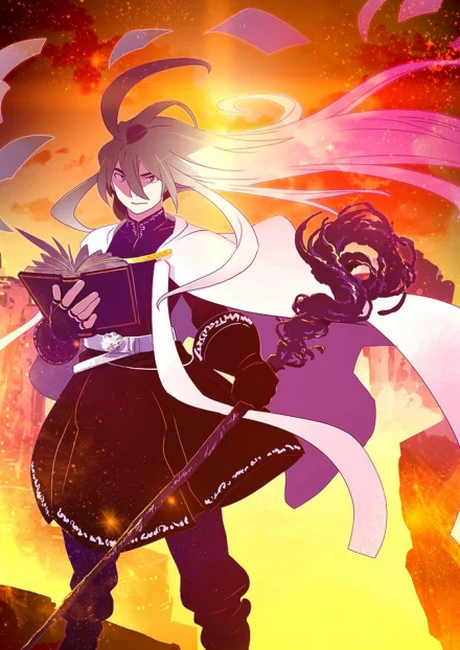
Lee Sunghoon works as monster-bait in a dungeon hunting party: literally the bait, the person who runs to draw monsters while the real hunters engage. He gets awakened as the reincarnation of the greatest sorcerer who ever lived, with access to that sorcerer's memories and base magical power.
The premise is a classic reincarnation setup with a clean execution. The power scaling accelerates quickly and the art handles large-scale magic sequences reasonably well. Less narratively ambitious than Second Life Ranker but consistent.
Fast-moving with quick power escalation. Less ambitious than Second Life Ranker, but it doesn't drag.
AniList marks I Am the Sorcerer King FINISHED at 143 chapters, and its official Tapas page lists 143 episodes as a completed series.
9. The Max Level Hero Has Returned
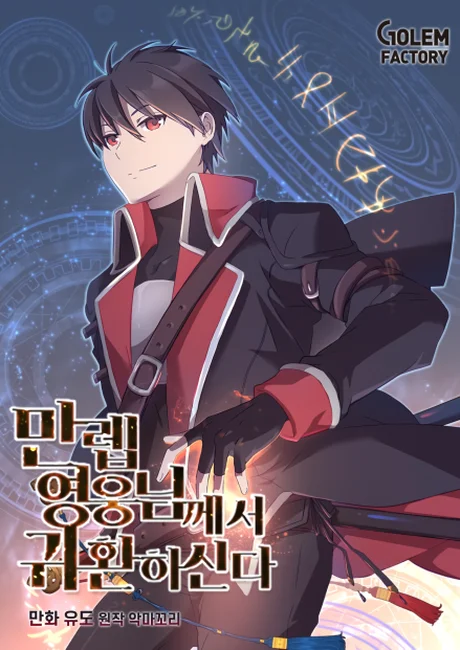
Prince David is weak, ignored, and universally underestimated. While unconscious, his soul travels to a warrior's realm where he spends 1,000 subjective years training with the greatest fighters and scholars who ever lived. He wakes up as the most capable person in his world, hiding it.
David knows he's the strongest person in the room and deliberately doesn't show it. The gap between what others see and what he's actually doing generates a specific kind of dark comedy that the series plays well throughout, not just in the opening arc.
The pick if "hiding power level" as a sustained device appeals to you more than immediate domination.
The series is also published under the official English title The Max Level Hero Strikes Back!, and AniList marks it RELEASING. That title distinction helps when searching official listings.
10. Omniscient Reader's Viewpoint
Advertisement
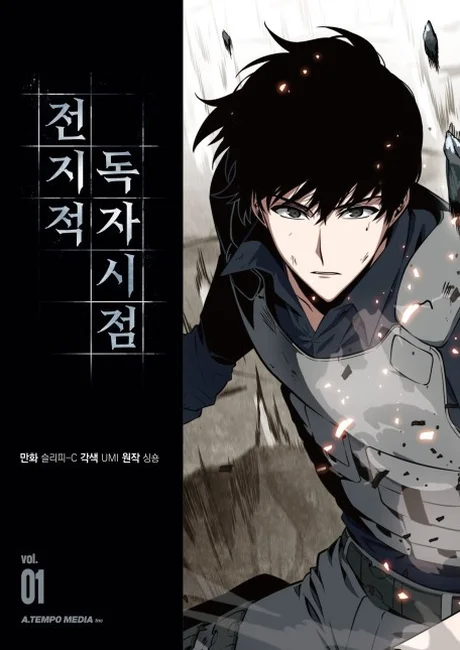
The odd one on this list. Kim Dokja doesn't have combat power. He has information. He's the only person in the world who read a web novel called "Three Ways to Survive in a Ruined World" to its end, and when that novel's events start happening in reality, he's the only person who knows what's coming.
The effect is functionally OP but the mechanism is different. Kim Dokja outmaneuvers every situation through knowledge rather than raw power. The fights around him are spectacular; his role in them is often strategic rather than physical.
ORV's novel is complete at 551 chapters. AniList marks the manhwa RELEASING, while the official WEBTOON English release currently sits at Episode 308 with the series on hiatus. If you've finished the best manhwa with op mc on this list and want something with more narrative ambition, ORV is the pivot.
The knowledge-based OP protagonist is a different genre experience. Read the Omniscient Reader's Viewpoint reading guide for the format breakdown before starting.
Finding the best manhwa with op mc that fits your preferences comes down to what you want from the wish-fulfillment structure. For a ranked comparison of where these series sit in the completed vs. ongoing divide, Best Completed Manhwa → breaks down which series can be binged in full today.
Frequently Asked Questions
What is OP MC in manhwa?
OP MC stands for overpowered main character, a protagonist who becomes significantly more powerful than the people around them, often through a unique skill, hidden talent, or system reward. In manhwa, OP MC stories typically follow a power progression arc where the protagonist starts weak or underestimated and becomes dominant through training, clever use of their ability, or acquiring rare items. Solo Leveling is the most-cited example. What is the best manhwa with an overpowered main character?
Solo Leveling is the most recommended OP MC manhwa by volume. It has the clearest progression arc, high production values in its manhwa adaptation, and is complete, making it easy to binge. Second Life Ranker is the pick for readers who want a more morally complex protagonist with strategic depth. Nano Machine is recommended for readers who want murim (Korean martial arts) setting rather than hunter/dungeon format. What manhwa has an overpowered MC who is reincarnated?
I Am the Sorcerer King gives its reincarnated lead immediate magical power, A Returner's Magic Should Be Special turns future knowledge into tactical advantage, and Tomb Raider King uses a reset plus artifact knowledge. Solo Leveling is a system story, not literal reincarnation. Is Solo Leveling the best OP MC manhwa?
It's the most popular and probably the most refined example of the genre. The power progression is clean, the art is exceptional, and the completed story has a satisfying arc. Whether it's the 'best' depends on what you want from an OP MC series, Solo Leveling is optimized for wish fulfillment with spectacle. For more narrative depth, Second Life Ranker or SSS-Class Revival Hunter rank higher with many readers. What manhwa to read after Solo Leveling?
The most direct successors for Solo Leveling readers are Second Life Ranker (morally complex protagonist, strategic fights), SSS-Class Revival Hunter (unique mechanic, dark tone), and Tomb Raider King (artifact hunting with a charismatic lead). For a tonal shift, Overgeared covers the same fantasy wish-fulfillment in an MMORPG setting with a slower progression that rewards patience. Are there any completed OP MC manhwa?
Yes. Solo Leveling is complete (both novel and manhwa), and I Am the Sorcerer King's manhwa is complete at 143 AniList chapters with 143 completed Tapas episodes. AniList currently marks The Legendary Moonlight Sculptor RELEASING without a stable chapter total; the English run cited in this guide stopped at chapter 169 in November 2020, so do not confuse its complete web novel with a completed manhwa adaptation. Second Life Ranker is also RELEASING, with 219 episodes currently shown on Tapas and a Season 3 hiatus before Season 4. Nano Machine is RELEASING; its public WEBTOON count varies by edition.
What's the difference between system fantasy and OP MC manhwa?
They overlap heavily. System fantasy specifically involves an in-world 'system' that grants skills, levels, and stats, the UI-style popups. OP MC is the broader category: a protagonist who ends up dramatically more powerful than their peers. All system fantasy OP MC series have the system element; not all OP MC series have it. Nano Machine, for example, has a technology-based accelerator rather than a magic system, but the OP MC result is the same. What manhwa has the best fight scenes with an OP MC?
Solo Leveling for pure visual spectacle, the manhwa artist elevated the source material significantly. Second Life Ranker for strategic complexity in fights. Overgeared for fights that reward understanding the game mechanics. SSS-Class Revival Hunter for inventive use of its unique revival mechanic in fights. All four are worth reading specifically for the combat.
Related Reading
- Best Manhwa to Read in 2026 →
- Best Isekai Manhwa →
- Omniscient Reader's Viewpoint reading guide
- Best Completed Manhwa →
- Best Hunter Manhwa 2026: licensed rank systems, hunter associations, and the strongest dungeon-adjacent picks.
- Legendary Moonlight Sculptor Reading Guide
- Manhwa Overpowered MC Types, a breakdown of the four ways manhwa makes a protagonist OP: system-granted, trained, regression, and strategic
- OP MC Manhwa Explained, what the term means, why the trope dominates Korean web fiction, and what separates a well-built power climb from a boring one
- Dungeon Odyssey Review: 8/10 Dungeon-Lord Fantasy Manhwa
- Dungeon Odyssey Reading Guide: 152 Chapters, Explained
- Reformation of the Deadbeat Noble Review: Rated 7.5/10
- Manhwa Like Reformation of the Deadbeat Noble: 7 Picks
References
- Solo Leveling on WEBTOON
- Second Life Ranker on Tapas
- Nano Machine on WEBTOON
- SSS-Class Revival Hunter on Tapas
- Second Life Ranker on Tapas
- I Am the Sorcerer King on Tapas
- Tomb Raider King on Tapas
- A Returner's Magic Should Be Special on Tappytoon
- Overgeared on WEBTOON
- Omniscient Reader's Viewpoint on WEBTOON
- Second Life Ranker on AniList
- Nano Machine on AniList
- Tomb Raider King on AniList
- Overgeared on AniList
- Omniscient Reader's Viewpoint on AniList
- The Legendary Moonlight Sculptor on AniList


