The Breaker review, the short version: two complete series (72 chapters, 203 chapters), one sequel currently on hiatus, and fight choreography that still defines what murim fights look like at their best. Most reviews treat the three parts as one ongoing project. They aren't. Part 1 and New Waves are finished arcs with clear beginnings and ends. You can read all 275 chapters right now.
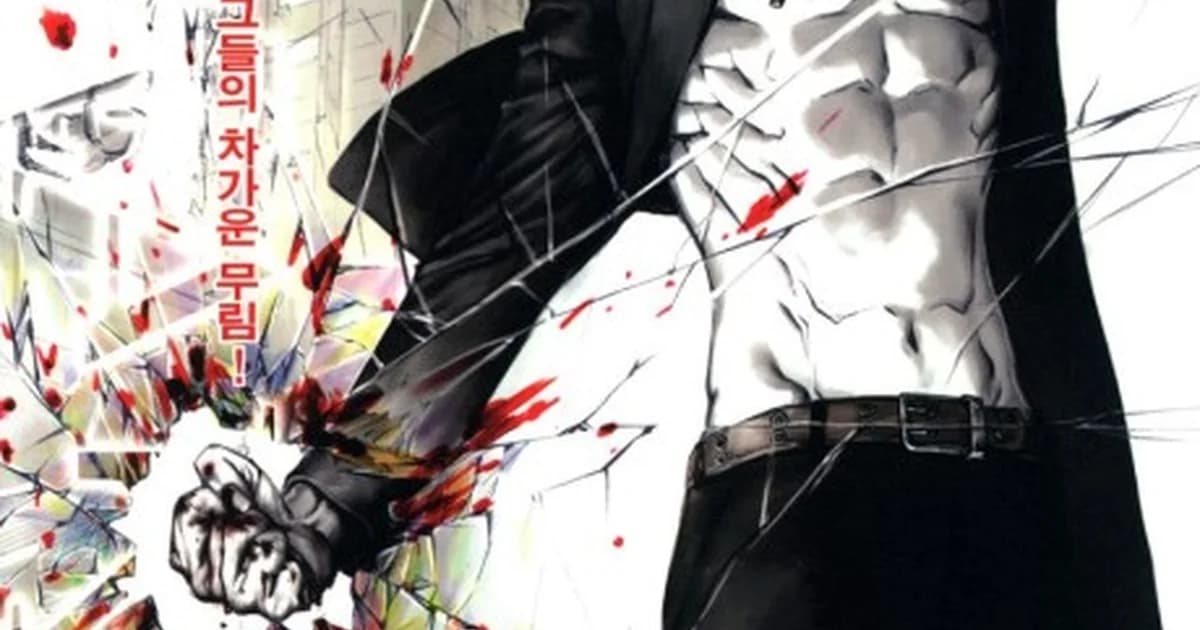
Reviewing
The Breaker
Jeon Geuk-jin · Ablaze
Score
Pros
- Fight choreography is among the best in Korean manhwa; each ki technique is visually distinct and mechanically grounded
- Part 1 and New Waves form two complete, bingeable arcs totaling 275 chapters
- The master-student relationship in Part 1 gives the power progression genuine emotional weight
Cons
- New Waves expands the cast significantly, which diffuses the tight focus that made Part 1 work
- Eternal Force opens slower than either finished arc
Verdict
The Breaker is a genre-defining murim manhwa with two complete arcs already finished; the fight craft is exceptional and the master-student dynamic in Part 1 is the best in the genre.
TL;DR: The Breaker review: 8.0/10. Two finished arcs at 275 total chapters; Eternal Force on hiatus since its June 2024 Season 1 finale. Murim world mechanics applied to a modern Korean setting. The best ki-based fight craft in manhwa, with a master-student dynamic that carries the entire series.
The Breaker review: key takeaways
- The Breaker (Part 1): 72 chapters, completed, AniList 80/100
- The Breaker: New Waves: 203 chapters, completed, AniList 81/100
- The Breaker: Eternal Force: 100 chapters released (Season 1), on hiatus since June 2024, AniList 70/100
- Story by Jeon Geuk-jin, art by Park Jin-hwan
- English print through Ablaze; digital availability varies by region
- Rating: 8.0/10
The Breaker Review: What It Is and Why It Works
The Breaker review starts with an acknowledgment of what the setup sounds like: a bullied high school student discovers his new teacher is secretly a top-tier martial artist from the hidden murim world. That premise has been done. What separates The Breaker is the execution at a technical level that most similarly-pitched series don't match.
The murim world in The Breaker operates according to rules. Ki (internal energy) has cultivation stages, channeling paths through the body, and real costs when pushed past safe limits. Techniques have names, visual signatures, and defined activation conditions. When protagonist Shi-Woon Yi learns something new, the series shows enough of the process that the reader understands the mechanism, not just the outcome. This is the difference between a power system and a leveling system. The Breaker has a power system.
The master-student relationship between Shi-Woon and Chun-Woo Han runs through all three arcs in different forms. Part 1 establishes it from scratch: Chun-Woo has reasons to avoid taking a student and reasons he can't fully walk away. The dynamic is never simple. Both characters are competent in specific ways and limited in specific ways, and the series uses those asymmetries to generate tension that isn't just combat tension. By the time Part 1 reaches its payoff, the series has built enough investment in that relationship that the ending carries more weight than the premise suggested it would.
The murim political landscape (factions, hierarchies, rival schools) is introduced gradually across Part 1. It doesn't overwhelm the early chapters. The world-building earns its place because it's always relevant to what Shi-Woon is facing, not introduced for completeness.
For where The Breaker fits among Korean martial arts manhwa:
Best Murim Manhwa 2026 →
Part 1 vs New Waves: What Changes at Chapter 72
Part 1 ends at a clear story break. It's 72 chapters with a focused cast, one main conflict, and a protagonist who is genuinely still learning. New Waves picks up directly afterward and does something structurally different.
The ensemble expands. Where Part 1 concentrated attention on Shi-Woon and Chun-Woo, New Waves adds factions, secondary characters with their own arcs, and a political dimension that the first series gestured at but didn't fully develop. Shi-Woon is no longer operating as a student in any meaningful sense; he's navigating the murim world as an independent figure while the adults around him pursue their own agendas.
Readers divide sharply here. Some find New Waves an improvement: the murim world gets the space it needs to breathe, the fights scale up in complexity, and the political stakes feel real rather than gestured at. Others miss the tighter structure and feel the series loses something when the focus diffuses across a larger cast.
The honest position: New Waves is technically the better-constructed manhwa but requires more patience to engage with. Don't stop at chapter 100 because the scope feels unwieldy. The threads that seem loose in the first third of New Waves have pulled tight by chapter 150. The payoffs are there; they're just distributed across a wider cast than Part 1's concentrated setup.
For comparison with another murim series that handles a large cast without losing its protagonist's arc, see the Return of the Blossoming Blade review.
Art and Fight Choreography
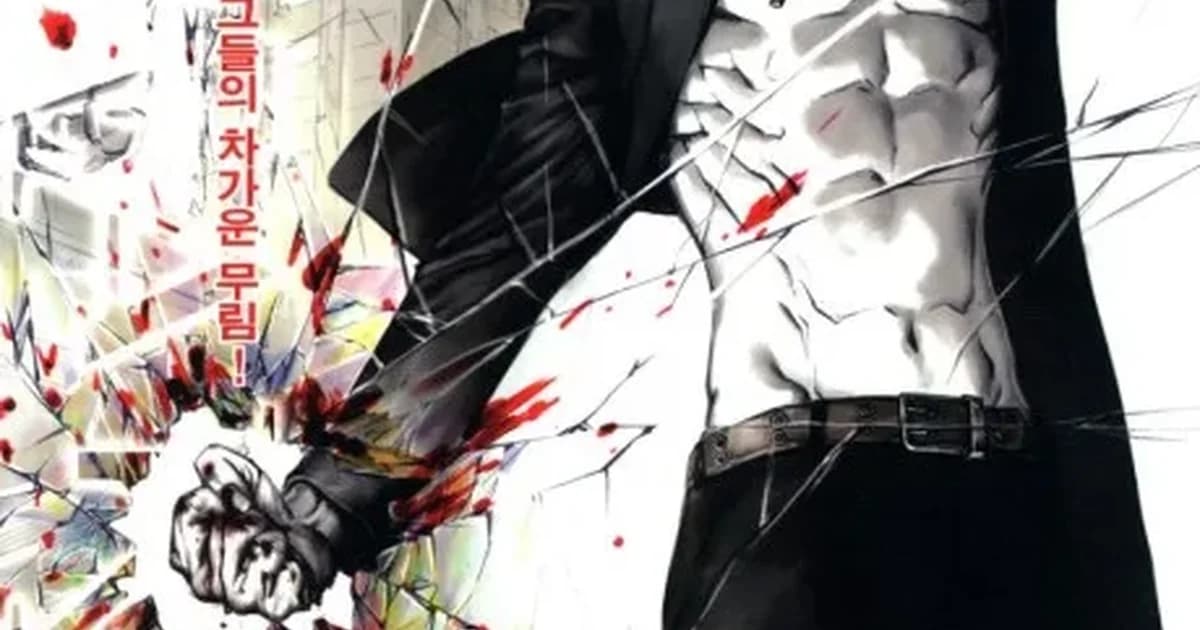
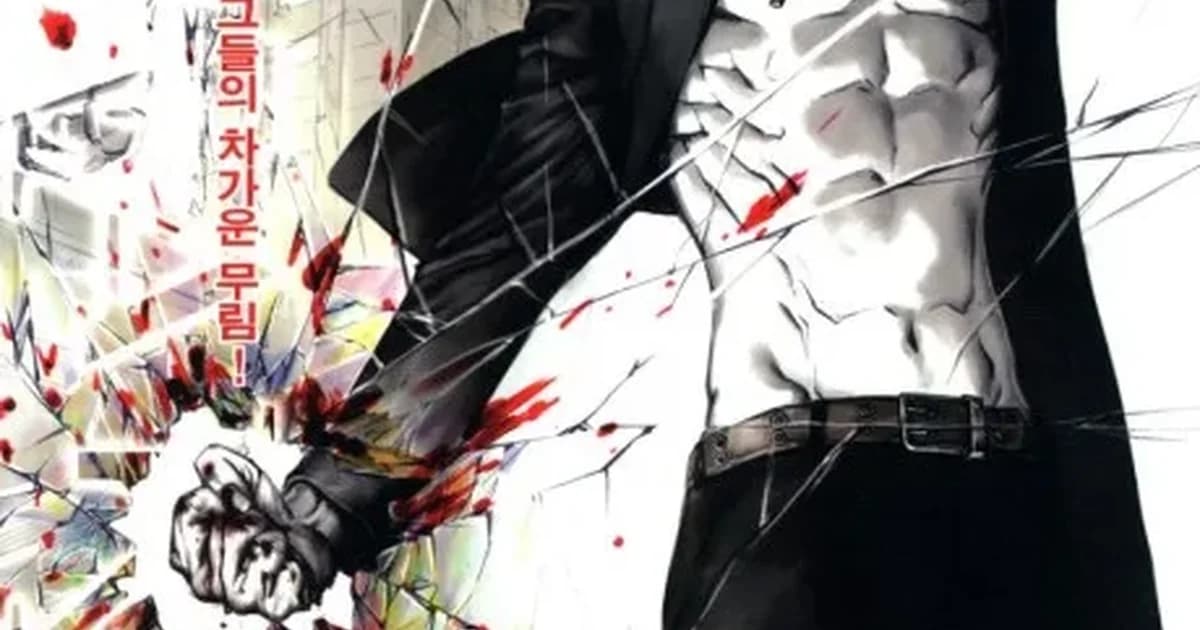
Park Jin-hwan's art is the consistent strength across all three parts and the primary reason The Breaker holds up better than most manhwa from the same period.
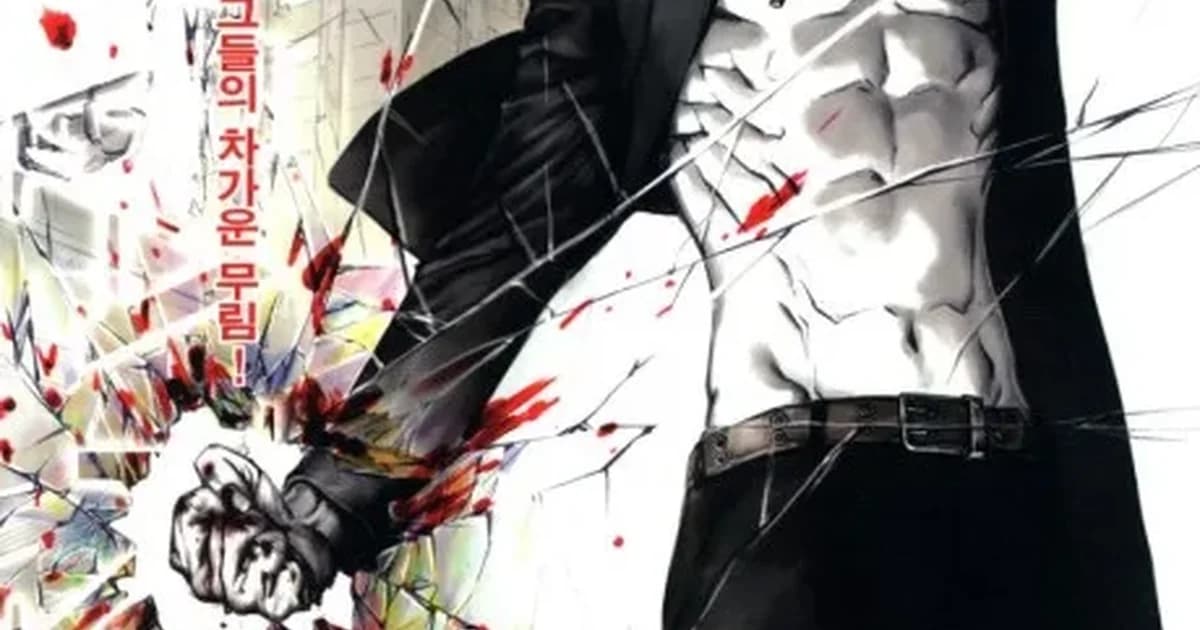
Ki techniques are visualized as distinct, recognizable signature moves. Readers can identify a technique by its visual signature alone, without needing the technique name to appear on the page. This sounds like a baseline expectation for action manhwa; it isn't. Most series in this genre cycle through generic energy effects with different color palettes. The Breaker gives each major technique a specific visual identity that persists across chapters.
The panel composition for fight sequences uses negative space deliberately. The moments before impact (stance micro-adjustments, setup moves, the pause where a character commits to an attack) get their own panels rather than being skipped to reach the collision. This is what makes the fights feel heavy rather than kinetic. You understand what each hit cost, not just what it looked like.
Art evolution across the three parts is visible. Character designs and line work changed from Part 1 to New Waves to Eternal Force, reflecting years of development. The fight language stayed consistent through all three, which matters more than stylistic consistency. Readers who pick up Eternal Force after finishing the first two parts won't feel like they've switched series mid-read.
For action manhwa with comparable fight craft across a long run:
Best Action Manhwa 2026 →
Verdict: Who Should Read The Breaker?
8.0/10. The fight craft genuinely earns it. Each technique has a visual signature the reader recognizes on sight, and the master-student arc in Part 1 gives the power progression emotional stakes that most murim series skip. That combination is what separates The Breaker from other series with similar premise and pacing. New Waves is a worthy if broader continuation, and Eternal Force -- which hands the lead role to a new protagonist, Ha-Je Kang, with Shi-Woon now the mentor -- gives readers who don't want to stop at chapter 275 a hundred more chapters to work through, even though it's been on hiatus since its June 2024 Season 1 finale.
This is the right pick for:
- Readers who tried The God of High School and wanted more technical craft in the fights
- Readers who've finished Nano Machine or Return of the Blossoming Blade and want an older series that helped shape what murim manhwa became
- Anyone who prefers ki-cultivation martial arts over dungeon-system fantasy and wants a binge-ready option rather than an ongoing wait
It's not the right starting point if you haven't read any murim manhwa. The genre conventions (ki stages, murim hierarchy, master-student relationships as a structural device) are assumed rather than explained. First-time murim readers will find a more accessible entry in Nano Machine or Return of the Blossoming Blade, both of which introduce the conventions more explicitly before using them as shorthand.
If you've already cleared the obvious genre picks, The Breaker is the next logical step. Two complete arcs at 275 chapters is a full read without a waiting game attached. Eternal Force adds 100 more chapters on top of that, and even on hiatus since 2024, it's a reason to come back once you've caught up and Season 2 eventually resumes.
Related Reading
- Best Murim Manhwa 2026 →
- Return of the Blossoming Blade Reading Guide →
- Best Action Manhwa 2026 →
- Nano Machine Reading Guide →
- The Breaker Reading Guide: 275 Chapters, Three Arcs
- Manhwa Like The Breaker: 8 Picks Ranked for Murim Fans
- The Breaker Character Guide: Full Cast Across All 3 Arcs
Frequently Asked Questions
Is The Breaker manhwa completed? Parts 1 (72 chapters) and New Waves (203 chapters) are completed. Eternal Force released 100 chapters (Season 1) before going on hiatus after its June 2024 finale, with Season 2 unscheduled. 275 chapters are available to read right now, plus 100 more from Eternal Force.
How many chapters is The Breaker? 72 chapters (Part 1, finished), 203 chapters (New Waves, finished), and 100 chapters (Eternal Force, on hiatus since June 2024). Total completed: 275.
What order to read? Part 1, then New Waves, then Eternal Force. Publication order. Don't start mid-series.
How does it compare to The God of High School? Similar school setup, different direction. The Breaker prioritizes ki system logic and master-student dynamics. The God of High School prioritizes tournament spectacle and mythological scale.
Where to read in English? Ablaze print volumes (English). The original Korean run was on Naver. Digital English availability varies by platform.