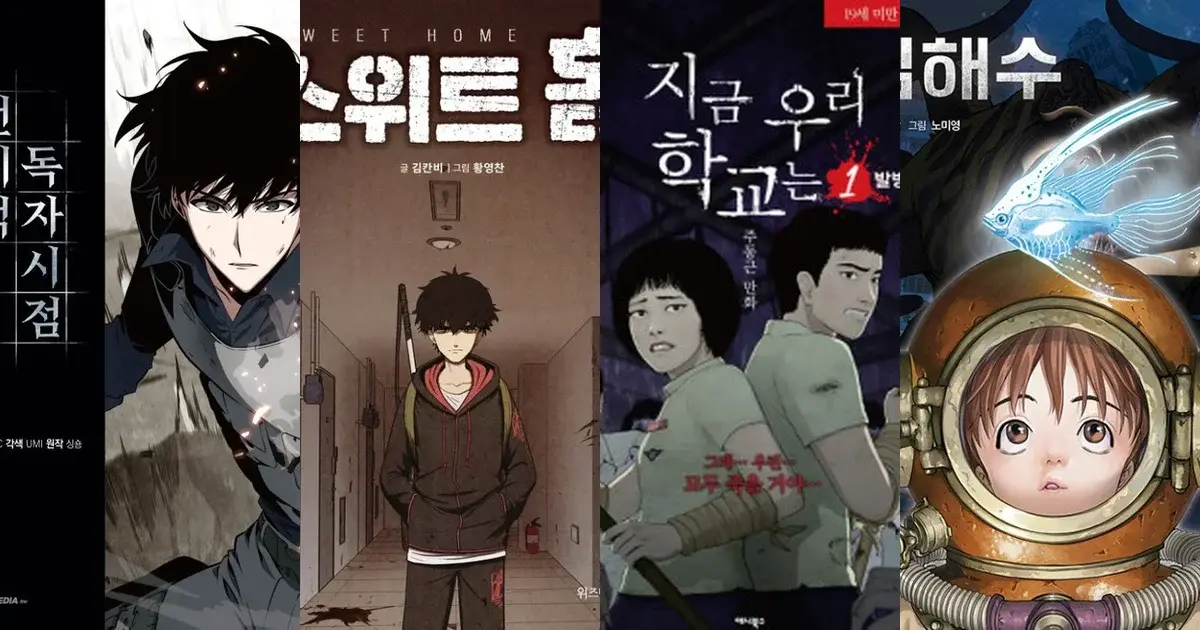

The best manhwa like Sweet Home is Shotgun Boy, and it isn't close. Kim Carnby wrote both, Shotgun Boy is officially a prequel, and it's finished. After that, the right pick depends on which part of Sweet Home got to you: the monsters, the neighbours you're stuck with, or the person in the next room who turns out to be worse than either.
Every series below is complete, so nobody gets left on a cliffhanger.
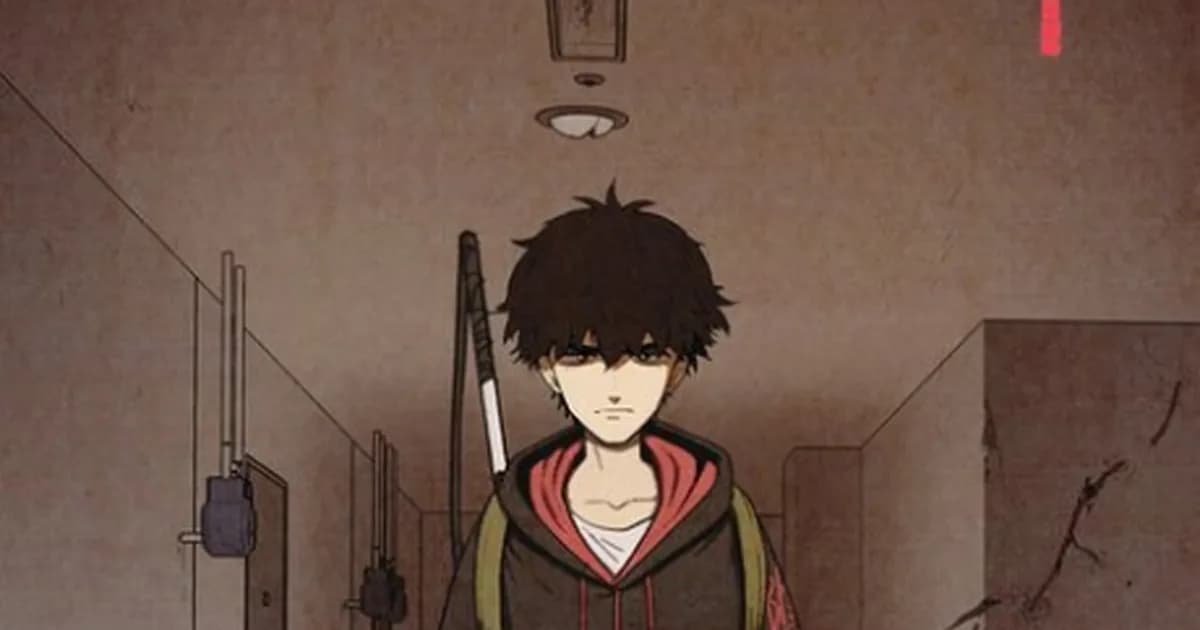
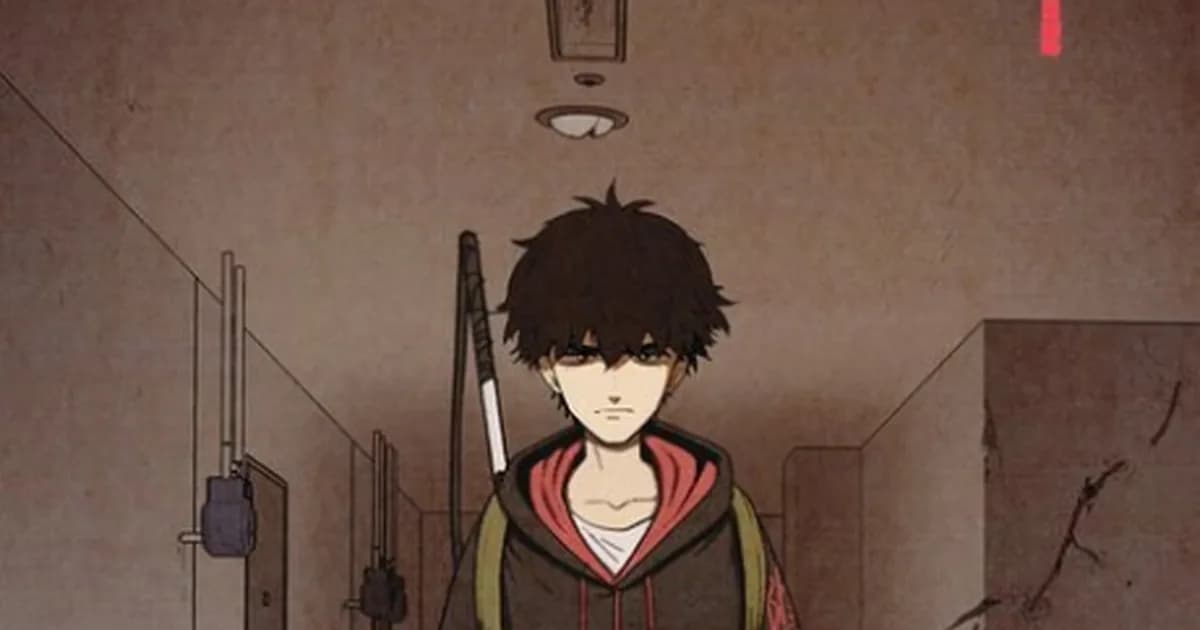
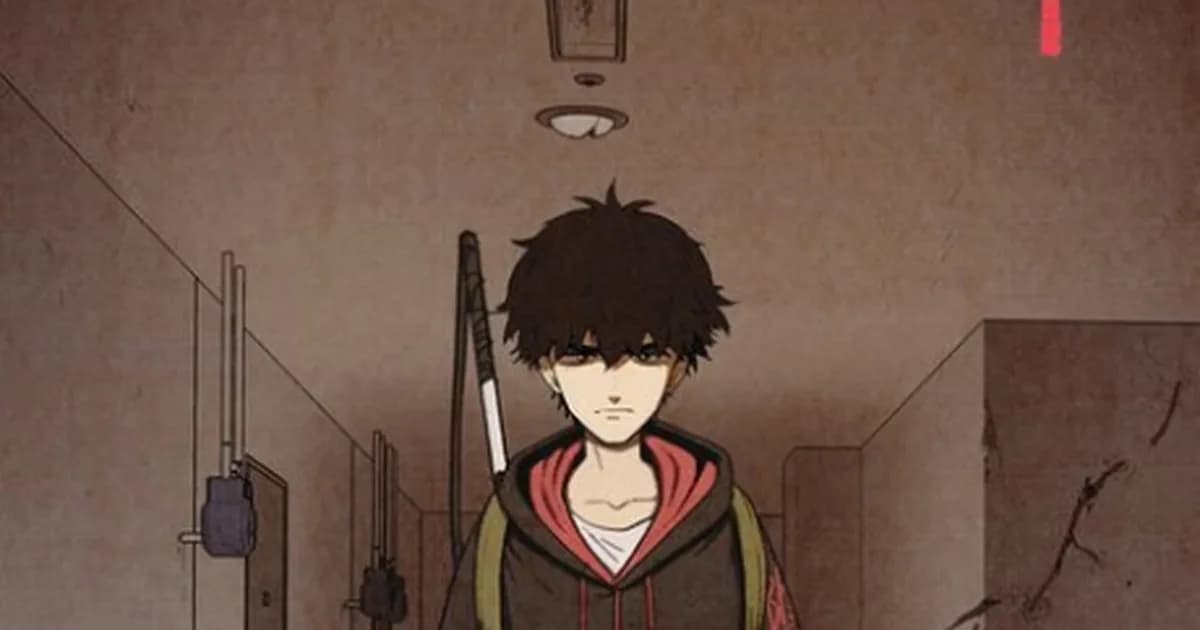
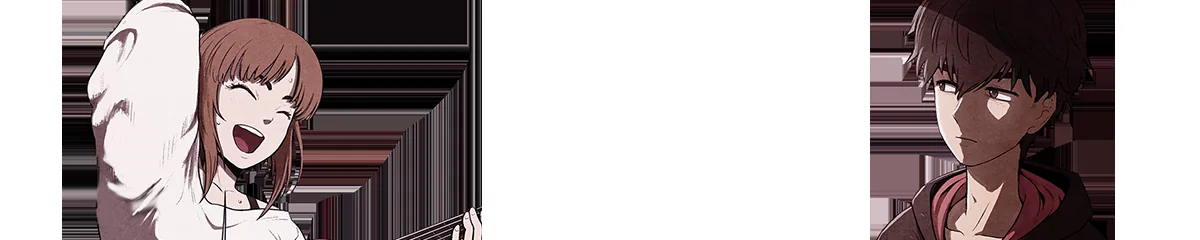 Sweet Home (스위트홈), story by Kim Carnby, art by Hwang Young-chan (Korean cover via AniList).
Why manhwa like Sweet Home are hard to find
Sweet Home (스위트홈) ran on Naver Webtoon from 2017 to 2020: 140 chapters plus a prologue, written by Kim Carnby and drawn by Hwang Young-chan. A suicidal teenager, Cha Hyun-su (the official English translation calls him Hyun Cha), moves into the run-down Green Home apartments after his family dies, and then people start turning into monsters that reflect their most desperate desires. That last part is the hook. Plenty of survival horror webtoons have monsters; in Sweet Home they mean something, and that's what this list looks for.
Netflix turned it into three seasons, released between December 2020 and July 2024. If you came from the show, know that the endings don't match. Director Lee Eung-bok told the Korea Herald the author had tipped him off about the webtoon's ending, and "I thought it would be better for the ending of the drama to differ a bit from the webtoon." The Sweet Home reading guide covers where to start the webtoon, and our Sweet Home review explains why we'd read it over the show.
Sweet Home official trailer from the Netflix K-Content YouTube channel.
Manhwa like Sweet Home at a glance
| Series | Korean title | Creators | Chapters (AniList) | English |
|---|---|---|---|---|
| Shotgun Boy | 엽총소년 | Kim Carnby, Hongpil | 69 | WEBTOON |
| Bastard | 후레자식 | Kim Carnby, Hwang Young-chan | 94 | WEBTOON |
| PIGPEN | 돼지우리 | Kim Carnby, Cheon Beom-sik | 68 | WEBTOON |
| All of Us Are Dead | 지금 우리 학교는 | Joo Dong-geun | 130 | WEBTOON |
| Distant Sky | 심연의 하늘 | Yun In-wan, Kim Seon-hui | 117 | WEBTOON |
| Hellbound | 지옥 | Yeon Sang-ho, Choi Gyu-seok | 57 | WEBTOON |
| Duty After School | 방과 후 전쟁활동 | Ha Il-kwon | 50 | WEBTOON |
| The Horizon | 수평선 | Jeong Ji-hun | 21 | WEBTOON |
All eight are marked completed on WEBTOON's English site. One catch: the website shows only the opening episodes of these old series and says "Read more episodes on the app," so plan on the WEBTOON app for the rest.
1. Shotgun Boy: the prequel
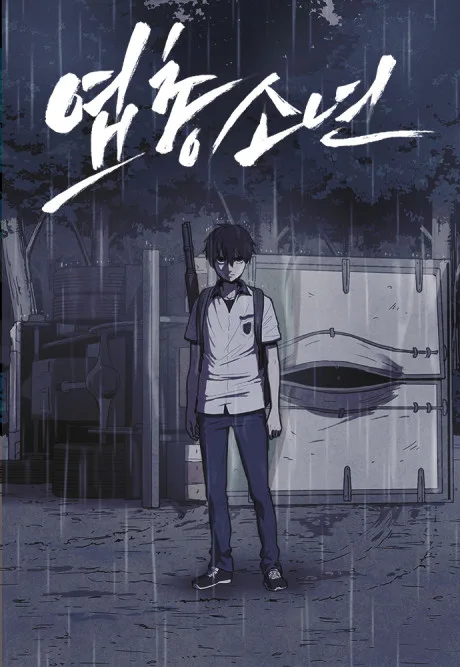 Shotgun Boy (엽총소년), story by Kim Carnby, art by Hongpil (Korean cover via AniList).
Shotgun Boy (엽총소년) is Kim Carnby's prequel to Sweet Home, drawn by Hongpil, with Hwang Young-chan as editorial supervisor. WEBTOON's pitch: bullying victim Gyuhwan "stumbles upon a shotgun and just enough shells for his classmates," then comes back to find those same classmates "under attack by brain-eating creatures."
That setup is Sweet Home's best trick in miniature: the people he has to save are the ones he went out there hating. Where it differs: it starts in the woods and at a school rather than in an apartment block, and it's about half Sweet Home's length. One r/manhwa reader summed it up as "kind of a continuation to the story," which is how it reads if you come to it second.
2. Bastard: the monster is your dad
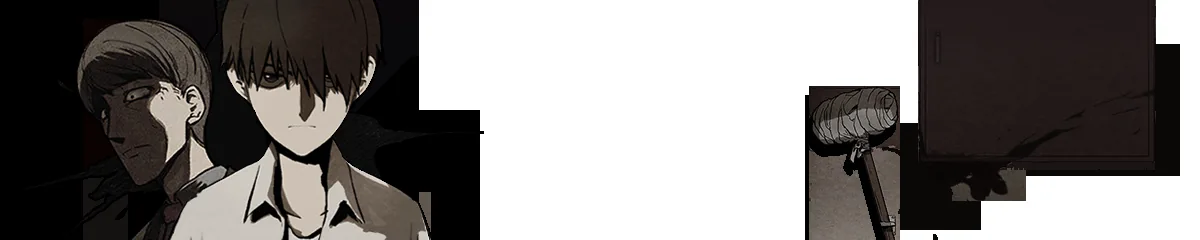 Bastard (후레자식), story by Kim Carnby, art by Hwang Young-chan (Korean cover via AniList).
Bastard (후레자식) is the first series Kim Carnby and Hwang Young-chan made together, before Sweet Home. WEBTOON's tagline does the job: "There is a serial killer in my house!" Seon Jin is a sickly, bullied high schooler, and the killer is his father.
There are no monsters here, and that's why it's on the list. Sweet Home keeps asking what people turn into under pressure, and Bastard asks it from inside one family, drawn by the same artist. It's finished, and Seven Seas publishes it in print too. Our Bastard review has the full verdict, and manhwa like Bastard goes further down that road.
3. PIGPEN: Carnby's strangest one
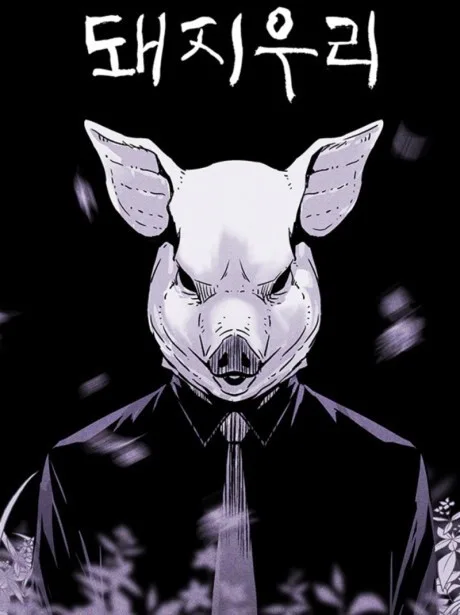 PIGPEN (돼지우리), story by Kim Carnby, art by Cheon Beom-sik (Korean cover via AniList).
PIGPEN (돼지우리) is another Kim Carnby story, drawn by Cheon Beom-sik. A young man wakes up on a beautiful beach with no memory, and as WEBTOON puts it, "the family that welcomes him into their home is not what they seem."
It's a mystery more than a survival story, so read it for a place that looks safe and isn't. If the Green Home tenants were your favourite part of Sweet Home, this one's built around a household too.
4. All of Us Are Dead: trapped at school
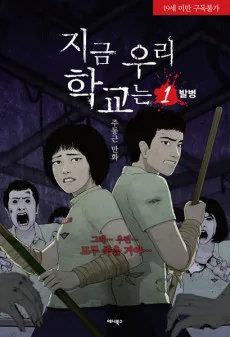 All of Us Are Dead (지금 우리 학교는), story and art by Joo Dong-geun (Korean cover via AniList).
All of Us Are Dead (지금 우리 학교는, Now at Our School) is Joo Dong-geun's zombie outbreak at Hyosan High School, where students end up "trapped in their high school with zombified versions of their friends and teachers," per WEBTOON. Netflix adapted it as a 12-episode series in January 2022.
It's the best fit if Sweet Home's siege was what kept you reading: one building, a group of survivors who didn't choose each other, and no way out. It's also the oldest series here; it started in 2009.
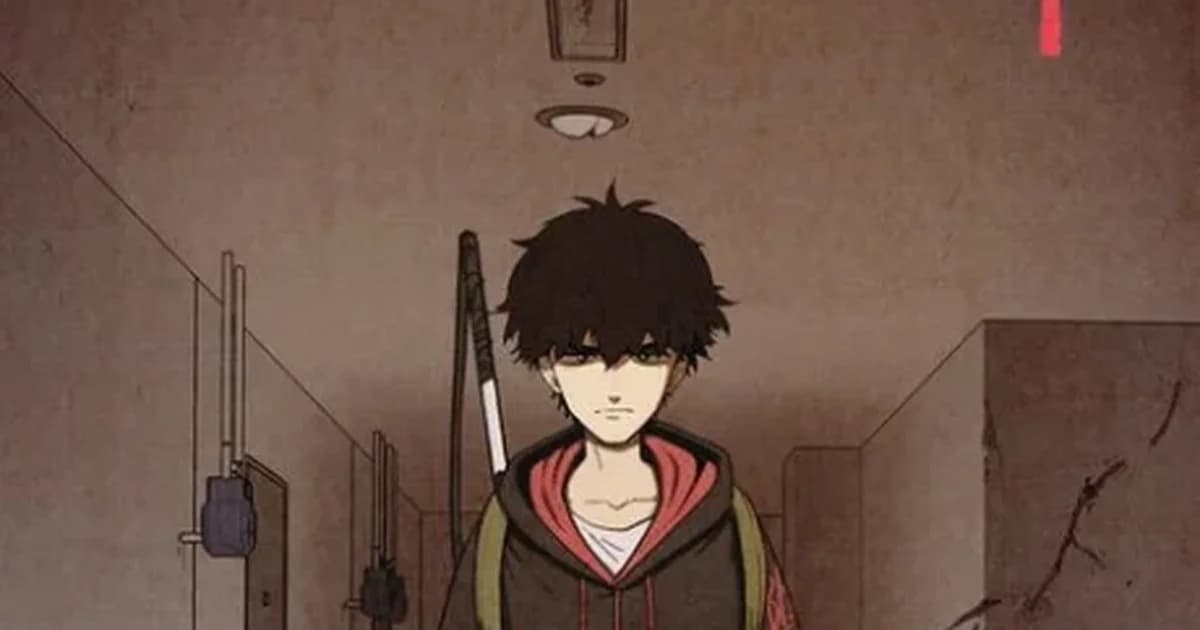
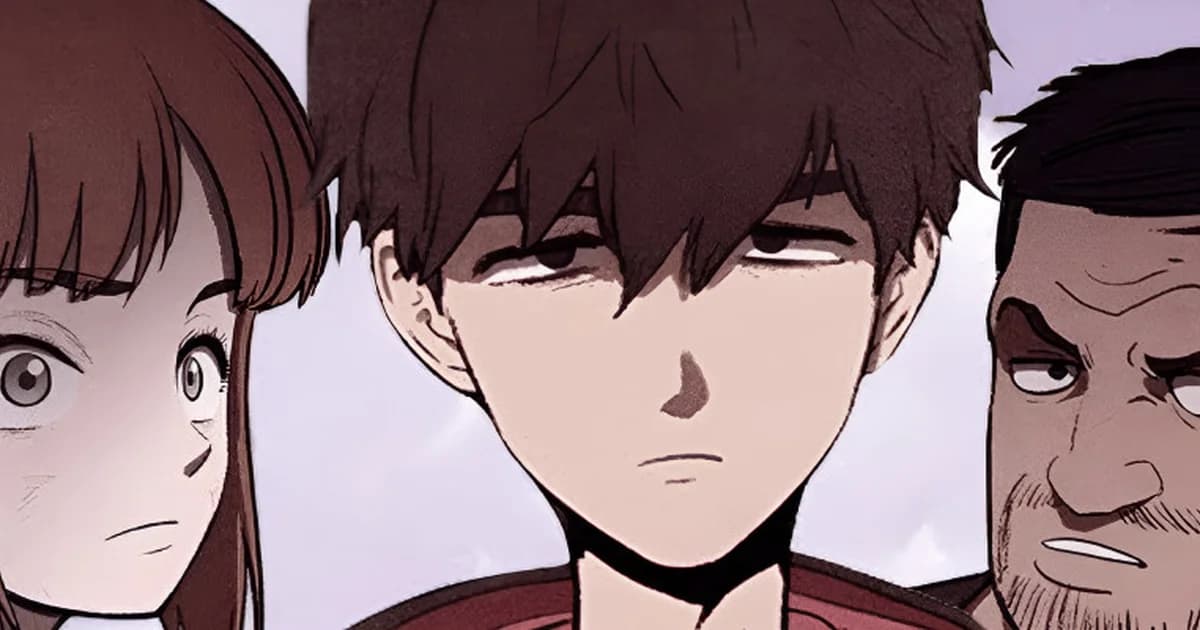
5. Distant Sky: the city is empty
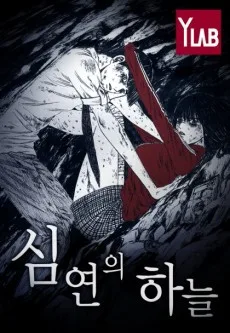 Distant Sky (심연의 하늘), story by Yun In-wan, art by Kim Seon-hui (Korean cover via AniList).
Distant Sky (심연의 하늘) opens with a line any Sweet Home reader will feel: "Am I the only one still alive?" A boy wakes up in a building full of dead people, and Gangnam is dark, with "no cars, no electricity and no stars in the sky."
This is the pick for the dread of not knowing what happened. Sweet Home names its threat early: people are turning into monsters. Distant Sky's setup gives you only a dark, empty city. Yun In-wan and Kim Seon-hui finished it (AniList's count includes two extras), and the English edition is complete on WEBTOON.
Want more horror sorted by the kind of fear it goes for?
Best dark manhwa, ranked by type of darkness →
6. Hellbound: judgment as the monster
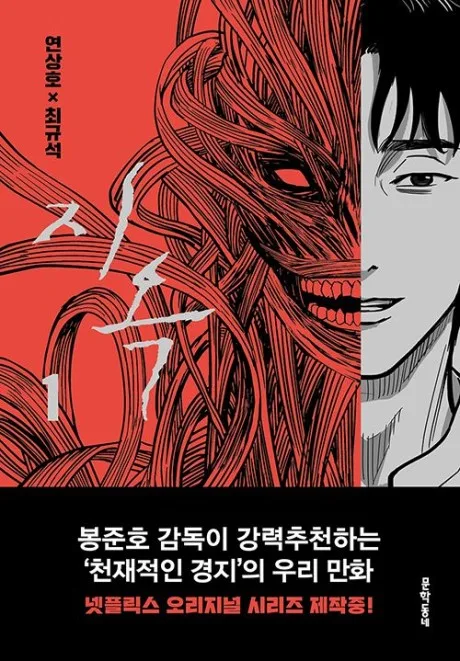 Hellbound (지옥), story by Yeon Sang-ho, art by Choi Gyu-seok (Korean cover via AniList).
Hellbound (지옥) comes from Yeon Sang-ho, the director of Train to Busan, with art by Choi Gyu-seok. In Seoul, "apparitions have started appearing before those who have done wrong to notify them of when they will die," and a new religious group says it's God's judgment.
Like Sweet Home, it's less about the apparitions than about what people do once they're real, starting with the religious group that claims to explain them. It's one of the shorter reads here, and Netflix adapted it in November 2021. A sequel webtoon, Hellbound 2: The Resurrected, followed.
7. Duty After School: students as soldiers
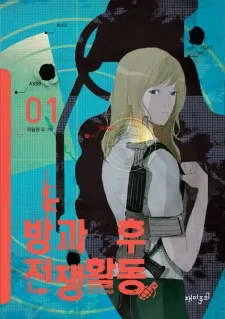 Duty After School (방과 후 전쟁활동), story and art by Ha Il-kwon (Korean cover via AniList).
Duty After School (방과 후 전쟁활동) is Ha Il-kwon's military take on the apocalypse. Strange objects appear in the sky, and in WEBTOON's words, "a class of students is turned into a platoon of soldiers to fight against unknown slime-like objects."
The link to Sweet Home is the cast: a class of young people forced into a fight they didn't sign up for. It's a quick read, and TVING turned it into a 10-episode series in 2023.
8. The Horizon: the quiet one
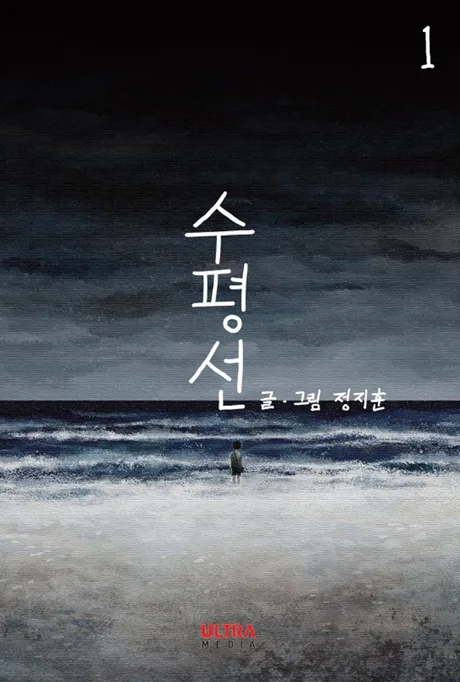 The Horizon (수평선), story and art by Jeong Ji-hun (Korean cover via AniList).
The Horizon (수평선) is by Jeong Ji-hun, the creator of The Boxer. After an apocalyptic event, "a young boy meets a girl in the sea of dead bodies," and the two keep walking in search of somewhere safe.
There are no monsters, so this is the pick if the sadness under Sweet Home stuck with you more than the fights. It's the shortest series on this list. One r/manhwa reader put it this way: "Yet in a span of 21 chapters it managed to have the messages that beat over tens of thousands of other manhwas." They also had advice: "take it slow because the horizon is really damn heavy."
Our Take
Of all the manhwa like Sweet Home here, read Shotgun Boy next. It's the same writer and the same world, and it's short enough to finish in a few sittings. Then pick by mood. Bastard if the people scared you more than the monsters, All of Us Are Dead if you want another siege, Distant Sky if you'd rather not know what's out there. Save The Horizon for when you can handle something sad.
If you're coming from the Netflix show rather than the webtoon, read Sweet Home itself first. The ending is different, and the Sweet Home character guide will help you keep the Green Home tenants straight.
How We Checked This
On October 15, 2026 we checked every series against its AniList entry (creators, Korean title, chapter count, status) and its WEBTOON English page (completed label, synopsis, the app note), plus Wikipedia's pages for Sweet Home and the Netflix and TVING adaptations, the Korea Herald interview with Lee Eung-bok, the trailer's YouTube listing and the r/manhwa thread quoted above. The old version of this page had wrong chapter counts for Bastard, Distant Sky and The Boxer, called Distant Sky fan-translated when its English edition is official, and listed two series, "Cursed Man" and "Vigil," we couldn't find on AniList or WEBTOON. Those two are gone. The Boxer gave its spot to Kim Carnby's PIGPEN, and Hellbound, Duty After School and The Horizon are new. We also removed the FAQ, which repeated the body.
Last reviewed: October 15, 2026
Related Reading
- Sweet Home Manhwa Review: why we'd read the webtoon before (or instead of) the Netflix show.
- Sweet Home Reading Guide: where to start, and what the prologue is.
- Sweet Home Character Guide: every Green Home survivor and antagonist in one place.
- Best Thriller Manhwa: suspense picks where nothing supernatural is needed.
- Best Manhwa Psychological Thrillers for 2026: mind games and unreliable people, if Bastard was your favourite here.
- Best Completed Manhwa: finished series across every genre, for when you want an ending guaranteed.
- Best Manhwa to Read in 2026: our wider list if you want a break from horror.
References
- Sweet Home on WEBTOON: official English edition
- Sweet Home on AniList: creators, chapters, status
- Sweet Home (webtoon) on Wikipedia: run dates, prologue, the prequel Shotgun Boy
- Sweet Home (TV series) on Wikipedia: seasons and release dates
- The Korea Herald: 'I almost became a monster': Lee Eung-bok on changing the ending
- Shotgun Boy on WEBTOON
- Bastard on WEBTOON
- PIGPEN on WEBTOON
- All of Us Are Dead on WEBTOON
- Distant Sky on WEBTOON
- Hellbound on WEBTOON
- Duty After School on WEBTOON
- The Horizon on WEBTOON