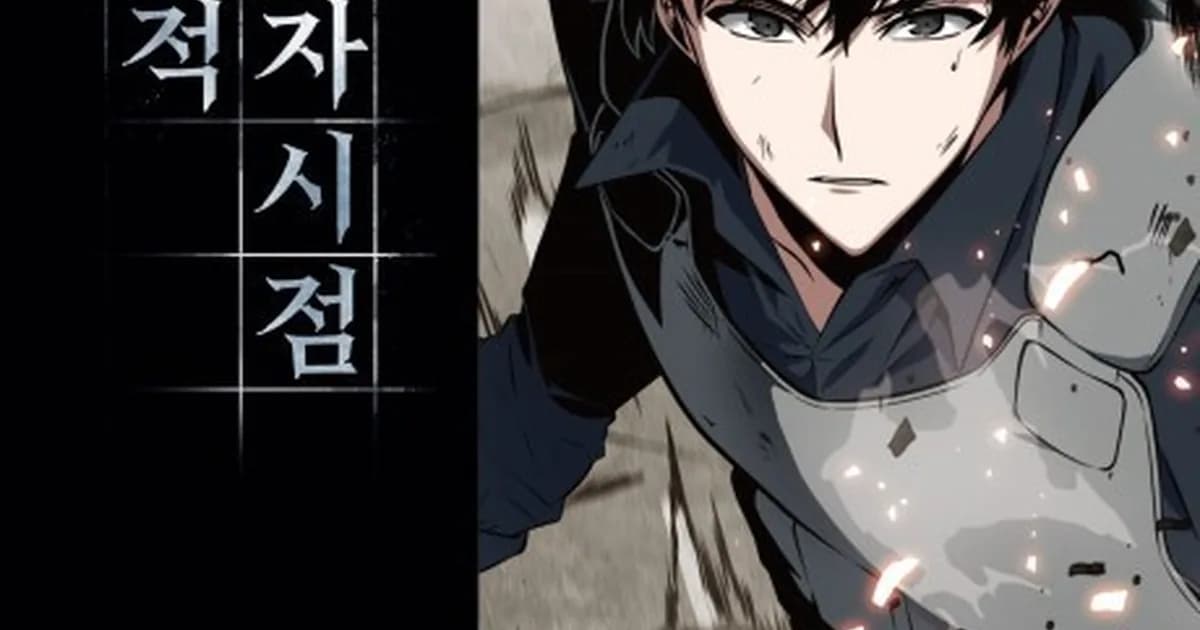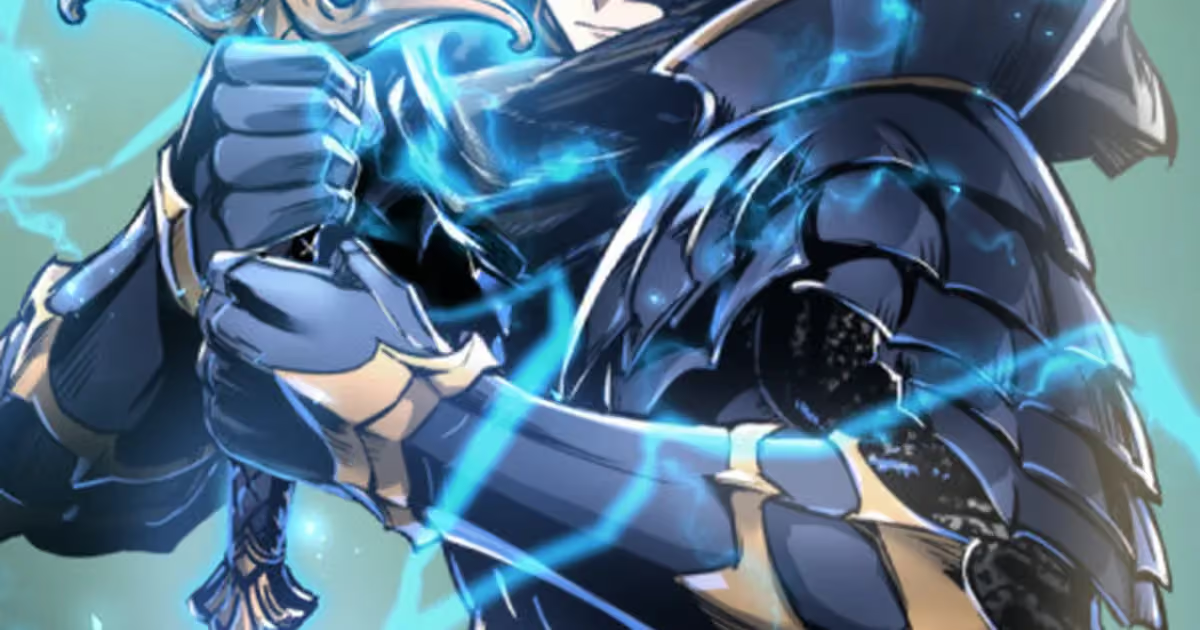

TL;DR: Best manhwa time travel picks ranked by mechanic. Best full-memory regression pick: Doom Breaker, whose WEBTOON page shows Season 2's Episode 101 finale dated March 8, 2024. Best completed regression series: A Returner's Magic Should Be Special, with 268 AniList source chapters and 269 Completed Tapas episodes. Best adjacent murim pick: Return of the Blossoming Blade, an awakening story rather than literal regression.

Recent updates:
- October 6, 2026: Re-verified the five core time-mechanic entries and related completion notes, refreshed live platform wording, added depth, and added seven new internal links.
- July 2, 2026: The guide launched with five core picks organized by the time mechanic rather than by a single popularity ranking.
The best manhwa time travel series don't work the way the phrase implies to Western readers. There are no DeLoreans, rarely a stranger from a distant century. In manhwa, time travel is almost entirely regression: the protagonist dies, and the story resets to an earlier point in their own life, memories intact. They know what's coming. That's the mechanic, and it's structurally different from both classic portal fantasy and from reincarnation, even though all three terms get collapsed together on recommendation lists.
This guide separates the manhwa time travel category by how the mechanism actually works. Five series, sorted by mechanic type, with a clear note on how regression differs from the reincarnation manhwa that share the same reader base. Platform status and counts were checked on October 6, 2026.
Overview
The best manhwa time travel stories are usually regression stories, so start by identifying the reset rule before choosing a title. Doom Breaker gives you full memory and an apocalypse to prevent. Second Life Ranker gives you partial evidence. SSS-Class Revival Hunter turns death itself into a repeated tool.
Time travel in manhwa almost always means regression. Readers searching for manhwa where protagonist goes back in time are almost always looking for this exact mechanic. A protagonist dies, or fails, or reaches the end of a catastrophic timeline, and the narrative resets to an earlier moment in their own life. They carry the memory of what happened. The story is about what they do with that knowledge.
This is different from reincarnation, which sends the protagonist into a different body or a different world entirely. It is different from portal fantasy, which moves the protagonist somewhere else. Regression stays in the same world, the same body, and adds foreknowledge as the protagonist's primary tool. The structural question is not "how do I survive here" but "how do I stop the same thing from happening again."
True loop mechanics, where the same time period resets repeatedly on death, are rare in manhwa. Most series described as "loop manhwa" are regression series where the protagonist dies multiple times early on. SSS-Class Revival Hunter is the closest thing in this list to a true loop structure, and even there the mechanic eventually shifts.
This guide covers five series organized by how the time mechanic works, not by popularity. Completed series are flagged clearly. Platform availability is listed per entry because access conditions change the decision significantly. Platform status and counts were checked on October 6, 2026.
If this is your first Korean comic, the best manhwa for beginners guide gives you a wider entry map before you commit to a long regression plot.
Key takeaways
- Best overall regression pick: Doom Breaker: full-memory regression against an apocalypse; WEBTOON currently shows its Season 2 finale as Episode 101, dated March 8, 2024
- Best completed regression series: A Returner's Magic Should Be Special: 268 AniList source chapters and 269 Completed Tapas episodes
- Best adjacent murim pick: Return of the Blossoming Blade: an awakening 100 years after Cheongmyeong's battle, not a literal return to his own past
- Regression vs reincarnation: regression = same world, same body, earlier time. Reincarnation = different body, often different world. Not the same genre despite overlapping on lists
- True loops are rare in manhwa: most series that look like loops are regression with repeated deaths, not fixed-period reset mechanics
- Related reading: best manhwa overpowered MC covers the OP protagonist angle; regression protagonists show up heavily there
Best time travel manhwa featuring revenge
For revenge-driven time travel, Doom Breaker is the cleanest starting point because Zephyr remembers the disaster that killed him and gets a defined window to prevent it. Second Life Ranker uses a brother's records instead of direct regression, while SSS-Class Revival Hunter makes repeated death the route to a counterattack.
Looking for the best time travel manhwa featuring revenge? Start with Doom Breaker for Zephyr's attempt to prevent the future that killed him, Second Life Ranker for a brother's betrayal investigated through a diary, and SSS-Class Revival Hunter for repeated death and counterattack. Return of the Blossoming Blade is adjacent, not literal regression.
manhwa time travel: regression vs reincarnation vs loops
Regression sends the same person back to an earlier point in the same world, reincarnation gives memories to a new life, and a loop repeats a fixed interval. Those rules create different kinds of suspense, so the label matters before you choose a manhwa time travel series.
Three terms dominate this category. They describe different mechanics, different emotional registers, and different narrative structures. Getting them straight before picking a series saves some frustration.
Regression is the dominant manhwa time travel mechanic. The protagonist dies (sometimes in battle, sometimes at the end of an apocalyptic event) and wakes up at an earlier point in their life. Same body. Same world. Different moment in time. They carry complete or near-complete memory of everything that already happened. The story is about using that knowledge to change outcomes.
Regression works narratively because the dramatic irony is total: the reader and the protagonist both know things the supporting cast doesn't. Every conversation the regressor has with someone they watched die in the original timeline carries weight the other character can't perceive. That gap is the engine.
Reincarnation is categorically distinct. The protagonist dies and is reborn as a different person, almost always a baby, in a different world or inside a fictional story. They carry memories from their previous life, but those memories don't give them specific foreknowledge of plot events unless they're being reborn into a story they once read. The emotional register is different. Reincarnation is about building a new life; regression is about correcting a failed one.
Solo Leveling, Doom Breaker, Return of the Blossoming Blade, and A Returner's Magic Should Be Special are regression. The Beginning After the End, Who Made Me a Princess, and the villainess manhwa genre are reincarnation. The reincarnation manhwa guide goes into the reincarnation subtypes in detail; this guide doesn't repeat that.
Loops are the third mechanic, and they're genuinely uncommon in manhwa. A loop resets a fixed time period repeatedly: the protagonist dies, the clock rolls back to the same starting point, and they run the scenario again. SSS-Class Revival Hunter is the closest major manhwa example, though its mechanism is technically death-triggered regression rather than a true closed loop. The distinction is this: a loop brings you back to the same moment every time, while regression brings you to an earlier moment in the protagonist's life, which may shift across arcs.
Our best isekai manhwa list covers the top regression, time-loop, and portal fantasy reads.
Best Isekai Manhwa →

Regression with full memory
Full-memory regression gives the protagonist the clearest advantage: they know the old timeline and can act before each disaster arrives. The best examples still create tension by limiting what the protagonist can change, who will believe them, and how the new timeline reacts to their interference.
The strongest regression stories commit to total foreknowledge and then stress-test it. The protagonist knows what will happen. The dramatic tension comes from the gap between knowing and being able to act on that knowledge without revealing that they know.
 Doom Breaker cover art.
Doom Breaker
Doom Breaker is the strongest manhwa regression series with fully defined seasonal structure, and one of the clearest examples of regression done correctly.
Zephyr is killed by Tartarus after humanity loses a catastrophic war. The official synopsis has him sent ten years into the past, where he uses that second chance to prepare for the disaster and protect the people he failed to save. The story's revenge drive is therefore tied to prevention: he is changing the timeline that produced his death, not simply hunting a new target.
The story doesn't rush to the main conflict. Zephyr spends the early arcs preventing specific deaths from the original timeline: people he watched die who have survival paths he didn't see the first time around. This is where Doom Breaker separates itself from weaker regression series: the protagonist doesn't just become stronger and wait for the boss fight. He uses specific foreknowledge of specific events. Each arc has a defined target: prevent this death, change this outcome, recruit this person before the timeline swallows them again.
The art has a darker palette than most WEBTOON action series: muted tones, heavy shadow, with action sequences that use motion blur more than impact lines. It fits the story's tone, which leans toward grief management as much as power escalation.
The full-memory setup also changes how Zephyr relates to the people around him. He is not discovering the stakes at the same time as the reader. He is choosing which old losses to expose, which allies to recruit early, and which victories may create a different danger. That makes each planned intervention feel like a gamble instead of a simple power-up. Readers who enjoy objective-driven combat can compare it with these best manhwa tournament arcs.
The official WEBTOON page currently shows (S2) Episode 101 (Season 2 Finale), Mar 8, 2024 #101 and a Saturday schedule. That visible episode is more than a year old, and the page does not display a return date, so this article does not infer a current hiatus or a Season 3 date.
Related reading: manhwa like Doom Breaker has 9 picks for readers who finish the available chapters and want similar energy.
Status: AniList RELEASING; WEBTOON currently shows the Season 2 finale. Episodes: WEBTOON Episode 101 / #101, dated March 8, 2024
Platform: WEBTOON
Best for: Readers who want regression with defined objectives and emotional cost for each fixed death
 Return of the Blossoming Blade cover art.
Return of the Blossoming Blade
Return of the Blossoming Blade is the best murim-setting regression manhwa and the strongest argument that regression works better in a historical martial arts world than a modern dungeon-crawler setting.
Cheongmyeong, the Plum Blossom Sword Saint, awakens 100 years after his battle with the Demon Cult leader. The official WEBTOON synopsis places him in the body of a child in a Mount Hua Sect that has fallen into shadow, so he must rebuild it from that new starting point. That makes this a time-displaced awakening story, not a literal regression to his own past.
What makes this series distinct is the contrast between Cheongmyeong's remembered martial world and the weakened sect he finds. He has knowledge of the old Mount Hua tradition, but he does not receive a clean preview of a future timeline that he can simply rewrite. That distinction matters when comparing it with Doom Breaker or a true regression story.
The murim setting rewards this structure in a way modern settings sometimes don't. The sectarian politics, the cultivation power hierarchies, and the code of honor that constrains what actions are legitimate: all of these create friction that makes the regression advantage harder to cash in cleanly. That friction is the story.
Cheongmyeong's advantage is practical rather than prophetic. He knows the old techniques and the sect's lost standards, but rebuilding Mount Hua still means training people who do not share his memories. The result is a slower form of time displacement. The fights matter, yet the larger question is whether knowledge from a dead generation can survive inside a living institution. The best martial arts manhwa list covers nearby murim choices, while the best historical manhwa guide adds more period-setting context.
The WEBTOON page currently shows (S3) Episode 177, Sep 29, 2026 #183, says five new episodes are available only in the app, and lists weekly Wednesday updates. AniList marks the series RELEASING.
Status: AniList RELEASING; WEBTOON is publishing weekly. Episodes: Visible web label is (S3) Episode 177 / #183, dated September 29, 2026; five newer episodes are app-only
Platform: WEBTOON
Best for: Murim readers who want regression with political stakes, not just power escalation

Regression with partial knowledge
Partial-knowledge regression replaces certainty with evidence. The protagonist has a diary, a record, or another person's account of what happened, so every useful clue comes with gaps and possible changes. Second Life Ranker belongs here because the advantage is inherited information, not a perfect memory of the future.
Not every regressor comes back with full information. Second Life Ranker is the primary example of a series where the regression advantage is indirect. The protagonist works from evidence of the future, not direct memory of it.
 Second Life Ranker cover art.

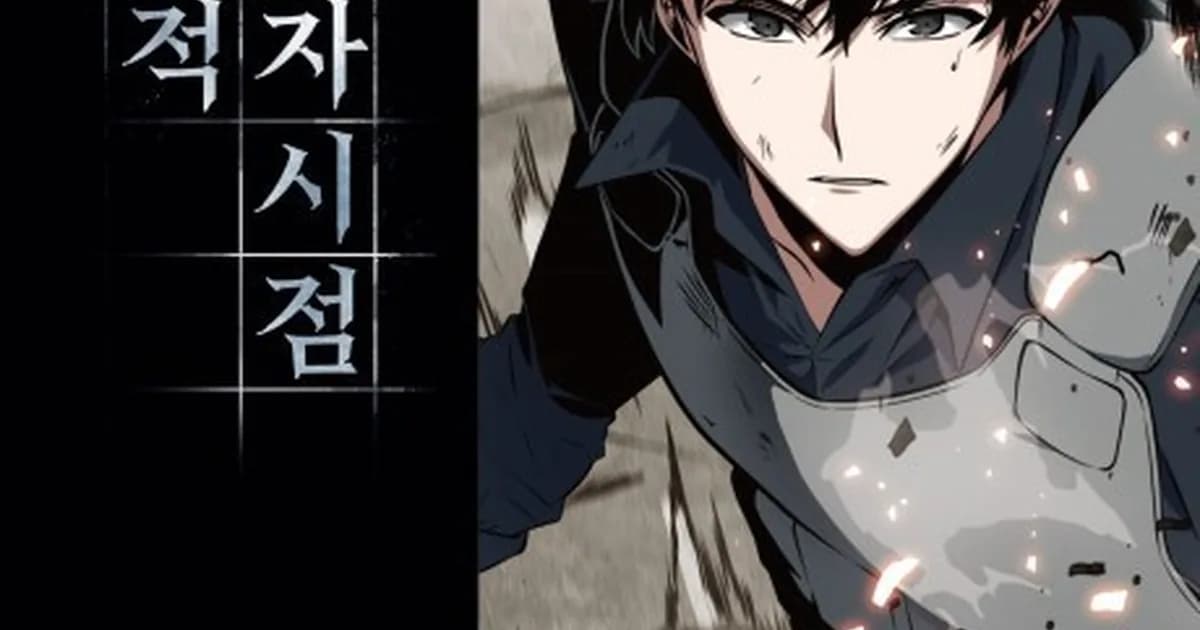
Second Life Ranker
Second Life Ranker is technically not a regression manhwa in the standard sense. Yeon-woo doesn't die and wake up in the past. Instead, his twin brother Jeong-woo died inside a brutal tower-climbing challenge, and Yeon-woo receives his brother's hidden diary: a record of everything Jeong-woo discovered before dying.
The diary functions as regression-adjacent foreknowledge. Yeon-woo enters the same tower knowing the routes his brother documented, the enemies he catalogued, and the betrayals that killed him. He doesn't have complete future knowledge. He has only what his brother managed to write down before the end. There are gaps. Some of his brother's information is outdated by the time Yeon-woo reaches the same points.
This partial-information structure creates tension the standard full-memory regression doesn't. Yeon-woo knows what his brother knew, which is substantial but not complete. The places where the diary falls silent are the genuinely dangerous ones.
The diary also keeps the revenge plot personal. Yeon-woo is not correcting his own failed life. He is retracing someone else's path and testing whether the same tower can be beaten with better preparation. Each missing page becomes a warning about the limit of borrowed knowledge. That makes the series a useful bridge for readers who enjoy regression premises but want dungeon progression and investigation to share the workload.
AniList lists Second Life Ranker as RELEASING. The current Tapas information page lists 219 episodes and carries an April 10, 2026 notice that Season 3 closed before a hiatus ahead of Season 4. It does not support the old claim that Season 4 returned on April 23, so the publication state is left at the page's visible hiatus notice.
Status: AniList RELEASING; Tapas currently notes a hiatus before Season 4. Episodes: 219 on Tapas
Platform: Tapas
Best for: Readers who want partial-knowledge regression with a revenge premise; note the hiatus in the publication history before Season 4
Platform note: Tapas ends service on March 31, 2027 at 23:59 PT. For the Tapas-only entries here, check the latest Tapas shutdown update before relying on the platform for new episodes.
Because Tapas is changing its service horizon, readers should use the legal manhwa platform guide before starting a long series there. The episode count is useful for measuring the English edition, but it is not a promise that the same access route will remain available.
Our master manhwa reading list covers the top 30 titles across every genre for 2026.
Best Manhwa to Read in 2026 →
The loop mechanic: where SSS-Class Revival Hunter fits
SSS-Class Revival Hunter fits this guide because its early story turns death into repeated forward progress, even though it is not a simple fixed-period loop. Kim Gongja returns after each death with a copied skill, then the series gradually moves toward broader regression and strategic use of the ability.
True loops are rare in manhwa. SSS-Class Revival Hunter is the closest major series to the mechanic, and it's worth explaining why it lands in this category while still being a distinct structure.
 SSS-Class Revival Hunter cover art.
SSS-Class Revival Hunter
Kim Gongja is, at series open, one of the weakest hunters in the system, ranked at the very bottom of the hunter hierarchy, overlooked, unglamorous. He acquires an ability called "copy the last skill of whoever killed you." This ability is useless until someone strong kills him, at which point he wakes up, regressed to before the death, with a copy of their skill.
The early arcs function like loops: Kim Gongja dies, copies a skill, regresses, and tries again with the new ability equipped. He dies again. Copies another skill. Regresses. Over the first 30 chapters, this creates a loop-like rhythm: the protagonist cycling through scenarios, iterating on approaches, accumulating abilities across deaths he should have been permanently erased by.
The appeal is the changing cost of each attempt. A death is useful because it grants a skill, yet it also forces Kim Gongja to repeat fear, pain, and the consequences of a failed choice. Once the story moves beyond repeated resets, that emotional residue still shapes how he uses the ability. Readers who want more system-led hunter stories can browse the best hunter manhwa list after this one.
The structure evolves past the loop mechanic as the story progresses. By the midpoint, Kim Gongja has stopped dying repeatedly and the story becomes a more conventional regression arc, with the death-copy ability deployed strategically rather than the protagonist intentionally dying to access skills. The early chapters are the strongest argument for reading: the tonal combination of dark comedy (a protagonist who has to let himself die, repeatedly, to improve his position) with genuine stakes is unusual in the genre.
AniList lists SSS-Class Revival Hunter as RELEASING. The current Tapas page lists 154 episodes and carries a February 27, 2026 notice that Season 4 closed before a hiatus ahead of Season 5. No completion is announced there.
Status: AniList RELEASING; Tapas currently notes a hiatus before Season 5. Episodes: 154 on Tapas
Platform: Tapas
Best for: Readers who want the loop-adjacent mechanic done with dark humor; no ending yet
Reincarnation as a related but distinct mechanic
Reincarnation belongs beside manhwa time travel recommendations because both mechanics give a protagonist knowledge that other characters lack. The difference is where that knowledge points: regression returns to a lived timeline, while reincarnation starts a new life with memories from an old one. The Beginning After the End is the clearest boundary case here.
The best manhwa overpowered MC list places several reincarnation series alongside regression series because the reader experience overlaps: protagonist with foreknowledge, power advantage that compounds over time, supporting cast who don't understand why the protagonist is so prepared. But the structural difference is real.
The Beginning After the End
The Beginning After the End is not a time travel or regression manhwa. It appears here because it's the series most frequently cross-listed with regression picks, and the confusion is worth addressing directly.
Arthur Leywin was the most powerful king in his world. He dies. He is reborn as a baby in a separate fantasy world where mana exists, magical beasts are real, and his original world's rules no longer apply. He carries memories of his past life, and those memories shape his development in the new world: he trains differently, makes social decisions differently, understands power differently than someone starting from zero.
But he does not have foreknowledge of the new world's events. He doesn't know which characters will betray him or which catastrophe is approaching. He's working from general wisdom and past-life skill, not from a specific memory of a future he's trying to change. That's reincarnation. The manhwa time travel category requires that the protagonist return to their own past. The Beginning After the End goes somewhere new.
It's an excellent series, and the current Tapas page lists 299 episodes with Thursday updates. A matching AniList manga record was not returned in the live lookup, so this article does not assign it an AniList status or invent a source chapter count. Readers coming from regression picks should know the emotional register is different before starting.
That distinction is important when a recommendation list uses the word time travel loosely. Arthur's memories improve his judgment, but they do not let him replay a known event with a precise solution. Readers checking the adaptation landscape can use the manhwa adaptation guide, while this article keeps The Beginning After the End in the reincarnation lane.
Status: Tapas page lists Thursday updates; AniList match not found in live lookup. Episodes: 299 on Tapas Platform: Tapas, WEBTOON
manhwa time travel: what makes regression work as narrative
Regression works when foreknowledge creates a cost as well as an advantage. A protagonist who knows every answer removes suspense, so strong series add social isolation, changed outcomes, incomplete records, or enemies that did not exist in the original timeline.
Regression is not just a wish-fulfillment story accelerant. The mechanic creates narrative problems that the best series take seriously.
The isolation problem: the regressor knows things they cannot explain. They cannot tell allies that they watched them die, cannot explain how they know the ambush is coming, cannot reveal the betrayal before it happens. This forces a consistent isolation: the protagonist is surrounded by people they care about and cannot be fully honest with any of them. Doom Breaker, Return of the Blossoming Blade, and SSS-Class Revival Hunter all treat this isolation as a real cost rather than a setup detail the story forgets about.
The changed timeline problem: regression creates a paradox problem that some series address and many ignore. If you prevent the event that killed you, you never die. If you never die, you never regress. Some series resolve this by establishing that the protagonist experienced the original timeline as complete, so they carry the memories whether or not the events still occurred in the new present. Others choose not to address the logic and treat the changed timeline as simply better, no further questions. The former approach creates richer stories. It means the losses of the original timeline are still real losses for the protagonist even after the regression succeeds.
The diminishing returns problem: a protagonist with complete foreknowledge should, in theory, never be surprised. The story should collapse into a series of obstacle-clearings without tension. The best regression manhwa solve this by either making the foreknowledge incomplete (Second Life Ranker's diary), making the protagonist's ability to act on knowledge constrained (Return of the Blossoming Blade's political structure), or by introducing enemies the original timeline didn't have enough information about (Doom Breaker's antagonist reveals). Series that don't solve this problem tend to feel flat by the midpoint.
For the broader set of action-heavy manhwa where the protagonist's advantage compounds over time in similar ways, the completed manhwa list and the seinen manhwa picks both have entries worth reading alongside the regression-specific titles here.
Frequently Asked Questions
What is the best regression manhwa?
Doom Breaker is the clearest full-memory regression pick, but its official WEBTOON page currently shows Season 2's Episode 101 finale dated March 8, 2024, with no return date displayed. For a completed read, A Returner's Magic Should Be Special is FINISHED on AniList at 268 source chapters and Completed on Tapas at 269 English episodes. SSS-Class Revival Hunter is RELEASING on AniList, with 154 Tapas episodes and a season break before Season 5. Return of the Blossoming Blade is an adjacent awakening story, not literal regression.
What is the difference between time travel and reincarnation in manhwa?
Time travel in manhwa almost always means regression: the protagonist dies and wakes up at an earlier point in the same timeline, in the same body, with memories of what already happened. Reincarnation means dying and being reborn as a different person, usually a baby, often in a different world or into a fictional story. The distinction matters because the emotional logic is different. Regression is about preventing a known failure. Reincarnation is about building a new life with carried-over knowledge. Solo Leveling and Doom Breaker are regression. The Beginning After the End and Who Made Me a Princess are reincarnation.
Is Doom Breaker a time travel manhwa?
Yes, specifically a regression manhwa. The official WEBTOON synopsis says Zephyr is killed by Tartarus after humanity loses a catastrophic war and is sent ten years into the past. He uses that second chance to prepare for the disaster and protect the people he failed to save. The page currently shows Episode 101, the Season 2 finale dated March 8, 2024, and no return date.
What is the difference between regression and loops in manhwa?
Regression sends the protagonist back once (or occasionally multiple times across separate story arcs), and the new timeline they create is the story going forward. Loops reset the same fixed time period repeatedly, often on death, forcing the protagonist to optimize across iterations before finding a path through. True loop mechanics are uncommon in manhwa compared to regression. SSS-Class Revival Hunter blurs both: Kim Gongja regresses after death but the early arcs use the mechanism in a way that creates de facto loop-like repetition.
What manhwa has the best use of dramatic irony from regression?
Return of the Blossoming Blade handles dramatic irony better than most. Chun Myung knows exactly who will betray his sect, who can be saved, and which alliances will collapse, but he can't simply announce this without destroying the social fabric he's trying to rebuild. The gap between what he knows and what he can say drives the tension more effectively than pure combat escalation.
Is The Beginning After the End a time travel manhwa?
No. It's a reincarnation manhwa, not a time travel or regression series. Arthur Leywin dies as a king in the real world and is reborn as a baby in a fantasy world. He doesn't return to an earlier point in the same timeline. He doesn't use knowledge of future events to prevent a disaster. His advantage is general accumulated wisdom from his past life, not specific foreknowledge of a timeline he's already lived.
Which manhwa time travel series are completed?
A Returner's Magic Should Be Special is the strongest completed regression option: AniList lists 268 source chapters, while Tapas lists 269 English episodes and marks the series Completed. Tapas lists Second Life Ranker at 219 episodes with a hiatus notice before Season 4, and SSS-Class Revival Hunter at 154 episodes with a hiatus notice before Season 5. Doom Breaker's WEBTOON page shows its Season 2 finale on March 8, 2024, while Return of the Blossoming Blade has a current visible Episode 177 and app-only episodes.
Related Reading
- Best Regression Manhwa 2026: ranked picks separated by literal regression, adjacent foreknowledge, setting, and source completion.
- reincarnation manhwa that share the same reader base
- best manhwa overpowered MC
- The 31st Piece Turns the Tables Review: loop regression on Tapas -- the protagonist's 30 failed runs are the mechanic, each loop a new tactical approach.
References
- Doom Breaker on WEBTOON. Official series page, currently showing the Season 2 finale as Episode 101 dated March 8, 2024
- Return of the Blossoming Blade on WEBTOON. Official series page
- SSS-Class Revival Hunter on Tapas. Official English translation; current season break noted on the series page.
- Second Life Ranker on Tapas. Official English page with 219 episodes and the current hiatus notice.
- A Returner's Magic Should Be Special on Tapas. Completed English edition with 269 episodes.
- The Beginning After the End on Tapas. Official English page with 299 episodes.