Loading…
ChapterBrief · Manhwa
Best manhwa like Overlord: 6 picks that cover the gap
Manhwa like Overlord: six picks by what each delivers. Villain protagonist POV, OP at scale, isekai reincarnation, and dark wish-fulfillment.
12 min readBy Ethan Mercer
Overlord is not manhwa. Worth saying upfront, because searches for manhwa like Overlord are often coming from people who encountered the anime and are looking for something in the same format to read next.
Kugane Maruyama's light novel (four anime seasons from Madhouse, manga adaptation by Satoshi Oshio) is Japanese. Momonga, the ordinary office worker who gets locked inside a VR game world as his maxed-out undead overlord character, is not a Korean creation. But the set of qualities Overlord delivers, the reason readers want something like it, is specific enough that it's worth tracking carefully against what manhwa actually offers.
The qualities are: a protagonist who is already at maximum power, not growing toward it. A villain-protagonist perspective, or at minimum a morally unconstrained one. World-building from the top down: how do ordinary people relate to someone who could end them without effort? Strategic domination rather than the usual escalating challenge. Dark tone with occasional comedy that doesn't soften the darkness. And Ainz specifically: an ordinary salaryman trying to maintain the persona of an all-knowing god while actually running on management instinct and hoping no one notices he's improvising.
Manhwa has most of these elements in partial form. No single series delivers all of them as a package. This is a list of six picks sorted by which quality from Overlord each one covers best, plus an honest accounting of what the genre doesn't do.
TL;DR: Overlord is a Japanese light novel and anime, not manhwa. The qualities it delivers (villain protagonist, already-maxed power, strategic domination) have partial equivalents in Korean works. Solo Leveling and Omniscient Reader's Viewpoint are the best matches for the overpowered protagonist at world scale angle, though both start below Ainz's power level. The Beginning After the End and Trash of the Count's Family cover the isekai reincarnation power angle: past-life mastery and villain-character foreknowledge respectively
Overview
Overlord is a Japanese light novel series by Kugane Maruyama, originally published on the Arcadia web novel platform in 2010 and adapted into a manga illustrated by Satoshi Oshio, plus four anime seasons by Madhouse between 2015 and 2022. The story follows Momonga, a dedicated player of a long-running VR MMO called YGGDRASIL, who stays logged in on the game's shutdown night and finds himself transported to an unknown world still inhabiting his maxed-out undead overlord avatar, Ainz Ooal Gown. The NPCs of his guild's base, the Great Tomb of Nazarick, have become living beings with real loyalty and emotional attachment to him.
Overlord is built around a premise most isekai refuse: the protagonist does not grow into his power. Ainz starts at the ceiling. The series is not about his journey from weak to strong. It is about what a powerful being does with absolute capability in a world populated by people who have no frame of reference for what he represents. The world-building follows the ripple effects of Ainz's existence outward: how kingdoms respond to news of him, how adventurers react, how political structures shift around a power they cannot measure or counter.
The villain-protagonist element is genuine. Ainz does genuinely terrible things, and the series does not reframe them as secretly justified. He is a confused office worker trying to manage an impossible situation, which generates sympathy, but he is also the ruler of Nazarick, and what that means for the people outside it is not softened. Readers searching for manhwa like Overlord are usually looking for that combination: strategic domination without the usual moral safety net, world-building from the top down, and a protagonist who is already what most isekai protagonists are trying to become.
Key takeaways
- Overlord is a Japanese light novel and anime, not manhwa. The qualities it delivers (villain protagonist, already-maxed power, strategic domination) have partial equivalents in Korean works
- Solo Leveling and Omniscient Reader's Viewpoint are the best matches for the overpowered protagonist at world scale angle, though both start below Ainz's power level
- The Beginning After the End and Trash of the Count's Family cover the isekai reincarnation power angle: past-life mastery and villain-character foreknowledge respectively
- Dungeon Reset and The Return of the Crazy Demon are both completed and both deliver the wish-fulfillment structure without growth arc, closest to Ainz's starting position
- The honest gap: Ainz is a genuine villain who does genuinely dark things and the series does not apologize for this. Manhwa overwhelmingly positions OP protagonists as sympathetic. The villain-protagonist POV with no redemption arc is rare in Korean manhwa.
- All six series have official English translations; platforms noted per entry
manhwa like Overlord: what overlord actually delivers (the villain protagonist angle)
Advertisement
Ainz Ooal Gown is not a hero who happens to use dark methods. He is the ruler of Nazarick, the most powerful entity in the New World, and his decisions have killed thousands of people. The series follows him as the protagonist and frames his perspective with sympathy (he is a confused office worker in an alien situation) but it does not pretend his actions are good. The floor guardians and NPCs who serve him are now real beings with loyalty, fear, and emotional attachment. Ainz is trying to figure out what he owes them.
That's a specific set of decisions. Most isekai protagonists are defined by what they're becoming. Ainz is defined by what he already is and what he does with it. He can't grow into something else. He has to decide how to be what he already is.
The second specific quality is the world-building structure. Overlord shows you how its world experiences Ainz rather than how Ainz experiences its world. Humans, nobles, other kingdoms, adventurers: they process news of Ainz Ooal Gown's existence the way real populations process news of an overwhelming power. Some submit. Some resist out of pride and die for it. Some try to negotiate. The series has room for this because it's not rushing its protagonist toward a goal. Ainz already won. The story is what comes after.
Manhwa's OP protagonist genre mostly doesn't make this choice. The protagonist is powerful AND sympathetic AND the reader is positioned to cheer. Finding works that genuinely disrupt this is the specific task.
Our master manhwa reading list covers the top 30 titles across every genre for 2026.
Best Manhwa to Read in 2026 →
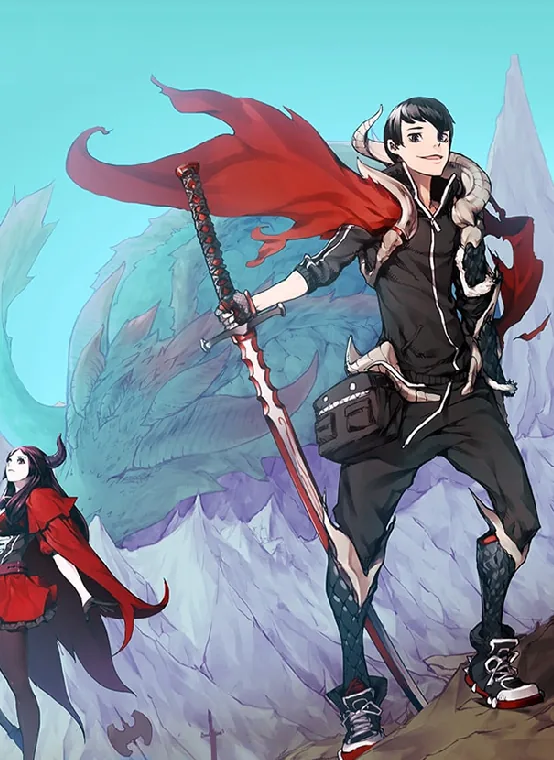
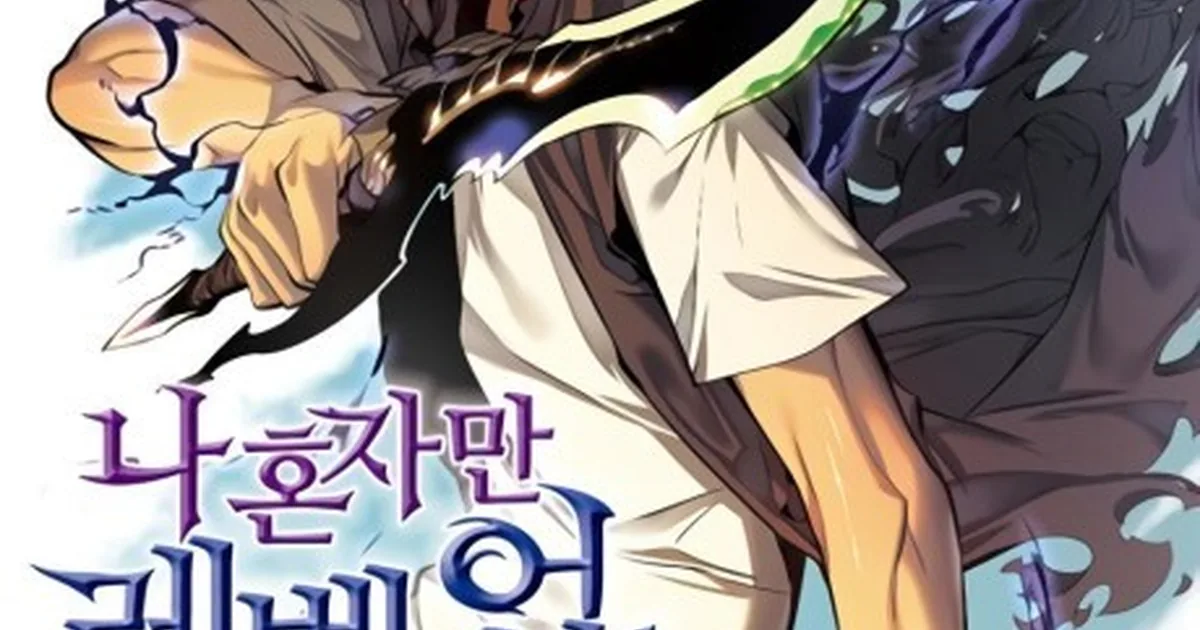
For the overpowered protagonist at scale (Solo Leveling, ORV)
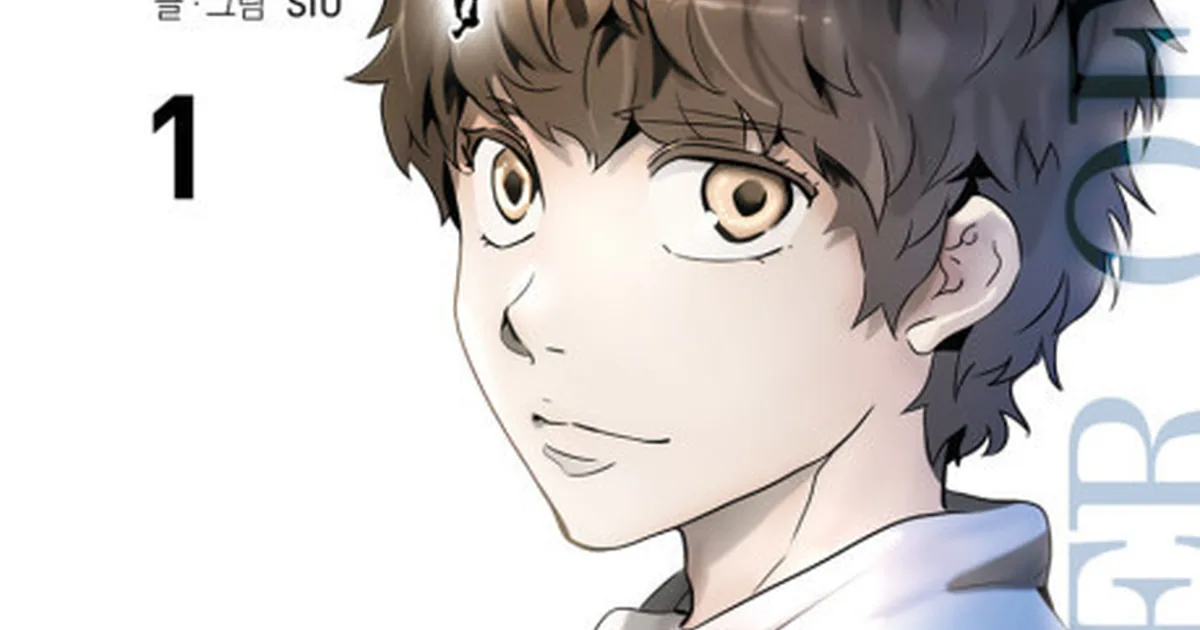
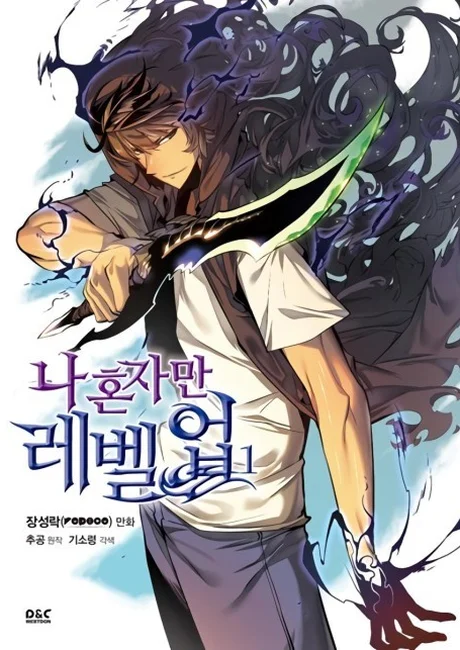 Solo Leveling cover.
Solo Leveling: 179 chapters + 21 side stories
Platform: WEBTOON / Tappytoon | Completed: December 2021 | Genre: System Fantasy
The most widely read manhwa in English and the most common recommendation for Overlord readers. The comparison needs some calibration, because Solo Leveling doesn't start where Overlord starts.
Sung Jinwoo is initially the weakest hunter in a world full of awakened hunters fighting monsters through dimensional gates. He grows. The early arcs are a conventional growth fantasy: harder dungeons, stronger enemies, better skills. DUBU's artwork is excellent (fight choreography, the shadow system's visual design, the way the panels use black space) but the structure is traditional shonen escalation for the first hundred-ish chapters.
The late arcs are a different conversation. By the final stretch, Jinwoo is operating at a scale that has effectively removed him from the category of "person in a world." He can end a nation. He can fight entities that exist outside normal causality. The series starts asking what that isolation means: what do you owe a world you can't really be threatened by, how do you relate to people who can't comprehend what you are, what is home when you're this far outside the human range?
Those are the questions Overlord asks from chapter one. Solo Leveling earns its way to them across 179 chapters instead of starting there. For readers who want the destination and don't mind the journey, the payoff exists. Solo Leveling on Tappytoon has all 179 main chapters.
The manhwa like Solo Leveling guide covers what to read before and after this one in the wish-fulfillment structure genre.
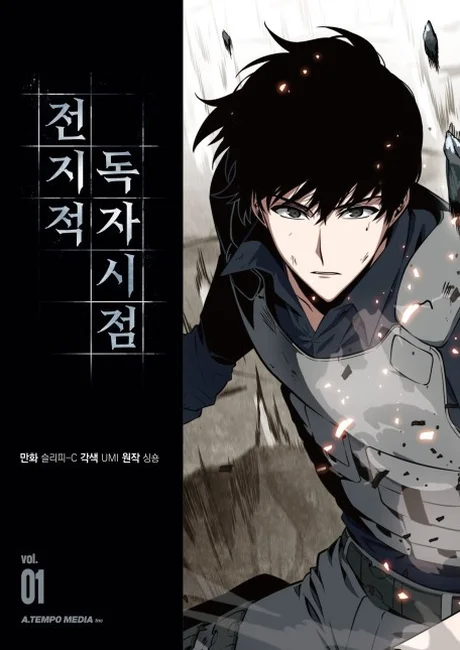 Omniscient Reader's Viewpoint cover.
Omniscient Reader's Viewpoint: ongoing (source novel: 551 chapters)
Platform: WEBTOON | Status: Ongoing (source novel completed at 551 chapters) | Genre: Apocalyptic Fantasy
Kim Dokja spent years reading a web novel that no one else cared about. When the world transforms into a scenario based on that novel, he's the only person on Earth who knows how the story ends.
His power is not combat ability, at least not primarily. It's foreknowledge. He knows which scenarios are coming, who will die, which characters become important, and how the story's mechanics work at a level no one else has access to. This positions him equivalently to Ainz in a crucial way: he is operating with a completely different understanding of the world than everyone around him, and that asymmetry in information is the source of his power.
The Ainz-Kim Dokja comparison is the closest emotional match on this list. Both are managing an image. Ainz maintains the persona of an all-knowing, all-powerful overlord when he's actually a confused salaryman doing his best. Kim Dokja presents as an unremarkable person who keeps being inexplicably well-positioned and making decisions that turn out to be exactly right. Both characters are performing a version of themselves to an audience that cannot know the truth. The loneliness that creates, being the only person who fully understands your situation, is the emotional register both series share.
ORV is ongoing on WEBTOON, with the source novel completed at 551 chapters. For readers who want to go straight there, Omniscient Reader's Viewpoint on WEBTOON is free. The best manhwa isekai guide has ORV alongside the other major isekai-adjacent manhwa in English.
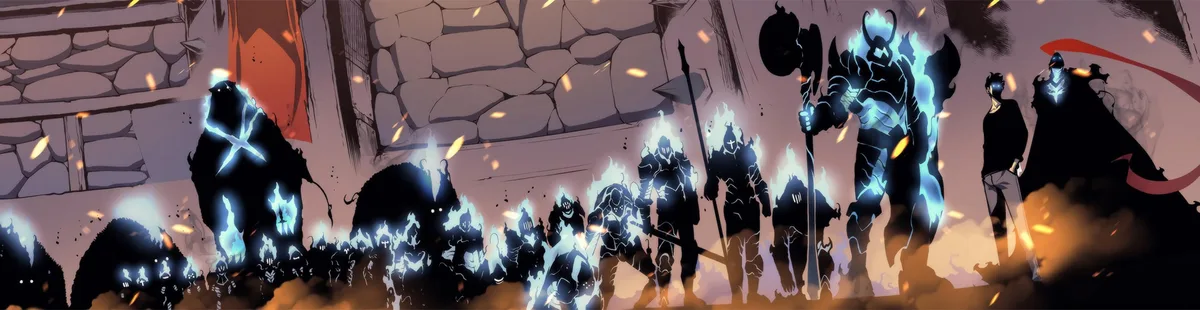
For the isekai/reincarnation power angle (TBATE, Trash of the Count's Family)
The Beginning After the End: 240+ chapters
Platform: Tapas / WEBTOON | Ongoing | Genre: Isekai Fantasy
Arthur Leywin is the reincarnation of Grey Warwick, a king who was the most powerful mage in his world. He brings that mastery into a new life. He's not trapped in a game world, and he's not starting at zero: he's a child with an adult's skill base and decades of tactical experience, growing up in a fantasy world with magic and politics and stakes he didn't create.
The "extraordinarily powerful protagonist navigating a world that doesn't know what to do with him" is the overlap with Overlord. Arthur is operating from a position of knowledge and capability that separates him from everyone around his age. He's not morally unconstrained in the way Ainz is. TBATE is more traditionally heroic, with real emotional stakes and relationships that matter to the protagonist. Less dark, with more political intrigue in the later arcs.
What it delivers that Overlord also delivers: the perspective of someone managing a significant gap between who they actually are and who they're presenting as. Arthur's child body and his adult mind create a kind of internal performance that's structurally similar to Ainz maintaining the Guildmaster persona. Both characters are privately aware of the performance. The manhwa like The Beginning After the End guide covers the full cluster of reincarnation manhwa that share this angle.
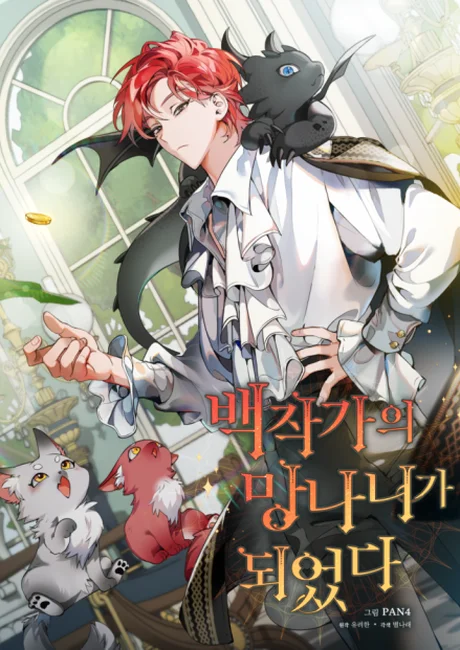 Trash of the Count's Family cover.
Trash of the Count's Family: 180+ chapters
Platform: Tapas | Ongoing | Genre: Isekai / Fantasy Comedy
A reader of a fantasy novel falls asleep and wakes up as Cale Henituse, a minor villain in the story he was reading. He knows the plot. He knows the protagonist. He wants nothing to do with either. His stated goal is to survive by staying out of the way, accumulating enough resources to live comfortably, and letting the actual protagonist do the heroic work.
He largely fails at this. The protagonist finds him. People keep looking to him for leadership. He keeps solving problems because he knows they're coming and can't help himself. But the framing remains: Cale is not a hero. He delegates the heroics, claims he's acting out of self-interest, and genuinely believes it even when his actions say otherwise.
This is the closest anything in manhwa comes to Ainz's management style. Ainz also delegates (the floor guardians, Sebas, Albedo, Demiurge) and Ainz also maintains a persona that other characters invest with meaning he's not sure he deserves. The tone is significantly lighter. Overlord is willing to let Ainz do things that are genuinely terrible and not soften them. TOTCF's equivalent moments are played for dramatic irony rather than darkness. But the structural similarity in how each protagonist relates to the power they control is real.
You can read Trash of the Count's Family on Tapas. It's ongoing with 180+ chapters available in English.
Our best isekai manhwa list covers the top dark fantasy and villain-protagonist reads.
Best Isekai Manhwa →
For completed dark wish-fulfillment story (Dungeon Reset, Return of the Crazy Demon)
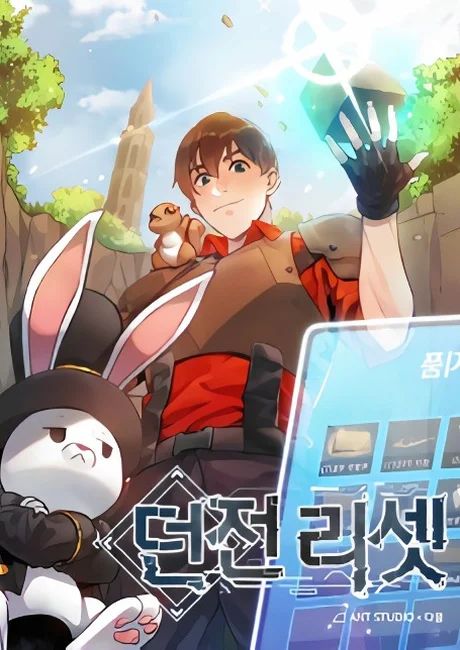 Dungeon Reset cover.
Dungeon Reset: completed
Platform: WEBTOON | Completed | Genre: Dungeon Fantasy
Jung Dawoon enters a dungeon. The dungeon resets daily, resetting all traps, monsters, and items. Everyone else is subject to this. He is not.
No explanation is given for why he's immune. He just is. This creates a condition structurally similar to Ainz's starting point: absolute dominance over his environment from the beginning, not earned through a growth arc. Dawoon can modify the dungeon's terrain, accumulate resources other survivors can't retain, and build systems no one else in the dungeon can access because everyone else loses their progress every day. His power is specifically environmental: he's not physically dominant, he's permanently advantaged within a context that destroys everyone else's advantages.
The series is quieter than Overlord, less interested in grand strategic domination and more in the specific pleasures of a protagonist methodically building systems others can't even see. The dark tone is present but understated. If the Overlord quality you most want is the starting-at-maximum-advantage premise with the game-mechanics framing, Dungeon Reset delivers this in a completed package.
The best manhwa dungeon guide covers Dungeon Reset alongside the other major dungeon-system manhwa in English.
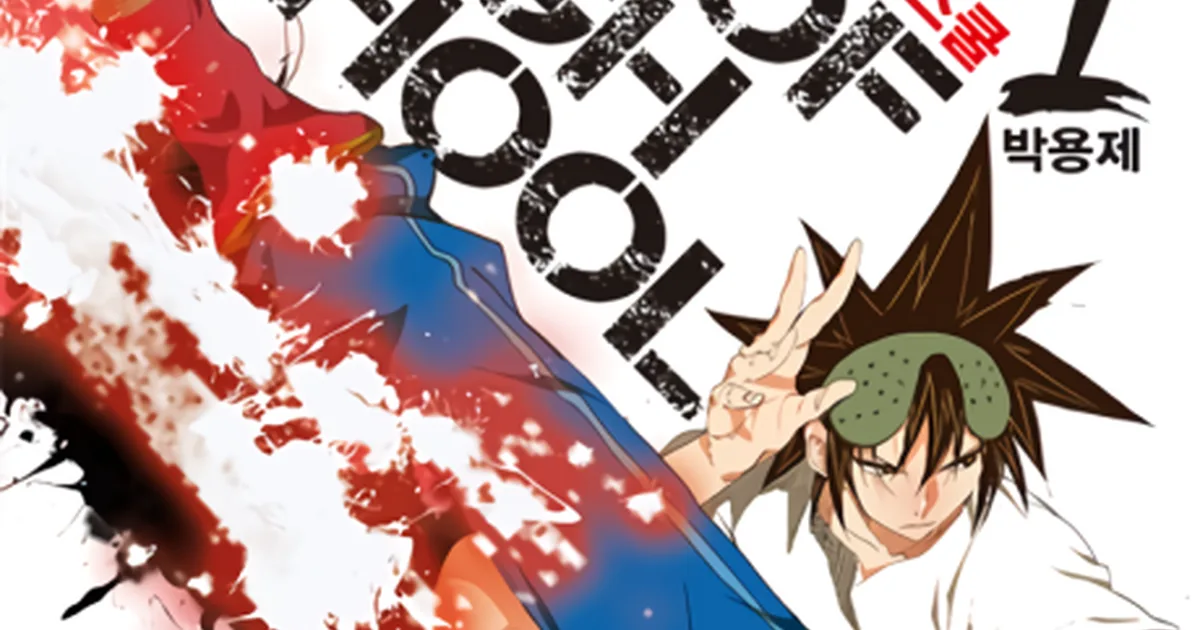
The Return of the Crazy Demon: completed
Platform: Naver / Kakao | Completed | Genre: Murim / Martial Arts
This one removes the isekai wrapper and delivers the purest version of the Overlord wish-fulfillment in a different genre. The protagonist is a murim cultivator, the most feared man in the martial world, who is killed and reincarnated into a weaker body years in the past. He remembers everything. He knows everyone who wronged him and how they wronged him. He begins methodically destroying them.
There's no moral ambiguity about whether he should do this. The series is not interested in that question. He is right, they wronged him, he is going to make them regret it, and the reader is positioned to find this satisfying. The overwhelming dominance of a protagonist who already knows how good he can be, against opponents who don't know yet, is the wish-fulfillment structure in its purest form.
What it shares with Overlord: the protagonist is not growing toward power. He's reclaiming a level he already achieved, and his position relative to everyone around him is defined by that gap. The dark comedy of others threatening someone who is simply better than they could possibly understand is the same register Overlord uses in Ainz's encounters with other kingdoms' representatives.
Completed. This is a full story with an ending. For readers who are specifically fatigued by ongoing series, the best manhwa completed 2026 guide has both this and the other major completions.
manhwa like Overlord: the honest gap: what manhwa doesn't do that overlord does
Advertisement
Overlord's specific quality is that Ainz is a genuine villain and the series doesn't ask you to forgive him. The Katze Plains massacre happens. Ainz orders it. He kills over 100,000 people as a demonstration of power and political strategy. The series does not frame this as a tragedy Ainz is haunted by. It's a decision he made. It worked. The next scene moves on.
That is almost entirely absent from manhwa's OP protagonist genre. The genre is large and often dark, but it positions its protagonists as sympathetic even when their methods are extreme. Solo Leveling's Jinwoo kills a lot of people and shadows, but the framing is always heroic. The Return of the Crazy Demon's protagonist kills his enemies, but they deserve it by genre contract. Trash of the Count's Family's Cale avoids being a villain at all, despite the premise.
The villain-protagonist POV in manhwa exists, but it's rare and usually softened. Protagonists are reincarnated as villain characters and then spend the whole series avoiding villain acts. Characters presented as morally ambiguous are usually revealed to have good intentions. The genre convention is that OP protagonists should be likeable, and likeable is in tension with genuinely committing to villainy.
If what you're looking for is specifically the experience of following a protagonist who does dark things without apology, in a setting where the reader isn't rescued from that discomfort by a sympathetic framing, manhwa largely does not have it. The six picks above cover everything Overlord does except that. They're real recommendations. But that gap is worth naming rather than pretending something fills it cleanly.
Frequently Asked Questions
Is there a manhwa like Overlord?
There are manhwa that share individual qualities with Overlord, but nothing that replicates the full package. Solo Leveling and Omniscient Reader's Viewpoint both feature protagonists who operate at Ainz-equivalent scale by their late arcs, with the same question about what you do with absolute power. For the villain-protagonist angle specifically, Trash of the Count's Family is the closest Korean equivalent, though it plays the premise as comedy rather than dark strategic domination.
What manhwa has a villain protagonist like Ainz Ooal Gown?
Trash of the Count's Family is the most direct match: the protagonist is reincarnated as a villain character, knows the plot, and deliberately keeps his hands clean while others do the work. The tone is lighter than Overlord. For something darker, The Return of the Crazy Demon delivers overwhelming power domination without apology, though its setting is murim martial arts rather than isekai. Neither matches the specific Ainz quality of being a genuine villain who commits genuinely dark acts.
Is Solo Leveling like Overlord?
In the early arcs, not much. Sung Jinwoo starts as the weakest hunter and grows through a system, while Ainz begins at maximum power. By the final arcs, the comparison holds: Jinwoo is operating at a scale where ordinary humans and gates are irrelevant to him, and the series starts asking what that isolation means. It's the same question Overlord asks from chapter one. The growth arc before you get there is roughly 130 chapters.
What manhwa has an overpowered protagonist who is already at max level?
Dungeon Reset is the closest structural match for Ainz's starting position: the protagonist is immune to dungeon resets from the beginning, giving him absolute environmental dominance while everyone else struggles. He didn't earn this through growth; it's simply his condition. Omniscient Reader's Viewpoint positions its protagonist equivalently through foreknowledge rather than combat power. The best manhwa overpowered MC roundup covers the full range of OP protagonist manhwa.
What is Trash of the Count's Family and is it similar to Overlord?
Trash of the Count's Family is a manhwa adaptation of a Korean web novel. A reader wakes up inside a fantasy novel as Cale Henituse, a minor villain. He knows the plot, knows who the protagonist is, and wants to survive without becoming a hero. He largely fails at staying in the background while accumulating power he insists he's not using. The villain-protagonist POV and the strategic delegation of actual heroics to others are both Overlord-adjacent. The tone is considerably lighter and the series is ongoing at 180+ chapters.
Is Overlord a manhwa?
No. Overlord is a Japanese light novel series by Kugane Maruyama, first published on the Arcadia web novel platform in 2010. It was adapted into a manga and four anime seasons by Madhouse (2015 through 2022). The light novel and its manga adaptation are Japanese, not Korean. Manhwa refers specifically to Korean comics. The terms are not interchangeable, though the isekai and wish-fulfillment genres overlap significantly between Japanese and Korean publishing.
Related Reading
- Best Manhwa to Read in 2026 →
- manhwa like Solo Leveling
- best manhwa isekai
- manhwa like The Beginning After the End
- Best Isekai Manhwa →
References
- Solo Leveling on Tappytoon: English publisher for Solo Leveling; 179 main chapters plus 21 side stories
- Omniscient Reader's Viewpoint on WEBTOON: ongoing; source novel 551 chapters; free to read on WEBTOON
- Trash of the Count's Family on Tapas: English publisher for the ongoing manhwa adaptation
About the author

Senior Manhwa Critic & Analyst
Manhwa critic and former Korean-to-English webtoon translator with 8 years reading across 40+ genres. London-based. Tracks everything from power-progression to slice-of-life romance.
- 8 years reading manhwa across 40+ genres
- Former Korean-to-English webtoon translator
- 500+ manhwa titles completed
- Specializes in progression systems and power-scaling analysis
Disclaimer
This article is published for informational and entertainment purposes. It does not constitute professional financial, legal, or technical advice. Series availability, platform access, translation status, and chapter counts change. Verify critical details (pricing, regional availability, official translation status) with publishers and platforms. Affiliate links, where present, help support our editorial work and are labelled in our affiliate disclosure.
Comments
Loading comments…