Loading…
ChapterBrief · Manhwa
Manhwa like Re:Zero: 6 picks that actually come close
6 manhwa like Re:Zero ranked by mechanic match - from regression deaths to foreknowledge burden and protagonists who survive by knowing what killed them.
13 min readBy Léo Fontaine

Most "manhwa like Re:Zero" lists get this wrong from the first paragraph. They recommend any isekai with a regression element, which misses what Re:Zero actually is.
Re:Zero is not primarily an isekai. Subaru Natsuki being transported to another world is the setup, not the story. The story is about a protagonist with one ability (Return by Death) who resets to a checkpoint each time he dies, retaining his memories. He's not strong. He doesn't have a cheat system or a hidden bloodline. His one advantage is that he remembers every way he's failed, and he has to use that knowledge to navigate a world full of people who can actually fight.
The emotional weight comes from three specific things: dying repeatedly and experiencing each death fully, knowing things other characters cannot possibly believe, and being completely dependent on people stronger than him while they have no idea he's carrying the memory of watching them die. That combination is what makes manhwa like Re:Zero hard to find. Plenty of series have regression. Fewer have the horror. Almost none have all three.
The six picks below are sorted by which element they match most closely, with clear notes on where the comparison breaks down.
TL;DR: Re:Zero is a Japanese light novel and anime, not manhwa. The series runs on the Return by Death mechanic: Subaru resets to a checkpoint each time he dies, retaining memories, accumulating trauma. The closest manhwa match for that mechanic is SSS-Class Suicide Hunter. For the emotional weight of foreknowledge burden and isolation, Omniscient Reader's Viewpoint is the strongest alternative. No manhwa fully replicates Re:Zero's specific horror of powerlessness alongside death-loop accumulation.
Overview
Re:Zero (Re:Zero kara Hajimeru Isekai Seikatsu) is a Japanese light novel series by Tappei Nagatsuki, serialized on Shousetsuka ni Narou from 2012. Multiple manga adaptations and two anime seasons by White Fox (2016, 2021) brought it to a wide international audience. The story begins with Subaru Natsuki, an ordinary Japanese teenager, being transported to a fantasy world with no explanation and no special abilities. His one distinguishing trait emerges quickly: each time he dies, he returns to a checkpoint from earlier in the story, retaining his memories while the rest of the world resets. This ability is called Return by Death, and it is presented from the start as a curse rather than a power.
Re:Zero is not a wish-fulfillment story. Subaru is physically weak by the standards of the world he is in, and Return by Death does not give him combat capability. It gives him information: the ability to know what killed him, who cannot be trusted, and which paths through a scenario lead to dead ends. Using that information requires him to die repeatedly, experiencing each death fully, and to watch people he cares about die in various ways across timelines he cannot share with anyone. The emotional weight comes from three things that most isekai do not carry simultaneously: the horror of dying itself, the isolation of knowledge others cannot believe, and complete dependence on people stronger than him who have no idea what he is carrying.
That specific combination is what makes manhwa like Re:Zero genuinely difficult to find. The regression element exists across dozens of manhwa. The horror around it is much rarer.
manhwa like Re:Zero: key takeaways
- Manhwa like Re:Zero sorted by mechanic: SSS-Class Suicide Hunter is the closest for Return by Death; A Returner's Magic Should Be Special is the cleanest regression structure
- For the emotional weight: Omniscient Reader's Viewpoint and Doom Breaker carry the burden of foreknowledge more seriously than most regression series
- For the isekai stakes: The Beginning After the End and Return of the Blossoming Blade, with clear caveats on where the comparison holds and where it doesn't
- Re:Zero is Japanese (light novel, manga, anime): not manhwa
- The honest gap: no manhwa fully replicates Re:Zero's specific horror of accumulated death trauma combined with complete powerlessness
What manhwa like Re:Zero actually delivers
Advertisement
Return by Death works because of what it takes from Subaru, not what it gives him. Every reset erases the deaths from the world's memory but not from his. He accumulates trauma across timelines. He watches the same people die in different ways and cannot tell anyone what he knows without triggering a curse. He's not powerful: he's persistent. The ability to survive by outlasting his own failures is presented as genuinely terrible rather than as a superpower.
That matters for recommendations. If you grab any series where the protagonist has foreknowledge, you'll find yourself reading something that feels like a different story. Most regression manhwa treat the reset as a reward. In Re:Zero, the reset is the punishment.
The criteria used here: does the series take the cost of repeated deaths or foreknowledge seriously, does the protagonist's advantage create isolation rather than ease, and does the story spend time on what the mechanic costs rather than only on what it enables.
For a broader look at regression and time-loop manhwa beyond these picks, the best manhwa time travel roundup covers more ground, including lighter takes on the mechanic.
Our master manhwa reading list covers the top 30 titles across every genre for 2026.
Best Manhwa to Read in 2026 →
For the Return by Death mechanic
These two series are the closest to Re:Zero's core loop: a protagonist who dies, retains memories, and uses information from failed timelines.
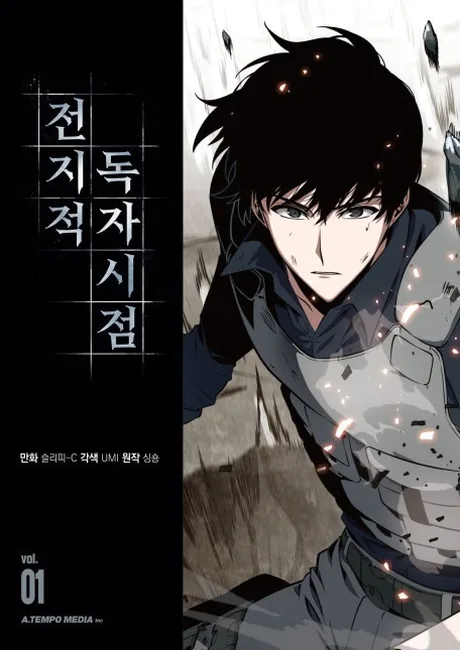
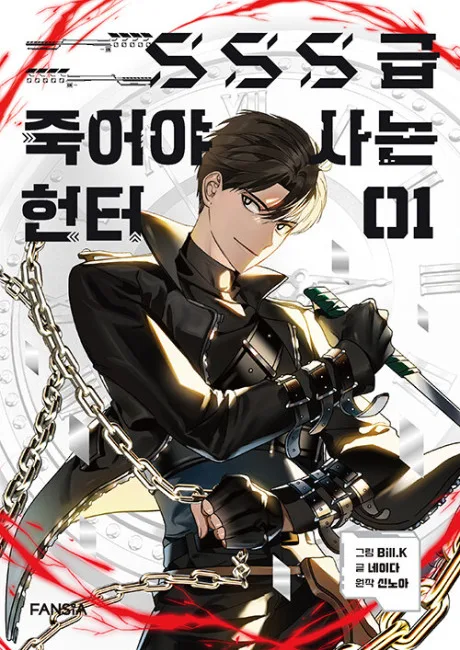
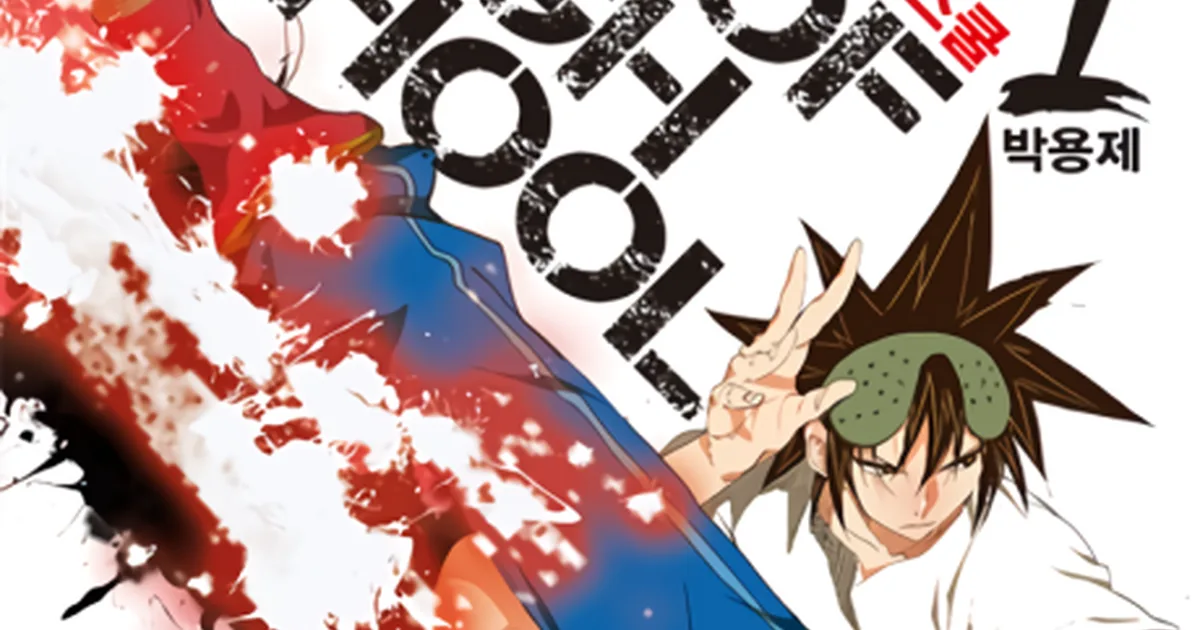
SSS-Class Suicide Hunter (Tapas, completed) is the honest answer to "manhwa like Re:Zero" if the mechanic is the primary draw. Kim Gongja acquires skills by dying: specifically, he copies whatever ability the person who killed him had. The catch: each use of the skill requires him to die first. Early in the series he's doing this deliberately, hunting down stronger hunters to copy their abilities by engineering his own deaths. The psychological cost compounds. By the mid-series, the accumulation of deaths and the memories attached to them begin to function the way Re:Zero's death loops function, not as a neutral mechanic but as something that changes the person carrying it.
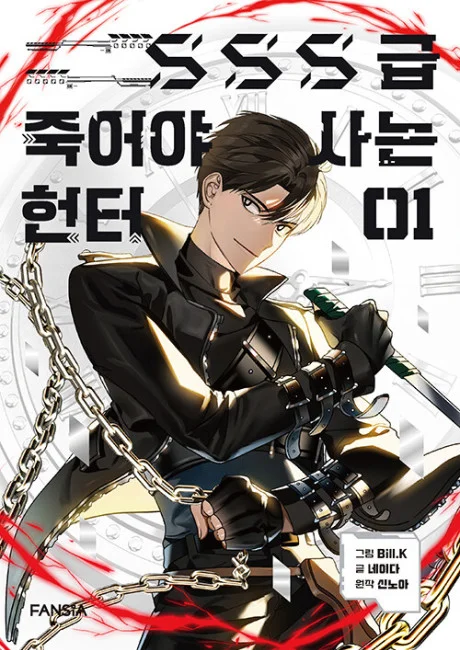 SSS-Class Suicide Hunter cover art.
The tonal register is different from Re:Zero. SSS-Class Suicide Hunter uses dark comedy alongside its horror: Gongja's internal monologue in the early chapters has a dry absurdist quality that Re:Zero lacks entirely. The series does shift toward a heavier register in the later arcs. Either way, this is the one series where the mechanic itself (the death, the copy, the return) functions in the same narrative space as Return by Death.
The series is completed on Tapas, but the death-copy mechanic is developed across multiple arcs that build on each other. SSS-Class Suicide Hunter on Tapas
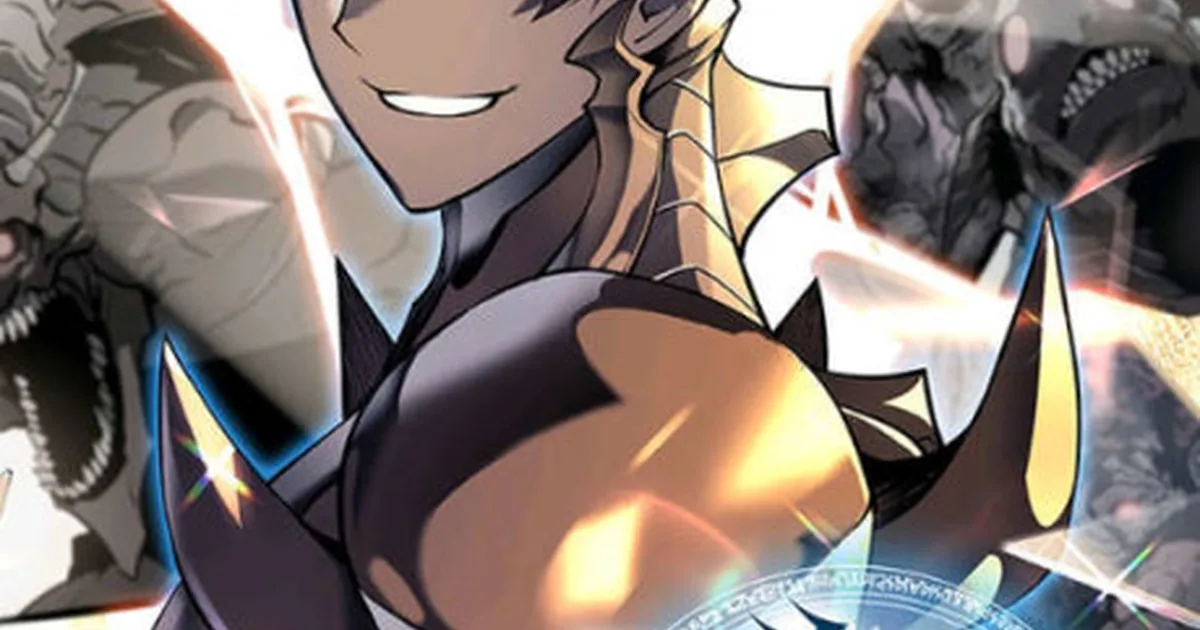
A Returner's Magic Should Be Special (Tappytoon/Kakao, completed, 268 chapters) is the cleanest structural regression manhwa available. Desir Arman survives a world-ending event inside a catastrophic dungeon, then is pulled back 13 years before it happens. He has complete foreknowledge of the next decade's worth of political collapses, individual betrayals, and tactical failures. He has to use that knowledge without being able to explain how he has it.
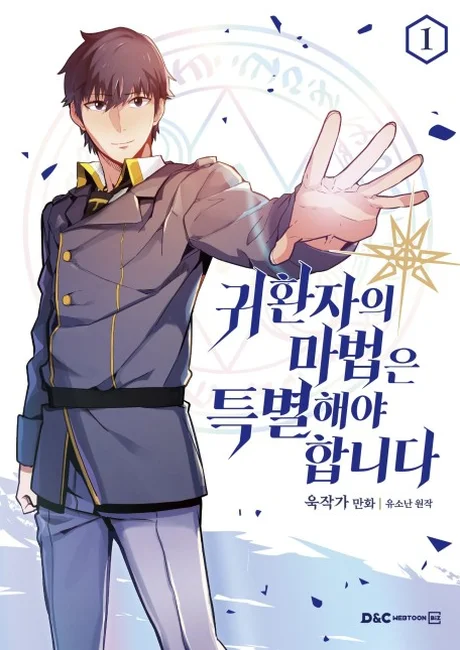 A Returner's Magic Should Be Special cover art.
The Re:Zero comparison is structural rather than tonal. Desir is not powerless: he's a capable mage who becomes more capable as the series progresses. He doesn't die repeatedly. The regression is a single event, not a loop. What it shares with Re:Zero is the specific problem of knowing things others cannot believe and having to navigate around that gap. The "others won't believe me" frustration that Re:Zero handles with the cursed contract, Desir handles through careful information management and selective disclosure. It's a more optimistic framing, but the narrative tension comes from the same place.
For manhwa like A Returner's Magic specifically, there's a dedicated breakdown of the series' closest comparisons. Worth reading before or after the series itself.
For the information-advantage protagonist
These two series don't replicate the death mechanic but share Re:Zero's specific dynamic: a protagonist whose advantage is knowing things others can't verify, creating isolation rather than confidence.
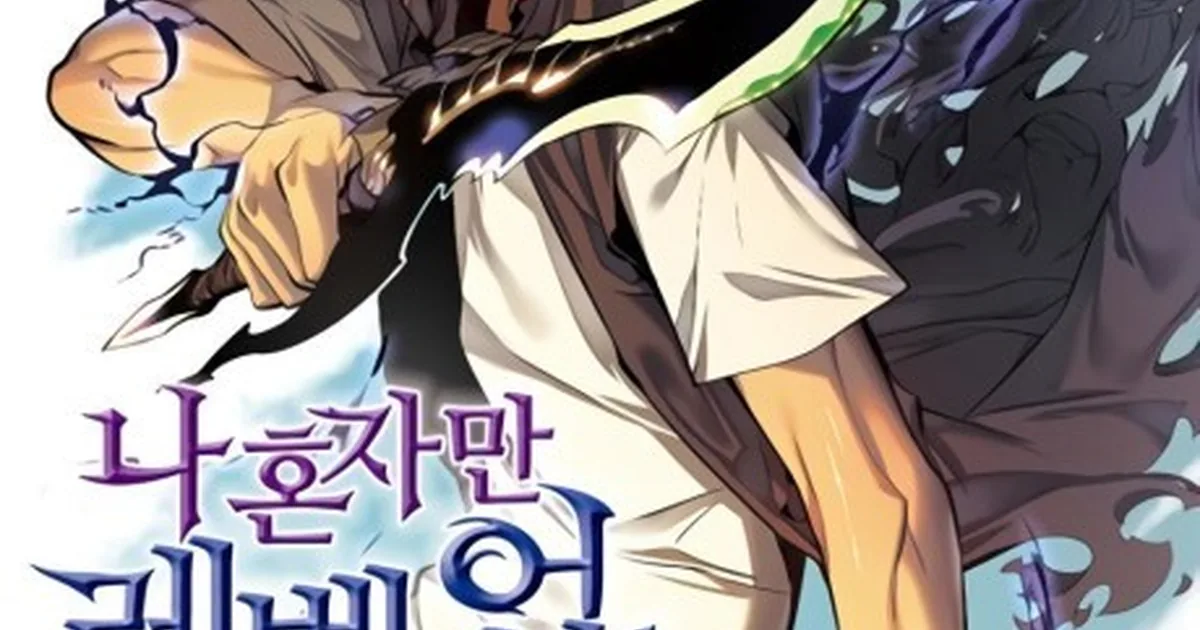
Omniscient Reader's Viewpoint (WEBTOON, ongoing; source novel completed at 551 chapters) gets closer to Re:Zero's emotional register than almost any other manhwa, and it does it through a completely different mechanism. Kim Dokja is not a strong fighter. He spent years as the sole reader of a web novel called Ways of Survival. When that novel's apocalyptic scenario begins in real life, he's the only person alive who knows how the story ends. He knows which scenarios are survivable, which constellations favor which characters, and which people around him will eventually become powerful enough to matter.
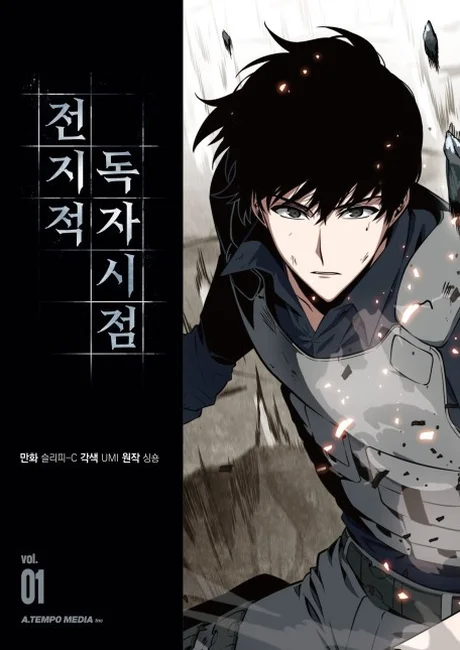 Omniscient Reader's Viewpoint cover art.
The Re:Zero parallel isn't the mechanic: it's the isolation foreknowledge creates. Dokja knows things others cannot believe, and the gap between what he knows and what he can say creates the same narrative tension as Subaru's situation. He's also not the strongest person in any room. He keeps people alive by knowing what kills them before it kills them.
ORV is longer and more tonally varied than Re:Zero, but the emotional peaks (the moments where the gap between what Dokja knows and what everyone else knows becomes unbearable) land in recognizable territory. If Re:Zero's specific frustration (I know, I can't say, I have to watch it happen) is what drew you in, ORV is the strongest recommendation on this list. Omniscient Reader's Viewpoint on WEBTOON
For a full breakdown of what ORV is doing narratively and how it compares to similar series, the manhwa like Omniscient Reader's Viewpoint guide covers the specific comparisons in more depth.
Doom Breaker (WEBTOON, on hiatus at 101 chapters, Season 3 confirmed) sits in a different register from Re:Zero but handles the burden of foreknowledge more seriously than most regression manhwa. Zephyr dies in an apocalyptic war and regresses to years before it starts. He knows who betrays humanity, when each key event happens, and which people around him are going to die doing it. He moves through the world treating people who haven't yet become traitors as the traitors they will be. Doom Breaker on WEBTOON
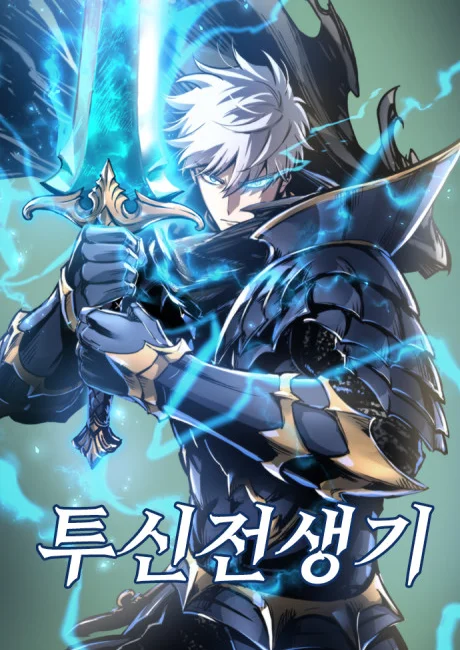 Doom Breaker cover art.
The comparison to Re:Zero is narrower than the other picks here. Doom Breaker's protagonist is physically capable in a way Subaru never is. The power gap between Zephyr and the people around him closes quickly, and the series leans into action more than psychological dread. But the specific dramatic irony (knowing what's coming, watching people who don't know yet, being unable to simply explain it) creates the same tonal undertow. For readers drawn to Re:Zero's information isolation rather than its helplessness, Doom Breaker earns a recommendation. For more series in this space, the manhwa like Doom Breaker guide is the next stop.
Our best isekai manhwa list covers the top time-loop and tragedy-adjacent isekai reads.
Best Isekai Manhwa →
For the isekai stakes and world-building
These two series cover the isekai-fantasy angle of Re:Zero, with clear notes on where the mechanic comparison does and doesn't hold.
The Beginning After the End (Tapas/WEBTOON, ongoing, 240+ chapters) uses reincarnation rather than regression, and that distinction matters. Arthur Leywin is a powerful king who dies and is reborn in a fantasy world, retaining his memories and knowledge from his previous life. He's not resetting after each death. He's not accumulating trauma across failed timelines. The mechanic is fundamentally different from Return by Death.
What TBATE shares with Re:Zero is the emotional context: a protagonist navigating a world he understands differently than those around him, aware of threats others haven't recognized yet. The isekai world-building is more elaborate than Re:Zero's, and the power scaling is more traditional: Arthur becomes progressively stronger in ways that Subaru never does. But if Re:Zero's appeal was partly about watching a protagonist use knowledge as leverage in a high-stakes fantasy world, TBATE scratches that itch.
TBATE is a reincarnation story. If Return by Death specifically (the loop, the deaths, the checkpoint resets) is the draw, TBATE does not replicate it. It's here because the isekai world-building and the protagonist's knowledge-advantage dynamic are the closest available in manhwa to Re:Zero's setting-level appeal.
Return of the Blossoming Blade (WEBTOON, ongoing, 130+ chapters) is a murim regression story: historical Korean fantasy with martial arts rather than isekai fantasy. Chun Myung regresses before his sect, the Heavenly Blade Sect, is destroyed. His cultivation is reset; the people who destroyed everything he cared about are still alive and operating at full strength.
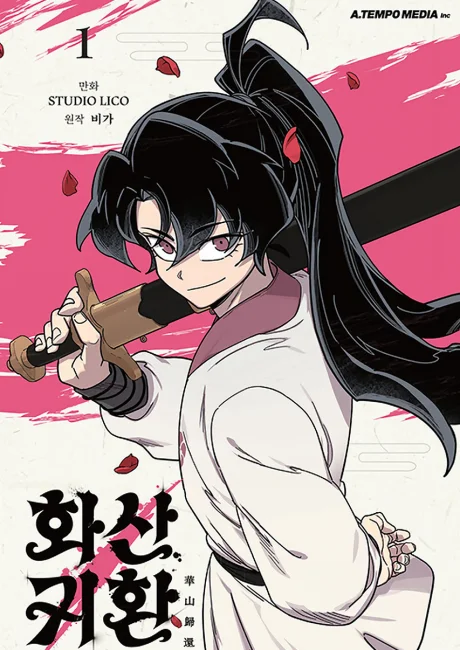 Return of the Blossoming Blade cover art.
This is farther from Re:Zero's setting than anything else on this list, but the dramatic structure has more overlap than that distance suggests. The protagonist knows things others can't verify, operates with constraints he can't explain, and carries the weight of watching people live normally who will eventually be part of catastrophic losses. The murim genre conventions are specific enough that readers coming from isekai fantasy may find the shift jarring. For readers interested in regression mechanics across genre lines, Return of the Blossoming Blade is one of the better-constructed takes available.
For a broader look at completed and ongoing isekai, the best manhwa isekai roundup covers more options across the full genre range.
The honest gap
Advertisement
Re:Zero has a specific combination of elements that manhwa hasn't fully replicated. Being honest about that gap is more useful than pretending any of the above picks are equivalent.
The horror in Re:Zero comes from three things working together: Subaru experiences each death fully, he cannot tell anyone about Return by Death without triggering the curse, and he is never strong enough to solve problems through force. That third element (the complete helplessness) is the part that's genuinely rare. SSS-Class Suicide Hunter has the death mechanic and takes its psychological cost seriously, but Gongja gains power from dying and becomes progressively more capable. ORV has the isolation and the foreknowledge burden, but Dokja isn't facing the existential horror of dying repeatedly. Doom Breaker has the dramatic irony but not the powerlessness.
A protagonist who is repeatedly helpless despite accumulated foreknowledge, in a world where they cannot explain their advantage, while fully experiencing each death: that's the specific space Re:Zero occupies. Manhwa hasn't produced a direct equivalent. The closest you'll get is SSS-Class Suicide Hunter for the mechanic and Omniscient Reader's Viewpoint for the emotional register, taken together.
That's a description of what Re:Zero is doing that's worth naming. Recommendations built on vague genre similarity don't help readers find what they're after.
For more on completed series in this space, the best manhwa completed 2026 guide and the best manhwa reincarnation roundup cover additional options.
Frequently Asked Questions
Is there a manhwa with the Return by Death mechanic like Re:Zero?
The closest is SSS-Class Suicide Hunter, where the protagonist acquires skills by dying and copies the ability of whoever kills him. Each death is intentional but still costs him: the psychological weight of repeated deaths is taken seriously in a way most regression manhwa ignore. A Returner's Magic Should Be Special handles the regression mechanic more cleanly but without the horror of dying each cycle. Neither replicates Re:Zero exactly, but SSS-Class Suicide Hunter is the honest answer to this question.
Is SSS-Class Suicide Hunter similar to Re:Zero?
In mechanics, yes. Kim Gongja dies repeatedly, retains memories across deaths, and uses information from failed timelines to navigate forward. The tonal register is different: SSS-Class Suicide Hunter has dark comedy alongside its horror, while Re:Zero runs almost entirely on dread and helplessness. If you liked Re:Zero for the mechanic, SSS-Class Suicide Hunter is worth reading. If you liked it for the sustained psychological suffering, the match is partial.
What manhwa has the same emotional weight as Re:Zero?
Omniscient Reader's Viewpoint gets closest in terms of emotional register: Kim Dokja carries the burden of knowing how bad things get before anyone else does, and that specific isolation (being certain about things others cannot believe) mirrors Subaru's situation. The mechanism is different: Dokja's foreknowledge comes from reading a novel, not from dying. But the feeling of knowing the shape of future suffering while being unable to communicate it lands in a similar place.
Is Re:Zero a manhwa?
No. Re:Zero is a Japanese light novel series written by Tappei Nagatsuki, with a manga adaptation and multiple anime seasons. It is not manhwa, which refers specifically to Korean comics. The isekai setting and anime adaptation are the parts most people remember, but the original material is Japanese. This article covers manhwa that share specific traits with Re:Zero (the mechanic, the emotional cost, the protagonist's helplessness) rather than manhwa that are isekai in general.
What manhwa has a powerless protagonist who uses knowledge instead of strength?
Omniscient Reader's Viewpoint is the strongest answer here. Kim Dokja is not the strongest fighter in any scenario: his advantage is that he has already read the entire story of this apocalyptic world. He uses foreknowledge to keep stronger characters alive and to navigate scenarios that kill everyone else. A Returner's Magic Should Be Special is the second-best answer: Desir Arman's power comes from knowing which disasters are coming, not from raw combat ability.
What's the closest manhwa to Re:Zero for anime fans?
SSS-Class Suicide Hunter if you want the mechanic. Omniscient Reader's Viewpoint if you want the emotional register. The Beginning After the End if you want the isekai world-building with high stakes, though it uses reincarnation rather than death-and-reset. None of them are Re:Zero exactly. That specific combination of helplessness, horror, and the Return by Death loop is genuinely rare. But these three cover the parts of Re:Zero that most fans cite as the draw.
Related Reading
- Best Isekai Manhwa Ranked for 2026: 15 Series You Need: 15 isekai picks for readers who want Re:Zero's death-loop adjacent stories.
- SSS-Class Suicide Hunter Review: The Best Death Mechanic: Full review of the Korean manhwa with the closest death-loop mechanic.
- SSS-Class Suicide Hunter Reading Guide: Arc Breakdown 2026: Arc breakdown for SSS-Class Suicide Hunter.
- Omniscient Reader's Viewpoint Manhwa Review: Earns Its Hype: Full review of the most narratively complex isekai-adjacent manhwa.
- Best Manhwa to Read in 2026: 20 Series Worth Your Time: Broader 2026 list for readers coming from isekai anime.
References
- SSS-Class Suicide Hunter on Tapas: completed series, official reading platform
- Doom Breaker on WEBTOON: official WEBTOON listing (on hiatus, Season 3 confirmed)
- Omniscient Reader's Viewpoint on WEBTOON: official reading page for the ongoing manhwa
About the author

Anime Critic & Adaptation Specialist
Anime critic and design writer who has reviewed 500+ series across 10 years. Paris-based. Has strong opinions about pacing, adaptation fidelity, and animation quality.
- 500+ anime series reviewed over 10 years
- Specialist in adaptation fidelity and animation quality critique
- Tracks major studios — MAPPA, Ufotable, Wit, CloverWorks
- 80+ hours per season logged for coverage
Disclaimer
This article is published for informational and entertainment purposes. It does not constitute professional financial, legal, or technical advice. Series availability, platform access, translation status, and chapter counts change. Verify critical details (pricing, regional availability, official translation status) with publishers and platforms. Affiliate links, where present, help support our editorial work and are labelled in our affiliate disclosure.
Comments
Loading comments…