The Beginning After the End review: rated 7.5/10. A reincarnation isekai that earns its wish-fulfillment through 300+ chapters of earned character work.
TL;DR: The Beginning After the End review: 7.5/10. This slow-build reincarnation isekai makes its childhood and academy arcs carry real character weight. The Tapas manhwa and TurtleMe's novel remain ongoing, so start only if an open-ended read is acceptable.
This review starts with a calibration: this is not a typical isekai. The isekai classification is technically accurate (King Grey dies and is reborn in a different world), but it creates expectations the series actively works against. There's no truck that hits a salaryman. There's no convenient skill screen and immediate wish-fulfillment. There's an infant learning to crawl, and then a child learning to read mana, and then a teenager at an academy, and by the time the political and combat stakes arrive in full, the series has spent hundreds of chapters earning them.
For readers who want a reincarnation isekai that is fully completed rather than ongoing, see Best Completed Manhwa → for finished alternatives.
Rating: 7.5/10
Key Takeaways
- Rating: 7.5/10; the emotional foundation and magic system push it above the isekai average. Slow early pacing is a genuine barrier
- Exists as a web novel and a Tapas manhwa adaptation; the novel's former Tapas listing was removed in February 2026 and the novel is further ahead in the story
- The childhood arc is deliberate and load-bearing; the academy arc is where the series' full structure becomes clear
- Aether-based magic system is coherent and builds on itself across the full run
- Both versions are ongoing with no completion date; long-term open-ended investment
Overview
The Beginning After the End (TBATE) exists in two formats: a web novel written by TurtleMe, and a manhwa adaptation currently published on Tapas that covers the earlier arcs with high visual quality. The novel was previously listed on Tapas, but Tapas announced its removal on February 6, 2026, ahead of the February 7 unlisting. Both versions are ongoing with no announced completion date. An anime adaptation by Studio A-Cat ran Season 1 in 2025, and Season 2 aired and finished on Crunchyroll in spring 2026. For context on how it fits into the broader wave of manhwa getting screen adaptations, our k-drama and manhwa adaptations 2026 guide covers the full list.
The series is technically an isekai: King Grey, the most powerful fighter in his world, dies and is reborn in a different one. That classification undersells what the series is doing. Grey's reincarnation is not a vehicle for wish fulfillment; it is framed as a second chance to build what power cost him the first time. He starts as an infant, grows up in a new world, develops real family relationships, and chooses to invest in connections his previous life sacrificed. The wish-fulfillment is present throughout, but it is built around a protagonist who already knows the price of power without warmth.
The aether-based magic system is one of the more coherent in the genre: distinct attributes with different combat logic, mana core quality setting a ceiling that training affects, and Arthur's previous-life tactical knowledge interacting with the system in ways that generate the series' best individual scenes.
TBATE suits readers willing to commit to a slow-build series with a large cast and no completion date. The childhood arc requires patience; the academy arc and the arcs that follow are what the early chapters are building toward.
The Beginning After the End Review: What It Does Differently
Advertisement
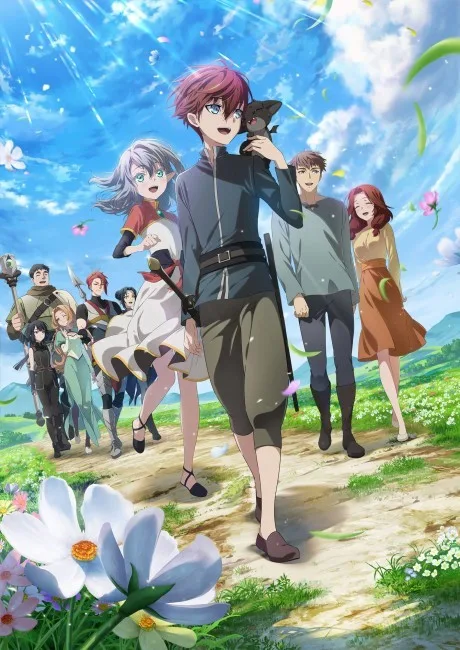 The Beginning After the End anime Season 1 (2025). Source: AniList / Studio A-Cat.
King Grey's premise is more emotionally specific than most isekai setups. He was the most powerful fighter in his world, and that power came at the cost of everything else. No close relationships, no authentic connections, no life outside the training that made him exceptional. He died still at the top of his domain, completely alone.
The reincarnation into Arthur Leywin isn't a fantasy escape into power. Arthur starts at zero in a new world and chooses to build things his previous self never had: genuine family relationships, friendships that aren't based on his combat utility, a life that doesn't consume everything else. The wish-fulfillment is present, but it's built around a protagonist who already knows what power alone costs.
That specificity is what separates TBATE from isekai series that use reincarnation purely as a vehicle for wish fulfillment. Arthur wants things that aren't combat strength. The series has to deliver on both dimensions to work.
The childhood arc
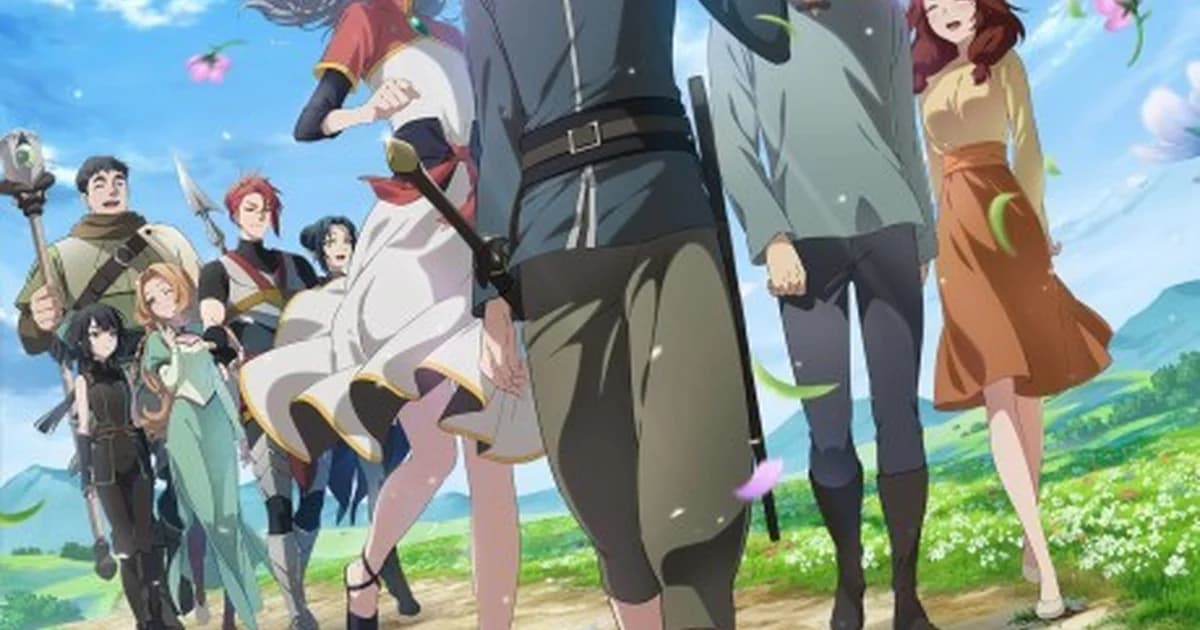
 Promotional art from The Beginning After the End anime. Source: AniList.
The opening arc (Arthur's infancy and early childhood) is the series' most demanding section for new readers. He starts as an infant. The pacing reflects what a child's world actually contains: family relationships, early mana training, the specific experience of an adult mind navigating a child's social limitations.
This is either patient character work or slow padding, depending on how you read it. The case for patience is that every relationship established in the childhood arc carries emotional weight in later sections. Arthur's parents, his early teacher, the specific dynamics of his first social environment: these aren't setup to be discarded. They're the foundation the later stakes are built on.
If you find yourself struggling with the pace, set a target: reach the academy arc before deciding. The transition is real and the pacing change is significant.
For the reading guide that covers the format choice (novel vs manhwa) and platform options:
The Beginning After the End Reading Guide →
The magic system
Aether is TBATE's magical substrate: an internal energy processed through a mana core, expressed through different attributes that each have distinct properties. The system is more coherent than most fantasy magic: attributes aren't interchangeable, a spatial user and a fire user approach combat problems differently, and the quality of your mana core sets a ceiling that training affects but doesn't erase.
Arthur's specific situation (previous-life tactical knowledge intersecting with a magic system he's learning from scratch) generates the series' most interesting individual scenes. He understands what outcomes he wants before he can reliably produce them, and the gap between strategic understanding and actual capability is where the series is most alive.
The manhwa adapts this visual side well. Aether flowing, attribute effects, the specific aesthetics of different magic schools: these are things the novel describes in words and the manhwa shows in full color with well-designed visual language.

Art & Story
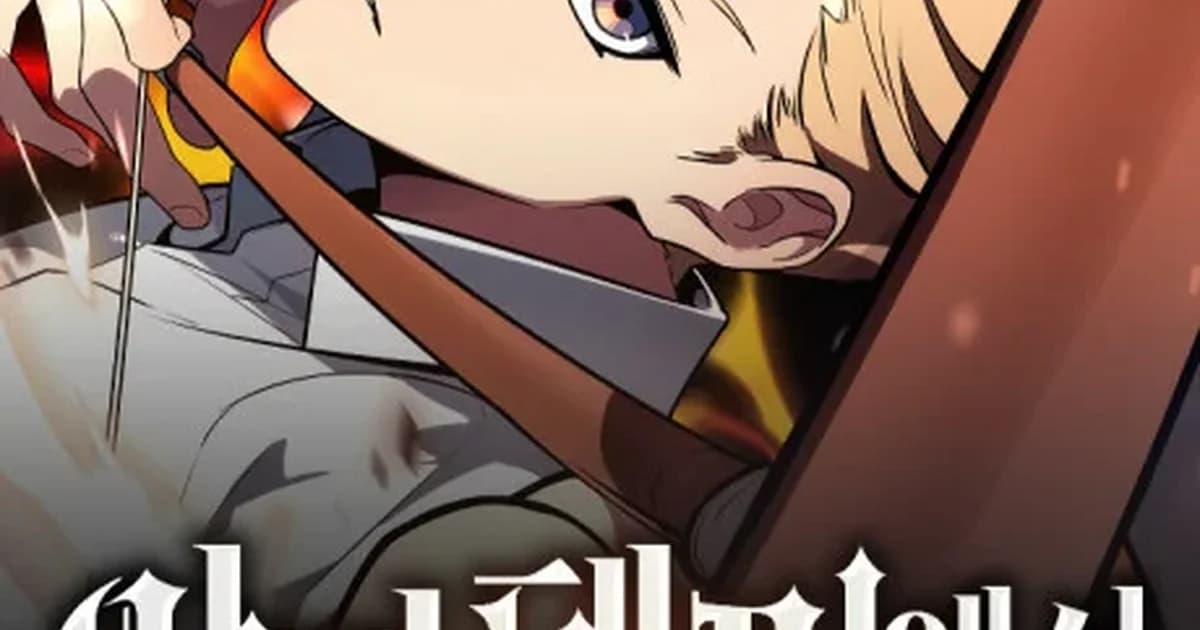
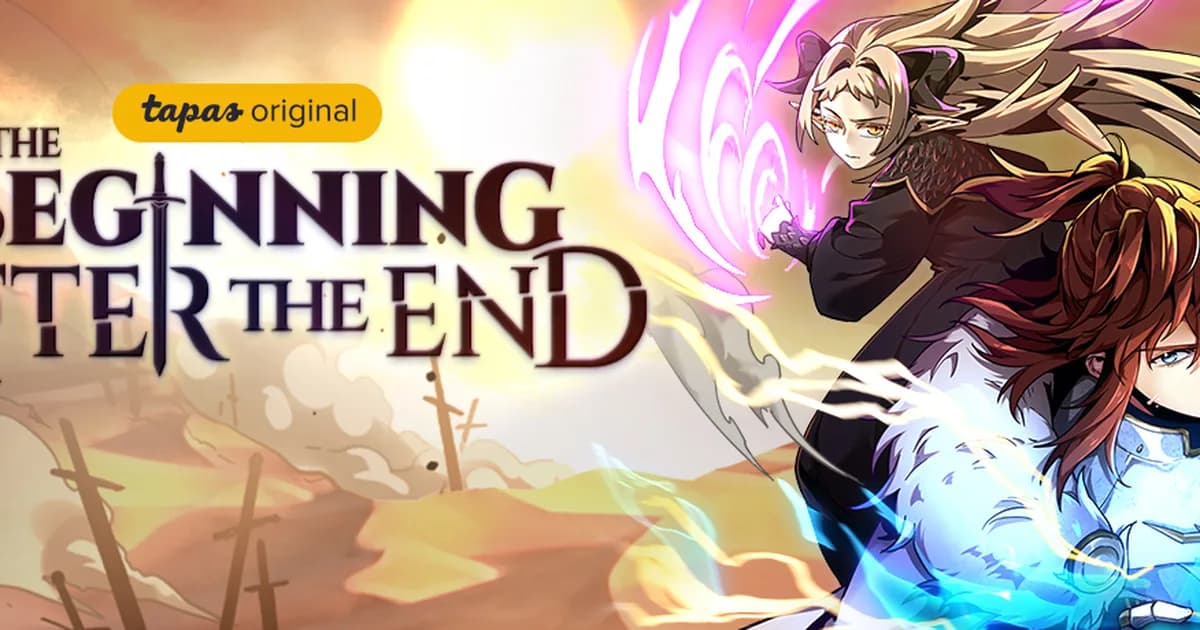
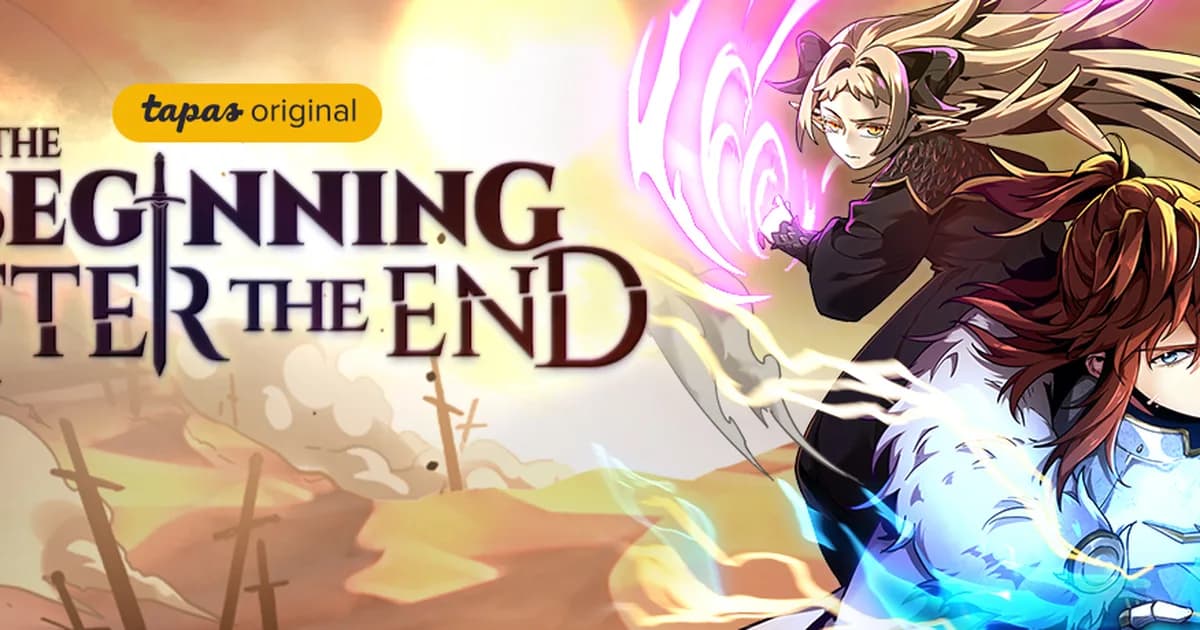
The manhwa adaptation is one of the better-looking isekai series in production. Character design distinguishes between the series' life stages: young Arthur reads visually different from the academy-age Arthur, and the distinction is handled through body language and proportion rather than just height changes. The magic system visualization is consistently strong. Aether flowing through mana cores, attribute effects in combat, the specific visual signature of different magical schools: the manhwa translates the novel's descriptive system into clean, distinctive imagery.
Combat art improves across the adaptation's run. The early childhood chapters have less action to work with and are correspondingly quieter visually; by the academy arc, the fight sequences show more spatial awareness and character-specific ability design. Arthur's aether-enhanced speed and the spatial attributes he encounters have distinct visual grammar that makes combat outcomes readable without requiring stat-screen interruptions.
The storytelling structure follows a coming-of-age spine across a reincarnation fantasy: childhood, early training, academy, then political and military stakes that expand as the cast grows. The novel's structure gives the manhwa adaptation a fully developed narrative arc to adapt from, which shows in the pacing. Scenes that might read as filler in a series inventing itself week-to-week carry more evident purpose here because the destination is already written.
The large cast that develops from the academy arc onward is where both formats ask the most of the reader. Tracking relationships across 20+ named characters with their own abilities and motivations requires engagement the series rewards but does not shortcut.
The academy arc and beyond
The academy section is where The Beginning After the End becomes what it actually is. The cast expands to include genuine peers, faculty with their own agendas, and factional interests that care about Arthur's development for reasons beyond his family's welfare. The series transitions from personal coming-of-age to something with institutional and political stakes.
This is also where the manhwa and novel start to visibly diverge in coverage. Novel readers will find sections the manhwa hasn't reached; manhwa readers who exhaust the adaptation will need to switch to the novel to continue. Both cover this section; it's the arc both formats are currently working through in update cycles.
For where TBATE sits among other major isekai manhwa:
Best Isekai Manhwa →
What TBATE Readers Actually Debate
The "large cast requires tracking effort" con above is real, but it's worth separating from disengagement. r/tbatenovel isn't a community coasting on plot-tracking fatigue; it runs active threads specifically about individual fight scenes, like readers debating whether Arthur's fight with Cadell is the series' best, and about character relationships, including recurring "what should have happened" discussion around Grey and Caera. Those are the kinds of threads a series generates when the cast has become specific enough to argue about, not when readers are just keeping up.
That distinction matters for anyone deciding whether to start TBATE now. The academy arc's political and factional complexity is the point where some readers bounce, but it's also the point where the community's engagement gets more granular, not less. Readers aren't just tracking who's who; they're taking sides.
The Beginning After the End Review Verdict
Advertisement
The Good
- The reincarnation premise gives Arthur's relationships emotional purpose beyond power growth.
- The aether system and manhwa art build on the same long-form setup.
The Cons
- The childhood opening is slow for readers expecting immediate action.
- Both novel and manhwa remain ongoing with no completion date.
7.5/10. The Beginning After the End earns a score above the isekai genre average through two things: the emotional specificity of King Grey's premise, and a magic system that holds together and pays off across a long run. The slow early pacing is real and is a genuine barrier for readers who came for action. The lack of a completion date is a long-term commitment with no promised end.
For readers willing to invest in a slow build: the academy arc and the complexity that follows it deliver what the childhood chapters are setting up. TBATE is not a quick read and not a light one. It's a series that rewards the patience it demands.
The ongoing status is the one thing that can't be assessed as a strength or weakness. It's just a fact about the series as it currently exists. At 400+ chapters, it already represents a substantial commitment. Whether that commitment leads to a satisfying resolution is a question the series hasn't answered yet.
If you came to TBATE from Solo Leveling and want similar protagonists-starting-weak arcs without the slow childhood setup, Manhwa Like Solo Leveling → has picks with faster openings and the same power-curve appeal.
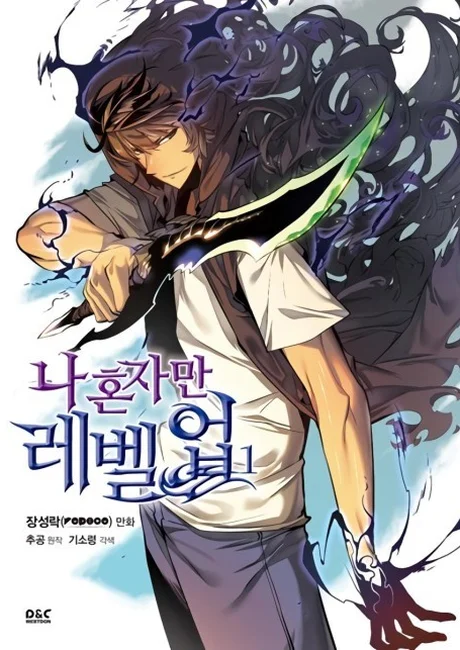 Solo Leveling.
Frequently Asked Questions
Is The Beginning After the End worth reading? Yes, with calibrated expectations. TBATE is a slow-build series; the childhood arc requires patience before the academy arc and the political and combat stakes arrive. If you want emotional specificity, a coherent magic system, and character work that compounds over a long run, it rewards the investment.
Should I read the novel or the manhwa? Novel for complete story (it's significantly further ahead). Manhwa for visual quality on the arcs it covers. For the full story as it currently exists, the novel is the better choice; for readers who prefer visual formats, the manhwa is a high-quality version of what it covers.
What rating does The Beginning After the End get? 7.5/10 in this review. The emotional foundation and magic system push it above the isekai genre average; the slow early pacing and open-ended ongoing status hold it from a higher score.
What is the TBATE magic system? Aether processed through a mana core, manifesting through different elemental attributes with distinct combat logic. The quality of a mana core affects potential, but training and attribute compatibility shape how that potential develops. Arthur's previous-life knowledge intersects with the system in ways the series uses across the full run.
Is TBATE a standard isekai? No. The typical isekai premise is adult transmigration. TBATE is reincarnation: King Grey is reborn as an infant and grows up in the new world from birth. The series is a coming-of-age story as much as a wish-fulfillment story, and the childhood arc is central to what it's doing.
How many chapters does The Beginning After the End have? Both the novel and manhwa are ongoing with no announced completion date. The novel has significantly more content than the manhwa adaptation, and exact counts change regularly with updates.
Does TBATE have an anime? Yes. Studio A-Cat produced the anime adaptation. Season 1 aired in 2025 and Season 2 aired and finished on Crunchyroll in spring 2026. The anime covers early arcs; both the novel and manhwa have significantly more content than the adaptation has reached.
For series recommendations in the same genre, see Manhwa Like The Beginning After the End: 7 Top Series.
Related Reading
- Manhwa Like Solo Leveling: 10 Picks for the Same Power Curve: Ten series for readers who want the same weak-to-strong protagonist trajectory that drew them to TBATE, with faster openings than the childhood arc.
- Tower of God Review: 652 Episodes and Worth Every One: Full review of Tower of God, the other major long-form manhwa that rewards a similar level of reader investment.
- Best Manhwa to Read in 2026: 20 Series Worth Your Time: Full 2026 reading list placing TBATE in context across isekai, fantasy, and system-fantasy picks.
- The Beginning After the End Character Guide: Full Cast: AniList-verified names for Arthur Leywin, Tessia Eralith, the Twin Horns party, and the Xyrus Academy cast.