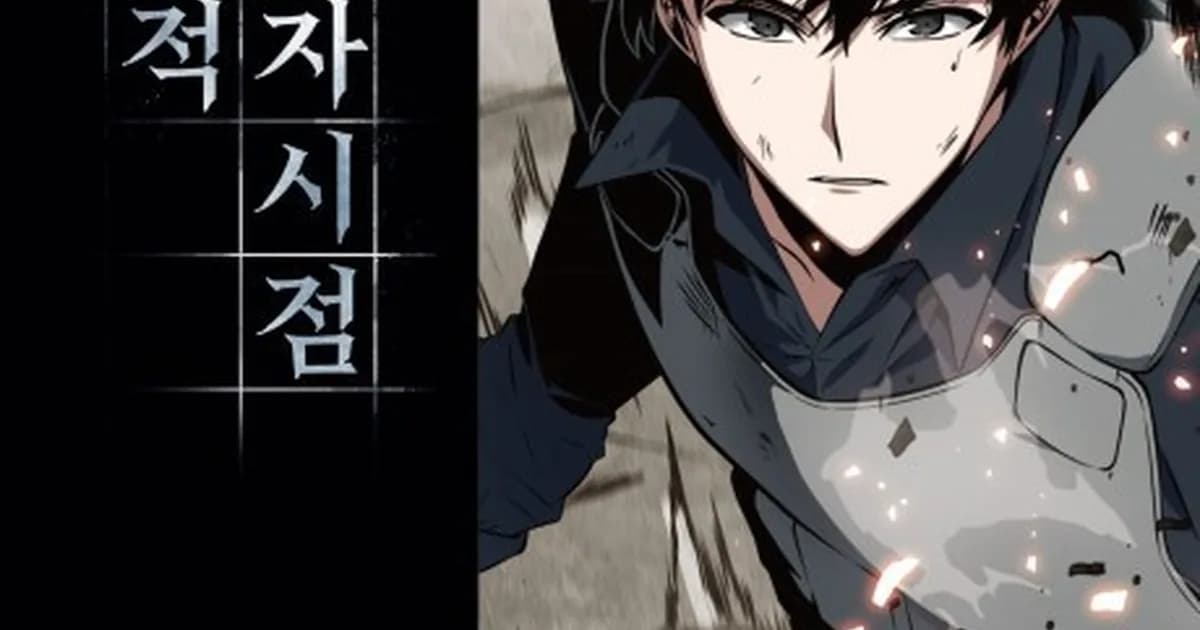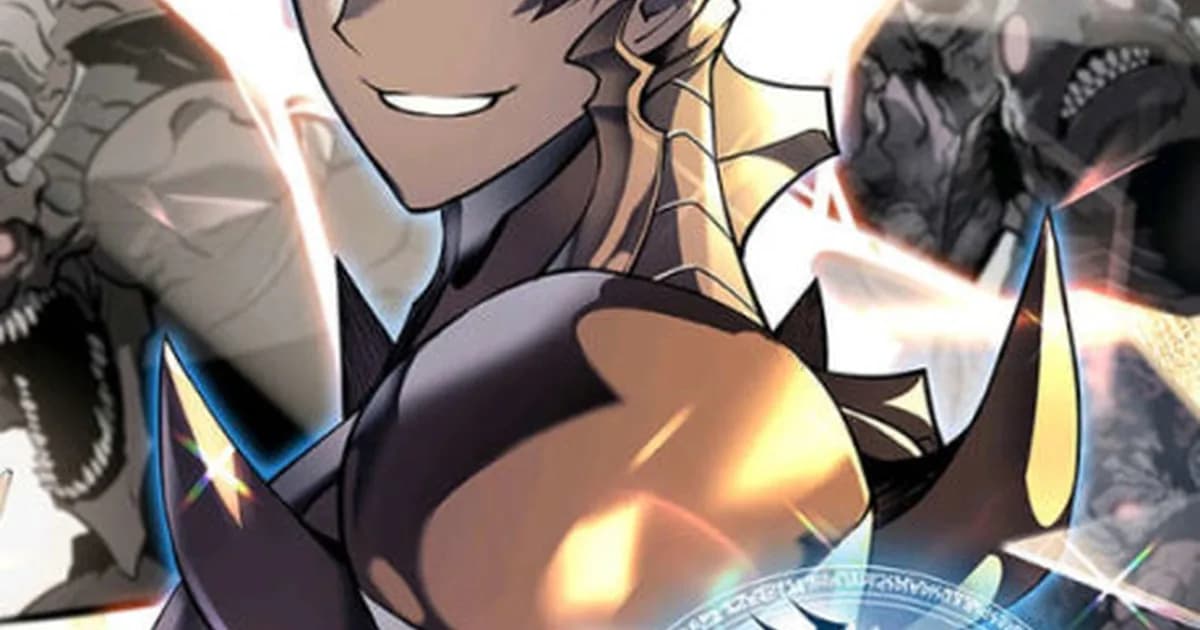
Most "manhwa like ORV" lists start with Solo Leveling. That's the wrong answer, and explaining why it's wrong is the fastest way to point you toward the right manhwa like ORV.
TL;DR: Manhwa like ORV for readers who finished Omniscient Reader's Viewpoint: 8 series ranked by meta-narrative depth, tonal weight, and ensemble quality.
Recent updates:
- October 6, 2026: Re-checked all 8 picks and ORV itself against AniList, WEBTOON and Tapas. Corrected Solo Leveling's chapter count (201 per AniList, not 179), dropped an unverified studio credit, fixed a Surviving Romance link that pointed at a different webtoon, and replaced "no anime confirmed" for SSS-Class Revival Hunter with the January 2027 announcement. Added platform and credit detail to every pick and 8 internal links.
- October 2, 2026: Earlier episode-count refresh for ORV.
Omniscient Reader's Viewpoint is not a wish-fulfillment story. Kim Dokja spent years as the sole reader of a web novel called Three Ways to Survive the Apocalypse. When the novel's apocalyptic scenario begins in real life, he's the only person alive who knows how the story ends. His advantage isn't raw power: he has already read every chapter. He knows which constellations favor which protagonists, which scenarios are beatable and which ones kill everyone who tries, and how each character in his party eventually grows into something important. He already loved these people as fictional characters before he met them as real ones.
That's the emotional core. The meta-narrative layer (the reader's relationship to the story as a story) is what makes manhwa like ORV genuinely hard to find. Any list of manhwa like ORV that skips this ends up recommending generic system fantasy instead.
Overview
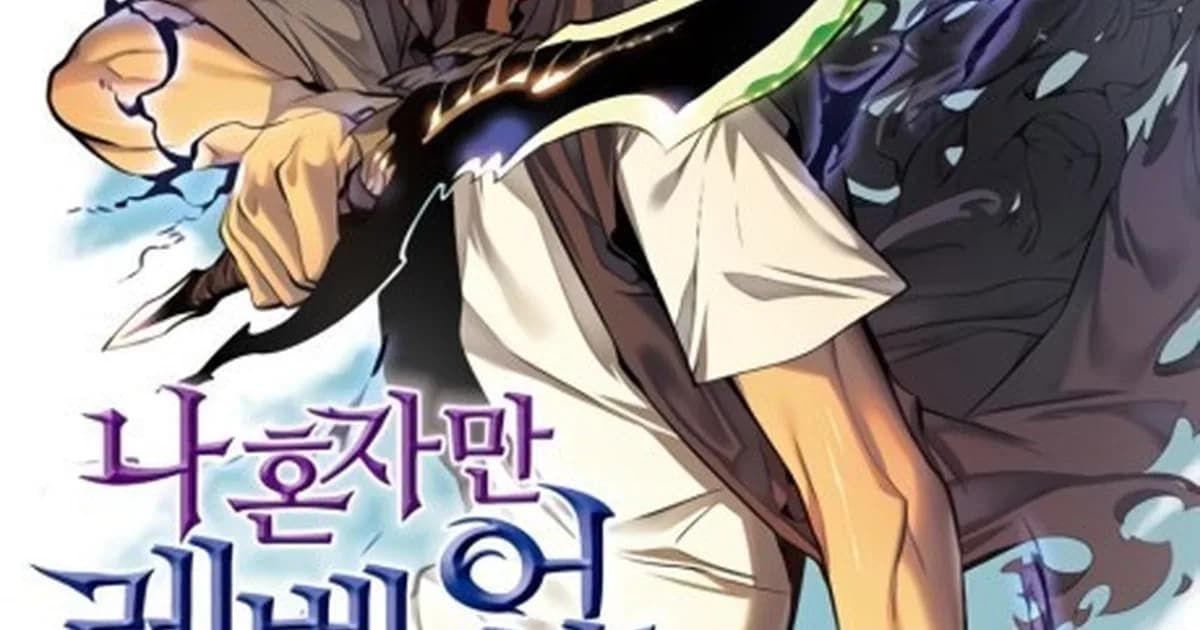
Omniscient Reader's Viewpoint is a Korean manhwa from singNsong's web novel, adapted by UMI with art by Sleepy-C. WEBTOON's web list stops at Episode 308 (June 1, 2026) behind a will-return notice. Its hook is that Kim Dokja is the one person who has read how the world ends.
Omniscient Reader's Viewpoint (ORV) is a Korean manhwa adaptation of a web novel by singNsong. The manhwa is adapted by UMI with art by Sleepy-C and is published on WEBTOON. The latest episode on WEBTOON's web list is Episode 308 (June 1, 2026), and the page notes 4 newer episodes only in the app; WEBTOON displays a will-return notice during the season break, and AniList marks the manga RELEASING.
The premise: Kim Dokja is an ordinary office worker who spent years as the only dedicated reader of a web novel called Three Ways to Survive the Apocalypse. When the apocalyptic scenario from that novel begins in real life, Dokja is the only person alive who has read the entire story, including how it ends. His advantage is not combat power. He knows which constellations can be negotiated with, which scenarios are survivable, and which characters in his party eventually become important. He already had emotional attachments to these people as fictional characters before he met them as real ones.
That meta-narrative layer is what separates ORV from the large field of system-fantasy apocalypse manhwa. The protagonist's relationship to the story he is living inside is not just tactical foreknowledge. It is identity: Kim Dokja's sense of self is built around being the sole reader of this particular fiction, and the series is as interested in what that means as it is in the system mechanics. Readers finishing ORV and searching for manhwa like it need that distinction clearly stated, because most recommendation lists skip it and recommend generic system fantasy instead.
Manhwa like ORV: key takeaways
- Manhwa like ORV: 8 picks ranked by how closely they match ORV's actual DNA, not just its genre label
- The defining trait of manhwa like ORV is the meta-narrative layer (Dokja already read the story), not the system mechanics
- Closest structural match: Surviving Romance (same reader-in-fiction premise)
- Closest tonal match: SSS-Class Revival Hunter and The Beginning After the End
- Solo Leveling is not a good manhwa like ORV substitute (same studio, opposite premise)
- ORV's WEBTOON web list ends at Episode 308 (4 newer episodes are app-only) and the series is on a season break with a will-return notice; the completed web novel exists for readers who can't wait
What ORV is actually doing
Advertisement
ORV makes reading itself the protagonist's identity, which Solo Leveling never tries. Kim Dokja's edge is not rank or power but years spent reading one novel, so every ally is someone he already loved as a character. The manhwa keeps that layer alive scene by scene.
Readers often put it next to Solo Leveling, and visually the comparison is fair: both are polished full-color action adaptations. Narratively, they share almost nothing. WEBTOON credits ORV to singNsong (original work), UMI (adaptation) and Sleepy-C (art).
What sets ORV apart isn't its system fantasy scaffolding (though that's well-constructed). It's the protagonist's selfhood being built around being a reader. Dokja doesn't just have plot knowledge; he has emotional attachments to characters before he meets them, formed over years of reading their story. When those characters behave differently than the novel described, it matters to him in a way that's specific to fans: the gap between the character you imagined and the real person in front of you.
That layer is what most manhwa like ORV lists miss. A series needs more than systems and regression to land in this space. It needs a protagonist whose relationship to foreknowledge is also a relationship to meaning.
For the full analysis of what makes ORV's narrative construction work and the manga vs novel question, see
Omniscient Reader's Viewpoint Review →
The 8 picks
Eight manhwa follow ORV, ordered by how much of its design each keeps. Surviving Romance keeps the reader-inside-a-novel premise, The Beginning After the End and SSS-Class Revival Hunter keep the ensemble weight and tone, and Tower of God keeps the scale. Solo Leveling and Nano Machine are distant matches, listed to show where the comparison breaks.
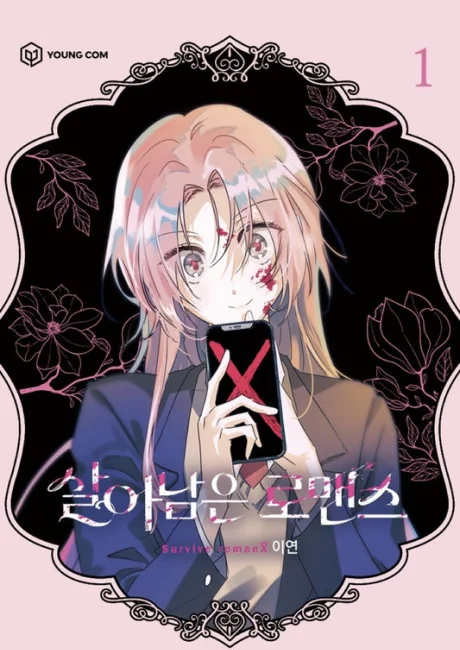 Surviving Romance cover art.
1. Surviving Romance
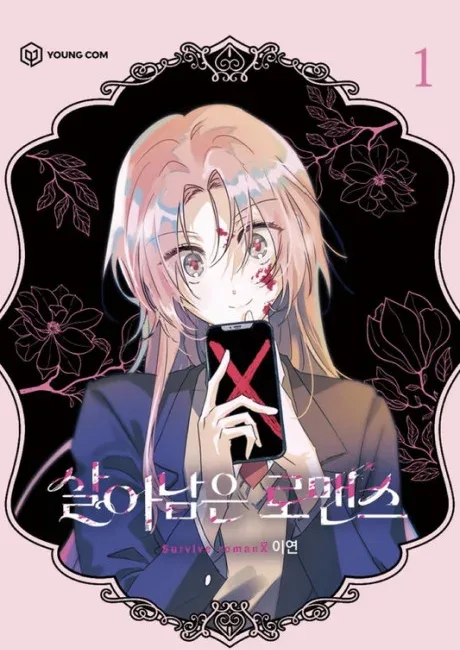 Surviving Romance: the reader-protagonist premise played most directly. Source: WEBTOON.
The most structurally similar manhwa to ORV on this list, and the closest thing the genre has to ORV's reader-protagonist premise. A woman ends up as the heroine of a romance novel she was reading: she knows which character is the male lead, how the story is supposed to go, and what the ending should be. Then the story starts behaving wrong.
The horror-romance blend that follows works. The protagonist's advantage is knowing the source text, and the tension comes from watching that text diverge from reality. In ORV, constellations are the story's external structure; in Surviving Romance, the novel's plot itself plays that role.
Completed at 101 chapters in AniList's record. WEBTOON released an animated promotional trailer for the series, produced by Studio PPURI, in February 2026, but a full anime series has not been officially confirmed yet. If the reader-in-fiction angle is what drew you to ORV, start here before anything else on this list.
WEBTOON files it under Horror and credits Lee Yeon for both story and art. AniList records 101 chapters from January 2021 to June 2023. The English page is marked COMPLETED, but the web list shows only the first seven episodes (the last visible one is "A Miracle BGM", May 12, 2021) and sends you to the app for the rest. The synopsis sets the hook plainly: Chaerin Eun expects a fairytale ending with the love interest Jeha, then the story stops playing out as written, and she needs help from an unlikely classmate known as the "Unknown Extra".
Where to read: WEBTOON (Horror; the web list shows episodes 1 to 7, the rest in the app), Naver Webtoon | Status: Completed (AniList: FINISHED, 101 chapters)
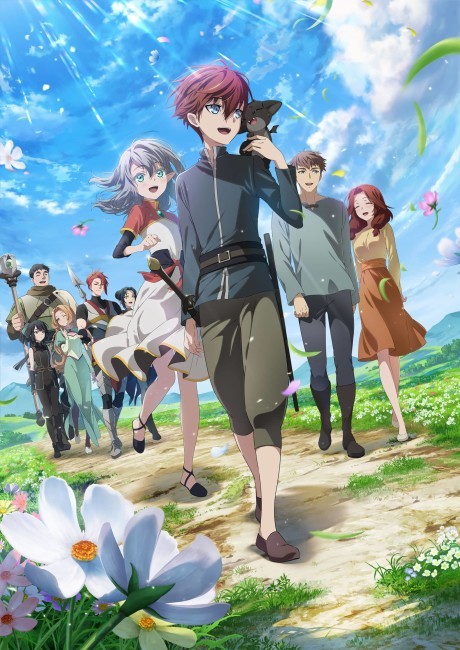 The Beginning After the End cover art.
2. The Beginning After the End
If scale and ensemble weight are what you want from manhwa like ORV and the meta-narrative layer is secondary, this is the pick. Arthur Leywin is a king who dies and reincarnates in a new world. His foreknowledge is of his own past life's mistakes, not of the story he's living in. The emotional premise is about building relationships carefully rather than navigating a story you already read.
What TBATE shares with ORV is the ensemble actually carrying weight. The series invests in secondary characters across hundreds of chapters. Losses land. The cast changes in ways that feel earned rather than plotted. For an ongoing series that commits to this over the long run, it's the most comparable thing on this list.
The tone is warmer and the protagonist is more conventionally heroic than Dokja. But if you finished ORV and the part that broke you was how much you cared about the supporting cast, TBATE is where to go next.
On Tapas the English edition lists 299 episodes and updates every Thursday, with a 3-hour wait-until-free window that excludes the latest 89 episodes. AniList returned no manhwa record for it, so that count comes from the Tapas listing itself. TBATE also appears among the 15 reincarnation picks if you want the setup compared, and the reading guide covers how the novel and manhwa differ.
Where to read: Tapas (299 episodes, updates every Thursday), physical via Yen Press. Tapas is scheduled to end its service on March 31, 2027; see what we know about the shutdown. | Status: Ongoing
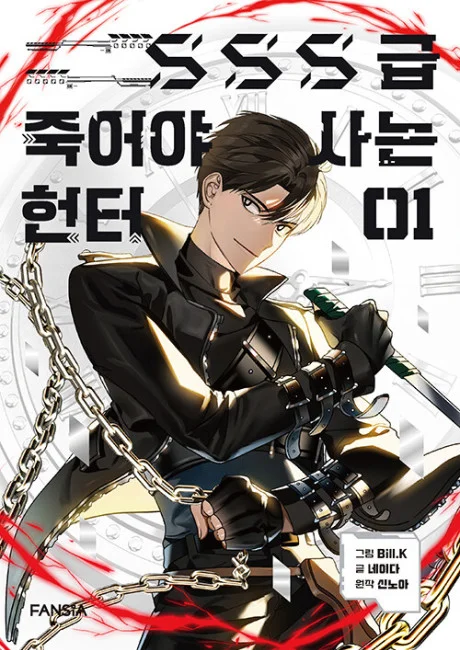 SSS-Class Revival Hunter cover art.
3. SSS-Class Revival Hunter
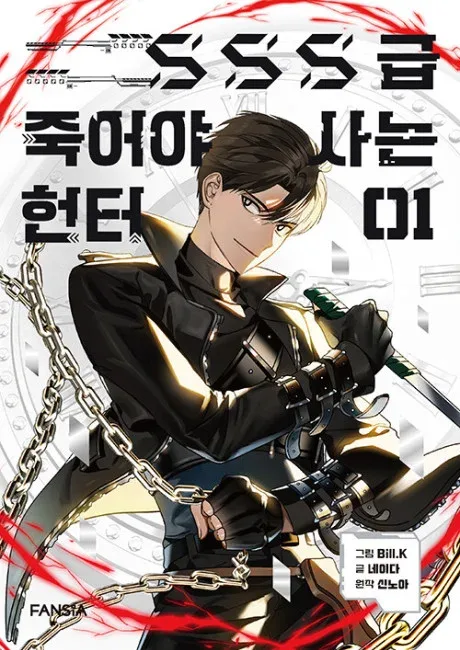 SSS-Class Revival Hunter: the protagonist voice closest to ORV's Kim Dokja. Source: AniList.
Among manhwa like ORV, SSS-Class Revival Hunter is the strongest match for ORV's tonal range: dark premise, sardonic protagonist voice, moments of genuine humor that don't undercut the stakes. When Kim Gong-ja is killed, he copies the killer's skill and resets 24 hours into the past. He wakes up with a new ability and full memory of his death. The mechanic turns every death into an investment.
The protagonist's voice is the comparison point. Gong-ja is self-aware about the absurdity of his situation in a way that reads as distinctly Dokja-adjacent (knowing, a little rueful, funnier than the situation warrants). The series handles its morbid premise without becoming a grim slog, for the same reason ORV works: the protagonist refuses to treat his circumstances with the solemnity the situation technically demands.
The meta-narrative layer is absent. But the intelligence of the narrative, the protagonist's relationship to his own foreknowledge, and the tonal balance are the closest to ORV of any system fantasy on this list.
Tapas lists 154 episodes and carries a hiatus notice dated February 27, 2026, saying Season 4 has closed and the series returns with Season 5 after a break. AniList credits the original story to No-A Sin, the story to Neida and the art to Bill K. An anime adaptation was announced for January 2027, with Studio fu producing and Crunchyroll streaming it in multiple regions, so the series now belongs on the full list of manhwa with anime adaptations, and the SSS-Class Revival Hunter reading guide maps the arcs before it airs.
Where to read: Tapas (154 episodes; Tapas closes March 31, 2027) | Status: Ongoing (Season 4 closed, hiatus notice dated Feb 27, 2026); TV anime announced for January 2027
Full review and verdict on SSS Hunter's mechanic and protagonist:
SSS-Class Revival Hunter Review →
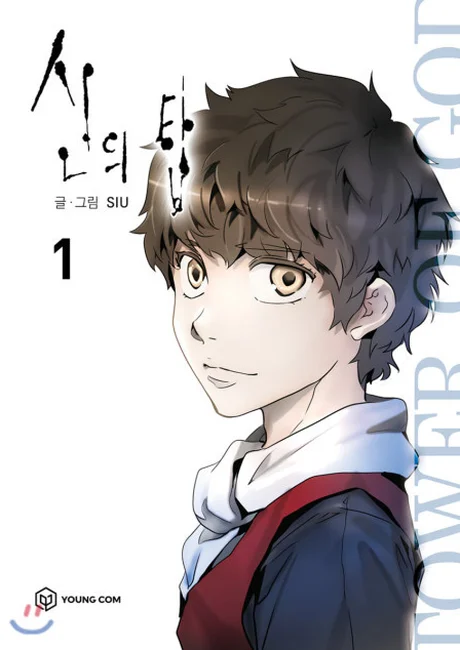 Tower of God cover art.
4. Tower of God
The scope comparison for manhwa like ORV. Tower of God launched in 2010 and has been running for 652+ chapters across three seasons. SIU's vertical world (floors, factions, centuries of history, a cast that keeps expanding) is the closest thing to ORV's narrative ambition in terms of sheer scale.
It's not doing what ORV does. Bam isn't a reader; he's an innocent chasing the girl who opened the tower's door for him. The meta-awareness is absent. But if what you loved about ORV was the weight of a world that felt like it had been running long before you showed up, Tower of God has that in excess.
Currently on hiatus after Season 3. The existing material is vast.
WEBTOON's English list tops out at "[Season 3] Ep. 235 (Season 3 Finale)", dated February 23, 2025, which is entry #652 overall, and the page carries a "Tower of God will be back!" note. SIU is credited for both story and art, and AniList dates the series from June 2010, so this pick offers more back catalogue than any other on the list.
Where to read: WEBTOON | Status: Ongoing / Hiatus (652 episodes across 3 seasons; WEBTOON says it will be back)
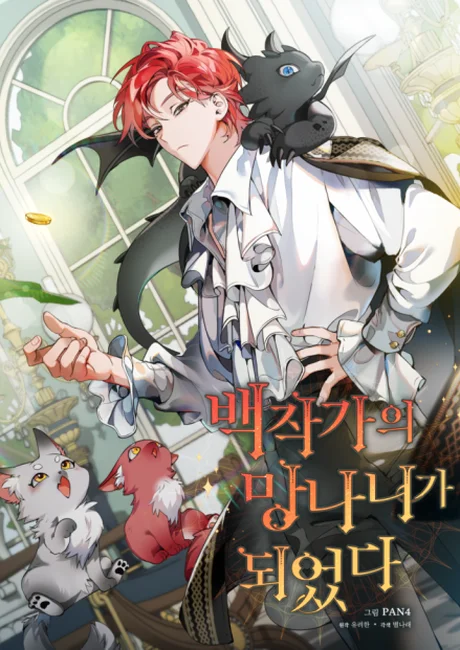 Trash of the Count's Family cover art.
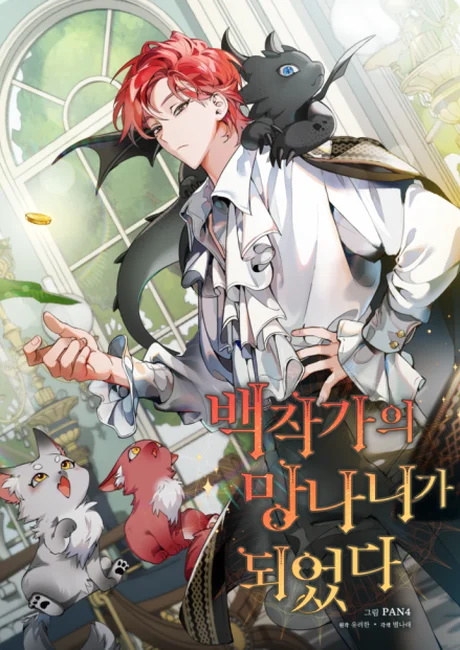 Lout of Count's Family cover art.
5. Lout of Count's Family (Trash of the Count's Family)
The lightest entry in this manhwa like ORV list and the one with the most structural overlap after Surviving Romance. Kim Rok-Su is transmigrated into a novel he read, specifically as a villain character he knows dies early. He spends the series trying to sidestep the plot while it keeps pulling him in.
The foreknowledge premise is the same as ORV's: he knows the story because he read it. His plans run on that knowledge. But where ORV uses that premise to inflict emotional damage, this series runs on comedy and a protagonist who's trying very hard to avoid doing anything heroic. The ensemble is large and affectionate rather than heavy.
For readers who hit a wall with ORV's relentlessness but still want manhwa like ORV where the protagonist knows the story they're in: this is the version with the weight removed.
On Tapas the English edition lists 173 episodes and carries a hiatus notice dated May 29, 2026, saying Season 4 has closed and Season 5 follows after a break. AniList credits Byeollarae for the manhwa story, Ryeo-Han Yu for the original novel and PAN4 for the art, and its synopsis has Kim Rok-Su waking up as Cale Henituse, a minor villain in the novel "Birth of a Hero". The Manhwa Like Lout of Count's Family list goes further down this comedic lane.
Where to read: Tappytoon, Tapas (173 episodes; Tapas closes March 31, 2027), KakaoPage, Manta | Status: Ongoing / Hiatus (Season 4 closed, hiatus notice dated May 29, 2026; Season 5 TBD)
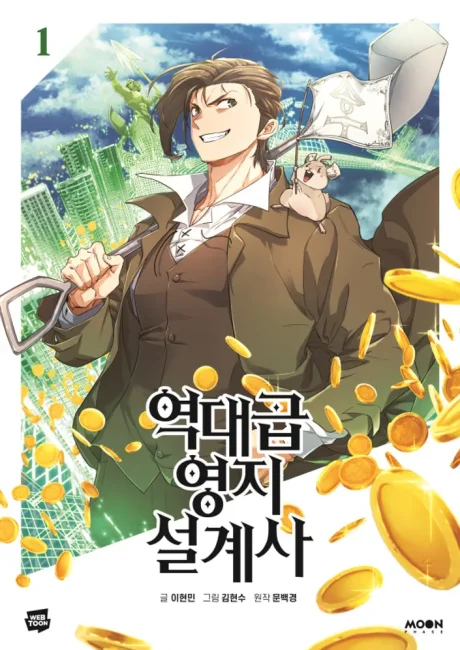 The Greatest Estate Developer cover art.
6. The Greatest Estate Developer
The most accessible manhwa like ORV entry and the funniest thing on this list. Lloyd Frontera is transmigrated into a fantasy novel and immediately tries to prevent his character's death. His solution is to engineer infrastructure, which is not a common approach to dungeon fantasy.
The meta-awareness is constant: he's always working against the novel's plot, always referencing what the source text said would happen. The similarity to ORV's premise is real and the tonal similarity to ORV is zero. But if you burned out on the heavier options and want the same entry hook (reader-into-novel) without any of the weight, this one holds up.
WEBTOON's English page is marked COMPLETED, and its web list shows only Episodes 1 to 7 with the rest in the app. AniList dates the run from August 2021 to January 2026 across 222 chapters, crediting Hyeon-Min Lee for the story, Baek-Gyeong Mun for the original story and Hyeon-Su Kim for the art. In the synopsis the hero is Suho Kim, a civil engineering student who wakes up as the indebted noble Lloyd Frontera, and the engineering-as-magic joke is what drives the series.
Where to read: WEBTOON (web list shows episodes 1 to 7, the rest in the app) | Status: Completed (AniList: FINISHED, 222 chapters)
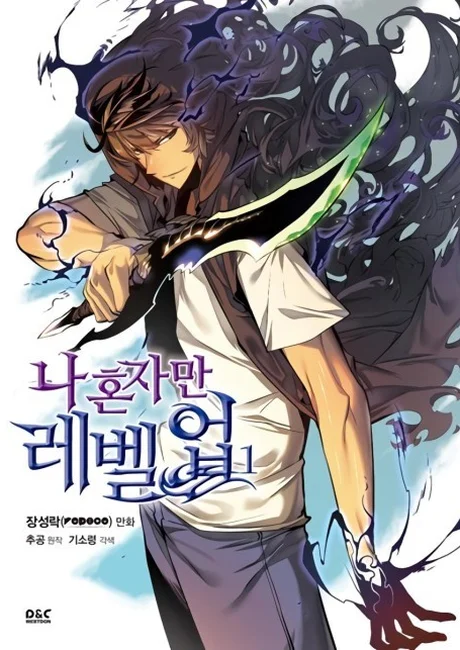 Solo Leveling cover art.
7. Solo Leveling
Listed last because it's the most frequently misrecommended as manhwa like ORV, and the contrast clarifies what actually makes a series qualify.
Solo Leveling and ORV are both big-budget adaptations of Korean web novels, and the visual polish is comparable. The system fantasy scaffolding uses similar Korean dungeon-hunter vocabulary. These are the similarities. The narrative premise is opposite: Sung Jinwoo being the System's only player isolates him from everyone around him. His power separates him from normal hunters, from the people he cares about, from the very stakes that would put him at risk. ORV's Kim Dokja is valuable because of the people around him; Solo Leveling's Jinwoo is valuable despite them.
Read Solo Leveling if you want a clean, excellently paced wish-fulfillment with the best art in the genre. Read it after ORV, not instead of it.
AniList records 201 chapters from March 2018 to May 2023, and its synopsis puts the contrast plainly: a mysterious System chooses Jin-U as its sole player. For series that scratch the same itch without the isolation, see Manhwa Like Solo Leveling.
Where to read: Tappytoon, Manta, Webnovel, Tapas (closes March 31, 2027), Yen Press print | Status: Completed (AniList: FINISHED, 201 chapters)
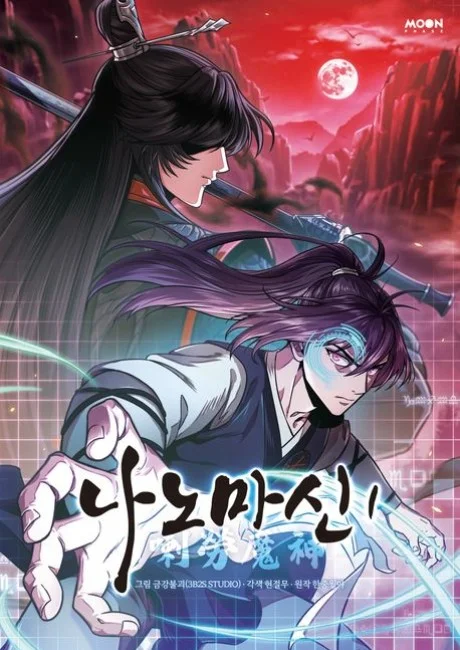 Nano Machine cover art.
8. Nano Machine
The outlier pick. Nano Machine's protagonist receives a nanobot injection from a future descendant who traveled back, which means his advantage is foreknowledge delivered from someone who's already lived his story. The reader-in-fiction relationship isn't there. But the tactical shape of navigating a world where you know which outcomes are possible produces similar thinking, and the murim cultivation setting gives you something different from the dungeon-hunter vocabulary every other pick here shares.
If you finished ORV and want manhwa like ORV but in a completely different genre register, this is the divergence point.
AniList credits the manhwa story to Geobalhan, the art to Geumgangbulgoe and the original story to Hanjung Worya. The setting is Mashin Academy, where Yeo-un competes against powerful half-siblings for a position as Minor Priest. WEBTOON updates it every Wednesday, though the web list only shows the earliest episodes and sends you to the app for the rest. Readers who want more fight-first series in the same lane can browse Best Martial Arts Manhwa 2026.
Where to read: WEBTOON (updates every Wednesday; the web list shows early episodes only) | Status: Ongoing (AniList: RELEASING)
Picking your next manhwa like ORV
Advertisement
Pick by what hit hardest in ORV. Choose Surviving Romance if it was the reader-in-a-novel premise, The Beginning After the End if it was the ensemble, Tower of God if it was the scale, and Solo Leveling only if you want clean wish-fulfillment. The detail below sorts it further.
If the meta-narrative layer (Dokja as a reader of the story) was the main draw: Surviving Romance first, then Trash of the Count's Family. Both are manhwa like ORV in the structural sense.
If the ensemble weight and character attachment were the draw: The Beginning After the End, then SSS-Class Revival Hunter. These are manhwa like ORV in the tonal sense.
If the system world and scale were the draw: Tower of God, then SSS-Class Revival Hunter.
If you want the genre's visual ceiling with less narrative demand: Solo Leveling.
The ORV reading guide covers novel vs. manhwa, where to start, and why the source web novel is worth reading as a complete work after finishing the manhwa adaptation. Omniscient Reader's Viewpoint Reading Guide →
For the broader landscape of system fantasy (including manhwa like ORV in the system-world sense rather than the meta-narrative one), the best system fantasy manhwa list covers the full genre with rankings.
Frequently Asked Questions
What manhwa is most similar to ORV?
For manhwa like ORV specifically: Surviving Romance for the reader-in-fiction premise. SSS-Class Revival Hunter for the tonal range and protagonist voice. The Beginning After the End for ensemble weight at scale.
Why don't other manhwa replicate ORV exactly?
The reader-protagonist relationship to the source fiction is genuinely singular. Dokja's identity is built around being the reader of one specific story. No other major manhwa commits to that premise at ORV's emotional depth.
Is the ORV web novel worth reading?
Yes. The manhwa covers the same story but the novel is complete. The manhwa's visual production is exceptional: Sleepy-C's art on the constellation sequences is some of the most inventive panel composition in the format. Both are worth experiencing. The novel is the complete version.
When does ORV Season 1 end?
The manhwa has Episode 308 (June 1, 2026) as the latest on WEBTOON's web list, with the page noting 4 newer app-only episodes,. The series is on a season break, and WEBTOON displays a will-return notice. New readers starting now can catch up to the current release and then wait for the manhwa to resume.
Is Trash of the Count's Family as dark as ORV?
No. TotCF is substantially lighter. ORV's emotional cost comes from watching characters Dokja loved as fictional people make sacrifices as real ones. TotCF uses the same structural entry point (reader into novel) but handles the consequences with far less weight. Both are worth reading; they're different experiences.
Related Reading
- Omniscient Reader's Viewpoint Review →
- SSS-Class Revival Hunter Review →
- Omniscient Reader's Viewpoint Reading Guide →
- Omniscient Reader's Viewpoint Character Guide →
- Manhwa Like The Greatest Estate Developer: 7 Picks: engineering competence, deadpan comedy, and political escalation after ORV.
- best system fantasy manhwa
- Omniscient Reader's Viewpoint Reading Guide