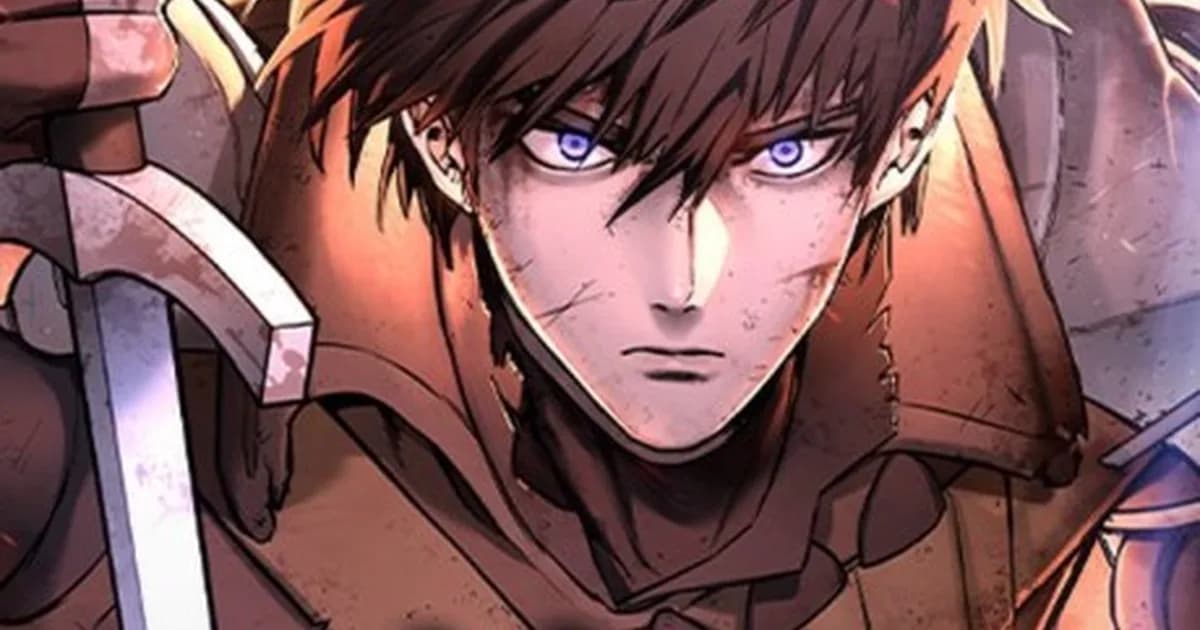

Doom Breaker review: the regression genre has a consistency problem. Most series use time travel as a power unlock, where the protagonist returns to the past, applies future knowledge to become individually dominant, and the emotional stakes quietly evaporate somewhere around chapter 30 when it becomes clear nothing can stop them. Doom Breaker knows this, and builds its structure around resisting it.
Reviewing
Doom Breaker
Cheongdam (Blue-Deep) · WEBTOON
Score
Pros
- Power cost mechanics are structurally original: abilities that can only be used three times in a lifetime change how every fight reads
- Zephyr carries genuine emotional weight from chapter one; he's already failed, and the story doesn't let him forget it
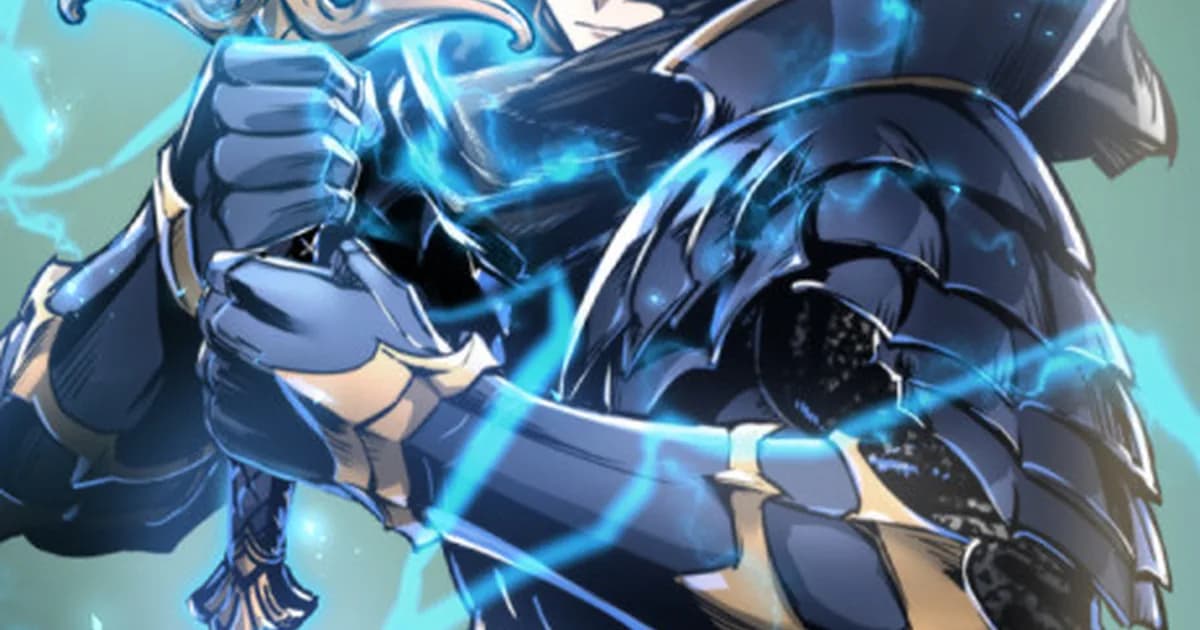
- Fight sequences are kinetic and raw in a way that distinguishes them from the polished spectacle of comparable series
- Season 2 ends with a complete finale, not a cliffhanger, which makes the current hiatus far less damaging to the reading experience
Cons
- The official English listing has no Season 3 return date, so the continuation timing remains uncertain
- The slave-brand constraint in early chapters slows momentum significantly; some readers won't get through it
- 101 chapters feels short given the scope of the world being constructed
Verdict
Doom Breaker earns its rating by doing things the regression genre rarely attempts: it treats foreknowledge as a burden, not a cheat code, and builds a protagonist who carries the weight of a world that already died once.
TL;DR: Doom Breaker review: 8.5/10. Its 101 published chapters cover two complete seasons, and the official English listing is paused after the Season 2 Finale with no return date shown. Read it for grief-driven regression and costly powers, not pure wish fulfillment.
Zephyr was humanity's last surviving warrior. He fought to the end. He watched the gods abandon the world to the demons, held the line until Tartarus (god of destruction) killed him personally. The gods who had watched his battles for their own entertainment granted him a second chance. They sent him back ten years into the past.
He woke up as a branded temple slave with no power, no status, and no allies. Just his memories, and complete knowledge of every coming catastrophe.
Rating: 8.5/10
Doom Breaker review: key takeaways
- Doom Breaker review: 8.5/10, one of the regression genre's more emotionally honest entries
- 101 chapters total: Season 1 (episodes 1-60) and Season 2 (episodes 61-101), both complete
- Season 2 ends with a story-complete finale, not a cliffhanger
- The official English listing is paused after Episode 101, and no Season 3 return date is shown
- Available free on WEBTOON (official English); Korean original on Naver Webtoon
- Print volumes from WEBTOON Unscrolled (Vol. 1 ISBN 9781990259883)
Overview
Doom Breaker is a Korean webtoon written and illustrated by Cheongdam (pen name Blue-Deep), published as a WEBTOON Original on Naver Webtoon with an official English release on webtoons.com. The series ran to 101 chapters across two complete seasons: Season 1 (Episodes 1-60) and Season 2 (Episodes 61-101), with Season 2 concluding in March 2024 with a story-complete finale. The current official English listing remains paused after Episode 101 and shows no return date. Physical print volumes are available through WEBTOON Unscrolled (Volume 1 ISBN 9781990259883).
The premise: Zephyr was humanity's last surviving warrior. He fought to the end, watched the gods abandon the world to the demons, and held the line until Tartarus killed him personally. The gods who had watched his battles for entertainment granted him a second chance, sending him back ten years into the past. He woke up as a branded temple slave with no power, no status, and no allies, only his memories and complete knowledge of every coming catastrophe. The slave brand is structural rather than incidental: it kills anyone who strays too far from the institution that branded them, physically constraining Zephyr from acting directly on his foreknowledge. The series targets readers who want regression manhwa built on grief and accumulated knowledge rather than the clean power-fantasy escalation that defines most of the genre. 101 chapters is short for the scope of world it constructs, and the ongoing hiatus is a real consideration before starting.
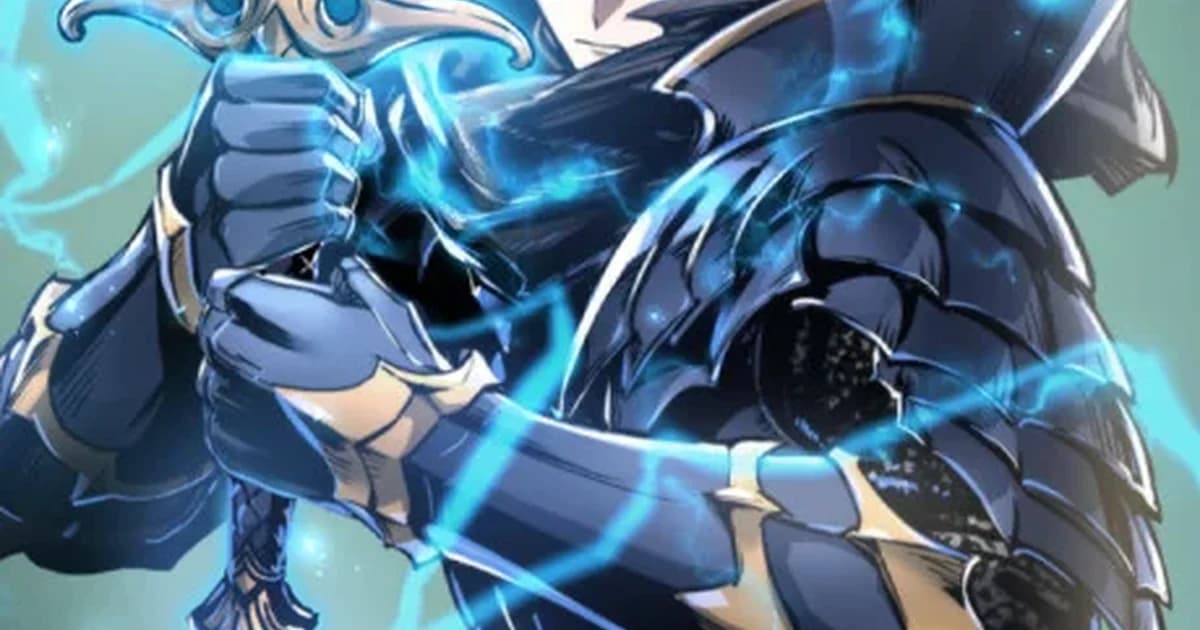
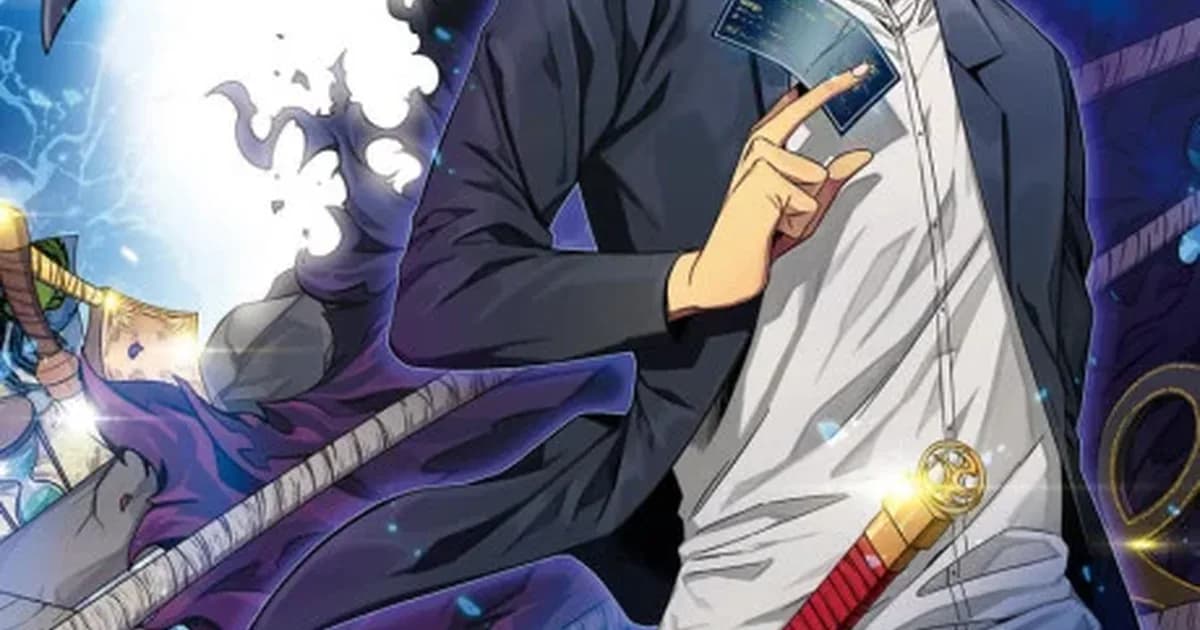
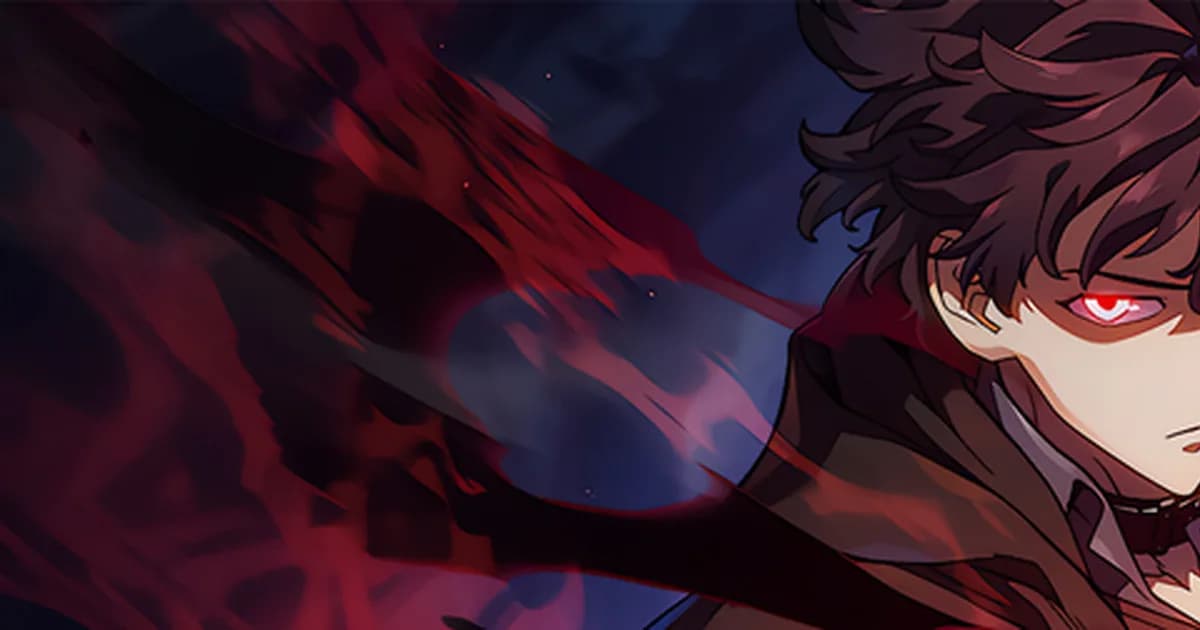
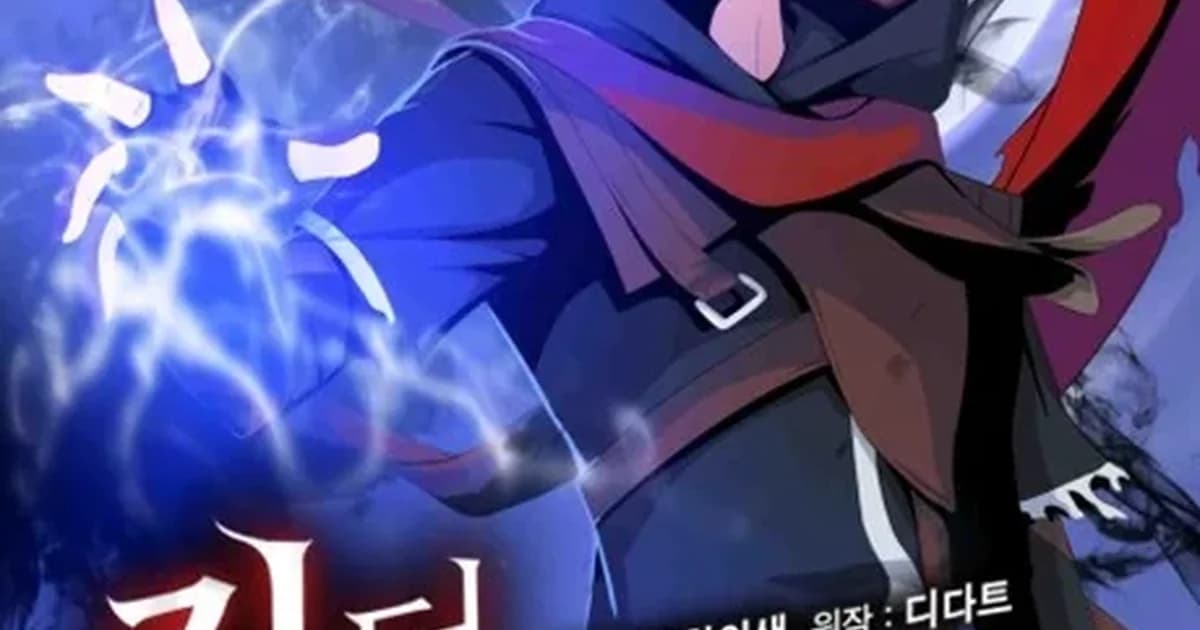
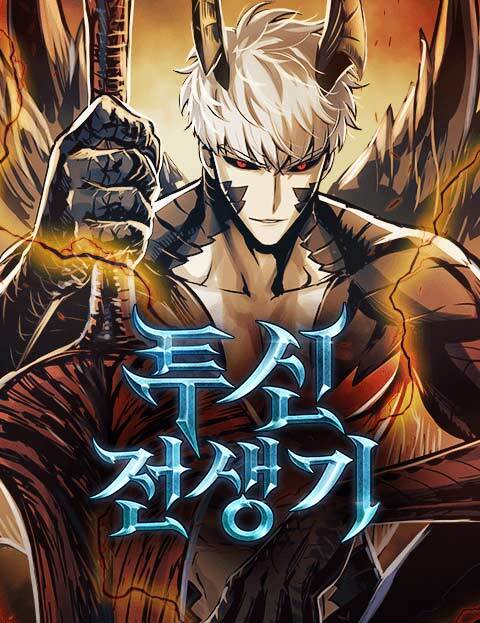 Doom Breaker's visual identity: high contrast dark fantasy art that consistently lands above average for the regression genre.
Doom Breaker Review: What the Premise Actually Does
The slave brand is doing structural work that deserves recognition. It kills anyone who strays too far from the institution that branded them. Zephyr can't simply walk out of the temple, gather allies with his foreknowledge, and begin building toward the future. He's physically constrained. The brand turns the opening arc into a problem of knowledge without direct power: he knows what's coming, knows exactly which demons will attack which settlements, and cannot act on most of it.
This forces the writing to find other solutions. Zephyr has to work within systems he despises, build trust he doesn't feel, and solve problems laterally rather than through the direct application of future power. It's slower. Some readers won't stay through it. But the constraint is earned, and it defines the series' emotional logic: foreknowledge is not the same as control. He lived through the world ending once. He has not yet figured out how to stop it from ending again.
The gods' gifts reflect the same logic. Abilities usable only three times in a lifetime. Spells that accumulate damage until mana runs out, then deliver it all at once. Nothing is free. Nothing scales infinitely. Every significant action has a cost that shapes how the fight reads, because you're watching someone spend a finite resource, not demonstrating unlimited capability.
Compare this to the structure of most regression series, where the protagonist's abilities exist primarily to enable spectacle and the question is never whether they'll win but by how much. In Doom Breaker, that question is live until it isn't.
The Doom Breaker reading guide covers how the 101 chapters break down by arc if you want a look at the structure before committing.
Art & Story
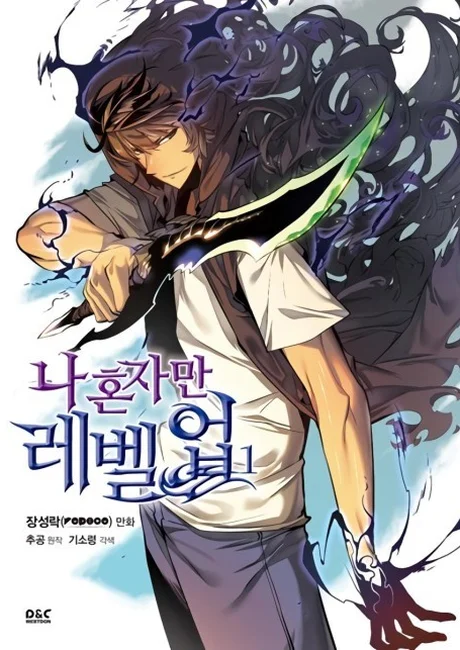 Solo Leveling is the most common entry point for readers drawn to Doom Breaker's dark-fantasy regression structure.
Cheongdam writes and illustrates. That's worth noting, because the art doesn't read like it's being produced under the typical WEBTOON division-of-labor arrangement. It has an idiosyncrasy to it that consistent author-artist solo work tends to produce.
The fight sequences are the most discussed aspect of the art, and the praise is accurate. They're kinetic and raw in a way that distinguishes them from the polished spectacle of Solo Leveling or The Beginning After the End. Solo Leveling's fights are beautiful. Doom Breaker's fights look like something is actually at stake. The linework in combat scenes prioritizes impact over elegance. Bodies move with weight. Damage reads as damage. There's a chapter in the mid-season-one run (Zephyr's first real confrontation with a demon he knows will return in a worse form later) where the panel composition uses close framing and abrupt angle cuts to produce genuine unease. It's not a victorious sequence. He survives. That's the whole win.
The tonal register across the series is darker than most of the genre. This isn't a complaint; it's accurate to what the story is trying to do. Zephyr is not rebuilding toward a triumphant future. He's trying to stop a catastrophe he already watched happen. The emotional baseline is grief, not ambition. That's an unusual starting point, and the art commits to it consistently.
White Rose, the nun at the temple who cheerfully suggests Zephyr sell his organs when he runs out of options, is the series' main concession to dark comedy. She works. The absurdity of her pragmatism against Zephyr's grim intensity creates contrast that makes early chapters readable without softening the core tone.
The Regression Premise: What Doom Breaker Does Differently
Most regression manhwa asks: what would you do if you could go back and do it right? The protagonist's rage is usually directed at the specific people or events that caused their original failure, and the regression becomes a revenge arc layered over a wish-fulfillment story.
Doom Breaker asks something more uncomfortable: what if you went back and the world was still going to fall apart, and this time you had to watch yourself make the choices that might cost you everything, knowing exactly how bad it will get?
Zephyr doesn't return as an underdog with a secret advantage. He returns as someone who already lost. The rage is real (at the gods who abandoned humanity, at the system that left him as a slave in the one timeline where he had the chance to change things), but it doesn't resolve into a clean engine for a wish-fulfillment story. It's more complicated than that.
The comparison to Solo Leveling clarifies what Doom Breaker is choosing not to be. Solo Leveling is a clean wish-fulfillment story: Sung Jin-Woo moves from the weakest hunter to effectively a god, the art celebrates that trajectory, and the emotional stakes are calibrated to feel earned but not too costly. It's excellent at what it is. Doom Breaker is rawer and more personal. The stakes feel like they cost something. That's a different kind of excellent, and not every reader will prefer it.
For readers who've worked through the manhwa-like-nano-machine reading list and found the murim-system entries satisfying but wanting more emotional weight in the protagonist, Doom Breaker is the likely next step.
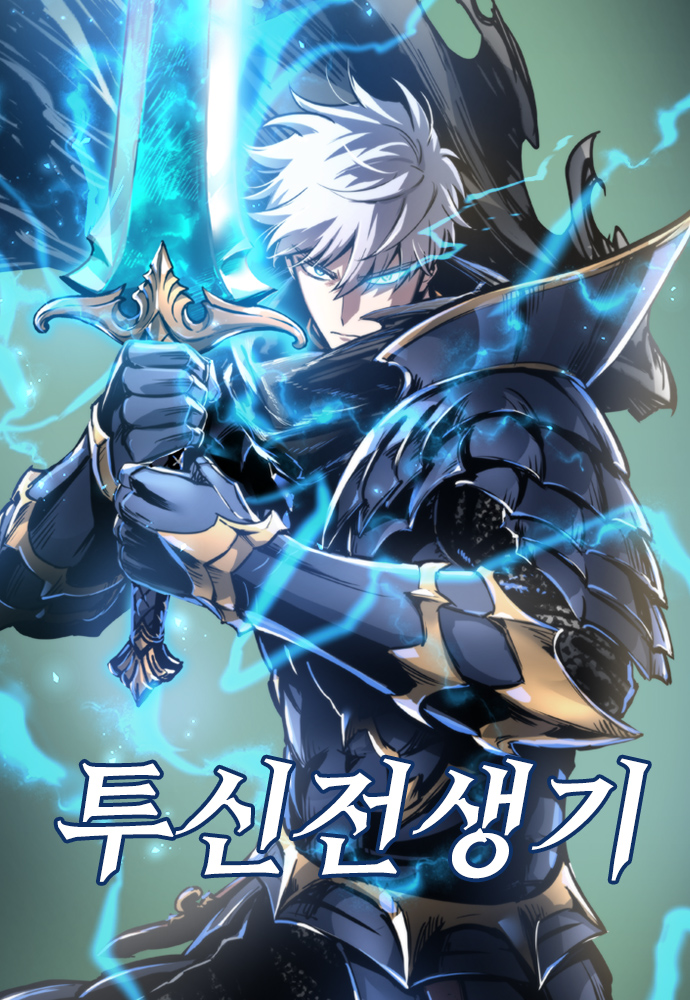 Doom Breaker's art commits to its tone. The series looks like what it is: grief-driven regression, not triumphant wish-fulfillment.
Verdict
The Good
- The slave-brand constraint makes foreknowledge a burden and forces lateral problem-solving.
- Season 2 reaches a story-complete finale rather than ending on a cliffhanger.
The Cons
- The official English listing shows no return date after the Season 2 Finale.
- The first arc's slave-brand premise and the 101-chapter run may feel slow or short for some readers.
Solo Leveling is the first recommendation after Doom Breaker for readers drawn to the regression-plus-power-escalation structure.
Doom Breaker earns its 8.5 by attempting things the regression genre usually avoids. The slave-brand constraint makes early chapters slower than most readers expect from the format, and that's a real cost in terms of accessibility. 101 chapters is genuinely short for what the series is building. The hiatus situation is uncertain. Medical delays are not a character flaw, but they're also not nothing.
What the series does with those 101 chapters is use the structural logic of regression to explore grief rather than ambition. Zephyr is a protagonist who already failed, who carries that weight explicitly, and whose foreknowledge is presented as a burden and a tool rather than a cheat code. The power cost mechanics (three-use lifetime abilities, spells that accumulate and hit all at once) make every significant combat choice read as a real decision rather than a performance.
Season 2's complete finale matters more than it might seem. The official English listing is paused, not cut off mid-arc. What exists is a finished story arc, not a cliffhanger, while the page provides no return date for the continuation.
Read it for the fight sequences, stay for the protagonist. If a darker emotional register sounds exhausting, Solo Leveling is still the better entry point to the genre. If you want a regression manhwa where something actually costs something, this is the one.
For a wider list of completed manhwa that reach a proper ending, the best completed manhwa guide covers the full range across genres.
Our best action manhwa list covers top dark fantasy and revenge-arc reads like Doom Breaker.
Best Action Manhwa 2026 →
Related Reading
- Doom Breaker Character Guide: The full named cast verified against AniList, including a Cayenne family relationship this review doesn't cover.
- Manhwa Like Doom Breaker: Grief-driven regression and dark fantasy picks for readers who want the same emotional register after finishing Doom Breaker.
- SSS-Class Revival Hunter Review: The other completed system-fantasy manhwa most Doom Breaker readers go to next, using death and power costs differently.
- Manhwa Like SSS-Class Revival Hunter: Recommendations organized by what drew you to the death-mechanic subgenre that Doom Breaker and SSS-Class both occupy.
- Manhwa Like The 31st Piece Turns the Tables: 3 Picks: names this series as the pick with a real stopping point during the ongoing wait
References
- Doom Breaker on WEBTOON: official English release, free with ads
- WEBTOON Unscrolled print volumes: physical edition publisher, Vol. 1 ISBN 9781990259883
Frequently Asked Questions
Is Doom Breaker worth reading? Yes, with awareness of the pause. The 101 chapters that exist are largely excellent. Season 1 establishes the premise and emotional stakes, Season 2 pays them off with a complete finale, and the official English listing shows no return date for the continuation. The current run is complete enough to be satisfying.
What is the Doom Breaker rating in this review? 8.5/10. The rating reflects original power cost mechanics, a protagonist with genuine emotional weight, exceptional fight sequences, and a complete Season 2 finale. Points withheld for the uncertain hiatus, early-chapter pacing issues, and a total chapter count that feels shorter than the world warrants.
How is Doom Breaker different from Solo Leveling? Solo Leveling is a wish-fulfillment story: Sung Jin-Woo moves from weakness to godhood and the art celebrates that arc with clean spectacle. Doom Breaker's Zephyr already lived through the world ending. His regression is driven by grief and rage, not ambition. The fights are rawer. The costs are real. The emotional register is entirely different.
Where can I read Doom Breaker in English? WEBTOON (webtoons.com) carries the official English release, available free with ads. The Korean original runs on Naver Webtoon. WEBTOON Unscrolled has published physical print volumes. Volume 1 is ISBN 9781990259883.
What is the slave brand mechanic in Doom Breaker? Zephyr is branded as a temple slave in chapter one. The brand kills anyone who strays too far from the institution that branded them, a physical constraint that prevents him from simply leaving and using his foreknowledge freely. It forces early-chapter problem-solving through knowledge and positioning rather than power.
Is Doom Breaker finished? Season 2 ended in March 2024 with a story-complete finale at Episode 101. The official English listing remains paused after that finale and shows no Season 3 return date.
Who wrote Doom Breaker? Doom Breaker is written and illustrated by Cheongdam, pen name Blue-Deep. She handles both story and art, relatively uncommon at this level of production quality for a WEBTOON Original.