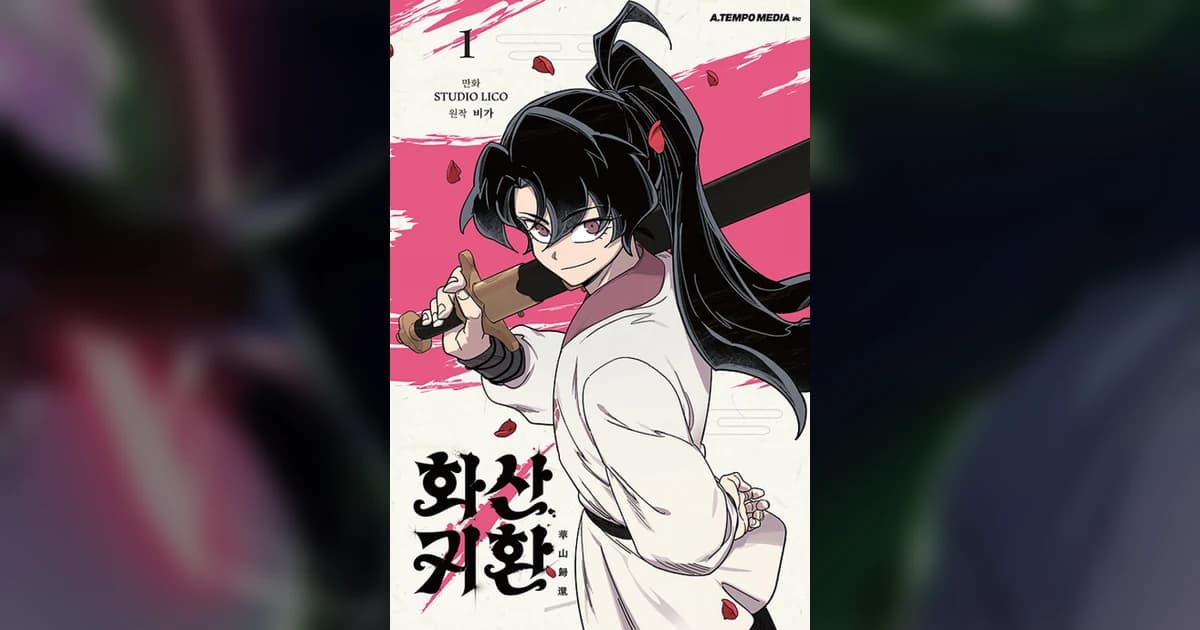
Return of the Blossoming Blade review: calling it a comedy murim manhwa gets the genre right but undersells what it actually does. The comedy isn't tone relief layered over a serious series. It's the structural logic of the premise itself, and understanding that is the difference between reading the first 30 chapters and bouncing, or reading them and staying for 130 more.
TL;DR: Return of the Blossoming Blade review: 9.1/10. Season 3 is active on WEBTOON at Episode 175. Cheongmyeong's comedy works because it grows from the same sect-rebuilding conflict that gives the martial-arts story its weight.
Season 3 started April 14, 2026 on WEBTOON. That's the most immediately relevant piece of news for anyone who put the series down after Season 2 ended in December 2024 and wondered when it was coming back: it came back. The 16-month gap is over.
Key Takeaways
- Return of the Blossoming Blade review: 9.1/10, a standout murim manhwa currently serializing
- Won the Presidential Award in the cartoon category at the 2022 Korea Contents Awards
- Three seasons, with Season 3 starting April 14, 2026 on WEBTOON, free to read; the current listing reaches episode 175
- Original web novel by Biga has 1,500+ chapters; fan translation at maehwasup.com is 900+ chapters
- The comedy works because it comes from character, not tone
- Cheongmyeong is not a standard regression protagonist. His limitations are as important as his abilities
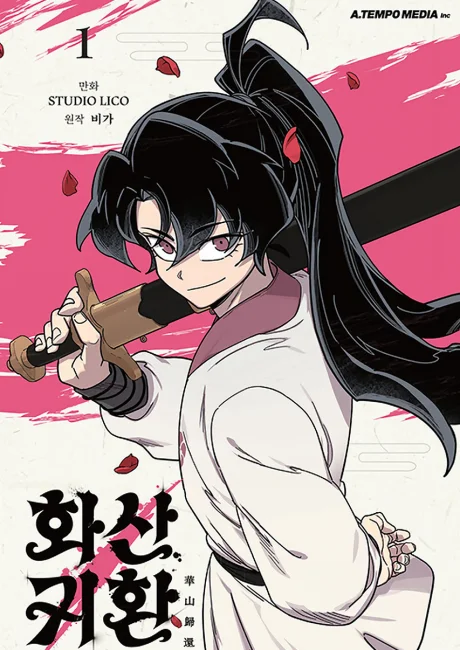 Return Of The Blossoming Blade.
Return of the Blossoming Blade review: Overview
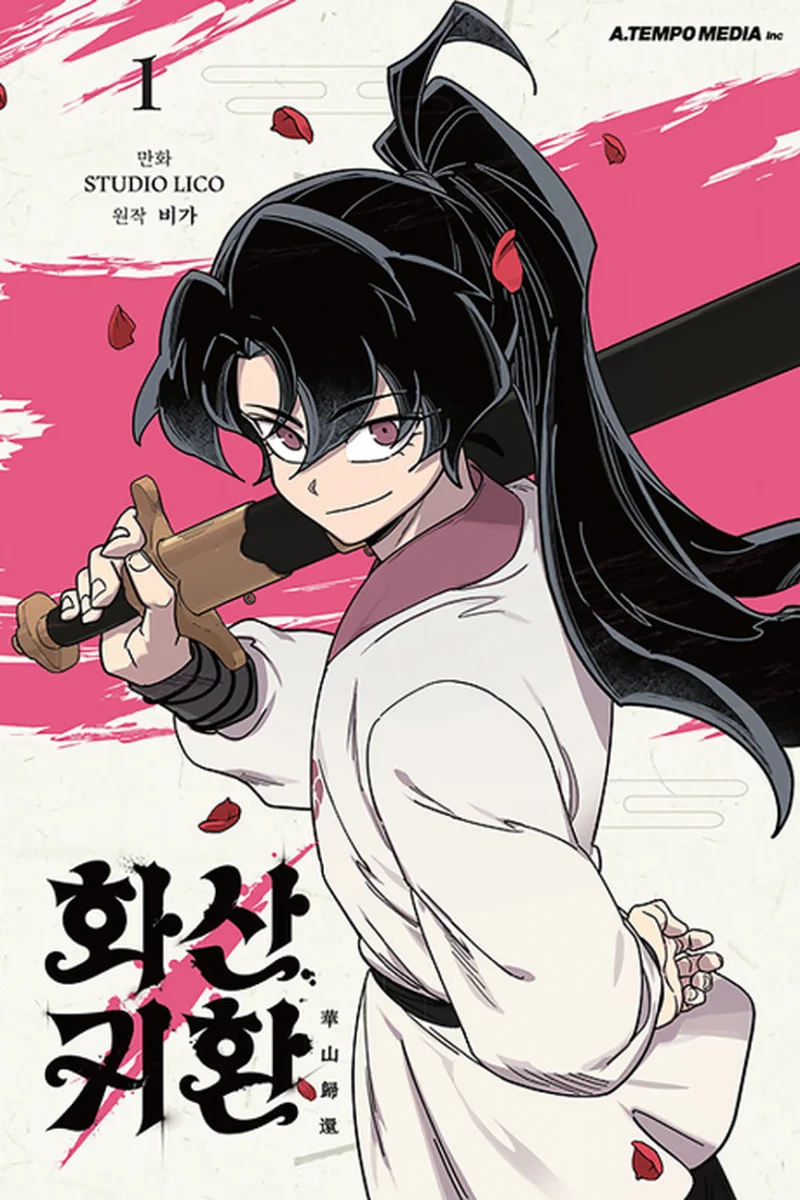
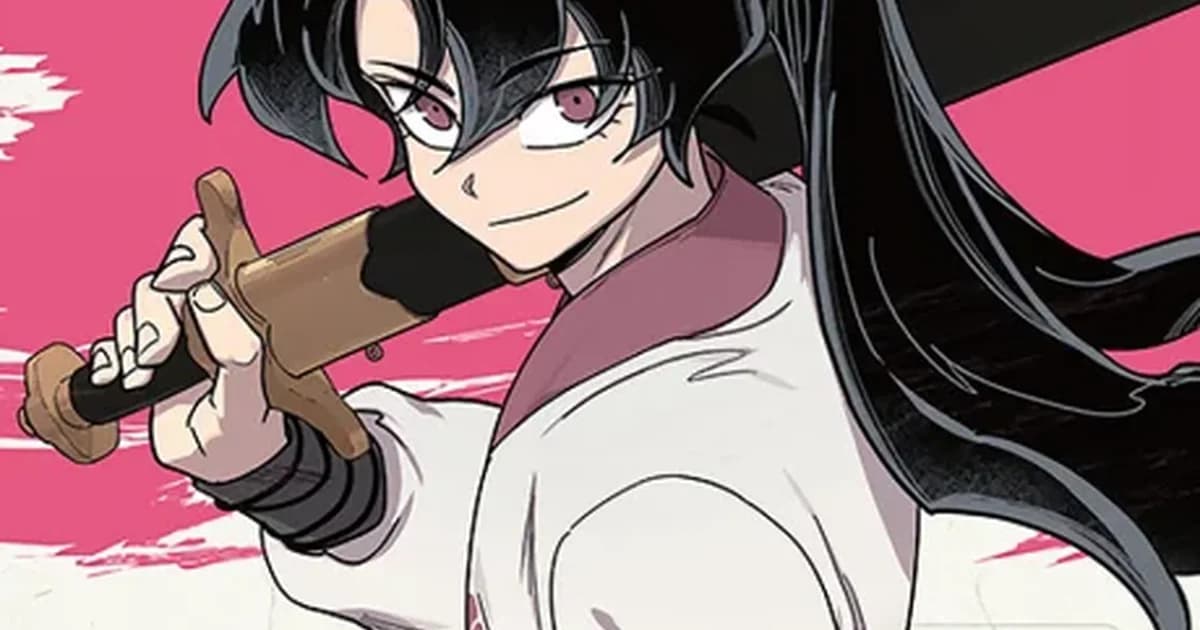
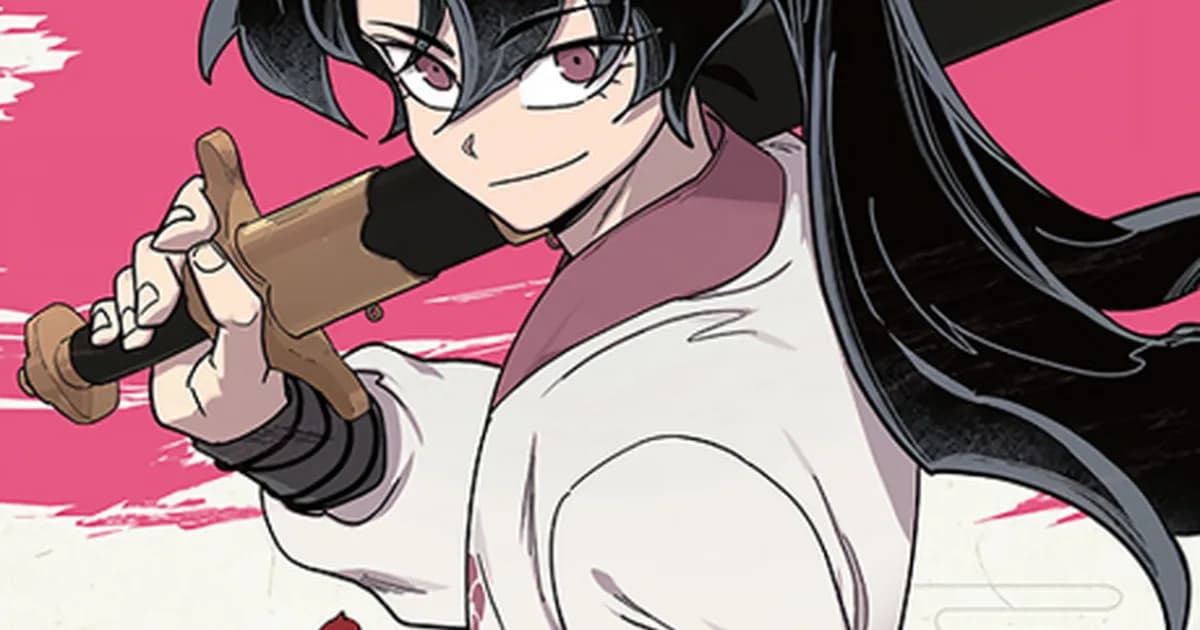
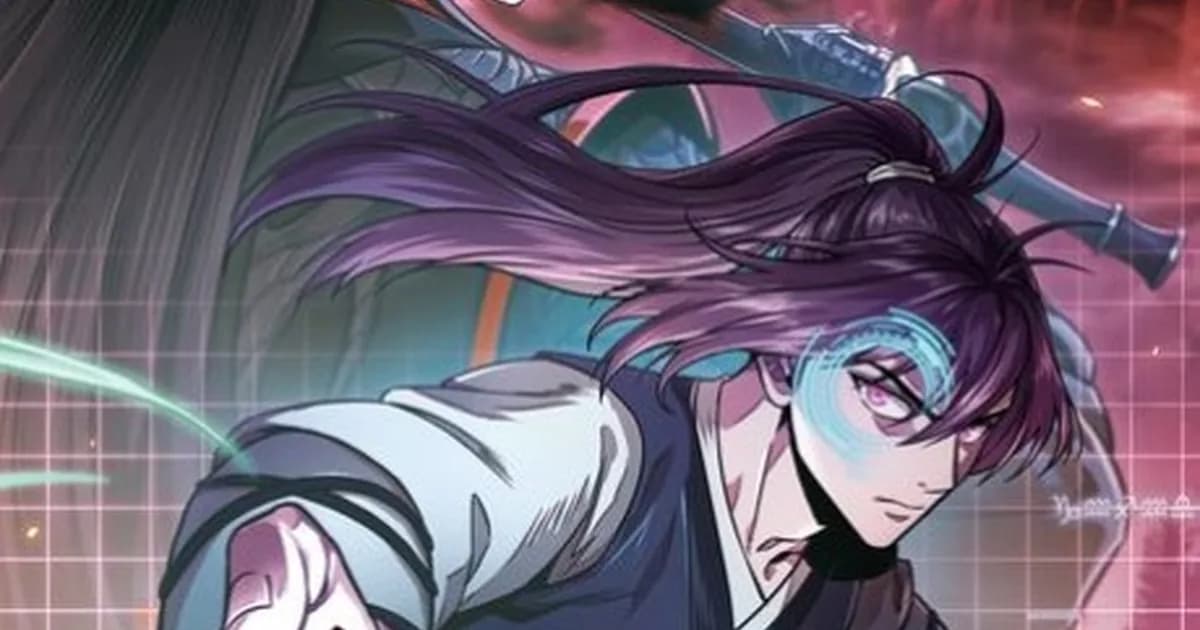
Cheongmyeong was the Plum Blossom Sword Saint. The most powerful swordsman of the Mount Hua Sect, killed a century ago in a final battle against Cheonma, leader of the Demonic Cult. Both died. The Demonic Cult's threat ended. So did Mount Hua's era of greatness.
He wakes up as a 15-year-old in the declined, contemporary Mount Hua Sect. His memories are intact. His century-old standards are intact. The sect around him is not what those standards expect.
The setup for Return of the Blossoming Blade is essentially this gap: a pragmatist from 100 years ago, with peak martial arts standards from a dead era, operating in a sect that has normalized mediocrity for so long that mediocrity looks like normal. His job, as he sees it, is to fix this. The comedy comes from how he sees that job compared to how the modern sect sees it, and from the difference between what Cheongmyeong considers obvious and what everyone else considers unreasonable.
Most regression manhwa use the protagonist's past-life knowledge as a power cheat. Return of the Blossoming Blade uses it as a perspective gap. Cheongmyeong is effective not because he remembers a secret technique, but because he applies the standards of an era where sect survival was a daily problem rather than an assumption. The stakes he trains his disciples toward are the stakes the modern sect hasn't had to face yet.
When those stakes arrive (when the threats Cheongmyeong knows are coming actually come), the series earns its dramatic weight.
For new readers: the first 15-20 episodes run at a slower pace than the series finds later. The disciples are early in their development and the antagonists haven't fully arrived. Around episode 25, when the broader murim political context starts arriving in earnest, most readers who have stayed understand what the series is doing. The groundwork laid in Season 1's training sequences pays off in Season 2 in ways that make the early pacing feel deliberate rather than slow. Episode 40 is roughly the point where the series stops needing the goodwill readers extend to it. It has fully earned its reputation by then.
Art & Story: LICO and ARCHE's Visual Comedy and Combat
Advertisement
LICO and ARCHE's art manages both halves of what the series needs. The comedic expressions are exaggerated and readable. The gap between Cheongmyeong's contempt and the disciples' confusion is rendered in facial expressions that carry weight without breaking the panel flow. The visual grammar of comedy in manhwa often requires fast reads; their compositions are fast where they need to be and slow where the dramatic beats require it.
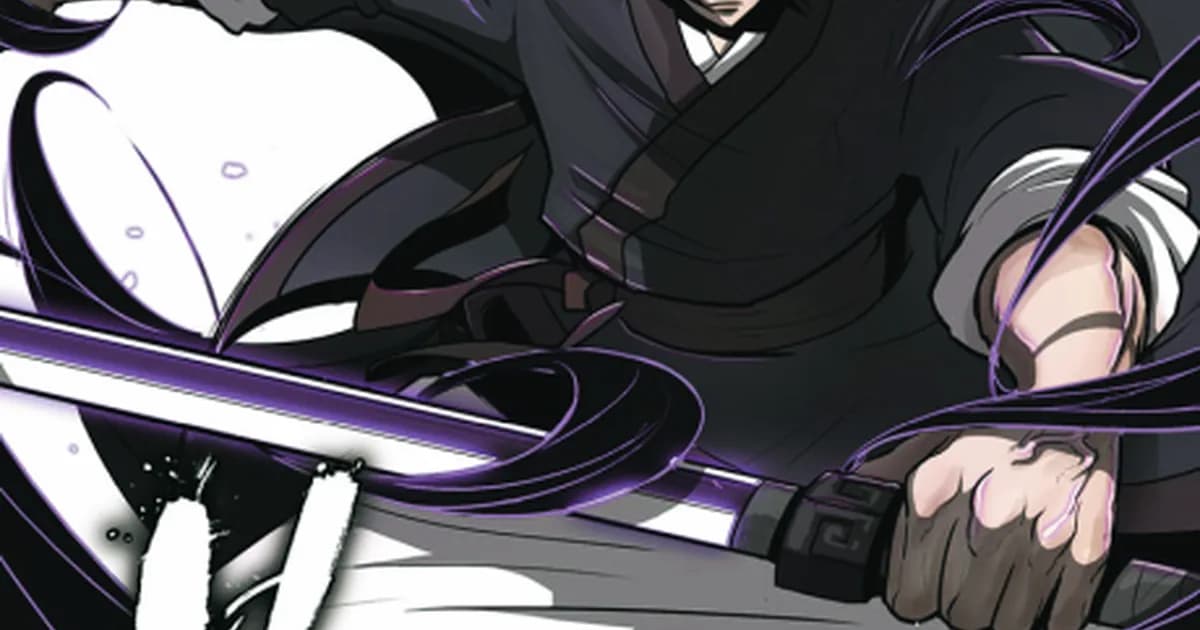
The combat art is where the series earns the murim label. The choreography in Return of the Blossoming Blade's fights is technically detailed without being cluttered. Cheongmyeong's sword techniques read as distinct from the other characters' styles. The speed of an exchange against a true master versus a training bout against sect disciples is visually differentiated rather than just stated in narration. This matters across 175 episodes because the combat needs to escalate in legibility, not just in stakes.
The shift in tone from Season 1 to Season 3 is significant. Season 1 leans heavy on comedy because the gap between Cheongmyeong's expectations and the sect's current state is at its widest. The disciples develop. Mount Hua starts re-engaging with the wider murim world. The threats Cheongmyeong has been training toward stop being hypothetical. The comedy doesn't disappear. It lands harder, because now you understand what's behind it.
Why the comedy works (and why it matters)
Most murim manhwa either go grim or sprinkle in jokes as tension-breakers. Return of the Blossoming Blade doesn't do either. The comedy is an expression of the premise. Cheongmyeong's perspective creates humor because he's the only character who understands how serious the actual situation is.
His disciples think training five hours a day is intense. Cheongmyeong thinks they're resting. His contempt for their laziness is the comedy. But it's also the correct read: they are resting, by the standards of what they'll eventually need to face.
This means the comedy and the stakes are pointing in the same direction. When Cheongmyeong tells a disciple they're not good enough for what's coming, it's funny because of how he says it and because the disciple is offended by the bluntness. It's also true in a way the series later demonstrates. The series doesn't contradict its own comedy. It validates it through plot.
The Presidential Award at the 2022 Korea Contents Awards reflects this. The citation isn't for a good murim series that happened to be funny. It's for a series that integrated comedy and martial arts drama at the premise level in a way the genre hadn't previously achieved.
For the full reading guide (season breakdown, novel vs manhwa entry points, and what the 1,500-chapter Korean novel covers that the manhwa doesn't).
Return of the Blossoming Blade Reading Guide →
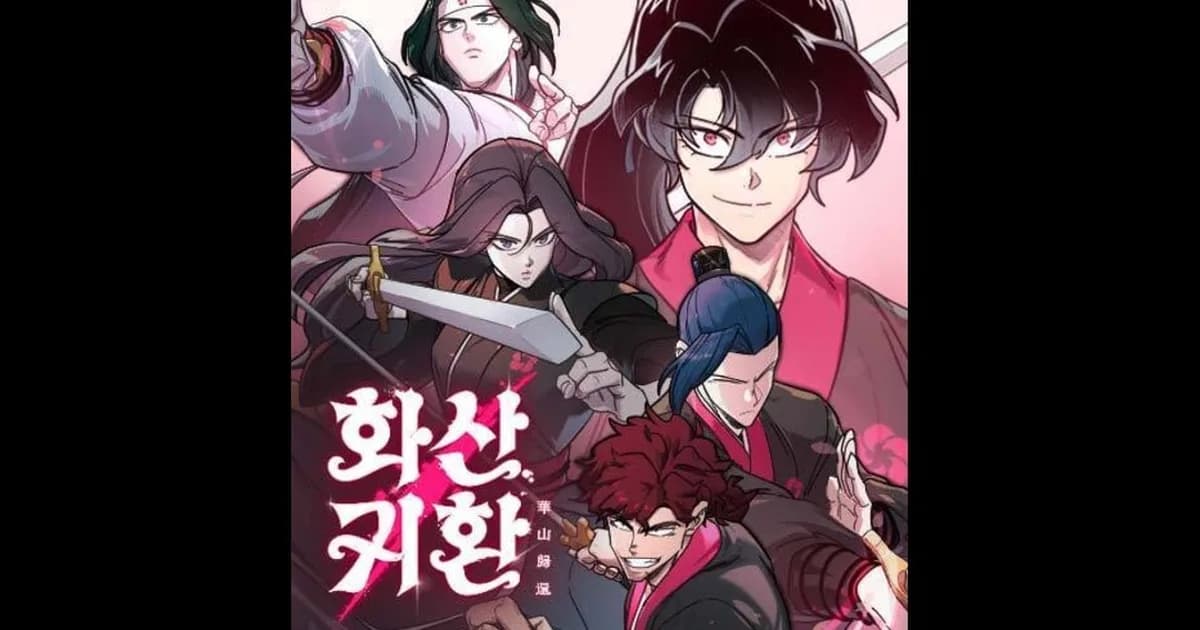
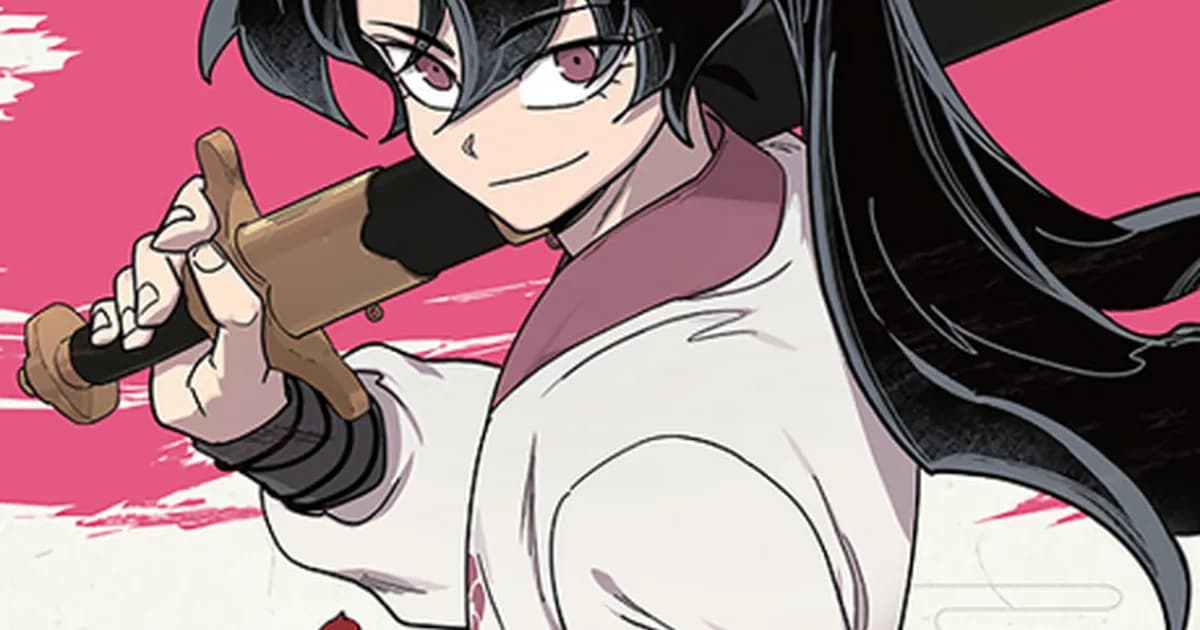
Season 3 and where the series stands in 2026
The 16-month gap between Season 2 (ended December 2024) and Season 3 (started April 14, 2026) was real, and readers who followed the series actively felt it. Anyone starting now gets to skip that wait entirely, which is a genuinely better reading experience than what active followers had in early 2026.
Season 3 opened at episode 153. The quality held. The hiatus didn't break the series' momentum. The season picks up with the larger murim confrontations that the earlier seasons built toward, and the comedy/drama balance the series built across two seasons is intact.
For readers who want more than the manhwa's current episode count, the web novel at maehwasup.com had 900+ chapters translated into English as of May 2026. The novel and manhwa tell the same story. The novel is simply much further ahead. Most readers who finish the available manhwa chapters move to the novel rather than stopping.
For broader context on murim and cultivation manhwa, best cultivation manhwa covers 12 picks in the subgenre. Return of the Blossoming Blade is the highest-rated comedy-first option on that list.
Return of the Blossoming Blade review: comparisons
The two obvious comparisons are Legend of the Northern Blade (completed, dark tone, similar sect-rebuilding premise) and Nano Machine (in its final arc as of mid-2026, sci-fi twist on cultivation mechanics). Return of the Blossoming Blade is lighter in tone than Legend of the Northern Blade and more grounded in traditional murim structure than Nano Machine.
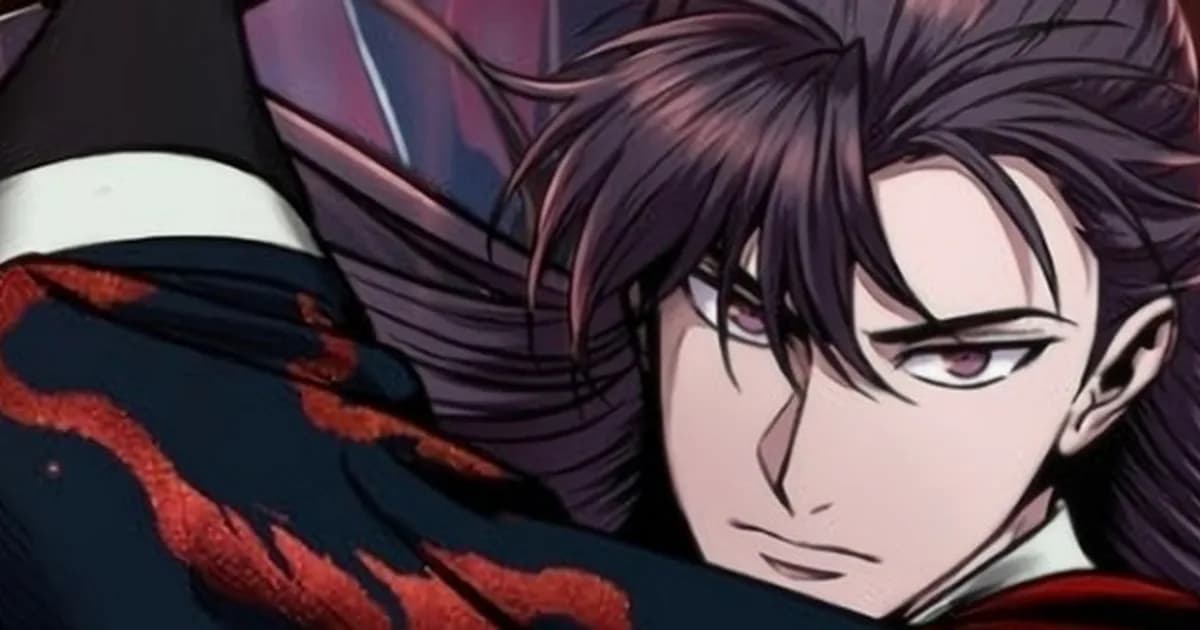
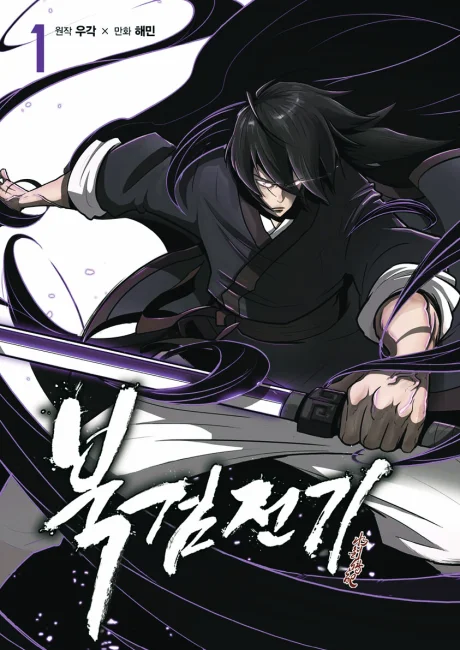 Legend Of The Northern Blade.
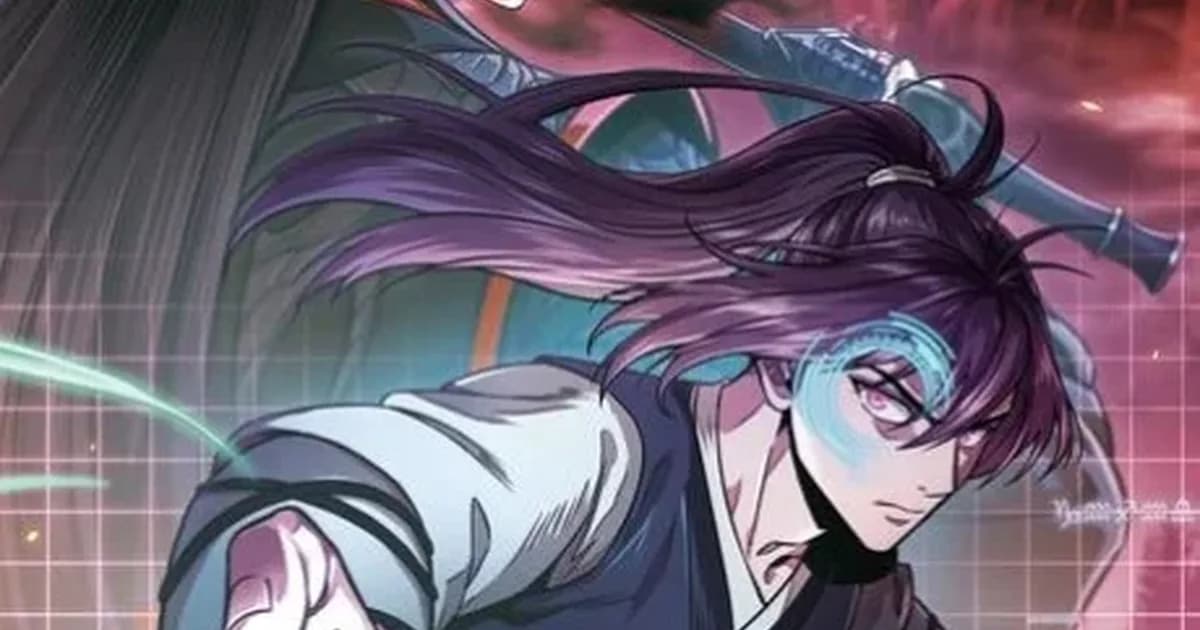
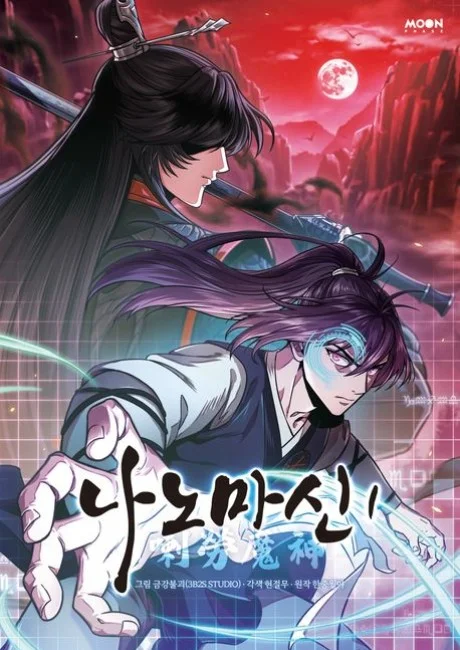 Nano Machine.
The comparison that doesn't get made enough is to The Breaker: the 2010 manhwa that built its master-disciple dynamic around genuine martial arts craft. Return of the Blossoming Blade has that same investment in what distinguishes martial arts schools from each other, what makes a technique actually good versus superficially impressive. Cheongmyeong is the series' technique standard, and every fight is implicitly a reference to him. For the full arc breakdown of that series, the The Breaker reading guide covers both parts and the New Waves continuation.
For readers deciding between options: if you want completed and tonally dark, read Legend of the Northern Blade first. If you want the longest ongoing murim series with the deepest political structure, Return of the Blossoming Blade is the pick. If you've read Solo Leveling and want something with comparable craft investment in a martial arts setting rather than a dungeon system, this series answers that directly. The appeal overlap between the two is real, even though the genres look different on the surface.
The best isekai manhwa list situates Return of the Blossoming Blade in the reincarnation subgenre. It's on that list because the premise technically qualifies, but the murim framing is more relevant to the series' actual character than the isekai genre conventions.
Verdict
Advertisement
The Good
- Comedy is structural rather than decorative, so the martial-arts stakes and jokes reinforce each other.
- Season 3 preserves the series' balance after the long break, with WEBTOON listing Episode 175.
The Cons
- The 16-month gap between Seasons 2 and 3 was a real interruption for readers following weekly.
- Early training chapters move more slowly than the later arcs.
This Return of the Blossoming Blade review rates the series at 9.1, the highest score on this site for any murim manhwa. That's not for novelty. It's for execution. Return of the Blossoming Blade is the series for readers who bounced off other murim manhwa because they're either too grim or too thin on material. The comedy doesn't make it lighter. It makes the serious moments land harder when they arrive. Season 3 confirmed the series hadn't lost anything in the 16-month gap.
The Presidential Award citation was accurate. This is a series that did something the genre hadn't done before, and did it well enough to sustain across 175 episodes with more still coming.
Rating: 9.1 / 10
Season 3 is actively serializing on WEBTOON. For the full cultivation and murim landscape, the best cultivation manhwa list covers 12 picks in the subgenre.
Frequently Asked Questions
Is Return of the Blossoming Blade good?
Yes. It won the Presidential Award in the cartoon category at the 2022 Korea Contents Awards. The series has a distinct premise, consistent comedic execution, and genuine martial arts stakes.
Is Return of the Blossoming Blade completed?
No. The manhwa is ongoing. Season 3 started April 14, 2026. The Korean web novel has 1,500+ chapters. This is a long-running series with substantial content ahead.
Where do I read Return of the Blossoming Blade?
Free on WEBTOON with an official English translation. Season 3 began April 14, 2026.
Is it the same as Return of the Mount Hua Sect?
Yes, same series. 'Return of the Blossoming Blade' is WEBTOON's English title; 'Return of the Mount Hua Sect' is the fan translation title.
What makes it different from other murim manhwa?
The comedy is structural, not decorative. It comes from the premise itself: a century-old swordsman with high standards operating in a sect that has accepted mediocrity. That gap generates the humor, and it's the same gap that generates the dramatic weight.
Who made it?
Original web novel by Biga, serialized on Naver from April 25, 2019. Manhwa adaptation credited to LICO and ARCHE, WEBTOON from March 2021.
How long is it?
175 manhwa episodes as of September 15, 2026, actively serializing. Web novel: 1,500+ Korean chapters, 900+ in English fan translation at maehwasup.com.
Related Reading
- Return of the Blossoming Blade Reading Guide: Arc-by-arc breakdown with where Cheong Myeong's training arc peaks.
- Manhwa Like Return of the Blossoming Blade: Six picks for readers who want more murim regression with elite training roots.
- Legend of the Northern Blade Review: The closest peer in murim revenge structure, different in tone but, same quality tier.
- Return of the Blossoming Blade Character Guide: AniList-verified names for Cheong-Myeong, the four disciples, Mount Hua leadership, and the Demonic Cult.
References
- Return of the Blossoming Blade on WEBTOON
- Return of the Blossoming Blade on AniList: status and staff metadata
- maehwasup.com: English fan translation of the novel
- 2022 Korea Contents Awards results (Presidential Award, cartoon category)
- Return of the Blossoming Blade on MyAnimeList
- Best manhwa to read in 2026