The best manhwa like Doom Breaker is A Returner's Magic Should Be Special. Both start with the strongest fighter left alive losing the last battle, and both send him back years to change it. A Returner's Magic is also finished, which matters while Doom Breaker sits on a break.
The other seven are sorted by what you liked: the regression itself, the revenge, or the feeling that nobody is safe.
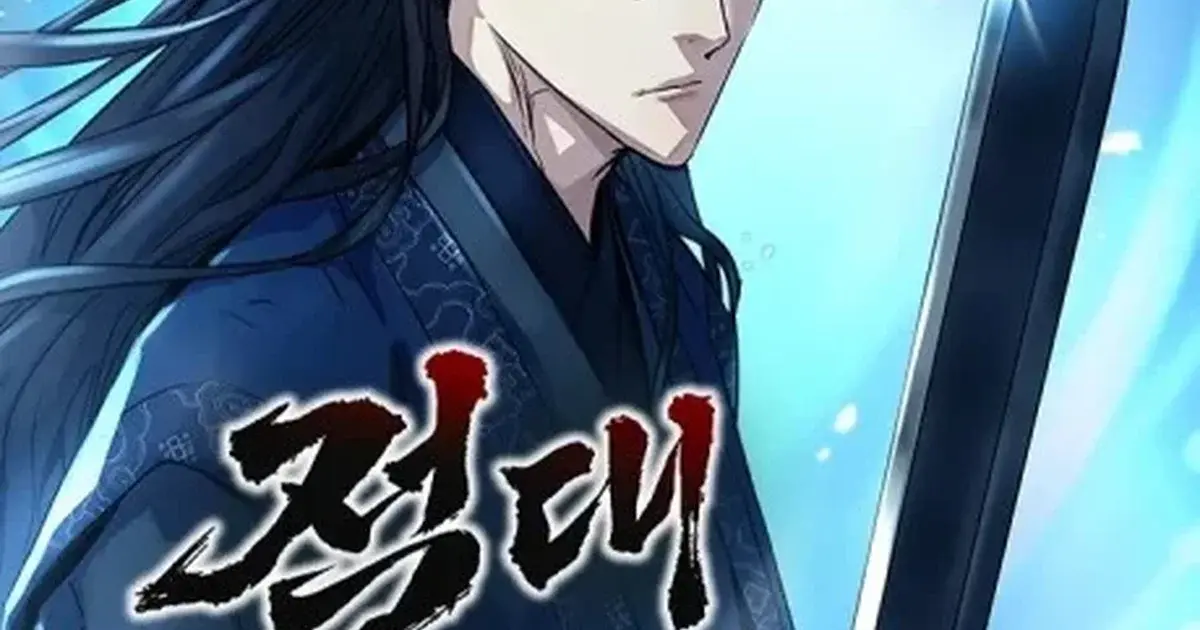
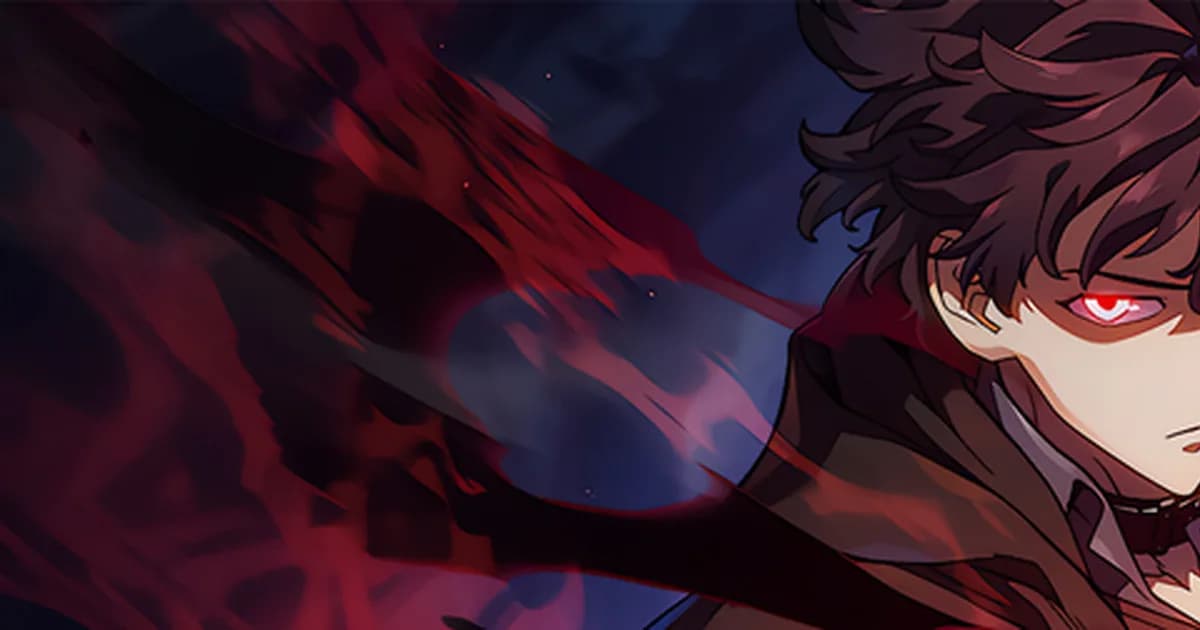
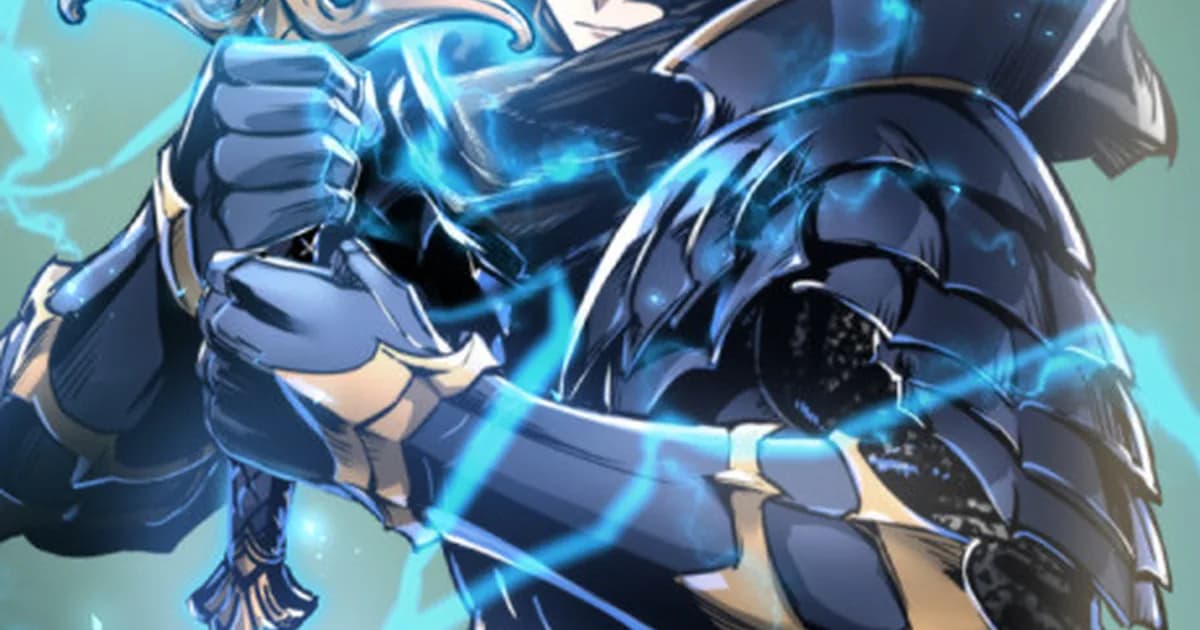
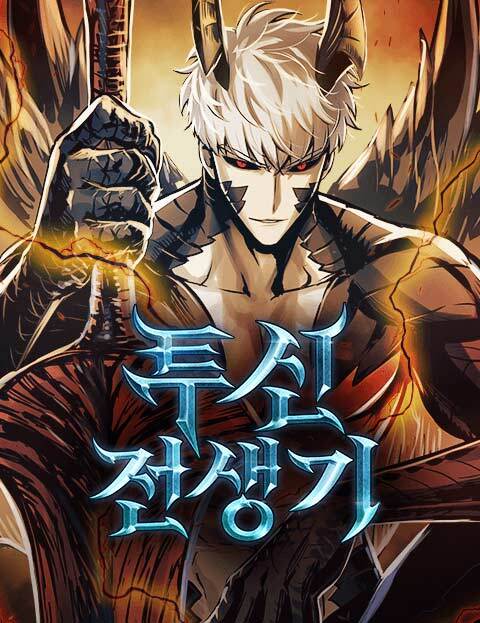 Doom Breaker (투신전생기), story and art by Cheong-Dam (Korean cover via AniList).
What manhwa like Doom Breaker need to have
Doom Breaker (투신전생기) is written and drawn by Cheong-Dam, credited as Blue-Deep on WEBTOON. WEBTOON's summary: Zephyr is "the last human fighting evil in a world abandoned by the gods." Tartarus, the god of destruction, kills him, and the gods who enjoy watching him fight send him "ten years into the past, back to when he was a slave."
So a good match needs three things: a hero who already lost, a second chance that costs something, and an enemy worth the revenge. Every pick below has at least two.
Where Doom Breaker stands: the last episode on WEBTOON is episode 101, the Season 2 finale, posted March 8, 2024, and nothing newer has been posted since. Our Doom Breaker reading guide covers the two seasons, and the Doom Breaker review has our verdict.
Doom Breaker official trailer from WEBTOON's YouTube channel.
Manhwa like Doom Breaker at a glance
| Series | Pick it for | English | Status |
|---|---|---|---|
| A Returner's Magic Should Be Special | Regression to stop the end | Tappytoon | Finished, 268 chapters |
| SSS-Class Revival Hunter | Dying as the power | Tapas | Season 4 done, on break |
| Return of the Blossoming Blade | Second life after the last battle | WEBTOON | Ongoing |
| Second Life Ranker | Revenge for a brother | Tapas | Season 3 done, on break |
| Legend of the Northern Blade | Revenge for a father | Tappytoon | Finished, 202 chapters |
| Omniscient Reader | Knowing how it ends | WEBTOON | On a season break |
| Bastard | Nobody is safe | WEBTOON | Finished, 94 chapters |
| Sweet Home | Nobody is safe, with monsters | WEBTOON | Finished |
Heads-up on Tapas: it shuts down on March 31, 2027, and episodes you unlocked there go with it. Second Life Ranker and SSS-Class Revival Hunter are the two Tapas picks here. Yen Press prints SSS-Class Revival Hunter in volumes; Second Life Ranker has no other English storefront listed yet. (What the shutdown means)
For the regression
1. A Returner's Magic Should Be Special
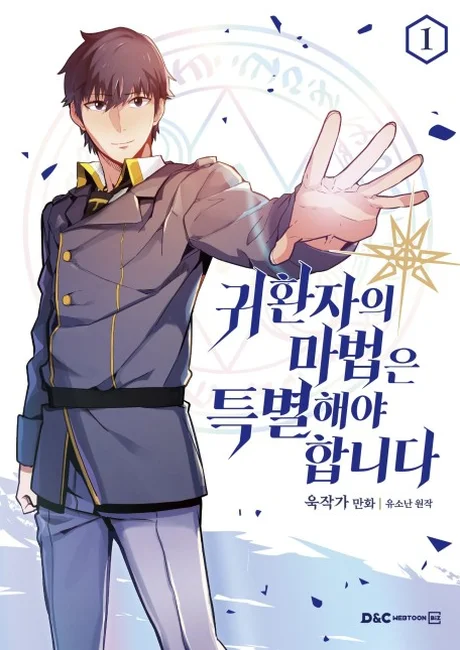 A Returner's Magic Should Be Special (귀환자의 마법은 특별해야 합니다), story by Usonan, art by Wookjakga (Korean cover via AniList).
This is the closest thing to Doom Breaker's opening. In Yen Press's words, "the survival of humanity hinges upon the success of just six mages," including Desir Herrman, and they lose. Desir wakes up at the start of his school days: "Desir has returned thirteen years back to the past."
Like Zephyr, he goes back knowing exactly who and what is coming. The difference is the setting: he restarts as a student, not a slave. It's finished at 268 chapters, on Tappytoon in English, with Yen Press print volumes. In an r/manhwa thread asking for more like Doom Breaker, one reader's list opened with "A returner's magic should be special." Our A Returner's Magic review has the full verdict.
2. SSS-Class Revival Hunter
Confucius Kim gets a skill that copies other people's abilities "at the cost of his life," and the first one he copies is "the ability to travel back in time upon death." Doom Breaker's gods give Zephyr one restart; this one turns restarts into the whole plan.
Pick it if the strategy of a hero who already knows how the fight ends was your favourite part. One r/manga reader asking for Doom Breaker matches got the reply "Suicide Hunter is fantastic" (it also goes by SSS-Class Suicide Hunter). Tapas has 154 episodes and announced a break after Season 4. Start with our SSS-Class Revival Hunter reading guide.
3. Return of the Blossoming Blade
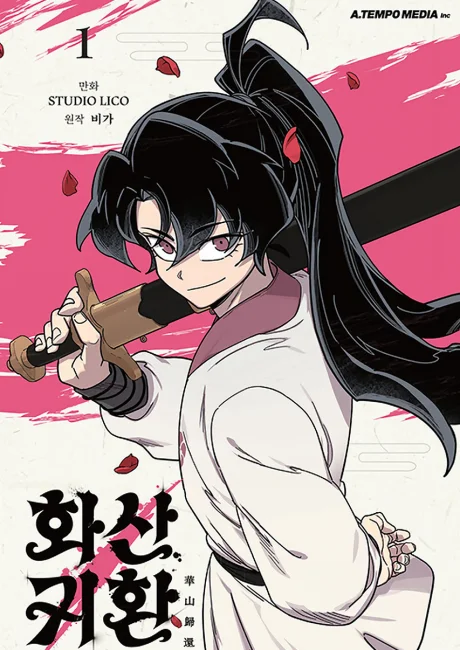 Return of the Blossoming Blade (화산귀환), story and art by LICO, original novel by Biga (Korean cover via AniList).
Cheongmyeong of the Mount Hua Sect dies after killing the Demonic Cult's leader, then "awakens a hundred years in the future" to find his sect "reduced to a mere shadow of itself." It's a second life rather than a trip back, but the shape is Doom Breaker's: a hero who won the last war at the cost of everything, given another go.
The murim setting gives it a different feel, with sects and martial arts in place of gods and dungeons. It's ongoing on WEBTOON, with new Season 3 episodes posting as of October 2026. Our Return of the Blossoming Blade review covers it in depth.
For the revenge
4. Second Life Ranker
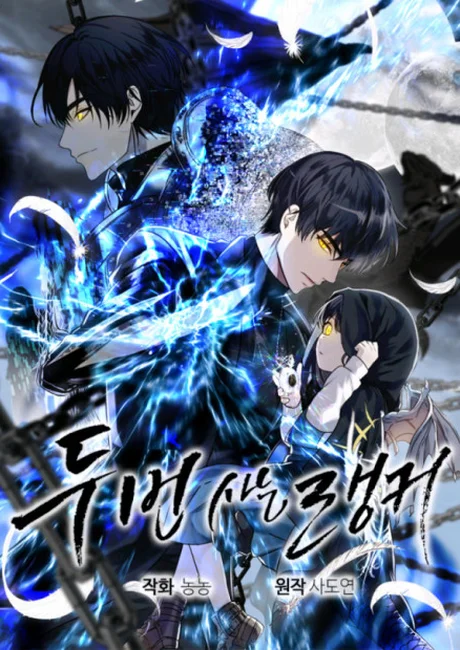 Second Life Ranker (두번사는랭커), art by Nong Nong, original story by Sa Do-yeon (Korean cover via AniList).
Yeonwoo learns his missing brother is dead, then finds out "he was betrayed while competing in the Tower of the Sun God." He goes into the tower with "the knowledge his brother left behind." That's not time travel, but it's the same advantage Zephyr has: a map of the danger, paid for with someone else's death.
If Doom Breaker's revenge against Tartarus was what kept you going, this is the pick where the revenge is for family. Tapas has 219 episodes and announced a break after Season 3 in April 2026. Our Second Life Ranker review has more.
5. Legend of the Northern Blade
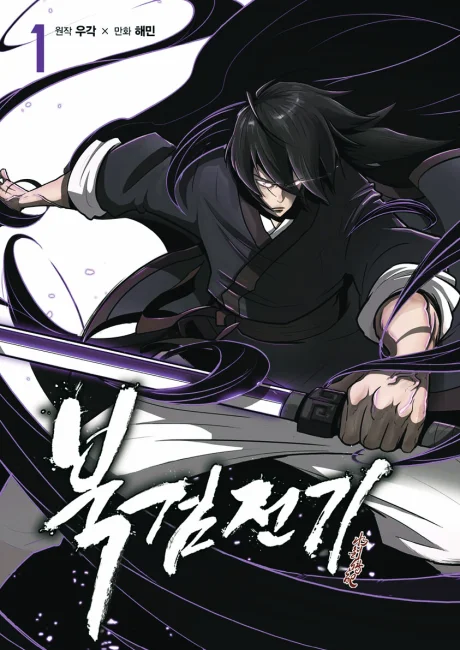 The Legend of the Northern Blade (북검전기), art by Hae-Min, original story by Woogack (Korean cover via AniList).
The Northern Heavenly Sect spent decades fighting "the evil Silent Night," until its leader was accused of colluding with the enemy and forced "to disband the sect and commit suicide to protect his son, Moowon." Moowon trains alone in the mountains, then comes back for revenge.
There's no regression here, so pick it if the revenge mattered more to you than the time travel. It's finished at 202 chapters and on Tappytoon in English. In the r/manga thread above, one reader's first suggestion for Doom Breaker fans was "Legend of the northern blade." Our Legend of the Northern Blade review explains why we rate it.
6. Omniscient Reader
Dokja is "the only person who knows how the world will end," because it's the plot of the web novel he read. Zephyr knows the future because he lived it; Dokja knows it because he read it, and both have to decide how much to change.
It's the longest series here. WEBTOON's latest episode is Episode 308, posted June 1, 2026, under the note "Omniscient Reader will return!" Our Omniscient Reader's Viewpoint review has the details.
For the feeling that nobody is safe
7. Bastard
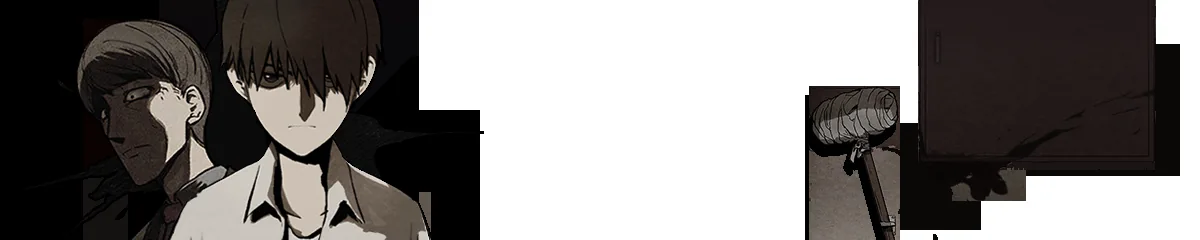 Bastard (후레자식), story by Kim Carnby, art by Hwang Young-chan (Korean cover via AniList).
No gods, no swords. Bastard is Kim Carnby and Hwang Young-chan's thriller about a bullied high schooler, Seon Jin, and WEBTOON's tagline sums up his problem: "There is a serial killer in my house!" The killer is his father.
It's here for the part of Doom Breaker where anyone can die. It's finished at 94 chapters and complete on WEBTOON. Our Bastard review has the full verdict.
8. Sweet Home
Same team as Bastard. A suicidal teenager moves into a run-down apartment block as people outside start turning into monsters that reflect their desires. It's finished, it's on WEBTOON, and Netflix adapted it. If it lands, our list of manhwa like Sweet Home keeps going.
Our Take
Of the manhwa like Doom Breaker here, read A Returner's Magic Should Be Special first: it's the same setup, and it has an ending. Then go by what you miss. Legend of the Northern Blade if it's the revenge, Return of the Blossoming Blade if it's the second chance, Bastard if it's the dread.
Skip the two Tapas picks for now unless you're happy reading them before the March 2027 shutdown, or buying SSS-Class Revival Hunter in print.
How We Checked This
On October 15, 2026 we checked each series against AniList (creators, Korean title, status, chapter count where finished), its English storefront (WEBTOON, Tappytoon or Tapas: summary, status, latest episode, hiatus notes), Yen Press's series pages, Tapas's shutdown notices and Anime News Network's report, the Doom Breaker trailer's YouTube listing and the two Reddit threads quoted above. The old version of this page got several plots wrong: Legend of the Northern Blade's hero is Moowon (Hae-Min is the artist), and the Silent Night is the enemy, not his legacy; Return of the Blossoming Blade's Cheongmyeong wakes a hundred years later rather than regressing before his sect falls; Desir goes back thirteen years with six mages, not ten with five. It also had Bastard two chapters short, a Solo Leveling cover, and claims about Doom Breaker's "slave brand" and "three-use ability" we couldn't source. The Beginning After the End is replaced by SSS-Class Revival Hunter.
Last reviewed: October 15, 2026
Related Reading
- Doom Breaker Reading Guide: both seasons and where the story stands.
- Doom Breaker Review: our verdict on the series.
- Doom Breaker Character Guide: the named cast, checked against AniList.
- Manhwa Like A Returner's Magic Should Be Special: more if pick 1 lands.
- Best Manhwa to Read in 2026: our wider list across genres.
References
- Doom Breaker on WEBTOON: summary, Season 2 finale date
- Doom Breaker on AniList: creator, Korean title
- A Returner's Magic Should Be Special on Tappytoon and Yen Press
- SSS-Class Revival Hunter on Tapas and Yen Press
- Return of the Blossoming Blade on WEBTOON
- Second Life Ranker on Tapas
- The Legend of the Northern Blade on Tappytoon
- Omniscient Reader on WEBTOON
- Bastard on WEBTOON
- Sweet Home on WEBTOON
- Tapas end of service notice