Our Who Made Me a Princess review lands at 8.0/10, and the score is for the father, not the romance. Athanasia wakes up as a baby princess who's destined to be executed by her own father, so the whole story is a child trying to make a cold emperor love her before he kills her. That part lands. The romance comes late and splits readers, and the anime is a weaker way in.
Reviewing
Who Made Me a Princess
Plutus (story), Spoon (art) · Seven Seas (English print)
Score
Pros
- The father-daughter relationship between Athanasia and Emperor Claude is the real subject, and it gets the room to pay off
- Spoon's art carries the emotional beats, and the series is finished with a real ending
- Baby Athanasia's adult inner voice makes the early chapters funny as well as tense
Cons
- Shelved as romance, but the romance arrives late and stays secondary
- Lucas and Athanasia ending up together splits readers; many say the build-up isn't there
- The Chinese animated adaptation changes the opening, so it's a poor first stop
Verdict
A finished isekai for readers who want a family relationship to carry the story more than a romance. Athanasia and Claude justify the read.
Fans call it WMMAP. The Korean original is 어느 날 공주가 되어버렸다 (Eoneu Nal Gongjuga Doeeobeoryeotda), written by Plutus and drawn by Spoon, and it's finished.
If you want the reading path rather than the verdict, our Who Made Me a Princess reading guide covers which app has the full run and how WEBTOON's restart works.
| Story / art | Plutus / Spoon |
| Length | 135 chapters, including ten extra chapters |
| Status | Finished, December 2025 (started December 2017) |
| Read in English | Tappytoon (complete), Tapas (complete, closing March 31, 2027), WEBTOON (re-release from Episode 1) |
| Seven Seas, nine volumes (May 2023 to March 2025) | |
| Adaptation | The Fated Magical Princess: Who Made Me a Princess, Chinese animated series, 16 episodes, 2025 |
What Who Made Me a Princess is about
The setup is familiar isekai. A modern woman who read a novel called The Lovely Princess wakes up as its doomed baby princess, Athanasia, the forsaken princess of the Obelian Empire who ends up executed by her own father. Her first plan is sensible: stay out of sight and hoard valuables so she can run. When that goes wrong, she has to win over the emperor himself, Claude, before he decides to kill her again.
That's the twist on the formula. The person Athanasia has to charm isn't a duke or a crown prince. It's a parent who barely registers that she exists, and that turns the story into a family drama with a romance attached, not the other way around. If you come in expecting a romance-first story like Doctor Elise, the first long stretch will feel like it's heading somewhere else. It is.
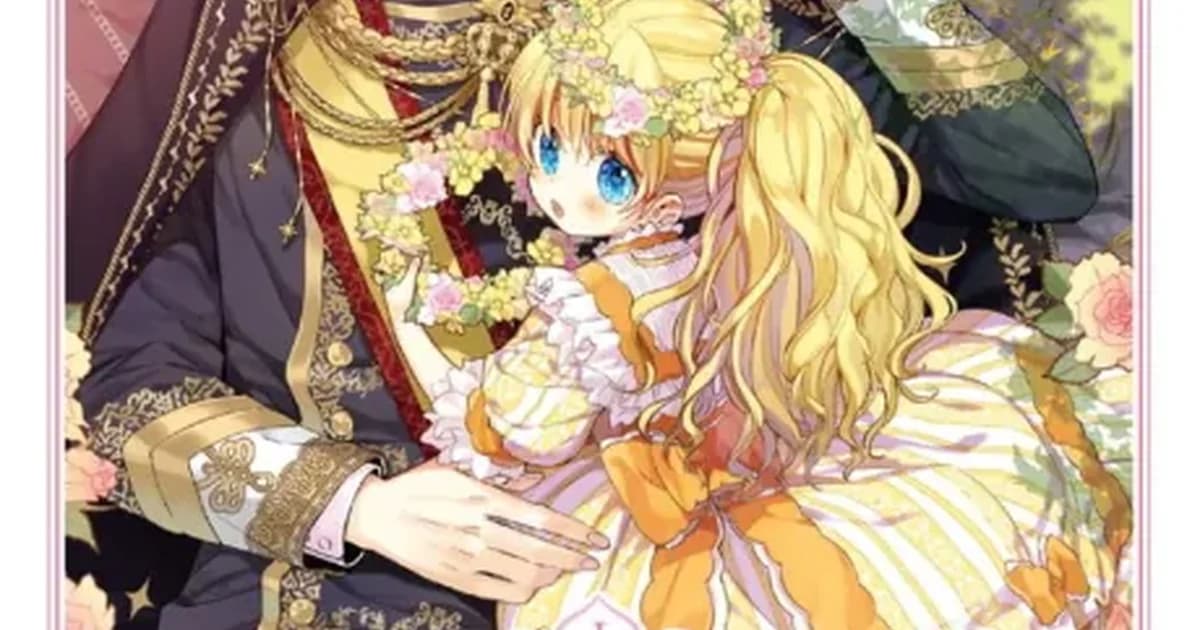
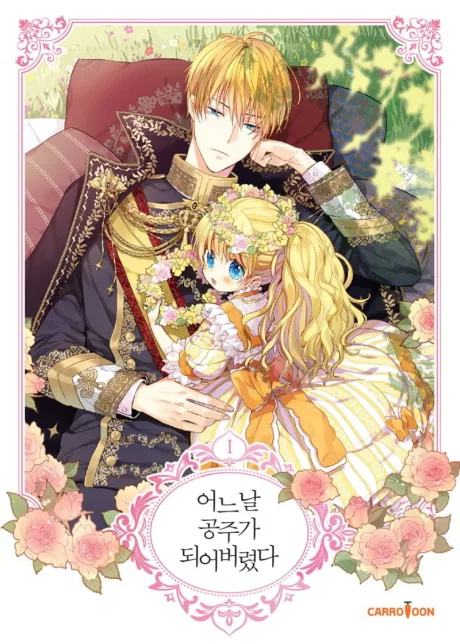 Image: Korean print edition, volume 1 cover (Carrotoon), art by Spoon.
Who Made Me a Princess review: what works
The baby chapters are where the series earns its reputation. Athanasia thinks like an adult and is stuck with a toddler's body and a toddler's voice, so her schemes to stay alive (and to get her father's attention) keep backfiring in ways that are funny and tense at once. The comedy and the danger are the same joke.
Claude is the reason the score is this high. He starts as cold and imposing as the premise needs, and the story spends its length showing why, rather than flipping him from tyrant to doting dad in a chapter. Readers don't all buy his reasons. One r/OtomeIsekai reader who binged the series put it bluntly: "the fact that he only likes athy cause she resembles her dead mom in an eerily similar manner is genuinely kind of disgusting." That's a fair hit, and it's also proof the relationship is written with enough edges to argue about.
Spoon's art does a lot of that work. Claude's face says what his dialogue won't, and Athanasia visibly grows from infant to young woman over the run. The ending earned real affection: in the chapter 135 thread, one reader wrote, "Man, it's been years since I read this series, but this warms my heart and heals my soul."
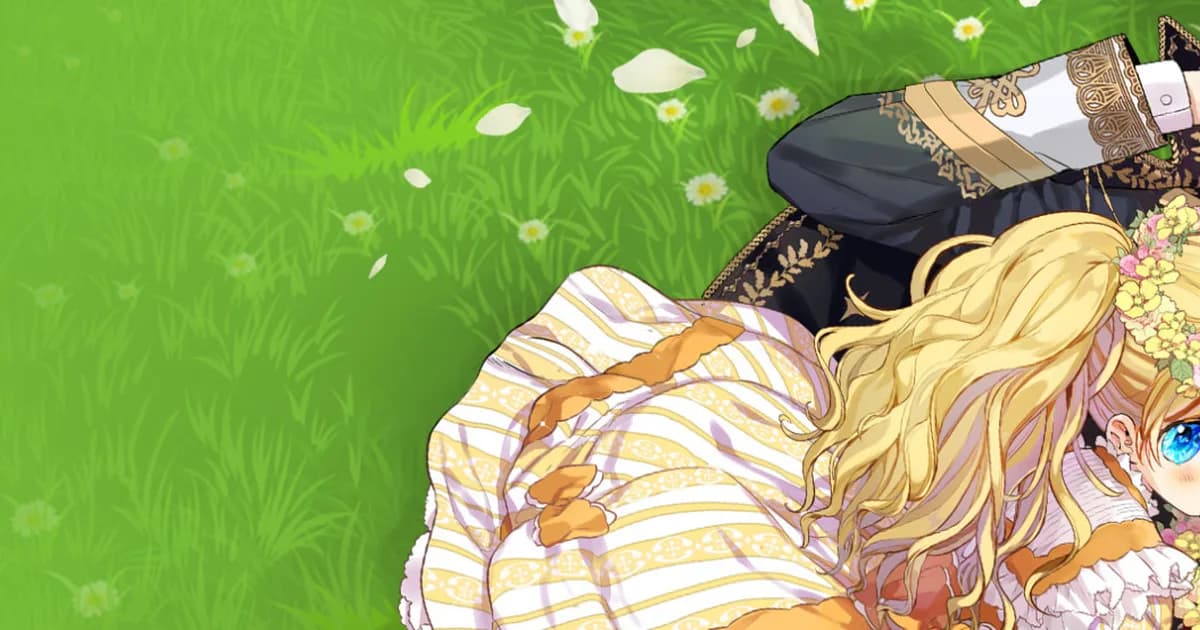
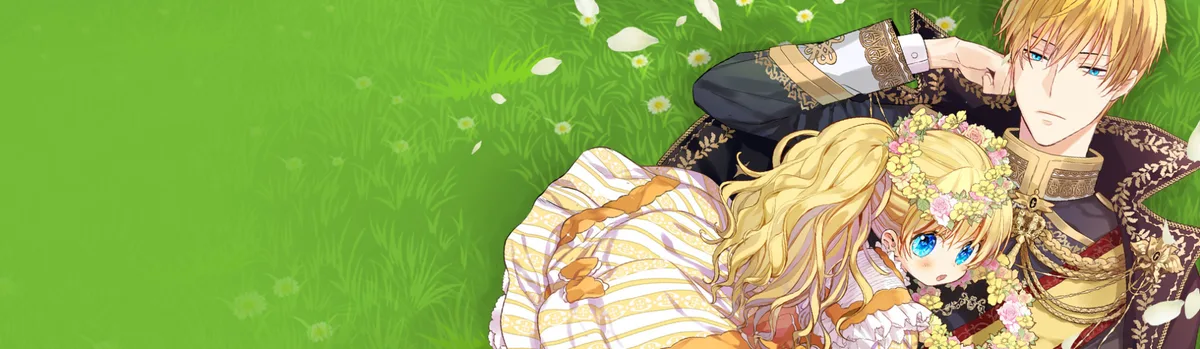 Banner art by Spoon, via AniList (Tapas banner).
Who Made Me a Princess review: what doesn't (Lucas)
Lucas, the black-haired Magician of the Black Tower, turns up early (the fan wiki puts his manhwa debut in Episode 17) and ends up as Athanasia's husband. Plenty of readers ship them, and the pairing is also what the Reddit threads argue about most.
The complaint isn't that Lucas is badly written. It's that the romance barely exists on the page until the end. The top answer in a 2025 r/OtomeIsekai thread asking why people dislike the ship: "I don't hate the ship, I hate the execution. They had little chemistry outside of friendship for 99% of the story, and then it felt like it was tacked on in the end." His defenders have a point too. In a newer thread, the top comment says: "I always leaned toward him because he knew Athy was mentally an adult the entire time."
Our read: if you're here for the father-daughter story, Lucas is a pleasant side plot that gets promoted at the last minute. If you need the romance to build steadily, this is where the score loses most of its two points.
The anime is not the place to start
The adaptation is The Fated Magical Princess: Who Made Me a Princess, a Chinese animated series that aired from September 28 to December 29, 2025 and streams on Crunchyroll.
It looks the part, but it changes the setup that makes the manhwa work. In the premiere thread, a reader pointed out the change "that athy isnt a grown adult in a baby," and another summed up: "I feel it's not as impactful as the manhwa." Watch it after the manhwa, as a pretty extra.
Who should read it, and where
Read it if you liked the family side of otome isekai more than the love triangles, or if you want a long series that actually ends. Skip it if romance is the main event for you; our manhwa like Who Made Me a Princess list has picks where the love story leads.
- Tappytoon has the complete English run and is the safest place to start.
- WEBTOON restarted the series from Episode 1 on March 4, 2026. It's the same story, not new chapters, and the website had reached Episode 35 on October 14, 2026, with more episodes in the app.
- Tapas has the whole run too, but it shuts down on March 31, 2027 and takes unlocked episodes with it.
- Print: Seven Seas publishes nine volumes in English; Vol. 1 came out May 16, 2023 and Vol. 9 on March 18, 2025.
For more finished series across genres, see our best completed manhwa list, and for the wider romance field, best romance manhwa 2026.
Our Take
Few otome isekai put a father-daughter story at the center and then actually finish it; this one does both. We'd tell a new reader to start on Tappytoon, enjoy the baby chapters for what they are, and not wait for the romance to take over, because it doesn't. That's the honest shape of this Who Made Me a Princess review: the deduction is for the late, thin build-up to Lucas and for the way the series is sold as something it isn't. What it actually is works better.
The Good
- Athanasia and Claude carry the whole run, and their relationship gets the time it needs.
- The baby chapters are funny because Athanasia thinks like an adult.
- It's finished, with an ending readers were happy with.
The Cons
- The romance with Lucas arrives late and, for many readers, without enough build-up.
- It's sold as a romance, so romance-first readers may feel misled.
- The animated adaptation changes the opening; don't start there.
Frequently Asked Questions
How many chapters is Who Made Me a Princess?
135, counting ten extra chapters, and the series finished in December 2025. Tappytoon and Tapas have the whole run in English; WEBTOON restarted it from Episode 1 in March 2026 and is still catching up.
Is Who Made Me a Princess a romance?
Only in part. The center is Athanasia and her father, Emperor Claude. Lucas becomes the love interest, but readers in the r/OtomeIsekai threads say the romance shows up late with little build-up.
Is the Who Made Me a Princess anime good?
It's a 16-episode Chinese adaptation that aired September to December 2025. Manhwa readers on Reddit say it changes the opening (Athy is no longer an adult in a baby's body), so read the manhwa first.
How we checked this: on October 16 and 17, 2026 we checked AniList for the manhwa and the animated series, the Tappytoon, Tapas, WEBTOON and Seven Seas pages, the fan wiki's Lucas page, and the r/OtomeIsekai threads quoted above. The score and the take are our editorial judgment; we didn't re-read the series for this update. Last reviewed: October 17, 2026.
Related Reading
- Who Made Me a Princess Reading Guide: which app has all the chapters, and why WEBTOON's run started over in 2026.
- Manhwa Like Who Made Me a Princess: what to read next, including picks where the romance leads.
- Who Made Me a Princess Characters: Athy, Claude, Lucas and Jennette, for when the court names pile up.
- Manhwa Like I Am the Real One: a list that puts WMMAP among the closest matches for readers coming from another princess story.
- Manhwa Like Doctor Elise: reincarnation stories where the romance is the main event.
- Best Romance Manhwa 2026: the wider romance list, finished and ongoing.