Loading…
ChapterBrief · Manhwa
Best Historical Manhwa 2026: Romance, Murim, and Court Drama
Best historical manhwa in 2026: eight picks across Joseon romance, murim action, and court political drama, each with platform and completion status.

The best historical manhwa reads differently from contemporary manhwa. The setting changes what's at stake in ways a modern setting can't replicate.
TL;DR: Best historical manhwa in 2026: eight picks across Joseon romance, murim action, and court political drama, each with platform and completion status.
In a modern romance, a misunderstanding is awkward. In a Joseon-era one, it can mean disgrace, exile, or death. The political stakes in a court drama feel weightier when there's no safety net of modern institutions. And in murim (the fictionalized martial underworld running through dozens of Korean historical comics), power is personal, immediate, and settled with a sword.
That raised register is what distinguishes best historical manhwa from series set in contemporary or fantasy worlds without historical grounding. Eight best historical manhwa picks across three subgenres: historical romance, murim action, and court political drama. I've read each of these, and in a few cases I've binged embarrassing amounts in one sitting, so take these picks with the knowledge that I'm not neutral about any of them.
No series on this best historical manhwa list is included just for cultural significance. Each one does something specific well that other series in the same subgenre don't.
best historical manhwa: key takeaways
- Best historical manhwa 2026: eight picks across romance, murim action, and court drama
- Best completed historical manhwa: Legend of the Northern Blade (202 chapters, Tappytoon)
- Best historical manhwa for romance: Painter of the Night if you can handle 18+ content; Remarried Empress for court politics with your slow-burn
- Best historical manhwa for beginners: Return of the Blossoming Blade, the regression premise is accessible and requires no prior murim knowledge
- Platform split: Lezhin (mature historical romance), Tappytoon (murim action), WEBTOON (political drama), Manta (epic romance)
Overview: What Best Historical Manhwa Means in Practice
Best historical manhwa covers more ground than the label suggests. At one end you have Joseon-era romance: stories set in actual historical Korea, using the period's social structures as narrative scaffolding. At the other end you have murim, a fictionalized martial world that borrows the aesthetics of ancient Korea and China but builds its own invented power systems and political orders. In the middle you have historical-fantasy court drama: fictional empires with invented nobility, succession crises, and political marriages that use a vaguely historical European or East Asian register without claiming real-world accuracy.
Best historical manhwa in all three categories shares one quality: the setting does work. Class isn't just atmosphere: it produces consequences. Period-appropriate gender constraints aren't just flavor: they create the specific shape of the conflict. When a story uses its historical setting as load-bearing structure rather than decoration, the stakes feel different from a contemporary or generic-fantasy equivalent.
This best historical manhwa list covers all three categories. Each pick is noted with platform, completion status, and what it does well that competitors in the same subgenre typically don't.
Our best action manhwa list includes top historical warrior and military manhwa.
Best Action Manhwa 2026 →
Historical Romance
Advertisement
Joseon-era romance occupies a specific tonal register. Class, propriety, and reputation aren't obstacles to the relationship. They're load-bearing structural elements. Best historical manhwa in this category uses the period not as backdrop but as pressure. The relationship either can't exist openly, or exists at real cost, or requires the protagonist to navigate systems designed to crush her.
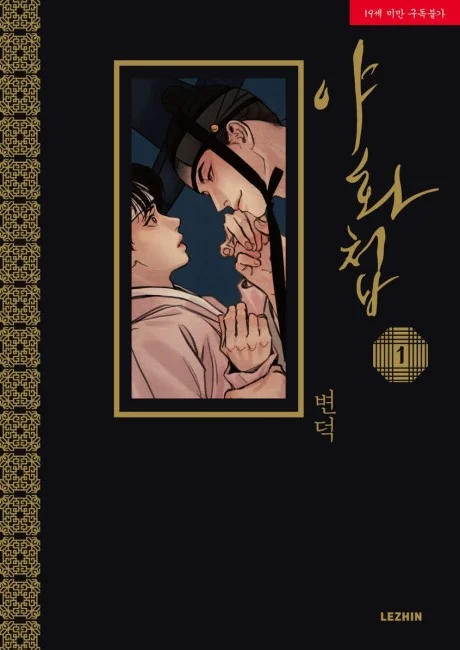 Painter of the Night cover art.
Painter of the Night
Platform: Lezhin Comics | Status: Completed (133 chapters) | Rating: 18+
Byeonduck's series is the most discussed best historical manhwa in the romance category outside Korea, and the attention is earned. Na-kyum is a painter who produces erotic art depicting men, working in a tradition he half-hides from the world. Seungho, a powerful nobleman, commissions him and pulls him into his household. The power imbalance is not incidental. It's the entire architecture of the story.
The Joseon setting does real work here. Hierarchy, gender, sexuality, the rigid social order of Joseon Korea: all of it is used rather than gestured at. Byeonduck's linework is exceptional. The color palette, the way characters are positioned in frames, the use of candlelight and shadow: it reads like someone who thought carefully about how the visual language of the period could serve the narrative.
I want to be direct: this story contains coercion and control, and Byeonduck has said in author notes that this complexity is intentional. It's not a cozy romance. It rewards readers who can sit with difficult dynamics and follow where they lead. If that isn't what you want, skip it. Not everything is for everyone, and knowing that upfront saves time.
For readers with context for where Painter of the Night sits among best historical manhwa, it's essential reading. For complete beginners to the BL genre specifically, there are better entry points. For a broader look at BL, see the best BL manhwa 2026 list.
Our Painter of the Night reading guide covers the arc structure and what the slower middle chapters are actually building toward.
Remarried Empress
Platform: WEBTOON | Status: Completed (247 chapters) | Rating: All ages
Navier Elzain is the empress of the Eastern Empire: composed, politically astute, genuinely good at her job. When her husband takes a foreign noble as a concubine and begins the process of setting Navier aside, she doesn't fight it. She negotiates. She secures her own remarriage to the Western Emperor, her position, her dignity. And she leaves.
That's not a spoiler. It's the premise. The series title tells you where it's going. What makes Remarried Empress stand out among best historical manhwa is how it handles what comes after: the fallout, the political implications, and the way Navier's choices keep producing consequences the emperor didn't anticipate.
The court politics are genuinely engaging. The rival concubine is written with enough interiority to avoid being purely a villain. The romance with the Western Emperor builds slowly, which is the correct pace for this kind of story. I've recommended this to readers who bounced off villainess isekai stories and found they had no patience for protagonists who spend forty chapters strategically weeping. Navier doesn't weep strategically. She plans, and the plans work, and watching that process is satisfying in a way most political manhwa isn't.
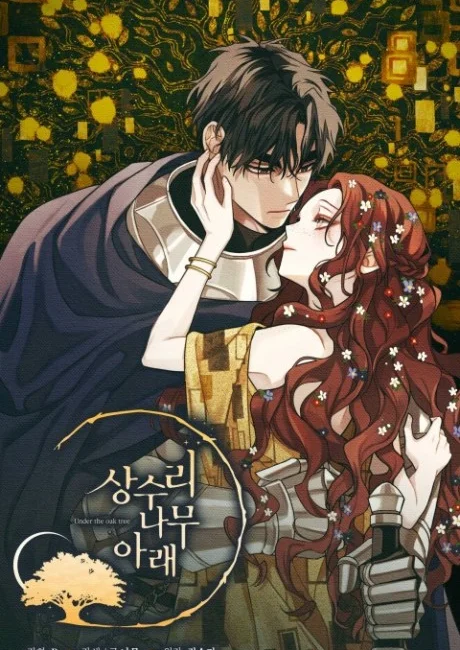 Under the Oak Tree cover art.
Under the Oak Tree
Platform: Manta | Status: Ongoing (150+ chapters) | Rating: All ages (mature themes)
A medieval fantasy setting, not Joseon Korea. The historical period here is European-inflected, with knights and nobles and a magic system involving monster hunting. Maximilian, a noblewoman who stutters severely, is married off to Riftan, a lowborn knight whose rapid rise in status made him suddenly valuable as a match. He departs for war immediately after their wedding. When he returns years later, famous and changed, the relationship has to be reconstructed from almost nothing.
The emotional core is not the reunion. It's Maximilian working out who she is when someone actually sees her. The stutter and the self-image it produced, her relationship with her cruel father, her gradual understanding of what she wants. Under the Oak Tree is more interested in that interior process than in romantic plot beats, which is either its strength or its weakness depending on what you're reading for.
The pacing is very slow. That's not a caveat: it's accurate information. Chapters move through Maximilian's perspective in granular detail. If you've ever read a romance manhwa and felt impatient for the plot to arrive, this one will test you. If you've ever wished a romance manhwa would just stay in the emotional moment longer, this is the series you've been waiting for. Available on Manta's subscription service.
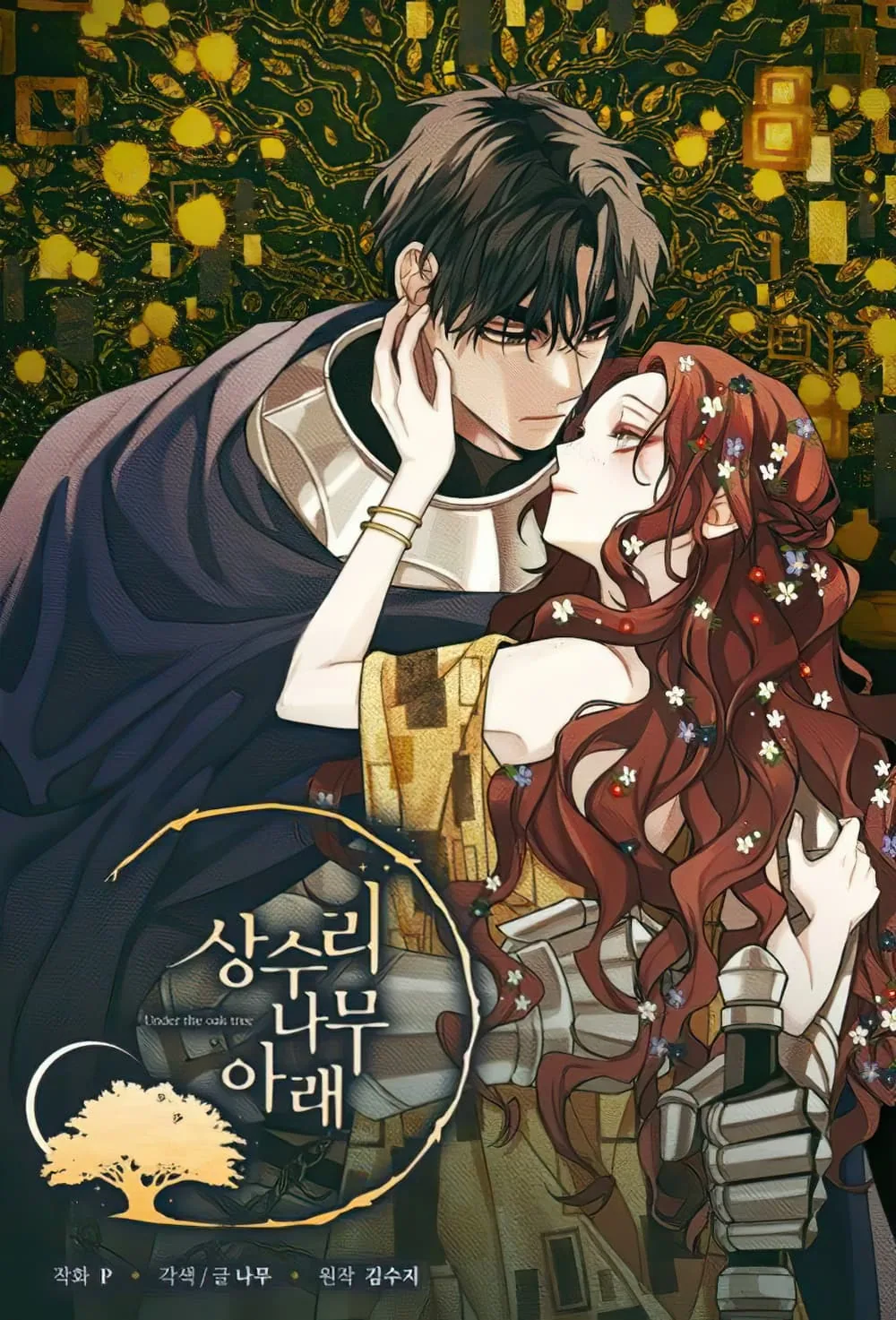 Under the Oak Tree uses its historical setting to give the power imbalance real structural weight.
Historical Action and Murim
Murim manhwa is its own subgenre, and the historical setting here is more invented than researched. Ancient martial sects, the politics of the jianghu, wandering warriors outside the official hierarchy: the setting borrows from historical aesthetics but builds its own world with its own rules. Best historical manhwa in the murim category makes the fights feel consequential by grounding them in that rule system.
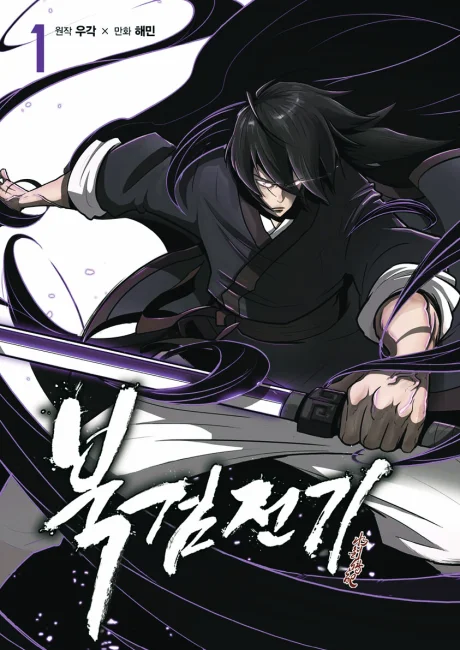 Legend of the Northern Blade cover art.
Legend of the Northern Blade
Platform: Tappytoon | Status: Completed (202 chapters)
The cleanest pick on this best historical manhwa list for readers coming from an action angle. Jin Mu-Won's father, founder of the Northern Heavenly Sect, was framed for treason and forced to take his own life. The sect was dissolved. Mu-Won spent years under surveillance, unable to practice martial arts, waiting.
When the threat his father died protecting the world from (the Silent Night faction) returns, Mu-Won is finally free to move. He rebuilds, trains, and pursues the faction that destroyed his family.
The fight choreography is the best in the murim category. The art makes spatial sense: you can track who is where, what technique is being used, what the counter-move is. Woo-Gak understands how to pace a confrontation so the payoff lands. The story is also tightly plotted: 202 chapters, no extended filler arcs, one clear villain faction built toward consistently.
The full breakdown of where the series improves most noticeably around the midpoint is in the Legend of the Northern Blade review.
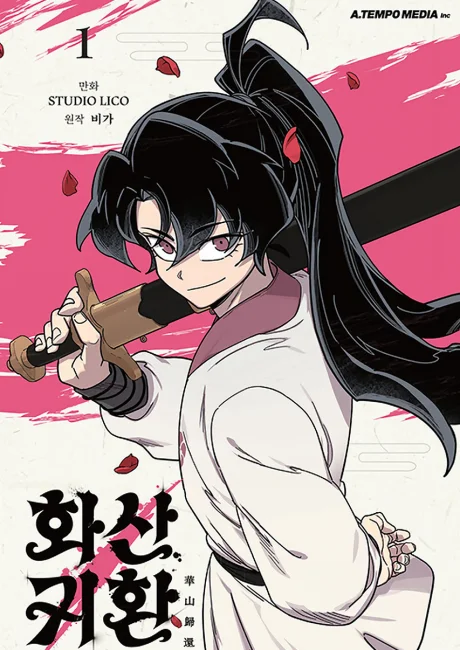 Return of the Blossoming Blade cover art.
Return of the Blossoming Blade
Platform: WEBTOON | Status: Ongoing (170+ chapters, Season 3)
The regression premise here is accessible even if you've never read a murim series before: Chun Myung's sect, the Blossoming Blade Sect, is massacred. He dies. He wakes up years earlier, before any of it happened, and has to decide what to do with the knowledge of what's coming.
What separates this from other regression manhwa is the political texture, which is why it ranks among the best historical manhwa for readers who want murim with real faction depth. Chun Myung doesn't just focus on the people who killed his family; he has to navigate the full faction ecosystem of the murim world, knowing things that haven't happened yet. The series builds its faction politics carefully and doesn't treat them as scenery for action sequences.
The tone is less severe than Northern Blade. There's humor in Chun Myung's position: the gap between his inner experience as someone who has lived through a tragedy and the way the people around him perceive him as a young man. Our Return of the Blossoming Blade reading guide covers the faction breakdown and what the regression mechanics actually unlock as the story progresses.
Gosu
Platform: WEBTOON | Status: Completed (233 chapters)
Gosu is the outlier on any best historical manhwa list, worth knowing it exists even if it doesn't fit the register of the other picks. Gosu is a long-running murim manhwa with a comedic register. The protagonist, Gang Ryong, was raised in isolation by a legendary martial master and ventures into the world with incredible power and almost no social experience. The comedy comes from that gap: he reads situations wrong, his priorities don't match anyone around him, his naive behavior keeps confounding people who expect him to act like the warrior he is.
It ran for years before wrapping up its story cleanly. The tone is consistent throughout. If you enjoy the opening chapters you'll enjoy the series; if the humor doesn't land in the first few chapters it won't improve. Lower stakes than Northern Blade or Blossoming Blade, deliberately lighter in everything except the action sequences themselves.
Our master manhwa reading list covers the top 30 titles across every genre for 2026.
Best Manhwa to Read in 2026 →
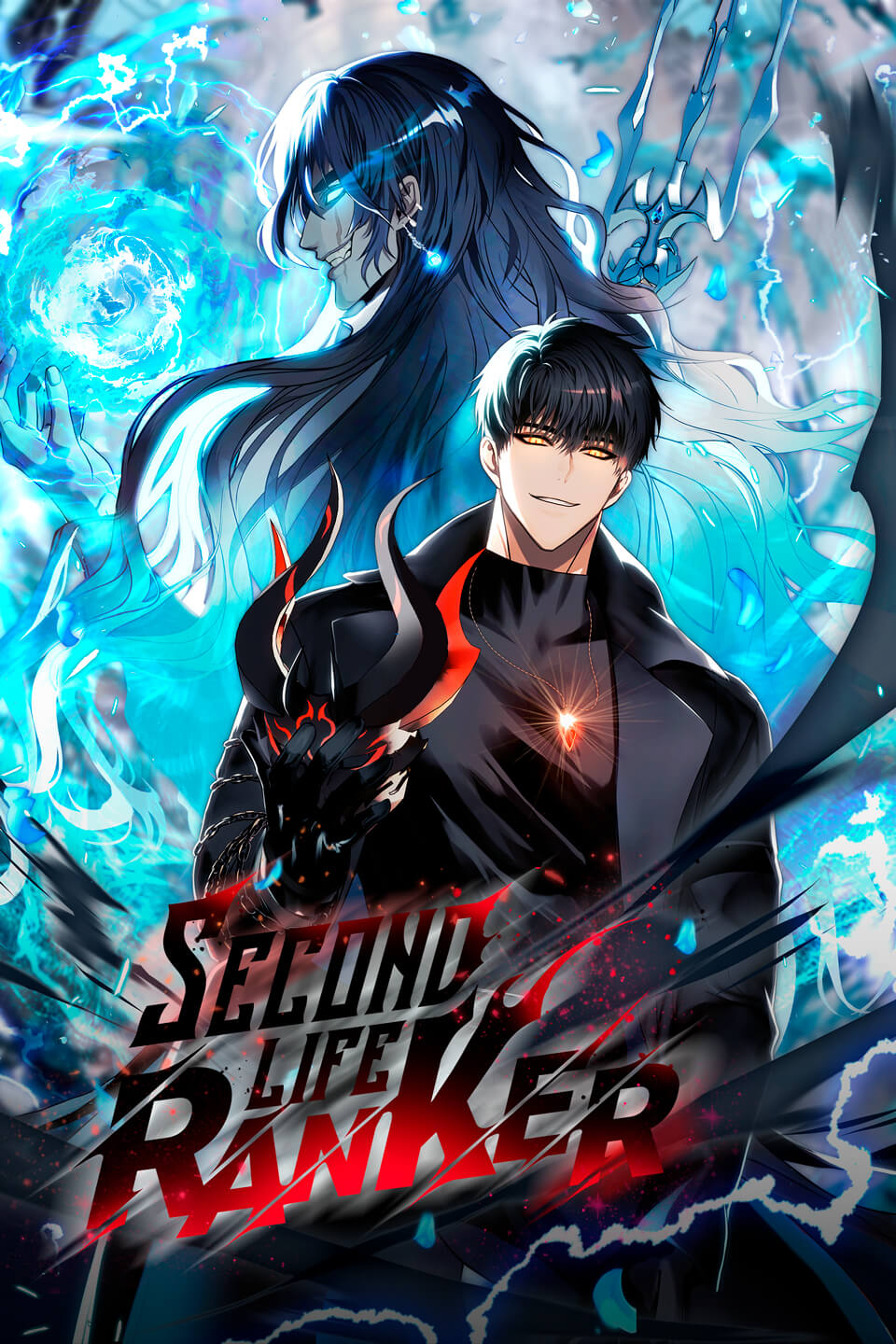 LOTNB's historical martial arts setting is distinct from the fantasy world isekai. Real stakes in a grounded world.
Analysis: How to Choose Between These Series
The subgenre split matters more when picking best historical manhwa than it does in other categories. Historical romance and murim action attract different readers and have almost no overlap in what makes them work.
If you care about character psychology and relationship dynamics: start with Remarried Empress for a complete arc, then Painter of the Night once you want something harder to read. Under the Oak Tree is the right call if you want the relationship dissected chapter by chapter across hundreds of episodes.
If you care about fight choreography and faction politics: Legend of the Northern Blade first. It's the best historical manhwa in the murim category for a complete, efficiently constructed run. Return of the Blossoming Blade if you want the political complexity to extend beyond the main conflict. Gosu if you want something you can read without tracking plotlines carefully.
Lady Baby sits in between, and it's a useful reminder that best historical manhwa spans a wider tonal range than any single subgenre. It's technically court drama with a regression twist, but the emotional texture in the early chapters is closer to character study than political thriller. It rewards patience in the same way Under the Oak Tree does, but the payoff is more plot-driven when the protagonist finally gains enough agency to act.
Finding your best historical manhwa pick depends almost entirely on which of those registers (psychological, political, or kinetic) you find most engaging. None of these best historical manhwa picks is for every reader, and none of them needs to be.
Historical Political Drama
Advertisement
These series have romantic elements, but the primary draw is the court: the alliances, betrayals, succession crises, and institutional games. Best historical manhwa in this category justifies the stakes in a way contemporary political drama rarely does. An empress who loses her position loses everything. A noble who backs the wrong faction doesn't just lose a job.
Lady Baby
Platform: Kakao | Status: Completed (240 chapters)
The regression mechanic here is more extreme than Blossoming Blade: the protagonist dies as an adult and wakes up as an infant in her own past. She has a child's body and a full adult's memory of the political catastrophe that destroyed her family. The series is mostly about what she does with that knowledge from inside a body that can barely walk.
The comedy of watching an adult consciousness navigate infant and toddler life is genuinely funny in the early chapters. The dramatic weight arrives later, as she approaches the age when she starts having real agency. The pacing in the early chapters is unusual (slow by design, given the premise) but the investment pays off when the political threads start converging.
Similar in broad structure to Remarried Empress, but with a much longer runway before the protagonist has direct agency. If you read Remarried Empress and wanted more time in the world before the political resolution arrives, Lady Baby is worth trying.
Frequently Asked Questions
What is the best historical manhwa to start with? Legend of the Northern Blade is the cleanest starting point for readers who want historical action: 202 chapters, completed, available on Tappytoon, and the pacing is tight from chapter one. For historical romance, Painter of the Night is the genre's most discussed title: 18+ and completed at 133 chapters on Lezhin. Remarried Empress is a better entry point for romance if you want court politics and a complete story arc.
Is Painter of the Night finished? Yes. Painter of the Night by Byeonduck completed at 133 chapters on Lezhin Comics. The story reached its formal conclusion and all chapters are available.
What platforms carry English historical manhwa? Lezhin Comics carries Painter of the Night and most mature historical titles. Tappytoon is the main home for Legend of the Northern Blade and similar murim series. WEBTOON hosts Return of the Blossoming Blade and Remarried Empress. Manta carries Under the Oak Tree. Most platforms use a coin or chapter-purchase system; Manta offers a subscription.
What is murim manhwa? Murim is a fictionalized martial arts underworld rooted in Chinese and Korean storytelling tradition. Murim manhwa is set in an invented historical period where martial sects, wandering warriors, and powerful clans compete for dominance. The setting borrows aesthetics from historical Korea and China (swords, robes, hierarchical sects) but is not meant to represent actual history. Return of the Blossoming Blade and Legend of the Northern Blade are both murim titles.
Is Remarried Empress completed? Yes. The Remarried Empress is complete at 247 chapters on WEBTOON, with the main story wrapping in January 2026 after a seven-year run.
What is the difference between historical manhwa and isekai manhwa? Historical manhwa is set in a historical or pseudo-historical period: Joseon-era Korea, a fictionalized ancient martial world, a fantasy medieval court. The protagonist belongs to that setting. Isekai manhwa involves a character transported or reincarnated from the modern world into another one, often a historical-fantasy setting. Lady Baby and Remarried Empress have isekai or regression elements (a character who knows future events), but the story itself is set entirely in the historical world.
Is Gosu a serious historical manhwa? Not particularly. Gosu is a completed murim manhwa (233 chapters) with a comedic tone: the protagonist is powerful but acts naive, and much of the series runs on the gap between expectation and behavior. It's in the same murim setting as Northern Blade or Blossoming Blade but approaches the material with consistent humor.
Related Reading
- Best Action Manhwa 2026 →
- best BL manhwa 2026
- Painter of the Night reading guide
- Legend of the Northern Blade review
- Return of the Blossoming Blade reading guide
- Gosu Manhwa Review: WEBTOON historical murim manhwa following a young disciple of a legendary master; free, completed at 233 chapters.
References
- Painter of the Night on Lezhin Comics: Official English serialization
- Legend of the Northern Blade on Tappytoon: English translation home
- Return of the Blossoming Blade on WEBTOON: Free to read, English
- Remarried Empress on WEBTOON: English serialization
- Under the Oak Tree on Manta: Subscription required
About the author

Anime and manhwa writer covering seasonal releases and ongoing webtoons since 2018. Seoul-born, Melbourne-based. Writes the way she reads — fast and direct.
- Covering anime and manhwa since 2018
- 400+ series completed across anime and manhwa
- Seasonal anime tracker for 6 years running
- Romance and fantasy specialist with deep genre knowledge


Disclaimer
This article is published for informational and entertainment purposes. It does not constitute professional financial, legal, or technical advice. Series availability, platform access, translation status, and chapter counts change. Verify critical details (pricing, regional availability, official translation status) with publishers and platforms. Affiliate links, where present, help support our editorial work and are labelled in our affiliate disclosure.
Comments
Loading comments…