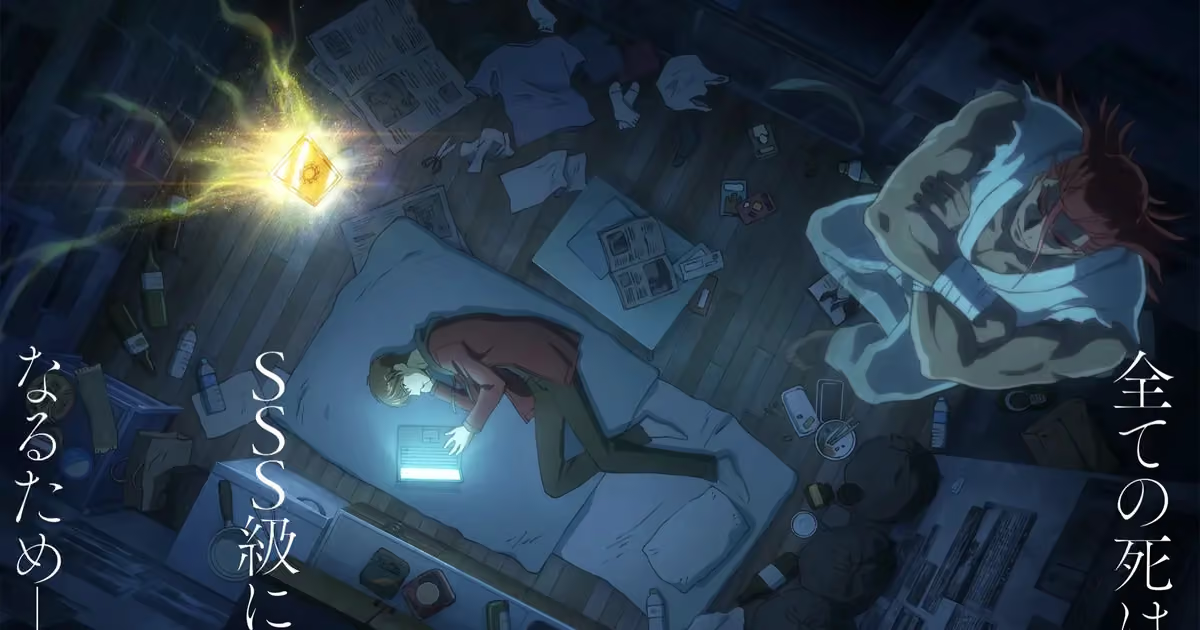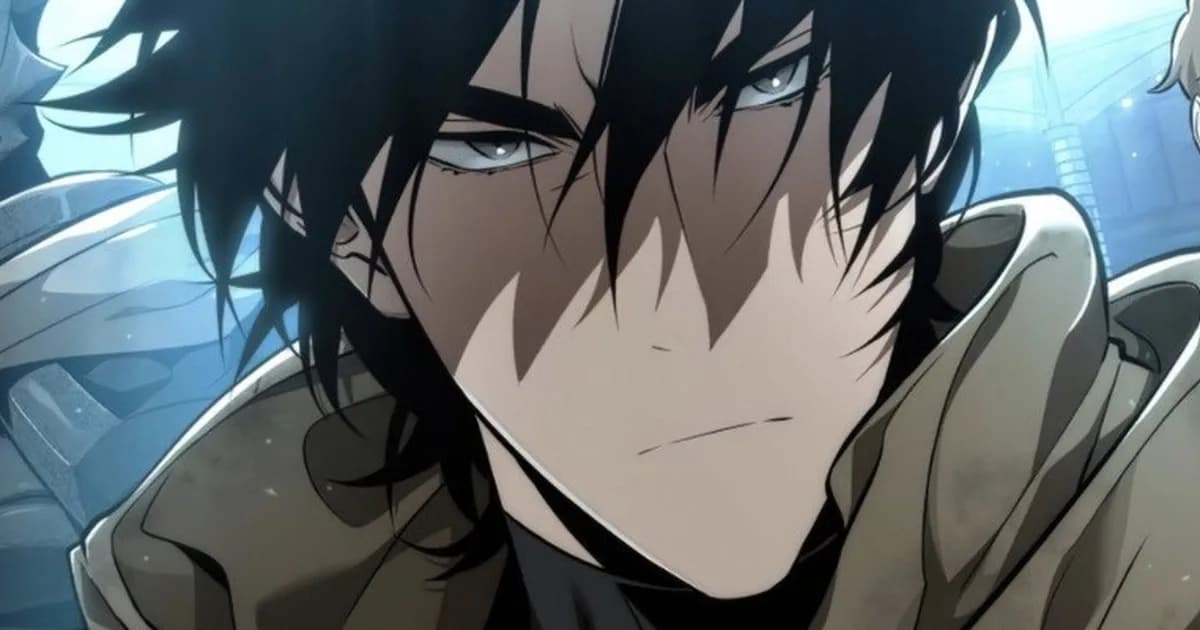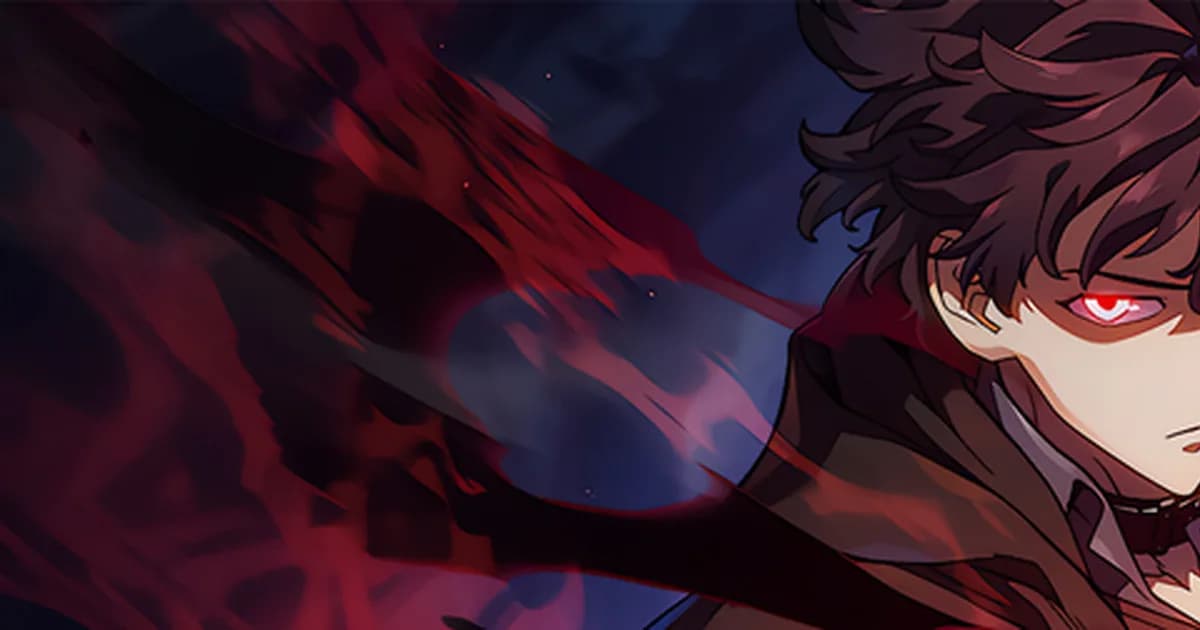

Is SSS-Class Revival Hunter good? Our SSS-Class Revival Hunter review says yes, with one condition: give it past the first arcs. We score it 7.5/10. The premise, a hunter who gets stronger every time he's killed, is the best thing about it. It isn't finished, though. Season 5 is running in Korean, while the English edition on Tapas stops after Season 4 with no return date, and that wait plus the slow start keep it out of our top tier.

Reviewing
SSS-Class Revival Hunter
Neida (story), No-A Sin (original novel), Bill K (art) · Tapas / Yen Press
Score
Pros
- Dying is how he gets stronger, so every death scene is a plan, not a setback
- The tower's floors give each arc a clear goal and a new kind of story to play with
- The source novel is finished, so the story has a known ending to adapt toward
Cons
- The opening arcs are slow, and plenty of readers say it only clicks around the murim arc
- Two English titles (Revival Hunter, Suicide Hunter) still make new readers think there are two series
- Season 5 is out in Korean only; Tapas has no English date and closes in March 2027
Verdict
One of the better die-to-get-stronger series. Give it through the murim arc before you decide. Revival Hunter is the official English title; if you know it as SSS-Class Suicide Hunter, it's the same series.
Rating: 7.5/10
| Story / art | Neida / Bill K, from No-A Sin's web novel |
| Started | December 31, 2020 |
| English | Tapas (151 chapters), Yen Press print (6 volumes listed) |
| Status | Ongoing: Season 5 in Korean since September 26, 2026; English paused after Season 4 |
| Novel | Complete, 400 chapters, licensed on Wuxiaworld |
| Anime | TV, January 2027, Studio fu |
Is SSS-Class Revival Hunter the Same as SSS-Class Suicide Hunter?
Yes. One series, two English titles. The Korean title is SSS-geup Jugeoya Saneun Hunter. Tapas publishes it as SSS-Class Revival Hunter, and so does the Yen Press print edition. The community still says Suicide Hunter (the subreddit is r/SSSClassSuicideHunter), and AniList lists SSS-Class Suicide Hunter as a synonym of the same entry. Everything in this SSS-Class Revival Hunter review applies under either name.
The Premise
Confucius Kim (AniList lists him as Kim Gong-ja) is a below-average hunter who admires the top rankers until that admiration turns into envy. He's jealous of the #1 ranker, the Flame Emperor. Then he gets an S-rank skill card with a catch: it copies the power of whoever kills him, and it only works when he dies.
The Flame Emperor kills him almost at once. That death copies the Flame Emperor's own skill, which sends him back 24 hours whenever he dies. From there, death is the resource. Each arc asks which skill is worth dying for, and how to arrange it.
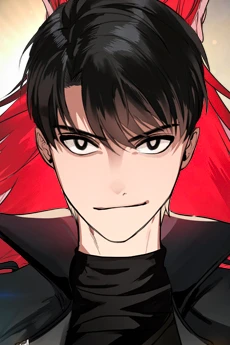 Kim Gong-ja's character portrait. © Bill K, Neida, Sin No-a. Via AniList.
That's what makes it different from most power fantasies. Other leads train or level up. Gong-ja plans his own deaths, and the tension sits in the plan, not in whether he survives.
SSS-Class Revival Hunter Review: What Works
The tower gives it variety. Each floor is a different kind of story. The 10th floor ends with the Hellfire Maiden, the 20th with Preta, the Demon King of Fall Rain, and the 22nd drops him into a murim story with a Demonic Faction. The series keeps changing genre without leaving its own rules.
The Sword Emperor. One copied skill brings Geom-je, the Sword Emperor, along as a ghostly companion that only Gong-ja deals with. He's loud and opinionated, and he breaks up the cold math of the death loop. He's also a balance problem: one fan argued that "If used poorly, he could trivialize the entire story, since he's been through all the floors." The series mostly avoids that.
 Geom-je (Sword Emperor, left) and Yoo So-ha (Flame Emperor, right). Portraits via AniList.
The art keeps up. Bill K's panels stay readable when several copied skills fire at once, which matters in a series built on collecting them.
*Tapas Media's official trailer for the webtoon (YouTube).*

SSS-Class Revival Hunter Review: What Doesn't
The start is slow. Even the subreddit admits it. When a reader posted that they'd reached chapter 54 and found it "just alright," the top reply said: "The murim arc is highly rated by the community. I'd say finish it then decide if you still want to continue or not." Another added that the reader was "literally right at the start of the arc that elevated it from decent to amazing for most of us."
The loop can feel mechanical. Find a target, plan the death, take the skill. The floors change the setting, but the rhythm stays the same.
The English wait. Tapas posted chapter 151 on December 7, 2025, and announced on February 27, 2026 that Season 4 had closed and the series would take a hiatus before Season 5. Korea is already there: the publisher's KakaoPage notices put the Season 5 launch on September 26, 2026, with new chapters on Fridays. Tapas still has no English date, and it shuts down at the end of next March.
Where to Read It
- Tapas is the official English webcomic, with 154 episodes. Tapas ends its service on March 31, 2027, and no move to another platform has been announced. More in what the Tapas shutdown means.
- Yen Press prints it in English; its series page lists six volumes.
- Wuxiaworld has the licensed English novel, complete at 400 chapters. If the English wait bothers you, that's where the ending is.
The anime is also coming: AniList lists a TV series from Studio fu for January 2027, and Crunchyroll will stream it outside parts of Asia. Details in our anime guide.
Our Take
We'd start it, but go in knowing the deal. If the early chapters feel thin, that's normal; push through to the murim arc and judge it there. If it still hasn't clicked by then, it won't, and that's fine. If it has, you've got four seasons in English, then the finished novel to read on while Season 5 makes its way over. Season-by-season chapter ranges are in our reading guide.
Rating: 7.5/10
How we checked this: on October 16, 2026 we re-read Tapas's series page and episode list, AniList's manga and character records, Yen Press, Wuxiaworld and the subreddit threads quoted above. On October 19, 2026 we added the publisher's Season 5 notices from KakaoPage.
Last reviewed: October 19, 2026
Frequently Asked Questions
Is SSS-Class Revival Hunter the same as SSS-Class Suicide Hunter? Yes. Revival Hunter is the official English title on Tapas and in Yen Press's print edition; Suicide Hunter is the name the community still uses. AniList lists Suicide Hunter as a synonym of the same entry.
Is SSS-Class Revival Hunter finished? No. Season 5 started in Korean on KakaoPage on September 26, 2026. In English, Tapas stops at chapter 151 (episode 154) and has not dated Season 5. The source novel is complete at 400 chapters on Wuxiaworld.
Is there an SSS-Class Revival Hunter anime? Yes. A TV anime from Studio fu is set for January 2027, and Crunchyroll will stream it outside parts of Asia.
Related Reading
- SSS-Class Revival Hunter Anime Release Date: January 2027: studio, cast and release window.
- SSS-Class Revival Hunter Reading Guide: where to start and how to read ahead in the novel.
- SSS-Class Revival Hunter Characters: the full cast, checked against AniList.
- Second Life Ranker Review: another tower climb, without the death mechanic.
- Manhwa Like SSS-Class Revival Hunter: what to read next.