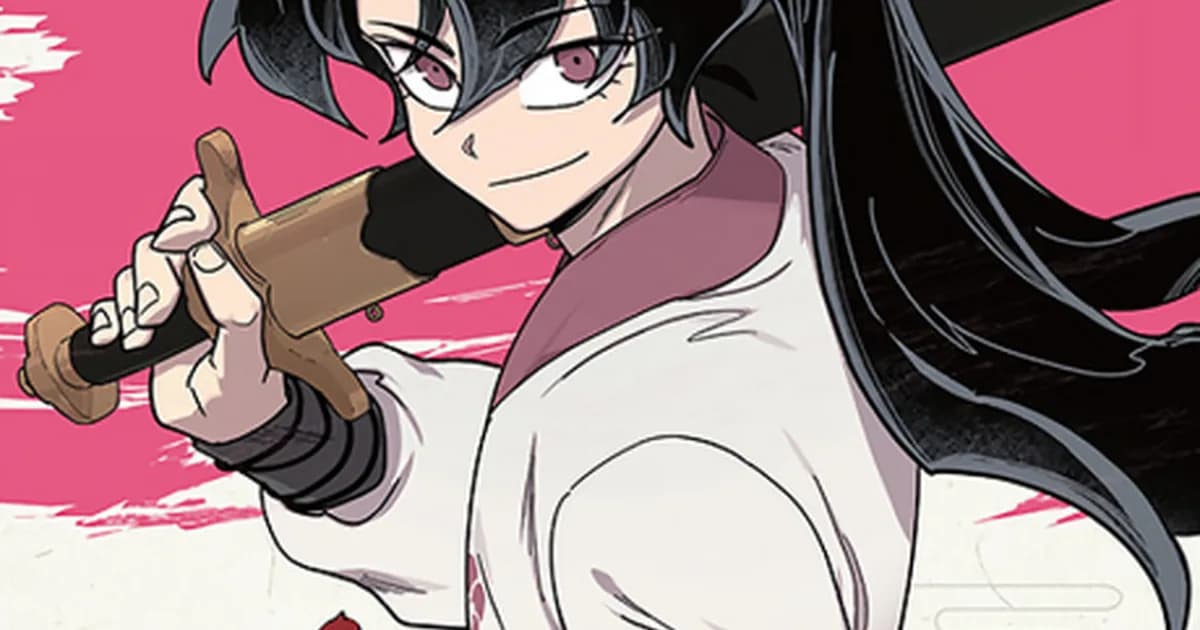
TL;DR: Best murim manhwa for 2026: nine picks covering completed classics, regression, and system hybrids. Legend of the Northern Blade is the cleanest finished starting point; Nano Machine and Return of the Blossoming Blade are the current on-ramps. Platform, AniList status, and count notes appear with every entry.
Recent updates:
- October 6, 2026: Re-verified the nine listed series against AniList and official platform pages, corrected the Absolute Sword Sense release line, and added platform links plus new genre-navigation links.
- October 6, 2026: Added direct answer-first introductions to the major sections and expanded the thinner Gosu, Volcanic Age, Chronicles of the Heavenly Demon, and Absolute Sword Sense entries.
The best murim manhwa is not the most popular manhwa. Murim is a specific genre and knowing what it is changes how you read it. It is not the same as system fantasy manhwa, though the two share readers. It is related to but distinct from Chinese xianxia and wuxia. The word murim refers to the fictional martial world, a genre setting with its own internal logic, not a historical period. Understanding what murim is and what it is not is the starting point for reading any of it well.
This article covers nine murim manhwa worth reading in 2026, organized by type rather than ranked numerically. The distinction matters because the best pick for a first-time murim reader is not the same as the best pick for someone who has already read three regression manhwa and wants faction politics. Platform, chapter count, and completion status are listed for every entry.
Overview
Murim manhwa is the best fit for readers who want martial-arts progression shaped by sect politics, lineage, and internal energy rather than a visible game interface. The nine picks below separate completed runs from ongoing series and hybrids, so you can choose by commitment, tone, or how much system fantasy you want mixed into the martial world.
Murim is a genre setting, not a mechanic. The word refers to a fictionalized ancient martial world with its own internal logic: ranked fighters, martial sects and clans, internal energy cultivation, and a political hierarchy built entirely around combat ability and lineage. It is not a historical period. It is not the same as Chinese wuxia or xianxia, though those genres share roots with it.
What distinguishes murim from system fantasy manhwa (the adjacent genre that shares most of the same readership) is the absence of a visible game interface. Murim protagonists don't get stat windows or skill notifications. Their progression happens through cultivation, which is discipline and internal development, not level-up events. The sense of scale is human, not cosmic. The stakes are sect survival, clan honor, and position within the martial hierarchy, not ascending to godhood.
Readers who are coming from system fantasy often find murim slower in its early chapters because the reward feedback is less explicit. The genre pays off differently: through fight choreography, political maneuvering within the sect structure, and the weight of lineage and tradition as narrative forces.
This list covers nine series organized by type rather than by numerical rank. Completed series are flagged clearly. The distinction between a first-time murim reader's best starting point and an experienced reader's next read is real, and the entries are labeled accordingly. Platform and chapter count are current as of September 28, 2026.
Best murim manhwa: key takeaways
The best murim manhwa depends on the reader's entry point: Legend of the Northern Blade gives you a finished, serious story, Nano Machine supplies a system-fantasy bridge, and Return of the Blossoming Blade makes sect rebuilding funny as well as strategic. These are the quickest distinctions to use before committing to a longer series.
- Legend of the Northern Blade (AniList: FINISHED, 202 chapters, Tappytoon) is the strongest starting point for the genre: best fight choreography, satisfying ending, no system elements
- Nano Machine (AniList: RELEASING; WEBTOON publishes new episodes every Wednesday) is the best entry point for readers coming from system fantasy
- Return of the Blossoming Blade, also known as Return of the Mount Hua Sect (AniList: RELEASING, WEBTOON) is the regression pick with the best faction politics and a structural comedic voice
- Murim Login (AniList: RELEASING, Tapas/Kakao) uses a virtual-world frame to explain murim conventions without condescension
- Gosu (AniList: FINISHED, 233 chapters, WEBTOON) is the hidden-master premise done as comedy, different in tone from all of the above
What makes the best murim manhwa?
Advertisement
The best murim manhwa makes its martial world feel governed by consequences: a sect's technique affects its status, a breakthrough changes political standing, and a fight reveals training rather than only spectacle. Look for clear cultivation rules, distinct factions, and a protagonist whose progress changes relationships as much as it changes power.
Murim is a genre setting, not a historical period. The word itself refers to the collective of martial artists, their world, their hierarchy, and their politics. When a manhwa is set in murim, it means: there are sects with their own martial techniques, there is a power ranking among fighters, there are alliances and betrayals between clans, and the primary currency of status is martial mastery.
This is distinct from xianxia, the Chinese genre of cultivation toward immortality and divine ascension. Murim protagonists do not become gods. They climb the martial hierarchy within a human world. The stakes are political: sect survival, personal revenge, restoration of honor, mastery of a lost technique. Chinese wuxia is the closest structural relative, but Korean murim has developed its own genre conventions over decades of manhwa publication.
The most common structural patterns in murim manhwa: regression (a master dies and returns to an earlier point in time, using foreknowledge to change the outcome), reincarnation (a soul from the past inhabits a new body), and the hidden master (a protagonist with concealed depth enters the martial world and surprises people who underestimated them). Most popular murim manhwa use at least one of these frameworks.
What makes murim distinct from system fantasy is the absence of visible game mechanics. There is no stat screen, no level notification, no dungeon. The power progression happens through training arcs, master-student transmission, and combat that tests whether the cultivation actually worked. Some series like Nano Machine blend both genres. But pure murim, with Legend of the Northern Blade as the clearest example, operates entirely within the martial world's own vocabulary.
For a wider comparison of Korean martial-arts subgenres, see Best Martial Arts Manhwa 2026. Readers who want the terminology before starting can use the murim primer linked under Related Reading, while the legal-platform overview at Where to Read Manhwa Legally in 2026 explains regional access and paid chapters.
Our best cultivation manhwa list covers the top murim and internal-power reads beyond this list.
Best Cultivation Manhwa →
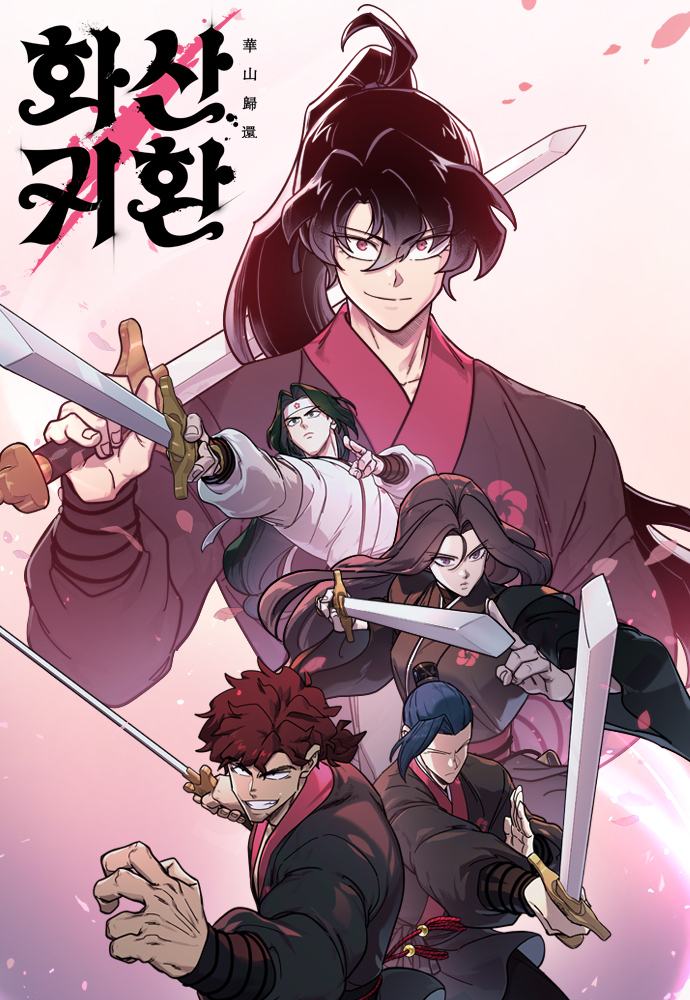 Return of the Blossoming Blade is the entry point most murim readers recommend in 2026. The official English page shows Season 3 Episode 177, platform episode #183, dated September 29, 2026, with newer episodes app-only.
Completed Murim Manhwa Worth Binging Now
These completed murim manhwa are the safest choices when you want a defined endpoint instead of a weekly wait. Legend of the Northern Blade is the focused recommendation, while Gosu and The God of High School offer different balances of comedy, tournament fighting, and escalating spectacle around their completed runs.
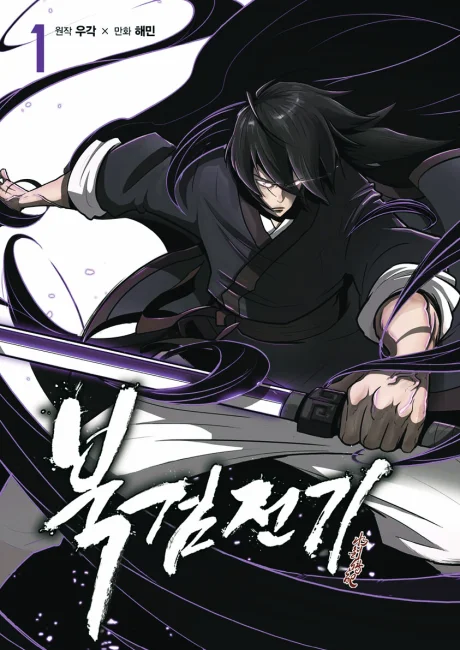 Legend of the Northern Blade cover art.
Legend of the Northern Blade
Platform: Tappytoon | Status: AniList: FINISHED; 202 chapters | Author: U-Gak (original story), Hae-Min (story and art)
This is where to start if you are new to murim manhwa and want a complete story. 202 chapters, finished, with an ending that earns what the series set up. Most murim manhwa are ongoing. Legend of the Northern Blade is the rare case where the arc closes properly.
The premise: Jin Mu-Won's father was the head of the Silent Night, the organization that protected the martial world, and was betrayed and killed. Mu-Won is left with nothing: his sect dismantled, his access to martial knowledge cut off. He teaches himself from documents his father left behind. No mentor. No system. He reads technique scrolls and practices alone for years before entering the martial world.
That self-teaching structure is the most unusual element of the series. Most murim protagonists have either a powerful master, foreknowledge from a past life, or a technological advantage. Mu-Won has neither. He has documents and time. The result is a fighter whose mastery feels earned at the granular level, because you watched him develop it from nothing.
The fight choreography is the best in the genre by a consistent margin. Hae-Min's art translates stance, footwork, and momentum in a way that most action manhwa do not attempt. Fights have spatial logic. You can follow what is happening and why it works.
202 chapters is a manageable commitment for a completed series. The ending is good. This is the recommendation for anyone asking what to read first.
See also: Legend of the Northern Blade reading guide | Legend of the Northern Blade review | Manhwa like Legend of the Northern Blade
 Murim manhwa distinguishes itself from isekai by keeping the protagonist in the same world. The knowledge gap is internal, not external.
Ongoing Murim with Regression or System Elements
These ongoing murim manhwa use a forward-moving release schedule while leaning on regression, reincarnation, or system mechanics. Return of the Blossoming Blade is the sect-rebuilding pick; Nano Machine is the cleanest system hybrid. Their release pages expose different levels of chapter detail, so the notes below keep AniList status separate from platform episode labels.
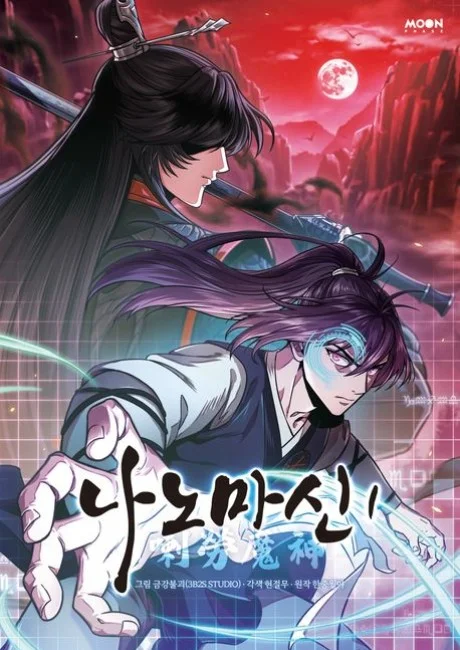 Nano Machine cover art.
Nano Machine
Platform: WEBTOON | Status: AniList: RELEASING; WEBTOON says new episode every Wednesday | Credits: Great H (adaptation), GGBG (art), HANJUNG WOLYA (original work)
Nano Machine is the murim series for readers who arrived at the genre through Solo Leveling or system fantasy manhwa. The premise runs both genres simultaneously: Cheon Yeo-woon is a low-status member of the Demonic Cult who receives nanomachines from a descendant in the future. The machines give him a system interface in a world where nothing like it has ever existed.
The hybrid structure is not a gimmick. The murim cultivation portion is fully realized. Yeo-woon faces the same political constraints any low-status cultivator would, climbs the Demonic Cult hierarchy through a genuine faction-politics structure, and develops his internal energy through the same training arcs the genre uses in non-hybrid series. The system layer is an on-ramp for readers unfamiliar with cultivation mechanics; the murim architecture is the actual story.
The more interesting question is whether readers who come to Nano Machine from the murim side (having already read Legend of the Northern Blade or Return of the Blossoming Blade) will find the system overlay distracting. The answer is: less than you would expect. The system UI is flavored for the murim setting rather than importing dungeon-game vocabulary. It reads as a foreign object within the world's logic, not as a genre mismatch.
The official WEBTOON page currently says new episodes arrive every Wednesday and identifies Great H, GGBG, and HANJUNG WOLYA in the creator credits. AniList lists the manga as RELEASING and does not expose a fixed total chapter count. Those database and platform fields are not interchangeable, so this page avoids turning an unavailable public count into a guess.
If the system layer is the part that hooked you, compare it with the progression logic in Manhwa Like Solo Leveling. For a different kind of reset story, Best Regression Manhwa 2026 is the more focused follow-up.
Nano Machine reading guide → | Nano Machine review | Series with similar systems to Nano Machine
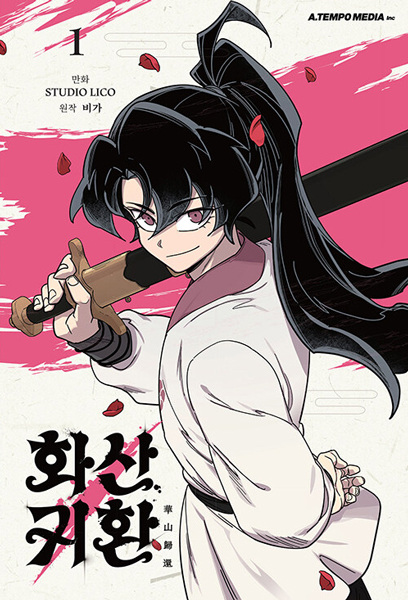
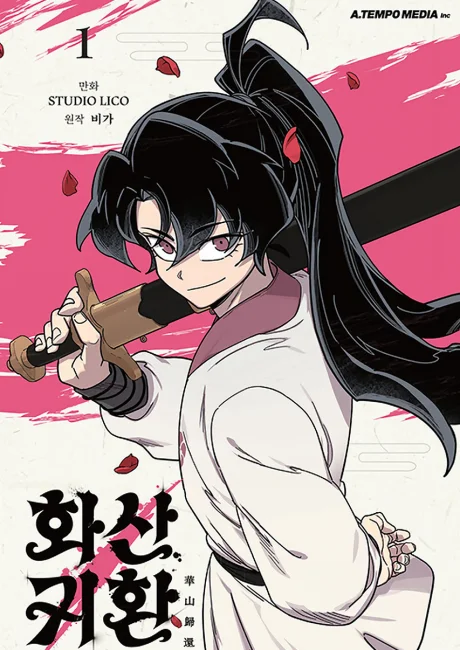 Return of the Blossoming Blade cover art. Also published under the fan-translation title Return of the Mount Hua Sect -- same series, same creators, two English names.
Return of the Blossoming Blade (also known as Return of the Mount Hua Sect)
Platform: WEBTOON | Status: AniList: RELEASING; Season 3, official English page at Episode 177 (#183 on the platform) as of September 29, 2026, with five newer episodes app-only | Creators: LICO, ARCHE
Chung Myung, the greatest disciple of the Mount Hua Sect and master of the Plum Blossom Sword technique, dies in his original life and is reborn 100 years later as a weak young disciple of the same sect, now in severe decline. The premise is reincarnation rather than regression, and the series is built around faction politics rather than personal power escalation: his foreknowledge gives him a tactical advantage, but the story spends more time on organizational strategy (how do you rebuild a sect, earn the trust of other factions, and position yourself against enemies who don't know they're already your enemies) than on combat sequences alone.
The comedy is structural. Chung Myung experienced the sect at its peak, watched his master sacrifice everything for it, and is now young again in a body that cannot do what he remembers doing, surrounded by disciples who have never seen the techniques at their proper level. His frustration at the gap between what he knows and what his body can currently produce is the engine of the series, and it's what separates the reading experience from Legend of the Northern Blade's more serious register even though the fight choreography is just as strong.
The official English page currently places the series in Season 3 and shows Episode 177 (#183 on the platform) dated September 29, 2026, while noting newer episodes in the app. It does not expose a reliable public launch-date record for the season, so this guide does not infer one. The Presidential Award at the 2022 Korea Contents Awards signals the series' reputation within the Korean publishing industry, not just among overseas readers. Three completed seasons within an ongoing run means there are natural stopping points if you want to read arcs rather than catching up to the weekly release.
Hybrid Picks for Readers Coming from Other Genres
Hybrid murim manhwa are the easiest bridge for readers who know dungeon fantasy, game systems, or tournament stories better than sect hierarchies. Murim Login supplies the modern-player viewpoint, while Gosu and The God of High School translate martial-arts spectacle into comedy or tournament momentum without pretending they are the same kind of story.
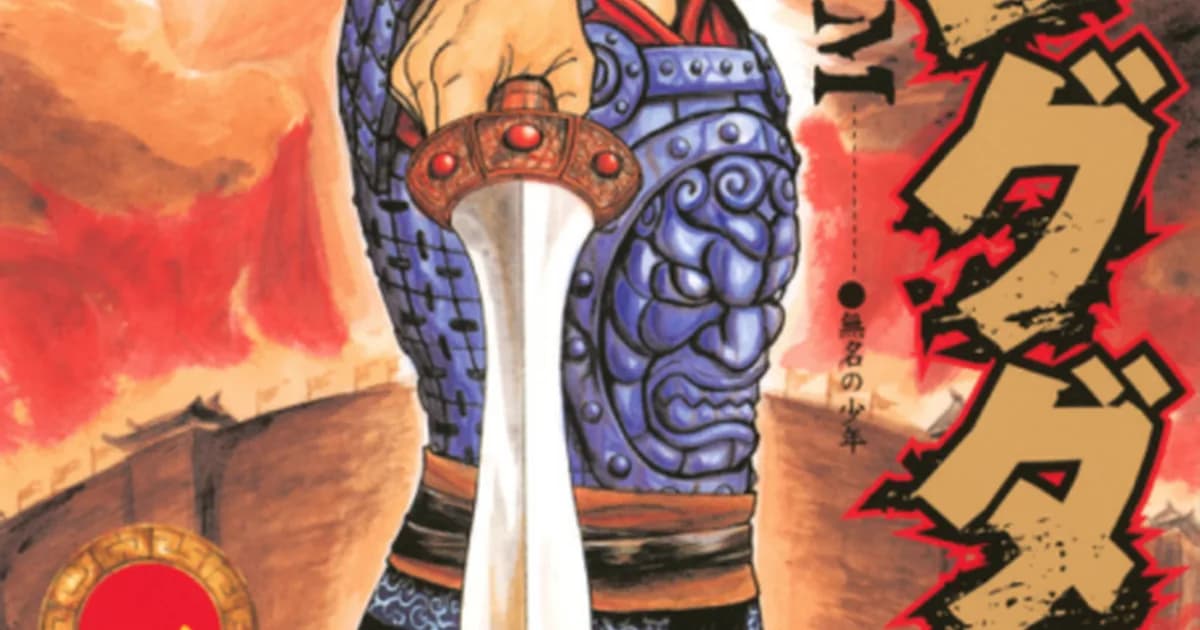
Murim Login
Platform: Tapas (English), Kakao (Korean) | Status: AniList: RELEASING; Tapas lists 117 English episodes and a hiatus before Season 2 (April 24, 2026) | Author: Zero-BIG (original story), Cheol-byeok Jang (art)
Jin Tae-kyung is a modern dungeon hunter, using the system-fantasy premise that readers from Solo Leveling or SSS-Class Revival Hunter will recognize immediately. He enters what appears to be a VR game set in the murim world. The training he does there transfers back to his real-world body.
The dual-world structure runs two power arcs in parallel. His growth as a murim cultivator and his growth as a modern dungeon hunter inform each other. When techniques developed through murim training apply to modern combat, the compound progression is more satisfying than a single-track story. The series also uses the modern-hunter frame to explain murim conventions without having to interrupt the murim world's internal logic to do so. The reader's perspective proxy is a modern person encountering the genre for the first time.
Lighter in tone than most of these picks, with less of the political weight that defines Return of the Blossoming Blade or Nano Machine. If the stakes of the pure murim series feel abstract and the modern dungeon fantasy world feels more legible, Murim Login is where to start. For the full season breakdown and the English/Korean release gap, see our Murim Login Reading Guide. For the confirmed cast, sourced from AniList and MyAnimeList instead of a fan wiki, see the Murim Login Character Guide.
Tapas currently lists 117 episodes and a hiatus announcement dated April 24, 2026. Tapas is scheduled to close on March 31, 2027 at 23:59 PT, so English access is time-sensitive; see what Tapas shutting down means before treating this as a permanent platform recommendation.
Gosu
Platform: WEBTOON | Status: AniList: FINISHED; 233 chapters | Authors: Gi-Un Ryu (story), Jeong-Hu Mun (art)
Gang Ryong was raised in isolation by a legendary murim master, one of the most powerful fighters in the world. When his master dies and sends him into the murim world with nothing but his training, Gang Ryong arrives completely ignorant of how the world works. He has never interacted with other people. He does not know what money is. He does not know what sects are. He does not know that the man who raised him was terrifying.
The comedy here is structural rather than tonal: every encounter involves someone underestimating Gang Ryong based on his naive presentation, followed by a correction. It is a single-premise series, executed with sufficient variation to sustain the full 233-chapter run. The art quality is adequate rather than exceptional. The fights work because the power differential is enormous and the series does not pretend otherwise.
Gosu is worth recommending for readers who have already worked through the more serious picks and want something that uses the hidden-master premise as sustained comedy rather than dramatic reveal. Reading it before Legend of the Northern Blade or Return of the Blossoming Blade would give the wrong impression of what the genre does at its best. The Gosu Manhwa Reading Guide covers the tonal shift in the mid-run and how to approach all 233 chapters.
For a broader cross-genre action manhwa overview that includes both murim and system fantasy series: Best Action Manhwa 2026
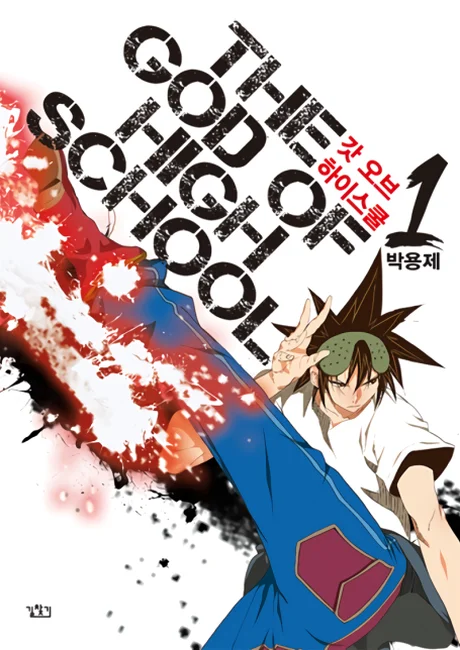 The God of High School cover art.
The God of High School (Adjacent Pick)
Platform: WEBTOON | Status: AniList: FINISHED; 569 chapters | Creator: Dragon j, also credited as Yong-Je Park in AniList
Not murim in the traditional sense. The setting is a modern Korean high school tournament, and the series escalates toward mythological conflict in ways that move it out of the martial world framework. But the first 100-150 chapters function as tournament martial arts manhwa with genuine attention to fighting style diversity and technique differentiation, and it frequently appears in reading lists alongside pure murim picks.
It shares with murim manhwa: strong fight choreography, a ranked power structure among fighters, and fights that have tactical logic rather than pure spectacle. The divergence from murim conventions is the modern setting and the divine-scale escalation in the second half.
A 2020 MAPPA anime adaptation ran for 13 episodes on Crunchyroll and covers the early tournament arc. The full 569-chapter run is free on WEBTOON. For readers who want the tournament martial arts structure without the historical setting, this is the correct adjacent pick. For readers who want pure murim, it is the wrong on-ramp.
Our master manhwa reading list covers the top 30 titles across every genre for 2026.
Best Manhwa to Read in 2026 →
More Murim Worth Reading
Advertisement
These additional murim manhwa are useful when the main picks leave a specific gap: Volcanic Age is the completed regression binge, Chronicles of the Heavenly Demon is the darker reincarnation route, and Absolute Sword Sense is the ongoing choice for readers who want a weapon-based ability. The count notes below distinguish AniList chapters from platform episodes.
Volcanic Age
Platform: KakaoPage and Tapas | Status: AniList: FINISHED; 303 chapters | Premise: Regression, forbidden demonic techniques
Joo Seo-Cheon dies as an old murim elder after a lifetime of fighting, then wakes up as his teenage self decades before the catastrophic events he already lived through. Unlike most regression leads, he isn't racing toward quick revenge; he's playing a long, methodical game across the entire murim political landscape while mastering the forbidden demonic techniques his own sect officially disowns. The 303-chapter run is complete, which makes it one of the few full-length regression murim series a reader can finish straight through without waiting on a weekly release.
The Tapas edition is not a safe long-term access assumption: Tapas is scheduled to close on March 31, 2027 at 23:59 PT. Use what Tapas shutting down means for the platform context, and the KakaoPage listing above for the Korean route.
Volcanic Age reading guide → | Review
Chronicles of the Heavenly Demon
Platform: Tapas (English), KakaoPage (Korean) | Status: AniList: FINISHED; 252 chapters | Creator credit: Gom-guk (AniList art), Il-Hwang (AniList original story)
A wrongly executed warrior is reincarnated into the body of a disciple in a demonic sect and has to survive, then dominate, a martial world that already tried to erase him once. The dark cultivation focus and corrupt-hierarchy structure make it one of the closest tonal matches to Volcanic Age on this list, and its completed 252-chapter run gives it the same clean-finish advantage.
Tapas presents the English edition under the title Heavenly Demon Reborn! and lists 253 platform episodes as a completed series. That is a platform episode total, not AniList's 252-chapter field. Tapas is scheduled to close on March 31, 2027 at 23:59 PT, so use the Tapas shutdown explainer when planning access.
Absolute Sword Sense
Platform: WEBTOON | Status: AniList: RELEASING; official English page shows Episode 193 dated October 3, 2026, with seven newer episodes app-only | Author: Hanjung Wolya (same original-work credit as Nano Machine)
A disgraced warrior regresses with the unique ability to hear the "Voice of the Sword," and uses it to carve a path toward revenge most murim leads pursue with raw strength instead of a talking-weapon mechanic. It shares an author with Nano Machine but is a fully separate story and cast, so reading one isn't a prerequisite for the other. The Voice of the Sword ability takes roughly 15-20 chapters to fully click, worth knowing going in.
Absolute Sword Sense reading guide → | Review
Frequently Asked Questions
What is murim manhwa? Murim manhwa is Korean comics set in a fictionalized ancient martial world (not the real Joseon Dynasty) but a genre setting with its own internal geography, rankings, and political structure. The defining elements are martial arts sects, internal energy cultivation (qi or ki), ranking systems among fighters, and clan or sect politics. It is related to Chinese wuxia but distinct: the Korean genre has its own conventions, tone, and lineage.
What is the best murim manhwa to start with? Legend of the Northern Blade is the most recommended starting point in 2026: 202 chapters, finished on AniList, with the best fight choreography in the genre and a satisfying ending. Nano Machine is the better starting point if you are coming from system fantasy manhwa and want a hybrid on-ramp. Return of the Blossoming Blade is the best pick if you want regression plus faction politics in an AniList RELEASING series.
What is the difference between murim and cultivation manhwa? Murim refers to the setting: the fictional martial world with sects, clans, and ranked fighters. Cultivation refers to the progression mechanic: training internal energy through stages or realms. Most murim manhwa involves cultivation, but the two terms are not interchangeable. Chinese xianxia is cultivation-heavy with cosmological stakes; Korean murim tends to stay within the martial world hierarchy rather than ascending to divine realms.
What murim manhwa are completed? Legend of the Northern Blade is the most prominent completed murim manhwa at 202 chapters, with a definitive ending. The Breaker, The Breaker: New Waves, and Gosu (233 chapters) are also completed. Nano Machine and Return of the Blossoming Blade are listed as RELEASING by AniList, so they are not finished-reading recommendations.
Is murim the same as xianxia? No. Xianxia is a Chinese genre with cultivation stages leading to immortality and divine conflict. Murim is a Korean genre with a fictionalized ancient martial world where the stakes are political: sect survival, clan honor, mastery rankings. Both involve internal energy cultivation, but xianxia aims at transcendence and murim stays in the human martial hierarchy. Nano Machine and Return of the Blossoming Blade are murim. Martial Peak is closer to the xianxia or hybrid end.
Where can I read murim manhwa legally? WEBTOON hosts Nano Machine, Return of the Blossoming Blade (also listed as Return of the Mount Hua Sect in some regions), Absolute Sword Sense, and Gosu. Tapas hosts the English edition of Log-in Murim, and Tappytoon hosts Legend of the Northern Blade. Some chapters are free, others use a coin or wait-until-free model. Platform availability varies by region.
What is the difference between murim manhwa and system fantasy manhwa? System fantasy manhwa uses a visible game-like interface: stat windows, skill notifications, level-up mechanics. Murim manhwa is set in an ancient martial world with no modern framing. The progression is through cultivation stages, not numeric stats. Nano Machine and Murim Login blend both genres; Legend of the Northern Blade and Return of the Blossoming Blade are pure murim with no system elements.
Related Reading
- Murim Manhwa: The Complete Genre Guide and Series Roster: the full reference hub covering 25+ murim series by subtype, beyond this list
- What Is Murim Manhwa?: the definition, history, and murim versus cultivation distinction behind this list
- Best Cultivation Manhwa →
- Legend of the Northern Blade reading guide
- Legend of the Northern Blade review
- Nano Machine review
- Series with similar systems to Nano Machine
- BJ Alex Reading Guide: Lezhin Cost and 84 Episodes: Chapter breakdown and reading tips for BJ Alex: Lezhin Cost and 84 Episodes.
- Chronicles of the Heavenly Demon Reading Guide: All Arcs: Chapter breakdown and reading tips for Chronicles of the Heavenly Demon: All Arcs.
- Manhwa Like Kingdom: 7 Picks for Strategy and War Fans: Top manhwa picks for fans of Kingdom.
- Manhwa Like Legend of the Northern Blade: 7 Top Picks: Top manhwa picks for fans of Legend Of The Northern Blade.
- Manhwa Like Martial Peak: 6 Cultivation Series to Read: Top manhwa picks for fans of Martial Peak.
- Manhwa Like Volcanic Age: 6 Picks for Completed Murim Fans: Top manhwa picks for fans of Volcanic Age.
- Revenge of the Baskerville Bloodhound Reading Guide: Chapter breakdown and reading tips for Revenge of the Baskerville Bloodhound.
- The Breaker Review: 273 Chapters, Two Complete Arcs: Full review with rating and verdict.
- Volcanic Age Review: Patient Murim Regression Done Right: Full review with rating and verdict.
- Martial Peak Review 2026: 7.5/10, Chinese Manhua Rated
- Absolute Regression Review: 8.0/10, Pure Murim Done Right
- Manhwa Like Absolute Regression: 7 Dark Regression Picks
- Chronicles of the Heavenly Demon Review: Completed Murim
- Surviving as a Genius on Borrowed Time Review: 7.8/10
- Surviving as a Genius on Borrowed Time Reading Guide
- Absolute Sword Sense Review: Murim Meets Voice of Blades
- Absolute Sword Sense Reading Guide: Arcs and Where to Start
- Myst, Might, Mayhem Reading Guide: wuxia revenge plot for readers who want the genre's darker, more personal-stakes side.
- Best Doctor Manhwa: 9 Korean Medical Comics to Read: martial-arts worlds seen through a doctor, including Doctor, Live Again and The Divine Surgeon.
References
- WEBTOON official platform: hosts Nano Machine, Absolute Sword Sense, Gosu, The God of High School, and Return of the Blossoming Blade (some chapters free, some app-only)
- Tappytoon: official English platform for Legend of the Northern Blade, with full 202-chapter run available
- WEBTOON Return of the Blossoming Blade: official English page, current episode and app-only notice
- Korea Contents Awards 2022: Return of the Blossoming Blade (listed as Return of the Blossoming Blade) won the Presidential Award in manhwa category