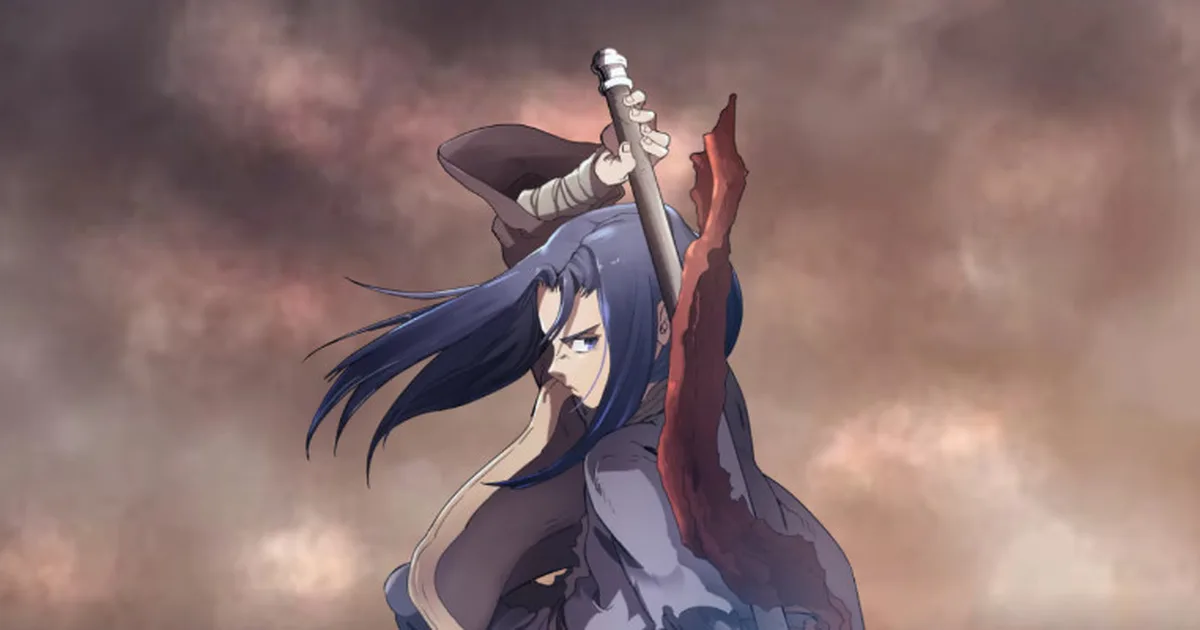
Chronicles of the Heavenly Demon reading guide: what to expect from 252 chapters of revenge-murim and how the dual-technique mechanic changes across the full arc structure.
TL;DR: Chronicles of the Heavenly Demon reading guide: 252 chapters, completed Jan 2025. Start from chapter 1 and push through the slower first 40 chapters: the dual-technique premise pays off significantly around chapter 50. Arc structure: setup (ch 1-50), mid-arc faction politics (ch 50-160), and the convergence toward the revenge goal (ch 160-246). Available on Tappytoon.
The premise puts Un-Seong in an unusual position for murim manhwa. Most revenge narratives start the protagonist outside the organization they're targeting. Un-Seong starts inside it, as a child, learning the demonic sect's techniques alongside the orthodox training his master gave him. The revenge arc is driven not by approaching the demonic cult from outside but by navigating it from within.
Key Takeaways
- 252 chapters, completed January 2025, available on Tappytoon in English
- The dual-technique system (orthodox + demonic combined) is the series' core mechanic and central differentiator from other completed murim
- Push through the first 40 chapters: the setup is slower but load-bearing for everything that follows
- The demonic cult has internal faction politics that drive the mid-arc; treat them as active plot, not background
- The series closes the revenge arc completely: no open ending, no sequel needed
Chronicles of the Heavenly Demon reading guide: quick answer
252 chapters, completed January 2025, on Tappytoon. Read in order from chapter 1. Don't skip the setup arc even though it's slower: the context established in the first 50 chapters is load-bearing for the faction dynamics and the dual-technique combinations that define the series from the mid-arc onward.
The official English version is on Tappytoon. The platform requires coin purchases; a subscription reduces the per-chapter cost. The Korean original ran on Kakao. That's the short version of this Chronicles of the Heavenly Demon reading guide 2026 update: one reading order, no chapters worth skipping.
Step-by-Step
Advertisement
This Chronicles of the Heavenly Demon arc breakdown moves through three phases: setup, mid-arc faction politics, and the revenge convergence. Condensed into a reading order, it looks like this:
1. Start at chapter 1: Un-Seong's master is killed after a false accusation of demonic arts practice, and Un-Seong wakes as a child inside the Heavenly Demon cult. Everything that follows builds from this setup.
2. Push through the setup arc (chapters 1-50): This is the slowest stretch of the series. It establishes Un-Seong's orthodox roots and his position inside the cult's hierarchy. Skipping ahead makes the mid-arc faction politics hard to follow.
3. Watch for the payoff around chapter 50: The dual-technique combination becomes usable in combat for the first time. The demonic sect's internal faction politics also come into focus here, which is why the series finds its rhythm at this point.
4. Track the faction politics through the mid-arc (chapters 50-160): The cult isn't one monolithic villain. Several factions compete for influence, and Un-Seong's dual-technique foundation makes him a variable multiple parties want to use or eliminate.
5. Follow the revenge convergence through the late arc (chapters 160-246): The specific people responsible for Un-Seong's master's death come into play here. The series shifts from the sect's internal politics back to the external revenge plot that opened the story.
6. Finish the series for the full ending: Chronicles closes the revenge arc completely by chapter 252. There's no cliffhanger, and no sequel is needed to resolve anything.
What kind of murim series this is
Chronicles of the Heavenly Demon is a revenge-murim series built around one specific question. How does someone trained in orthodox martial arts survive, grow, and eventually exact revenge while embedded inside the demonic organization connected to his master's death?
The answer involves two things running in parallel. First, Un-Seong masters demonic techniques not because they're philosophically aligned with him but because survival requires it. Second, the demonic sect is written as a political organization with internal power struggles rather than a monolithic evil faction. Un-Seong has to understand both the techniques and the politics to make meaningful progress.
This distinguishes Chronicles from the most common murim premise, where the protagonist stands against the entire corrupt world from outside. Un-Seong is inside the problem. The relationship between his orthodox roots and his demonic training is the series' most interesting element. The faction politics add to that: they give the later arcs material that doesn't depend solely on his individual power growth.
For where Chronicles of the Heavenly Demon sits among completed murim series:
Best Martial Arts Manhwa 2026
Arc structure
Setup arc (chapters 1-50): Un-Seong's master is killed after a false accusation of demonic arts practice. Un-Seong fails to stop it, dies, and wakes as a child inside the Heavenly Demon cult. This arc establishes his orthodox roots, his position within the cult's hierarchy, and the beginning of his dual-technique development. It's the slowest section of the series because the premise is being built. The dual-technique combination isn't usable yet, and the faction politics haven't fully come into focus. Readers who find the first 20 chapters slow are accurately reading the series' weakest section.
Mid-arc (chapters 50-160): The series finds its rhythm here. Un-Seong's dual-technique combinations start generating the interesting combat situations the premise promised. The demonic sect's internal politics come into focus here: the cult has factions competing for influence. Un-Seong's unusual background makes him a variable multiple parties want to use or eliminate. The tension in this section isn't just about his individual power growth. It's about how his position in the sect's hierarchy shifts as more people recognize what his dual-technique foundation means.
Late arc (chapters 160-246): The revenge trajectory converges. The specific people responsible for his master's death come into play, and the series moves from the sect's internal politics toward the external conflict that was the original premise. The dual-technique system, by this point developed across 160 chapters, pays off in the final confrontations in ways that feel earned rather than arbitrary. The ending closes the revenge arc completely.
The dual-technique system in practice
Orthodox martial arts in this world emphasize internal energy circulation, precision, and efficiency. Demonic techniques emphasize raw power, external force, and overwhelming opponents. They were developed by practitioners specifically designing around each other's weaknesses. They're not meant to coexist in a single body.
What happens when Un-Seong combines them is the series' most interesting creative decision. The orthodox precision focuses the demonic power. The demonic power scale gives the orthodox techniques a force they don't have alone. But the combination isn't seamless, and the series shows the cost. The body rejects certain combinations. The internal energy circulation breaks down in ways Un-Seong has to work around, and some approaches simply fail before he finds what works.
This is a manual cultivation system. There's no stat window telling the reader what Un-Seong's level is. The reader understands his progress through what he can do in combat and what still fails. For readers who find system-overlay mechanics distancing, this approach is more satisfying. For readers who like the numerical transparency of something like Nano Machine, the absence of explicit quantification is a tradeoff.
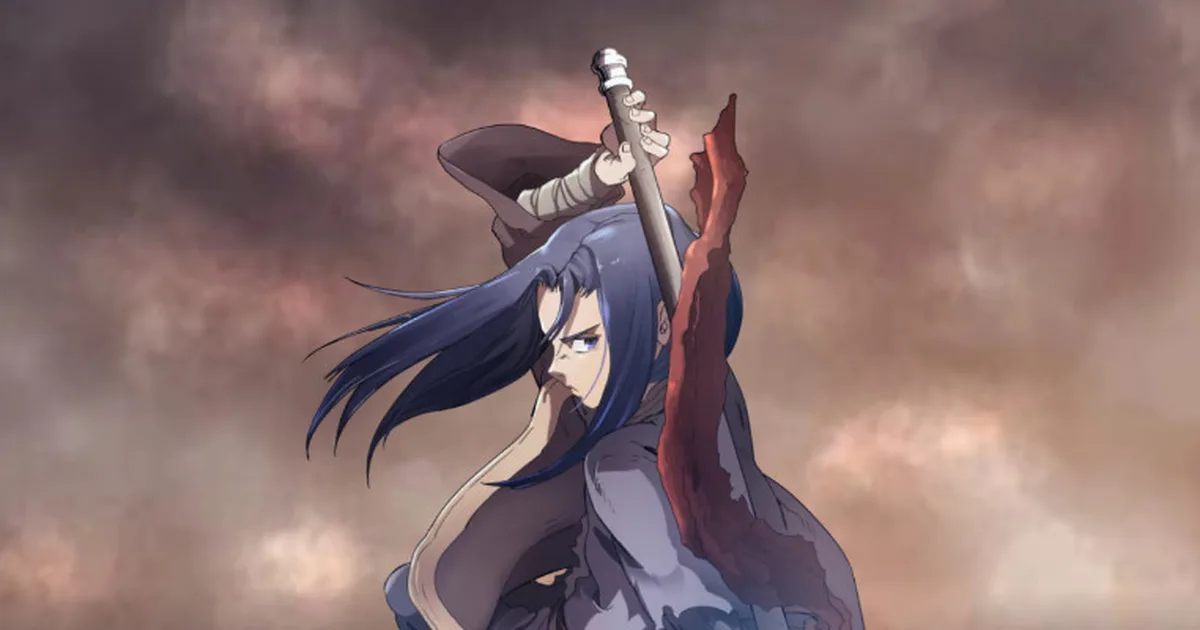
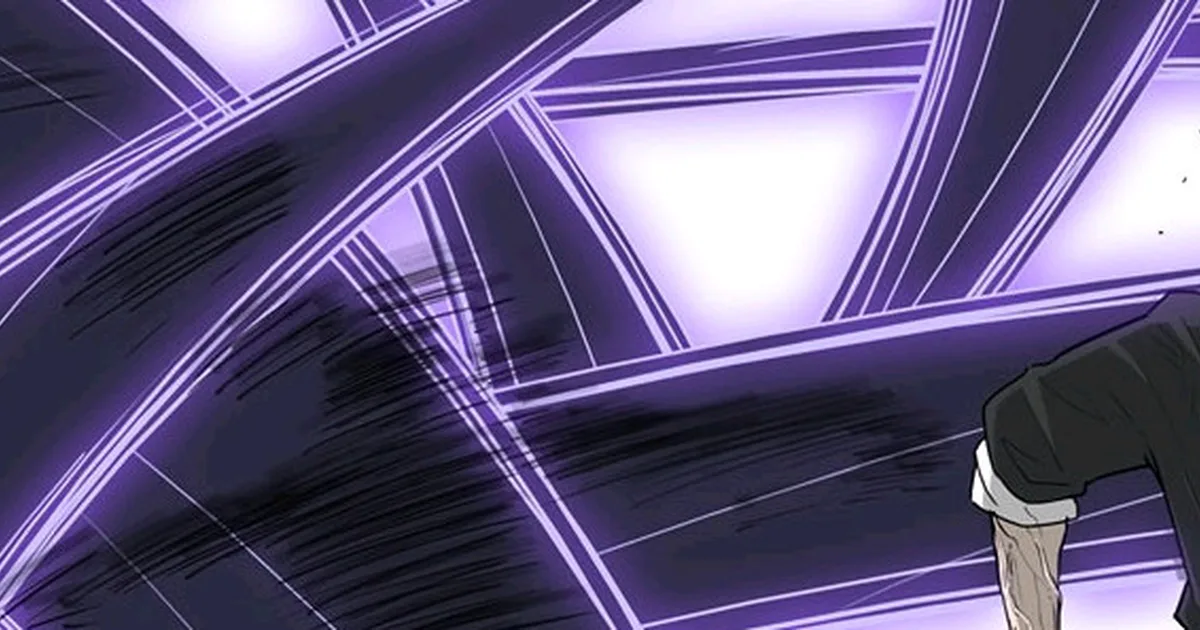
 The art conveys orthodox and demonic techniques as visually distinct: precise forms versus raw energy discharge.
How it compares to other completed murim
Nano Machine: System-based cultivation versus manual dual-technique. Nano Machine is faster-paced and gives its protagonist rapid quantifiable progress. Chronicles is slower and its progression is embedded in combat and faction dynamics. Both are completed murim series with a protagonist who has an unusual advantage over their peers.
Legend of the Northern Blade: Both are completed dark murim with a protagonist rebuilding from a low point after their master/sect is destroyed. Northern Blade's Jin Mu-Won develops from a hidden foundation of documents; Chronicles' Un-Seong develops from inside the enemy organization. Northern Blade is more isolated in focus; Chronicles engages more with faction politics. Both are completed and both have full endings.
Return of Mount Hua Sect: Same structural premise (orthodox martial artist in hostile circumstances) but completely different register. ROMHS uses the gap as comedy. Chronicles uses it as dramatic material. ROMHS is lighter and faster-paced. Chronicles is darker and more sustained in its revenge arc.
Volcanic Age: Both are completed murim series with a protagonist who has a specific advantage over peers. Volcanic Age uses foreknowledge from regression. Chronicles uses dual-technique from forced immersion in a hostile sect. Both are 240+ chapters and both are completed.
For a patient completed regression murim to read alongside Chronicles:
Volcanic Age Reading Guide
Chronicles of the Heavenly Demon reading guide: tips
Advertisement
Push through the first 40 chapters. The slowness is real, but it's load-bearing. The context established here is what makes the mid-arc faction politics coherent and the late-arc confrontations meaningful.
Track the cult's factions. The demonic sect is not monolithic. Several factions compete for influence, and Un-Seong's position changes as his dual-technique foundation becomes understood. Reading the faction dynamics as active plot rather than background will make the mid-arc significantly more interesting.
The dual-technique combinations are the series' best moments. When the art shows orthodox precision directing demonic force, or demonic scale filling in what orthodox technique lacks, those panels reward attention. The art communicates the combination visually, and catching it makes re-reads productive.
Frequently Asked Questions
How many chapters is Chronicles of the Heavenly Demon?
252 chapters, completed January 2025. Full story, real ending.
Where does it get good?
Around chapter 50. The first 40 chapters establish the premise and are the slowest section. The dual-technique combinations become usable and the faction politics come into focus around chapter 50.
Is the ending satisfying?
Yes. The revenge arc closes completely. Un-Seong's specific goals from the opening are addressed without vagueness.
How does it compare to Nano Machine?
Nano Machine is faster, system-based, more spectacle-forward. Chronicles is slower, manual-cultivation, more politically complex. Both are completed murim with unusual-advantage protagonists.
Is the dual-technique system explained early?
The premise is introduced in the first chapters, but the dual-technique combination doesn't pay off as a combat mechanic until around chapter 50. The early arc establishes Un-Seong's position within the sect and his orthodox roots before the two traditions can productively interact.
Is there an anime adaptation of Chronicles of the Heavenly Demon?
No anime adaptation has been announced as of mid-2026. The series ran on Kakao in Korean and is officially translated on Tappytoon in English.
Related Reading
- Chronicles of the Heavenly Demon Review: Full review with rating, pros/cons, and who should read this series.
- Best Martial Arts Manhwa 2026 (linked above): Ranked list of completed and ongoing murim series, including Chronicles.
- Nano Machine Review: The system-cultivation comparison point, with faster pacing and explicit stat tracking.
- Legend of the Northern Blade Reading Guide: Arc breakdown for the completed dark murim most similar in tone and protagonist arc.
- Volcanic Age Reading Guide: Another completed regression murim at 303 chapters for readers who want more after Chronicles.
- Manhwa Like Chronicles of the Heavenly Demon (6 Picks): Top manhwa picks for fans of Chronicles Of Heavenly Demon.


