Loading…
ChapterBrief · Reviews
Gosu Manhwa Review: 1.4B Views and the Anime Is Almost Here
Gosu manhwa review: 8.0/10. 233 chapters, 1.4B views. Murim comedy that turns serious and earns it. Anime adaptation Takate confirmed in production.

Reviewing
Gosu
Gi-Un Ryu · Naver Webtoon
8.0
Score
8.0/ 10
WebtoonNaver Webtoon
Pros
- Tonal shift from comedy to revenge drama is handled through the story, not imposed on it
- Gang Ryong's characterization holds across 233 chapters without becoming predictable
- Final arc sticks the landing in a genre where endings routinely disappoint
- 1.4 billion Naver views is a quality signal that justifies itself in retrospect
- Jeong-Hu Mun's art handles both comedy and combat without dropping either register
Cons
- First 30 chapters lean into physical comedy that doesn't represent what the series becomes
- Some supporting characters feel underdeveloped compared to the antagonists
- English platform access requires more searching than comparable Naver titles
Verdict
Gosu is the murim manhwa most readers find through a recommendation and can't stop. 1.4 billion views is a quality signal that explains itself once you read past chapter 50.
Gosu manhwa review: 233 chapters, 1.4 billion views, and an anime confirmation that has readers going back to the source material.
TL;DR: Gosu manhwa review: 8.0/10. 233 chapters completed April 2021 on Naver Webtoon. The murim series that starts as a revenge comedy and turns into something heavier. Final arc is one of the better endings in the genre. Anime adaptation Takate in production from Toei Animation + Studio Mir + Studio N.
Gosu manhwa review: key takeaways
- Rating: 8.0/10
- Status: Completed, 233 chapters, April 2021
- Story: Gi-Un Ryu. Art: Jeong-Hu Mun. Consistent across the full run.
- Platform: Naver Webtoon (Korean original), Webtoon in English
- Views: 1.4 billion on Naver by 2023
- Anime: Takate, produced by Toei Animation, Studio Mir, Studio N. No release date confirmed as of mid-2026.
Overview: what Gosu is actually about
Gang Ryong grew up training under a legendary murim master who was betrayed by his own disciples and left for dead with his school destroyed and his reputation erased. Gang Ryong emerges from his training with his master's complete techniques and sets out to find the men responsible.
The early chapters play this straight as comedy. Gang Ryong doesn't look like the traditional murim protagonist. His appearance is unremarkable by genre standards, frequently mistaken for someone significantly less dangerous than he is. The series runs hard on that gap in its first arc: opponents underestimate him, he handles them without visible effort, the scene resets.
This is the version of Gosu that readers describe when they say it's funny. It works because the power differential is real and Gang Ryong doesn't perform the role of intimidating expert. He doesn't announce his lineage. He doesn't monologue. He handles things and moves on.
The version that generates 1.4 billion views comes later.
Art & Story: Jeong-Hu Mun's two registers
Advertisement
Jeong-Hu Mun's art handles two requirements across 233 chapters: the physical comedy of the early arcs and the weight of the later ones. Both need different visual grammar. Comedy requires fast panel reads and expressive character faces. Serious arcs require fight choreography that makes power hierarchy legible, and compositions that can hold emotional weight without tipping into melodrama.
The art achieves both without a visible shift in the artist's hand. The change is in emphasis and density, not in style. Mun controls panel pacing differently when the stakes rise. Action sequences that would have been loose and episodic in the early arcs become compressed and technically detailed as the antagonists escalate. It's the same visual toolkit applied with different priorities.
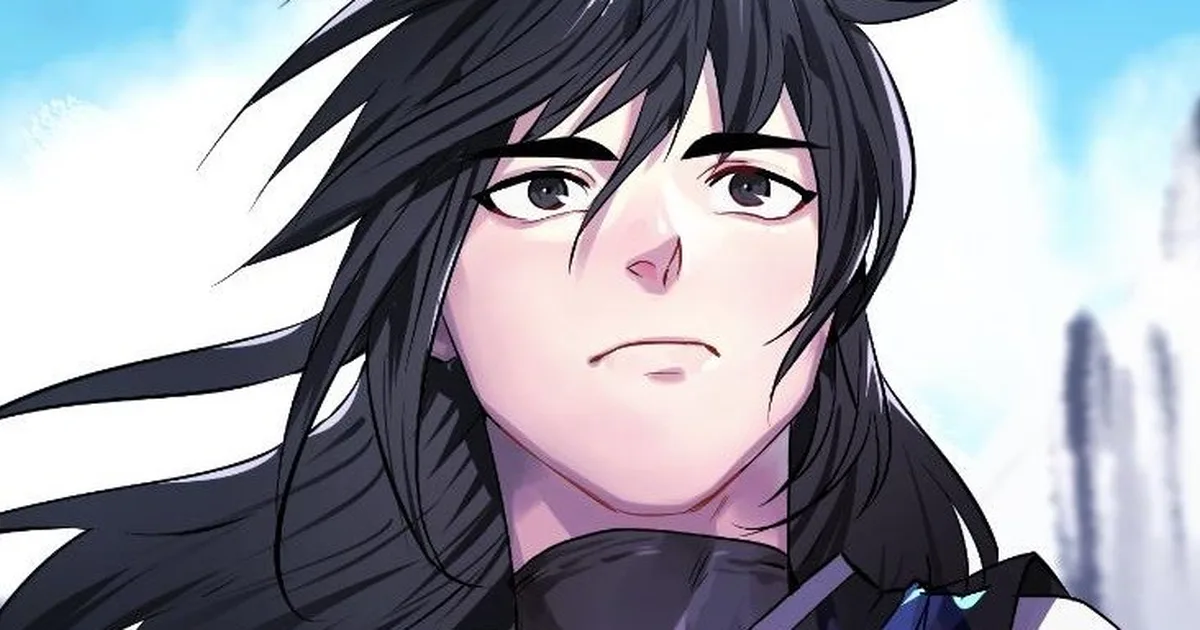
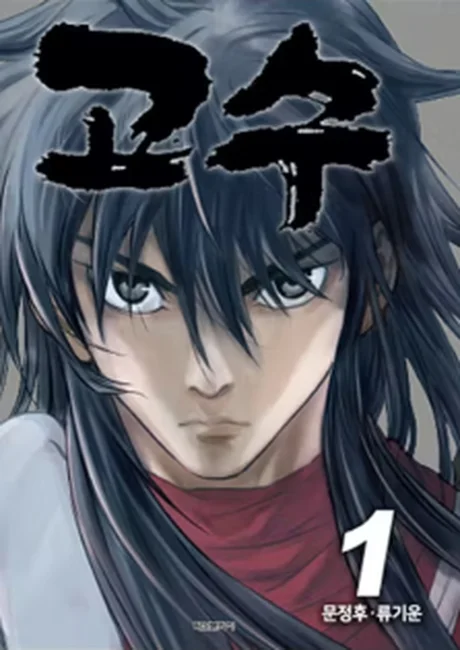 Gosu by Gi-Un Ryu (story) and Jeong-Hu Mun (art), serialized on Naver Webtoon 2015-2021.
For the broader murim landscape that situates Gosu, the best murim manhwa 2026 guide covers where the series ranks among its genre peers.
The murim world Gosu depicts follows traditional structure: major sects with competing interests, affiliated schools, and the wanderers who operate outside formal power. Gang Ryong's master was a figure of real authority in that structure before the betrayal. The revenge arc sends Gang Ryong through that world toward the people who dismantled his master's life. The antagonists escalate in rank as he gets closer.
That escalation is what enables the tonal shift. Early arcs deal with people who underestimated Gang Ryong and were wrong to. Later arcs deal with people who understand exactly what they're facing.
For readers new to murim manhwa who want context on how Gosu fits the genre:
Best Murim Manhwa 2026 -->
Why the comedy-to-serious shift works
Most murim manhwa that attempt both tones run into the same structural problem: the humor and the stakes don't coexist comfortably. When the series needs to be serious, the comedy feels like a tonal error. When it returns to jokes, the dramatic weight from the previous section evaporates.
Gosu avoids this because the comedy isn't separate from the story. The early humor comes from the power gap and Gang Ryong's personality. As the story progresses and the antagonists become more dangerous, as the betrayal's consequences become more personal, the same power gap and same personality stop generating the same humor. Not because the series decided to be serious, but because the situations changed.
By the mid-run, Gosu is primarily a revenge narrative with occasional comedic moments rather than a comedy with serious sections. The shift is gradual enough that readers can't identify a specific transition point. They just notice at some point that the tone changed, and that the change was correct.
This is distinct from how Return of the Blossoming Blade handles tone: that series uses comedy as structural logic throughout. Cheongmyeong's perspective gap generates humor that validates the dramatic stakes simultaneously. Gosu uses early comedy differently, as an entry point that doesn't represent the series' ultimate register. Both work, but for different reasons, and readers who enjoy one typically enjoy the other.
The closest tonal comparison in the genre:
Return of the Blossoming Blade Review -->
The final arc
The ending is what readers cite most often when recommending Gosu. In a genre where series either continue indefinitely or conclude with rushed final chapters that can't resolve what 200 chapters established, Gosu concludes in a way that addresses what the series was actually about rather than just stopping the action.
That's harder than it sounds. A revenge narrative that runs long enough to develop a full cast of antagonists and supporting characters, with a tonal shift partway through, needs an ending that honors both the comedy version of the story and the serious one. The ending Gosu delivers does that. The comedy chapters weren't a misleading entry point. They were accurate, given where Gang Ryong was at the time. What the finale demonstrates is what those chapters were setting up.
Readers who drop Gosu after chapter 20 because the comedy doesn't work for them are making a reasonable call. They're just deciding based on the wrong version of the series.
For context on where the anime fits the broader adaptation trend, manhwa getting anime adaptations in 2026 has the full year's lineup including Takate.
Gosu manhwa review: verdict
Advertisement
Rating: 8.0/10.
Gosu doesn't look like what it is from the first ten chapters. The early comedy works on its own terms but doesn't prepare you for a series that becomes one of the more effective revenge narratives in manhwa. 1.4 billion views is the kind of number that explains itself in retrospect.
The cons are real: the opening chapters are an acquired taste, some supporting characters don't develop at the pace the antagonists do, and English availability requires more searching than comparable Naver titles. None of those issues survive the final arc.
The anime Takate is the reason to read now rather than waiting. Toei Animation and Studio Mir don't attach to projects they plan to underserve. When the adaptation hits, the reading queue for the source material will lengthen. 233 completed chapters is a reasonable commit before a major anime release.
The Good
- Final arc delivers a genuine conclusion, not just a stopping point
- Gang Ryong's characterization is consistent across 233 chapters without becoming predictable
- The tonal shift from comedy to drama happens through the story, not as an authorial decision
- Art quality holds from chapter 1 through the finale
- Sequel exists for readers who want more after the original run
The Cons
- First 30 chapters feel disconnected from the series Gosu becomes; readers who drop early miss the actual story
- Supporting cast development is uneven relative to the antagonist development
- English platform access takes more work to locate than comparable Naver titles with dedicated Webtoon slots
Frequently Asked Questions
Is Gosu manhwa worth reading?
Yes. 1.4 billion views and a praised final arc are the practical signals. The early comedy is a barrier for some readers, but the series that Gosu becomes after chapter 50 is a stronger recommendation than the one that starts in chapter 1.
How many chapters is Gosu manhwa?
233 chapters, completed April 2021. A sequel series continues past the original ending for readers who want more.
What is the Gosu anime called?
Takate. Produced by Toei Animation, Studio Mir, and Studio N. Production was confirmed as of late 2025; no specific premiere date announced as of mid-2026.
Is Gosu manhwa completed?
Yes. The original series completed in April 2021 at 233 chapters with a definitive ending.
Where can I read Gosu manhwa in English?
Webtoon.com carries Gosu in English. Check the series page directly for chapter availability, as regional access can vary.
How does Gosu compare to Return of the Blossoming Blade?
Both blend murim comedy with genuine martial arts stakes. Return of the Blossoming Blade keeps comedy structural throughout. Gosu uses early comedy as an entry point before revealing a heavier revenge narrative. Gosu completed at 233 chapters; Return of the Blossoming Blade is ongoing. Readers who enjoy one typically find the other worth reading.
Related Reading
- Best Cultivation Manhwa 2026: Broader genre landscape for readers who want more after Gosu.
- Manhwa with Anime Adaptations 2026: Full list of manhwa reaching screens in 2026, including Takate.
- Gosu Manhwa Reading Guide: full arc breakdown, tonal shift explained, and reading tips for the complete 233-chapter run.
- Best Manhwa About Rejection and Revenge: Gang Ryong's hunt for the disciples who betrayed his master, grouped with 7 other manhwa built around a specific betrayal.
References
- Gosu on AniList: series data, chapters, staff credits
- Gosu on Webtoon: official English platform
- Gosu anime Takate production announcement via Anime News Network
About the author

Senior Manhwa Critic & Analyst
Manhwa critic and former Korean-to-English webtoon translator with 8 years reading across 40+ genres. London-based. Tracks everything from power-progression to slice-of-life romance.
- 8 years reading manhwa across 40+ genres
- Former Korean-to-English webtoon translator
- 500+ manhwa titles completed
- Specializes in progression systems and power-scaling analysis


Disclaimer
This article is published for informational and entertainment purposes. It does not constitute professional financial, legal, or technical advice. Series availability, platform access, translation status, and chapter counts change. Verify critical details (pricing, regional availability, official translation status) with publishers and platforms. Affiliate links, where present, help support our editorial work and are labelled in our affiliate disclosure.
Comments
Loading comments…