

Surviving as a Genius on Borrowed Time review begins with the premise, because the premise is doing real structural work. Jung Yeonshin has a fate: he can't live past twenty. In a genre where protagonists regularly become immortal or ascend to godhood, a lifespan deadline is a genuine design constraint -- not decorative tragedy.
TL;DR: Surviving as a Genius on Borrowed Time review: 7.8/10. A murim genius racing his own death, with self-created martial arts built around his physical limitations. Strategy-forward combat, clean art, genuine urgency. No official English release yet.
Surviving as a Genius on Borrowed Time review: key takeaways
- Rating: 7.8/10
- Author: Cheongsiso (novel), illustrated by Yoon Seung Gi
- Platform: Naver Webtoon (Korean original); fan translations in English
- Status: Ongoing, 93 episodes currently listed on Naver Series
- Setting: Murim (Korean martial arts fantasy)
- Distinguishing feature: the protagonist's lifespan is the actual antagonist, not just backstory
- For arc structure and reading order details: Legend of the Northern Blade Review
Surviving as a Genius on Borrowed Time review: overview
Jung Yeonshin grows up in a murim clan that writes him off.
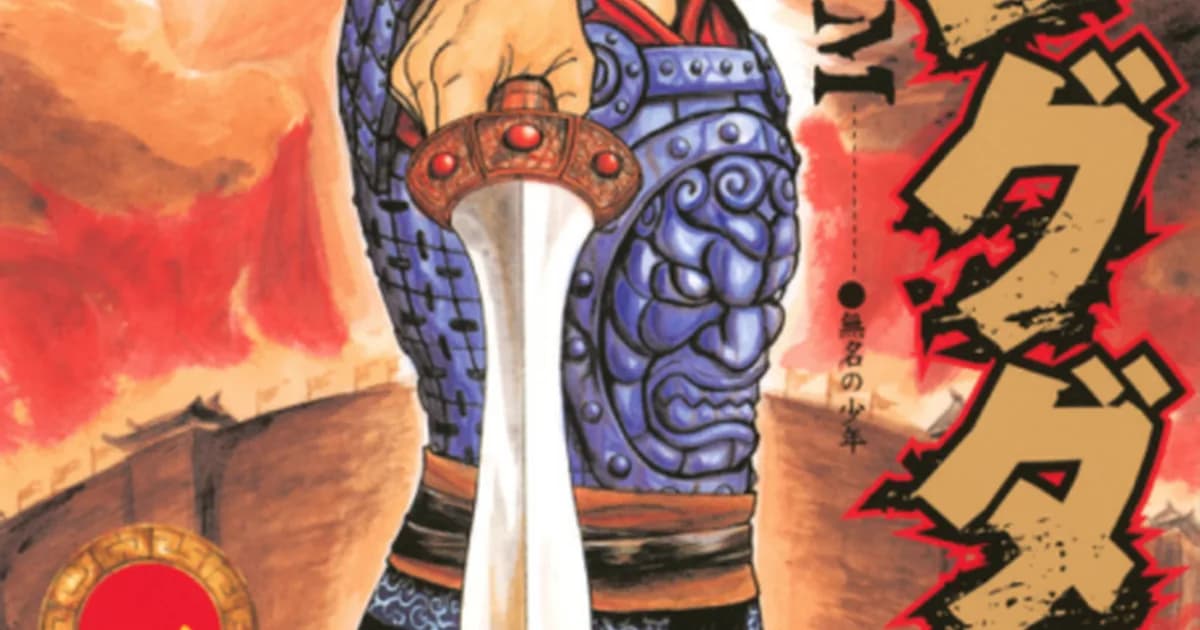
 Surviving as a Genius on Borrowed Time by Cheongsiso and Yoon Seung Gi -- Naver Series.
The diagnosis is simple: his fate is cut short. He won't make twenty. Everyone in the family treats this as settled.
Surviving as a Genius on Borrowed Time by Cheongsiso and Yoon Seung Gi -- Naver Series.
The diagnosis is simple: his fate is cut short. He won't make twenty. Everyone in the family treats this as settled.
What they don't account for is that Yeonshin doesn't treat it as settled.
Rather than pursuing a conventional martial arts path -- inheriting techniques, training under a master, climbing the standard murim hierarchy -- he creates his own system. Not out of arrogance, but necessity. His body has limits that standard techniques don't account for. So he builds around those limits. The self-created martial arts aren't a power fantasy; they're problem-solving under constraint.
The series' antagonist structure works because it's layered. There are external enemies: rivals, clan politics, factions that want him dead or neutralized. But the primary antagonist is time itself. Every arc has an implicit deadline. Every power-up or technique he develops has to account for how much of his lifespan it costs.
For murim readers who prefer action with external world-ending stakes, Chronicles of the Heavenly Demon Review covers a different tradition in the genre -- revenge-driven rather than survival-driven.
Art & Story
Advertisement
Yoon Seung Gi's art handles two distinct modes well. The first is the wide-panel combat sequence -- fast, directional, with motion lines that make technique-level detail readable rather than chaotic. The second is the quieter character work: expressions during political conversations, the physical tell of Yeonshin masking pain, the visual gap between how he presents himself and what his body is actually doing.
The palette leans cooler than most murim manhwa, which tends toward warm ink and earth tones. This review's read is that it's intentional -- the cooler palette suits a story about a protagonist fighting against something cold and inevitable.
The early art establishes Yeonshin's physique as deliberately unimpressive for the genre. He doesn't look like a power-fantasy protagonist. He looks like someone who is running out of time. That consistency pays off when the combat sequences hit, because the contrast between what he looks like and what he can do is part of what makes each fight land.
Story structure in the early chapters front-loads murim worldbuilding: clans, hierarchies, the political map of factions. This can be dense if you're new to the genre. The payoff is that by the midpoint of available chapters, that groundwork is load-bearing. The political dynamics aren't backdrop -- they're the terrain Yeonshin navigates.
The fights themselves are strategy-first. Yeonshin rarely wins through a power level advantage. He wins through preparation, misdirection, and exploiting what his opponents underestimate about him. For readers who find power-escalation murim repetitive, this is the version of the genre that's doing something different.
For another murim manhwa where technique beats raw power:
Legend of the Northern Blade Reading Guide


What makes the premise work
The terminal illness isn't used the way this device usually appears in fiction -- as pathos motivation that gets quietly shelved once the protagonist gets strong enough. It stays structurally relevant.
Every technique Yeonshin develops has a cost. His self-created martial arts system accounts for his body's limits, which means it also has ceiling -- he can't simply train past the problem. The lifespan pressure shapes his combat philosophy: he can't afford attrition. He has to end fights quickly and decisively, which is why his approach skews toward preparation over endurance.
This is also why the interpersonal dynamics hit differently than standard murim. Yeonshin knows other characters don't know how much time he actually has. That asymmetry shapes how he relates to potential allies, rivals, and anyone who takes an interest in him. It's not quite dramatic irony -- readers know, but the emotional texture it creates in scenes is earned rather than mechanical.
For a murim manhwa with a similar strategic protagonist but a revenge-arc structure:
Chronicles of Heavenly Demon Review
Verdict
Advertisement
The Good
- Terminal illness premise stays structurally active across the series, not just in the first arc
- Self-created martial arts system is internally consistent -- the fighting logic holds up
- Strategy-forward combat rewards attention rather than just scale
- Art handles both wide-panel action and quieter character moments with consistent quality
The Cons
- No official English platform as of mid-2026 -- fan translations only, which means inconsistent release cadence
- Early chapter worldbuilding is dense; new-to-murim readers may need patience through the first 20 chapters
- Ongoing with no announced end; the lifespan deadline creates urgency the series has to eventually resolve or extend
Surviving as a Genius on Borrowed Time earns its premise. The lifespan deadline isn't decoration -- it's the design principle the whole series runs on. Yeonshin's self-created techniques, his relationship to other characters, his combat approach: all of it comes back to the fact that he's not planning for a future that includes old age.
If you're in murim manhwa for power escalation and tournament arcs, this isn't the version of the genre you're looking for. If you want a protagonist whose intelligence and limitations are the actual story, this is one of the better current options in the genre.
Rating: 7.8/10
Related Reading
- Legend of the Northern Blade Review -- another murim manhwa where the protagonist develops an unconventional martial arts path from a position of disadvantage
- Chronicles of Heavenly Demon Review -- revenge-arc murim with a protagonist who builds power methodically rather than through inheritance
- Nano Machine Reading Guide -- for readers who want murim crossed with a modern sci-fi system mechanic
- Surviving as a Genius on Borrowed Time Reading Guide: Arcs
- Manhwa Like Surviving as a Genius on Borrowed Time: 3 Picks: the tonal match, the system-mechanic alternative, and a completed murim benchmark
Frequently Asked Questions
Is Surviving as a Genius on Borrowed Time worth reading?
Yes for murim readers who prefer strategy over escalation. The 7.8/10 reflects a series that's doing something genuinely specific with its premise rather than going through genre motions.
How many chapters does it have?
93 episodes currently listed on Naver Series, ongoing. The listing indicates a weekly Monday release pattern; no completion date is announced.
Where can I read it in English?
No official English license as of mid-2026. Fan translation sites (Asura Scans, Era Scans) carry the series.
What genre is this?
Murim (Korean martial arts fantasy). Not a school or modern setting -- the story takes place in a wuxia-adjacent world with clans, martial hierarchies, and cultivation-adjacent power systems.
Is it similar to Solo Leveling?
Not closely. Solo Leveling is about a protagonist gaining a system that rapidly escalates his power. Surviving as a Genius on Borrowed Time is about a protagonist with a hard ceiling on what his body can do, winning through intelligence and technique design rather than power growth.
Who drew the manhwa?
Illustrated by Yoon Seung Gi, based on a novel by Cheongsiso. Published on Naver Webtoon since 2024.
References
- Surviving as a Genius on Borrowed Time on AniList -- series metadata including publication status and reader tracking
- Surviving as a Genius on Naver Series -- official Korean listing, current episode count and release status
- Surviving as a Genius on Asura Scans -- fan translation source, chapter count reference