
Return of the Blossoming Blade reading guide: Season 3 is active on WEBTOON at episode 175, the backlog is substantial, and the novel is running far ahead of the manhwa. Where you start matters.
TL;DR: Return of the Blossoming Blade reading guide: Season 3 active since April 2026. Arc breakdown, manhwa vs 1,300-chapter novel, and where to start.
Return of the Blossoming Blade reading guide: key takeaways
- Manhwa on WEBTOON (official English), free to read. Season 3 started April 14, 2026, at episode 153; the current listing reaches episode 175 (September 15, 2026)
- Web novel by Biga: 1,500+ chapters in Korean; ~900 translated into English at maehwasup.com and WebNovel
- Three seasons of manhwa, with a 16-month gap between Season 2 (ended Dec 2024) and Season 3 (started Apr 2026)
- The series won the Presidential Award in the cartoon category at the 2022 Korea Contents Awards
- Comedy is structural, not decorative. It's the primary reason the series holds up across hundreds of chapters
- The manhwa is the better visual entry; switch to the novel when you exhaust the manhwa
Overview
Return of the Blossoming Blade (also known as Return of the Mount Hua Sect) is an ongoing manhwa adapted from a web novel by Biga. WEBTOON currently credits the manhwa art to LICO and ARCHE, and publishes the official free English translation. As of September 2026, the series is in Season 3 at episode 175, after a 16-month gap following Season 2's December 2024 finale.
The original web novel started on Naver on April 25, 2019 and has over 1,500 chapters in Korean, with an English fan translation at maehwasup.com clearing 900+ chapters. The manhwa is significantly behind the novel in story coverage. Both formats tell the same story.
The premise: Cheongmyeong, the Plum Blossom Sword Saint of the Mount Hua Sect, was the most powerful swordsman of his era. He died defeating Cheonma, the Demonic Cult leader, a century ago. He has since reincarnated as a 15-year-old disciple in a Mount Hua Sect that has declined into mediocrity. His goal is to restore it. The series' central hook is structural comedy: a centuries-old swordsman navigating the gap between his era's standards and the softness of the modern murim world.
The series won the Presidential Award in the cartoon category at the 2022 Korea Contents Awards. Platform: WEBTOON (free, official English). Status: ongoing, Season 3; AniList status: RELEASING.
What Is Return of the Blossoming Blade?
Advertisement
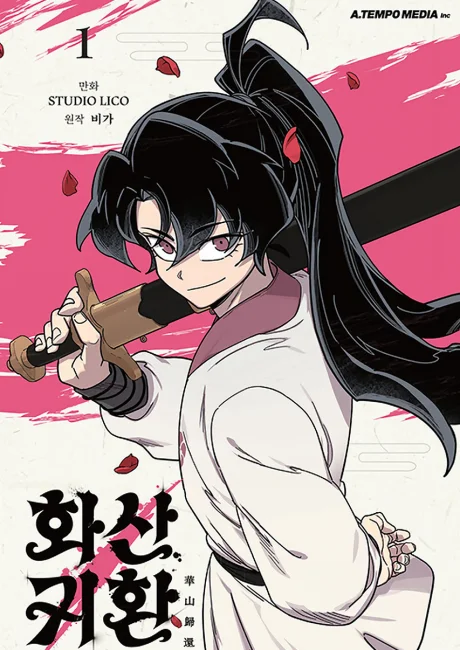 Return Of The Blossoming Blade.
Cheongmyeong was the Plum Blossom Sword Saint, the most powerful swordsman of the Mount Hua Sect, killed a century ago in a final battle against Cheonma, the leader of the Demonic Cult. The battle ended with both dead. It ended the cult's threat. It also effectively ended Mount Hua's era of greatness.
He wakes up reincarnated as a 15-year-old with full memory of his previous life. Mount Hua, once the dominant sect in the murim world, has declined into mediocrity. Its disciples are undertrained, its reputation is barely functional, and the techniques that made it famous have degraded over a century of lazy transmission.
Cheongmyeong decides to fix this. That sentence sounds heroic. In practice, it means he spends a large portion of the early story dragging barely-motivated disciples through brutal training regimens, arguing with sect elders who don't understand why a random kid is outperforming their best fighters, and navigating inter-sect politics with the bluntness of someone who genuinely cannot understand why modern murim practitioners have gotten so soft.
The comedy is not a tone-lightening mechanism on top of a serious story. It's built into the character: a pragmatist from 100 years ago, operating with the standards of a dead era, surrounded by people who've accepted decline as normal. The gap between what Cheongmyeong expects and what he finds generates most of the series' humor. That gap closes as the series progresses. That's where the dramatic weight comes in.
Season Breakdown: What Each Season Covers
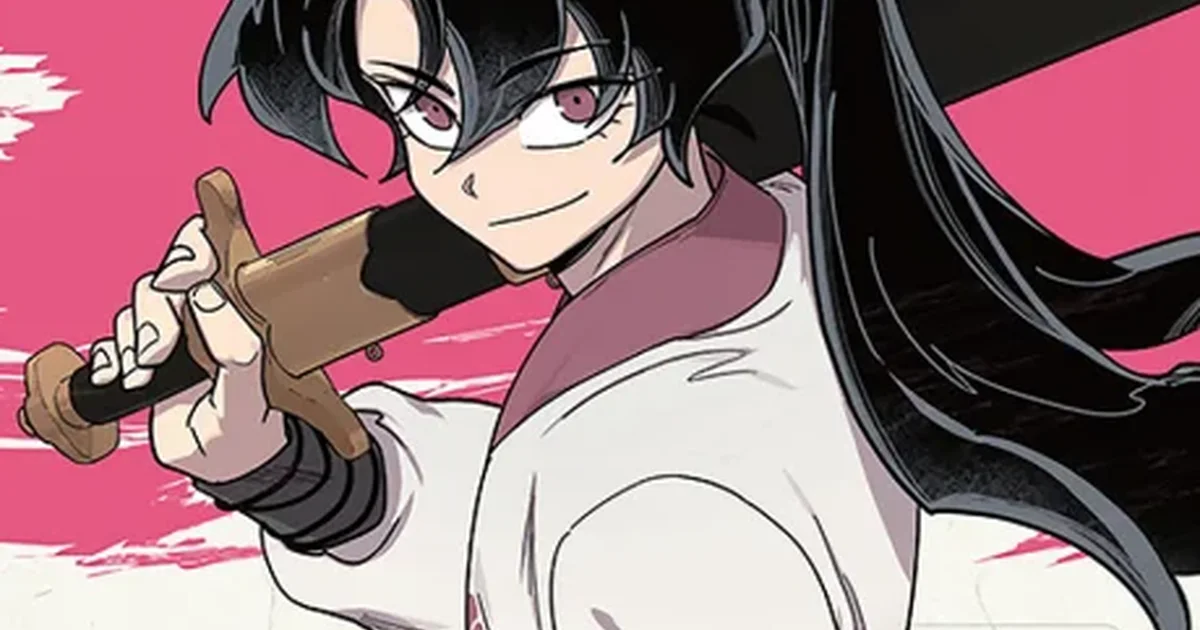
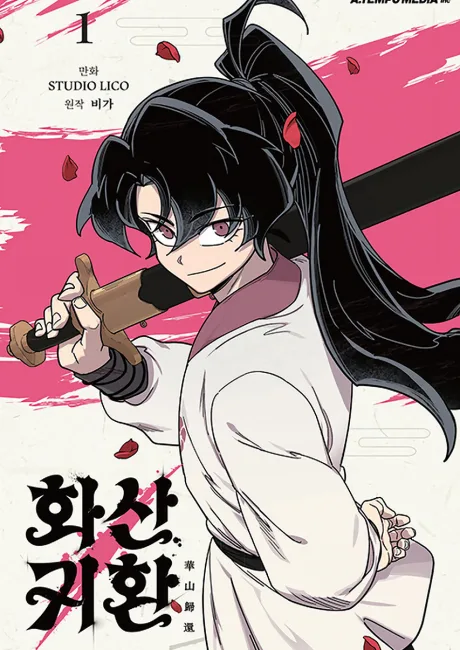 Official cover art for Return of the Blossoming Blade (Return of the Mount Hua Sect), adapted by LICO and ARCHE on WEBTOON. Source: AniList.
Season 1 (Episodes 1+, March 2021 to August 2022)
Season 1 establishes the premise and the core disciple group. Cheongmyeong locates the four disciples who will become the series' main team (Baek Cheon, Yunjong, Jo Gul, and Yoo Iseol) and starts actually training them. The comedy-to-serious ratio leans heavy on comedy here because the gap between Cheongmyeong's expectations and the sect's current state is at its widest. By the end of Season 1, the team has a foundation and Mount Hua has started re-engaging with the wider murim world.
Season 2 (June 2023 to December 2024)
Season 2 expands the scale. The disciples have grown enough to compete at inter-sect events, which puts Mount Hua back on the map and draws attention from other sects and the Demonic Cult's remnants. The training from Season 1 starts paying off in fights with real strategic depth. The comedy doesn't disappear, but the dramatic weight increases.
Season 3 (Episode 153, April 2026, ongoing)
Season 3 returned after 16 months without new chapters, the longest gap in the series' run. It started April 14, 2026 with episode 153, releasing weekly on WEBTOON. Fans had been waiting since the December 2024 finale. New readers arriving now can binge Seasons 1 and 2 before catching up to the weekly schedule.
For the broader murim genre context and how this series fits among the best:
Best Cultivation Manhwa →
Novel vs Manhwa: The Practical Comparison
 Return of the Blossoming Blade promotional banner from AniList, depicting the Mount Hua Sect's iconic setting. Source: AniList.
The biggest format question in any Return of the Blossoming Blade reading guide: start with the novel or the manhwa? The web novel (written by Biga, serialized on Naver starting April 25, 2019) has 1,500+ chapters in Korean. The English fan translation at maehwasup.com has cleared 900 chapters with Monday/Wednesday/Friday updates. The manhwa is at episode 175 as of the September 15, 2026 WEBTOON listing.
That's a significant content gap. For context: the manhwa covers roughly the same story the novel covers in its first few hundred chapters. Readers who exhaust the manhwa and switch to the novel will find a lot of material waiting.
Start with the manhwa if:
- You're new to murim and want to learn the genre's conventions through a visually clear entry
- You prefer reading in short sessions (WEBTOON's episode format suits this)
- You want to see the art. LICO and ARCHE's adaptation is strong, and the action choreography is better shown than described
Start with the novel if:
- You've already seen the premise and want the full story
- You read quickly and want to stay ahead of the manhwa's updates
- You care about character development in the later arcs, which the manhwa hasn't reached yet
For most readers: start with the manhwa at Season 1, binge through whatever's available, then switch to the novel translation at maehwasup.com when you run out. The novel picks up where the manhwa leaves off story-wise, though there's some difference in scene framing and pacing between the two versions.


Why the Comedy Holds Up
Most murim manhwa shed their humor as the stakes rise. The pattern is predictable: hero gets strong, tone gets serious, comedy disappears or gets handed off to secondary characters. Return of the Blossoming Blade doesn't do this.
The comedy comes from Cheongmyeong's perspective, not from comedic situations inserted around serious ones. He was killed in the greatest battle of his era. He came back knowing what was at stake and what it cost. His training methods are genuinely harsh because he knows what disciples need to survive real combat, not the exhibition matches that modern murim has normalized. When he argues with sect elders, he's not wrong. When he pushes disciples past what they think they can do, he's right about what they can do.
The humor is that he's correct, and everyone around him keeps expecting him to act like a normal 15-year-old. The dramatic weight is that his urgency makes sense once the series reveals more about what's coming. The comedy doesn't disappear as stakes rise. It changes character. Early Cheongmyeong is funny because the situation is absurd. Later Cheongmyeong is funnier because his bluntness is now surrounded by people who've earned the right to respond in kind.
Reviewers consistently describe the series as a "good mix of funny and epic," but that framing undersells it. These aren't two separate modes. It's the same scenes, read differently depending on what context the reader has.
The Murim Setting: What New Readers Need to Know
Murim refers to the world of martial arts practitioners in Korean historical fiction. It shares conceptual space with Chinese wuxia but has distinct conventions. In murim stories, sects are the primary organizational unit: groups with defined martial arts traditions, hierarchies, and rivalries. Strength is measured through cultivation levels, internal energy, and technique mastery. Inter-sect competition is political as much as it's martial.
Return of the Blossoming Blade uses these conventions but doesn't explain them for beginners. If you're new to murim, a few things to know going in:
Sects function like guilds with martial arts traditions and ranked hierarchies. Mount Hua's decline matters because reputation is material in murim. Worse reputation means worse resources, worse recruitment, and worse access to the inter-sect events that generate prestige.
Internal energy (qi/chi) is the basis of all martial power. What separates Cheongmyeong from his new-era peers isn't just experience. The techniques he carried from a century ago are genuinely superior to what Mount Hua has managed to preserve.
The Demonic Cult is the standard antagonist faction in murim fiction: not subtly evil, just the established opposition to the orthodox sects. Their history with Mount Hua is the backstory that drives the whole series.
For another murim-adjacent series with a distinct approach to the same conventions:
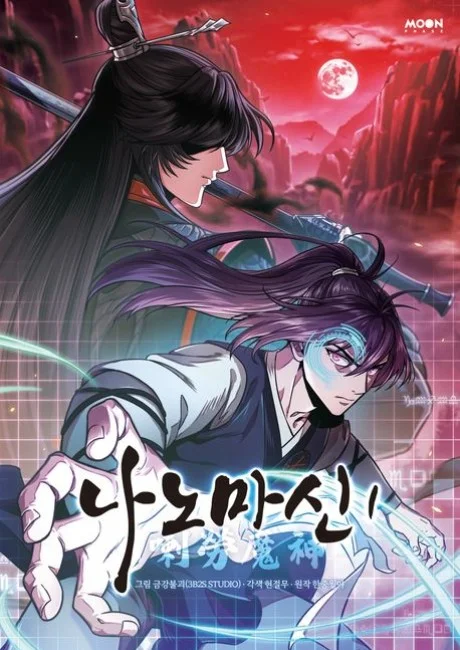
Nano Machine Reading Guide →
Step-by-Step
This Return of the Blossoming Blade reading guide recommends starting with the manhwa, then switching to the novel when the chapters run out. Here's the sequence:
1. Start at WEBTOON Season 1, Episode 1. The manhwa's first episode is a clean entry. Skip the novel until you've finished at least Season 1.
2. Binge Season 1 and Season 2 before starting Season 3. Season 3 has returning characters and established relationships that land better with context.
3. Catch up to Season 3's weekly releases on WEBTOON. New chapters have been posting on Wednesdays as of April 2026.
4. Switch to the English novel translation at maehwasup.com once you run out of manhwa chapters. Chapters update Monday, Wednesday, and Friday.
5. Read the novel for more context on the broader murim world if you want it. It covers factions and history that the manhwa has condensed or skipped.
The series doesn't require reading in any specific order beyond this. There are no spinoffs or side stories that affect the main narrative. Both the manhwa and the novel tell the same story, just at different depths and speeds.
For comparison picks across murim and broader action manhwa, Best Action Manhwa 2026 → has the genre ranked including where Return of the Blossoming Blade sits against series like Nano Machine and God of High School.
Return of the Blossoming Blade reading guide: tips
Advertisement
A few things to set expectations before you start:
The comedy is front-loaded but does not disappear. Season 1 has the widest gap between Cheongmyeong's expectations and his reality, which makes the humor most frequent here. As the series progresses and the disciples actually improve, the comedy changes character rather than fading. If you come in for the funny moments, you will stay for the dramatic payoff.
The murim setting assumes some familiarity with Korean historical fantasy conventions: sects, cultivation levels, internal energy, inter-sect rivalry. The series does not pause to explain these to new readers. The guide section above on murim conventions covers the basics. New readers who find the first 10 chapters confusing should check that section before continuing.
Season breaks matter for pacing. Season 1 and Season 2 are both complete, which means you can binge them without cliffhanger interruptions. Season 3 (April 2026 onward) updates weekly. New readers arriving now can finish both earlier seasons before catching up to the weekly schedule.
Novel readers: the maehwasup.com fan translation updates Monday, Wednesday, and Friday. The novel's later arcs involve factions and history not yet covered in the manhwa, so switching between the two formats requires accepting that the novel will spoil story beats the manhwa has not reached.
Frequently Asked Questions
Where do I read Return of the Blossoming Blade?
The manhwa is on WEBTOON with an official English translation, free to read. Season 3 started April 14, 2026. The web novel in English is available on WebNovel (partial) and at maehwasup.com (fan translation, 900+ chapters translated as of May 2026). Should I read the novel or manhwa for Return of the Blossoming Blade?
Start with the manhwa for the art and pacing. The novel is far ahead (1,500+ chapters in Korean vs 175 WEBTOON episodes as of September 15, 2026) and is the only way to reach later arcs. Both tell the same story. Most readers start with the manhwa and switch when they run out of episodes. How many seasons does Return of the Blossoming Blade have?
Three seasons as of September 2026. Season 1 ran March 2021 to August 2022. Season 2 ran June 2023 to December 2024. Season 3 started April 14, 2026, after a 16-month hiatus, beginning at episode 153; WEBTOON's current listing reaches episode 175. Is Return of the Blossoming Blade completed?
No. Both the novel and manhwa are ongoing. The Korean novel is the furthest ahead. Season 3 of the manhwa began updating on WEBTOON in April 2026 with weekly releases. Is Return of the Blossoming Blade the same as Return of the Mount Hua Sect?
Yes. The same series goes by both names depending on the platform and translator. 'Return of the Blossoming Blade' is the official WEBTOON English title. 'Return of the Mount Hua Sect' is used in novel translations and some fan communities. Who wrote Return of the Blossoming Blade?
The original web novel was written by Biga, serialized on Naver beginning April 25, 2019. WEBTOON currently credits the manhwa art to LICO and ARCHE; the series began publication on WEBTOON in March 2021. What makes Return of the Blossoming Blade different from other murim manhwa?
The comedy. Most murim manhwa are grim survival stories with occasional humor. Return of the Blossoming Blade makes comedy structural. Cheongmyeong's pragmatism as a centuries-old swordsman navigating modern sect politics creates consistent humor without sacrificing the martial arts stakes. The series won the Presidential Award in the cartoon category at the 2022 Korea Contents Awards.
Related Reading
- Best Cultivation Manhwa →
- Nano Machine Reading Guide →
- Best Action Manhwa 2026 →
- Return of the Blossoming Blade Review
- Manhwa Like Return of the Blossoming Blade: 6 Picks: Top manhwa picks for fans of Return Of The Blossoming Blade.
- Return of the Blossoming Blade Character Guide: Full cast reference, verified against AniList rather than a fan wiki.