Loading…
ChapterBrief · Guides
Revenge of the Baskerville Bloodhound Reading Guide
Revenge of the Baskerville Bloodhound reading guide: Baskerville family structure, arc phases, web novel vs manhwa explained, and where to read in English.

Reviewing
Revenge of the Baskerville Bloodhound
TO WALK (REDICE STUDIO), art by S.arang, original novel by Step on a LEGO
Revenge of the Baskerville Bloodhound reading guide: you've heard the name, you know it's a regression manhwa, and you want to know how the Baskerville family structure works before committing to a series with an AniList popularity of 40,000+ and an ongoing manhwa that's only covering part of a complete web novel.
TL;DR: Revenge of the Baskerville Bloodhound is an ongoing gothic regression manhwa on Tapas (English) and Kakao Webtoon (Korean). Vikir Von Baskerville spent 40 years as the family's best killer, was executed by his father, and regressed to age 8 with full memory of everything. The arc structure has three phases: the childhood positioning phase (silent and slow), the capability demonstration phase (the first reveals), and the faction expansion phase. The original web novel is complete; the manhwa covers roughly the first half. Read the manhwa first, switch to WebNovel to read ahead.
Revenge of the Baskerville Bloodhound reading guide: quick answer
Three things to understand before chapter 1. The Baskerville family is an assassination clan, not a noble house: advancement requires demonstrated kill capacity, and Vikir spent his first life climbing from the bottom on merit. The regression sets him back to age 8, which means years of physically constrained positioning before he can act on his tactical knowledge. And the patient arc is intentional: the series knows Vikir could force the issue earlier, and it's interested in why he doesn't.
Don't read this expecting fast escalation. Read it because the waiting is the point.
Key Takeaways
- Ongoing manhwa on Tapas (English digital) and Kakao Webtoon (Korean); Ize Press print volumes available
- Original web novel by Step on a LEGO is complete; the manhwa covers roughly the first half
- Vikir's regression advantage is tactical patience and foreknowledge, not immediate power
- AniList popularity 40,000+, trending score 26 in mid-2026; art by S.arang
- Three arc phases: childhood positioning, capability demonstration, faction expansion
- Start with the manhwa on Tapas; switch to WebNovel on WebNovel to read ahead after catching up
Overview
Advertisement
This guide covers the Revenge of the Baskerville Bloodhound manhwa through mid-2026 and the original web novel as a parallel track for readers who want more content.
What this guide covers: the Baskerville family political structure, the three arc phases, the web novel vs manhwa difference, platform options, and pacing expectations.
What it doesn't cover: specific plot outcomes, character death spoilers, or exact story beats beyond arc-phase structural descriptions.
Prerequisites: none. This guide is useful before chapter 1 or after chapter 30 when readers sometimes wonder whether the childhood patience arc will end.
Time investment: the manhwa's current episode count is a substantial read. The web novel is several hundred chapters if you want the full story. Budget accordingly.
Step-by-Step
1. Start with the manhwa on Tapas: Tapas hosts the official English digital release, with the first several chapters free and a paid subscription or coin system covering the rest. Avoid unofficial aggregator sites; Tapas is the platform that supports the series' continued production.
2. Read the childhood positioning arc in full rather than skimming it: Vikir is 8 years old and deliberately restrained during this stretch, and the series establishes which characters he's already decided how to handle. Later arcs reference this groundwork constantly, so skipping ahead means missing the setup for the phase 2 and phase 3 payoffs.
3. Track the three political layers as you read: the Baskerville family's internal hierarchy, the demon-slaying institutions, and the broader external political factions are separate systems Vikir is navigating at once. Keeping them distinct makes the faction-expansion arc easier to follow.
4. Check the Tapas series page for the current episode count before you start: the manhwa updates regularly and has likely advanced past mid-2026 content by the time you're reading this, so confirm where the story currently stands before budgeting your reading time.
5. Switch to the web novel on WebNovel once you catch up with the manhwa: the manhwa covers roughly the first half of the complete web novel by Step on a LEGO. The novel adds more internal monologue and political exposition and includes the full resolution, including the confrontation with Hugo.
6. Read the manhwa first, not the novel first: reading the web novel before the manhwa works, but it dampens what S.arang's art does for specific scenes. The manhwa experience is designed to land harder when you don't already know what's coming.
Arc Phase Breakdown
Understanding the Baskerville Family Before You Start
The Baskerville family is the series' central setting and most important structural element. Most fantasy manhwa place the protagonist in conflict with an external power. Baskerville puts Vikir inside the system he wants to destroy, which creates a different kind of dramatic tension.
The family is an assassination clan. Their social hierarchy runs on bloodline rank and demonstrated killing capability. Vikir is illegitimate, which starts him at the bottom of the internal hierarchy regardless of his actual capability. In his first life, he climbed from that position to become the family's finest operative through sheer competence over 40 years. Then his father had him executed.
The regression sets him back to age 8. His body is a child's. His tactical mind is a 40-year veteran's. The family around him has no idea who they're dealing with.
Three sub-factions matter for following the arc structure. First, Vikir's father Hugo leads the family's current operations and is the primary antagonist. Second, the Baskerville line's internal politics include other high-ranking members with their own agendas toward Vikir. Third, the external world outside the family: the demons, the demon-slaying institutions, and the political factions that will eventually intersect with Vikir's plans. Understanding that these three layers exist helps track the series' plot logic across arcs.
Phase 1: The Childhood Positioning Arc (Early Chapters)
This is the slowest section of the series. Vikir is 8 years old, physically limited, and operating in an environment where revealing his full tactical mind too early would destroy his plan. He trains. He performs adequately but not conspicuously. He positions himself.
Many readers find this section tests their patience. That's the intended effect. The series is asking you to experience what Vikir experiences: restraint when every instinct says to act. By the time the childhood arc ends and Vikir's body has aged enough to start acting on his knowledge, the reader understands why the patience was the correct strategy.
Don't skip chapters here. The childhood arc establishes which characters Vikir has already decided how to handle, which relationships he's building deliberately, and which events he's allowing to happen because the timing isn't right yet. Later arcs reference this groundwork constantly.
The Revenge of the Baskerville Bloodhound review covers the specific review verdict and what the series does well. For readers who want genre comparison before committing, manhwa like Revenge of the Baskerville Bloodhound maps the closest structural equivalents.
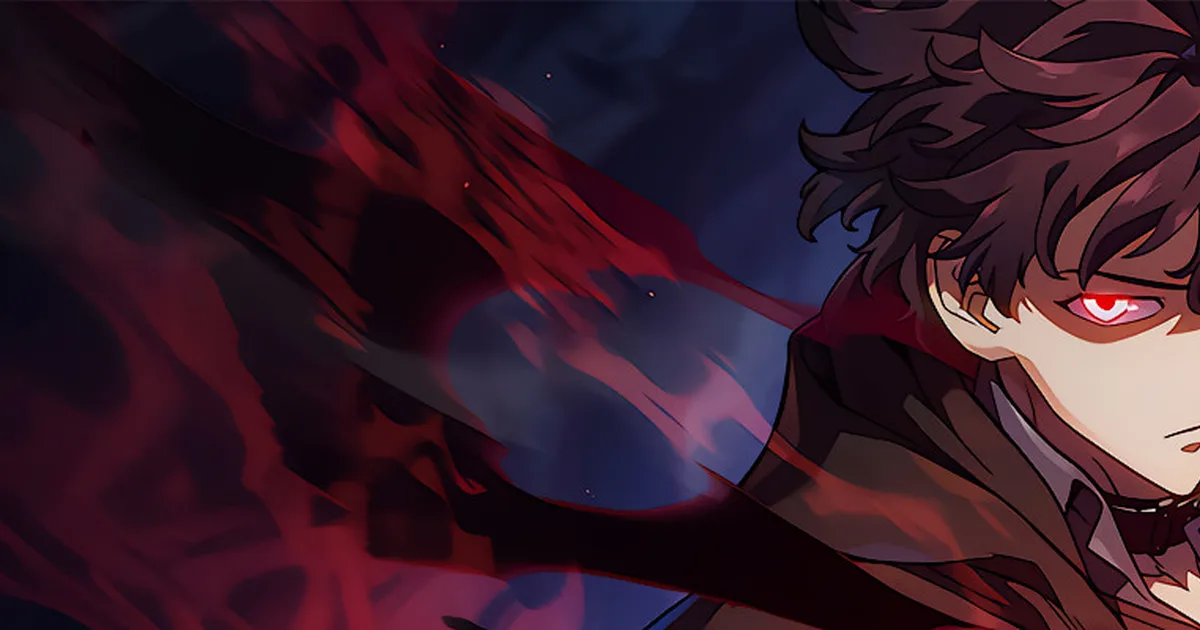
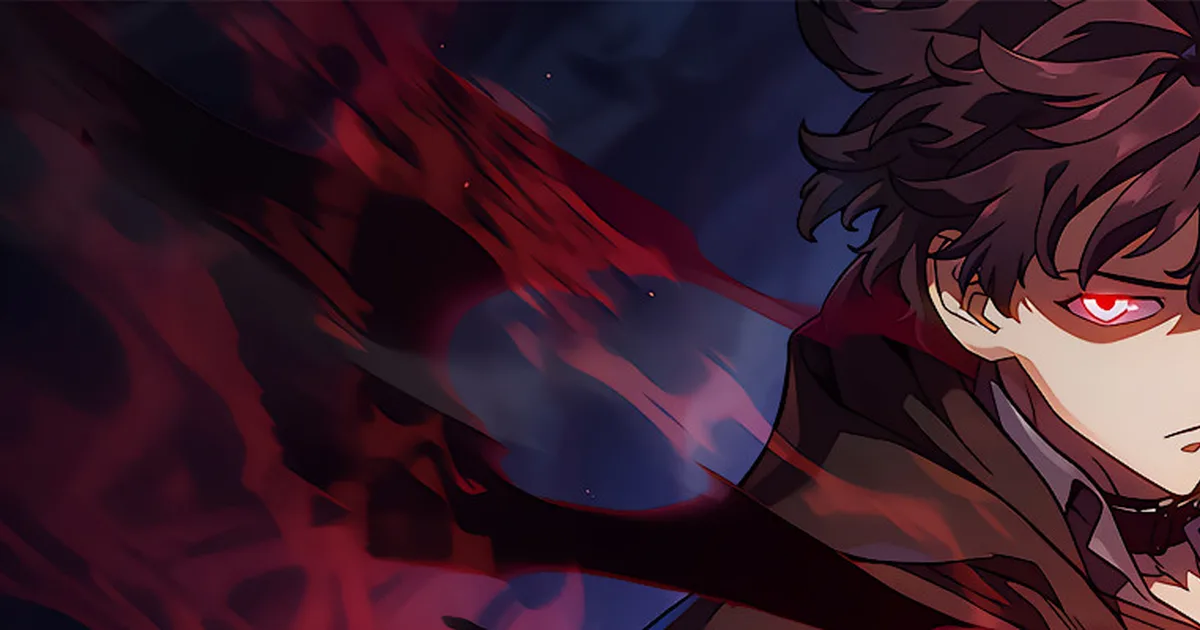 The childhood arc: S.arang's gothic color palette establishes the Baskerville setting's visual tone from chapter one.
Phase 2: The Capability Demonstration Arc (Mid-Series)
This is where the series starts delivering on what phase 1 built. Vikir's body has developed enough to start using his tactical knowledge at a level that registers. The first reveals of his actual capability begin here.
The series is controlled about this. Each demonstration is calibrated to appear plausible for someone with Vikir's official training history. He doesn't go further than he needs to. The restraint is deliberate: every action that reveals more than expected is a risk, and Vikir has already lost once to a family that will terminate him the moment he stops being useful.
This arc introduces external threats that expand the series beyond the Baskerville family politics. The demon-slaying institution and the entities it deals with start intersecting with Vikir's goals. The series' scope begins to widen.
For the full 8.0/10 verdict with art analysis and what the patience structure delivers for readers:
Revenge of the Baskerville Bloodhound Review ->
Phase 3: The Faction Expansion Arc (Later Chapters)
The mid-2026 manhwa content is in this territory, though the exact chapter range changes with ongoing releases. The series begins handling multiple competing factions simultaneously. The internal Baskerville politics remain central, but external political entities now have their own relationships with Vikir that he's been building carefully.
The web novel content beyond the manhwa's current position covers the full resolution of the faction dynamics and the confrontation with Hugo that the entire series has been building toward. Readers who switch to the web novel at this point will find more detailed political exposition and a complete arc resolution.
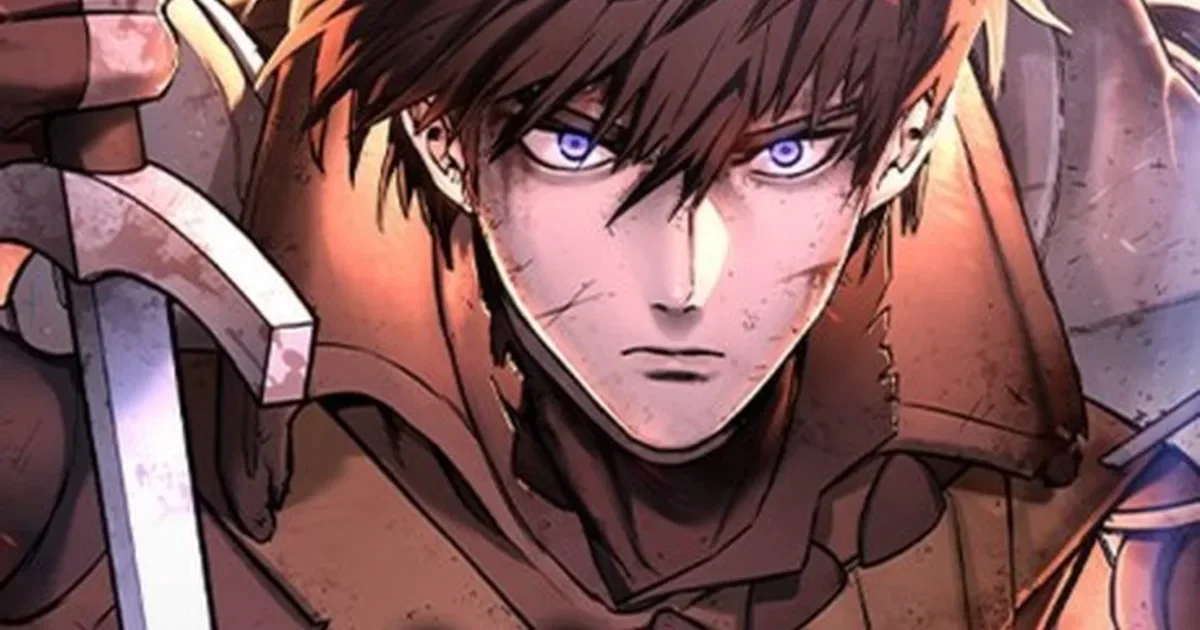
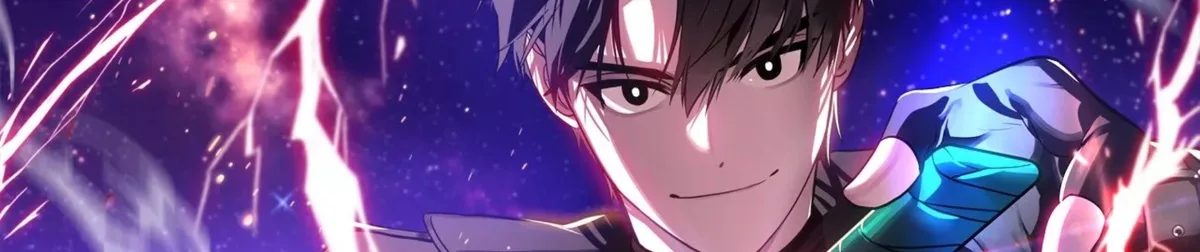 S.arang's creature designs in the faction expansion arc: one of the visual reasons to read the manhwa even after finishing the novel.
The Web Novel vs. the Manhwa
The original web novel is the complete source. It ran for several hundred chapters on the Korean platform before finishing. The English translation is on WebNovel.
The manhwa adaptation (by TO WALK and REDICE STUDIO, art by S.arang) covers the early portions of the novel's content and is ongoing. As of mid-2026, it covers roughly the first half of the full novel story.
What the manhwa adds: S.arang's art gives the Baskerville setting visual weight that prose can't replicate. The gothic color palette, the creature designs, the way combat choreography reads on the page: these are reasons to read the manhwa even if you've read the novel.
What the novel adds: more internal monologue for Vikir, more detailed political exposition, the complete resolution of every arc. If you've caught up with the manhwa and want to know how the story ends, the web novel has it.
For manhwa with the closest structural match to Baskerville's patience-within-hostile-organization premise:
Manhwa Like Revenge of the Baskerville Bloodhound ->
Revenge of the Baskerville Bloodhound reading guide: tips
Read the Manhwa First, Then Switch to the Novel
The recommended path for most readers: start with the Tapas manhwa. S.arang's visual presentation of the Baskerville family makes the political dynamics easier to track on a first read. Once you've caught up with the manhwa's current chapter count and want more story, switch to the WebNovel translation to read ahead. The two experiences complement each other; neither replaces the other.
Don't Treat the Childhood Arc as Prologue
The temptation is to treat the early chapters as setup to push through quickly. Readers who do this miss the specific decisions Vikir makes in the childhood arc and are then confused about why certain characters behave in certain ways in the later arcs. He's been positioning them. You need to see the positioning to understand the payoff.
Track the Three Political Layers Separately
The Baskerville family internal politics, the institutional demon-slaying organizations, and the broader political factions are three separate systems Vikir is navigating simultaneously. Readers who conflate them miss what the series is doing. Each layer has its own logic, its own personnel, and its own relationship with Vikir's plans. The series' complexity comes from watching these layers interact through Vikir's management of all three.
Check Tapas for Current Episode Count Before Starting
The manhwa updates regularly, and the episode count grows. If you're reading this guide several months after its publication date, the manhwa has likely advanced significantly past mid-2026 content. Check the Tapas series page for the current episode count before estimating how long the manhwa read will take.
Use the Ize Press Print Volumes for a Different Reading Experience
Ize Press has published English print volumes with professional translation and physical media presentation. If you prefer print or want the early arcs in collected form, the Ize Press volumes are the option. They're also useful for readers who want to read the early arcs a second time with the benefit of knowing the full context.
Common Mistakes
Advertisement
Expecting Vikir to Reveal His Capability Early
First-time readers conditioned by faster regression manhwa often expect a power reveal in the first 10-20 chapters. Baskerville withholds that deliberately. Vikir's advantage in the early chapters is entirely invisible to other characters. The series knows this is what makes the later reveals hit correctly. Readers who read the childhood arc expecting visible demonstrations of Vikir's advantage are looking for the wrong thing.
Reading Out of Order (Novel Before Manhwa)
Some readers find the web novel first and read ahead before trying the manhwa. This works, but it dampens some of what S.arang's art does for specific scenes. The recommended path remains: manhwa first, then the novel for additional content. Reading the novel first isn't wrong, but the manhwa experience is designed to land harder when the reader doesn't know what's coming.
Using Aggregator Sites Instead of Tapas
Unofficial aggregator sites host Baskerville chapters, but the official Tapas release is consistently higher-quality translation and is the platform that supports the series' continued production. For English readers, Tapas is the correct choice. The first several chapters are free; a paid subscription or coin system handles the rest.
Conflating the Web Novel's Pacing with the Manhwa's Pacing
The web novel has more internal monologue and political exposition. The manhwa moves faster through some of these sections because the visual medium can convey in one panel what the novel takes two paragraphs to establish. Readers who switch from the web novel to the manhwa sometimes find it feels rushed; readers who go the other direction find the novel more detailed. Both are accurate observations about how adaptation works.
Giving Up During the Childhood Arc
This is the series' most common dropout point. The childhood arc is slow by design, and it runs longer than most readers expect. If you're at chapter 15 and asking whether it gets faster: yes, but not immediately. The question is whether the long game premise is the kind of story you want. If you want tactical patience and political maneuvering, push through. If you want fast escalation, this series isn't going to change for you.
Frequently Asked Questions
Where can I read Revenge of the Baskerville Bloodhound in English?
Tapas for the official English manhwa (digital). Ize Press for print volumes. WebNovel for the original web novel if you want to read ahead of the manhwa. Kakao Webtoon for the Korean manhwa original.
What is the difference between the web novel and the manhwa?
The web novel is complete and has more detailed political exposition and internal monologue. The manhwa is ongoing, covers roughly the first half of the novel's content, and adds S.arang's art which gives the setting visual weight the prose can't replicate. Start with the manhwa; switch to the web novel when you catch up.
Is the series completed?
The web novel is complete. The manhwa is ongoing as of mid-2026 with regular Tapas updates.
What makes Vikir different from other regression protagonists?
He chooses not to reveal what he can do. Most regression protagonists demonstrate their superiority early. Vikir's 40 years as an assassin taught him that premature revelation gets you killed: it got him killed. The restraint is the strategy, not a narrative device waiting to pay off. The series is built on watching someone play a game they've already decided how it ends.
What chapter does the manhwa currently cover?
The manhwa is ongoing with regular updates; the exact chapter count changes. Check the Tapas series page for the current episode number. As of mid-2026, the series covers roughly the first half of the original web novel.
How long is the original web novel?
The web novel is complete and runs several hundred chapters. The full English translation is on WebNovel. Reading the complete novel is a major time investment; start with the manhwa to gauge your interest before committing to the full novel run.
Should I read the manhwa or the web novel first?
Start with the manhwa on Tapas. The visual presentation makes the Baskerville family dynamics easier to track on a first read. Switch to the web novel after catching up with the manhwa's current episodes.
Related Reading
- Revenge of the Baskerville Bloodhound Review: The 8.0/10 full verdict with art analysis and what the patience structure delivers for readers who commit to it.
- Manhwa Like Revenge of the Baskerville Bloodhound: Six picks for the patient long-game revenge premise, dark gothic aesthetics, and hidden-capability protagonists.
- Best Manhwa Ongoing 2026: Full ongoing recommendations list with Baskerville among the top-tier regression entries.
- Legend of the Northern Blade Review: The closest completed dark-tone regression alternative; 202 chapters with a real ending.
- SSS-Class Revival Hunter Reading Guide: Arc breakdown for the most structurally unusual regression manhwa in the genre.
References
Was this guide helpful?
About the author

Senior Manhwa Critic & Analyst
Manhwa critic and former Korean-to-English webtoon translator with 8 years reading across 40+ genres. London-based. Tracks everything from power-progression to slice-of-life romance.
- 8 years reading manhwa across 40+ genres
- Former Korean-to-English webtoon translator
- 500+ manhwa titles completed
- Specializes in progression systems and power-scaling analysis


Disclaimer
This article is published for informational and entertainment purposes. It does not constitute professional financial, legal, or technical advice. Series availability, platform access, translation status, and chapter counts change. Verify critical details (pricing, regional availability, official translation status) with publishers and platforms. Affiliate links, where present, help support our editorial work and are labelled in our affiliate disclosure.
Comments
Loading comments…