
TL;DR: Best cultivation manhwa and manhua: 15 murim and cultivation series ranked by quality and accessibility. Includes classic murim, modern hybrids, Chinese xianxia manhua, and regression picks.
Best cultivation manhwa splits into two types before you pick: hybrid cultivation or pure murim?
For the full cultivation-realm breakdown, see our Nano Machine cultivation guide.
Hybrid: Nano Machine, Murim Login blend traditional martial arts with a visible system interface (stat windows, realm notifications, skill tiers). The system layer is an on-ramp that makes power progression legible from chapter one. Right starting point for readers coming from Solo Leveling or SSS-Class Revival Hunter.
Pure murim: Return of the Blossoming Blade, Chronicles of the Demon Faction, and Peerless Dad operate entirely within the martial arts world. Power conveyed through technique names and internal energy ranks, no modern framing. Assumes genre familiarity; can feel opaque if you expect a system UI.
Starting with pure murim when you expected a system interface is the main reason new readers drop the genre. Know which type you want first.
The ranking below starts with hybrid-accessible entries and moves toward series that assume more murim genre fluency. The best cultivation manhwa operates on a different rhythm than system fantasy. Power comes from training arcs, master-student transmission, and internal energy cultivation, not stat windows and dungeon rewards.
Overview
Cultivation manhwa is a subgenre of Korean comics rooted in the martial arts fiction tradition called murim. Stories follow protagonists who accumulate power by training internal energy through ranked stages, often under a master, within a world organized around martial arts clans, sect hierarchies, and cultivation levels. The genre has Chinese wuxia as an ancestor, but Korean murim fiction has developed distinct conventions: specific rank names, sect politics, and narrative pacing rhythms that differ from Chinese xianxia.
The primary split for new readers is between hybrid cultivation and pure murim. Hybrid series add a visible system interface on top of the murim structure. Nano Machine gives its protagonist a nanomachine device that produces a stat window and real-time combat analysis. Murim Login uses a VR game framing to explain murim conventions to a modern protagonist. These are the correct entry points for readers coming from system fantasy manhwa like Solo Leveling, because the system layer makes the cultivation progression immediately legible without prior genre knowledge. For Murim Login's confirmed cast, the Murim Login Character Guide sources every name from AniList and MyAnimeList rather than a fan wiki.
Pure murim series operate entirely within the martial arts world with no modern framing and no visible UI. Power is conveyed through technique names, internal energy ranks, and fight choreography. Return of the Blossoming Blade and Chronicles of the Demon Faction are in this category. They assume you understand what a cultivation realm boundary means and why a sect's sword technique lineage matters. Readers who expect a system interface and get cultivation stages instead often drop good series for the wrong reasons.
Regression and reincarnation are common structural devices across both types. A cultivator dying and being reborn at the start of their training, retaining all prior knowledge, is the murim equivalent of the isekai premise. Return of the Mad Demon and Return of the Mount Hua Sect both use this framework. The comedy in those series comes partly from the gap between the protagonist's internal experience (peak cultivator, decades of mastery) and their new body's visible starting point (weak child disciple).
Key Takeaways
- Nano Machine (332 Korean episodes listed on Naver, ongoing) is the best entry point for readers coming from system fantasy. It blends both genres
- Return of the Mad Demon (WEBTOON, Episode 199, ongoing) is the best entry point for tone, lighter than most murim without sacrificing combat quality
- The Breaker and The Breaker: New Waves are the best completed murim series at this level
- Most top-tier cultivation manhwa are ongoing; the completed field is thinner than action or romance
- Murim Login offers the clearest modern-world framing for readers who find pure murim settings unfamiliar
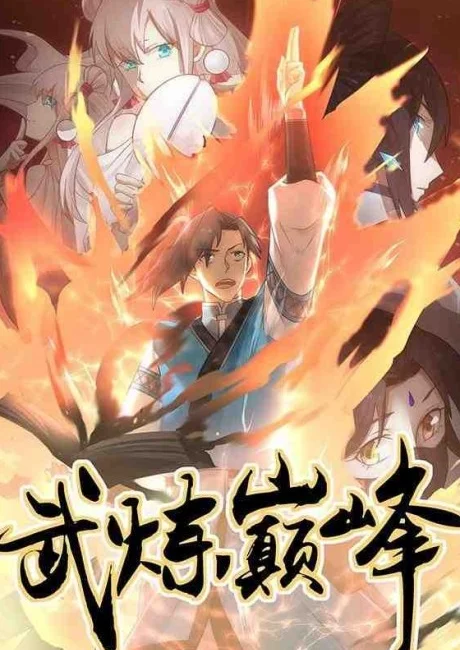 Martial Peak by Momo, one of the longest-running cultivation manhua and an essential entry point for the genre.
The 15 best cultivation manhwa
Advertisement
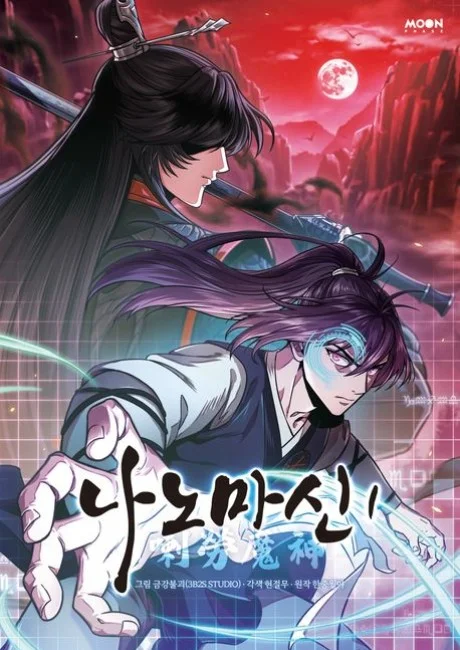 Nano Machine cover art.
1. Nano Machine
Platform: Naver Webtoon, Kakao | Status: Ongoing (332 Korean episodes listed on Naver)
Cheon Yeo-woon is a low-status member of the Demonic Cult who receives nanomachines from a descendant in the future. The machines give him a system interface in a world where no framework exists for interpreting it. The hybrid structure (murim cultivation arcs read alongside system UI progression) makes Nano Machine the most accessible cultivation manhwa for readers coming from the system fantasy genre.
The cultivation portion isn't simplified. Yeo-woon trains through the Demonic Cult's actual technique hierarchy, faces the same political obstacles any low-status cultivator would, and builds mastery at a pace that feels earned. The system layer is the on-ramp; the murim architecture is the actual story.
For a broader look at system fantasy manhwa including Nano Machine.
Best System Fantasy Manhwa →
For a full reading guide to Nano Machine (the Demonic Cult hierarchy, how the system interface and cultivation mechanics interact, and where to start) see Nano Machine Reading Guide →. Nano Machine review
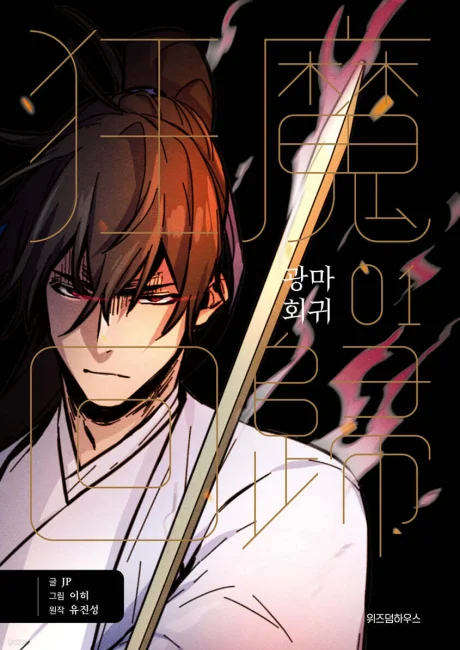 Return of the Mad Demon cover art.
2. Return of the Mad Demon
Platform: WEBTOON (free) | Status: Ongoing (Episode 199 currently listed)
Jaha Lee, branded a mad demon by the murim world, dies and is reborn at the start of his cultivation. He knows which techniques work and which martial artists to avoid, and he uses this knowledge with an attitude that runs counter to the grimdark register most regression murim manhwa adopt. Return of the Mad Demon is funny. The main character is allowed to enjoy his second chance instead of being burdened by it.
That lighter tone is the defining feature. The combat is serious. The power progression is deliberate. But the reading experience is closer to comedy-action than the relentless grim power-grinding that defines most cultivation series.
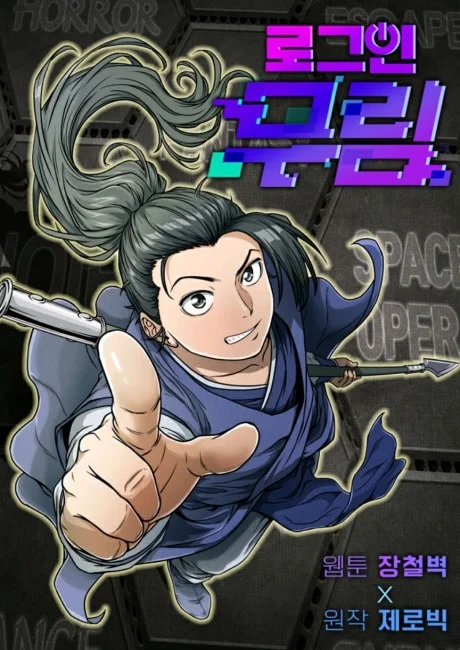 Murim Login cover art.
3. Murim Login
Platform: Kakao (Korean, ongoing), Tapas (English, 117 episodes; Season 1 closed, hiatus before Season 2). Tapas availability may change during its 2026 wind-down; see what Tapas shutting down means for readers.
Jin Tae-kyung is a modern dungeon hunter who enters a VR murim game and discovers he's actually training in a real historical murim world. The dual structure (modern hunter / murim cultivator) runs two power arcs in parallel. When skills developed in the murim world translate back to modern combat, the compound progression is more satisfying than a single-track story.
The VR framing explains murim conventions for readers who don't know them. It's not condescending about it (the murim world is fully realized, not just genre furniture), but the modern framing provides an access point.
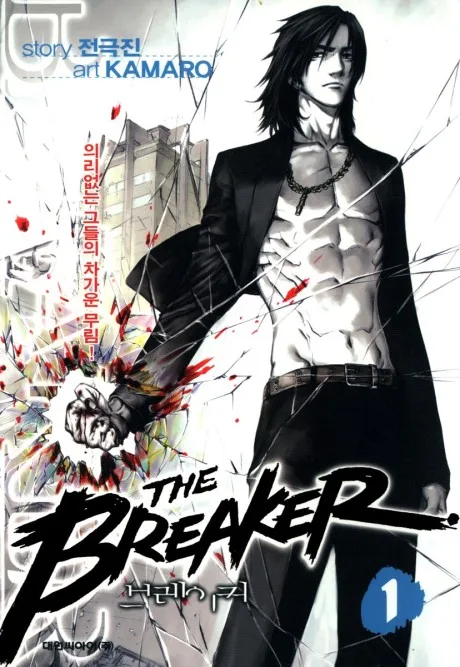 The Breaker cover art.
4. The Breaker
Platform: Various | Status: Completed (original series + New Waves)
The Breaker follows Shi-Woon Yi, a bullied student who becomes the disciple of Nine Arts Dragon, one of the most powerful martial artists in the murim world. The original series (60+ chapters) completed its first arc. The Breaker: New Waves extended it for 200 more chapters before concluding. Both are finished. The Eternal Force sequel launched later and is ongoing, but the two-part original run stands alone.
The art across both series is strong, the master-student dynamic is earned, and the murim politics that develop across New Waves give the world more texture than a simple power-climb plot. The best completed cultivation series at this level. For other completed series across all genres, see Best Completed Manhwa →.
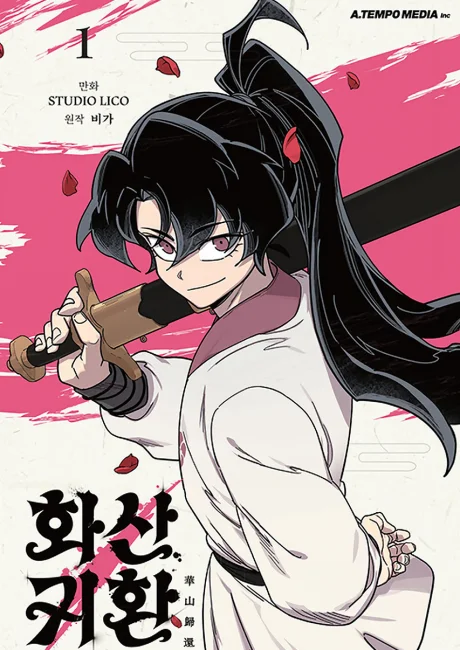 Return of the Blossoming Blade cover art.
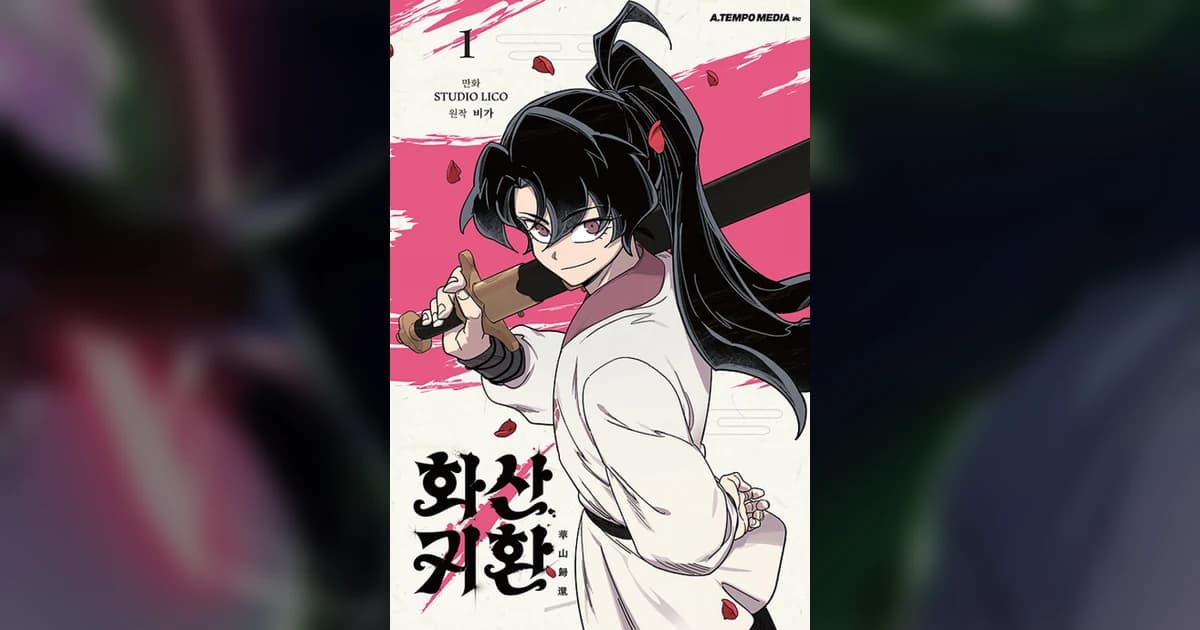
5. Return of the Blossoming Blade (Return of the Mount Hua Sect)
Platform: Kakao, WEBTOON | Status: Ongoing
Chung Myung (Cheong-Myeong), the greatest disciple of the Mount Hua Sect, dies in battle and is reborn 100 years later to find his sect fallen into decline. Known in English under two translations, Return of the Blossoming Blade and Return of the Mount Hua Sect, it sits in the regression-cultivation subgenre with an emphasis on sword technique over qi cultivation. The art is among the best in pure murim manhwa, with fight choreography that pays visible attention to stance and footwork that most action manhwa reduce to impact frames.
The humor comes from the gap between the lead's century of experience and his depleted new body; the drive comes from his frustration at watching everything he protected fall apart. One of the most acclaimed murim regression series. Return of the Blossoming Blade reading guide | review. Also covered as Return of the Mount Hua Sect reading guide | review.
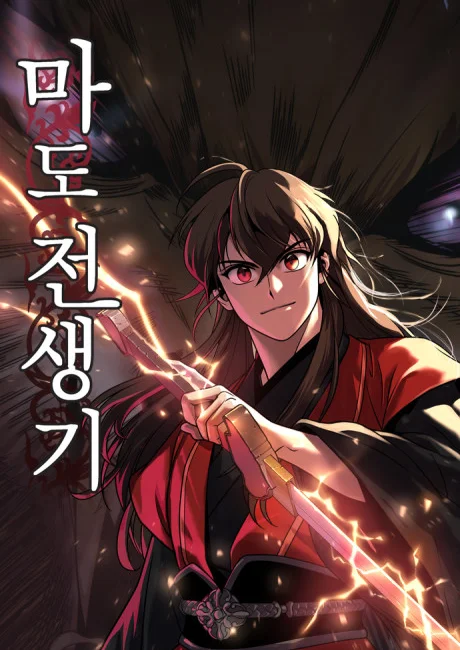 Chronicles of the Demon Faction cover art.
6. Chronicles of the Demon Faction
Platform: Kakao, various | Status: Ongoing
A former Demonic Faction leader reincarnated into the body of a young sect member. Similar regression premise to many murim series, but the emphasis is on political maneuvering within the faction rather than individual power progression. Chronicles of the Demon Faction rewards readers who want cultivation as a social system, not just a personal power arc. The internal faction politics are more developed than most entries in the genre.
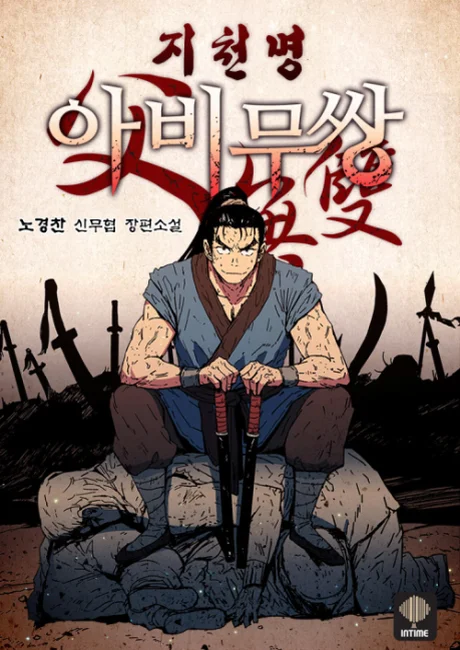 Peerless Dad cover art.
7. Peerless Dad
Platform: Kakao | Status: Completed, 296 chapters
Noh Gajang is a mid-rank mercenary in the murim world who becomes a single father. The cultivation comes second to the family premise. Gajang trains to protect his children, not to climb any power hierarchy. Peerless Dad is the cultivation manhwa for readers who find the genre's typical motivations (revenge, status, becoming the strongest) less compelling than protecting something specific. Now complete at 296 chapters, so the full arc is available with no wait. The slice-of-life sections between combat arcs are the draw, not just the fights.
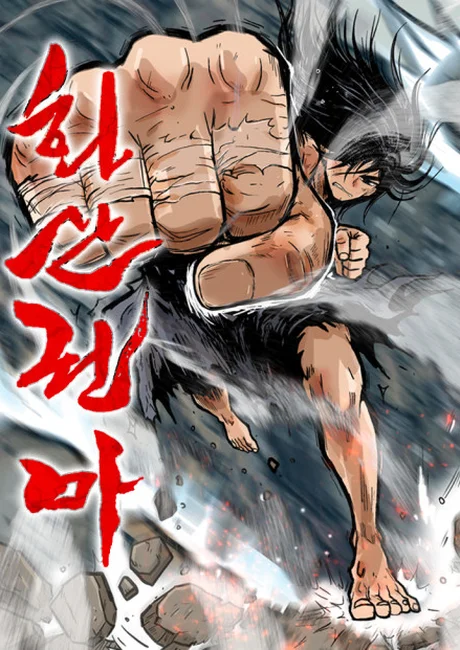 Fist Demon of Mount Hua cover art.

8. Fist Demon of Mount Hua
Platform: Various | Status: Completed, 182 chapters (finished June 2024)
Set in the same murim tradition as Return of the Mount Hua Sect (separate series, different story). Fist Demon of Mount Hua follows a demon-branded cultivator navigating a murim world that has pre-judged him. The art is cleaner than most entries in this tier and the combat choreography is above average. Now complete, so newer readers can go start to finish without a wait. A solid mid-list pick for readers who have worked through the higher entries.
 Academy's Genius Swordsman cover art.
9. Academy's Genius Swordsman
Platform: Kakao, various | Status: Ongoing
Sword cultivation in an academy setting, closer to the school-competition structure than the traditional murim world. The cultivation mechanics are intact. The academy frame makes it accessible: the structure of competition, class hierarchy, and student advancement maps easily for readers who are less familiar with pure murim clan politics.
For the action manhwa that blend cultivation with modern dungeon and system elements.
Best Action Manhwa 2026 →
More Cultivation Manhwa and Manhua for 2026
The entries above are Korean murim. These add completed murim epics plus the major Chinese cultivation manhua that define the wider genre, noted as manhua where relevant.
10. Volcanic Age
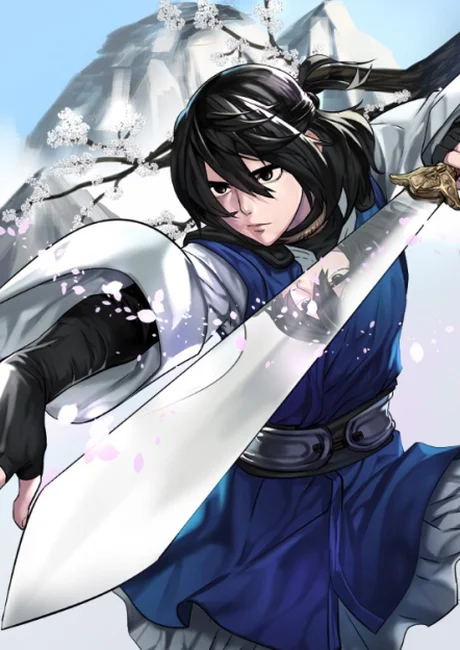
Platform: KakaoPage, Tapas | Status: Completed (303 chapters)
A Mount Hua elder dies and wakes 60 years in the past as a low-ranking disciple, carrying a full lifetime of martial knowledge into his younger body. One of the most respected murim regression series, completed at 303 chapters so it binges cleanly. Slower, heavier, and more political than the comedy-leaning Mount Hua entries.
11. Reaper of the Drifting Moon
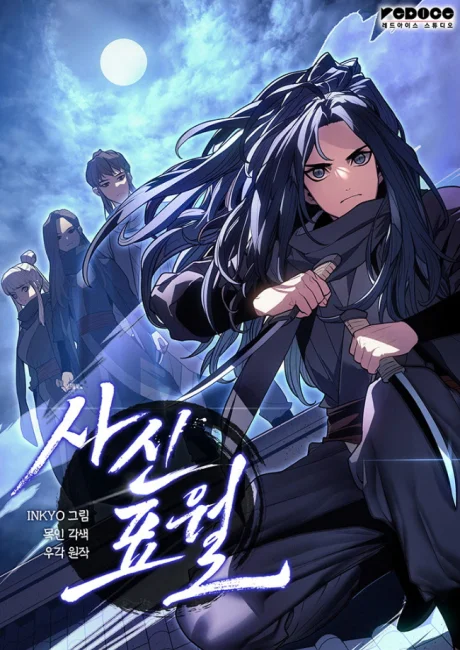 Reaper of the Drifting Moon
Platform: Naver, WEBTOON | Status: Ongoing
A boy trained by a hidden master inherits a lethal sword art and moves through a murim world that keeps underestimating him. The draw is restraint and atmosphere: the art leans into mood, and the fights read as tense rather than flashy. A strong pick for readers who want a darker, quieter murim register.
12. Reborn as a Scholar
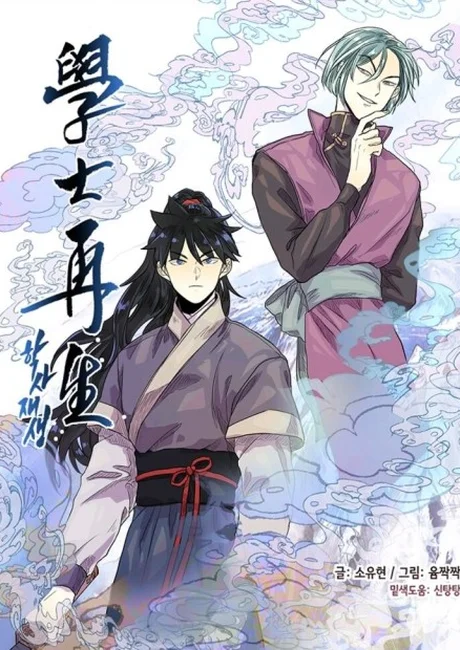 Reborn as a Scholar
Platform: Various | Status: Completed (214 chapters)
A martial artist, betrayed and killed, is reborn as a frail scholar and rebuilds his strength while navigating both the imperial court and the murim. Completed at 214 chapters. A finished murim regression for readers who want the scholar-to-warrior angle and a real ending.
13. Martial Peak
Martial Peak
Platform: WebNovel (English), KakaoPage/Naver Series (Korean) | Status: RELEASING in AniList; WebNovel's English edition currently lists 1,614 chapters
The definitive long-haul cultivation grind. Yang Kai rises from a lowly sweeper through a near-endless ladder of cultivation realms. Adapting a roughly 6,000-chapter novel, it is a serious commitment. AniList currently gives the manhua a literal RELEASING status without a chapter total, while the official WebNovel English edition lists 1,614 chapters and a latest release four days before this check. Those are edition-specific counts, so this article does not present 1,614 as the Chinese-original total. Martial Peak review.
14. Tales of Demons and Gods
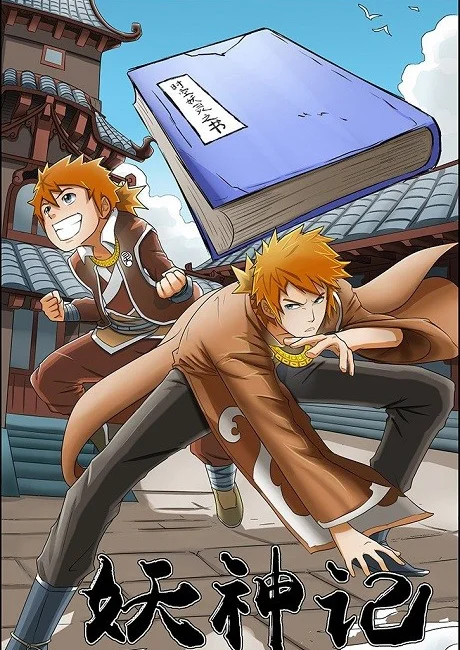 Tales of Demons and Gods
Platform: Various | Status: Ongoing (Chinese manhua)
One of the most popular Chinese cultivation manhua. Nie Li, a powerful figure killed by demon beasts, regresses to his childhood with all his knowledge intact and rebuilds his strength to save his city. The regression-cultivation premise many Korean murim series later echoed, in its original xianxia form.
15. Battle Through the Heavens
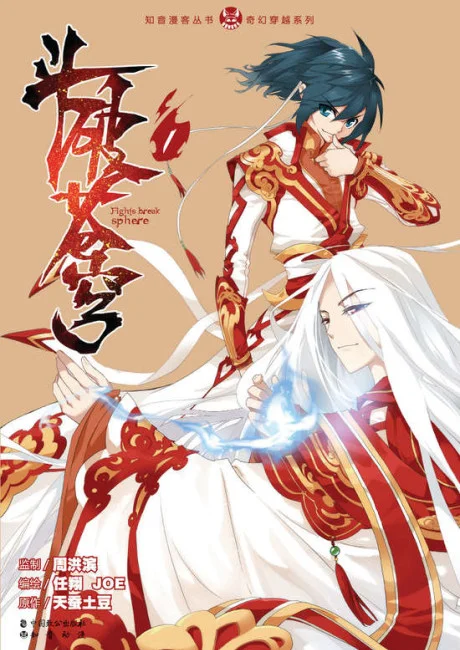 Battle Through the Heavens
Platform: Various | Status: Ongoing (Chinese manhua)
A genre cornerstone adapted from the landmark xianxia novel. Xiao Yan, a prodigy who loses his power overnight, claws his way back up the cultivation ranks with the help of an ancient soul bound to a ring. Long-running and foundational to the modern cultivation wave.
How to pick your best cultivation manhwa entry point
Advertisement
You're coming from system fantasy: Start with Nano Machine. The system UI bridge makes the cultivation mechanics legible without prior murim knowledge.
You want completed series: The Breaker and The Breaker: New Waves. Both finished, both good.
You want lighter tone: Return of the Mad Demon. It's the cultivation manhwa where the main character is allowed to be cheerful.
You want pure murim craft: Return of the Blossoming Blade for art and technique work, Return of the Mount Hua Sect for long-form world-building.
You want cultivation with a different motivation: Peerless Dad. The power climb here is a means to an end, not the end itself.
- Martial Peak Reading Guide: How to start the long-running Chinese cultivation manhua and whether the commitment makes sense before you dive in.
Nano Machine, a cultivation-system hybrid that bridges murim and system-fantasy readers.
Frequently Asked Questions
What is cultivation manhwa?
Cultivation manhwa (also called murim manhwa) follows protagonists training in internal energy (qi, ki, or mana) through a ranked system of martial arts mastery. The genre has roots in Chinese wuxia and Korean mumu fiction. Series like Nano Machine and Return of the Mad Demon are cultivation manhwa. Protagonists typically accumulate power through training arcs, master-student relationships, and combat with other cultivators. What is the best cultivation manhwa to start with?
Nano Machine is the most common starting point for readers coming from system fantasy manhwa. It blends cultivation mechanics with a visible system interface, which makes the progression legible without murim genre knowledge. Return of the Mad Demon is the best starting point for tone: it's lighter and funnier than most cultivation series while maintaining serious combat. What cultivation manhwa are completed?
The murim genre has very few completed long-running series at the level of the recommendations here. The Breaker and The Breaker: New Waves are both completed. Most of the currently popular cultivation manhwa are ongoing. What is the difference between cultivation manhwa and system fantasy manhwa?
System fantasy manhwa uses a visible game-like interface: stat windows, skill notifications, level-up screens. Cultivation manhwa uses internal energy cultivation: qi stages, realm names, master-student transmission. Some series like Nano Machine blend both. Pure cultivation manhwa like Return of the Blossoming Blade operate entirely in the murim world with no modern dungeon or system UI context. What cultivation manhwa are on WEBTOON for free?
Return of the Mad Demon, The Breaker (original), and several others have WEBTOON official pages. Murim Login is Tapas-exclusive in English (no WEBTOON release). Nano Machine is on Naver and Kakao. Availability varies by platform and region. Is Nano Machine a cultivation manhwa?
Nano Machine is a hybrid, a traditional murim cultivation series where the protagonist receives nanomachines from the future that provide a system interface. It reads as both cultivation and system fantasy. Murim Login is the other major hybrid, but in a VR-into-real-world format. What cultivation manhwa has the best art?
Return of the Blossoming Blade is frequently cited for art quality in the pure murim tradition. The Breaker's art held up well across its run. Nano Machine's art quality is consistent if not exceptional. The system UI elements are clean and the action choreography is readable.
Related Reading
- Murim Manhwa: The Complete Genre Guide and Series Roster: reference hub covering murim, regression, and sect-politics subtypes across 25+ series
- What Is Murim Manhwa?: the concise definition and murim versus cultivation comparison
- Best System Fantasy Manhwa →
- Best Murim Manhwa 2026 →
- Best Action Manhwa 2026 →
- Nano Machine Reading Guide →
- Nano Machine review
- Return of the Blossoming Blade reading guide
- Return of the Blossoming Blade review
- Return of Mount Hua Sect reading guide
- Return of Mount Hua Sect review
- Legend of the Northern Blade reading guide
- Legend of the Northern Blade review
- Best Completed Manhwa →
- Best Manhua 2026: 10 Chinese Series Beyond Cultivation: the companion list for Chinese comics outside cultivation-first progression.
- Best Completed Manhua: 8 Finished Chinese Comics to Read: the finished Chinese-comics route when you want a completed story.
- Myst, Might, Mayhem Review: Dark Wuxia Revenge Done Right: Full-color wuxia manhwa rated 8.5/10. Official WEBTOON English release, dark revenge premise with proper power progression.