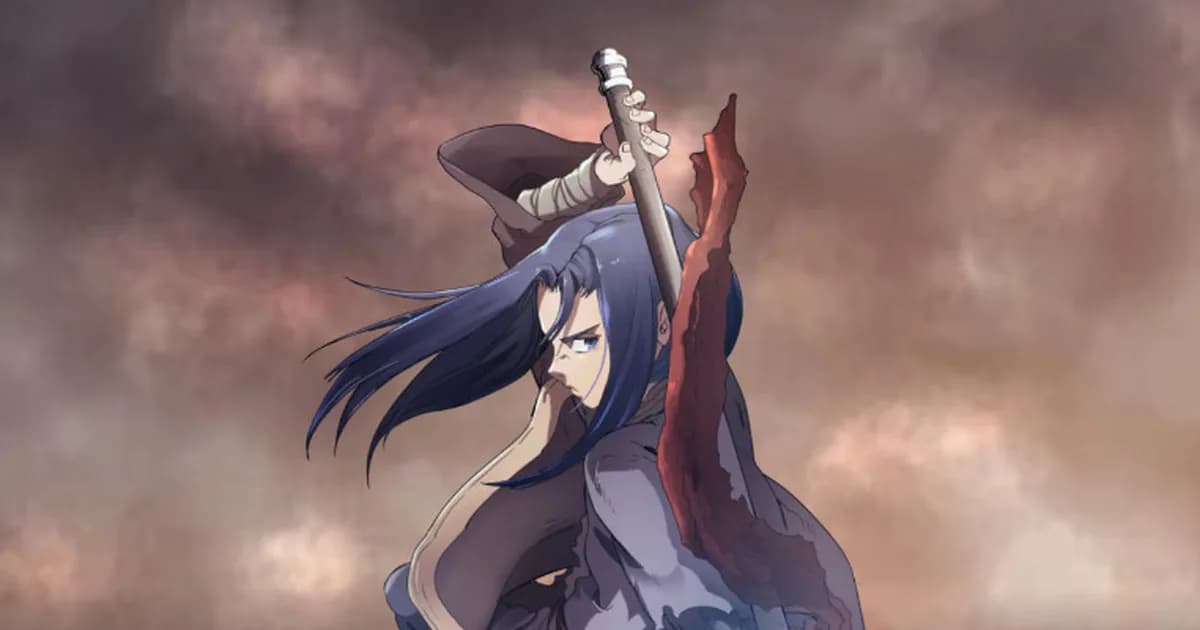
Chronicles of the Heavenly Demon review: 252 chapters, completed, and the best available argument that a revenge arc in murim manhwa doesn't need a system mechanic to sustain reader interest across a long run.
Reviewing
Chronicles of the Heavenly Demon
Gom-guk (art), Il-Hwang (original story) · Kakao / Tapas
Score
Pros
- 252 chapters with a definitive ending: the revenge arc closes completely without a vague final arc or an abrupt stop
- Un-Seong's dual-technique development (orthodox roots, demonic sect training) generates progression that feels earned rather than granted by a system prompt
- The demonic sect is written as a complex political organization rather than a backdrop, and the faction dynamics stay interesting across the full run
- Pacing tightens significantly after chapter 50: the series finds its rhythm and maintains it through the late arc
Cons
- Tapas, where it runs as Heavenly Demon Reborn!, keeps the latest 75 episodes out of its wait-until-free window, and the service closes on March 31, 2027
- The first 40 chapters are the slowest: the dual-technique premise takes time to develop and readers who quit before chapter 50 miss the series at its best
- Supporting characters outside the main revenge axis are underwritten: allies introduced in later arcs don't get resolution commensurate with their screen time
Verdict
The best completed revenge-murim available. Un-Seong earns his power through genuine cost, not a system shortcut.
TL;DR: Chronicles of the Heavenly Demon review: 7.8/10, 252 chapters completed January 2025, in English on Tapas as Heavenly Demon Reborn! Un-Seong's revenge arc through a demonic sect combines orthodox and demonic techniques across a full story with a real ending. The paywalled last 75 episodes and Tapas's March 31, 2027 shutdown are the main barriers. Best for readers who finished Nano Machine or Legend of the Northern Blade and want something darker.
The premise is a variant of regression murim, but with an important difference. Un-Seong doesn't simply return to the past with foreknowledge. He is forced inside the demonic sect that represents everything his orthodox training opposed, and he has to learn their techniques from within. The dual-technique development that results isn't a shortcut handed by the genre. It's a survival strategy that happens to become his greatest weapon.
Chronicles of the Heavenly Demon review: key takeaways
- 7.8/10, completed January 2025, 252 chapters, on Tapas as Heavenly Demon Reborn! (253 episodes)
- Protagonist Un-Seong has both orthodox martial arts training and demonic sect cultivation: neither negates the other
- The demonic sect is a political entity, not a backdrop
- First 40 chapters are the slowest: the premise takes time to establish before the dual-technique system pays off
- No anime adaptation announced as of mid-2026
Overview
Un-Seong trains under a respected orthodox master until the day the master is falsely accused of practicing forbidden demonic arts. The accusation destroys everything. The master is killed, Un-Seong fights and fails to protect him, and he dies. He wakes up as a child within the Heavenly Demon cult, the demonic sect at the center of the false accusation.
The series follows Un-Seong learning the cult's techniques while concealing his orthodox roots. The dual-cultivation setup is the engine: he has two complete martial arts traditions in one body, which is rare even by the logic of the murim world he inhabits. The question is how to use that combination against the people who destroyed his master, from inside the organization that may have been responsible.
The 252-chapter run is longer than most comparable murim manhwa. That length is mostly justified. The faction politics of the demonic cult are developed enough to make the later arcs interesting even after the revenge setup is clear. The ending is a real ending.
What the dual-technique system actually does
Most murim progression stories give the protagonist a single cultivation path and accelerate it through a system, a mentor, a stolen technique, or a rare resource. Chronicles of the Heavenly Demon does something different.
Un-Seong's orthodox training and his demonic sect cultivation develop independently and, eventually, interact. Orthodox martial arts in this world emphasize precision, internal energy circulation, and efficiency. Demonic sect techniques emphasize raw power, external force, and overwhelming opponents. They are designed by practitioners on opposite ends of a conflict who were specifically trying to defeat each other.
The interesting moments in the series come from Un-Seong finding ways to combine techniques that weren't designed to coexist. This is a genuine progression mechanic built into the story's logic rather than a system window telling the reader what his stats are. The manual quality of it makes the power development feel more earned.
The limitation is that the dual-technique premise takes the first 40 chapters to establish clearly. The early chapters are slower: the premise is being set up, and the payoff isn't visible yet. Readers who push through to chapter 50 will find the series significantly better from that point forward.
Faction politics as actual plot
The Heavenly Demon cult in this series is not a monolith. It has factions, internal power struggles, characters with agendas that don't reduce to "evil organization pursuing evil goals." Un-Seong working his way through the cult from the inside requires him to understand its structure, not just to acquire power within it.
This distinction matters for the pacing of the later arcs. When the series shifts focus from Un-Seong's individual development to the faction conflicts around him, the shift doesn't feel like a tonal break because the faction dynamics were established early. The political layer is set up while the protagonist is building his power base, which means both story threads can run in parallel without either losing momentum.
Return of Mount Hua Sect also uses sect politics, but the approach is different. ROMHS turns the gap between its protagonist's standards and the sect's current state into a comedy engine. Chronicles uses the cult's politics as genuine dramatic material, and the result is a heavier series with more consistent stakes.
Art and visual language
The art handles two things well: technique contrast and the physical toll of dual cultivation.
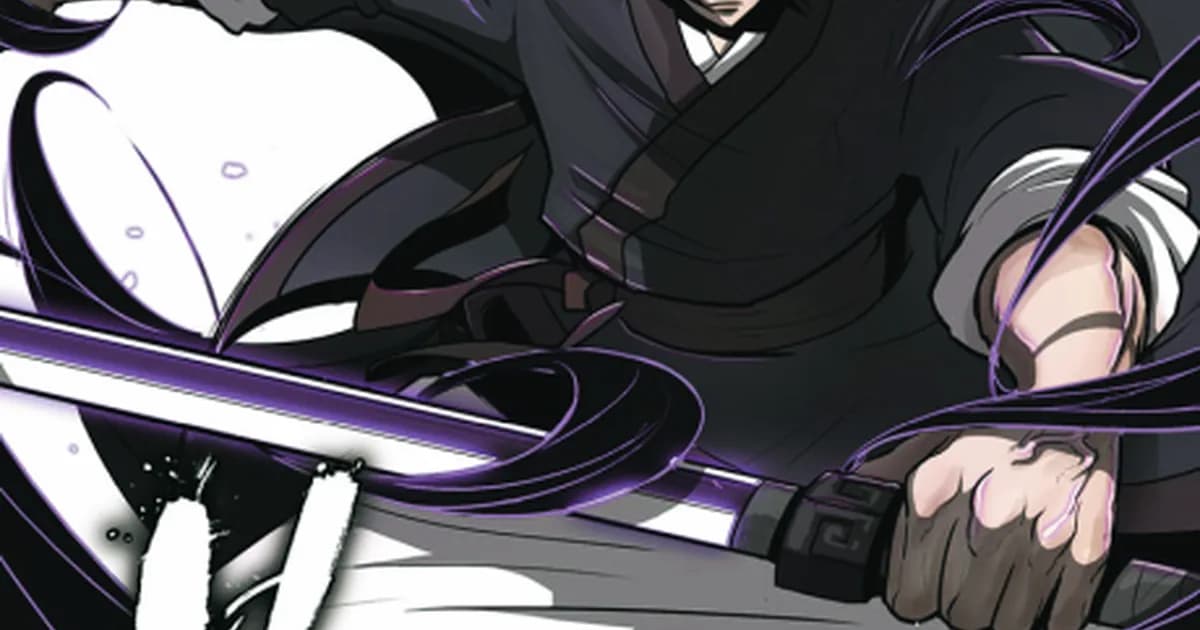
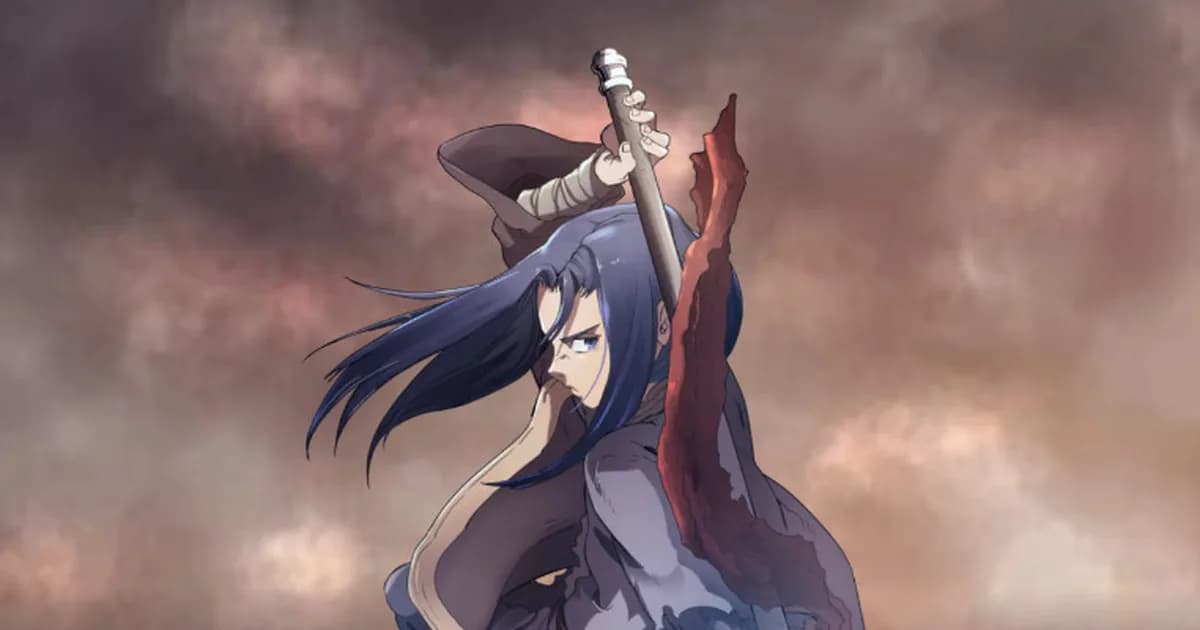
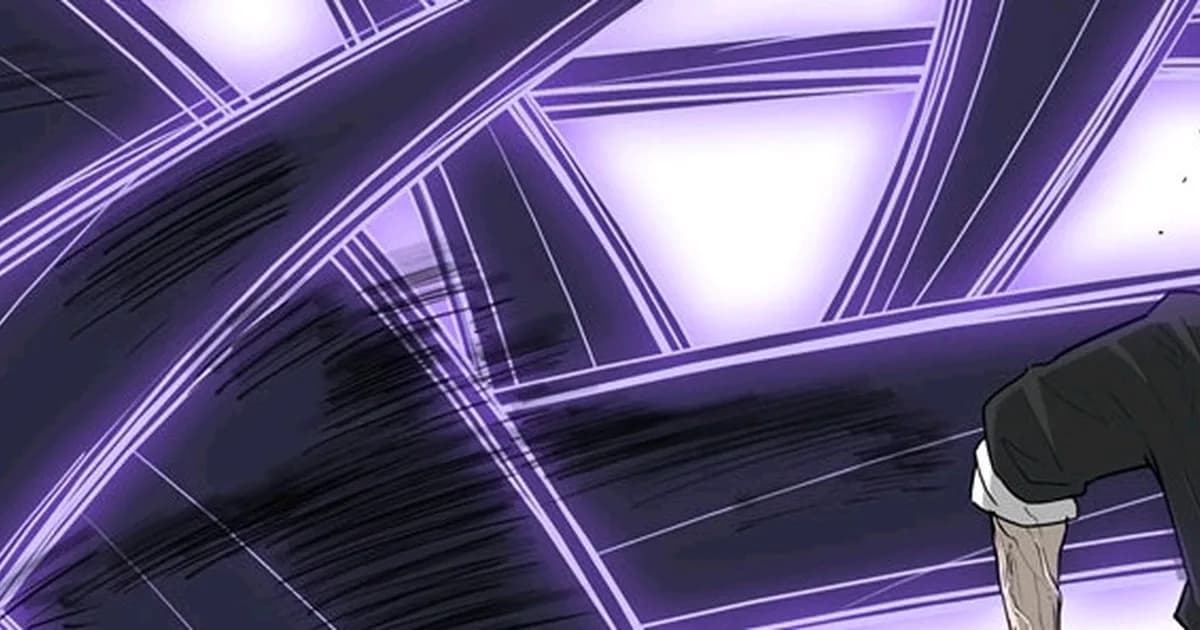
Orthodox and demonic techniques look different in the panel work. Orthodox forms are precise, geometric, the lines clean and contained. Demonic techniques are shown with more energy discharge, wider panels, less controlled geometry. When Un-Seong combines them, the art communicates that combination visually rather than just through dialogue. This is harder to execute than it sounds across 252 chapters without the aesthetic becoming routine.
The physical cost of carrying two cultivation methods appears in the art periodically, particularly in the middle arc when the dual-technique combination becomes more ambitious and the body rejects parts of what Un-Seong is attempting. The series doesn't let him have both traditions without consequence.
Where it falls short
The first 40 chapters are the honest weak point. The premise is being set up, and the series hasn't yet found the rhythm it maintains from chapter 50 onward. Readers who approach Chronicles of the Heavenly Demon expecting the same pace as Nano Machine or Return of the Blossoming Blade in the early chapters will find it slower.
Access is the practical barrier. Tapas, where the English release runs as Heavenly Demon Reborn!, lists 253 episodes and keeps the latest 75 out of its wait-until-free window, so the ending costs Ink. Tapas also ends its service on March 31, 2027, and unlocked episodes don't carry over. That distinguishes it from free WEBTOON titles in practical terms.
Supporting characters outside the main revenge trajectory get underwritten. The series is genuinely good at its main thread. It's less consistent at giving allies introduced in later arcs the resolution their setup implied.
Chronicles of the Heavenly Demon review: verdict
Chronicles of the Heavenly Demon is the revenge-murim series that earned its 252-chapter run. The dual-technique development generates genuine interest across a long story because it's built into the world's logic, not handed to the protagonist as a cheat code. The faction politics keep the later arcs interesting. The ending closes the revenge arc completely.
The Good
- Dual-technique progression built into the story's logic, not a system shortcut -- the development feels earned across 252 chapters
- Faction politics of the Heavenly Demon cult are developed enough to sustain the later arcs as genuine dramatic material
- Full ending: the revenge arc closes completely without a vague final arc or a sequel hook
- Art clearly differentiates orthodox and demonic technique aesthetics and communicates their combination visually
The Cons
- First 40 chapters are slow -- the dual-technique premise takes time to establish before the pacing tightens around chapter 50
- The last 75 Tapas episodes need Ink, and Tapas closes on March 31, 2027
- Supporting characters introduced in later arcs get less resolution than their setup implied
The paywalled ending, the Tapas shutdown date and the slow first 40 chapters are real barriers. For readers who clear those barriers, this is one of the strongest completed murim series available.
Rating: 7.8/10
Frequently Asked Questions
Is Chronicles of the Heavenly Demon completed?
Yes. 252 chapters, completed January 2025; Tapas lists the English edition as a completed series of 253 episodes. The revenge arc reaches a full conclusion.
Where can I read it in English?
On Tapas, under the title Heavenly Demon Reborn! Episode 1 is free, the wait-until-free window excludes the latest 75 episodes, and Tapas closes on March 31, 2027.
What is Chronicles of the Heavenly Demon about?
Un-Seong's master is killed after a false accusation of practicing demonic arts. He wakes up reincarnated inside the demonic sect, learns their techniques alongside his orthodox training, and works toward revenge from within the organization connected to his master's death.
Is it worth reading after Nano Machine?
Yes, if you want something darker and more politically complex. Nano Machine accelerates its protagonist rapidly through a system mechanic. Chronicles is slower and grounds its power development in dual-technique logic and faction politics.
How does it compare to Return of Mount Hua Sect?
Different tone entirely. ROMHS is comedic; Chronicles is serious throughout. Both are completed murim series about an orthodox practitioner in challenging circumstances, but they generate completely different reading experiences.
Related Reading
- Best Martial Arts Manhwa 2026: Full ranked murim list with Chronicles of the Heavenly Demon alongside the top completed series.
- Nano Machine Review: The cultivation-system hybrid for readers who want rapid progression with numerical transparency.
- Volcanic Age Reading Guide: Another completed regression murim at 303 chapters, with foreknowledge as the advantage instead of dual-technique.
- Legend of the Northern Blade Reading Guide: The 202-chapter completed dark murim most similar in tone to Chronicles.
- Manhwa Like Return of Mount Hua Sect: Eight murim picks for readers who want more completed series after ROMHS.
- Chronicles of the Heavenly Demon Reading Guide: All Arcs: Chapter breakdown and reading tips for Chronicles of the Heavenly Demon: All Arcs.
- Manhwa Like Chronicles of the Heavenly Demon (6 Picks): Top manhwa picks for fans of Chronicles Of Heavenly Demon.