This Legend of the Northern Blade reading guide covers the full 202-chapter arc structure, what the art actually looks like, how it compares to other murim series, and where to read it legally. The manhwa is completed with a confirmed happy ending: no padding, no hiatus.
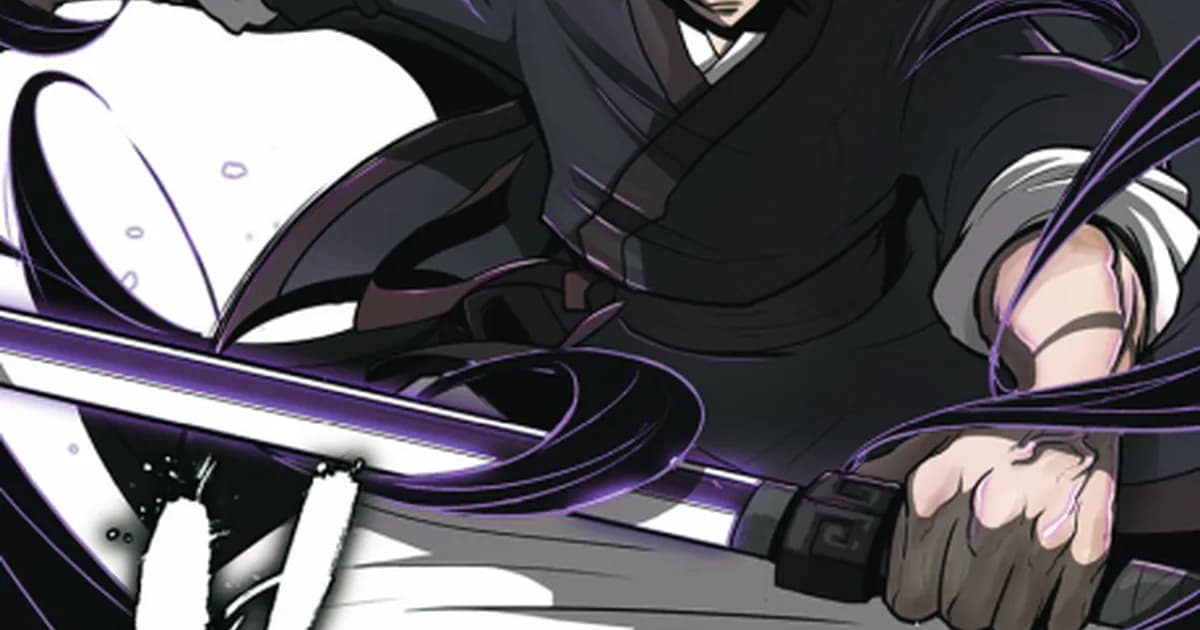
TL;DR: 202 chapters total, completed. The story has a definitive ending. Protagonist Jin Mu-Won starts with nothing: no system, no mentor, no inherited technique, no recognized status in the martial world. Available in English on Tappytoon (4 million+ views); not on WEBTOON; Korean original on Kakao Page
Key Takeaways
- 202 chapters total, completed. The story has a definitive ending
- Protagonist Jin Mu-Won starts with nothing: no system, no mentor, no inherited technique, no recognized status in the martial world
- Available in English on Tappytoon (4 million+ views); not on WEBTOON; Korean original on Kakao Page
- The fight choreography is the strongest element: spatially coherent, not just impact poses
- Training montages are compressed heavily; the middle arc's political plotting is underdeveloped
- Full read takes 5 to 10 hours at normal pace
- Adapted from the Korean web novel by Woo-Gak (Kakao Page, 2014, 400 chapters, also completed); manhwa illustrated by Hae-Min, debuted December 31, 2019
Legend of the Northern Blade reading guide: overview
The setup is a revenge and restoration story, which is not unusual in murim manhwa. What separates Northern Blade from similar premises is how it treats its protagonist's starting position. Mu-Won doesn't have a system. He doesn't inherit a technique from a secret grandmaster. After his father disbands the Northern Heavenly Sect and dies (falsely accused of siding with the Silent Night, the shadowy organization the sect had been fighting for decades), Mu-Won is left under surveillance. No allies. No martial arts education. No standing in the murim world.
When a Silent Night attack creates an escape window, he retreats into the mountains and teaches himself from documents his father left behind. This is the series' core proposition: a protagonist who is genuinely building from scratch, without shortcuts, in a world that doesn't care whether he survives.
The Silent Night is handled better than most murim villains. They're not a faceless evil empire. The series builds them as a real organization with internal structure, long-term goals, and agents who are individually characterized before they get beaten. This matters for the late arc, where the confrontation with them isn't just a power check but a resolution of the specific threat they posed from the first chapter.
Our full review of the series covers the story's strengths and weaknesses in more depth if you're still deciding whether to start.
Our Legend of the Northern Blade review covers the art, pacing, and whether it delivers on its murim premise.
Legend of the Northern Blade Review →
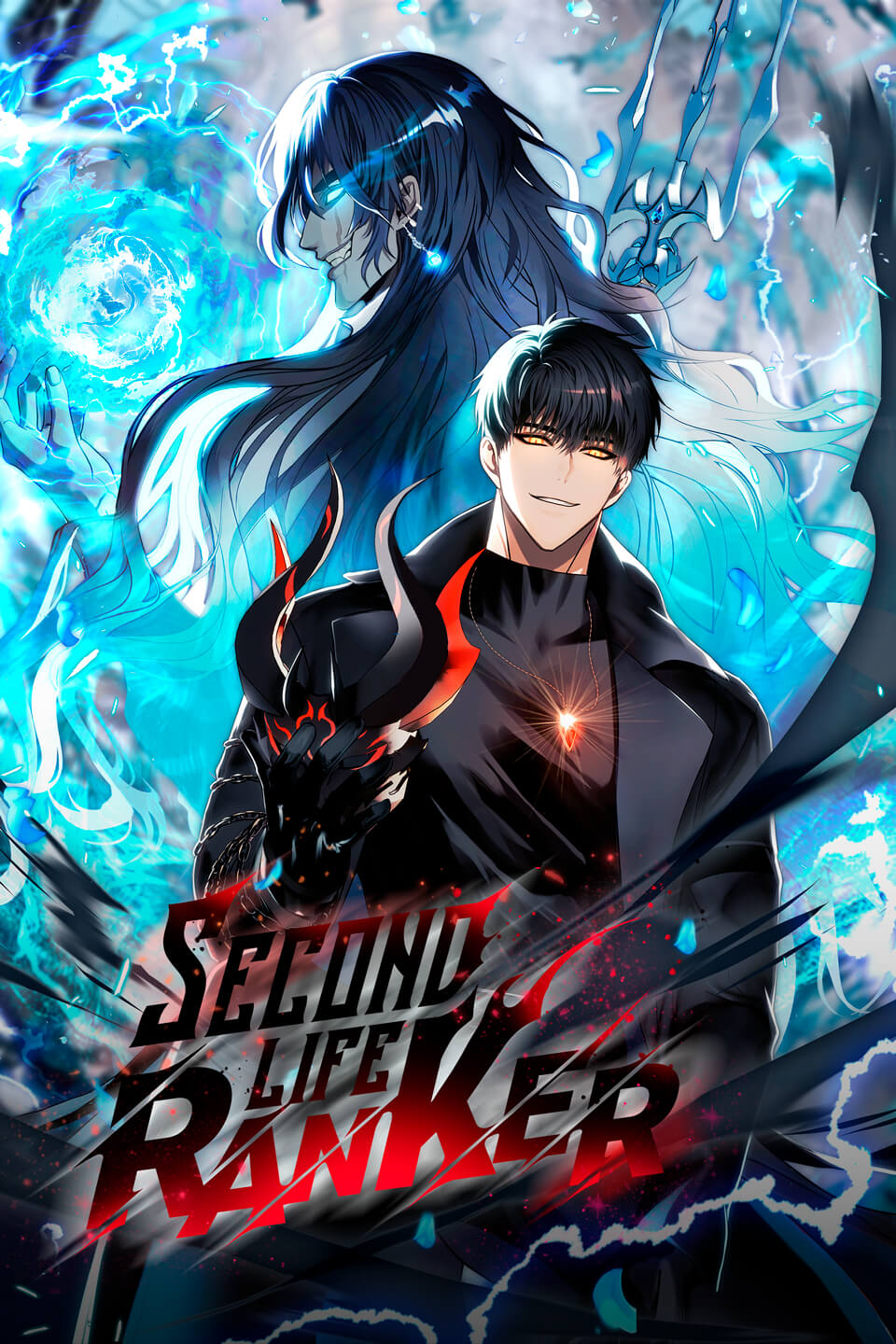 Legend of the Northern Blade follows a single protagonist from zero to mastery. No system, no stats.
Legend of the Northern Blade reading guide: step-by-step
Chapters 1 to 40: Isolation, Escape, and the Mountain Arc
The early chapters establish Mu-Won's situation with economy. By chapter 5, you understand his position: son of a man the murim world considers a traitor, living under the watch of factions that would be happy if he never amounted to anything, with no path to training or allies. The story doesn't belabor this.
The escape and mountain training sequence runs through roughly chapter 40. This is where the series earns some goodwill. Mu-Won's self-taught progress is shown as genuinely difficult: he makes wrong assumptions, hits walls, and revises his approach. The documents his father left aren't a complete manual; they're fragments he has to interpret. The manhwa compresses this more than the web novel does, but there's enough here to make the training feel earned rather than montaged away completely.
His first encounters with murim factions during this arc establish the political terrain. The Northern Heavenly Sect's dissolution left a vacuum. Other sects expanded. Some of them want Mu-Won dead before he becomes a complication. Others are neutral, for now. Read this section without skipping. The faction relationships introduced here matter in the middle arc.
Chapters 40 to 120: Return to the Murim World
Mu-Won comes back into the martial world with enough foundational skill to function but not enough to dominate. This section is the longest and most uneven.
The individual confrontations are where it works best. By chapter 60, it's apparent that Hae-Min is specifically good at fight choreography that tracks character positioning across panels, not just landing impact images. Cause and effect in the action sequences are legible in a way that distinguishes this from most murim manhwa.
The political plotting is the weak point. Multiple factions are in play: sects jostling for position in the post-Northern-Heavenly-Sect vacuum, grudge matches between houses. The manhwa doesn't give them enough space. Characters get introduced as meaningful players then disappear for 30 chapters. The web novel develops this more fully; the manhwa adaptation cut too aggressively here.
Around chapter 90, the Silent Night stops being a background threat and starts taking direct action. From this point the pacing tightens significantly.
Chapters 120 to 202: Confrontation and Resolution
The late arc is the strongest section. The Silent Night's full structure comes into focus, Mu-Won reaches the level where confronting their leadership directly becomes possible, and the series resolves the threads it opened in chapter 1.
The restoration of the Northern Heavenly Sect's reputation is handled with more care than the genre usually manages. It's not just winning fights and declaring victory. The arc deals with what it means for a sect's legacy to survive when most of its practitioners are dead and the murim world spent years believing the worst about it.
The ending is genuinely happy. Not ambiguous, not bittersweet-with-an-asterisk. By murim standards, that's rarer than it should be.
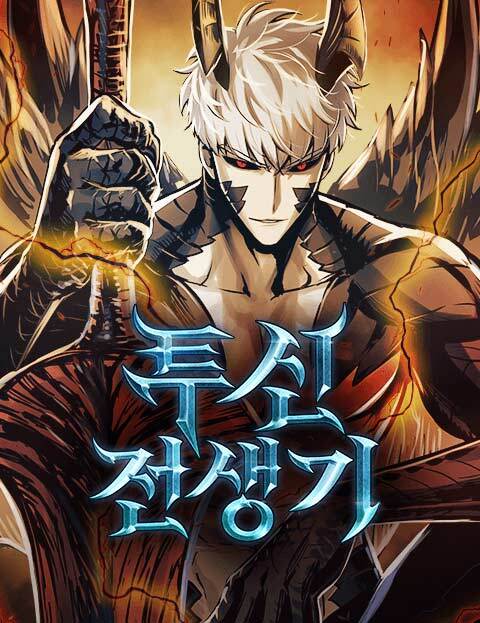 Northern Blade and Doom Breaker share tonal DNA. Both use grief as the engine, not ambition.
Step-by-Step
1. Start on Tappytoon, not WEBTOON: Legend of the Northern Blade is not on WEBTOON -- the licensed English version is on Tappytoon, which has passed 4 million views. Avoid scan sites; the official translation handles the martial arts terminology more consistently.
2. Read chapters 1-40 without skipping: This isolation-and-mountain-training arc introduces the faction relationships that matter again in the middle arc. Characters who appear briefly here come back roughly 60 chapters later.
3. Push through chapters 40-120 even if the political plotting feels thin: This is the manhwa's weakest stretch -- factions get introduced and disappear for stretches at a time. The pacing tightens noticeably around chapter 90, when the Silent Night moves from background threat to active antagonist.
4. Use the tonal difference to decide between this and Nano Machine: If you want fast escalation and a system-driven head start, Nano Machine delivers that faster. If you want a protagonist who builds from genuine scarcity with no shortcuts, stay with Northern Blade.
5. Finish through chapter 202 for the full resolution: The series is completed with a confirmed happy ending -- no hiatus, no cliffhanger, and no need to look for a sequel once you reach the end.
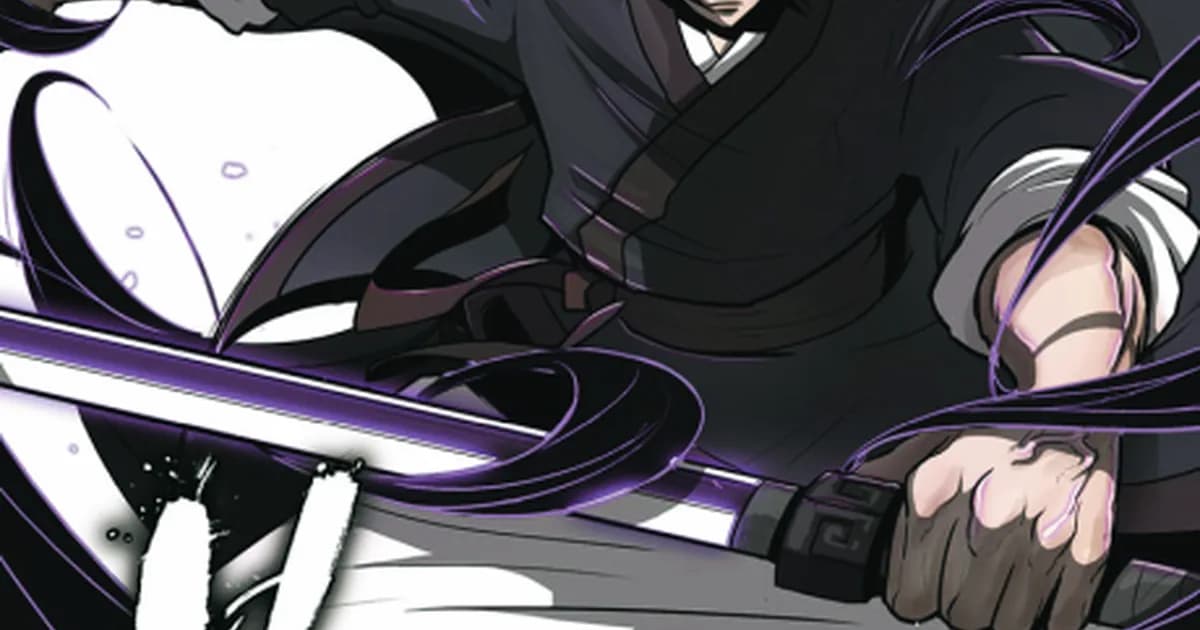
Reading tips for Legend of the Northern Blade
Read chapters 1-40 without skipping. The mountain training sequence is slower than what follows, but the faction relationships established in that section are load-bearing for the middle arc. Characters who appear briefly in the isolation sequence matter again 60 chapters later.
The art improves arc by arc in a visible way. Chapters 1-40 are rougher; by chapters 150-202 the fights and environments are substantially more detailed. If the early chapters feel visually underdeveloped, push to the middle arc before deciding. Most readers report the art clicking around chapter 60.
The political plotting in chapters 40-120 is the weakest section. The manhwa compresses faction dynamics that the original web novel handles more fully. If you hit this section and find it frustrating, know that around chapter 90 the pacing tightens considerably when the Silent Night moves from background to active threat.
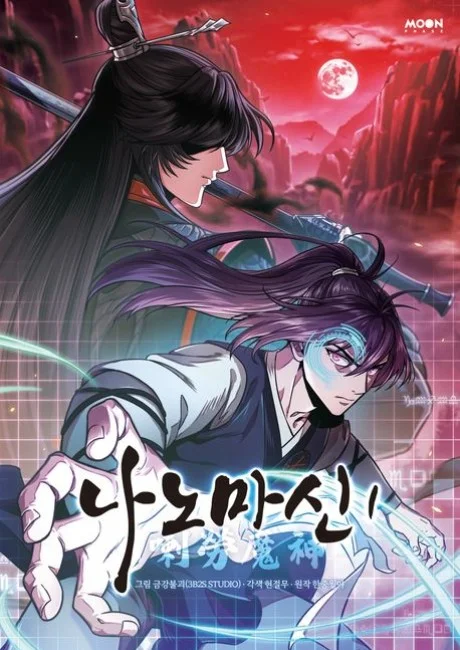
Coming from Nano Machine? The experience of Northern Blade's early chapters will feel very different. There's no system, no rapid escalation, no head start. Mu-Won builds from genuine scarcity. That's the trade-off, and it's the reason some readers prefer Northern Blade and others find it harder to commit to.
 Nano Machine.
Art Style: What to Expect Going In
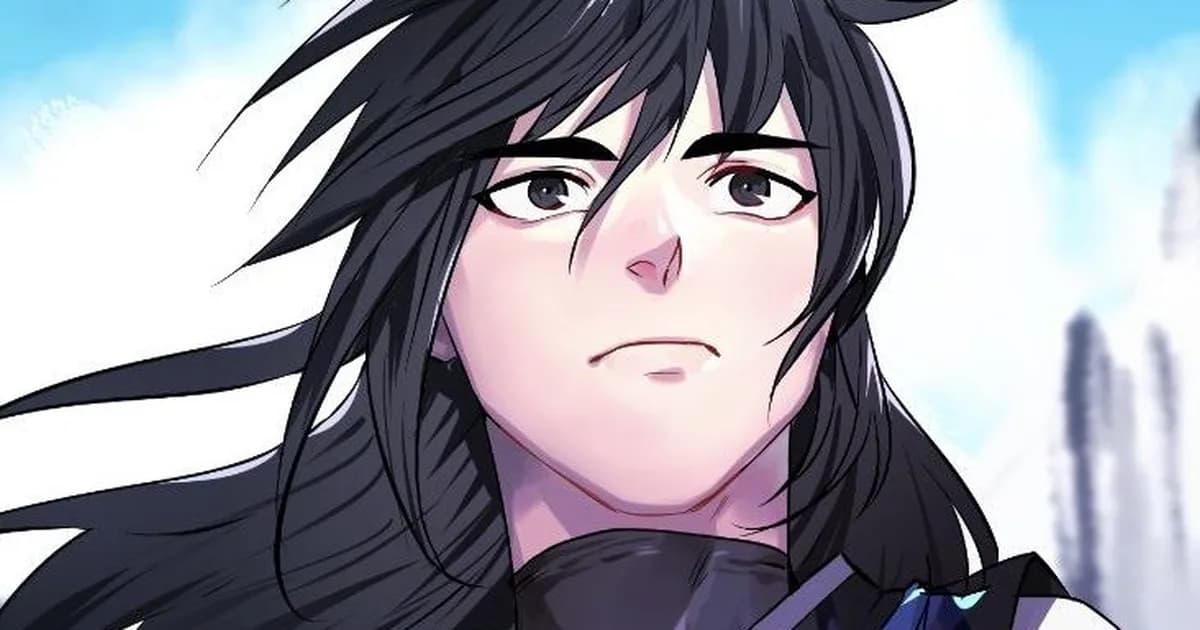
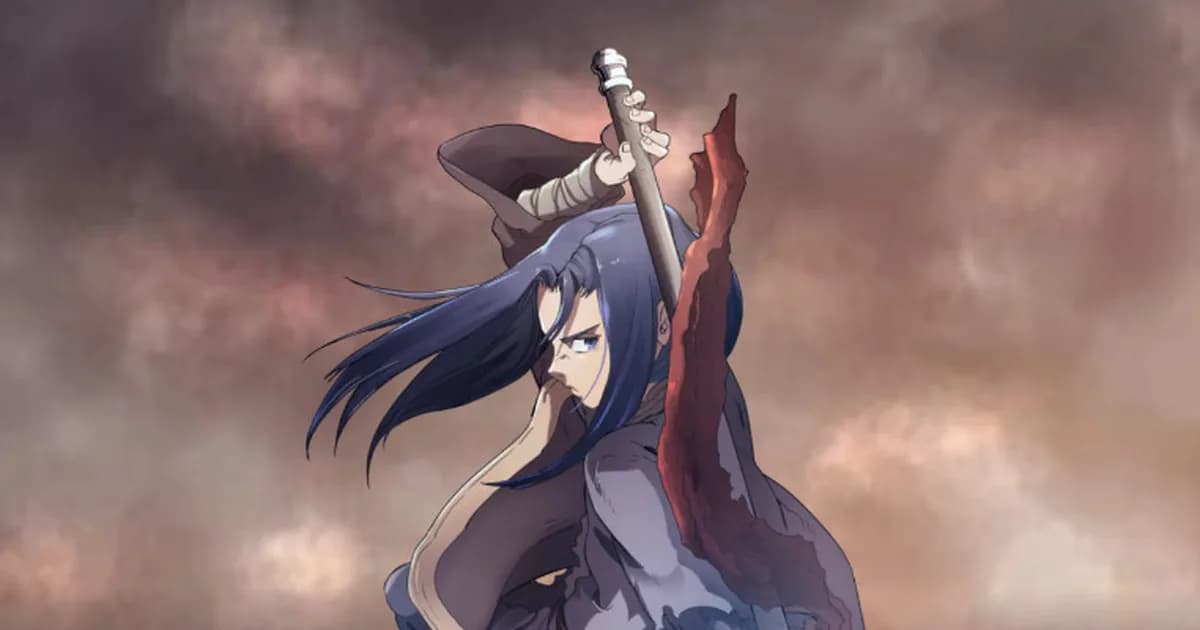
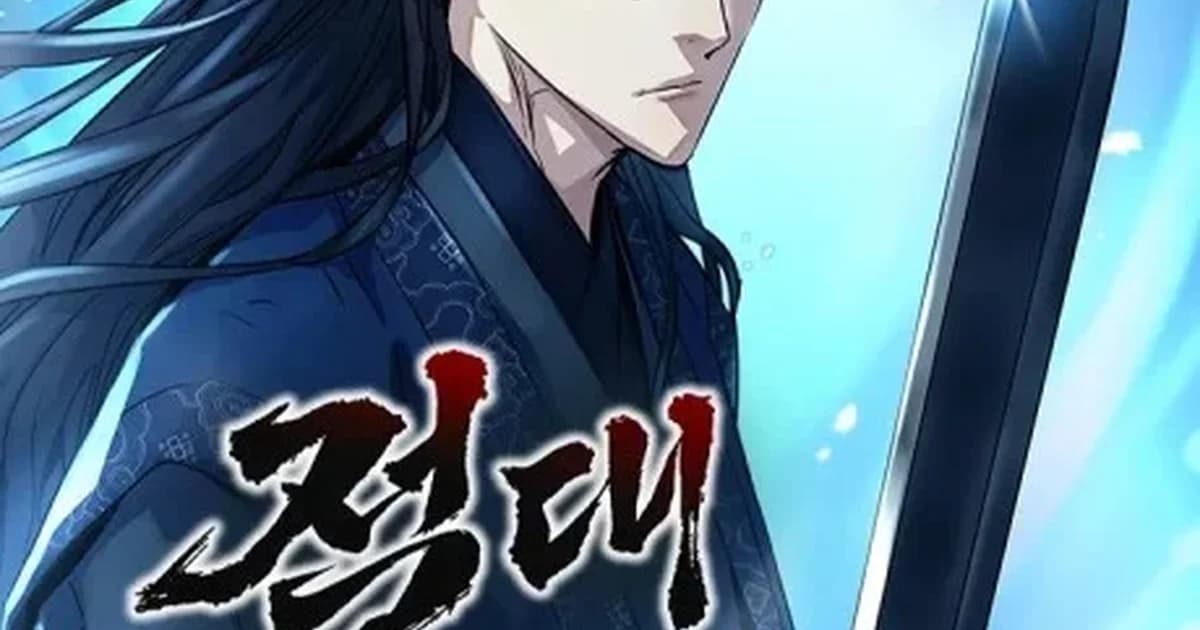
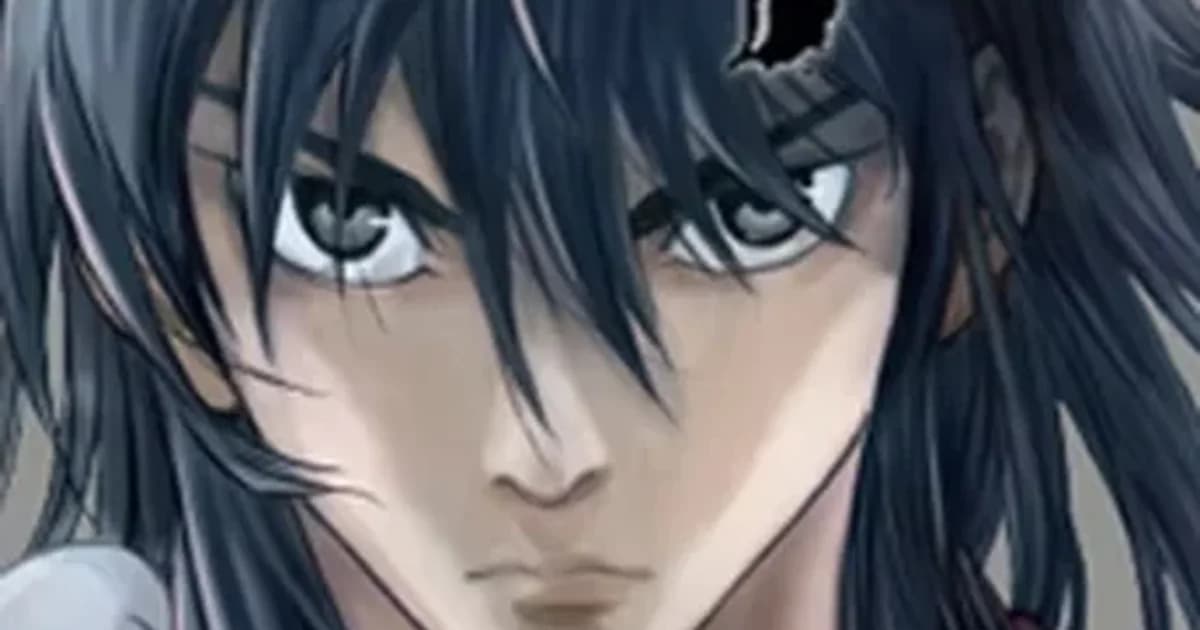
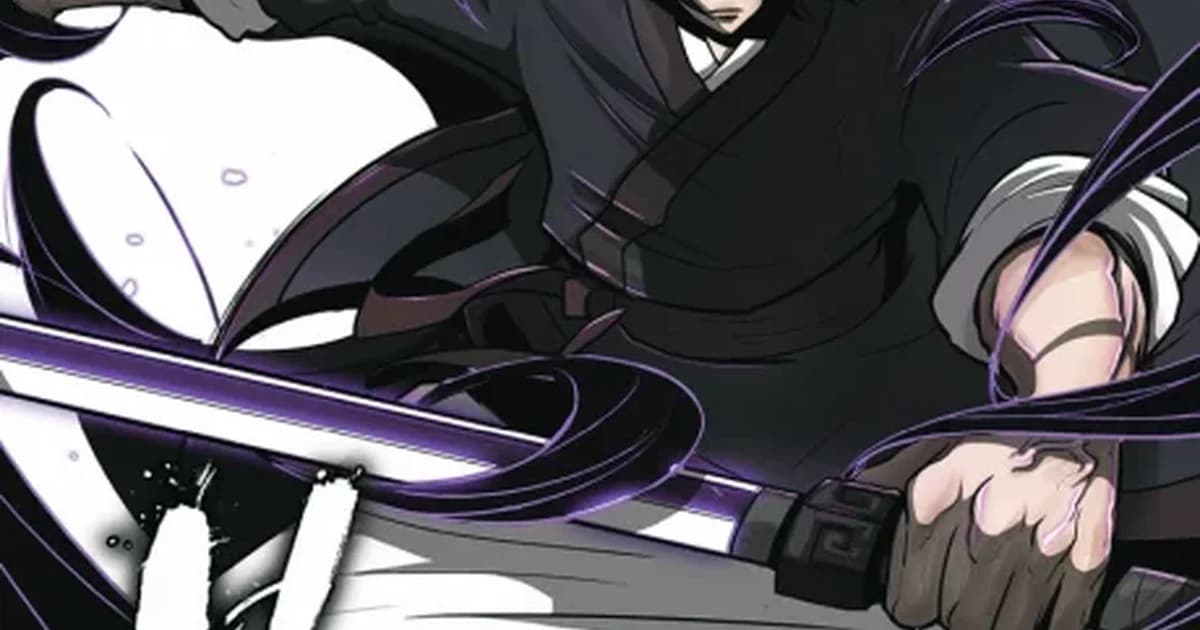
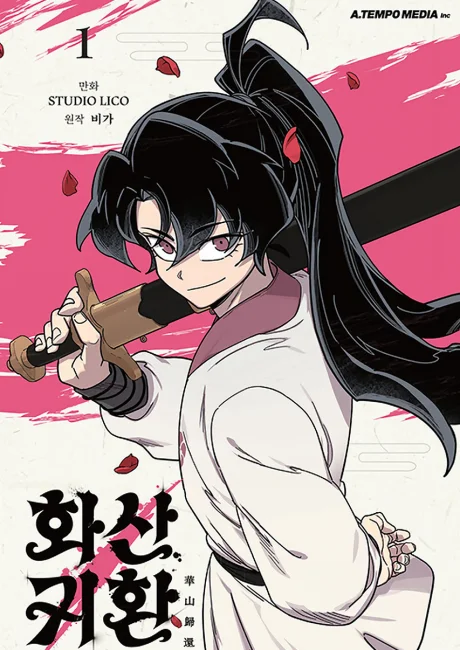
Hae-Min's art is not what most people mean when they say a manhwa "looks good." The color palette is cool-toned and muted: grays, blues, pale ochres. The character designs don't lean into bishonen idealization the way series like Return of the Blossoming Blade do. Mu-Won looks like someone who grew up in the mountains. The supporting cast is drawn with similar restraint.
The backgrounds are deliberately spare in early chapters, which reads as either economical or underdeveloped depending on your tolerance. By the middle arc, around chapter 60 to 70, the environments become more detailed and the color work more confident. The art improves arc by arc in a visible way. Chapters 150 to 202 look substantially better than chapters 1 to 40, and not just because the subject matter gets more dramatic.
 Return of the Blossoming Blade shares Northern Blade's sect-restoration premise but with a more polished, bishonen-leaning art style.
What stays consistent from the first chapter to the last is the fight choreography. A panel sequence in Northern Blade shows you where both fighters are, what just happened, and what the follow-through looks like. Attacks have weight and spatial consequence. Series that sacrifice legibility for spectacle are easy to find. Northern Blade consistently prioritizes readability, which makes the fights more satisfying to track when they resolve.
Our best cultivation manhwa list covers the top murim and martial arts progression reads.
Best Cultivation Manhwa →
How It Compares to Other Murim Manhwa
Against Nano Machine: Nano Machine (by Cocoa and Han-Joong-Wueol-Ya) gives the protagonist a futuristic nanobot implant that compresses a lifetime of martial arts development into a rapid progression curve. The pacing is faster, the power escalation is steeper, and the story leans into genre satisfaction over internal logic. Northern Blade is slower and more grounded. Mu-Won's progression feels earned in a way that Cheon Yeo-Woon's doesn't need to be. Nano Machine's premise is about the spectacle of a head-start, not the cost of building from scratch. If you want fast and explosive, Nano Machine. If you want deliberate and grounded, Northern Blade.
Against Return of the Blossoming Blade: Return of the Blossoming Blade (sometimes titled Volcanic Age) is a regression murim story where the protagonist dies, returns to the past, and uses foreknowledge to change outcomes. It invests more in political structure and the protagonist's relationships with people he watched die. Blossoming Blade's art is more polished throughout; Northern Blade's fight choreography is technically stronger. The emotional registers are different enough that finishing one won't diminish the other.
For a broader breakdown: our manhwa like Nano Machine comparison.
Where to Read Legend of the Northern Blade
Tappytoon: The primary English licensed platform. Legend of the Northern Blade on Tappytoon. Paid per chapter or subscription access. The series has passed 4 million views on the platform.
Kakao Page: Korean original, also carries a licensed English version. For readers who want the source-language version or prefer Kakao's interface.
WEBTOON: Not available here. If you see it on WEBTOON, it's a scan upload, not an official version.
The licensed translations are better quality than scan versions for this series specifically. The lettering on the official version handles the martial arts terminology more consistently.
Frequently Asked Questions
Is Legend of the Northern Blade completed? Yes. 202 chapters, happy ending confirmed. The original web novel by Woo-Gak (400 chapters, Kakao Page) is also completed separately.
How long does it take to read? 5 to 10 hours for the full 202-chapter run at a normal pace.
Where can I read it in English? Tappytoon (licensed, 4 million+ views). Not on WEBTOON. Korean original on Kakao Page.
Is it worth reading if I've already read Nano Machine? Yes. They're doing different things. Nano Machine is faster and more spectacle-driven. Northern Blade's fight choreography is technically stronger and the protagonist's arc is built around genuine scarcity rather than a shortcut premise.
Who is Jin Mu-Won? Son of the Northern Heavenly Sect's fourth-generation leader. His father was falsely accused of colluding with the Silent Night, disbanded the sect, and died protecting him. Mu-Won survives in isolation, teaches himself martial arts from his father's documents, then returns to clear the sect's name.
Does Legend of the Northern Blade have an anime? No anime adaptation announced as of mid-2026.
Is the web novel different from the manhwa? Yes. The web novel runs 400 chapters and goes deeper on martial arts training and faction politics. The manhwa compresses both. Official English licensing of the novel hasn't been confirmed.
Related Reading
- Best Cultivation Manhwa: 10 Murim Series Ranked 2026: 10 murim series to read alongside Legend of the Northern Blade.
- Return of the Blossoming Blade Review: Best Murim Manhwa: Full review of the closest genre peer: martial arts regression done right.
- Nano Machine Reading Guide: Where to Start the Hybrid Manhwa: Reading guide for Nano Machine: the cultivation-system hybrid.
- Best Manhwa to Read in 2026: 20 Series Worth Your Time: Broader 2026 list if Legend of the Northern Blade is your entry point.
- Return of the Blossoming Blade Reading Guide: Season 3: Arc breakdown for the other top-tier murim regression manhwa.
- Manhwa Like Legend of the Northern Blade: 7 Top Picks: Top manhwa picks for fans of Legend Of The Northern Blade.
- Legend of the Northern Blade Character Guide: Every named character and sect in the cast, verified against AniList.