
TL;DR: Manhwa like Attack on Titan sorted by the quality you're chasing: existential survival, political betrayal, hidden mythology, or tragedy with purpose.
Manhwa like Attack on Titan is a search that asks a harder question than it seems. Attack on Titan is not manhwa. It's a Japanese manga by Hajime Isayama, completed in 2021 after a 12-year run. When people search for manhwa like Attack on Titan, they're not looking for a format match. They're looking for the emotional and structural qualities that made AoT significant: the sense that humanity could actually lose, the political complexity that keeps revealing new betrayals, the mythology that gets darker the further you read, and the willingness to sacrifice characters who meant something.
Those qualities exist in manhwa. They're just spread across different series rather than concentrated in one.
This list addresses each AoT quality directly and names which manhwa delivers it best. Because those qualities don't always travel together, the picks are organized by what you're actually after.
manhwa like Attack on Titan: key takeaways
- Attack on Titan is Japanese manga. Searching for manhwa like it is a real question about structural and emotional qualities, not format
- For existential threat where humanity's survival is genuinely uncertain: Sweet Home (141 chapters, completed)
- For political complexity with layered factions and betrayal: Tower of God (on hiatus, 652+ chapters)
- For hidden mythology that keeps getting darker: Omniscient Reader's Viewpoint (latest listed Episode 308, ongoing/on hiatus with a will-return notice)
- For apocalyptic survival with grief as the engine: Doom Breaker (on hiatus, 101 chapters, Season 3 confirmed)
- For post-apocalyptic tragedy with smaller scope: The Horizon (30 chapters, completed)
- The one thing manhwa hasn't replicated is AoT's specific combination of historical revisionism as a story device: the revelation that the Titans were people all along, that the world's geography was a lie
- See best completed manhwa 2026 for the full picture of what's available with actual endings
manhwa like Attack on Titan: overview: what attack on titan actually
Understanding which qualities to search for helps narrow this significantly.
AoT has six structural qualities that make it different from standard action series. The first is the existential scale: Titans eat humans, the walls are the last thing standing, and the series spends years making the reader uncertain whether humanity will survive. This isn't a typical action premise where the protagonist is guaranteed to win. Characters the series invests in die. The victory conditions keep changing.
The second is political complexity. The Survey Corps versus the Military Police versus the government is the initial framing. By the Marley arc, every faction the reader had categorized as good or neutral turns out to have been running on a logic the series hadn't shown yet. The politics aren't decorative. They're the actual mechanism of the plot.
The third is hidden history. The revelation that Titans are transformed humans, that the walls are filled with Titans, that the entire geography of the story was deliberately engineered: AoT is a series that keeps proving the world is different than it appeared. Every major reveal recontextualizes what came before.
The fourth is sacrificial narrative. Characters die for story reasons, not convenience. Erwin's death is structured. Sasha's death is structured. The series is asking what those deaths built, not just cataloging loss.
The fifth is tragedy as the primary emotional register. AoT is not an uplifting story. It's a tragedy in the classical sense: characters with genuine virtues make understandable choices that produce catastrophic outcomes. The reader can see how Eren got from point A to point Z and that sight is the horror.
The sixth is completion. The story ended. Isayama wrote a final chapter, the ending is debated but exists, and readers can finish it.
No single manhwa delivers all six. The picks below are the closest approach to each.
Our master manhwa reading list covers the top 30 titles across every genre for 2026.
Best Manhwa to Read in 2026 →
Sweet Home: Existential Survival, Completed
Advertisement
 Sweet Home.
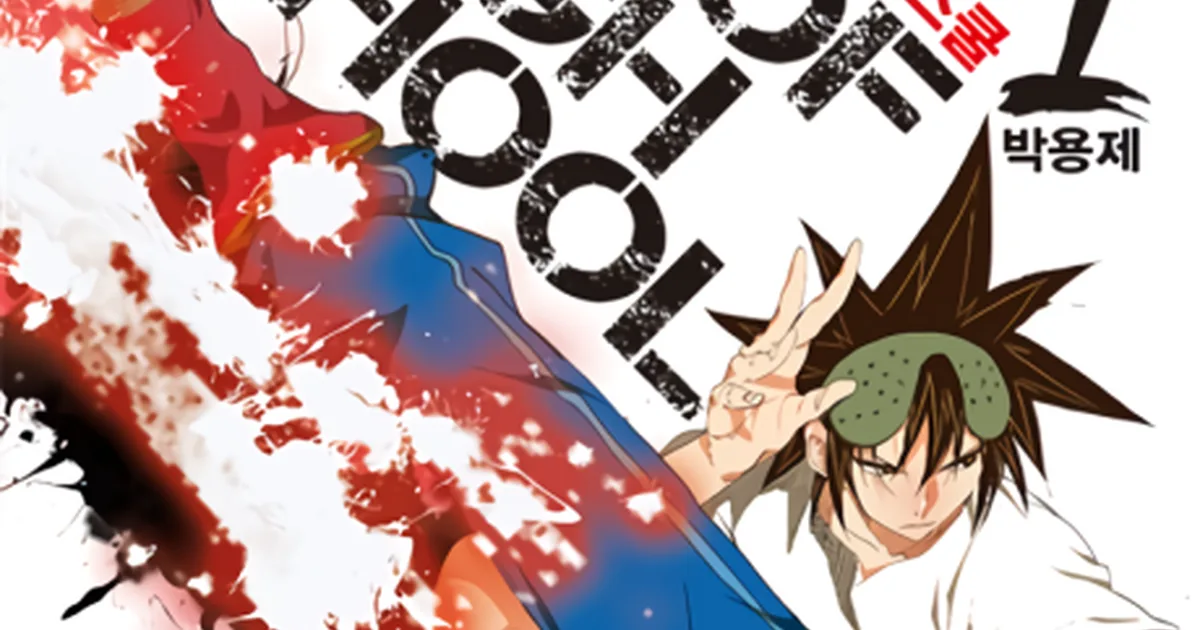
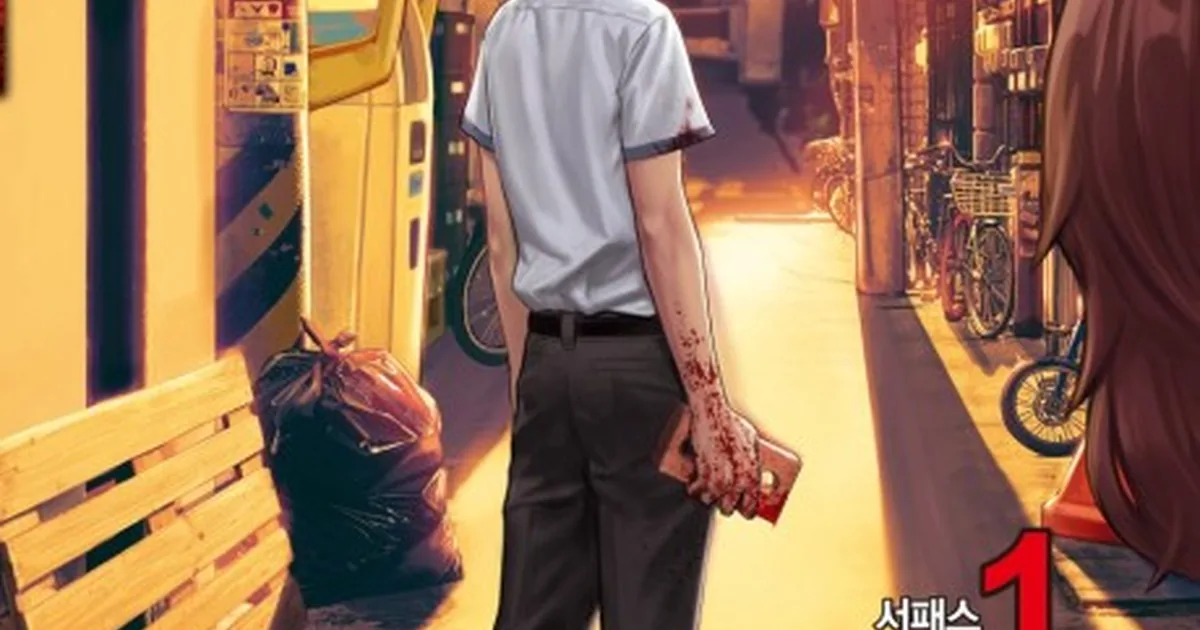
Sweet Home (141 chapters, Kim Carnby and Hwang Young-chan, completed on WEBTOON) is the closest manhwa to AoT on the question of existential threat. The premise: a shut-in named Cha Hyun-soo moves to a Seoul apartment building the week that humans begin transforming into monsters shaped by their suppressed desires. It does what AoT's Titan premise does: it makes survival genuinely uncertain from the opening chapters.
The parallel isn't in setting or mythology. It's in register. Sweet Home doesn't feel like a story where the protagonist is going to be fine. Characters the series spends chapters developing die without warning. The building is not going to be fully defended. The question "who survives this?" stays open in a way most action manhwa can't manage because most action manhwa has a protagonist who has to survive.
Where AoT's monsters are the Titans (external enemies with their own tragic history), Sweet Home's monsters are what the humans themselves become. This is thematically closer to AoT's later arcs, where the enemy turns out to be something more complicated than the original threat. The monster transformation mechanic is coherent: each creature reflects the desire that drove the transformation. A man who desired strength becomes something armored. The horror is legible, which is the same quality that makes AoT's Titan backstory hit differently once revealed.
The completion is relevant. Sweet Home alternatives covers what to read after, but for AoT readers specifically, the fact that Sweet Home ends, and that the ending is structured around its themes rather than just concluding, is meaningful. The Netflix adaptation diverges significantly; the manhwa's ending is its own thing.
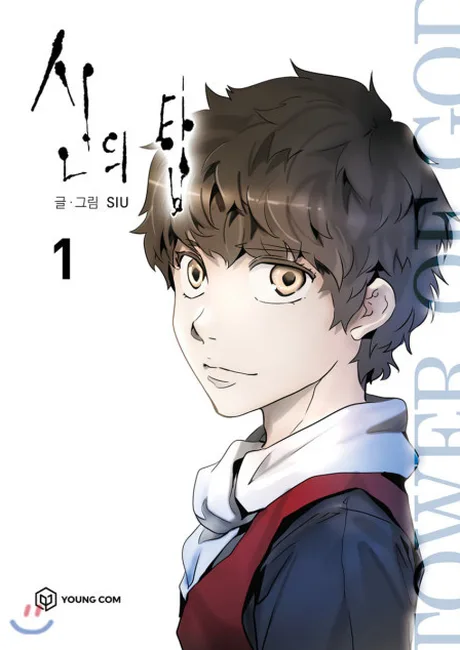
Tower of God: Political Complexity, Hidden World-Building
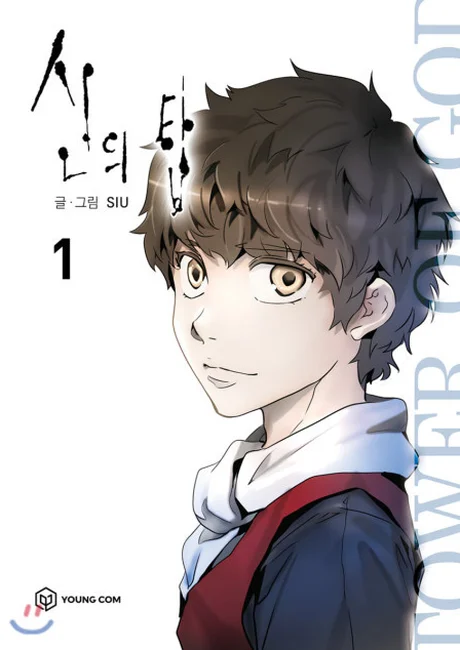 Tower of God.
Tower of God (SIU, on hiatus as of 2026, 652+ chapters on WEBTOON) is the manhwa that most directly replicates AoT's quality of revealed political complexity.
The setup is deceptively simple: Rachel wants to see the stars, so Bam follows her into a mysterious Tower, and they enter a competition to climb toward the top. The first 100 chapters read as a dark-fantasy competition story with interesting characters. The politics are present but not the focus. Then the Jahad Empire becomes visible (not as a background institution, but as the actual mechanism of everything that has happened), and the story reveals that every faction the reader encountered in the competition arc was operating on hidden agendas the series hadn't shown yet.
This is structurally identical to what AoT does with Marley. The enemy was always there. The politics were always real. The first arc was framing the situation incompletely, and when the full picture arrives, it recontextualizes what the reader thought they understood.
Tower of God has the hidden mythology quality too. The rules of the Tower, the identity of the Irregulars, Jahad's actual history: these get revealed across hundreds of chapters in a way that keeps making the world feel larger and darker than the previous chapter suggested. The betrayal structure is also present. Characters who were positioned as allies turn out to have been playing different games. The reader's understanding of who is trustworthy keeps updating.
The complication is length. Tower of God is on hiatus, has no announced end, and the pacing in the second and third arcs has been uneven. AoT readers who came for the completed story won't find that here. But for the specific combination of faction politics and gradually revealed mythology, nothing in manhwa is closer.
For what to expect going in: Tower of God reading guide covers arc breakdowns and where the series finds its footing.
Omniscient Reader's Viewpoint: Apocalyptic Scale, Ongoing at Episode 308
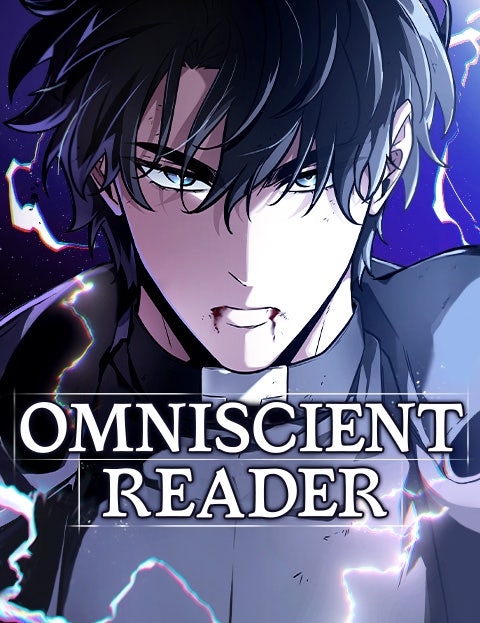
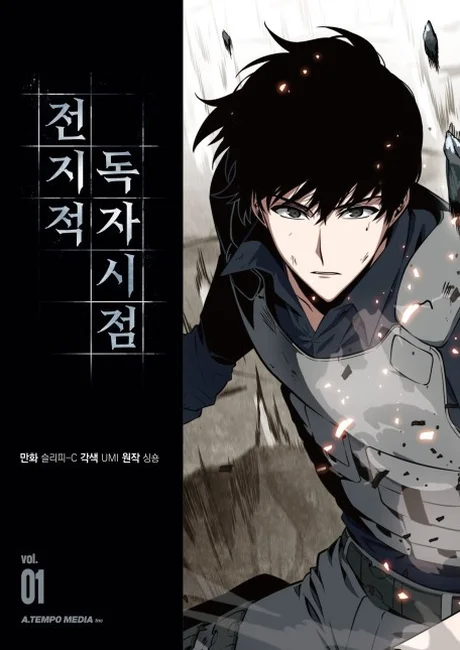 Omniscient Reader's Viewpoint.
Omniscient Reader's Viewpoint (Sing-Shong, manhwa adaptation by UMI, latest listed Episode 308, ongoing/on hiatus with a will-return notice) operates on a premise that's more self-aware than AoT but hits similar emotional registers: the world enters an apocalyptic scenario, humanity has to survive a scenario set up by forces that have been running hidden agendas, and the protagonist understands more of the structure than other characters, which makes every sacrifice harder rather than easier.
The AoT parallel is in how the mythology deepens. Dokja, the reader who has read the novel this apocalypse is based on, thinks he knows how the story goes. The series spends its runtime showing him, and the reader, how much he missed. The hidden history quality is strong here. What look like clear-cut scenarios keep turning out to have structural complexity underneath.
The sacrificial narrative is also present. The series kills characters who matter to the protagonist and to the reader, and those deaths are load-bearing. They produce outcomes the story couldn't reach another way. The grief is purposeful, not decorative.
Omniscient Reader's Viewpoint has the strongest political betrayal in this list after Tower of God. Factions that seem aligned turn out to have incompatible goals. Characters the protagonist trusted turn out to have been making different calculations. The revelation structure is consistent with AoT's approach: the reader keeps learning that the earlier framing was incomplete.
For AoT readers who valued completion above all else, the manhwa arc ends. The full story continues in the original Korean webnovel, but the manhwa itself has a resolution.
Our best action manhwa list rounds up the top picks for readers who love high-stakes battles.
Best Action Manhwa 2026 →
Doom Breaker: Sacrifice as Engine, Grief as Fuel
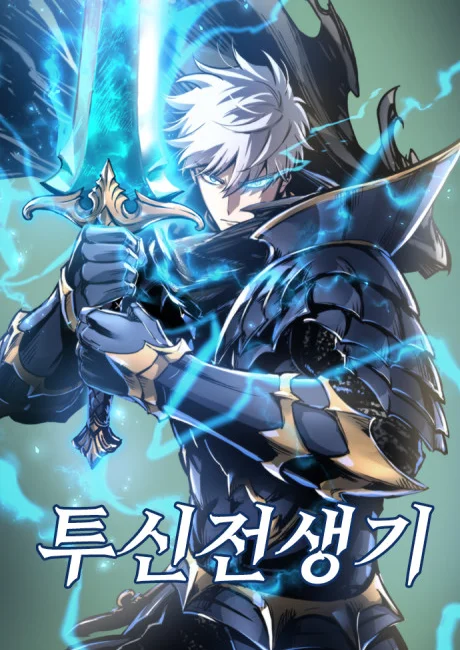 Doom Breaker.
Doom Breaker (Sangha Studio, on hiatus at 101 chapters on WEBTOON) has a different entry point than the other picks, but the emotional structure is recognizably close to AoT's.
The premise: Zephyr, the sole surviving human warrior in a world that has lost its war against demons, travels back in time with the knowledge that every person he meets in the past is already dead in the future he came from. He knows how each of them dies. He knows what they were worth. The series runs on his grief and on the question of whether knowing the cost of everything makes sacrifice meaningful or just exhausting.
This is the closest manhwa approximation to AoT's sacrificial narrative quality. Erwin's death in AoT is effective because the series has spent time establishing what Erwin was for: what he built toward, what he never got to see. Doom Breaker operates on the same principle, except Zephyr has already seen all of it and has to figure out how to function with that knowledge.
The existential threat is present too. Humanity genuinely lost in the timeline Zephyr came from. The demons aren't a genre obstacle. They won. The series takes that seriously in how it constructs the world and in what it asks of its protagonist.
Doom Breaker is on hiatus (Season 3 confirmed, no release date) and the pacing is slower than Sweet Home or ORV. But for AoT readers who were most affected by the tragedy register (the sense that the characters are doing everything right and still might not be enough), this is where that register lives in manhwa. For related reading: best dark manhwa covers the genre context.
The Horizon: Quiet Tragedy, Small Scale
The Horizon (JH, 30 chapters, completed, WEBTOON) is an outlier in this list by length. It's closer to a graphic novella than a series. But it earns a place here because of what it does with AoT's specific quality of tragedy used structurally.
The story follows two children (a boy and a girl) moving through a post-apocalyptic world after an unnamed catastrophe has emptied it. The setting doesn't explain itself. The cause of the apocalypse isn't revealed. The series is not interested in the mythology. It's interested in two children who have to keep moving and what that does to them.
The tragedy works the same way AoT's does at its best: it's not gratuitous, it's structural. Events happen because the logic of the world requires them, not because the narrative wants a dramatic moment. The story cannot arrive at its final image by any other path. That restraint (earning the tragedy through inevitability rather than shock) is the quality The Horizon shares with AoT more directly than anything else in manhwa.
At 30 chapters it's a two-hour read. The art is intentionally sparse. It won't satisfy readers who want AoT's scale or its faction politics. But for readers who came to AoT for the emotional register, the sense that something has been lost and that the loss matters, The Horizon is the most direct distillation of that quality in manhwa.
Analysis: What Manhwa Can't Replicate, and Where It Goes Further
Advertisement
AoT has one quality that manhwa genuinely hasn't replicated: historical revisionism as a plot device. The revelation that the world's geography was engineered (that the island was a prison, that Marleyan history was fabricated propaganda, that the Titans were people who were transformed against their will): a specific kind of story move. It uses the reader's accumulated trust in the narrative's world-building against them. The revelation that the entire framing was constructed is the horror.
No manhwa has done this at the same scale. Tower of God comes closest with its revelations about the Tower's true nature, but the mythology of AoT is tighter and the revisionist move lands harder because the series has spent more time establishing the false version.
Where manhwa goes further than AoT is in completion rate. AoT's ending is divisive. Sweet Home's ending is coherent. The Horizon's ending is earned. For readers who found AoT's final arc frustrating, manhwa's shorter, completed series offer something AoT's scale made difficult: endings that fit what the story was actually about.
Manhwa also goes further in certain supernatural categories. AoT's horror is existential and political. Best manhwa for horror readers in 2026 covers series that extend the body-horror and survival elements into directions AoT didn't pursue. For supernatural manhwa with darker registers: best manhwa supernatural is the wider genre map.
The Vinland Saga comparison is worth naming directly. Vinland Saga is also a Japanese manga (not manhwa) and it shares AoT's quality of tragedy used purposefully, protagonists whose violence comes at real cost, and a political structure that keeps revealing new depth. Readers who loved AoT and are willing to read manga should read Vinland Saga next. For manhwa options after that: manhwa like Vinland Saga covers the closest Korean equivalents in useful detail.
Frequently Asked Questions
Is there a manhwa version of Attack on Titan?
There is no manhwa equivalent to Attack on Titan in the sense of being the same story in a different format. Attack on Titan is a Japanese manga by Hajime Isayama, serialized in Bessatsu Shonen Magazine from 2009 to 2021. No manhwa replicates its specific combination of Titan mythology, Eldian political history, and Eren's final arc. What does exist are manhwa that deliver one or two of those elements at a comparable level: Sweet Home for existential survival horror, Tower of God for political complexity and hidden world-building, Omniscient Reader's Viewpoint for apocalyptic scale with moral weight.
What manhwa is closest to Attack on Titan overall?
Sweet Home (141 chapters, completed, WEBTOON) is the closest single manhwa if you weight existential threat, completed story, and psychological depth equally. It doesn't have AoT's political complexity, but it has the same sense that humanity's survival is genuinely uncertain, the same willingness to kill major characters without warning, and the same interest in what people become when they stop believing they'll survive. Omniscient Reader's Viewpoint covers more of the political and mythological ground.
What is the best completed manhwa like Attack on Titan?
Sweet Home (141 chapters) and The Horizon (30 chapters) are the two best-completed manhwa with structural similarities to AoT's emotional register. Sweet Home delivers existential survival with an actual ending. The Horizon is much shorter but has AoT's quality of tragedy used purposefully rather than for shock. For readers who want political and ongoing, Omniscient Reader's Viewpoint currently reaches Episode 308 and is on a season break with a will-return notice.
Is Attack on Titan a manhwa?
No. Attack on Titan (Shingeki no Kyojin) is a Japanese manga, not manhwa. Manga is Japanese; manhwa is Korean. The distinction matters for format. Manhwa is typically published in full color vertically as a webtoon, while manga is printed in black-and-white for tankobon volumes. When readers search for manhwa like Attack on Titan, they're usually looking for the structural and emotional qualities of AoT in Korean comics.
Does Tower of God have the same political complexity as Attack on Titan?
Tower of God shares AoT's quality of revealing that every faction the reader trusted is operating with hidden motives. The Jahad Empire, the various families, and the Guardian system all have histories that recontextualize what seemed like clear-cut conflicts in earlier arcs. The political complexity is present, though it develops more slowly. The first 100 chapters are closer to an action-adventure, and the factionalism fully emerges in the second arc. AoT readers who valued the moment when the real political structure finally becomes visible will recognize something similar here, just later in the runtime.
Are there manhwa like Attack on Titan where major characters die?
Sweet Home and Doom Breaker both kill major characters at meaningful story beats rather than arbitrarily. The Horizon kills its main cast in a way that is structurally necessary. The story cannot arrive where it's going without those deaths. Omniscient Reader's Viewpoint has significant character deaths that recontextualize earlier arcs, similar to AoT's pattern of revealing that a sacrifice was part of a larger structure. None of these series kill characters for shock alone, which is the relevant quality in AoT. The deaths are purposeful.
What manhwa has world-building with hidden history like Attack on Titan?
Tower of God is the strongest match for AoT's quality of gradually revealed hidden history. The mythology of the Tower, Jahad's backstory, and the truth about the Irregulars all unfold over hundreds of chapters in a way that regularly reframes what the reader thought they understood. Omniscient Reader's Viewpoint also has this quality. The reader understands the world's rules before the protagonist does, but the series keeps revealing that the rules run deeper than either expected.
Related Reading
- best completed manhwa 2026
- Best Manhwa to Read in 2026 →
- Sweet Home alternatives
- Tower of God reading guide
- Best Action Manhwa 2026 →
References
- Sweet Home on WEBTOON. Official English release, 141 chapters complete
- Tower of God on WEBTOON. Official English release, on hiatus as of 2026
- Omniscient Reader's Viewpoint manhwa on WEBTOON. Official English adaptation
- Doom Breaker on WEBTOON. English release, on hiatus
- The Horizon on WEBTOON. Official English release, complete at 30 chapters
- Attack on Titan on Kodansha. Original manga, completed 34 volumes