
Lookism review starts where every Lookism discussion has to start: the premise. Park Hyung-seok wakes up able to occupy two bodies: one that matches his original appearance (overweight, bullied, invisible or targeted in every social space) and one that is conventionally attractive and immediately treated with warmth and opportunity. Same mind. Different lives.
TL;DR: Lookism review: 8/10. Ongoing at 613+ chapters on WEBTOON. Its two-body premise starts as social drama, then grows into underground martial arts without abandoning the question of how status shapes a life.
That's the best social-observation premise in manhwa. Park Tae-jun uses it with specificity and without softening what it documents. The series earned its readership on the strength of that setup, then kept it by becoming something else entirely.
Rating: 8/10, this review is the verdict on whether the series is worth your time. For the arc order and where to start, see the Lookism reading guide.
Key Takeaways
- Rating: 8/10. The premise, social execution, and martial arts arc all contribute to a score reflecting the full series.
- 613+ chapters free on WEBTOON; ongoing with regular updates
- The tonal shift from social drama to underground martial arts happens around chapter 100-150 and is handled deliberately, not abruptly
- Studio Mir's 8-episode Netflix anime covers the early premise only; the underground fighting arc is manhwa-only
- Large ensemble cast by chapter 200+; characters introduced in the school arc remain important through the full run
The Good
- The two-body premise gives the social commentary a concrete, repeatable structure.
- The shift into underground martial arts expands the original question instead of discarding it.
- WEBTOON makes the ongoing 613+ chapter run easy to access for new readers.
The Cons
- The early social-drama pacing is slow if you arrived for the fights.
- The cast becomes difficult to track once the underground organizations multiply.
- The Netflix anime covers only a small opening slice of the manhwa.
Overview
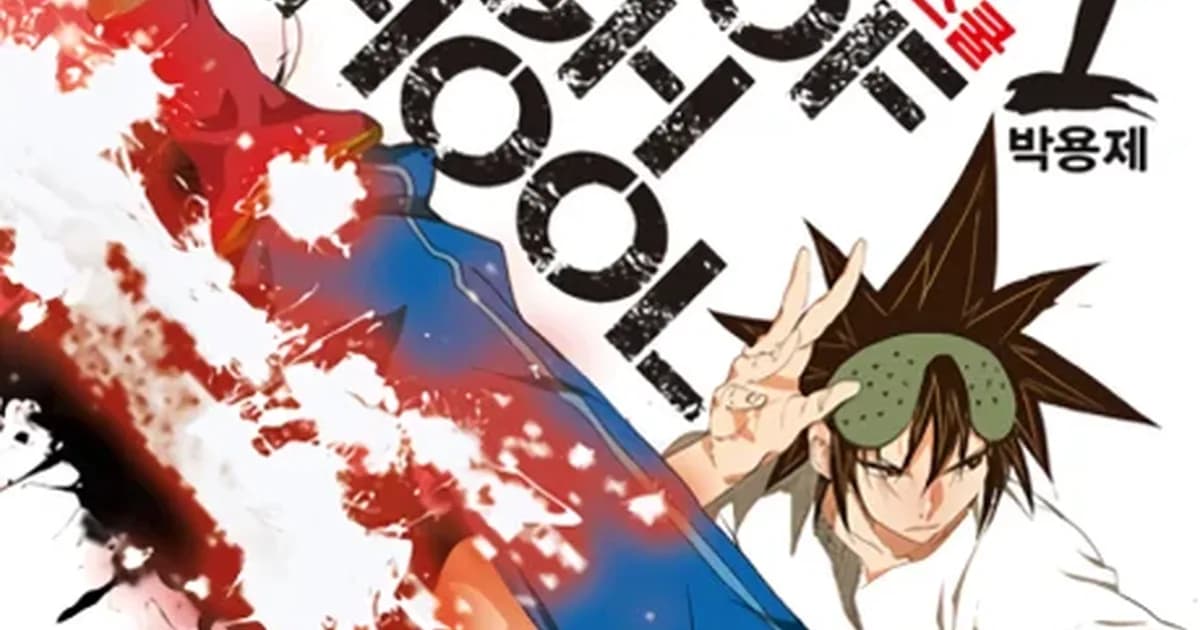
 Official cover art for Lookism by Park Tae-jun, free on WEBTOON with 613+ chapters. Source: AniList.
 Lookism.
The obvious answer is: a boy who wakes up in two bodies and navigates the gap between how each is treated. That's accurate for the first 100 chapters.
The real answer is more specific. Lookism documents the social infrastructure that produces and maintains hierarchies based on appearance. The attractive body doesn't just receive better treatment. It receives immediate trust, assumption of competence, romantic interest, and professional opportunity. The original body receives none of this. The protagonist in the original body is functionally a different social entity from the protagonist in the attractive one, despite being the same person.
The series is observing something true. That's what makes the early chapters work. The humor, the social dynamics, and the specific moments of contrast are all rooted in an observation that isn't exaggerated for effect. Most readers who arrived from the social-drama angle know this firsthand.
Lookism review: art and story
Advertisement
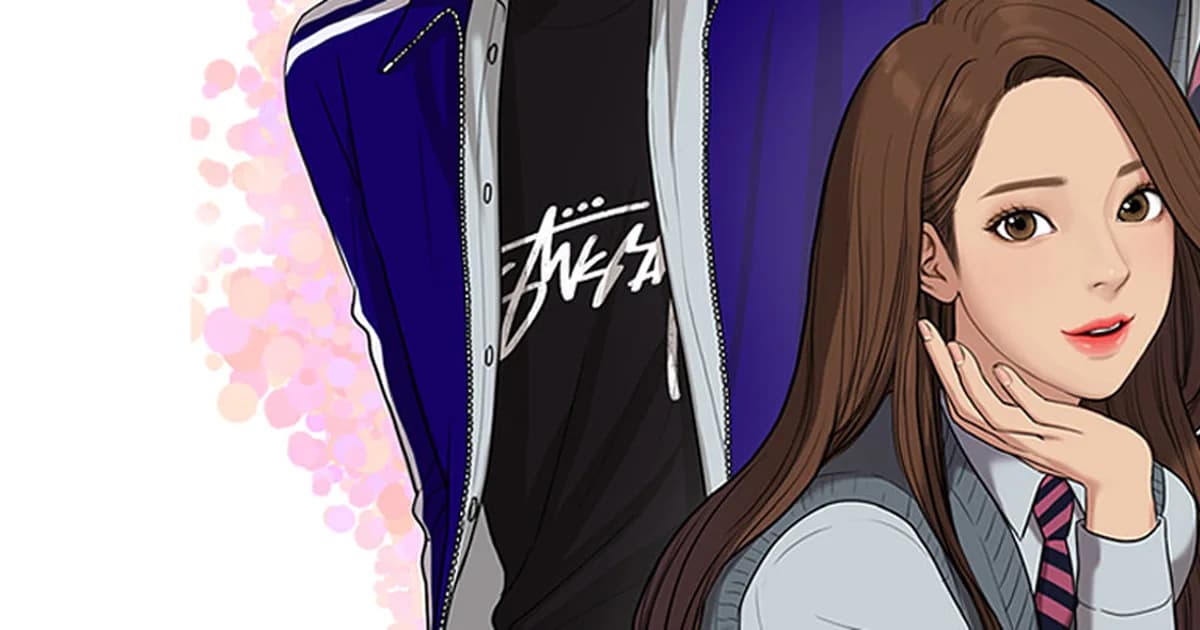
Park Tae-jun's art in the early social-drama chapters is clean and character-specific, doing visual work the text reinforces. The contrast between how the original body is drawn (minimized, visually quiet, occupying less space on the page) and how the attractive body is rendered (with presence and detail) is legible at a glance. This is not a subtle choice. The visual language communicates the series' central argument without requiring narration. Character expressions in the school arc are expressive and grounded in the specific social dynamics being documented.
The underground fighting arc changes the art's demands substantially. Multi-chapter fights with different martial arts styles require the choreography to be technically specific: different schools have distinct movement patterns and visual logic that readers need to track across dozens of chapters. Park Tae-jun meets this challenge with consistently readable panel composition. The combat sequences convey strategy and weight rather than just impact. By the Workers arc and beyond, the art is handling a very large named ensemble without losing the ability to distinguish between characters who have been off-page for fifty chapters.
Narratively, Lookism works because the two-body premise is not decorative. It is the lens through which every social dynamic in the series is examined: who receives trust, opportunity, and warmth, and who does not, based on appearance alone. The early chapters document this with specificity and without sentimentalizing it. The transition around chapters 100-150 from social drama to underground faction hierarchy extends the same observation at a different scale. The same power dynamics that run the school run the underground. This structural continuity is the reason the tonal shift does not feel like a genre swap.
The social drama arc (chapters 1-150)
The first 100-150 chapters are ensemble-driven character setup with the two-body premise as the organizing frame. Park Hyung-seok meets a cast of people whose own relationships to appearance, class, and social mobility run parallel to his situation. The school hierarchy and the convenience store job and the boardinghouse dynamic all contribute to a social picture that's more detailed than most manhwa bothers with.
For the full reading guide including which chapters mark the tonal shifts:
Lookism Reading Guide →
The pace in this section can feel slow for readers who came from the series' martial arts reputation. The case for patience: characters introduced here have arcs that pay off 300+ chapters later. The social-drama portion isn't setup to be discarded when the fighting starts. It's the foundation the underground hierarchy is built on, and understanding why the hierarchy operates the way it does requires knowing who these people are.
Park Tae-jun's art in this period is clean and character-specific. The contrast between how the original body is drawn (minimized, visually quiet) and how the attractive body is rendered (with presence and detail) is visible on the page. The visual language does work the text reinforces.
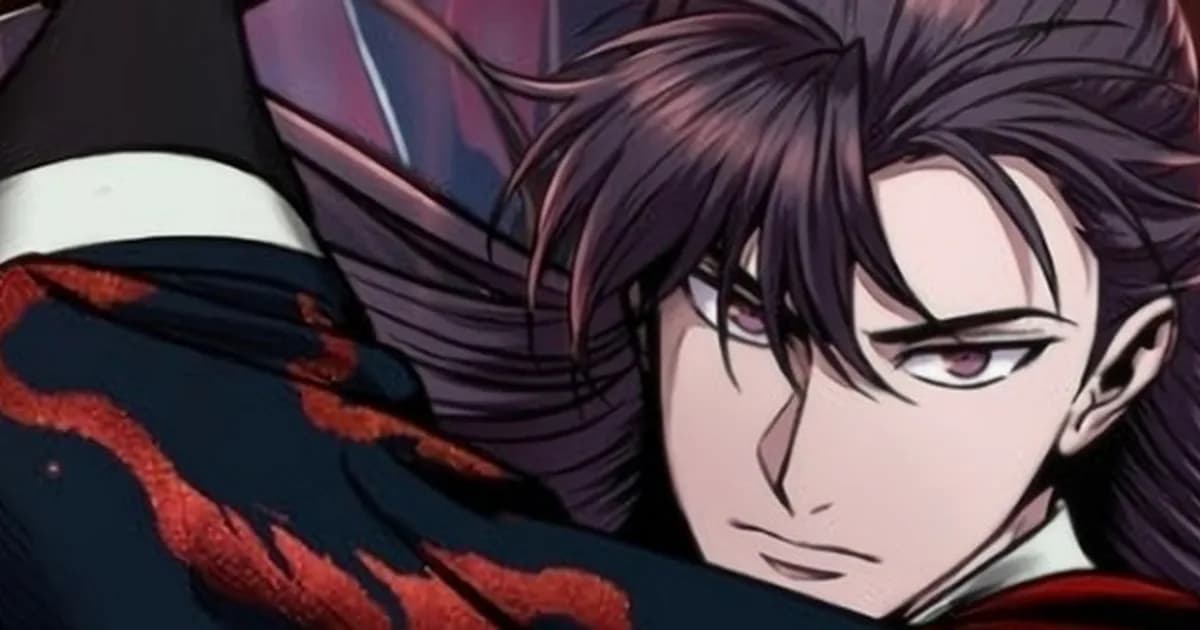
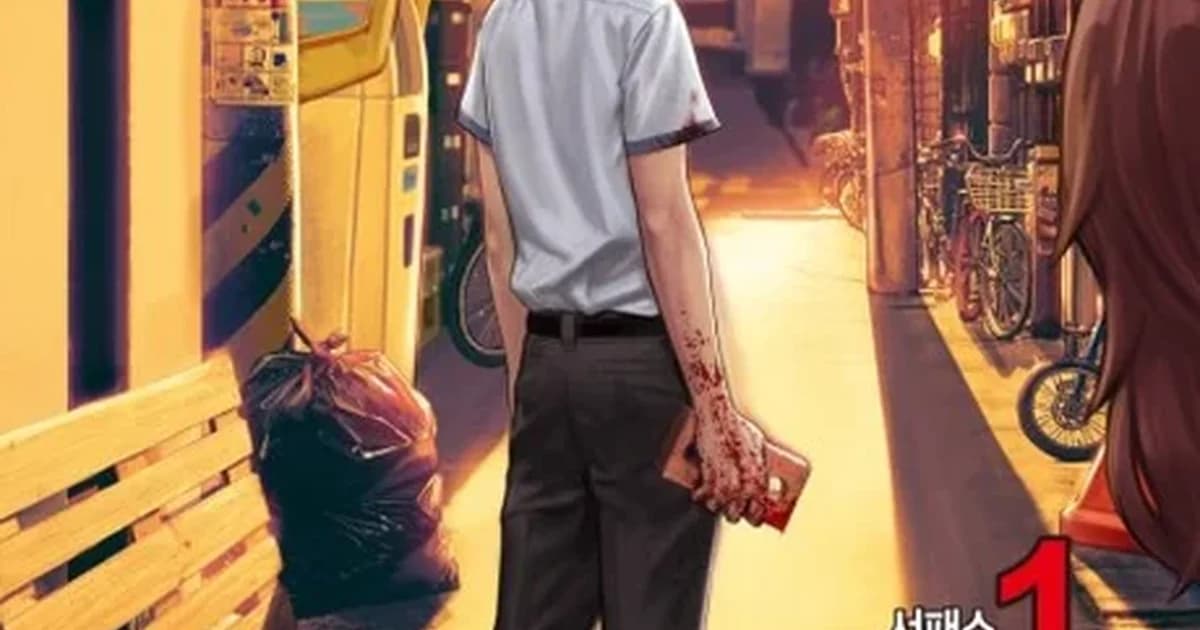
 Lookism promotional banner depicting the underground fighting arc cast. Source: AniList.

The underground fighting arc (chapters 150+)
Around chapter 100-150, the Workers organization appears and the series reveals that the school hierarchy is a surface layer over a structured underground of martial arts factions. The transition is not a genre change. It's a scale change. The same power dynamics that run the school run the underground; the same observations about appearance and class apply to who gets recruited, trusted, and promoted within the factions.
The fights become technically detailed at this stage. Different martial arts styles, different schools with different philosophies about how to develop fighters. The choreography in the underground arc is more complex than anything in the social-drama section. Multi-chapter fights have panel compositions that convey strategy and weight rather than just impact.
The cast size expands substantially. Readers who weren't tracking secondary characters from the school arc will find the underground arc introduces an ensemble that already has established relationships. This is a genuine barrier. The series rewards the investment; it doesn't simplify to accommodate readers who skipped.
For how Lookism compares to other action manhwa with faction-based fighting:
Best Action Manhwa 2026 →
The Netflix anime
For the full picture on which manhwa have anime adaptations and how faithful they are, see Manhwa with Anime Adaptations in 2026 →.
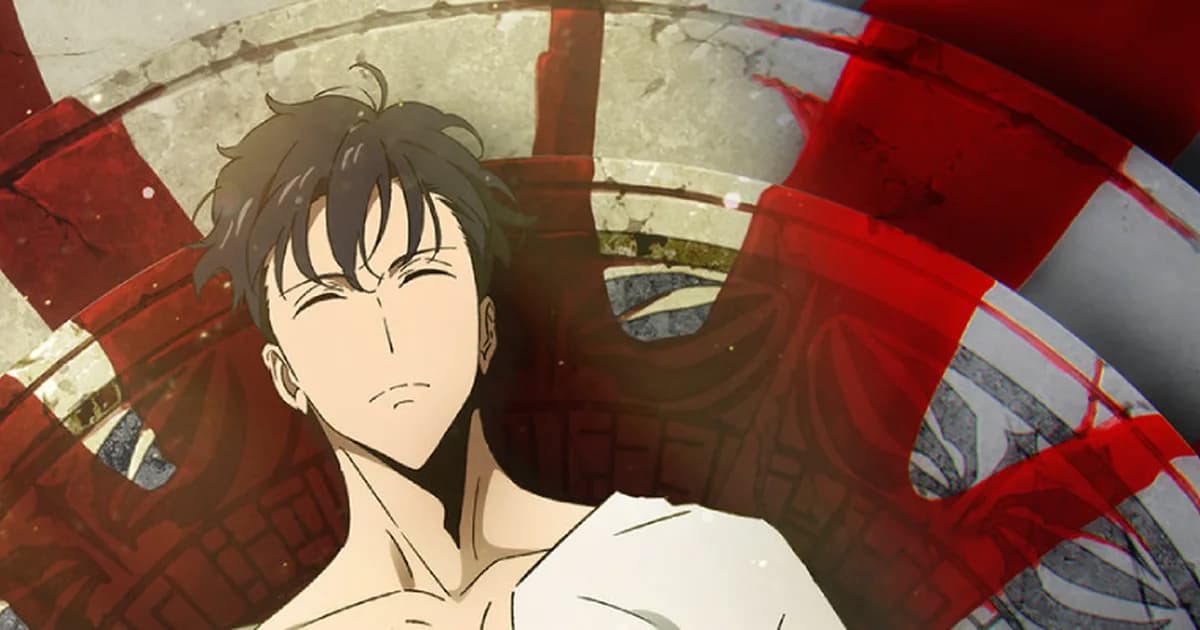
Studio Mir produced 8 episodes for Netflix in 2022. The animation quality is high. Studio Mir has a strong production standard and the two-body visual premise translates to motion effectively. The problem is coverage: 8 episodes for 613+ chapters produces an adaptation that functions as a preview and nothing more.
The underground fighting arc doesn't appear. The faction structure isn't established. The anime's Lookism is the social-drama origin story. Viewers who finish it and want more will find the continuation is manhwa-only, and they'll need to start from around chapter 50-60 to pick up after what the anime compressed.
Lookism Review Verdict
Advertisement
8/10. Lookism earns this rating across its full run rather than for any single phase. The premise is the sharpest social-observation setup in the genre. The early execution is honest about what it's observing. The martial arts arc extends that observation into a different register without abandoning it. The cast investment required by chapter 200+ is real, but the series makes it worthwhile.
One caveat on the chapter count: 613+ chapters is a different kind of commitment than a 200-chapter completed series. Lookism is ongoing and updating, which means the investment grows. That's not a criticism. It's context. Readers who want a finished story before committing should check Best Completed Manhwa → for alternatives that offer the same social-observation or action-fighting angle with a definite ending.
The Netflix anime is not the series. The manhwa is free. Start at chapter 1.
If the social-pressure angle was what pulled you in, Best Thriller Manhwa → has other series in that register. Lookism sits alongside Vigilante and similar titles there for how they use tension structurally rather than as genre decoration. This Lookism review covers the full run through September 12, 2026; chapter count will continue growing as updates release.
Frequently Asked Questions
Is Lookism worth reading in 2026?
Yes. 613+ chapters entirely free on WEBTOON. The series has an active readership and regular updates. The social-drama foundation and the underground martial arts arc are both worth the time, representing different phases of the same series rather than a shift in quality. Is the Lookism anime as good as the manhwa?
No. Studio Mir's 8-episode Netflix anime is a well-produced preview that covers the early premise, but 8 episodes of a 613+ chapter series leaves the adaptation in an incomplete state. The underground fighting organizations that drive the series' later chapters don't appear. The manhwa is the full experience. What is Lookism's rating?
This review rates Lookism 8/10. The two-body premise, the social-drama execution in early chapters, and the underground martial arts arc in later chapters all contribute to a score that reflects the full run rather than any single phase. Does Lookism have violence?
Yes. The early social-drama chapters are relatively mild. The underground fighting arcs include serious injuries, some disturbing scenarios, and graphic violence. The series has a large teen readership but is not suitable for younger readers. What makes Lookism different from other school-action manhwa?
The two-body mechanic is the differentiating premise: the same person occupying two bodies with completely different social receptions. Most school-action manhwa is about power. Lookism is about how the world reads you, which turns out to be a more interesting question. How long does it take to catch up on Lookism?
At 20-30 chapters per sitting, catching up to 613+ chapters takes several weeks of reading. The early social-drama chapters move faster than the later underground fighting arcs, which run multi-chapter fights with dense choreography. Is Lookism completed?
No. Lookism is ongoing as of September 2026 with regular updates on WEBTOON. The series has no announced completion date.
Related Reading
- Manhwa Like Lookism: Other series that blend social dynamics with physical confrontation the way Lookism does.
- Weak Hero Review: A tighter, more focused school-violence manhwa, the natural read after finishing Lookism's early arc.
- Best Manhwa School Setting: Broader list for readers who came to manhwa through the school-setting genre.
- Best Manhwa to Read in 2026: Lookism appears here alongside other essential reads across every major genre.