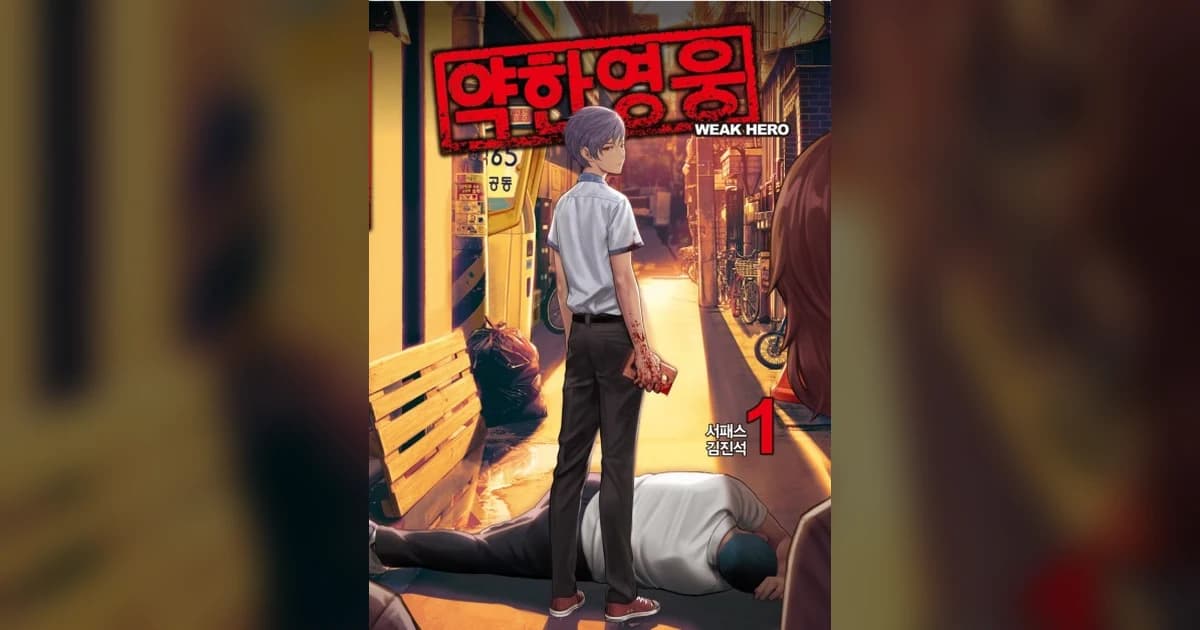
Weak Hero review: calling it a "school-action manhwa" undersells it, and "physics-based fighting" makes it sound like a gimmick when it's actually the structural logic of everything the series does.
TL;DR: Weak Hero review: 8.8/10. Gray Yeon wins through physics and precision rather than power growth, and the completed 268-chapter run earns its escalation from school violence to organized crime. Read it for tactical fights with real consequences.
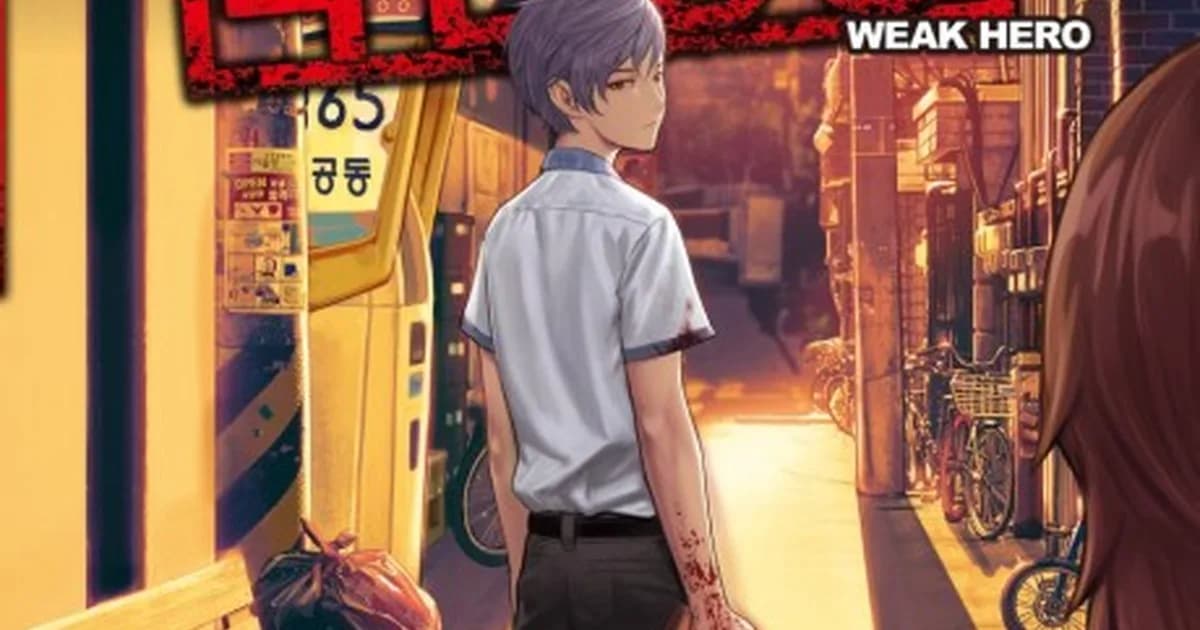
The premise is simple enough: Gray Yeon, small and academically focused, transfers to Eunjang High. The school operates on violence. Gray doesn't lose fights there. The reason he doesn't lose isn't that he's secretly strong; it's that he applies physics to combat the way most people apply it to homework. Joint locks, center-of-gravity disruption, precise targeting of points that don't depend on size to damage. The method is the series, not just the hook.
Rating: 8.8/10, this review is the verdict on whether the series is worth your time and where it earns its reputation. For the arc-by-arc reading path and where to start, see the Weak Hero reading guide.
Key Takeaways
- Rating 8.8/10: one of the genre's most intelligent fight-construction and a rare completed school-action manhwa with a real ending
- By Seopass (story) and Razen (art); available free on WEBTOON
- Gray Yeon wins through pressure and precision, not power growth; the premise holds for the full run
- Escalates from school hierarchy to organized crime around chapter 60, and the transition is earned not bolted on
- Weak Hero Class 1 (2022) and Class 2 (2025) are the live-action adaptations; no anime confirmed as of September 2026
- Recommended starting point for anyone who finds standard power-fantasy manhwa repetitive
Weak Hero review: Overview
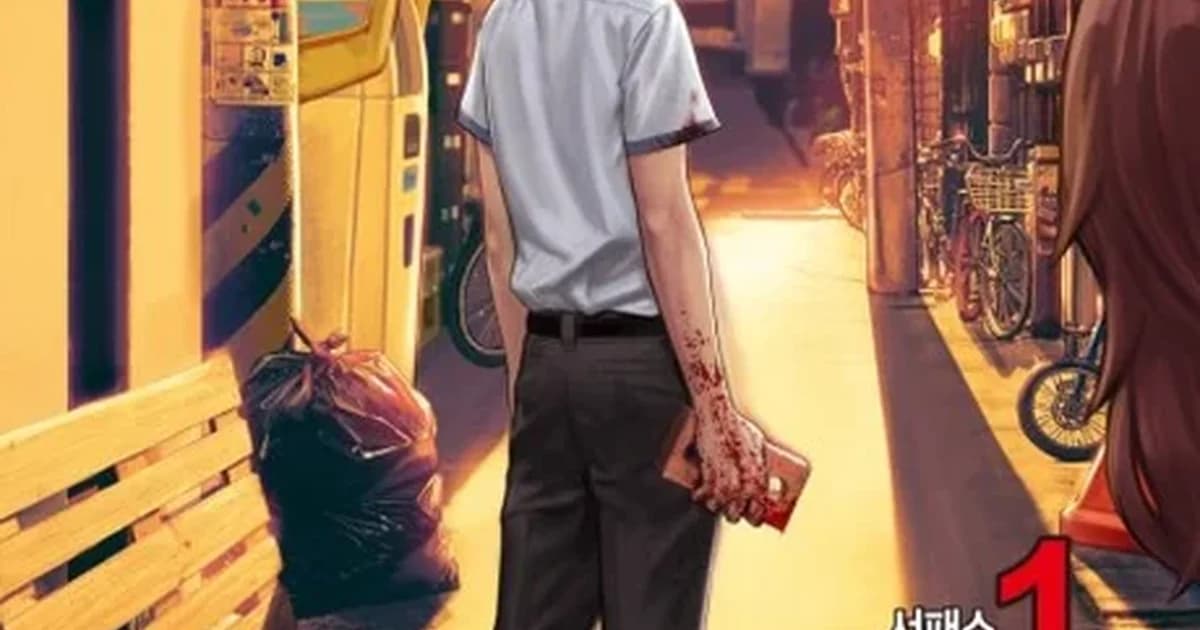
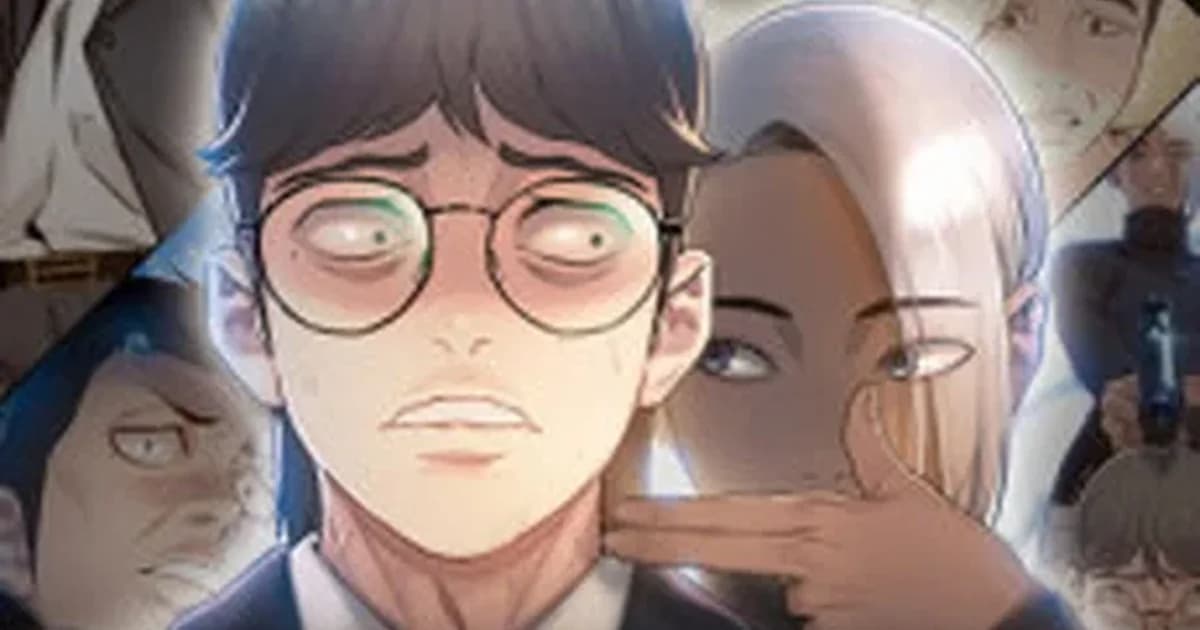
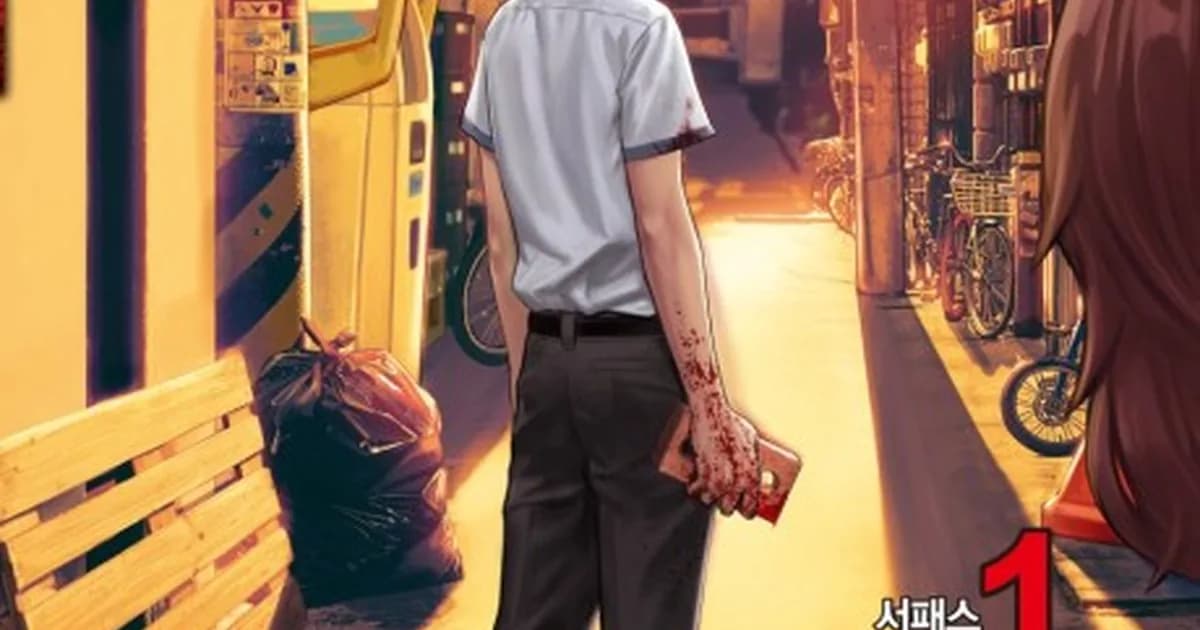
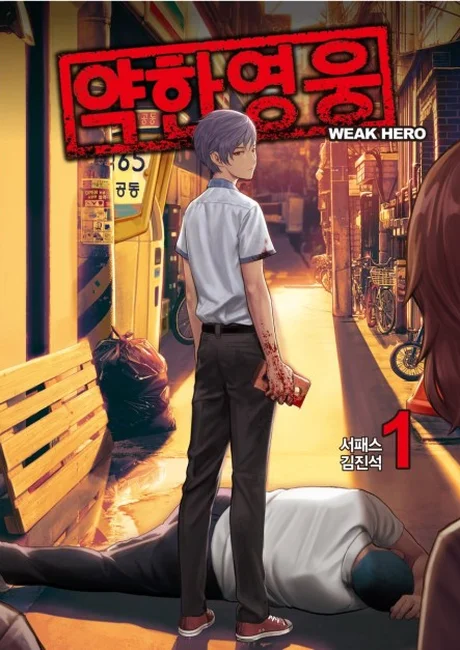 Weak Hero.
The series operates on a simple premise that most manhwa would turn into a wish-fulfillment story and doesn't. Gray Yeon remains relatively limited in what he can do across 268 chapters; he gets better at applying his method, not stronger in the way that leveling systems or special abilities typically upgrade protagonists. What changes isn't his capacity but his opponents.
The early arcs deal with school-level hierarchies. Students who maintain social control through violence, backed by small networks of friends and local reputation. Gray dismantles these through the same method each time: identify the structural weakness of the confrontation, end it quickly before size becomes relevant. These fights are technically well-executed and visually logical, but the series is already building something more ambitious in the background.
Around chapter 60-70, the scale shifts. Eunjang High's violence connects to organized criminal enterprises that use schools as pipeline structures. The antagonists change from individual bullies to people with institutional backing, resources, and a different kind of pressure. Gray's method doesn't stop working, but the question of whether any individual ability can operate against organized structures becomes the series' central tension.
This escalation is earned. The groundwork for it is laid in the early chapters without telegraphing where it goes. That's the primary thing a Weak Hero review needs to communicate: the series you start isn't the series you finish, and the change is a deepening rather than a departure.
Art & Story: Razen's Visual Logic
Advertisement
The fight choreography is what makes a Weak Hero review necessary for anyone trying to decide whether to read 268 chapters. Because you can describe the premise (physics-based fighting) and have it sound dry. Razen's art makes it not dry.
Every fight in Weak Hero shows the contact point, the angle, and the consequence. There are no action lines that substitute for readable choreography. When Gray applies a specific technique, the panels are composed to show exactly what he's doing and why it works against that specific body type in that specific space. This stays consistent across the full run. The visual grammar established in chapter 5 is the same grammar operating in chapter 250, more developed but not simpler.
Razen's character expressions are equally strong. Gray reads as non-threatening, which is the point; the design works as the series' central dramatic irony. Supporting characters are visually distinct and read differently even at distance. The art holds through chapter 268 with no shortcuts, no coarsening. For a run that long, that's unusual.
The story's emotional texture comes from Seopass's script. Weak Hero is a series about what violence does to social structures and to the people shaped by them. The protagonist is the series' analytical lens, not its emotional center; that's Ben Park's job, Gray's closest ally, who cares about the people around him in ways Gray doesn't always register. The Gray/Ben dynamic is the series' moral core, and Seopass develops it with enough restraint that it never becomes melodramatic.
Jake Ji deserves a closer look: a character who fights with something resembling Gray's approach but without Gray's discipline. He's the series' what-if: what happens to someone who develops the same capacity without the restraint that keeps it from becoming just another form of violence. The comparison is never spelled out, but it runs through the series consistently enough to matter.
Gray applies intelligence. Jake Ji has it too. The difference is what they're willing to do with it.
The Weak Hero review on escalation
The transition from school arc to organized crime arc is where most school-action manhwa fail. The genre standard is to either keep the series contained to school politics (which runs out of gas around chapter 100) or introduce a power escalation that changes the premise entirely.
Weak Hero does neither. The criminal organizations in the later arcs are connected to Eunjang's school hierarchy through institutional logic: schools as recruitment pipelines, violence as an audition process. The premise doesn't change. The camera just pulls back far enough to show what was always operating behind it.
Donald Na, the first major antagonist with organizational backing, sets the pattern for this escalation. His arc demonstrates that Gray's method has limits that are structural rather than physical; there are situations where being able to win individual fights isn't enough to navigate the larger system. The series is honest about this.
Gray's background becomes relevant here too. Who trained him, what that cost, and how his precision connects to his history outside Eunjang: this information arrives at the right point in the series and recontextualizes the early arcs without retconning them. The reveals feel built toward rather than inserted.
Where Weak Hero sits in school-action manhwa
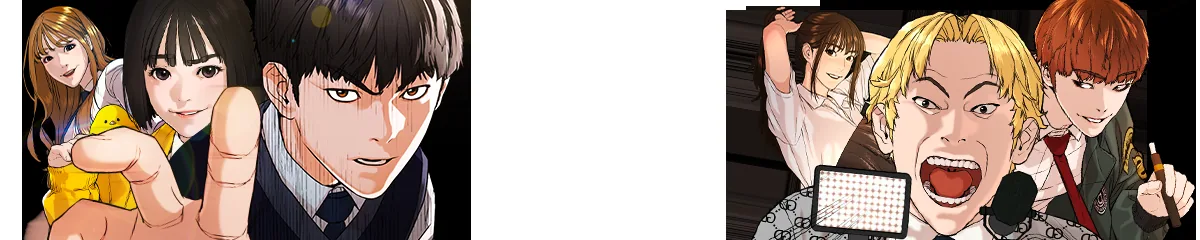
The genre comparison that comes up most often is God of High School, which runs 569 chapters and turns into mythology. Weak Hero doesn't turn into anything; it stays focused on what it started as, just with more depth as it goes.
Readers drawn to this comparison may find our Best Superhero Manhwa: 6 Series for Marvel and DC Fans useful for mapping the full superhero-manhwa landscape.
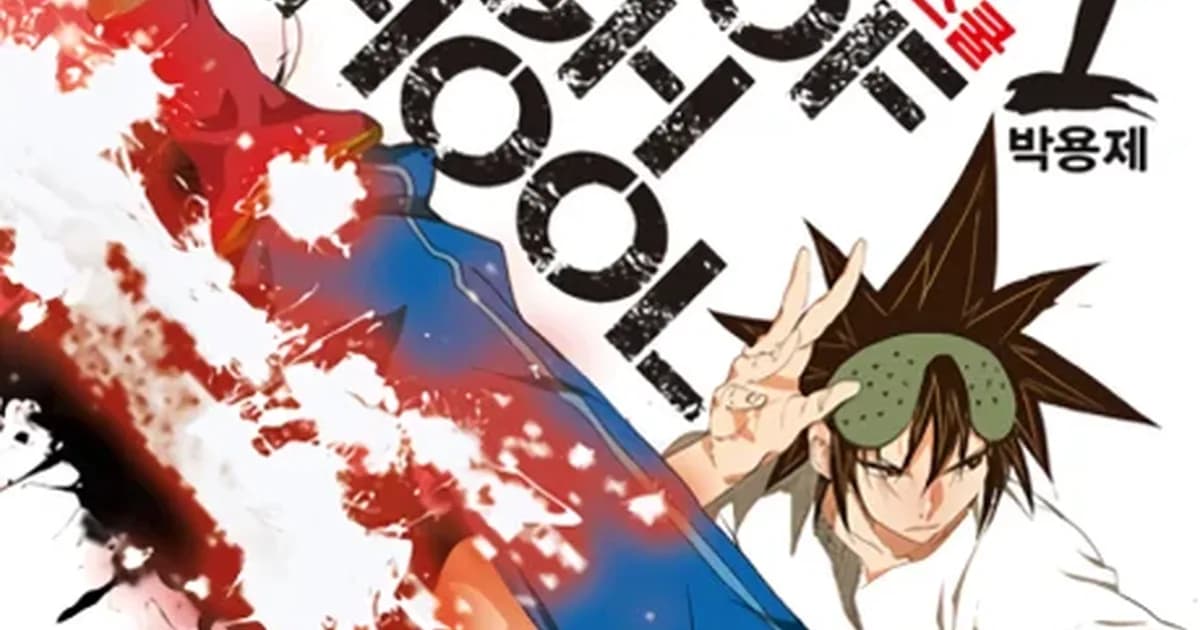
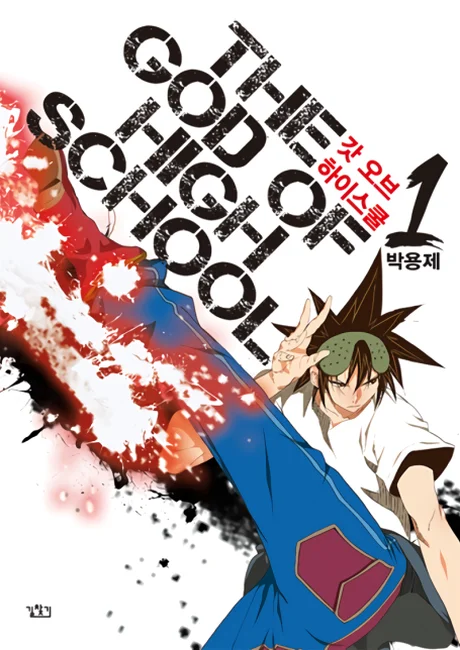 God Of High School.
Lookism is the closer structural comparison: school violence embedded in social observation, with a central premise that examines appearance and hierarchy. They're different enough in tone that reading one doesn't replace the other, but if you liked the social-texture dimension of Lookism, the Lookism reading guide covers where that series goes as it expands. Weak Hero is more focused. Lookism gets broader.
This Weak Hero review covers the broad shape of the run, but the Weak Hero reading guide has the full arc-by-arc breakdown for readers who want to know what to expect before starting or after finishing.
For the longer view on completed school-action manhwa, best completed manhwa situates Weak Hero alongside the other finished series in the genre.
Verdict
Advertisement
The Good
- Physics-based choreography makes Gray's fights readable and earned.
- The completed run escalates from school hierarchy to organized crime without abandoning its core logic.
The Cons
- The opening 15 chapters move more slowly than the series' eventual pace.
- Some mid-arc antagonists receive less development than the central cast.
Weak Hero is 268 chapters of a series that knew what it was trying to do and did it. The premise holds. The escalation works. The art doesn't cut corners. The ending exists and earns what the series built.
The relevant question a Weak Hero review should answer isn't whether the series is good (the consensus on that is settled) but whether it's worth the time commitment for someone approaching it new. 268 chapters at average manhwa reading speed is roughly 15-20 hours of reading. That's a significant investment.
If you want school-action where the protagonist wins by thinking and stays limited across the entire run, and where the escalation connects to something larger without abandoning what the series was about from chapter one: yes, it's worth 15-20 hours.
Rating: 8.8 / 10
The 0.2 deduction is for the mid-arc section around chapters 90-140, where several antagonists introduced are given less development than the series later demonstrates it can do. It's not a serious flaw. It's the gap between excellent and essential.
For where Weak Hero ranks among the best action manhwa currently available, see the best action manhwa 2026 list.
Frequently Asked Questions
Is Weak Hero worth reading?
Yes, especially for readers tired of power-fantasy protagonists. The series is completed at 268 chapters, the fight choreography is readable and logical across the full run, and the escalation to organized crime is handled seriously.
How long is Weak Hero?
268 chapters, completed. At 20-30 chapters per session, expect 2-3 weeks to complete the full run. The series has a full ending.
Is Weak Hero appropriate for younger readers?
The subject matter (realistic school violence, serious injuries, the social mechanics of bullying hierarchies) is handled honestly. Appropriate for teen readers, not younger children.
Where do I read Weak Hero?
Free on WEBTOON with an official English translation. No subscription required for the full 268-chapter run.
Does Weak Hero have an anime adaptation?
Weak Hero Class 1 (2022) and Weak Hero Class 2 (2025) are the live-action Korean adaptations. No anime has been confirmed as of September 2026.
Who made Weak Hero?
By Seopass (story) and Razen (art). The collaboration's consistency between script and visual execution is a significant part of why the series works.
How does Weak Hero end?
The series resolves its main storylines (Gray's background, the organized crime network, the central relationships) without rushing. It earns its ending.
Related Reading
- Weak Hero Reading Guide: Part 1 school arc through Part 2 organized crime breakdown with chapter ranges.
- Manhwa Like Weak Hero: Seven picks for readers who want more earned-through-intelligence school action.
- Lookism Review: The thematic companion: same school-violence setting, different protagonist philosophy.
- Weak Hero Character Guide: The full AniList-verified cast, Gray Yeon, Ben Park, Jake Ji, Donald Na, and the wider roster, kept separate from the Netflix drama's cast.