
The best system fantasy manhwa lives or dies on its mechanic. The genre isn't really about dungeons, towers, or stat windows: those are furniture. The actual test is whether the system creates genuine tension, compounds over time in ways that feel earned, and gives the protagonist an advantage that can't just be hand-waved as "they got stronger." Most system manhwa fail this test. The sixteen listed here don't.
TL;DR: Best system fantasy manhwa: 16 series ranked by how well the system mechanic is built. Includes completed, ongoing, and platform details for each.
The best system fantasy manhwa in 2026 spans completed and ongoing series, dungeon-crawlers and tower climbers, and at least one title that treats the system itself as an object of narrative scrutiny rather than a backdrop. Platforms and completion status are noted for each.
Overview
System fantasy is a manhwa sub-genre where characters receive a game-like interface: stat windows, skill trees, level-up notifications, quest logs, or some combination. The mechanic is the defining feature. A dungeon story without a system window is action manhwa. A stat-tracked protagonist without the dungeon context is still system fantasy. What makes the genre work or fail is how seriously the system mechanic is taken.
Most system manhwa use the interface as furniture: a visual device to show power growth without structural consequences. The 16 series on this list don't. Each one uses its system mechanic to generate genuine tension: SSS-Class Revival Hunter's death-copy loop creates story pressure every time the protagonist needs to die strategically. Solo Leveling's shadow extraction compounds across 200 chapters into an army the early chapters never suggested was possible. Second Life Ranker's note mechanic turns the tower into a puzzle with known solutions and unknown deviations.
This list was built around one question: does the mechanic matter? Completion status and platform availability are noted for every entry. Solo Leveling is the reference point the genre organizes itself around, so it anchors the list. Everything else is ranked by how well it uses its own specific mechanic, not by proximity to Solo Leveling's template.
Best system fantasy manhwa: key takeaways
- Solo Leveling (200 chapters, completed) is still the genre benchmark: start there if you haven't
- For the best single mechanic design: SSS-Class Revival Hunter (death-copy) or Second Life Ranker (note system)
- For the longest ongoing run: The Beginning After the End (292+ manhwa chapters) or Nano Machine (324+ chapters, final arc)
- For free reading: Return of the Disaster-Class Hero and ORV are on WEBTOON at no cost; SSS-Class Revival Hunter is free on Tapas
- Omniscient Reader's Viewpoint uses system mechanics differently from the others, narrative-aware rather than power-accumulation-focused
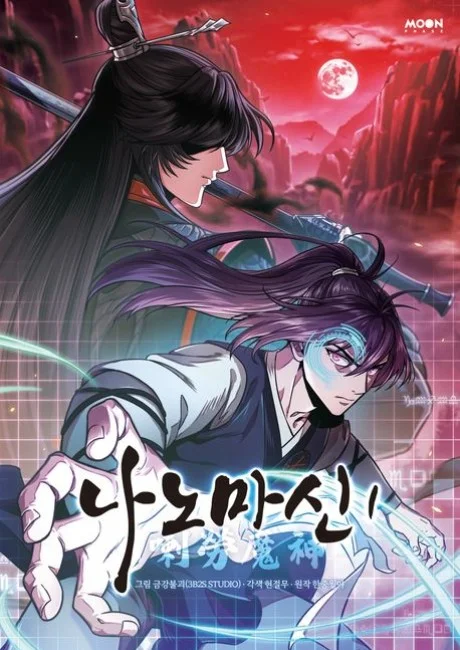 Nano Machine by Geumgang Bulgoe, the series that popularized the system-interface-in-a-murim-world subgenre.
The 16 best system fantasy manhwa, ranked
Advertisement
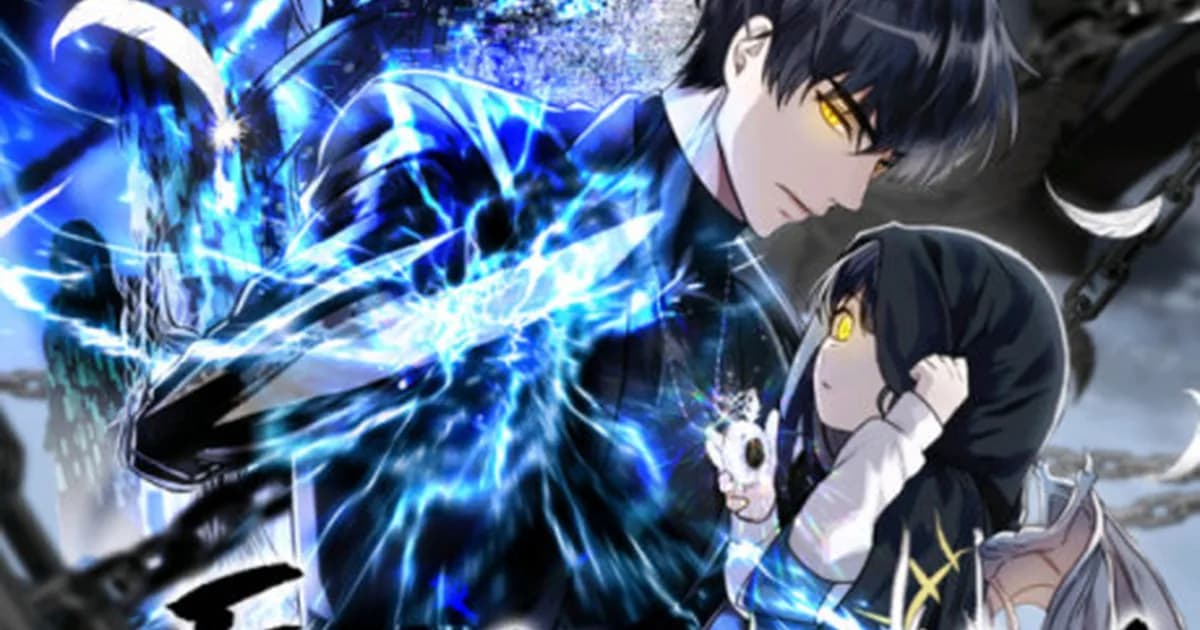
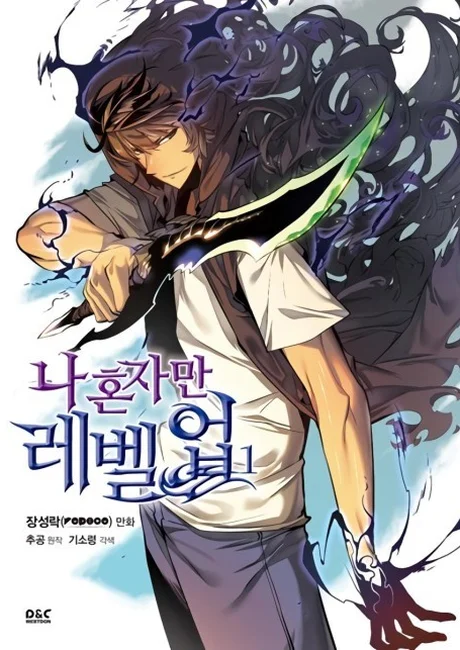 Solo Leveling cover art.
1. Solo Leveling
Platform: Tappytoon, Yen Press | Status: Completed (200 chapters)
The genre reference. Sung Jin-Woo begins as the weakest dungeon hunter in a world where E-rank is as low as it goes and climbs through a personal leveling system no other hunter can perceive. The shadow extraction mechanic (which lets Jin-Woo resurrect defeated enemies as soldiers) compounds across the full 200-chapter run in ways that most system manhwa achieve in a single arc. By the Ant Island chapters (98-120), he commands an army built from everything he's killed.
The system is well-designed. Each upgrade feels earned. The shadow army's growth creates an investment that pays off at the largest scale. The art (DUBU/Jang Sung-rak) is among the best in the format.
Read chapters 1-179 for the main story, then 180-200 for the side stories before stopping. The Solo Leveling reading order guide has the full breakdown including the anime chapters. Solo Leveling review →
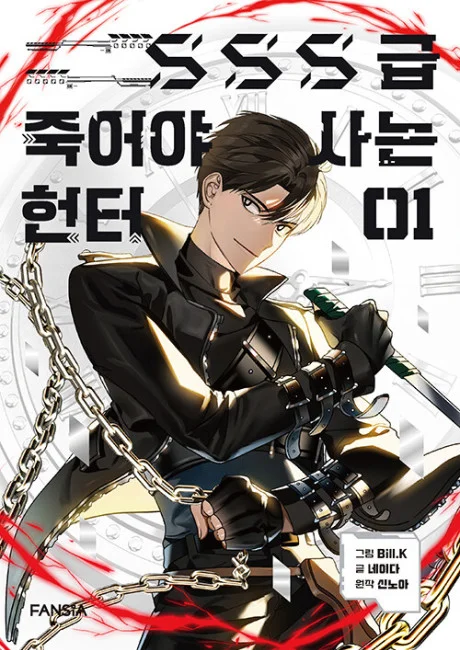 SSS-Class Revival Hunter cover art.
2. SSS-Class Revival Hunter
Platform: Tapas (free) | Status: Ongoing (on hiatus since late February 2026, between seasons 4 and 5)
Kim Gong-ja's mechanic: die to copy the power of whoever killed him, then wake back in time before the death. The loop is darker than it sounds: early chapters establish quickly that dying still hurts, and the time-reset doesn't erase what he witnessed. The dark comedy around this (he keeps finding increasingly creative ways to get killed by powerful people) gives it a tone unlike anything else in the genre.
No anime adaptation has been officially confirmed as of mid-2026, though the mechanic's visual potential makes it a frequently-discussed candidate. The early arcs are the strongest, but the later content has maintained the mechanic's tension in ways that most system series don't past their first 100 chapters. Free on Tapas, officially licensed there as SSS-Class Revival Hunter. Full breakdown of the mechanic and why it holds up: SSS-Class Revival Hunter review →. SSS-Class Revival Hunter reading guide
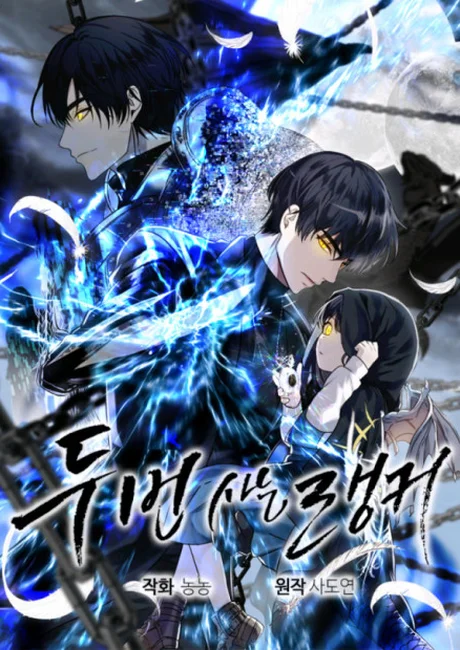 Second Life Ranker cover art.
3. Second Life Ranker
Platform: Naver, Kakao, Tapas | Status: Ongoing (on hiatus since April 2026, between seasons 3 and 4)
Yeon-woo enters the tower that killed his twin brother using his brother's encrypted diary as a guide. The note mechanic (knowing which traps, which pathways, which NPCs matter) gives the early chapters the quality of a chess player who has memorized the opponent's openings. He's not cheating. He's prepared in a way that requires understanding the system deeply enough to route around it.
The revenge arc keeps motivation personal through a story that scales from dungeon floors to cosmic-level conflict. One of the few system manhwa where the protagonist's foreknowledge feels genuinely earned rather than convenient. Second Life Ranker reading guide → | Second Life Ranker review → | Second Life Ranker character guide →
Nano Machine cover art.
4. Nano Machine
Platform: WEBTOON, Naver Webtoon | Status: Ongoing
A hybrid: Cheon Yeo-woon is a descendant of the Demonic Cult's leader who receives nanomachines from a future time traveler. The machines give him a system interface (real-time combat analysis, technique copying, injury diagnosis) in a murim world where no one has any framework for interpreting what he can do. The genre blend works. Murim cultivation arcs have their own satisfying logic, and the system layer makes it legible for readers coming from Solo Leveling-style manhwa who don't know the murim conventions yet.
324+ chapters ongoing, with consistent art quality through the later arcs. For how the cultivation and system mechanics interact specifically (and how to get started): see Nano Machine Reading Guide →. Nano Machine review →
For the full action manhwa rankings including murim and street-fighting series alongside system fantasy:
Best Action Manhwa 2026 →
5. Level Up with the Gods
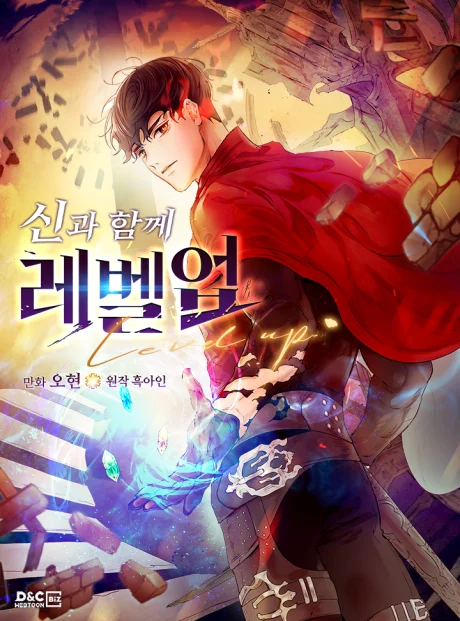 Level Up with the Gods cover art. Also listed as Leveling with the Gods on some trackers, but Tapas and the official credits use Level Up with the Gods.
Platform: Tapas | Status: Ongoing (on hiatus since June 2026, between seasons 3 and 4)
Kim YuWon climbs a tower where gods and legendary figures occupy the upper floors. When he reaches the top and the world falls anyway, he regresses back to the beginning with the foreknowledge of his first run. The regression mechanic layers on top of the tower-climbing structure: each floor is a puzzle he's already solved, which lets the series skip the apprenticeship phase and spend more time on the strategic implications of knowing what's coming.
The art is clean. The pacing in the early tower arcs is tight. Reads on Tapas at 169 episodes, not WEBTOON: the first episode is free, and later ones unlock with Ink or a wait period.
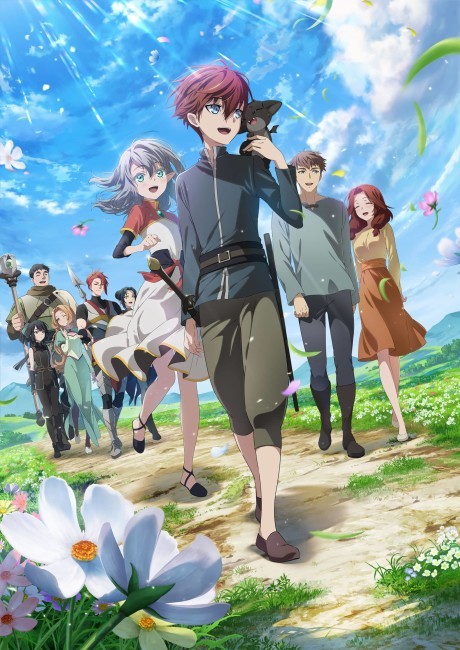 The Beginning After the End cover art.
6. The Beginning After the End
Platform: Tapas, Tappytoon | Status: Ongoing (292+ manhwa chapters, source novel 529 chapters, completed)
Arthur Leywin is a powerful king reincarnated into a fantasy world with a structured mana system. The isekai frame makes this technically different from the modern-world system manhwa, but the underlying structure (protagonist with hidden advantages rebuilding a power base through a system others can partially see) is the same. The early chapters are slow (about 30 chapters of childhood before the story accelerates), but the payoff over the full series is a full-scale war narrative that the system mechanic built toward from the beginning.
The mana system's internal logic is consistent enough that its implications for later plot points feel foreshadowed rather than convenient.
 Return of the Disaster-Class Hero cover art.
7. Return of the Disaster-Class Hero
Platform: WEBTOON (free) | Status: Ongoing
Geon Yu, classified as the weakest hero, is abandoned by his party at the final gate and spends 20 years in a dimension full of gods, absorbing their blessings. He returns to a world that wrote him off and starts collecting what he's owed. The system mechanic (blessings from multiple pantheons that stack in ways other heroes can't replicate) is less technically inventive than SSS-Class or Second Life Ranker, but the angrier tone gives it a different energy. Most system manhwa treat revenge as subplot. This one makes it the operating principle.
Free on WEBTOON.
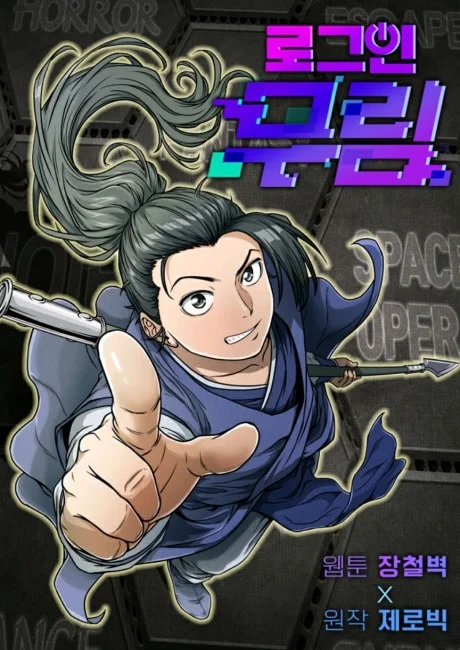 Murim Login cover art.
8. Murim Login
Platform: Kakao, Tapas | Status: Ongoing (on hiatus since April 2026, English Season 1 complete at 117 episodes, awaiting Season 2)
Jin Tae-kyung is a low-rank hunter who enters a VR game set in the murim world, then finds himself actually there, training in real martial arts while his body sleeps in the modern world. The dual structure (modern hunter + murim practitioner) lets the system mechanic run two progression arcs in parallel. When the skills he develops in the murim world start translating to real-world combat, the compound effect is satisfying in a way that most single-track system manhwa don't manage. For the confirmed named cast beyond Jin Tae-kyung, see the Murim Login Character Guide.
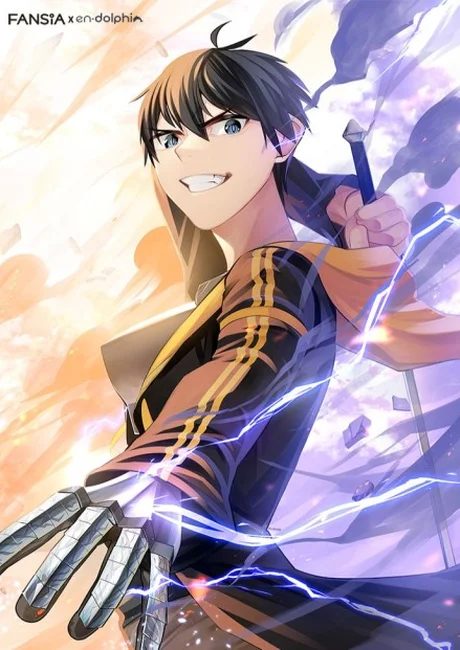 Tutorial Is Too Hard cover art.
9. Tutorial Is Too Hard
Platform: Various | Status: Ongoing (280+ chapters)
Lee Ho-jae is trapped in a god's tutorial on the highest difficulty setting, a level so extreme that no one else even attempted it. The early chapters are mechanically bleak. He dies repeatedly, respawns, grinds mechanics the system wasn't designed for anyone to actually complete. It's honest about the grind loop in a way most system manhwa aren't. The comedy is dark. The art isn't at Solo Leveling's level, but the mechanic itself (the question of whether the system can be broken by someone willing to suffer its full design) is more interesting than most entries in the genre.
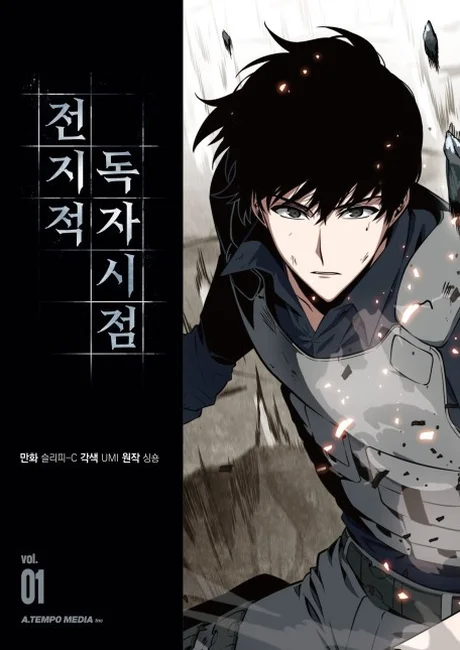 Omniscient Reader's Viewpoint cover art.
10. Omniscient Reader's Viewpoint
Platform: WEBTOON | Status: Ongoing/on hiatus at latest listed Episode 308 (June 1, 2026); WEBTOON displays a will-return notice
The system-fantasy outlier. Kim Dokja's advantage is narrative awareness: he's read the web novel that just became real, so he knows who survives and who doesn't, or thinks he does. ORV uses the full system vocabulary (constellations, skills, stats, scenarios) but treats them as setting elements rather than the story's engine. The protagonist understands the system's logic rather than accumulating its rewards.
If every other entry on this list is about building power, ORV is about reading the room. For readers who want system mechanics with more narrative ambition around them, this is where to go. New to ORV and deciding between novel and manhwa? The ORV reading guide covers both versions, where to start, and how long the commitment is.
 The Gamer cover art.
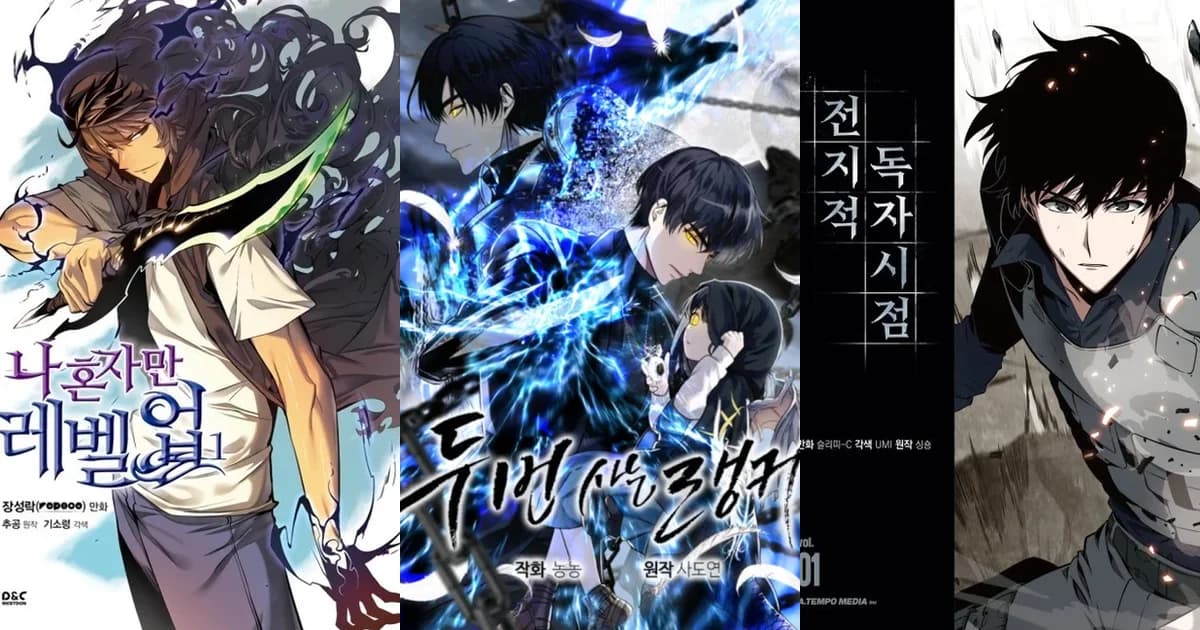
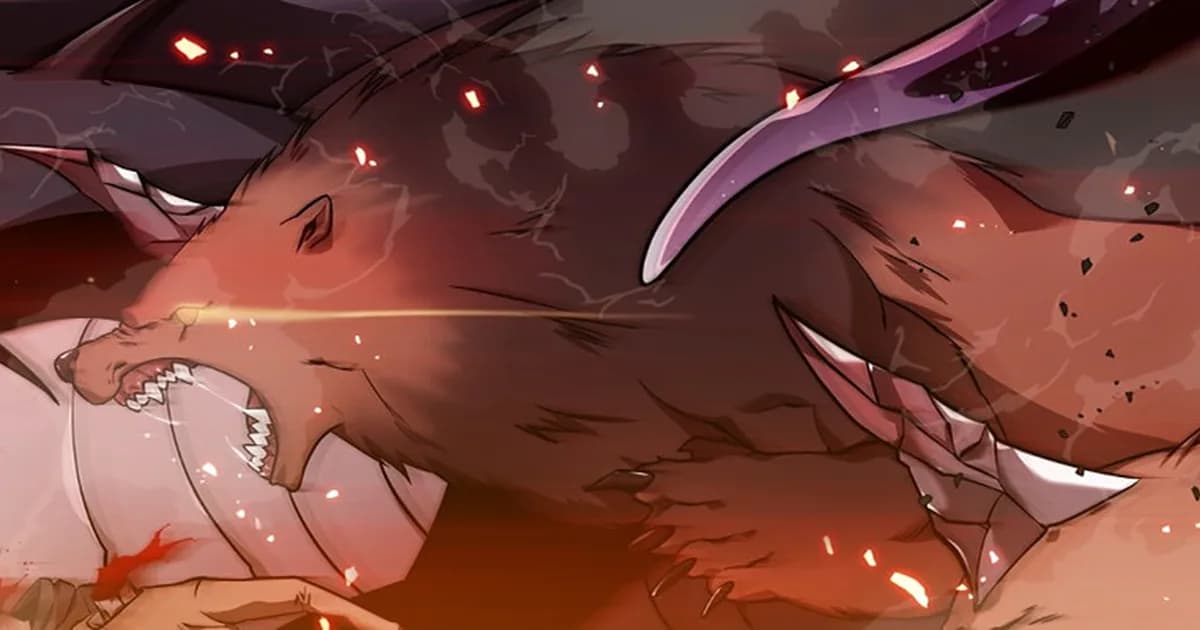
11. The Gamer
Platform: WEBTOON, Naver | Status: Completed (510 chapters)
The series that codified the genre. Han Jee-Han wakes one day seeing the world as an RPG: stat windows, skill levels, quest prompts, all overlaid on ordinary Seoul. He is the only one with the "Gamer" ability, and the series works out what that means against a hidden world of ability users.
This is the purest version of the trope: literal game UI, literal grinding, literal skill books. Slower and more low-key than the power-fantasy entries, but it is the reference point nearly every later system manhwa is reacting to. Completed in 2024 after 9 seasons, so unlike most of this list, there's no wait for new chapters -- worth reading to understand where the genre's conventions came from.
 I'm the Max-Level Newbie cover art.
12. I'm the Max-Level Newbie
Platform: WEBTOON | Status: Ongoing
A player of a now-dead game wakes to find the game has become reality, and he alone keeps his max-level account and complete knowledge of every mechanic. Standard returnee-with-foreknowledge framing, but the game-system literacy is the point: he reads the world as content to be cleared optimally.
One of the most popular ongoing system manhwa. Brisk, satisfying, light on angst, with clear progression payoffs. Free on WEBTOON. I'm the Max-Level Newbie review →
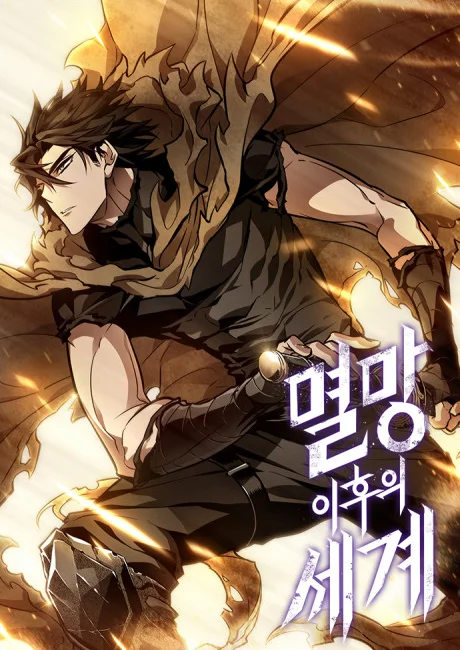 The World After the Fall cover art.
13. The World After the Fall
Platform: WEBTOON, Naver | Status: Ongoing
When the Tower's "Fall" forces everyone else to accept a system reset, one man refuses and keeps climbing the original, harder way. Heavier and more deliberate than most system fantasy, with strong art and stakes that stay high.
For readers who want serious Tower fantasy where the system is a burden carried rather than a cheat handed out. Ongoing on WEBTOON.
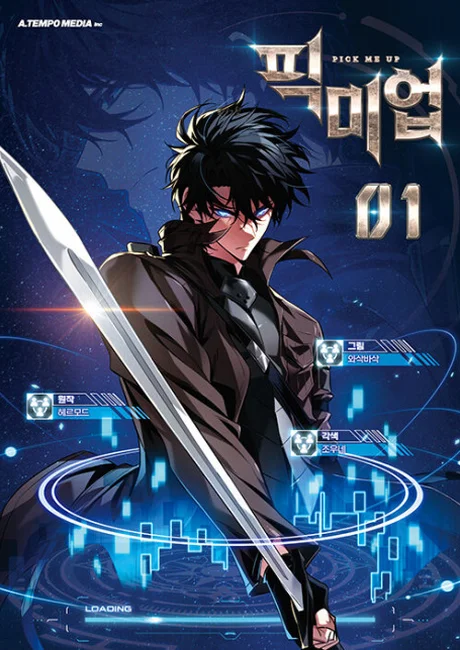 Pick Me Up cover art.
14. Pick Me Up
Platform: WEBTOON | Status: Ongoing
The gacha-game system applied literally. The protagonist is pulled into a punishing dungeon-crawler as the "player," managing a roster of summoned heroes through a draw-and-upgrade system where dead units stay dead. The gacha mechanic creates genuine stakes because pulls are scarce and losses are permanent.
A fresh structure for readers tired of solo-protagonist leveling. Pick Me Up reading guide covers the roster and arc order.
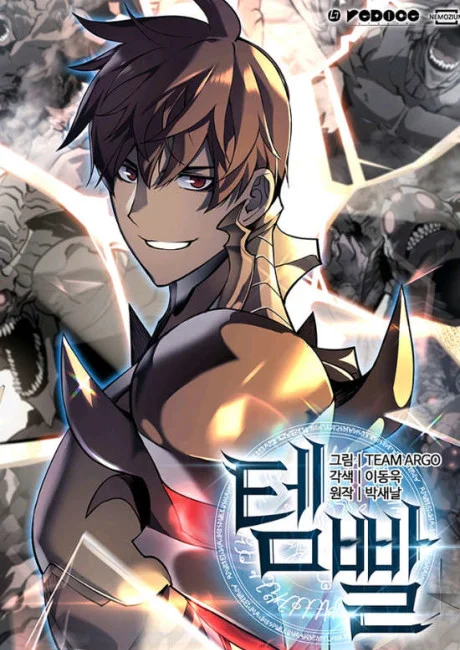 Overgeared cover art.
15. Overgeared
Platform: Tapas, KakaoPage | Status: Ongoing
The production-class system. Grid inherits a legendary blacksmith class (Pagma's Successor) and wins by crafting better gear than anyone else can, not by out-leveling opponents. The system here functions as an economy, with named items and crafting trees that carry real weight across the run.
Adapting a completed 2,059-chapter novel, so the destination is set. The first 30 chapters are rough; it pays off around chapter 50. Tapas currently lists 307 comic episodes. The J.C.STAFF anime began early streaming on September 27, 2026, with the Japanese TV premiere scheduled for October 2; Crunchyroll's announcement confirms the adaptation and its October rollout. Overgeared review | reading guide
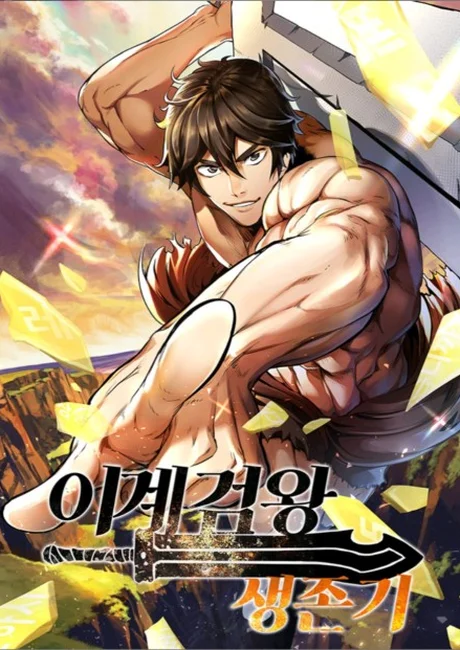 Latna Saga: Survival of a Sword King cover art.
16. Latna Saga: Survival of a Sword King
Platform: Tapas, KakaoPage | Status: Ongoing
A worker who grinded a VR game to the top wakes in a real fantasy world stripped of his account, keeping only his skills and survival instincts. No cheat window, no leveling shortcut: the "system" is his hard-won game knowledge applied to a world that no longer runs on game rules.
For readers who want system literacy and survival strategy without an actual cheat system doing the work. Ongoing.
For a broader look at where system fantasy fits in the full manhwa landscape:
Best Manhwa to Read in 2026 →
How to choose based on what you want
You want the tightest single mechanic: SSS-Class Revival Hunter for the death-copy loop. Second Life Ranker for the note-guided tower climb.
You want the most satisfying payoff over a full run: Solo Leveling. The shadow army built across 200 chapters pays off at a scale nothing else in the genre matches.
You want something free on WEBTOON right now: Return of the Disaster-Class Hero, ORV. Level Up with the Gods and SSS-Class Revival Hunter both read on Tapas instead.
You want a completed series: Solo Leveling (200 chapters).
You want a long-running ongoing with strong world-building: Overgeared reading guide | Overgeared review: 307 comic episodes on Tapas (not WEBTOON) adapting a completed light novel about a blacksmith who becomes the world's best item creator. The gear-crafting system is the most mechanically detailed in the genre, and the J.C.STAFF anime began early streaming on September 27, 2026, ahead of its October 2 Japanese TV premiere.
You want the longest ongoing investment: The Beginning After the End at 292+ manhwa chapters. Nano Machine at 324+ chapters (final arc). Tutorial Is Too Hard is still going too, past 280 chapters with no end announced.
Solo Leveling defined the system-fantasy manhwa template, every entry on this list owes something to it.
Frequently Asked Questions
What is system fantasy manhwa?
System fantasy manhwa is a subgenre where characters receive a game-like interface (stat windows, skill trees, level-up notifications, quest logs) that no one else can see or that structures a tournament, dungeon, or tower. Solo Leveling popularized the template internationally. The defining trait is a mechanic that tracks and rewards the protagonist's growth in explicit numerical or categorical terms. What is the best system fantasy manhwa to start with?
Solo Leveling is the genre benchmark and the most common starting point: 200 chapters completed, exceptional art, and the system mechanic that most subsequent series are responding to. If you want something ongoing with a darker twist on the death-loop format, SSS-Class Revival Hunter is the second recommendation. What system fantasy manhwa are completed?
Solo Leveling is completed at 200 chapters (179 main + 21 side stories). Dice: The Cube That Changes Everything completed at 388 episodes in 2021. Among the actively popular system manhwa, these two are the strongest completed options. What is the difference between system fantasy and isekai manhwa?
Isekai manhwa involves a character transported to another world. System fantasy manhwa involves a game-like interface, usually in a modern-world dungeon setting. They overlap frequently: The Beginning After the End is both isekai and system fantasy. But series like Solo Leveling, SSS-Class Revival Hunter, and Second Life Ranker are system fantasy in a modern world setting without the isekai transportation premise. What system fantasy manhwa are on WEBTOON for free?
Return of the Disaster-Class Hero and Omniscient Reader's Viewpoint are on WEBTOON and free to read. SSS-Class Revival Hunter is ongoing (currently on hiatus) on Tapas, where it's officially licensed as SSS-Class Revival Hunter. Level Up with the Gods (also listed as Leveling with the Gods) also reads on Tapas, not WEBTOON. Solo Leveling is not on WEBTOON either: it requires Tappytoon or Yen Press. Is Omniscient Reader's Viewpoint a system fantasy manhwa?
ORV uses system mechanics (stat windows, skills, constellations) but the protagonist's advantage is narrative awareness, not power accumulation. It counts as system fantasy in the broad sense, but reads very differently from Solo Leveling or SSS-Class. The system is a setting element, not the story's engine. What system fantasy manhwa has the best mechanic design?
SSS-Class Revival Hunter has the most distinctive single mechanic: copy the power of whoever kills you, reset to before the death. Second Life Ranker's note system is the most chess-puzzle-like. Solo Leveling's shadow extraction mechanic compounds most satisfyingly over a long run. Each is the best at a different thing.
Related Reading
- System Fantasy Manhwa: The Complete Genre Reference Guide: the full genre map, organized by mechanic type rather than ranked, for readers who want the reference hub instead of a shortlist.
- Manhwa Like The Player Who Can't Level Up: picks for the broken/limited-leveling angle specifically.
- Manhwa like SSS-Class Revival Hunter: 8 picks ranked
- Second Life Ranker reading guide
- Surviving the Game as a Barbarian Review: portal manhwa where a gamer wakes as an NPC barbarian with no game cheats -- raw survival strategy in a VRMMO world
- Overgeared reading guide
- Tyrant of the Tower Defense Game review: a streamer who cleared his own unbeatable RPG wakes up as the prince whose teammates he used to sacrifice for the win.
- ORV reading guide
- The Infinite Mage review: magic-academy progression where comprehension beats bloodline, 7.8/10 on Tapas.
- I'm the Max-Level Newbie review: REDICE Studio tower-climber where the lead already mastered the game the tower is based on, 7.8/10.
- Best Action Manhwa 2026 →
- Best Manhwa Dungeon Picks: 8 Series Worth Reading in 2026: Curated picks: Best Manhwa Dungeon Picks: 8 Series Worth Reading in 2026.
- Best Manhwa Magic System: 7 Series Ranked by Design: Curated picks: Best Manhwa Magic System: 7 Series Ranked by Design.
- Level Up with the Gods Review: Tower Climbing Power Fantasy: Full review with rating and verdict.
- Manhwa Like The Gamer: 7 System Fantasy Picks 2026: Top manhwa picks for fans of The Gamer.
- The Max Level Hero Strikes Back Review: Worth It? (7.5/10): Full review with rating and verdict.
- Pick Me Up Infinite Gacha Review: Worth It? (8.0/10): Full review with rating and verdict.
- The Gamer Reading Guide: All 9 Seasons, Where to Stop: Chapter breakdown and reading tips for The Gamer: All 9 Seasons, Where to Stop.
- The Gamer Manhwa Review: 500 Chapters of System Fantasy: Full review with rating and verdict.
- Solo Leveling Ragnarok Review: Is It Cancelled? (7.5/10)
- A Returner's Magic Should Be Special Review 2026: 7/10
- Player Who Can't Level Up Review: The Ego System Explained
- I Killed the Main Player Review: Regressor NPC Twist
- Disaster-Class Hero Review: Twenty Years, One Revenge
- Tomb Raider King Review: 7.5/10 Regression Revenge Manhwa
- Murim Login Review: When a Hunter Enters Ancient Murim
- 100th Regression of the Max-Level Player Review: 7.5/10