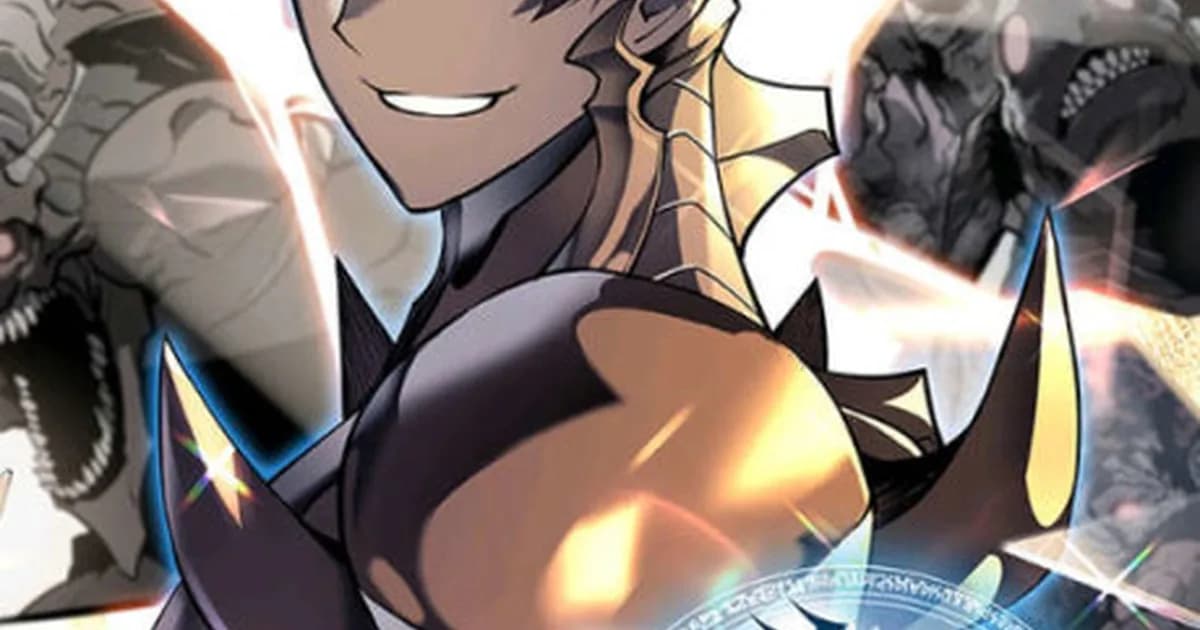

The Gamer manhwa review, starting with the premise problem that every system fantasy series published after it has had to solve.

Reviewing
The Gamer
Sangyoung Seong (story), Sang-A (art) · WEBTOON (Naver)
Score
Pros
- The core premise is the cleanest execution of the game-mechanic-in-real-life concept: Han Jee-Han's stat windows and skill notifications feel native to the world rather than grafted onto it
- The early seasons (1-3 especially) balance comedy and stakes better than most comparable series: the game mechanics generate genuine humor without undermining the danger
- Seven seasons with an actual ending, which means readers can binge the whole arc without an ongoing wait
Cons
- Later seasons (5 onward) expand the scope in ways that dilute the original premise's clarity: the world gets bigger but the game-mechanic grounding that made early chapters satisfying loses focus
- 510 episodes is a real commitment, and the quality curve is not consistent across that length. Readers who drop off around season 4 may be making the correct call
- The romantic subplot accumulates cast without resolving the dynamics, which is more noticeable in a completed series than in an ongoing one
Verdict
The Gamer is the series that proved the game-mechanic-in-real-life premise could sustain a long run. The first three seasons are genuinely good. The full run is uneven but finished.
TL;DR: The Gamer manhwa review: 7.5/10, finished in 2024 after seven seasons. The first three seasons hold up. The full run is uneven but complete, and it's still the most faithful execution of the game-mechanic-in-real-life premise in manhwa. English readers should know the website now stops at Episode 9; the rest is in the WEBTOON app.
The game-mechanic-in-real-life concept had been done in Japanese light novels before The Gamer. What The Gamer accomplished that those hadn't was making the mechanic feel genuinely native rather than imported. Han Jee-Han doesn't enter a game world. He doesn't get transported or reincarnated. He develops an ability called "The Gamer" that causes him to perceive the real world as if it were an RPG, with visible stat windows, experience notifications, skill levels that increase through practice, and quests that activate around him. The world hasn't changed. His perception of it has.
That framing is why The Gamer sits at the origin of Korean system fantasy manhwa rather than just alongside it. It established the design template that dozens of later series borrowed -- and the reason it still holds up as a reference point is that it got the core design right when it launched on Naver in September 2013.
The Gamer manhwa review: key takeaways
- The Gamer manhwa review: 7.5/10, completed across seven seasons (510 episodes on Naver)
- WEBTOON's website lists only Episodes 1 to 9; the rest of the English run is in the WEBTOON app
- Best read: seasons 1-3. Quality curve flattens after that
- Han Jee-Han's "Gamer" ability is still the cleanest execution of the concept in the genre
- No anime adaptation as of mid-2026
Overview
The Gamer follows Han Jee-Han, a Korean high school student who manifests an ability called The Gamer. Where other ability users in the series have powers tied to specific elements or techniques, Jee-Han's ability is systemic: his entire experience of the world converts to game terms. Stats (Strength, Agility, Intelligence, Vitality, Wisdom) are visible and raise through practice. Skills have proficiency levels that improve with use. NPCs display name tags. Objects have item descriptions. Enemies have health bars.
The series is published on Naver Webtoon and distributed internationally through WEBTOON in English. The Korean listing marks the run complete: 511 entries over seven seasons, one of them an afterword. On WEBTOON's English website, though, the episode list stops at Episode 9 under a "Read more episodes on the app!" banner (we checked on October 15, 2026), so a full read means the app.
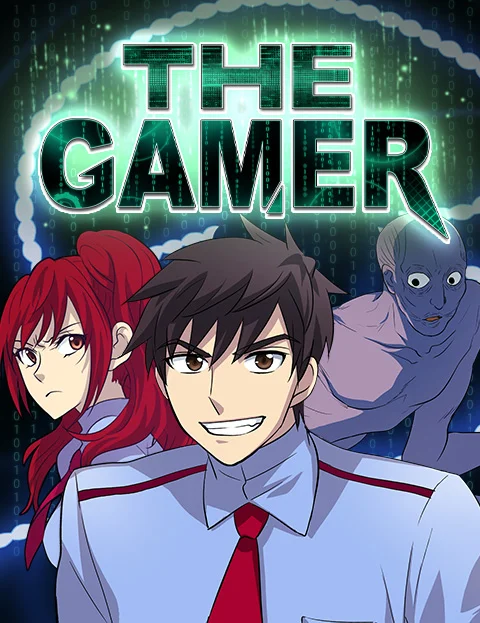 The Gamer, English WEBTOON cover (image via WEBTOON).
The hidden world of ability users that Jee-Han gradually discovers is structured through organizations, factions, and conflicts that operate under the surface of ordinary Korean life. His ability gives him an advantage over other ability users that's specific and measurable: where others have to estimate their own progress, Jee-Han can track it numerically. That numerical clarity is both the premise and the comedy engine of the early seasons.
For where The Gamer sits in the broader system fantasy genre and how it compares to Nano Machine and : Best System Fantasy Manhwa →
Solo Leveling
What makes the early seasons work
The first two seasons establish the mechanic and then immediately stress-test it. Jee-Han applies game logic to real-world problems: he grinds skills by repetition the way a player would, exploits item interactions that no one else in the world would think to try, and reads situations as tactical puzzles because his perception converts them into puzzle terms automatically.
This works because the comedy and the action use the same system. When Jee-Han gains cooking proficiency by making the same dish repeatedly, that's funny. When he uses that same mechanic understanding to outlast an opponent who underestimated his stamina build, that's satisfying. The series doesn't need to switch modes for the two to coexist.
The game-mechanic premise also does something useful for the world-building: it gives Jee-Han a visible measure of the hidden world's threat levels. When a new character appears and Jee-Han's interface shows a level that dwarfs his own, the reader understands the gap without the series needing to stage a demonstration fight. The system provides context economically.
One mechanic detail that later system fantasy series rarely replicate as well: "Gamer's Mind." It's a passive ability that comes bundled with The Gamer skill. It suppresses Jee-Han's emotional responses and maintains perfect mental equilibrium, which means he doesn't freeze up in fights, doesn't panic when the stakes escalate, and can't be manipulated through fear or psychological pressure. Most system fantasy protagonists just happen to be calm under pressure for personality reasons. Jee-Han's equanimity is a game mechanic with real narrative consequences -- including some that cut against him when the ability mutes emotional connections he should be developing. It's a more interesting design than most reviewers bother to mention.
Seasons 1-3 maintain a balance between the mechanic exploration, the school life that grounds the series, and the organizational politics of the hidden ability world. The ratio shifts in season 4.

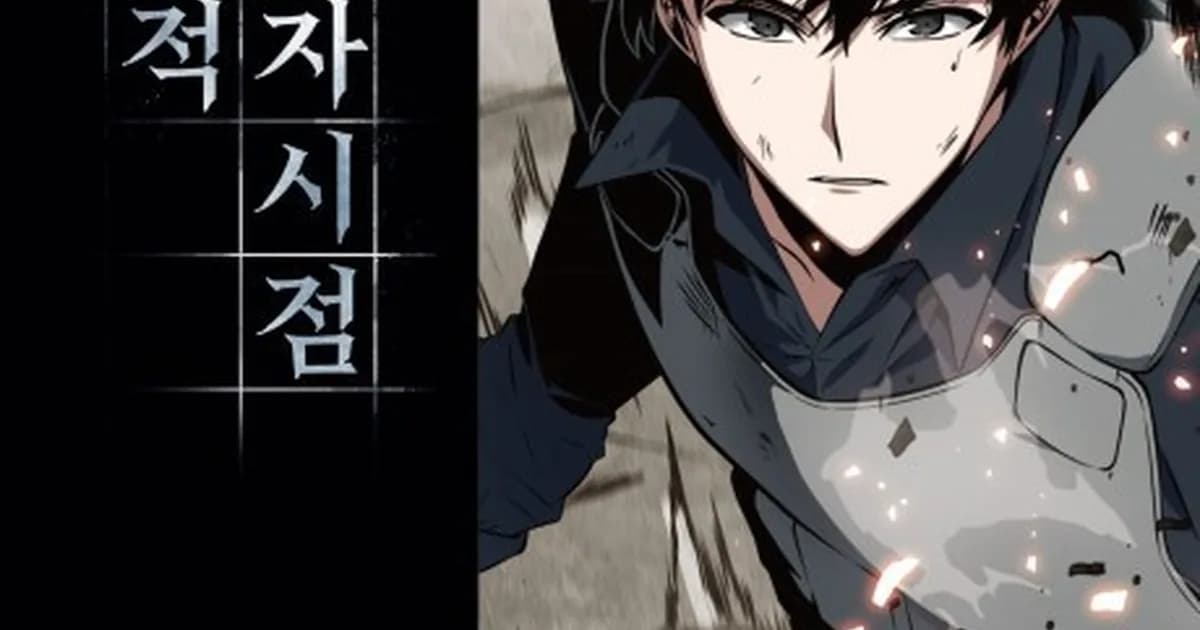
Where the series loses ground
The Gamer's late-run problem is the one common to most long-form system fantasy: the world expands until the original mechanic is no longer the most interesting thing in it. Second Life Ranker has a similar arc -- strong mechanic premise in early chapters, scope creep in later ones.
By season 5, Jee-Han's ability has developed to the point where the early game-mechanic comedy is no longer available to the series. He's too capable for the "apply game logic to solve a problem" joke to land with the same timing. The series compensates with wider scope: larger organizations, international conflicts, mythological elements. These expansions move the focus away from what made the early seasons engaging.
This is a structural issue rather than a quality failure. The series worked because it was about a specific person with a specific unusual ability navigating specific situations. The late seasons work on a different register: larger stakes, more characters, less consistent attention to the mechanic that named the series. Readers who engage specifically with system fantasy because of the mechanic detail will feel that shift.
The romantic subplot compounds this. The Gamer accumulates a cast of female characters across its run without definitively resolving the central dynamic. In an ongoing series, that can read as tension. In a completed series, it reads as a structural decision that didn't pay off.
The ending is an ending. It closes the central narrative without the vagueness that some long-running series produce. That's worth noting: a 500+ chapter run that produces an actual conclusion is rarer than it should be.
If you finish and want more, the only continuation is Korean. The Gamer: Fantasia, a spin-off from the same original writer, has run on Naver since May 2021 and follows a university student who gets a second life as Rudin. No English edition is listed.
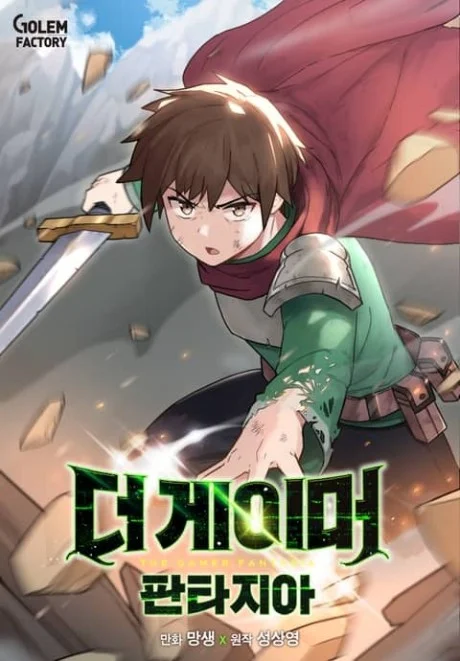 The Gamer: Fantasia, Korean cover (image via AniList).
Art and pacing
The Gamer's art style is functional and consistent. Character designs distinguish the large cast clearly, which matters given the volume of ability users Jee-Han encounters. The system interface panels (stat windows, skill notifications, item descriptions) are readable and consistent in design across the full run.
The pacing varies significantly by season. Early seasons run tight: chapters move between comedy, ability-user encounters, and level-up moments at a rhythm that keeps each chapter interesting. Later seasons expand chapter scope but reduce the density of event-per-chapter. Readers who binge-read the series will feel that shift in their fourth or fifth season.
The Gamer manhwa review: verdict
The Gamer is the system fantasy series that proved the mechanic could sustain a long run in manhwa. The first three seasons remain the genre's clearest demonstration of how to make game-mechanic-in-real-life work: comedy and action using the same system, a protagonist with a measurable advantage that generates specific situations, and a hidden world with enough structure to reward the mechanic without overwhelming it.
The full run is uneven. The late seasons are a different reading experience from the early ones. But the series is finished, with a real ending, and the first three seasons remain the reference point for the genre.
The Good
- Han Jee-Han's Gamer ability is the cleanest implementation of game-mechanic-in-real-life in manhwa -- the world doesn't change, his perception does, and the series never loses track of that framing in the early run
- The Gamer's Mind passive mechanic is genuinely interesting design: emotional suppression as a game skill with real consequences, not just narrative convenience
- A real ending after seven seasons, which is rare for long-form manhwa at this length
The Cons
- Quality drops noticeably in seasons 5 and beyond as scope expands past what the game-mechanic premise can anchor
- Five hundred-plus episodes requires real commitment and the consistent-quality payoff is mainly in seasons 1-3
- Romantic subplot accumulates cast without resolution; in a completed series that reads as dropped rather than ongoing
Rating: 7.5/10
Frequently Asked Questions
Is The Gamer manhwa worth reading in 2026?
Yes, for the first three seasons. The early run is still the cleanest execution of the game-mechanic-in-real-life premise in manhwa. The full run is uneven, but complete.
How many chapters is The Gamer manhwa?
Complete. Naver lists 511 entries over seven seasons, including a Season 1 afterword, so the story is 510 episodes.
Is The Gamer free to read?
Not on the website. WEBTOON's site lists only Episodes 1 to 9 and points readers to the app for the rest (checked October 15, 2026). In the app, WEBTOON's help page says paid episodes unlock with Coins or, on series that offer it, Ad Pass.
How does The Gamer compare to Solo Leveling?
The Gamer is lighter in tone and more mechanically focused; Solo Leveling is darker and more power-fantasy oriented. For system mechanics, The Gamer. For power progression arc, Solo Leveling.
What is The Gamer manhwa about?
Han Jee-Han gains an ability called "The Gamer" that causes him to perceive the world as an RPG: visible stats, skill levels, experience points, item descriptions. The series follows him learning to use this in a hidden world of ability users.
Related Reading
- Best System Fantasy Manhwa: Ranked list of system-fantasy series from The Gamer to Second Life Ranker, sorted by mechanic type.
- Nano Machine Review: The cultivation-system hybrid that borrowed The Gamer's numerical transparency for a murim setting.
- Second Life Ranker Review: Tower-climbing system fantasy with the emotional weight of a dead-twin diary mechanic.
- Manhwa Like Nano Machine: Picks for readers who want system mechanics in a murim/cultivation setting.
- Manhwa Like The Gamer: 7 System Fantasy Picks 2026: Top manhwa picks for fans of The Gamer.
- The Gamer Reading Guide: All 7 Seasons, Where to Stop: Season-by-season reading path, with where English readers find the episodes after Episode 9.