
Tomb Raider King is worth starting, and you shouldn't feel bad about dropping it. Our Tomb Raider King review score is 7.5/10: the relics are some of the most fun in the genre, built on names like Hammurabi, Zhuge Liang and Florence Nightingale, but readers keep saying the story repeats itself long before it reaches chapter 411. It's finished, so you can stop wherever it stops being fun.
Reviewing
Tomb Raider King
Yoonz (story), 3B2S (art)
Score
Pros
- Relics built on real history and legend, from the Code of Hammurabi to Florence Nightingale, give every heist a hook
- His old team is back in the new timeline, working for other people and not remembering him, which turns recruitment into a story
- Finished at 411 chapters, with a sequel, End Line, for readers who want more
Cons
- Readers say it turns repetitive after about 100 chapters
- Joo-Heon knows what's coming, so critics found the anime short on tension; the same premise drives the manhwa
- Tapas, its English digital home, shuts down on March 31, 2027
Verdict
Tomb Raider King is a finished, fast-moving relic heist series with a great hook and a stretched middle: worth starting, fine to drop.
This page is the verdict. If you came from the anime and want to know where to pick up the manhwa, our Tomb Raider King manhwa vs anime breakdown covers that.
Tomb Raider King review: the setup
Tapas's blurb does it in four lines. "Mysterious tombs appeared all over the world one day, each containing a relic which grants its owner supernatural abilities." Jooheon Suh (Seo Joo-Heon in the Korean romanization the anime cast lists use) is a tomb raider "betrayed by his employer," about to die "at the hands of a powerful new relic," when he wakes up "15 years in the past, before any relics or tombs made their debut."
The thing that sends him back is itself a relic. Wikipedia's cast list calls Crow "an imprisoned secret treasure relic" that takes an interest in him and sends him back "to claim the relics for himself." So the plan is simple and greedy: get to every tomb first and get even with the people who betrayed him. He isn't trying to save anyone, which is refreshing in a genre full of reluctant saviors.
It's a long but finished read. AniList credits Yoonz with the story and 3B2S with the art, adapting Sanji Jiksong's web novel, and counts 411 chapters, the last on March 27, 2023. Tapas, which numbers things a little differently, lists 412 episodes and marks the series completed.
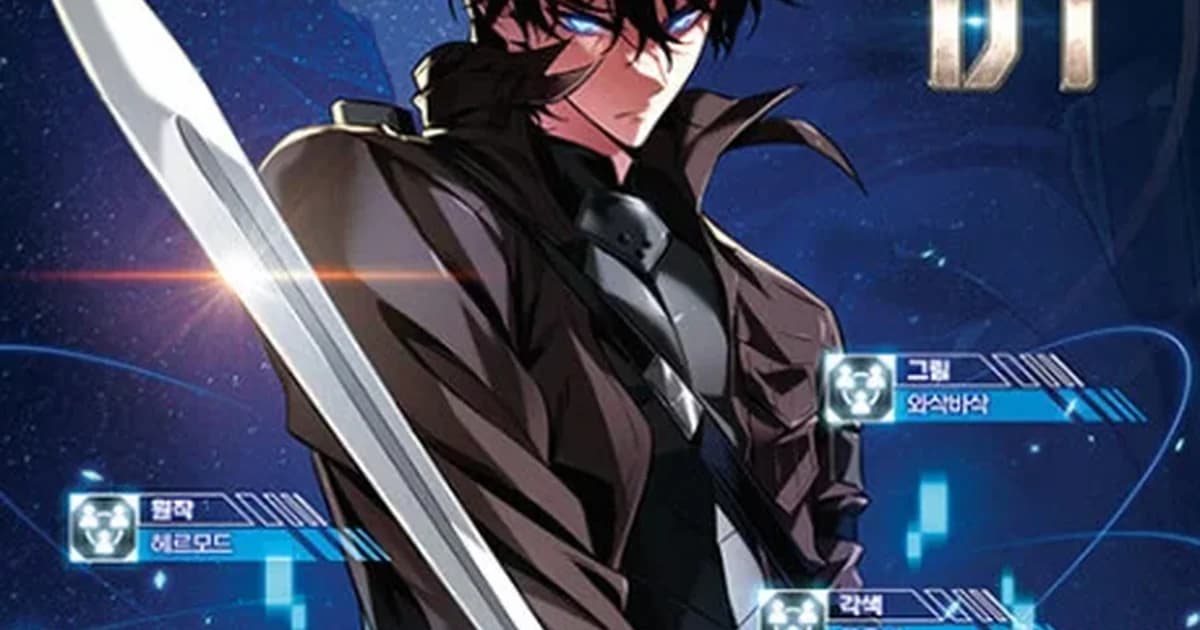
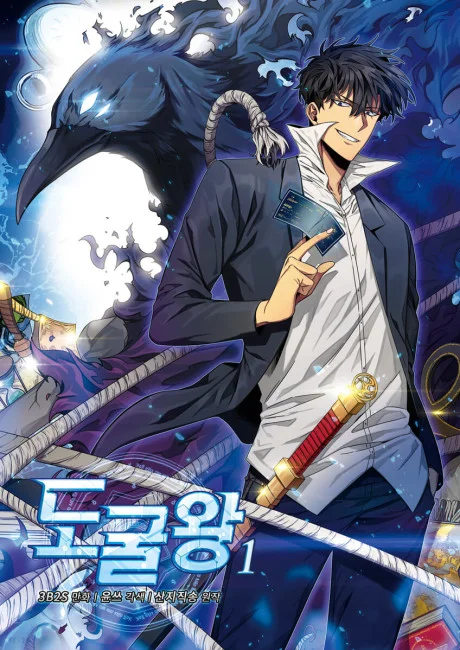 Tomb Raider King by SAN.G, Yuns (REDICE STUDIO) and 3B2S. Korean volume 1 cover via AniList.
What works: relics with a history lesson attached
Tomb Raider King's best idea is that every relic belongs to someone you've heard of. Skim the first twenty episode titles on Tapas and you get "The Buddha Statue," "Prince Shōtoku's Future Guide," "The Gold and Silver Axe," "The Code of Hammurabi" and "Voodoo Priest's Zombie Powder." Later, his allies fight with the relics of Antonio Salieri and Leonardo da Vinci, Zhuge Liang and Indra, Solomon and Sigmund Freud. Each tomb is a little trivia question with a superpower for an answer, and that's a hook most dungeon manhwa never find.
The second good idea is the crew. In the old timeline, Joo-Heon ran a team that reads like a heist movie roster: a strategist, a medic, a clean-up specialist who "alters the memories of bystanders after excavations," a hunter and a scout. In the new timeline they're scattered and don't know him. Chloe, the medic, is working for Noah, "an anti-relic terrorist group," before "regaining her memories and rejoining Joo-Heon's team." Getting the band back together gives the long run a spine beyond collecting things.
One reader's verdict sums up why people stay: "Story was 6/10 world building and myth variety 10/10 so 8/10. The stretching of the story failed it."
What doesn't: the long middle
That last sentence is the catch, and it's the most common complaint we found. Under an r/manhwa post titled "probably the worst adaptation ever," one reply says the series "was fun at the start tho after like 100 ch it became reapetitive." The post itself, written by someone at chapter 200, puts it harsher: "I feel like I'm reading a damn novel with pictures."
When a reader asked r/manhwa in July 2026 whether it was worth starting, the top reply was "if you turn off your brain, it's not bad." That's roughly our position too. The premise has a built-in weakness: a hero who already knows where every tomb is and what's inside rarely looks like he could lose. That's exactly what critics went after when the anime came out.
The anime only scratches the surface
The anime is a 12-episode season from Studio EEK, streaming on Crunchyroll with an English dub; in Japan, Fuji TV listed it from July 8, 2026. It covers very little of the story. According to Dexerto France, the Episode 12 finale corresponds to chapter 52 of the webtoon, and no second season has been officially confirmed.
Crunchyroll's official Tomb Raider King trailer.
Critics were rough on it. But Why Tho gave Episode 1 a 4/10, saying it "falls well short of its target," and Episode 2 a 3/10 for smothering "any tension or compelling energy from its narrative." The tension problem is the manhwa's problem in miniature. If you liked the anime anyway, the manhwa gives you 359 more chapters of the same appeal with the relic roster at full size.
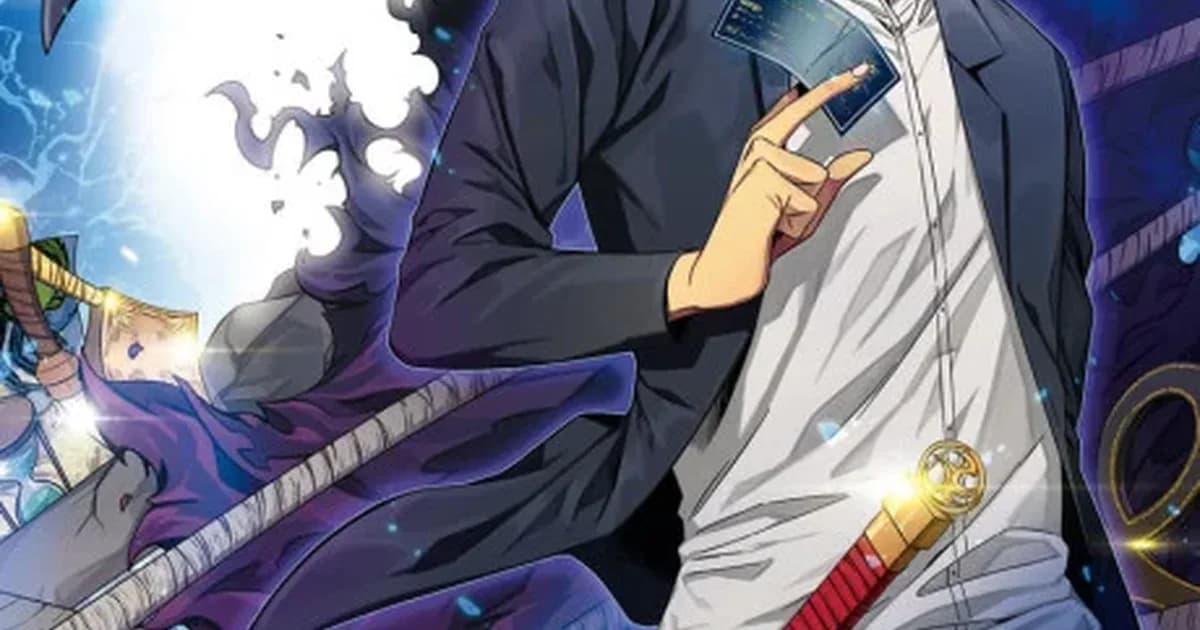
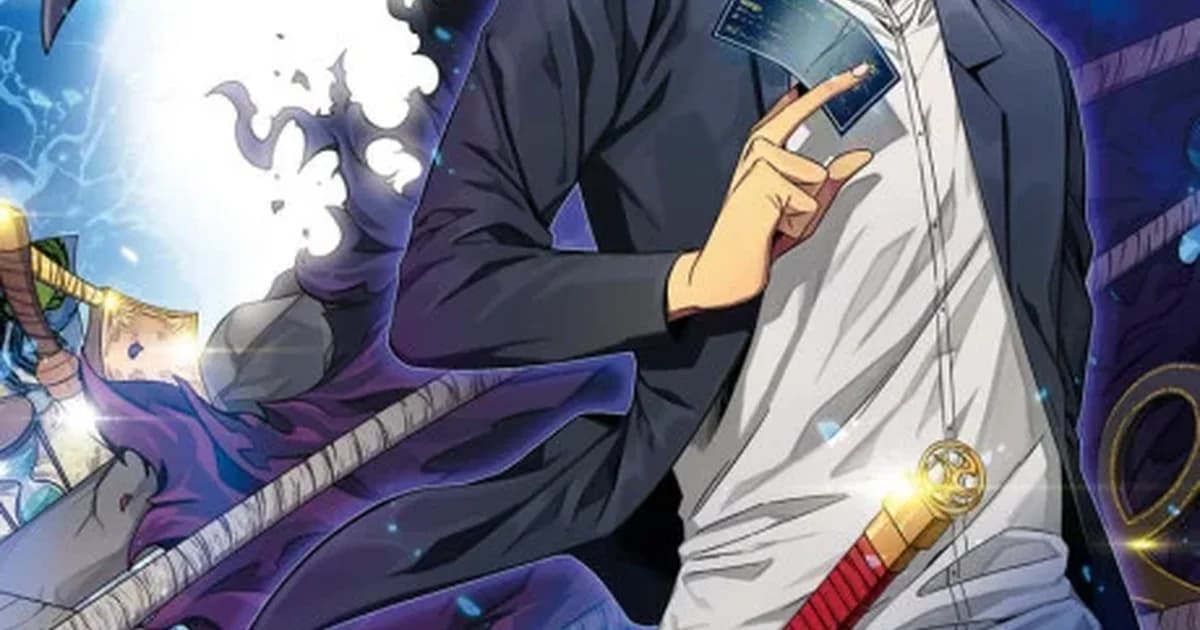
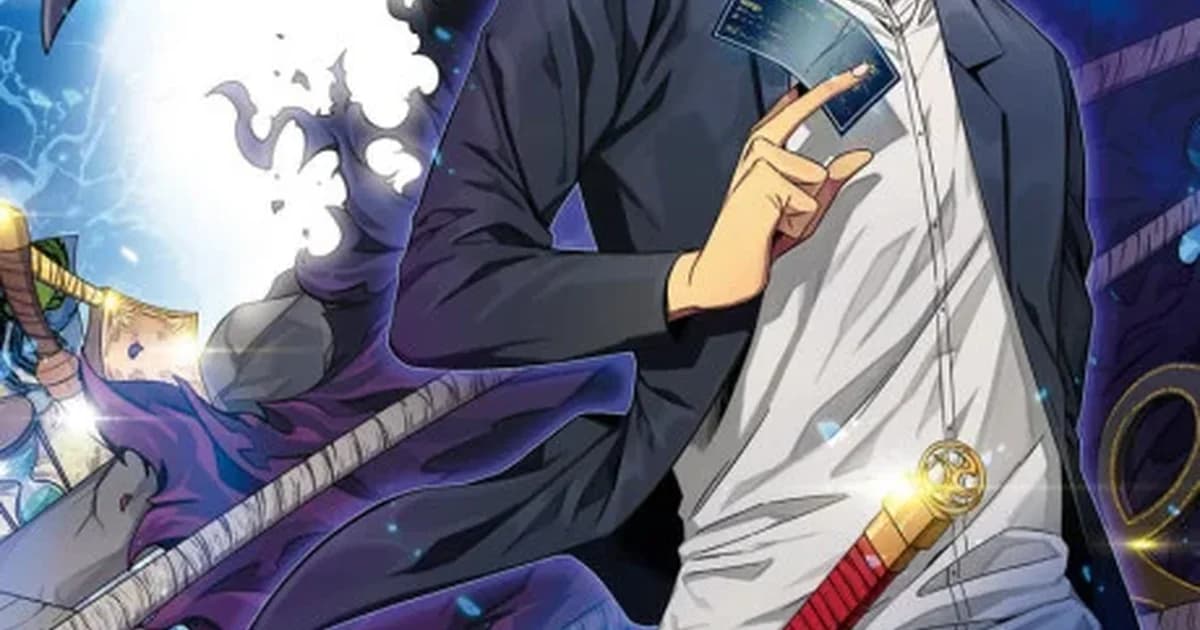
 Tomb Raider King anime key visual. © 3B2S, Yuns (REDICE STUDIO), SAN.G / Tomb Raider King Partners. Via AniList.
Where to read it before Tapas closes
Tapas is the English digital home, and it's closing. Its FAQ sets the end of service for March 31, 2027, after which you can't access "any previously unlocked content," and unlocks can't move to another Kakao service. If you're buying your way through all 412 episodes, finish before then. In print, Yen Press licensed the series under its Ize Press imprint.
If you finish and want more, there's a sequel. Tomb Raider King: End Line is on Tapas with 24 episodes so far; its blurb says Jooheon "is sorely mistaken if he thinks he'll get a break after saving the world" once the "Majesty War" starts.
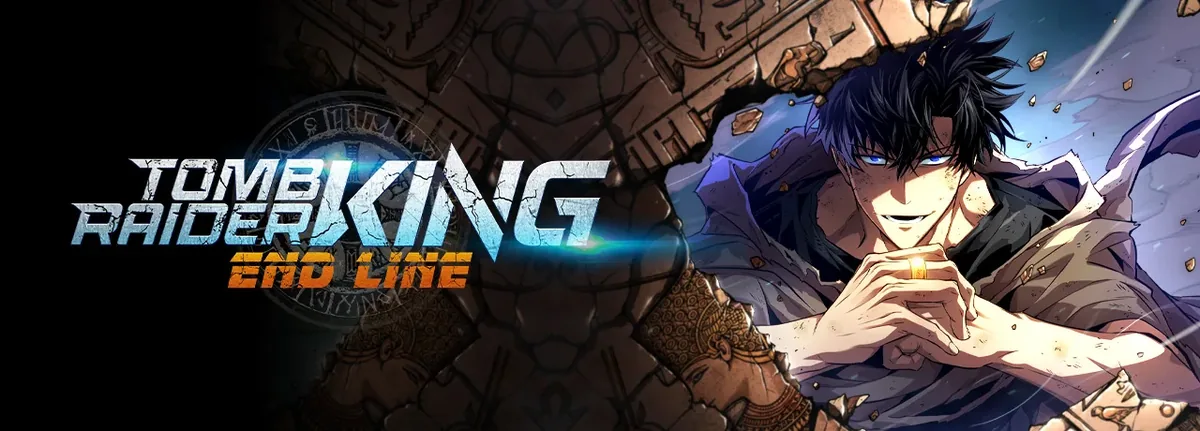 Tomb Raider King: End Line. ⓒ 3B2S, yuns, SAN.G 2019 / REDICE STUDIO. Banner via Tapas.
Verdict: our Tomb Raider King review score, and who it's for
The Good
- Relics built on real history and legend give every tomb a hook, from Hammurabi's code to Florence Nightingale
- The old crew returns as strangers, so rebuilding the team is its own storyline
- Finished at 411 chapters, with End Line for anyone who wants more
The Cons
- Readers say it gets repetitive after about 100 chapters, and one reader at chapter 200 called it "a damn novel with pictures"
- A hero who knows everything in advance leaves little tension, the exact complaint critics had about the anime
- Tapas, its English digital home, closes on March 31, 2027
We'd tell anime viewers to read on from chapter 52 and see how far the relics carry them. Read it if you want a heist-of-the-week power fantasy with a fun gimmick; it comes from REDICE STUDIO, the studio also credited on Solo Leveling. Skip it if you need real stakes in every arc, and browse our best regression manhwa list instead. If you like the relic idea but not this hero, our manhwa like Tomb Raider King list has more relic and dungeon picks.
Rating: 7.5/10
How We Checked This
We checked 30 facts on October 13, 2026 against Tapas, AniList, Wikipedia, Dexerto France, But Why Tho, YouTube and four r/manhwa threads, one quoted row per fact in our sources table. This pass corrected the hero's name (the old version called him Jooheon Kwon), the chapter count (AniList has 411; Tapas's 412 counts episodes), the betrayer (his employer, not a colleague), how far the anime gets (chapter 52; our old estimate ran well past that) and the print publisher (Ize Press, Yen Press's imprint). It removed claims no source supported, among them a three-phase story structure, relic stacking and awakening rules, a delayed anime finale, a shared artist with Solo Leveling and a dead WEBTOON link.
Last reviewed: October 13, 2026
Related Reading
- Tomb Raider King Reading Guide: where to start and how the arcs are laid out.
- Tomb Raider King Manhwa vs Anime: what the 12 episodes cover and where to pick up the manhwa.
- Tomb Raider King Character Guide: the crew and the relics they carry.
References
- Tomb Raider King on Tapas
- Tomb Raider King: End Line on Tapas
- Tapas End of Service FAQ
- Tomb Raider King on Wikipedia
- Tomb Raider King on AniList
- Tomb Raider King season 2 and chapter guide, Dexerto France (October 1, 2026)
- Tomb Raider King Episode 1 review, But Why Tho
- Tomb Raider King Episode 2 review, But Why Tho