Loading…
ChapterBrief · Guides
Dungeon Odyssey Reading Guide: 152 Chapters, Explained
Dungeon Odyssey reading guide: where the ongoing 152-chapter manhwa stands, how the kingdom-management arc builds, and whether to start now.
13 min readBy Ethan Mercer
Reviewing
Dungeon Odyssey
This Dungeon Odyssey reading guide exists because the series has quietly built up to 152 episodes without ever getting a chapter-by-chapter breakdown anywhere, and Tapas itself only labels episodes "Episode 1," "Episode 2," and so on, with no descriptive titles to work from. For the quality verdict, our review covers that in detail; this guide assumes you've made the call to read and focuses on how the story is actually built.
TL;DR: Dungeon Odyssey reading guide: start at episode 1, expect a slower opening built around Kim Jin-U's ordinary life before the dungeon-owner premise kicks in, then settle into the kingdom-management arc that carries most of the current 152 episodes. Ongoing on Tapas since September 2022, updating every Sunday, no announced endpoint.
Dungeon Odyssey Reading Guide: Key Takeaways
- 152 episodes live on Tapas as of late July 2026, confirmed directly from the platform's episode list, updating every Sunday
- Ongoing since September 2022 with no confirmed final arc, season break, or endpoint
- The story moves through three broad stretches: Jin-U's suppressed ordinary life, the accident that makes him a labyrinth owner, and the kingdom-management arc that has carried the bulk of the run since
- No prequel, spinoff, or light novel to read first; episode 1 is the true starting point
- Primary English platform is Tapas; also on KakaoPage and Piccoma, no confirmed English WEBTOON release
What This Dungeon Odyssey Reading Guide Covers
Because Tapas doesn't title its episodes beyond a number, a precise chapter-by-chapter index for a 152-episode ongoing series would either be padded with guesswork or immediately go stale. Instead, this guide groups the run into the three movements the story has actually made so far, flags where the pacing shifts, and gives a direct answer on whether jumping in this deep is worth the time it takes to catch up.
Not covered here: the rating, the art critique, or the pros-and-cons breakdown. Those live in the Dungeon Odyssey review, which scored the series 8.0 out of 10 for the way it inverts the usual dungeon-crawler formula. Read that first if you haven't decided whether to start; come back here once you have.
Step-by-Step
Advertisement
1. Start at episode 1 on Tapas: Don't jump in partway through the kingdom-management stretch. Because the internal factions and Jin-U's authority over them build cumulatively, starting mid-run means missing the setup for why the dullahans, elves, and dragons in the labyrinth respond to him the way they do.
2. Read the opening episodes as character setup, not filler: The early chapters spend real time on Jin-U's life as a dungeon guide who has spent years actively suppressing his "dungeon baby" instincts. That suppression is the emotional baseline the rest of the series works against, and it's easy to undervalue on a first read if you're waiting for the dungeon-owner plot to begin.
3. Slow down through the expedition-accident stretch: This is the pivot that turns Jin-U from a guide into a labyrinth owner, and it's the hinge the entire kingdom-management arc depends on. It's the clearest tonal shift in the whole series, from a personal drama about repressed identity to a story about governing a hostile internal population.
4. Track the labyrinth's factions once they're introduced: The dullahans, elves, and dragons aren't a rotating cast of one-off monsters. They're recurring internal factions with their own stances on whether Jin-U has earned authority over them, and losing track of which faction is cooperating and which is testing him makes the politics chapters harder to follow than they need to be.
5. Decide between a full catch-up binge and a weekly follow: At 152 episodes with no announced endpoint, there's no natural stopping point the way a completed series or a between-seasons hiatus provides. If you'd rather not sit with an active cliffhanger, budget real time to read in one or two long sessions; if a weekly Sunday chapter works for your schedule, jumping in now and following along is just as reasonable.
For more dungeon-fantasy manhwa and how they compare to the format Dungeon Odyssey inverts:
Best Manhwa Dungeon Picks →
Arc One: The Ordinary Life Jin-U Built
The series opens after a war between the surface world and the underground has already ended, in a setting where some humans are born "dungeon babies," carrying instincts tied to the labyrinths below ground. Kim Jin-U is one of them, but the story doesn't open with him embracing that identity. It opens with him rejecting it, working as a dungeon guide and caring for his family while actively suppressing the instincts that would mark him as different.
This stretch is doing quieter work than a typical dungeon-fantasy opener. Most series in this genre start with a power reveal or a system unlocking. Dungeon Odyssey starts with a man who has spent years making sure nothing like that happens to him. That choice matters for how the rest of the reading guide's arc breakdown should be read: everything that follows is Jin-U being pulled, not walking, toward the role the series eventually hands him.
Readers coming from more conventional gate-hunter manhwa should recalibrate expectations here. There's no stat window, no licensing exam, no early combat flex to signal the protagonist's ceiling. The tension in this opening stretch is entirely interior, whether Jin-U can keep holding the line he's drawn for himself, and the series is patient about testing that line before it finally breaks.
Arc Two: Becoming the Labyrinth's Owner
The break comes when an expedition goes wrong and Jin-U ends up as the labyrinth's new owner, not by choice but by circumstance. This is the pivot the entire kingdom-management arc depends on, and it's worth reading closely rather than rushing through, because it resets the terms of the story. Jin-U isn't handed power he wanted. He's handed a country's worth of responsibility he spent years trying to avoid.
What makes this section work is that the series doesn't let Jin-U reconcile his two identities cleanly once the transition happens. He doesn't wake up suddenly comfortable ruling a labyrinth full of dullahans, elves, and dragons. The instincts he suppressed are now load-bearing to his survival, and the series treats that as an ongoing negotiation rather than a switch that flips once and stays flipped. That negotiation is the emotional throughline that carries into everything that follows.
If you've read manhwa where a protagonist inherits power from the outside, like being handed a system or a bloodline reveal, this arc reads differently because the "power" here is closer to a hostile inheritance than a gift. Manhwa Like Kingdom covers other series that treat political inheritance with similarly real stakes, if that's the angle that drew you to Dungeon Odyssey in the first place.
Arc Three: Running a Contested Kingdom
This is where the bulk of the current 152 episodes live, and it's the arc that gives Dungeon Odyssey its identity. Once Jin-U takes ownership, the plot shifts from personal survival to internal governance. The dullahans, elves, and dragons who populate the labyrinth aren't background monster variety, they're factions with their own histories and their own opinions about whether an outsider deserves to run their home.
The pacing in this stretch rewards patience differently than the setup arcs did. Instead of one central mystery driving the plot forward, the kingdom-management arc plays out as a series of smaller tests: does Jin-U handle a faction dispute fairly, does he understand what a given creature actually wants before he acts, does his authority hold when it's directly challenged. r/manhwa threads on this series tend to cluster around specific panels rather than plot summary, one recent post is just titled "This scene...", another asks "Who hurt the author?" after a fight that goes further than the setup arcs prepared readers for. There's also a thread where a commenter declares a side character "his Manhwa now," which is the kind of reaction you get when a supporting cast member outgrows the screen time the writer originally gave them. That's a decent sign the factional cast is landing the way the series wants it to.
The politics angle isn't dressing on top of an action manhwa here. It's structurally central: Jin-U's decisions about how to treat the labyrinth's existing population carry forward into later chapters rather than resetting scene to scene, which is the same quality that made the Dungeon Odyssey review single this series out from more conventional dungeon-crawler manhwa. If you want the fuller list of series built around a similar ruling-from-the-inside structure, Manhwa Like Dungeon Odyssey rounds up the closest alternatives.
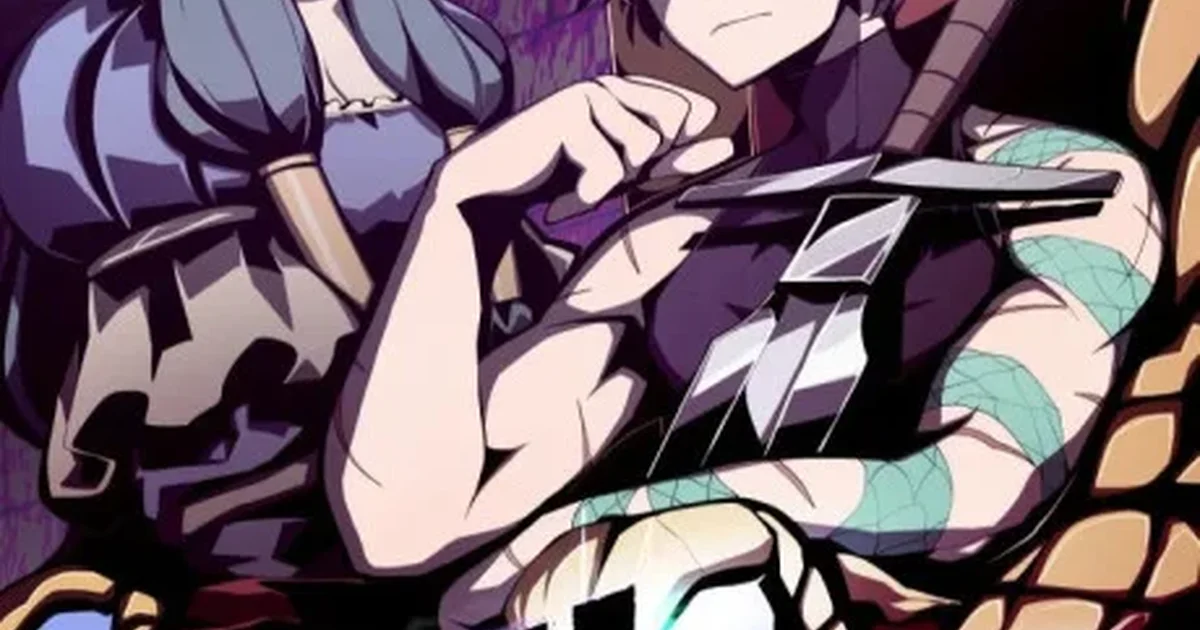
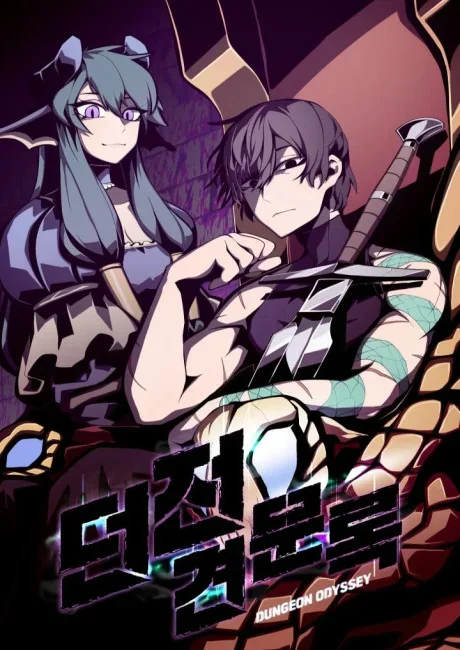 Jin-U alongside one of the labyrinth's residents. The kingdom-management arc is built on relationships like this one, not just fights.
For readers who want more dungeon or gate-hunter manhwa with a heavier system-progression focus than Dungeon Odyssey's politics-first approach:
Best System Fantasy Manhwa →
Where the Story Stands Right Now
As of this guide's writing, Dungeon Odyssey sits at 152 published episodes on Tapas with no announced final arc, no confirmed season break, and no signal that the kingdom-management stretch is winding down. The series has published continuously since its September 2022 debut, and the current release cadence is weekly on Sundays.
That's a meaningfully different situation from a series on hiatus or a completed run with a clean stopping point. There's no natural checkpoint to catch up to. If that open-endedness is a dealbreaker for you, it's worth knowing going in rather than discovering it 100 episodes deep. If it isn't, the current point in the kingdom-management arc is as reasonable a place to jump in as any, since the factional politics have had enough time to establish real stakes without requiring you to have tracked every episode since the beginning.
Tips for Reading Dungeon Odyssey
Don't read the ordinary-life opening as a prologue to skip. It's short relative to the 152 episodes that follow, but the emotional math of the entire kingdom-management arc depends on understanding exactly what Jin-U gave up to build that life in the first place.
Pay attention to which faction reacts to Jin-U with hostility versus grudging cooperation. The dullahans, elves, and dragons aren't interchangeable set dressing, and conflating them makes the politics chapters read as generic fantasy conflict instead of the specific, tracked relationships the series is building.
If the pacing during the ordinary-life setup tests your patience, push through to the expedition-accident stretch before deciding it's not for you. That's where the tonal register shifts, and judging the series solely on its quieter opening chapters means judging it before it's shown its actual hook.
Check the Tapas page directly for the current episode count before you start. Because the series updates weekly with no confirmed endpoint, the exact chapter total in this guide will be out of date within a few weeks of publication; the platform's own episode list is always the more current source.
For readers who specifically want the payoff-focused magic-system structure this series deliberately avoids:
Best Manhwa Magic System Picks →
Who This Reading Guide Is For
This guide is for readers who've already decided Dungeon Odyssey is worth their time and want to know how the 152 episodes are actually structured before diving in, rather than discovering three arcs in that the ordinary-life opening mattered more than it seemed. It's also useful for readers who tried the first handful of episodes months ago, found the pace slow, and want to know if it's worth returning to. It is: the kingdom-management arc that follows the setup is where the series' actual identity shows up.
It's less useful if you haven't decided whether the series is worth reading in the first place. For that call, our full review covers the rating, the art, and the specific case for and against a dungeon-owner premise over a dungeon-clearing one.
Where to Read Dungeon Odyssey
Advertisement
Dungeon Odyssey is on Tapas, its primary English platform, with 152 episodes live as of this guide's writing and new chapters posting every Sunday. It's also available on KakaoPage and Piccoma. There is no confirmed official English WEBTOON release, and no anime adaptation has been announced.
Related Reading
- Dungeon Odyssey Review: the full 8.0/10 verdict on the premise, the art, and where the series stands against the rest of the dungeon-fantasy genre
- Manhwa Like Dungeon Odyssey: more picks for readers who want the ruling-from-the-inside structure this series is built around
- Best Manhwa Dungeon Picks: the wider dungeon-fantasy genre list, including series that use the dungeon-clearing format Dungeon Odyssey inverts
- Manhwa Like Kingdom: for the political-maneuvering side of what makes the kingdom-management arc work
Frequently Asked Questions
How many chapters does Dungeon Odyssey have?
152 episodes are live on Tapas as of late July 2026, confirmed directly from the series' official episode list. The series updates every Sunday and has run continuously since its September 2022 debut.
Is Dungeon Odyssey ongoing or completed?
Ongoing. AniList lists the series as releasing, with no announced final arc or endpoint.
Where should I start reading Dungeon Odyssey?
Episode 1. There's no alternate entry point, prequel, or side story. Tapas doesn't title individual episodes beyond a number, so a precise chapter-by-chapter index isn't something the platform supports, but the story reads in straightforward order from the first page.
Do I need to read anything before Dungeon Odyssey?
No. It's Glump's original story with art by Min-U Son, with no light novel or prequel behind it. Episode 1 is the true starting point.
Where can I read Dungeon Odyssey?
Tapas is the primary English platform, with new chapters posting every Sunday. It's also on KakaoPage and Piccoma. There's no confirmed official English WEBTOON release.
Is Dungeon Odyssey worth starting this deep into the run?
Yes, if the dungeon-owner premise appeals to you and you don't mind a real time investment to catch up. The story reads as one continuous arc rather than self-contained seasons, so there's no natural checkpoint to wait for instead.
What is the kingdom-management arc in Dungeon Odyssey?
It's the ongoing stretch of the story, starting once Jin-U takes over the labyrinth, where the plot shifts from personal survival to managing the dungeon's internal factions. It's the throughline for the bulk of the published episodes.
References
- Dungeon Odyssey on Tapas: official English platform, current episode count and update schedule
- Dungeon Odyssey on AniList: series metadata, staff credits, and publication status
Was this guide helpful?
About the author

Senior Manhwa Critic & Analyst
Manhwa critic and former Korean-to-English webtoon translator with 8 years reading across 40+ genres. London-based. Tracks everything from power-progression to slice-of-life romance.
- 8 years reading manhwa across 40+ genres
- Former Korean-to-English webtoon translator
- 500+ manhwa titles completed
- Specializes in progression systems and power-scaling analysis

Disclaimer
This article is published for informational and entertainment purposes. It does not constitute professional financial, legal, or technical advice. Series availability, platform access, translation status, and chapter counts change. Verify critical details (pricing, regional availability, official translation status) with publishers and platforms. Affiliate links, where present, help support our editorial work and are labelled in our affiliate disclosure.
Comments
Loading comments…