This Dungeon Odyssey review starts with a pattern I noticed on r/manhwa: the series has been showing up on and off for over a year now, mostly in threads asking some version of "has anyone heard about this one." That's usually a sign a series is good but under-marketed rather than genuinely undiscovered, and after reading through the current run on Tapas, I think that's exactly what's happening here.
TL;DR: Dungeon Odyssey review: 8.0/10. Ongoing since September 2022 on Tapas, KakaoPage, and Piccoma. Kim Jin-U inherits ownership of a labyrinth instead of clearing one, and the series takes the resulting kingdom-management angle seriously. Full-color art with real monster-design variety. No confirmed English WEBTOON release.
Tapas access note: Tapas ends service on March 31, 2027 at 23:59 PT, so unlocked episodes will not be accessible after that date; see the official Tapas update.
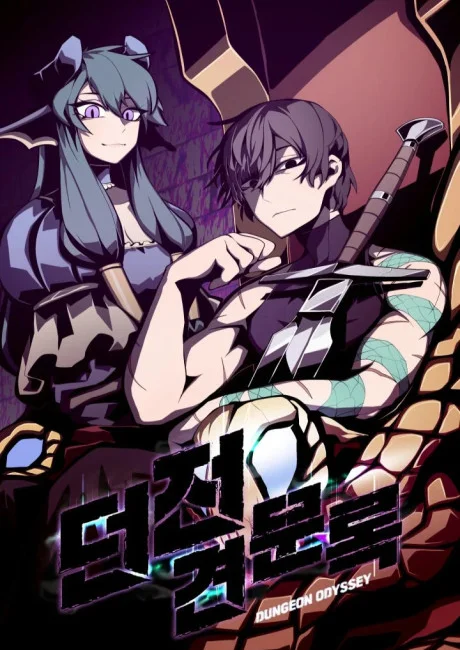 Dungeon Odyssey, ongoing on Tapas since September 2022.
Dungeon Odyssey review: quick verdict
8.0 out of 10. The premise inversion is the whole pitch: most dungeon-fantasy manhwa put the protagonist on the outside, raiding for loot and levels. Dungeon Odyssey puts Kim Jin-U on the inside, running the place. That single structural choice changes what kind of story this is, and the series commits to it.
Dungeon Odyssey Review: What Is the Series?
The setup: a war between the surface world and the underground ended at some point in the past, and in its aftermath, some humans started being born as "dungeon babies," carrying supernatural instincts tied to the labyrinths below ground. Kim Jin-U is one of them, but he spent years suppressing that side of himself to live a normal life, working as a dungeon guide and caring for his family.
That changes when an expedition goes wrong and he ends up as the new owner of a labyrinth. The instincts he'd been denying aren't optional anymore. What follows isn't a straightforward power-fantasy climb. It's closer to inheriting a small, hostile country and having to figure out how to run it while the dungeon's existing inhabitants, ranging from dullahans to elves to actual dragons, decide whether to follow him or test him.
The kingdom-management and politics tags on this series aren't decoration. Jin-U has to make decisions about how the labyrinth's internal factions get treated, and those decisions have consequences that carry forward. It's a different kind of tension than "will the protagonist win the fight," and it's the reason I'd point readers here over a more conventional dungeon-crawler.
The dual identity is the emotional engine underneath the management plot. Jin-U spent years building an ordinary life specifically to avoid becoming what he now has to be, and the series doesn't let him reconcile the two identities cleanly. He's not stepping into a role he always wanted; he's negotiating with instincts he actively worked to bury, which gives even the more procedural kingdom-management chapters an undercurrent of reluctance that a straightforward power-fantasy protagonist wouldn't carry.
Art & Story
Advertisement
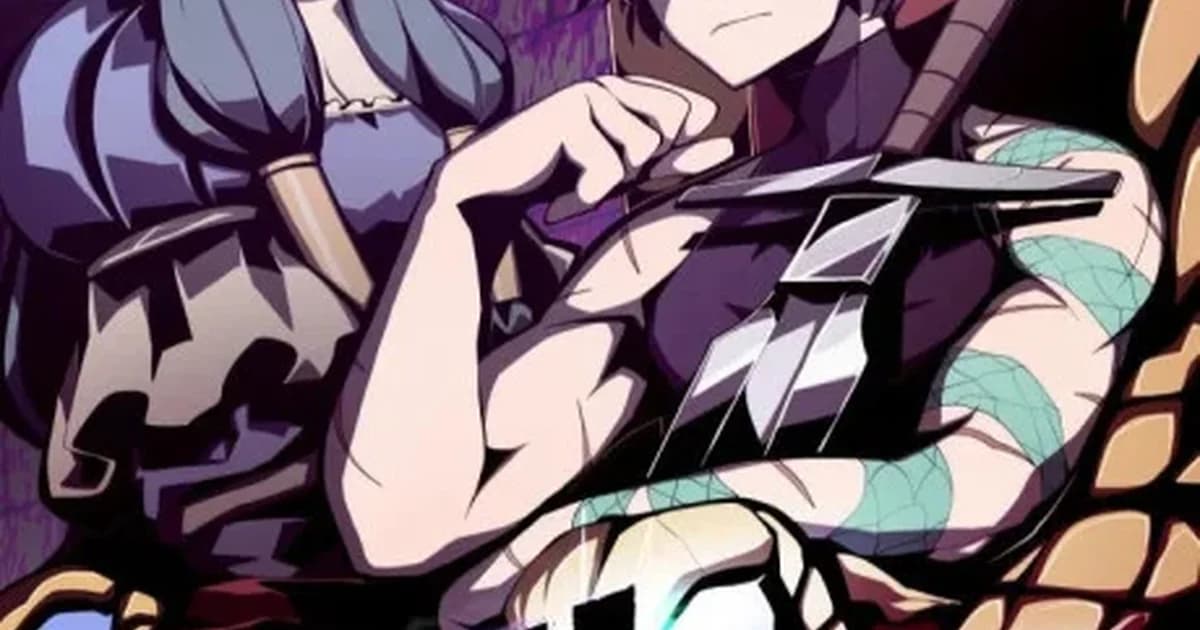
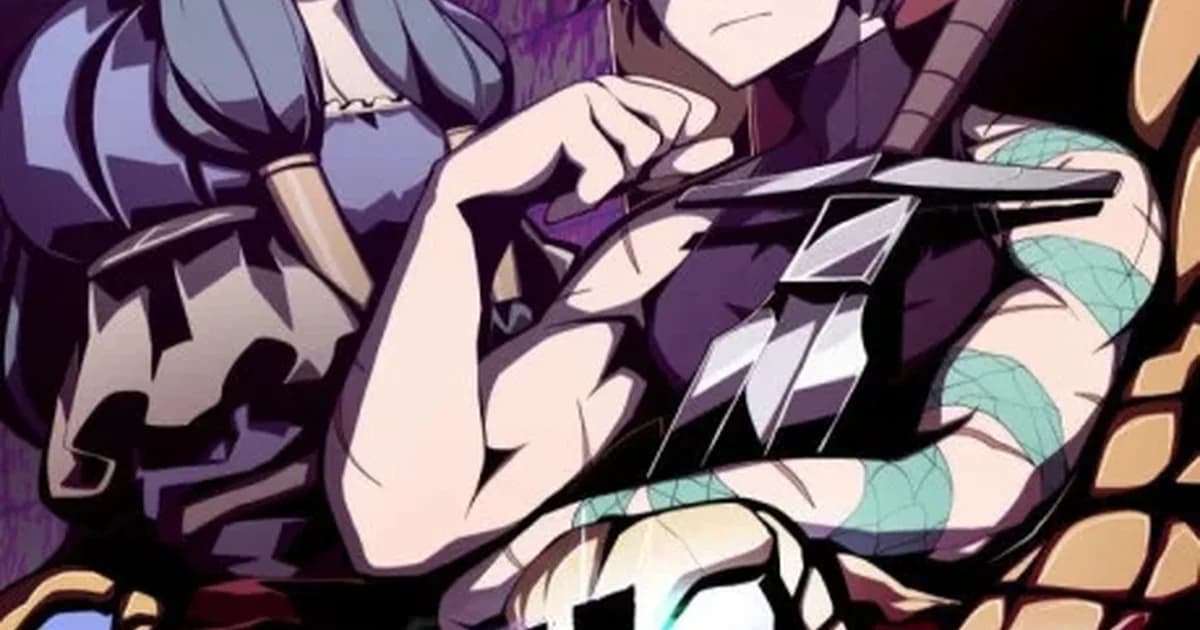
Min-U Son's art is full color and handles the dungeon's fantasy-race cast with real distinction. That matters more than it sounds like it should. A lot of dungeon-fantasy manhwa lean on a handful of reused monster silhouettes; Dungeon Odyssey's dullahans, dragons, and elves are drawn with enough individual character that the dungeon feels populated rather than generic.
The story's slower opening stretch is a real cost, though. The amnesia and suppressed-instinct setup takes patience to pay off, and readers expecting immediate momentum from chapter one will need to sit with some mystery-box pacing before the kingdom-management hook fully kicks in.
The full-color format also does real work in the large-scale dungeon sequences. Faction groups are color-coded distinctly enough that a reader can track who's aligned with whom across a crowded panel without dialogue doing all the work, which matters once the politics angle gets going and there are multiple factions to keep straight at once. It's a small technical choice, but it's the kind of thing that separates art that just looks good from art that actually helps the story land.
For more manhwa where the protagonist runs a fantasy power structure from the inside:
Manhwa Like Solo Leveling →
Reader reaction
Dungeon Odyssey shows up periodically on r/manhwa with threads discussing specific character moments and asking newer readers to weigh in, rather than the kind of sustained weekly discussion a platform-backed series gets. That tracks with the platform situation: Tapas doesn't have WEBTOON's built-in audience, so the series relies more on word of mouth. The discussion that does exist tends to focus on the dungeon's internal cast and how Jin-U handles the balance of power between factions, which lines up with what actually makes the series distinct.
When the thread gets specific, it usually lands on the same two things: the color work on the non-human cast, and whether Jin-U is being too slow to fully commit to running the dungeon on his own terms. That second complaint is less a flaw than a sign the series is playing the reluctance angle for real instead of rushing past it for the sake of pacing. Readers who stick around past the slow opening tend to come back specifically to defend that pacing choice in later threads, which is its own kind of signal.
Verdict
Advertisement
The Good
- Dungeon-owner premise inverts the usual raid-the-dungeon formula; Kim Jin-U manages a labyrinth instead of clearing one
- Kingdom-management and internal politics give the story real stakes beyond combat progression
- Full-color art with genuine variety across the dungeon's fantasy-race cast
- Min-U Son handles large-scale dungeon set pieces with clear spatial logic
The Cons
- No confirmed English WEBTOON release; Tapas is the main way to read it in English, which caps visibility
- Amnesia/suppressed-instinct setup takes a while to pay off in the early chapters
- Ongoing since 2022 with no announced endpoint
Read it if the "owner instead of raider" premise appeals to you, or if Manhwa Like Kingdom style politics-in-a-fantasy-setting stories are your thing. Skip it if you need fast momentum from chapter one; this one asks for patience before the real hook lands.
For a complete breakdown, see our Manhwa Like The Warrior Returns: 7 Warrior Revenge Picks.
For a complete breakdown, see our Manhwa Like The Stellar Swordmaster: 8 Sword Fantasy Picks.
For a complete breakdown, see our Manhwa Like The 100th Regression of the Max-Level Player.
Rating: 8.0/10
Related Reading
- Manhwa Like Solo Leveling: more dungeon and power-structure fantasy for readers who want the genre from different angles.
- Manhwa Like Kingdom: for the political-maneuvering side of what makes Dungeon Odyssey distinct.
- Dungeon Odyssey Reading Guide: 152 Chapters, Explained
Frequently Asked Questions
Is Dungeon Odyssey worth reading?
Yes, if you want a dungeon-fantasy manhwa that inverts the usual formula. Kim Jin-U doesn't clear a dungeon, he inherits ownership of one, and the series spends real time on kingdom management and internal politics rather than pure combat progression.
Is Dungeon Odyssey completed or ongoing?
Ongoing. It started serialization in September 2022 and continues to publish new chapters, with no announced completion date as of mid-2026.
Where can I read Dungeon Odyssey in English?
Tapas is the primary English platform. It's also available on KakaoPage and Piccoma. There is no confirmed official WEBTOON English release.
Who created Dungeon Odyssey?
Written by Glump (original story), with art by Min-U Son.
What is Dungeon Odyssey about?
Kim Jin-U, a "dungeon baby" who suppressed his supernatural instincts to live an ordinary life, becomes the new owner of a labyrinth after an expedition goes wrong, and has to reckon with the instincts and responsibilities he spent years denying.
Is Dungeon Odyssey similar to Overlord or Kingdom manhwa?
It shares the dungeon-management and ruling-from-the-inside angle with series like Overlord, but the protagonist starts as a reluctant, suppressed dungeon baby rather than an established overlord.
References
- Dungeon Odyssey on AniList: series metadata, staff credits, popularity and score data
- Dungeon Odyssey on Tapas: official English platform