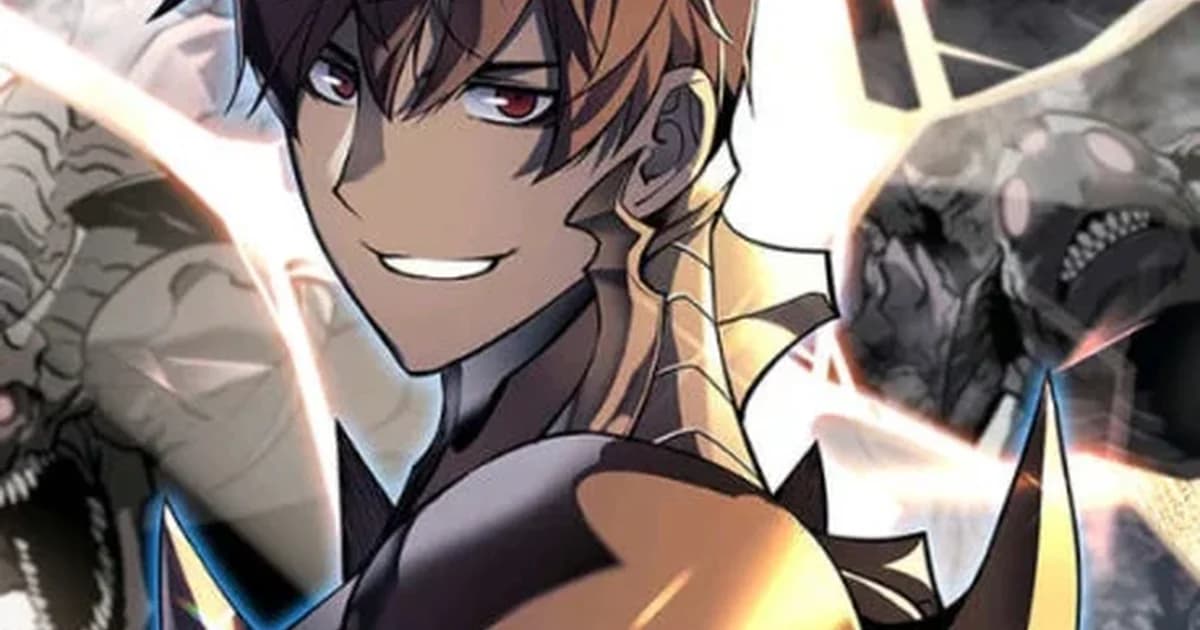

Rating: 8.5/10. This Overgeared review comes down to one question: will you stick with a petty, unlucky hero long enough for his blacksmith class to pay off? If yes, Overgeared is one of the more original VRMMO manhwa around, because Grid wins by forging better gear than anyone else, not by out-leveling them. If you need a likable lead from page one, the opening will test you.
Reviewing
Overgeared
Team Argo / Monohumbug · Tapas
Score
Pros
- Pagma's Successor is a production class, not a combat class: Grid wins through what he forges, not stat superiority
- Grid's growth from petty and abrasive to someone people follow is earned in his choices, not retconned
- Gear works as social currency: what Grid makes for guildmates builds the Overgeared Guild's loyalty
- The source novel is finished, so the manhwa is adapting toward a real ending
Cons
- The opening stretch is rough: Grid is hard to root for before the crafting payoff arrives
- Women in the guild orbit Grid more than they develop on their own, and AniList even tags it Female Harem
- The loop of forge, win, get outclassed, forge again gets repetitive over a long read
Verdict
Overgeared is the VRMMO manhwa that takes its production class seriously. Grid wins by making better gear, and the series builds its economy around that premise.
The score belongs to the manhwa, not the new anime, which is worth a look on its own terms (more below).
Overgeared at a glance
| Korean title | 템빨 (Temppal) |
| Original novel | Saenal (Park Saenal), KakaoPage, November 2014 to April 2024 |
| Manhwa | Adapted by Monohumbug, art by Team Argo (REDICE STUDIO), on KakaoPage since April 1, 2020 |
| English manhwa | Tapas, 306 episodes, updates every Saturday; also on WEBTOON, every Saturday |
| Status | Ongoing |
| English novel | Wuxiaworld, complete at 2,059 chapters |
| Anime | J.C.Staff, directed by Ayako Kōno; 12 episodes; Crunchyroll and Prime Video from September 27, 2026, Japanese TV from October 2 |
Tapas closes on March 31, 2027, and it keeps the newest 91 episodes outside its wait-until-free window, so if you're starting now, the WEBTOON listing is the safer long-term home; see what we know about the Tapas shutdown.
Overgeared review: the premise
Shin Youngwoo, playing as Grid, is "an unlucky man in life and a low-level player" in the popular VR game Satisfy. Off-line he hauls bricks on construction sites; in the game he isn't much better off. Then he finds a powerful item that makes him a legendary class: Pagma's Successor. Now he's a blacksmith who can forge unique weapons and wear the game's most powerful gear, and he wants fame and fortune. His existence starts stirring up trouble in Satisfy almost at once.
Most VR-game manhwa give the hero a combat class and let the numbers talk. Grid's power is what he produces. He wins by having made the right weapon or armor before the fight starts, so the interesting question in a fight is rarely "will Grid win" but "what did he build for this, and was it enough." That one choice shapes the pacing, the economy, the cast and the plot.
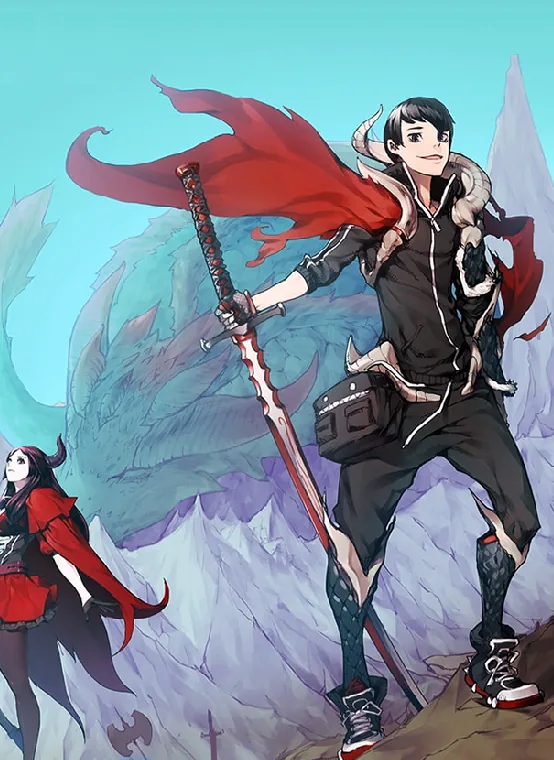 Overgeared, art by Team Argo, adapted by Monohumbug (REDICE STUDIO), original novel by Saenal (cover via AniList).
What works
The crafting economy is the plot. Satisfy is treated like a real economy. Gear Grid makes has value nobody has priced before, and because equipment can be handed to other players, his influence spreads through what he makes as much as through what he can do in a fight. The items he gives guildmates such as Jishuka, Regas and Vantner create obligations the story keeps following. Gear becomes social currency, and the Overgeared Guild is built on it.
The kingdom-management layer. Once Grid has land and a guild, the series runs territory, politics and rival factions alongside the fights; AniList's top tags include Kingdom Management and Politics next to Video Games and Virtual World. Readers who like a hero running something, not just leveling, get a lot here.
Grid's growth is real. Early Grid is petty, reactive and sometimes cowardly, and the series doesn't pretend that's secretly good behavior being misread. The change shows up in choices: spending resources on someone he didn't have to help, putting the team ahead of the payout. Readers on r/manhwa describe the same curve: "He starts off as an idiot but does grow as a person." Another reply put a number on the turn: "About 50 is where it starts. I am now at 220 and the change is truly something else."
Team Argo's art is clear rather than flashy. Named items look different from generic gear, Grid's equipment changes visibly as he improves, and the fights have readable choreography. Compared with Solo Leveling from the same REDICE STUDIO label, Overgeared trades spectacle for legibility, which suits a story where what the gear does matters.
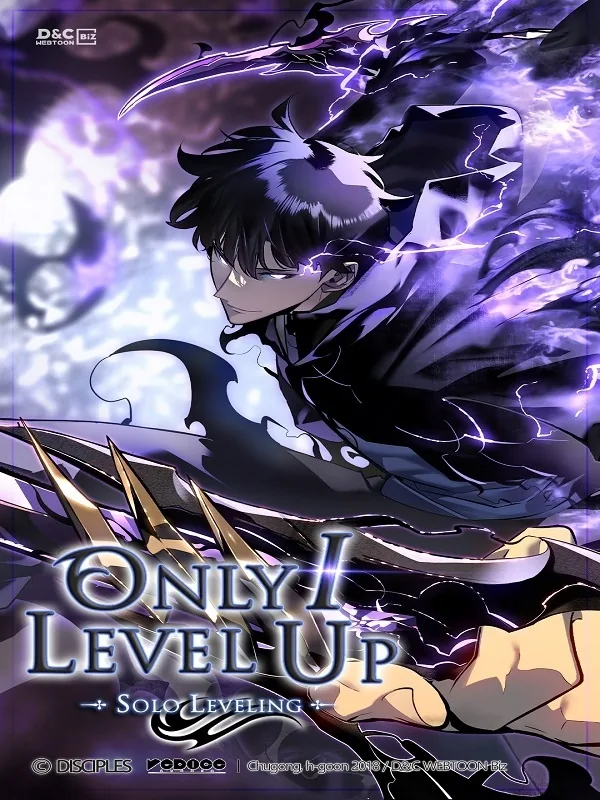 Solo Leveling, from the same REDICE STUDIO label: the benchmark every system-fantasy manhwa gets compared with (cover via AniList).
What doesn't
The opening is a slog. Before the crafting payoff lands, you're mostly watching an unlikable man be unlucky. It's a deliberate choice, and the growth needs it, but it's a real ask when most people find the series through clips of later arcs. If you bounce, give it to around the point readers name above before deciding.
The women orbit Grid. Jishuka has a clear skill set and personality, but for long stretches the women in the guild are defined by how they see Grid rather than by their own arcs. AniList's Female Harem tag tells you how the database reads it. Romance isn't the point of the story, but it's there.
The loop repeats. One r/manhwa reader who went from the manhwa to 1,400 chapters of the novel summed up the pattern: "Grid makes a thing, becomes Op, gets beaten by skill, makes a new thing or learns a new skill, becomes op again, loses to a new enemy. rinse and repeat ad nauseam." Over a long read, you'll feel it.
The anime
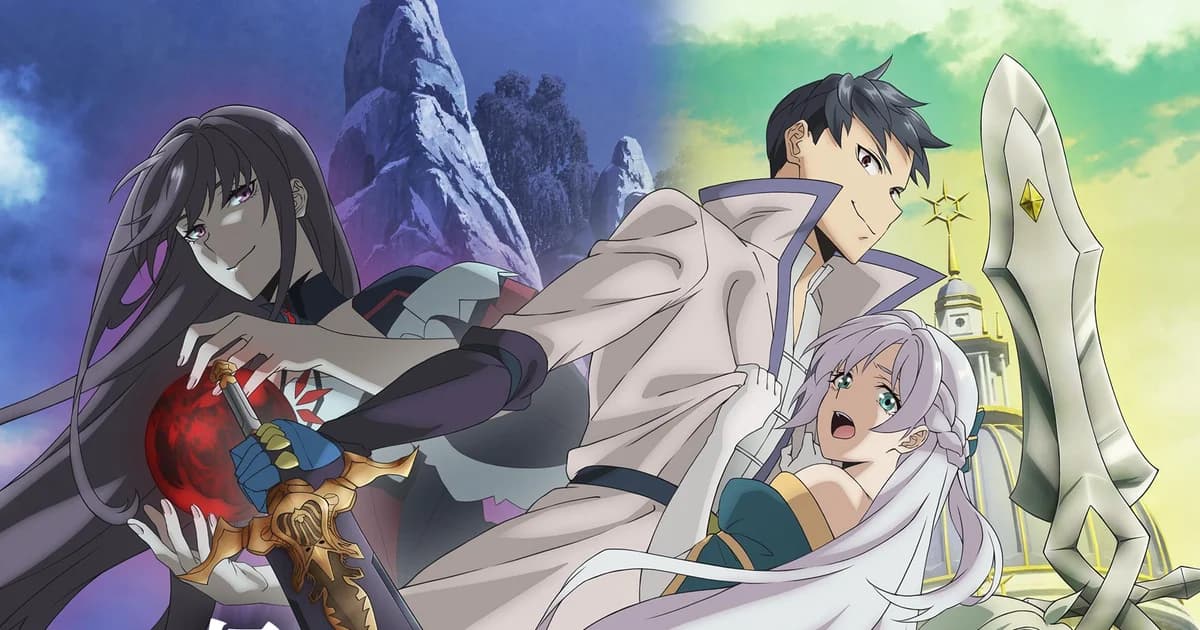
J.C.Staff's adaptation, directed by Ayako Kōno, is a 12-episode season. Episodes reach Crunchyroll and Prime Video ahead of Japanese TV: streaming started on September 27, 2026, and the broadcast on Tokyo MX, BS11 and AT-X followed on October 2. Crunchyroll released an English dub the same day as the Japanese version.
The adaptation isn't identical: it moves the cast to Japan, so Shin Youngwoo becomes Takumi Nagamine (voiced by Tatsumaru Tachibana), and that change dominated r/manhwa's threads about episode one. Crunchyroll's second trailer shows how the adaptation looks:
Overgeared Official Trailer 2, from Crunchyroll's YouTube channel.
For streaming times and the dub cast, see our Overgeared anime page.
Should you read the novel?
The web novel by Saenal ran on KakaoPage until April 2024 and is complete in English on Wuxiaworld at 2,059 chapters, far beyond where the manhwa is. Start with the manhwa: the named items, Satisfy's look and the fights are things the novel describes and the manhwa shows. If the premise hooks you and you can't wait, the novel is the only way to read ahead, but its prose is denser and the forge-win-lose loop is even more visible at that length.
Is Overgeared worth reading? Who it's for, and who should skip
Read it if you want an MMORPG manhwa where the game's systems drive the story, you like kingdom and guild management, and you can wait out a rough start for a hero who changes.
Skip it if you need a likable protagonist immediately, want pure combat progression without economics, or are tired of harem-adjacent casts.
Overgeared review: our take
Overgeared earns its 8.5 by doing one thing few game-world manhwa try: it makes making things the power fantasy. The opening is rough and the loop repeats, but Grid's growth and the gear economy carry it. Read the manhwa first; watch the anime as a bonus, not a replacement.
How We Checked This
For this update we checked the credits, episode counts, schedules, novel details and anime facts against Tapas, WEBTOON, Wuxiaworld, AniList and Wikipedia, one quoted row per fact in our sources table. That pass corrected when the novel finished (April 2024), added the English WEBTOON listing, refreshed the anime details, and removed a chapter-by-chapter arc map and item timeline we couldn't tie to a source.
Last reviewed: October 15, 2026
Related Reading
- Manhwa Like Overgeared: series for readers who want the same mix of crafting and power growth.
- Overgeared Reading Guide: where to start and how the run is structured.
- Overgeared Character Guide: Grid, Jishuka and the rest of the cast.
- Overgeared anime: where to watch: schedule, platforms and dub.
- Solo Leveling Reading Guide: the series Overgeared gets compared with most.