TL;DR: What is murim manhwa: the Korean term for the martial arts underworld, a society of sects and clans running parallel to ordinary life. It is often confused with wuxia (Chinese heroic martial fiction) and cultivation (a progression method often used in xianxia), but murim is defined by its martial-world society and Korean genre conventions, not one power ceiling.
Murim: what does it mean in manhwa?
Direct answer: In manhwa, murim means the martial world: a Korean genre setting built from sects, clans, teachers, rivals, and internal-energy training. It is not one shared universe or a synonym for every cultivation story. Murim overlaps with wuxia and cultivation, but its Korean martial-society structure is the useful dividing line.
Key Takeaways
- Murim (무림) is Korean for "martial forest," often translated as "martial world": a society of sects, clans, and independent fighters that exists alongside ordinary life in many Korean manhwa and novels.
- Murim is not the same as wuxia: wuxia is a Chinese heroic-martial tradition, while murim is a Korean genre convention that borrows many of its building blocks and often adds faster pacing and sharper sect politics.
- Murim is not the same as cultivation: cultivation describes a power-building practice or progression framework. A murim story can use internal-energy cultivation without becoming xianxia.
- Murim has no universal power ceiling. Some series stay close to human martial arts, while others add supernatural techniques; the martial society, not a fixed strength limit, is the defining feature.
- The genre's core building blocks are cultivation ranks, sect hierarchy, martial lineages, and a code of conduct that gets broken constantly, which is usually the plot.
- Series like Nano Machine bolt a system-fantasy interface onto an otherwise orthodox murim foundation, which is why it reads as approachable to readers with zero murim background.
What is murim manhwa: the basic definition
Advertisement
Murim literally translates to "martial forest," but "martial world" is the more useful English gloss. It refers to a parallel society: an entire world of sects, clans, martial lineages, and lone wandering fighters that operates alongside, and often hidden from, ordinary civilian life. A murim manhwa is any story set inside that world, or one where a protagonist gets pulled into it. It is a setting and genre convention, not one shared universe.
The core ingredients show up constantly across the genre. Cultivation ranks (qi circulation, internal energy, meridian stages) form the power system. Sects and clans form the social structure, complete with hierarchy, internal rivalries, and succession politics. A loose but constantly-invoked code of conduct governs how murim is supposed to behave, and the actual plot is almost always about that code breaking down: a sect massacred, a student betrayed by a master, an orphan raised on revenge against the clan that wronged them.
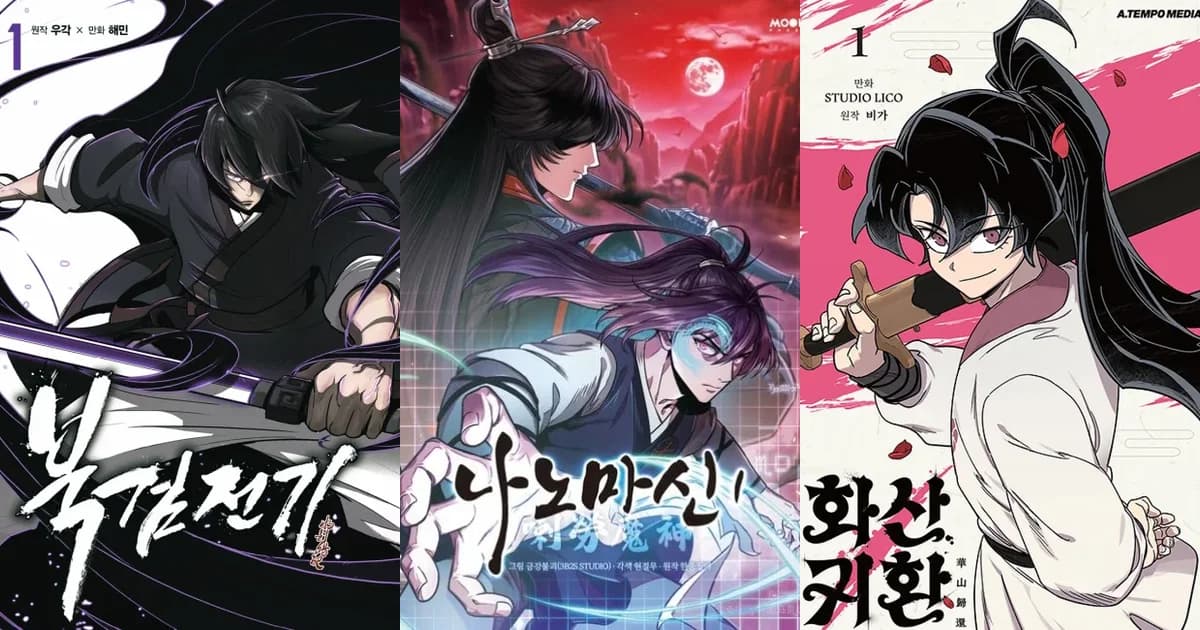
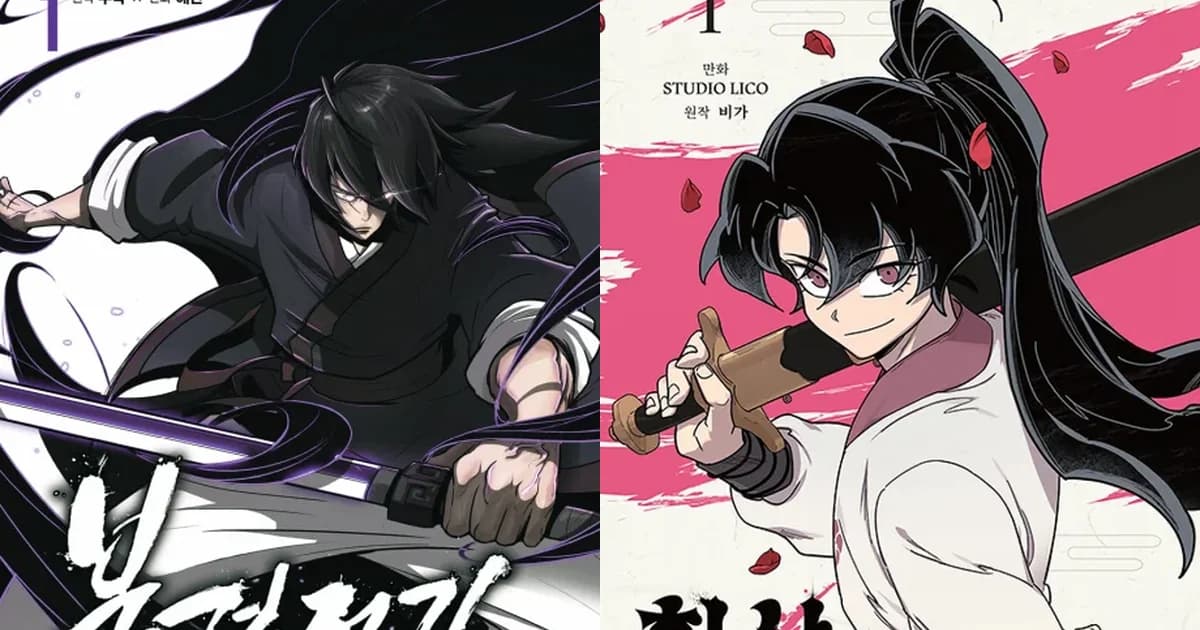
That last pattern is so common it's basically load-bearing for the genre. Revenge, betrayal, and a protagonist clawing back from the bottom of a hierarchy that wronged them shows up in most of the well-known murim manhwa on the market, from Legend of the Northern Blade to Return of the Blossoming Blade.
For the country-of-origin and format side of this confusion (manga vs manhwa vs manhua), see our .
full breakdown →
Murim vs wuxia vs xianxia: where the confusion comes from
These labels get used interchangeably online constantly, and it's worth separating them because they describe different things that happen to share surface-level trappings: swords, internal energy, and secretive martial societies.
Murim vs cultivation: the distinction readers actually need
Cultivation is a progression method or genre family, not a country-of-origin label. It usually means refining qi, internal energy, or another spiritual resource through training and stages. Murim names the martial society around the fighters. A Korean murim story can use cultivation without becoming a Chinese xianxia story.
| Term | What it describes | Common tradition | Typical emphasis |
|---|---|---|---|
| Murim | A martial society of sects, clans, masters, and rivals | Korean manhwa conventions | Sect politics, lineages, technique, honor, and revenge |
| Wuxia | Heroic martial fiction about people in the jianghu | Chinese fiction | Chivalry, justice, loyalty, and human-scale martial skill |
| Cultivation | A progression framework for refining qi or inner power | Often Chinese, but used across Asian fantasy | Training stages, breakthroughs, realms, and power growth |
| Xianxia | A supernatural cultivation-fantasy branch | Chinese fantasy | Immortality, Taoist cosmology, spirits, and ascension |
Wuxia is a Chinese heroic-martial tradition. Wuxia protagonists are chivalrous martial artists operating by a code centered on honor and justice, and the stories often use the jianghu, or martial world, as their social setting. Some are intimate revenge stories and some have empire-scale stakes, so the distinction is tradition and framing, not a strict power level.
Xianxia is a Chinese cultivation-fantasy branch built around Taoist or immortal-cosmology ideas. Its protagonists cultivate through explicitly supernatural stages, bend natural law, and may pursue immortality or ascension. That is why people often use "cultivation" and "xianxia" together, even though cultivation can also describe a lower-scale power system inside a murim story.
Murim sits closer to wuxia than xianxia in its focus on a martial society, but it does not have one fixed power ceiling. Many Korean series emphasize sect politics, revenge, named techniques, and internal energy, while others add regression, systems, demons, or openly supernatural abilities. The useful question is whether the story's martial world shapes the plot, not whether every fighter stays human-level.
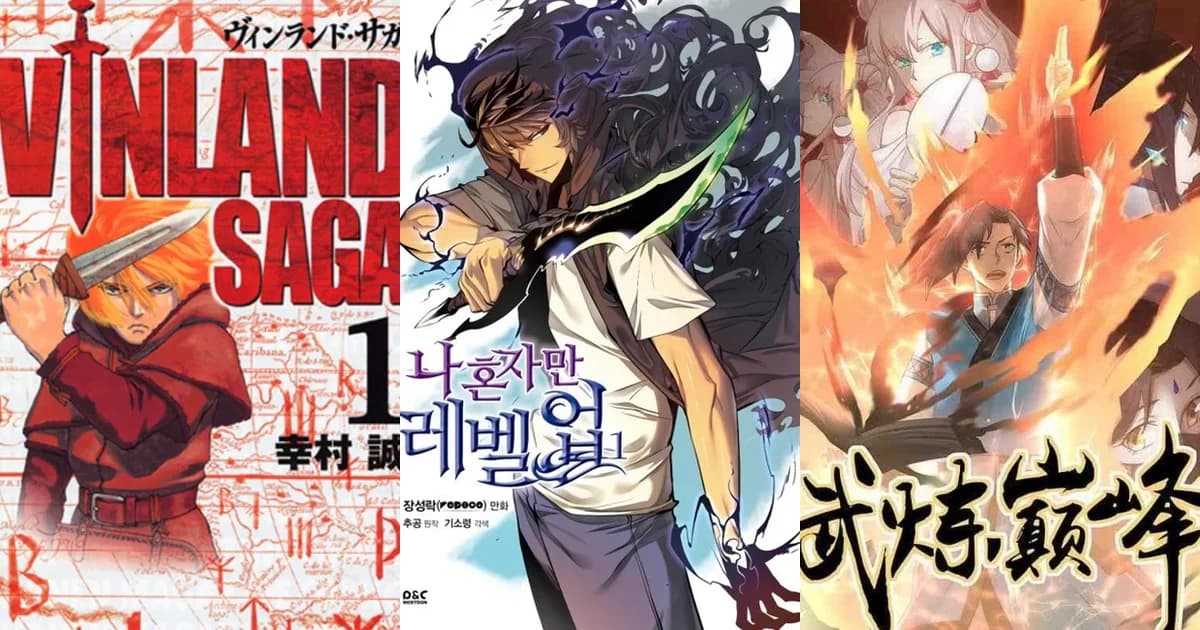
The confusion is understandable, since a lot of manhua from China gets loosely cultivation-tagged regardless of which specific tradition it's actually drawing from, and Western coverage often flattens all three into "the martial arts genre." Martial Peak, for instance, is Chinese manhua and leans more xianxia in its cultivation-realm structure than murim does, even though readers coming from Korean manhwa sometimes lump it in with murim on sight.
What murim manhwa actually look like on the page
Visually and structurally, a few conventions show up so often they're close to genre requirements. Rank systems get named explicitly: Third Rate, Second Rate, First Rate, and upward through Expert and Grandmaster tiers, usually with an in-universe explanation for what separates one tier from the next. Sect names follow a consistent pattern too, usually mountain- or location-based (Mount Hua, Blossoming Blade, Northern Blade), which doubles as a shorthand for the story's central faction.
Combat tends to prioritize named techniques and internal energy management over raw stat comparison. A fight in a murim manhwa is rarely just "who hits harder"; it's usually about who understands their opponent's technique lineage well enough to counter it, which gives murim fights a chess-match quality that pure power-fantasy action manhwa often skip.
The genre also leans hard into found-family and mentor-student dynamics, frequently as the emotional core underneath the revenge plot. A dead or absent master, a debt to a teacher who took a risk on an outcast student, a sworn sibling bond forged in a sect's lower ranks: these relationships usually matter more to the story's stakes than the villain does.
One more distinguishing habit: murim manhwa tend to treat status within a sect as a running score the reader is always aware of, not a background detail. A protagonist's rank relative to their peers gets restated constantly, because advancement has immediate social consequences, rivals recalculating threat assessments, elders reconsidering favor, in a way that pure power-fantasy genres rarely bother tracking. The politics of "who outranks whom right now" is frequently as load-bearing as the fights themselves.

Verified murim manhwa examples
Direct answer: For a grounded, completed introduction, start with The Legend of the Northern Blade: AniList lists it FINISHED at 202 chapters and Tappytoon marks it completed. Return of the Blossoming Blade is RELEASING on AniList with WEBTOON Season 3 Episode 176 live. Nano Machine is also RELEASING, with no final AniList chapter count, and updates on WEBTOON.
The Legend of the Northern Blade
AniList lists this Korean-origin murim series as FINISHED at 202 chapters. The official Tappytoon edition marks it completed and describes Moowon training in the Northern Heavenly Sect's techniques before returning to confront the people who destroyed his family. It is the cleanest example here of sect history, martial lineages, revenge, and a finished reading route. AniList verification.
Return of the Blossoming Blade
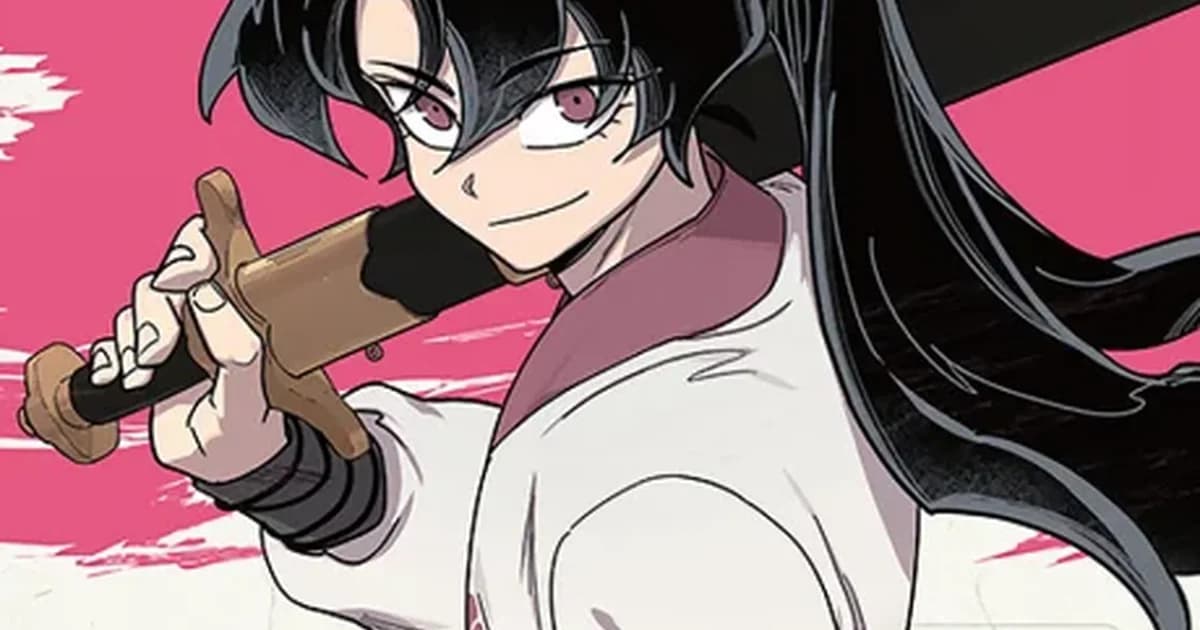
AniList lists the Korean series as RELEASING and does not provide a final chapter count. The official WEBTOON listing shows Season 3 Episode 176 dated September 22, 2026. Its premise, a fallen Mount Hua Sect and a legendary swordsman awakened a century later, shows how regression can sit inside a recognizably murim social world. AniList verification.
Nano Machine
AniList lists Nano Machine as RELEASING with no final chapter count. The official WEBTOON listing describes nanotechnology entering a Demonic Cult succession struggle and marks the series as updating weekly. It is a useful hybrid example: the sect hierarchy and martial training are murim, while the interface supplies a system-fantasy entry point. AniList verification.
What is murim manhwa best for: starting points
Advertisement
If the genre sounds appealing, Legend of the Northern Blade and Return of the Blossoming Blade are two of the most commonly recommended entry points, both built around classic sect politics and sword-focused combat without requiring prior genre knowledge. For readers coming from system fantasy who want a gentler on-ramp, series that graft a visible stat interface onto an otherwise orthodox murim foundation, Nano Machine is the standard recommendation, since the system layer translates murim's usually-opaque cultivation mechanics into something legible immediately.
Murim also overlaps heavily with cultivation-focused manhwa more broadly, including series that lean Chinese-manhua-influenced rather than strictly murim in structure, since both genres share the rank-and-realm power-system backbone even when the tone and pacing diverge.
Want the wider set, including series that blend murim with Chinese-manhua cultivation traditions? covers that broader lane.
Best Cultivation Manhwa →
For a fuller ranked list across tone and pacing, Best Murim Manhwa → covers a wider set of entry points than this explainer has room for.
Frequently Asked Questions
What does murim mean? Murim (무림) is Korean for "martial forest," and it refers to the hidden society of martial arts sects, clans, and lone fighters that exists parallel to ordinary society in Korean manhwa and web novels. A murim manhwa is any story set inside or around that world.
Is murim the same as wuxia? Not exactly. Wuxia is a Chinese heroic-martial tradition, while murim is a Korean genre convention built around a martial society of sects, clans, and masters. They overlap in swords, internal energy, and honor codes, but murim is not a translation of wuxia and neither label guarantees one power scale.
What is the difference between murim and cultivation? Murim names the martial society and genre setting: sects, clans, lineages, and rival schools. Cultivation names the progression method, usually refining qi or internal energy through training and stages. A murim manhwa can use cultivation without being xianxia, and a cultivation story does not have to be set in a murim society.
Is murim the same as xianxia? No. Xianxia is a Chinese supernatural cultivation-fantasy branch built around immortal ascension, Taoist or spiritual cosmology, and power that can reach beyond human combat. Murim is defined by its martial-world society and can be grounded or supernatural. Some murim stories use cultivation, but the concepts are not interchangeable.
What are the best murim manhwa to start with? The Legend of the Northern Blade is the cleanest completed entry point: AniList lists it FINISHED at 202 chapters and Tappytoon marks it completed. Return of the Blossoming Blade is the livelier ongoing option, while Nano Machine adds a system interface to its murim sect politics. Our best murim manhwa list ranks more by tone and pacing.
Is Nano Machine a murim manhwa? Yes, with a system-fantasy layer added on top. AniList marks it RELEASING with no final chapter count. The underlying world, the Demonic Cult, qi cultivation, meridian stages, and sect hierarchy are murim; the nanomachine interface is the hybrid element that makes it accessible to readers coming from system fantasy.
Related Reading
- Best Historical Manhwa 2026: historical romance, court drama, and murim action picks with current source and platform status.
- Murim Manhwa: The Complete Genre Guide and Series Roster: every murim series the site covers, organized by subtype
- Best Murim Manhwa 2026
- Legend of the Northern Blade Review
- Manga vs Manhwa vs Manhua: What Actually Sets Them Apart
- Manhwa Terms Explained: A Plain-English Reader Guide: quick definitions for murim, cultivation, and other reading labels.
References
- Wuxia (Wikipedia)
- Xianxia (Wikipedia)
- The Legend of the Northern Blade on AniList (FINISHED, 202 chapters)
- The Legend of the Northern Blade on Tappytoon (official English edition, completed)
- Return of the Blossoming Blade on AniList (RELEASING, no final chapter count)
- Return of the Blossoming Blade on WEBTOON (official English edition, Season 3 Episode 176 listed September 22, 2026)
- Nano Machine on AniList (RELEASING, no final chapter count)
- Nano Machine on WEBTOON (official English edition, weekly update label)
- Martial Peak on AniList (Chinese-origin manhua, RELEASING)