True Beauty review starts with the premise, because the premise is sharper than the label suggests. Im Jugyeong, bullied for her appearance, learns makeup and transforms how she looks, then starts over at a new school where no one knows which version of her is "real." It sounds like a rom-com setup. It functions like something more specific: an examination of what appearance anxiety actually does to how you move through the world.
TL;DR: This True Beauty review rates the completed manhwa 7.5/10. Read all 223 main-story episodes for the stronger treatment of Jugyeong's appearance anxiety and internal voice. AniList's 257 chapters include a prologue and 33 side stories. The K-drama changes major plot points, so it is an adaptation, not a replacement.
Yaongyi wrote the 223-episode main story of a completed series around that premise. AniList's 257-chapter catalog includes a prologue and 33 side stories. The full core arc is readable, and that's the version to evaluate.
Rating: 7.5/10
True Beauty review: key takeaways
- Rating: 7.5/10; the premise, character design, and completed run push it above the typical romance manhwa
- 223 main-story episodes, completed; the official English release is on WEBTOON, with access following the platform's current rules
- The K-drama adaptation (2020-21, tvN) is a different version of the same story, not a faithful one; the manhwa is the source
- The love triangle is between two characters with meaningfully different emotional relationships to Jugyeong, not just rival personalities
- Yaongyi's visual approach to Jugyeong's two appearances is one of the series' consistent strengths
Overview
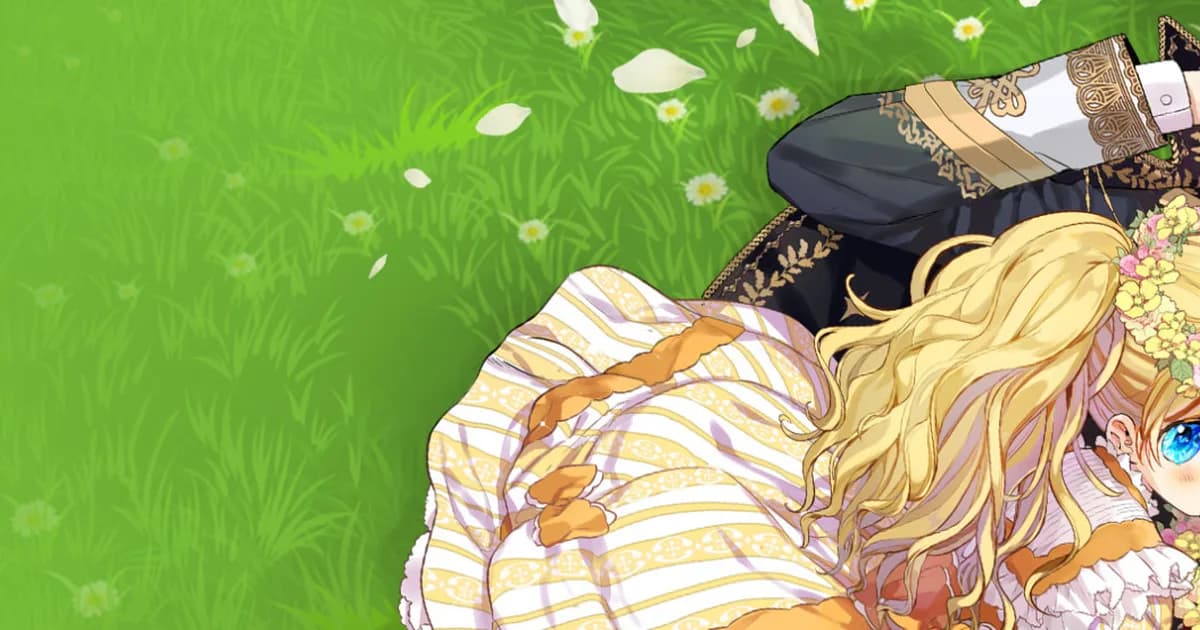
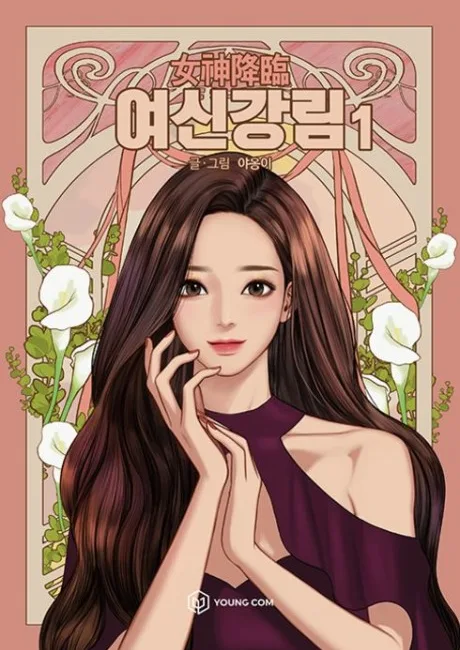 Official cover art for True Beauty by Yaongyi, serialized on WEBTOON. Source: AniList.
Im Jugyeong's transformation isn't just about looking different. The series is specific about what changes and what doesn't: her appearance changes, and with it the immediate social responses she receives. But her anxiety about being seen (the fear that the performance will slip, that someone will see the original face and that will end whatever she's built) doesn't disappear with the transformation. It compounds.
The manhwa gives her internal voice space that the K-drama adaptation couldn't. Jugyeong's running commentary on her own performance, her calculations about who knows what and what that means, her relationship to the mirror that starts as relief and becomes complicated: this is the series' most consistent strength. Appearance anxiety doesn't work the way its treatment in popular media usually suggests. True Beauty is one of the more accurate depictions of how it actually functions.
For other romance manhwa with similarly distinct premises:
Best Romance Manhwa 2026 →
The love triangle
Advertisement
Lee Suho and Han Seojun are the two male leads. The series doesn't configure them as "serious guy" versus "fun guy" or "perfect prince" versus "rough bad boy"; the archetypes are present but Yaongyi uses them as starting points rather than the whole characterization.
Suho knows both versions of Jugyeong early. The dynamic between them is built on a secret shared rather than a performance maintained. His relationship to her is more stable, which makes it less exciting in certain ways that the series acknowledges.
The love triangle is structured around two genuinely different emotional needs, not just rival personalities, so the conflict never reduces to a simple popularity contest.
Seojun's relationship to Jugyeong develops from a different starting point and involves a different set of complications. His arc across the series is one of the more structurally interesting in romance manhwa; the series gives him enough space and development that his resolution, wherever your feelings about the ending land, doesn't feel arbitrary.
The fandom is divided about the ending, as it is for most long-running romance manhwa with a love triangle. This review doesn't spoil the resolution. What's worth noting is that the series earns both paths and doesn't reduce one character to simply being wrong for her.
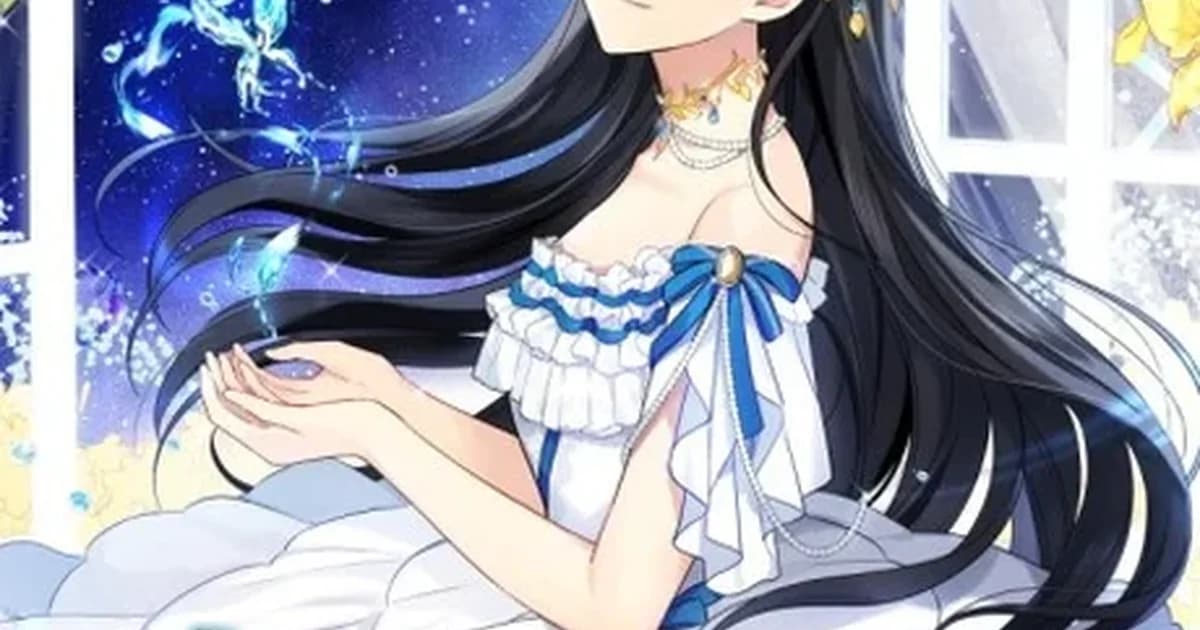
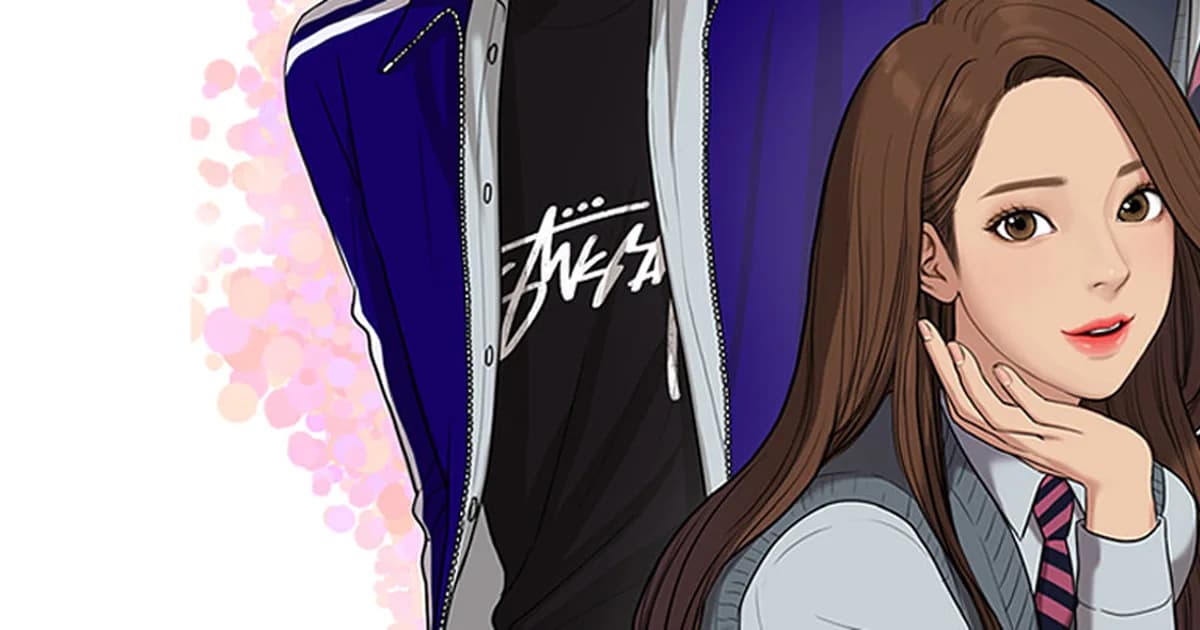
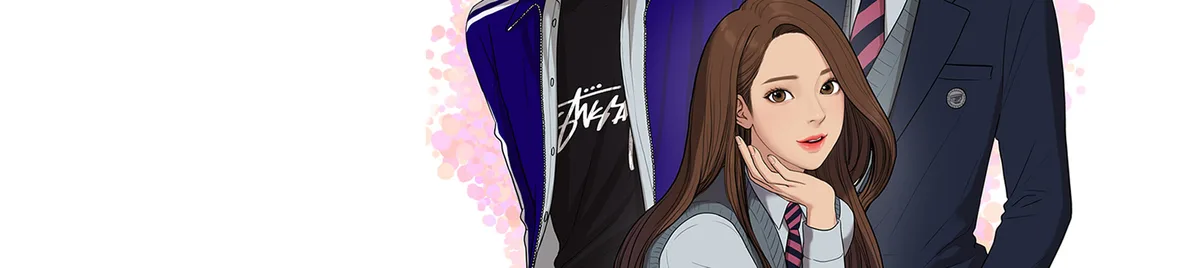 True Beauty promotional banner from the official WEBTOON series page, featuring the main cast. Source: AniList.
Art & Story
The visual approach in True Beauty is doing more work than it first appears. Jugyeong's made-up face and her bare face aren't just the same character in different clothes; Yaongyi draws them with distinct body language, posture, and expression. The made-up version carries herself with practiced confidence; the bare face version reads as smaller, more closed off. It's a visual argument about what performance does to how you hold yourself, not just how others see you.
The chapter layouts during Jugyeong's anxiety spirals use compression (smaller panels, crowded space, repetitive faces staring) in ways that make the internal experience readable rather than described. These aren't decorative choices. They're telling the same story as the dialogue but in a different register.
Yaongyi's character design for the male leads is also specific. Suho and Seojun don't look interchangeable; their visual differences map to their emotional differences. Suho reads as contained; Seojun reads as kinetic. Readers who prefer one over the other often trace that preference back to which visual language resonates more: the still and careful versus the expressive and unpredictable. The series rewards this kind of attention.
True Beauty is one of the strongest completed manhwa in the romance genre; for other series with full endings across all genres, see Best Completed Manhwa →. For reading order, chapter count, and where to start, see the True Beauty reading guide.

The K-drama comparison
This True Beauty manhwa vs K-drama comparison matters because the two versions share a premise but make different choices about Jugyeong's inner life and the ending.
The tvN adaptation (2020-21, with Moon Ga-young and Cha Eun-woo) is a competent adaptation that changes significant plot elements and diverges from the manhwa's second half substantially. Some changes improve on the source for the drama format; others introduce elements specific to the production.
The K-drama's success is partly responsible for the manhwa's readership in international markets. It's also a different story that shares an outline with the manhwa. If you watched the drama and enjoyed it, the manhwa will give you more of Jugyeong's internal voice and a different resolution.
The most notable difference is pacing. The K-drama compresses the manhwa's early chapters and expands certain romantic beats for dramatic effect. Some relationships that develop gradually in the manhwa are accelerated for the episode structure. The manhwa's Seojun and Suho have more individual chapters dedicated to their respective arcs; the drama's handling of Seojun in particular takes a different direction than the manhwa's second half. Neither treatment is wrong. They're different versions of the same characters, and which lands better often depends on which medium you encountered first.
For manhwa that got live-action adaptations and whether they're worth comparing:
Manhwa with Anime Adaptations in 2026 →
The Good
- The 223-episode main story gives the appearance-anxiety premise room to develop.
- Jugyeong's internal voice and the visual contrast between her two appearances carry real emotional weight.
The Cons
- The middle stretch slows down and the later chapters run past the story's natural emotional endpoint.
- The K-drama's popularity can set expectations for an adaptation that takes a different route.
True Beauty Review Verdict
Advertisement
7.5/10. This True Beauty review lands there because the series earns its score: a completed run with a specific premise that it works through honestly. Yaongyi's depiction of appearance anxiety is more accurate than most rom-com treatments allow. The love triangle's two male leads are differentiated in ways that make the series' resolution meaningful rather than formulaic. The pacing issues in the mid-run and the second half's extension beyond the natural emotional conclusion hold it from a higher score.
The manhwa is better than the K-drama at what the original story was doing. Read it before watching, and read the side characters with more attention than the K-drama asks for.
Frequently Asked Questions
Is True Beauty manhwa better than the K-drama?
Yes, in most respects. The manhwa gives Jugyeong's internal voice more space and the transformation premise more specific attention. The K-drama (2020-21, tvN) is a good adaptation that changes significant plot elements. Both versions work on their own terms; the manhwa is the more complete version of the story Yaongyi was telling. Is True Beauty manhwa completed?
Yes. True Beauty's main story concludes at Episode 223 on WEBTOON. AniList catalogs 257 chapters because its count includes a prologue and 33 side stories. There is no ongoing wait for the main story. What is the True Beauty manhwa rating?
This review rates True Beauty 7.5/10. The premise's specificity, the art quality, and the completed run with a real conclusion push it above the typical romance manhwa. Who does Im Jugyeong end up with in True Beauty?
This review doesn't spoil the ending. The love triangle is between Lee Suho and Han Seojun, and the resolution has been discussed extensively in the fandom. The manhwa's ending differs from the K-drama in significant ways. How many chapters is True Beauty?
The main story is 223 episodes and complete. AniList lists 257 chapters when the prologue and 33 side stories are included. WEBTOON carries the official English release under its current access rules. Is True Beauty appropriate for all ages?
True Beauty is generally appropriate for teen readers. The series deals with appearance anxiety, bullying, and relationship drama without explicit content. Some later chapters handle heavier emotional themes. What is True Beauty's premise?
Im Jugyeong is bullied for her appearance at school. She learns makeup and transforms her look, transferring to a new school where no one knows her original appearance. The series follows her navigating a social life built on a performance she's afraid to drop, while developing relationships with people who eventually know both versions of her.
Related Reading
- True Beauty Reading Guide: Episode Breakdown and Where to Start: Arc-by-arc breakdown of True Beauty covering the key story beats and the K-drama comparison in more detail.
- Manhwa Like True Beauty: 8 Romance Picks for the Same Audience: Eight romance manhwa recommendations for readers who finished True Beauty and want the same appearance-anxiety or school-drama tone.
- Best Manhwa to Read in 2026: 20 Series Worth Your Time: Full 2026 reading list placing True Beauty alongside the rest of our romance and completed-series picks.
- Best Manhwa of All Time: Our genre-spanning canon list, where True Beauty represents the romance category.
References
- True Beauty on WEBTOON
- True Beauty K-drama on Wikipedia -- confirms the series became available on Netflix in select territories starting 2023
- r/truebeauty community