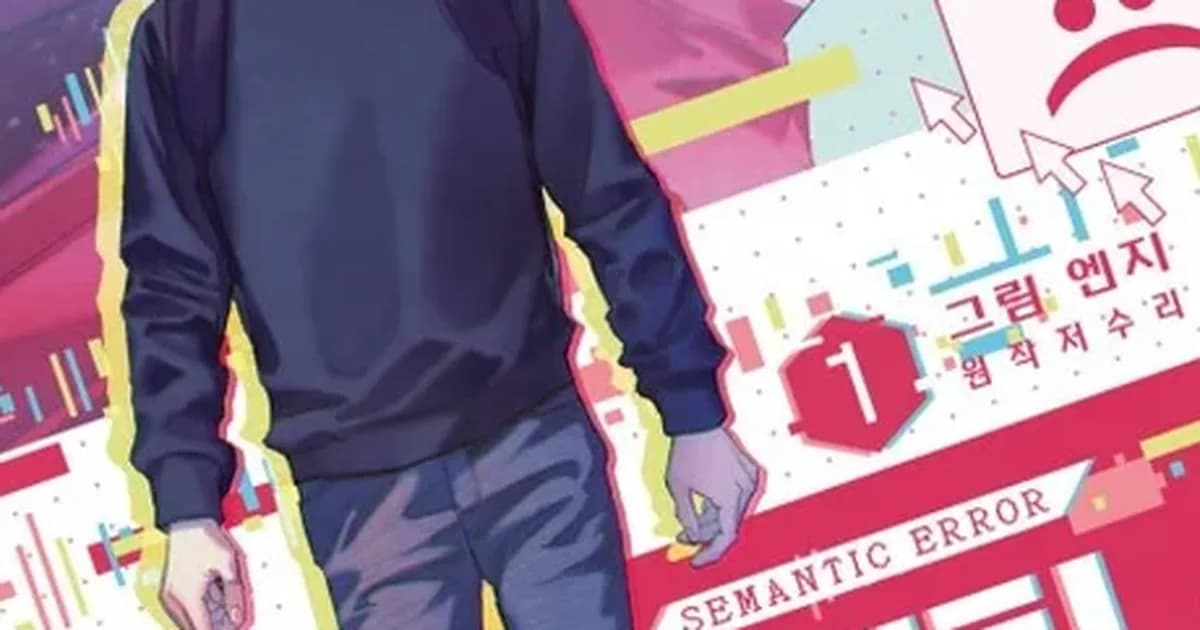
Semantic Error review: this is where most people start with BL manhwa, and where most recommendation lists send new readers.

Reviewing
Semantic Error
J. Soori (story), Angy (art) · Manta / Ize Press
Score
Pros
- Completed at 109 chapters with a real, earned ending. Both characters resolve in ways their personalities make sense, no abrupt cutoff
- Manta currently lists 104 digital episodes, while the complete chapter count is 109
- The character logic is unusually consistent: Sangwoo's rules-based reasoning and Jaeyoung's social fluency never contradict themselves
- K-drama adaptation (Watcha, 2022, 8 episodes) creates a second entry path for readers who prefer visual media first
Cons
- The slow burn is the point, but the middle chapters rotate the same push-pull without forward movement. Readers who want pace will stall around chapter 50
- The stakes are deliberately low: no trauma backstory, no power imbalance driving the conflict. Readers who want heavier dynamics will find this too comfortable
Verdict
Semantic Error is the correct BL manhwa to start with. The character logic is the best thing in it: consistent, specific, and actually funny in the early chapters. It's complete, officially available through Manta and Ize Press, and the ending lands. That combination is rarer than it sounds.
TL;DR: Semantic Error review: 8.7/10. The complete 109-chapter campus BL earns its slow burn through specific character writing and a clean ending.
The consensus is correct. One hundred nine chapters, completed, with official English editions through Manta and Ize Press. There's no easier entry into the genre.
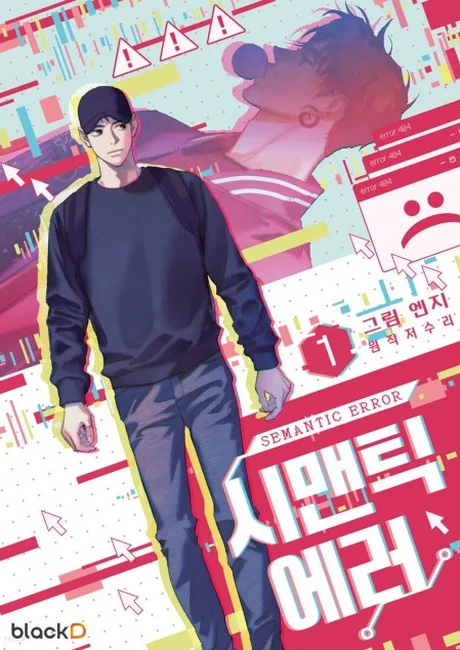 Semantic Error.
Whether the series earns that reputation, or just holds it by default, is what this Semantic Error review is actually about.
Key Takeaways
- Semantic Error review: 109 chapters, completed. Start at Chapter 1; there is no reading-order complexity
- Manta currently lists 104 English digital episodes; Ize Press publishes the six-volume English print edition
- Manta currently labels the digital edition Adult/Mature and Steamy; check the rating before recommending it
- K-drama adaptation (Watcha, 2022, 8 episodes) follows the same premise faithfully
- Rating 8.7/10. The character logic and clean ending are the best arguments for it
- For platform details and the reading guide: Semantic Error Manhwa Reading Guide →
Overview
Chu Sangwoo is a computer science student who believes in correct procedure. When a group project member doesn't contribute, you remove their name from the submission. This is not cruelty. It's the logical outcome.
The member whose name gets removed is Jang Jaeyoung: popular, socially fluent, unaccustomed to being on the receiving end of anything that functions as a public correction. His response is to make Sangwoo's campus life difficult. The title is the setup: Sangwoo is a semantic error in Jaeyoung's world, someone whose behavior follows rules that Jaeyoung's social fluency has never needed to account for.
The incompatibility isn't the obstacle. It's the draw. Sangwoo and Jaeyoung don't overcome their differences to reach a compromise. They discover the friction between their ways of existing is interesting rather than purely annoying. The series holds that line across 109 chapters without losing it, which is harder than it sounds.
For a complete breakdown of BL manhwa by accessibility, content, and completion status:
Best BL Manhwa 2026 →
Art & Story
Jae3's visual style is clean and right for this kind of story. The linework is lighter than the heavy contrast you get in darker BL (Blood Bank, Painter of the Night), which makes sense when the tension is social rather than physical. Character expressions do most of the work. Sangwoo's flat affect and Jaeyoung's performative ease are legible in every panel, and the gap between what each character is showing and feeling is handled visually without requiring dialogue to explain it.
The campus setting is rendered consistently. Sangwoo's computer lab, shared workspaces,
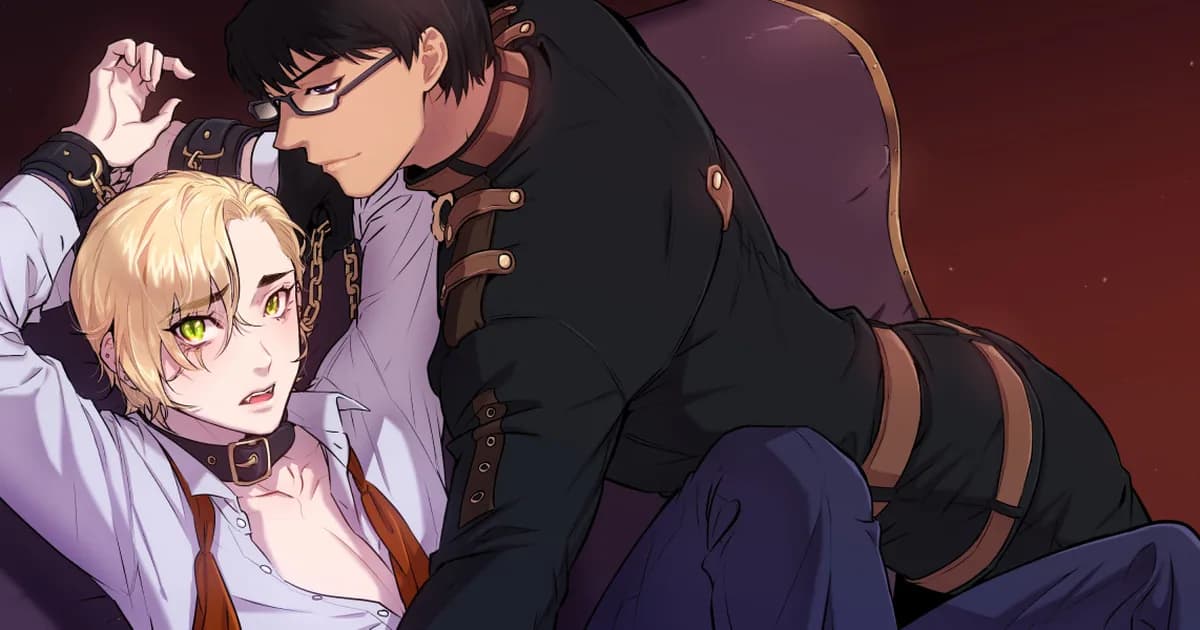
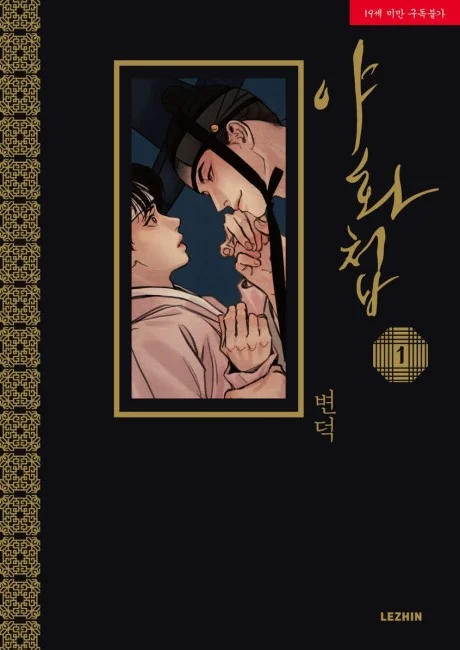 *Painter Of The Night.*the corridors where their paths keep intersecting: the physical space of the story feels like an actual campus rather than a generic backdrop. This matters for a series where proximity is the mechanism: the story relies on Sangwoo and Jaeyoung being unable to easily avoid each other, and the environment makes that plausible.
The Semantic Error review is not going to oversell the art. Compared to Byeonduck's period-specific Joseon work in Painter of the Night, Jae3's campus linework is functional rather than exceptional. The expressiveness makes it work. The technical ambition is lower, and the series doesn't need it any other way.
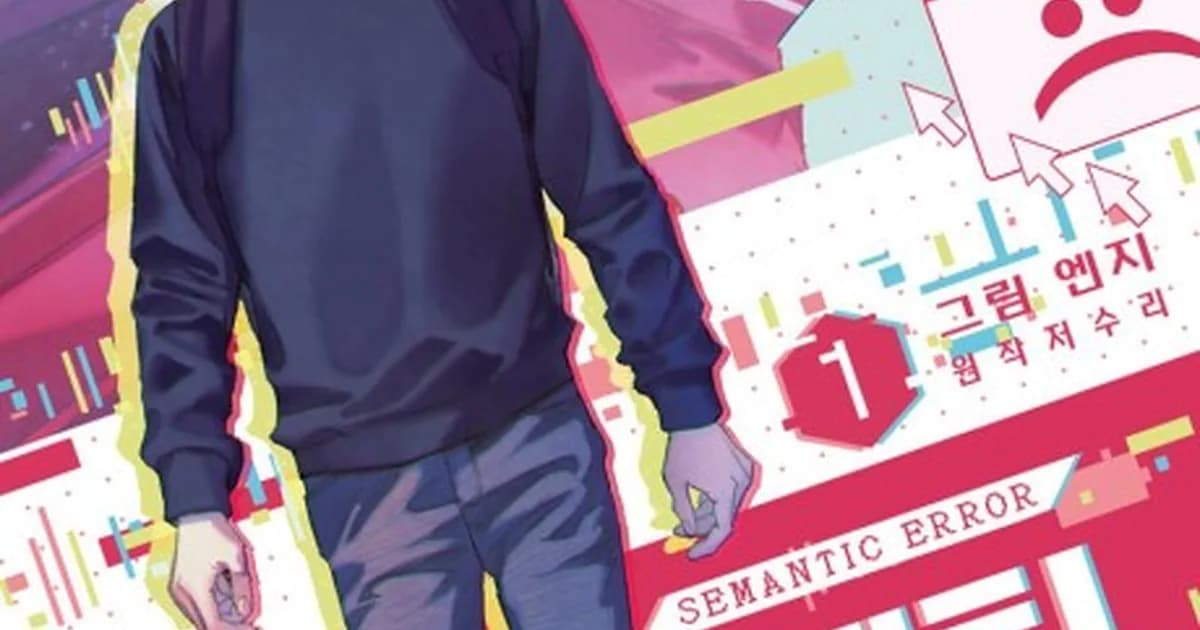
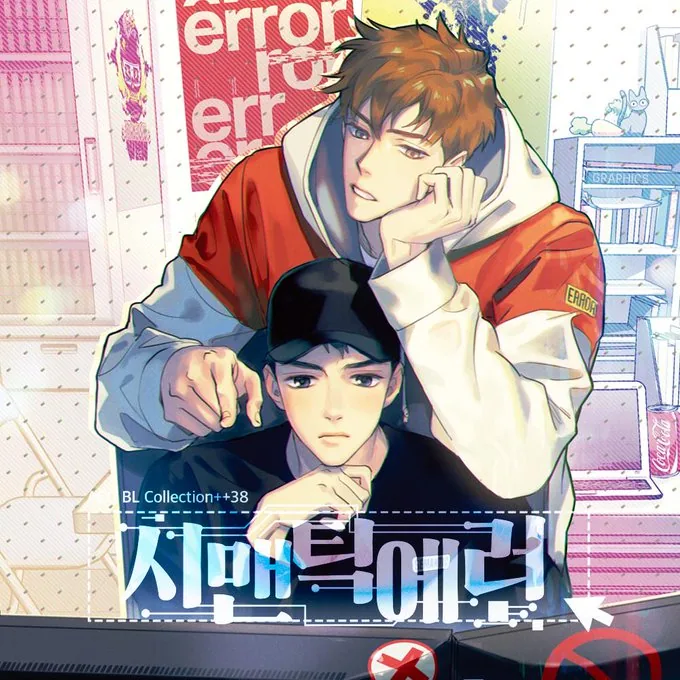 Jaeyoung and Sangwoo carry the series. The campus setting is specific enough to ground what could have been a generic premise.
Semantic Error review: the character writing
Good character writing is easy to claim. The Semantic Error review case for it is specific.
Sangwoo's logic is consistent across 109 chapters. When he makes a decision, you can trace the rules that produced it. When Jaeyoung disrupts his framework, the disruption is specific: Sangwoo doesn't suddenly become a different person, he just encounters scenarios that his rules don't have a prepared response for. His adjustments are character-accurate. He doesn't warm up because the plot needs him to.
Jaeyoung is harder to write correctly, because social fluency as a character trait tends to collapse into charm as a substitute for personality. My Semantic Error review read: it mostly doesn't here. His reactions to Sangwoo are specific: what exactly frustrates him, what catches him off guard, what he finds genuinely interesting rather than just annoying. The series works in both directions, which it doesn't always have to.
The arguments between them are the content. Their positions have actual internal logic, and watching two internally consistent systems collide reads more like character comedy than traditional romance, at least in the early chapters. Any Semantic Error review that wants to be honest has to say this: that's more interesting than the alternative, where characters simply want each other and the plot finds reasons to delay it.
 The character writing is the reason Semantic Error stands above most BL manhwa. The slow build is earned, not stretched.
Pacing: how the slow burn lands
The slow burn label is accurate and comes with a specific warning: the middle stretch of the series rotates the same push-pull dynamic without significant forward movement. Sangwoo and Jaeyoung keep circling the same positions. That's the honest Semantic Error review critique, and it earns it. This is the section that loses readers.
What works is that the accumulation is the point. The payoff in the later chapters is attached to how much time has been spent establishing who these two people are. Skipping the middle doesn't work. You need the buildup to understand why the resolution lands. This Semantic Error review's read on the pacing: the series is structured around earned conclusions, not efficient ones.
The K-drama compression helps some readers: the Watcha adaptation (2022, 8 episodes) moves through the same story more quickly. Either order works: manhwa first for Sangwoo's internal reasoning, drama first for readers who want a visual complete version before committing to the page format. Both arrive at the same ending.
The ending is real. Not a cliffhanger, not "open to interpretation." Sangwoo and Jaeyoung resolve in ways that make sense for who they are. That's the most underrated thing about it: in a genre where ongoing titles frequently outlast their best material, the Semantic Error review finds the 109-chapter complete run to be the right call. Sticking the landing is an actual achievement.
Semantic Error review verdict
The Good
- Sangwoo and Jaeyoung remain character-consistent across the complete run.
- The 109-chapter ending gives the slow burn a real payoff.
The Cons
- The middle stretch repeats the push-pull dynamic and asks for patience.
- Readers seeking heavier BL conflict may find the stakes deliberately low.
This Semantic Error review rates it 8.7/10. Complete at 109 chapters with an ending that earns the buildup. The official English editions are on Manta and through Ize Press, and the character writing is specific enough that it holds up across the full run.
The slow-burn middle section is the honest downside. That stretch asks for patience that some readers won't have, and the series doesn't speed up to accommodate them. The stakes are also deliberately low: no trauma backstory, no power imbalance driving the conflict, no non-consensual dynamics. Readers who want heavier material will find this too comfortable. That's not a flaw in the series. It's what the series is.
For readers new to BL manhwa, the Semantic Error review verdict is clear: this is the right starting point. Start here, then decide where you want to go next. The character logic is the best thing in it. The ending is real. It's free. Nothing else in the genre scores as high on accessibility while still delivering a story worth reading.
For readers already familiar with the genre: Semantic Error is the light end of the spectrum. If you've read Blood Bank or Painter of the Night and want a change of register, this is the right call. If you're looking for something in the same emotional weight class, you already know where to look.
Frequently Asked Questions
Is Semantic Error worth reading?
This Semantic Error review says yes for readers who want a low-stakes, slow-burn BL. The character writing is consistent and the ending is real. Check the current edition rating, because Manta labels its digital listing Adult/Mature and Steamy. The slow middle section is the caveat.
How many chapters?
109, completed. No ongoing continuation or sequel announced.
Is it free?
Manta currently lists the English digital edition as Semantic Error [Full ver.] with 104 episodes. Ize Press publishes the English print edition in six volumes.
Is it appropriate for all ages?
Check the edition rating. Manta currently labels its digital listing Adult/Mature and Steamy, so it should not be described as universally all-ages.
Drama or manhwa first?
Either order works. Manhwa gives you Sangwoo's internal reasoning. Drama moves faster and gives you a visual complete version. Both cover the same story and reach the same ending.
Where to read Semantic Error?
The current English digital listing is Semantic Error on Manta, which lists 104 episodes. Ize Press publishes the English print edition in six volumes.
How does it compare to Painter of the Night?
Different ends of the BL spectrum. Semantic Error: contemporary, complete, low-stakes, and currently tagged Adult/Mature and Steamy on Manta. Painter of the Night: 18+, completed (133 chapters), non-consensual dynamics, paywalled on Lezhin. Semantic Error is the lighter entry point. Painter of the Night is for readers who want the harder end of the genre after they've gotten a footing.
For the arc breakdown and reading order, see our Semantic Error Reading Guide: Manhwa, Drama, and Order.
Related Reading
- Manhwa Like Semantic Error: 7 BL Picks for the Clean End of the Genre: Seven BL manhwa recommendations for readers who finished Semantic Error and want the same low-stakes, character-driven tone.
- Blood Bank Manhwa Review: Full review of Blood Bank for readers ready to move from Semantic Error's contemporary, low-stakes register into heavier BL territory.
- Manhwa Like Painter of the Night: seven non-adult BL and period-drama picks for readers who want a power gap and a historical setting without the 18+ content.