This Doom Breaker reading guide covers 101 chapters across two complete seasons. Season 2 ended March 2024 with a story-complete finale, and the official English listing is still paused after that finale with no return date shown. That makes this the right time to catch up: two full seasons with a defined stopping point.
TL;DR: Doom Breaker has 101 chapters across two complete seasons on WEBTOON. The official English listing is paused after Season 2 and shows no return date. The series is a regression manhwa darker in tone than Solo Leveling: Zephyr carries grief and rage, not just foreknowledge. Both seasons have a clean stopping point.
Use this Doom Breaker reading guide for the arc breakdown, what distinguishes this series in the regression genre, where to read it legally, and whether the hiatus should factor into your decision.
For another regression series where accumulated failures are the mechanic, see our The 31st Piece Turns the Tables Reading Guide.
Doom Breaker reading guide: key takeaways
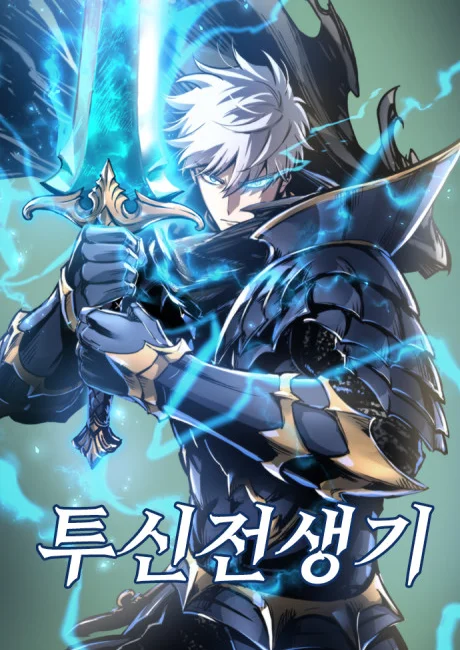 Doom Breaker.
- Doom Breaker has 101 chapters across two complete seasons; the official English WEBTOON listing currently ends at Episode 101 with no return date shown
- The protagonist Zephyr regresses to the past as a branded slave with only his memories: no system window, no immediate power, no safety net
- Available free on WEBTOON in English; Korean original on Naver Webtoon
- Physical volumes published by WEBTOON Unscrolled (Vol. 1: ISBN 9781990259883)
Overview
The regression premise in Doom Breaker is framed differently from most entries in the genre. Zephyr isn't a dungeon hunter who found a loophole, or a player who gamed a system until it looped back. He's the last human warrior standing against Tartarus, the god of destruction, after the gods themselves abandoned humanity to the demons. He dies fighting. He loses. Humanity loses.
The gods who had been watching his battles for entertainment decide to grant him another shot, but they're clear they're doing it for their own amusement. Zephyr is sent back ten years before the final battle, back to when he was a branded temple slave with no status, no power, and no freedom.
That starting position matters. Where Solo Leveling's Sung Jin-Woo begins weak and climbs a system, Zephyr begins with total knowledge and no tools. He knows which enemies are coming, which allies can be trusted, which paths lead to dead ends. He has to re-earn everything else from scratch while pretending to be someone who doesn't know what's coming.
The gods' gifts complicate this. They grant him abilities, but none of them are clean. Buffs usable only three times in a lifetime. Spells that delay damage until mana runs out, at which point accumulated damage hits all at once. Abilities that dodge death but bind the user to a god's service. Every advantage comes with a real cost. The story doesn't let Zephyr be invincible. It lets him be smarter.
Our Doom Breaker review covers the dark fantasy premise, art quality, and overall verdict.
Doom Breaker Review →
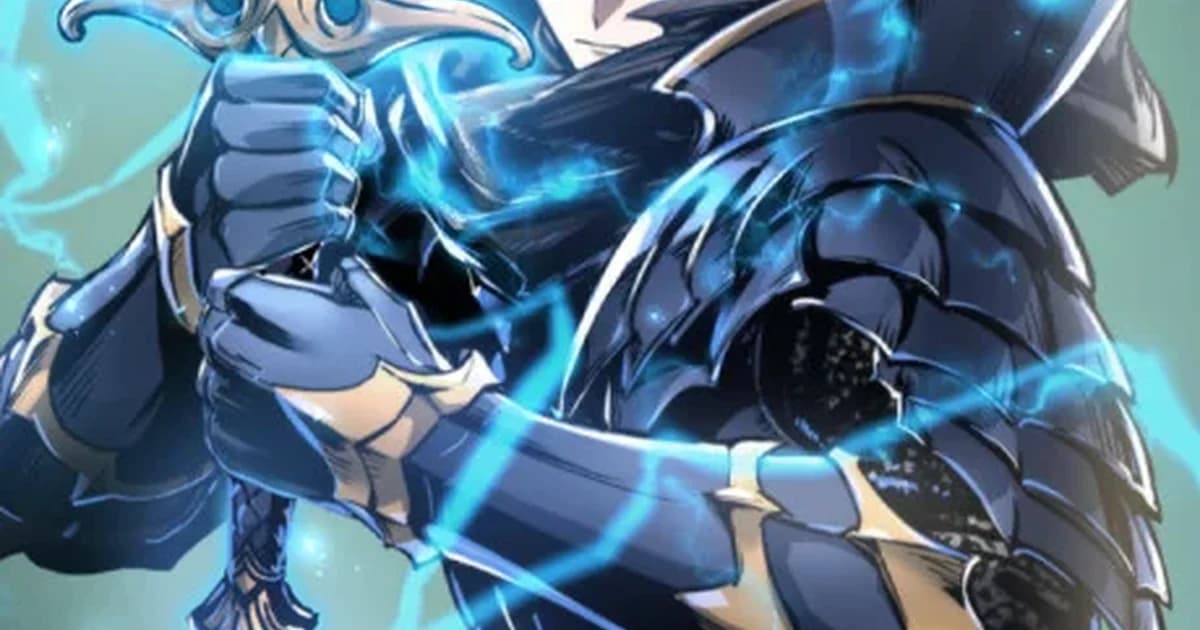
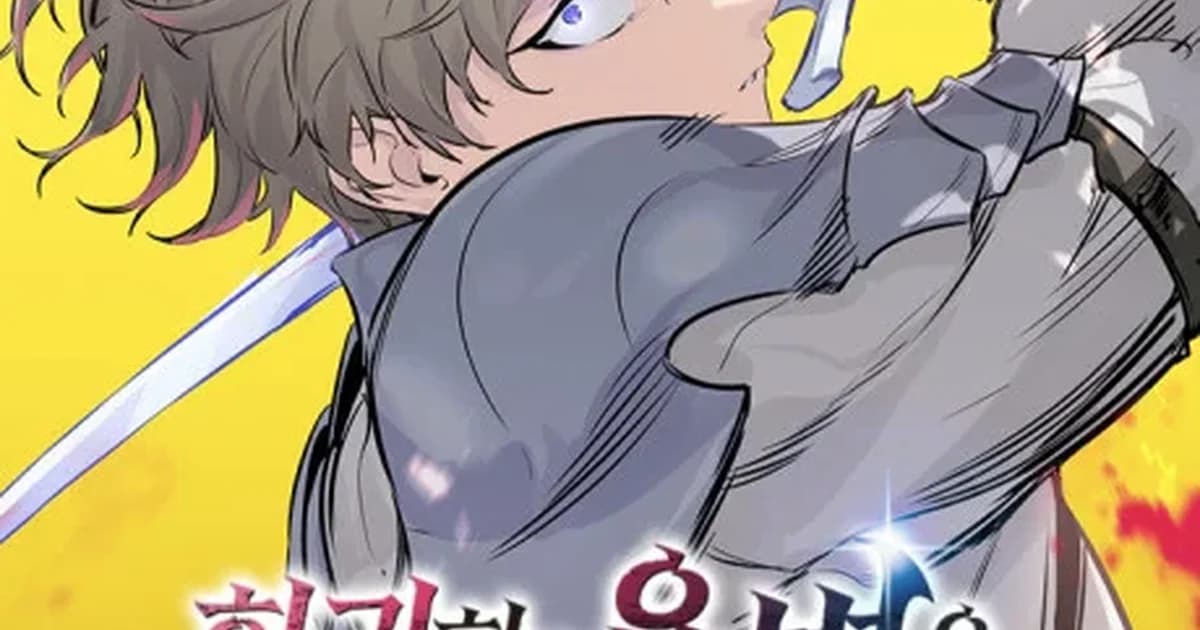
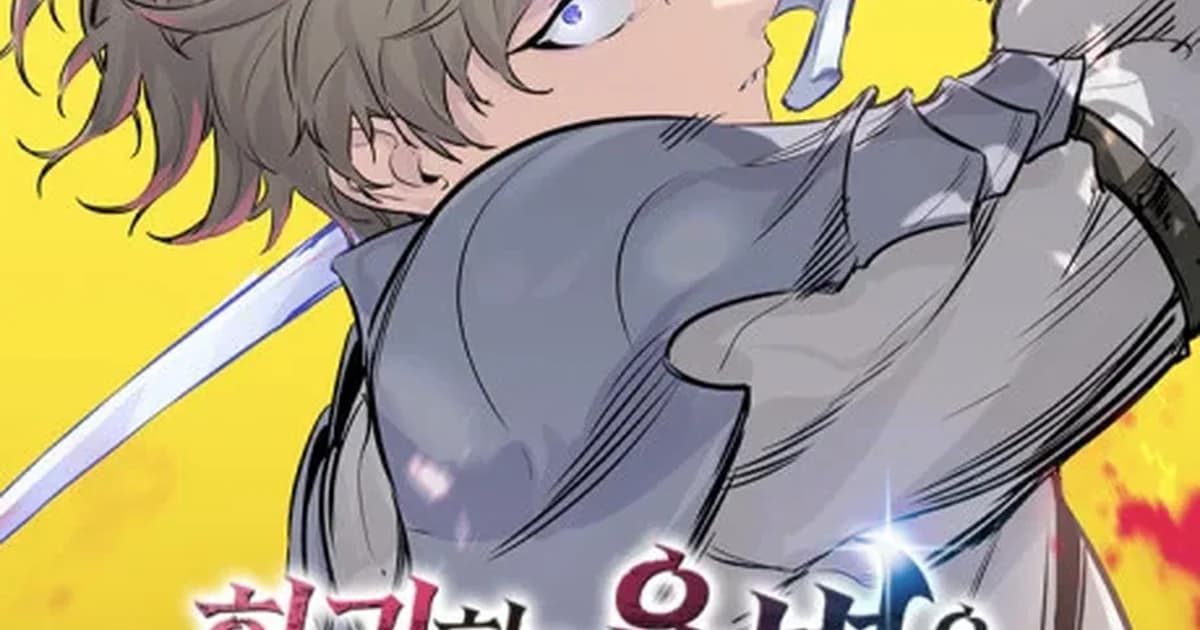
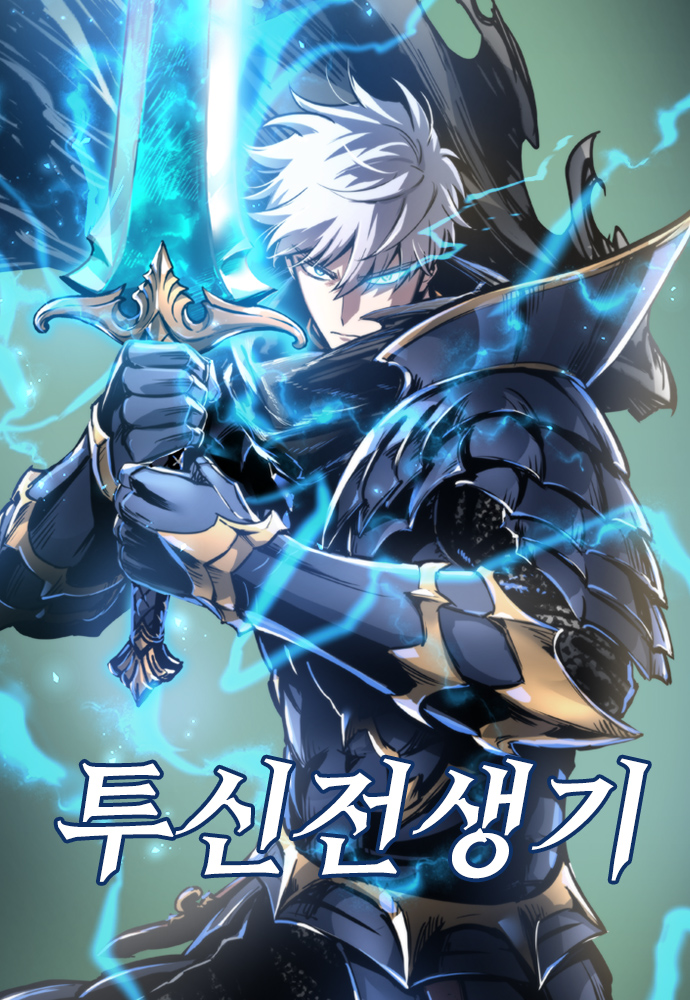
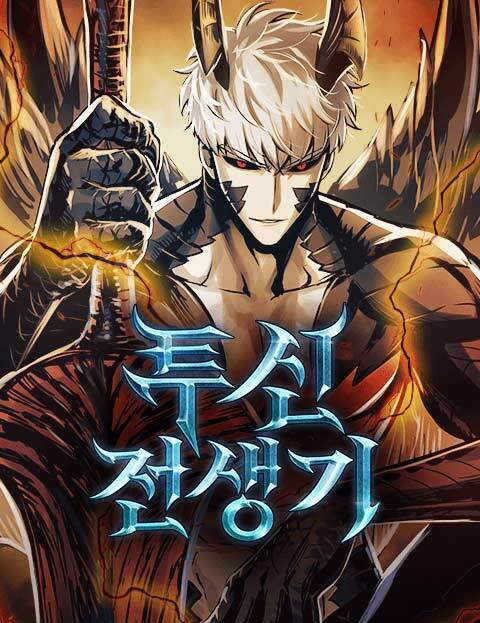 Doom Breaker Season 1 cover. The regression premise places Zephyr at the end of everything, then sends him back.
Step-by-Step
1. Start on WEBTOON at Episode 1: The official WEBTOON listing currently ends at Episode 101, the Season 2 Finale. Start from the beginning rather than skipping ahead; the opening chapters set up the slave-brand constraint that shapes everything else.
2. Commit to the first 20 chapters before judging the pace: The slave-brand arc is intentionally slower than genre norms because Zephyr starts with no power and no legal standing. The payoff for that restraint comes once his allies and plans start converging later in Season 1.
3. Read Chapters 1-60 as one complete block (Season 1): Season 1 closes at a real arc boundary rather than a cliffhanger, so treat it as a finished unit before deciding whether to continue.
4. Refresh who Altair, Fade, and Dariel are before starting Season 2: If you read Season 1 quickly, go back and note the allies Zephyr rebuilds. Season 2 expands their roles significantly, and knowing them beforehand makes the wider conflict land harder.
5. Read Chapters 61-101 through the Season 2 Finale: Episode 101 released globally on WEBTOON on March 9, 2024, and the ending is story-complete, not a mid-arc cut. That makes it a clean stopping point.
6. Decide how to handle the pause: The official English listing remains paused after Episode 101 and shows no return date. Reading all 101 existing chapters now gives you a complete stopping point while the continuation timing remains open.
7. Branch into a comparison series while you wait: For the genre benchmark, see the Solo Leveling review. For a structurally similar but tonally warmer regression story, see the Return of the Blossoming Blade reading guide.
Season Breakdown
Season 1: Chapters 1-60: From Slave to Threat
Season 1 starts at the bottom on purpose. Zephyr wakes in the temple with the slave brand on his shoulder, which kills anyone who strays too far from the institution that branded them. He has no money, no weapons, and no legal standing. What he has is a detailed memory of the next ten years and the anger of someone who watched humanity fall.
The early arc is about constraints. The slave brand isn't just a plot device. It's a structural limit that forces Zephyr to solve problems with knowledge rather than power. He can't simply run. He can't challenge the people above him directly. He has to maneuver. A recurring character in this period is White Rose, a nun affiliated with the temple who casually and cheerfully suggests Zephyr sell off his organs when he runs out of options. The dark comedy in these early chapters keeps the opening from becoming a pure suffering exercise.
The arc builds toward Zephyr establishing credibility and connections. He has allies from his previous life: people he remembers, people he knows are trustworthy, people he's going to need before Tartarus arrives. Recruiting them again, without explaining how he knows them, is the engine of Season 1's character work.
Season 1 ends with Zephyr a recognizable threat rather than a slave. It closes at a real arc boundary, not a cliffhanger.
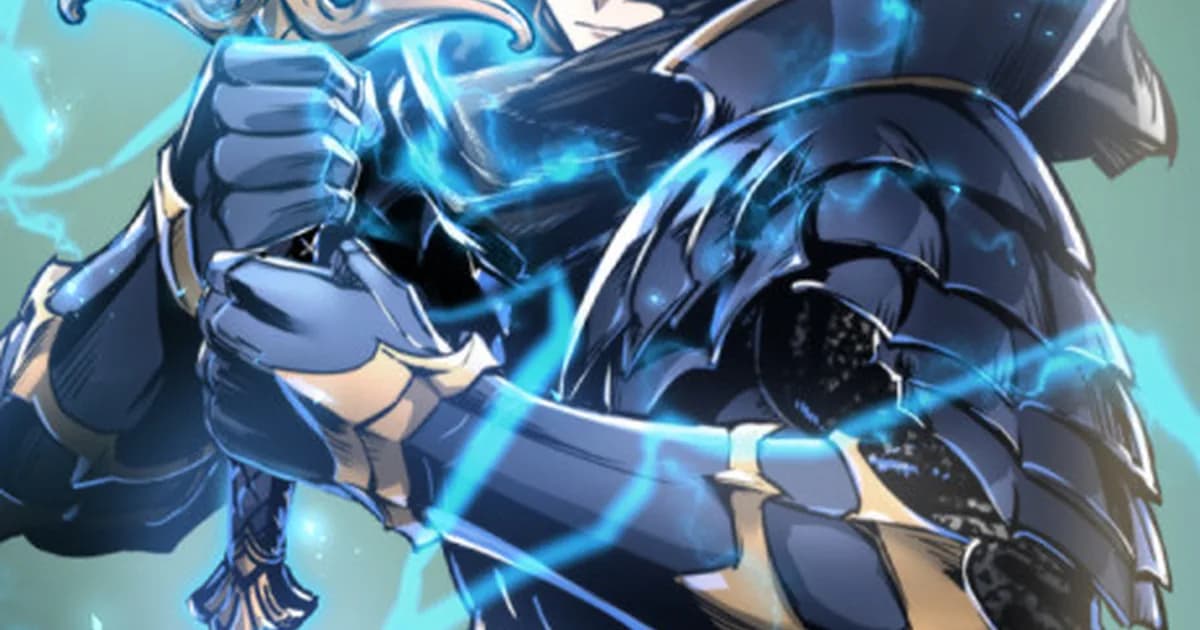
Season 2: Chapters 61-101: The Blue Dragon Arc and Beyond
Season 2 opens with the Blue Dragon Raid Arc. Zephyr is no longer at the bottom, but the enemies have scaled accordingly. Season 2 widens the world: more factions, larger-scale conflicts, more pressure on the alliances Zephyr rebuilt during Season 1.
The key cast from Season 1 expands here. Allies like Altair, Fade the King of Poisons, and Dariel the Divine Archer take on more significant roles, and the widening conflict brings in antagonist-faction players too. Ned Stryer, for one, is introduced as the 9th-highest ranking Tartarus Worshipper, infiltrating the Temple of Light disguised as an Inquisitor under Mathias Grimmer, not as a friendly face. Season 2 is where the series commits to its ensemble, on both sides of the fight. Zephyr's foreknowledge is still an advantage, but it's increasingly his relationships that determine whether he can convert that advantage into something lasting.
The art scales with the stakes. Cheongdam's fight sequences in Season 2 are significantly more elaborate than Season 1's, with dense environmental detail and full-page spreads used for moments that earn them.
Season 2 ends with Episode 101, the Season 2 Finale, released globally on WEBTOON on March 9, 2024. The ending is story-complete, not a mid-arc cut. Season 3 will continue the story, not resolve something left dangling.
 The arc structure across both seasons shows how the series uses Zephyr's foreknowledge differently each time.
Tips
Start at Episode 1 and commit to the first 20 chapters before evaluating. The slave-brand constraint makes the opening feel slow compared to some regression manhwa that front-load action. That restraint is deliberate: the payoff requires knowing how limited Zephyr is at the start.
The gods are not benevolent and the story knows it. When abilities arrive as divine gifts, read the fine print. Cheongdam builds genuine tension into the power system by making every advantage conditional. The three-use-lifetime buff limit isn't forgotten. It comes back at exactly the wrong moment.
Secondary characters carry more of Season 2 than you might expect. The ensemble Zephyr builds in Season 1 isn't decoration. If you read Season 1 quickly, go back before starting Season 2, because knowing who Altair and Ned are before they become central makes Season 2 land harder.
The pause has a clear reading boundary. The official English listing ends at Episode 101, labeled the Season 2 Finale, and does not show a return date. Reading the complete 101-episode run now means you reach a real stopping point rather than an abrupt mid-arc cut.
Doom Breaker and Second Life Ranker scratch different itches. Second Life Ranker uses a dead brother's diary as a proxy for foreknowledge, and its emotional core is grief and inherited purpose. Doom Breaker's foreknowledge is direct and personal. Zephyr lived through the defeat. That's a different emotional weight. Both are worth reading; they aren't redundant. Our Second Life Ranker reading guide covers the arc structure there if you want to compare before starting.
For a full breakdown of the comparison series, see our Second Life Ranker Review.
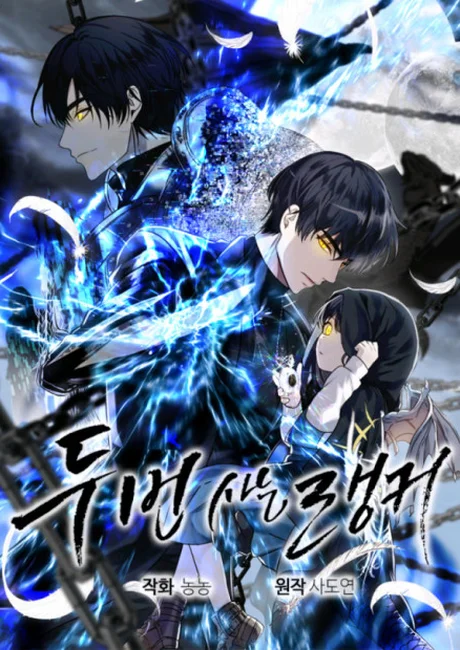 Second Life Ranker.
Our best action manhwa list covers top dark fantasy and revenge-arc reads like Doom Breaker.
Best Action Manhwa 2026 →
Where to Read Doom Breaker
WEBTOON (English): webtoons.com. The official page lists the series under Action and ends at Episode 101, the Season 2 Finale. The current page does not show a Season 3 return date.
Naver Webtoon (Korean): Korean original for readers who follow in Korean. The WEBTOON English release historically runs about 4-6 weeks behind the Korean publication.
Print volumes: WEBTOON Unscrolled has published physical editions. Volume 1 (ISBN 9781990259883) is available through major retailers. Multiple volumes currently in print.
Related Reading
If what this Doom Breaker reading guide describes (the raw version of regression rather than the power-fantasy version) appeals to you, a few series share adjacent qualities.
The benchmark comparison for any regression manhwa is Solo Leveling. Solo Leveling is cleaner, faster-paced, and more stylized. It's the place to start if you're new to the genre. Doom Breaker is where you go when you want something that hits harder emotionally.
For the progression mechanic with cultivation-era Korean fantasy aesthetics: Return of the Blossoming Blade reading guide covers an ongoing series where the protagonist regresses into a murim-era Korea with full foreknowledge of his previous life. Structurally similar but tonally very different: warmer, more patient with its characters.
For the widest net of what to read after either of the above: manhwa like Solo Leveling covers the system-fantasy and regression space, including Doom Breaker in the recommendations.
For a name-by-name breakdown of Zephyr's world, verified against AniList's character database rather than a fan wiki, see the Doom Breaker character guide.
For a practical way to compare the ISBN and publisher record of a physical copy, see How to Spot Bootleg Manga: 7 Checks Before Buying Online.
Frequently Asked Questions
This Doom Breaker reading guide covers the common questions below.
How many chapters does Doom Breaker have? 101 chapters total. Season 1: Episodes 1-60. Season 2: Episodes 61-101. The official English listing is paused after the Season 2 Finale.
Is it finished or on hiatus? The official English listing is paused after Episode 101 and does not show a Season 3 return date. Treat the continuation timing as unconfirmed.
Where can I read it? WEBTOON in English, free with ads. Naver Webtoon for the Korean original. Print volumes from WEBTOON Unscrolled.
What is it about? Zephyr, humanity's last warrior, dies after the gods abandon the world to Tartarus. Gods send him back ten years into the past as a temple slave. He keeps his memories and nothing else. He has to rebuild from zero with foreknowledge.
Who wrote and drew it? Cheongdam, published under the pen name Blue-Deep.
How does it compare to Solo Leveling? Solo Leveling is a wish-fulfillment story with clean pacing and minimalist art. Doom Breaker is darker, angrier, and carries more emotional weight. Zephyr's foreknowledge makes him effective, but the art and tone make it feel costly rather than triumphant.
Should I read it during the hiatus? Yes. 101 complete chapters, no mid-arc cut. Season 3 will arrive after a long wait, so reading now puts you in position to be current when the community is active.
Does it have a physical edition? Yes. WEBTOON Unscrolled has published multiple print volumes. Volume 1 is ISBN 9781990259883.