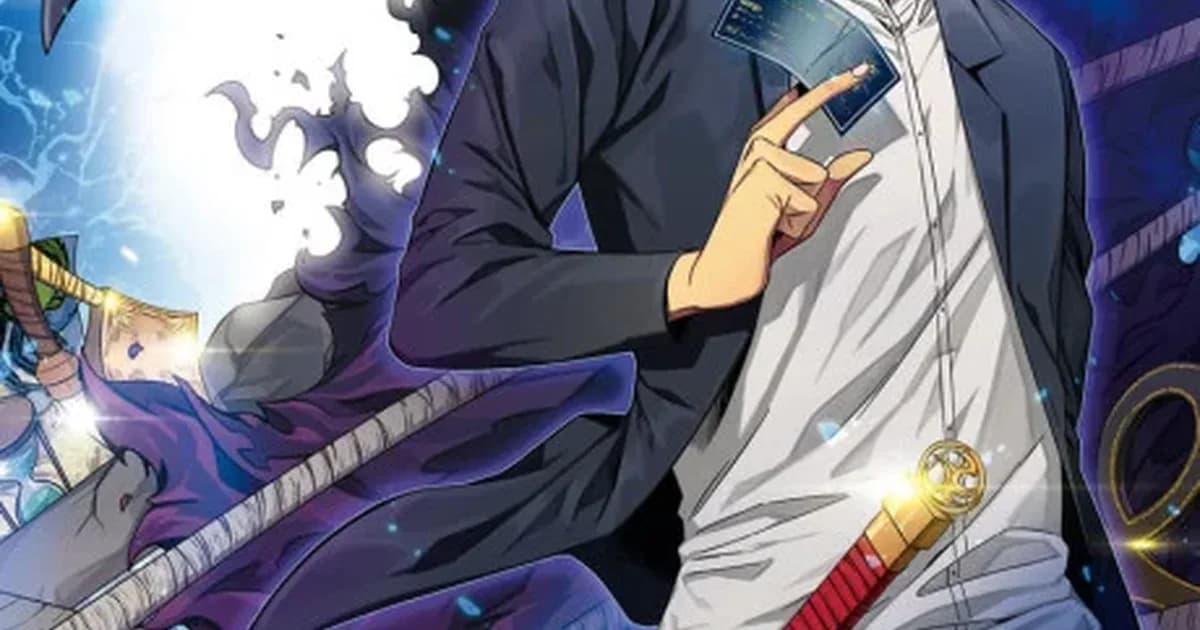

The SSS-Class Revival Hunter reading guide in one paragraph: there are 151 chapters in English, over four seasons on Tapas, and the series isn't finished. Season 5 started in Korean on KakaoPage on September 26, 2026. The English side is still paused, and Tapas, which shuts down on March 31, 2027, hasn't given a date. Start at episode 1, read in order, and give it until the murim arc before you decide whether it's for you.

Reviewing
SSS-Class Revival Hunter
Neida (story), No-A Sin (original novel), Bill K (art) · Tapas Entertainment
Recent updates:
- October 19, 2026: Season 5 is out in Korean, so "on hiatus" is now only true of the English edition. Added a season-by-season chapter table from the publisher's KakaoPage notices and the Tapas episode list, and where the big arcs start.
- October 8, 2026: corrected the novel's English release (Wuxiaworld has an official licensed translation; we previously said only fan translations existed) and the mechanic (the 24-hour reset is the Flame Emperor's regression skill, copied; we previously said this was not a regression story). Added Tapas's end of service, and removed anime staff and chapter-number details we could not source.
SSS-Class Revival Hunter reading guide: seasons and chapters
| Season | Chapters | Korean run (KakaoPage) | English (Tapas) |
|---|---|---|---|
| 1 | 1 to 40 | from December 31, 2020 | posted |
| 2 | 41 to 80 | ended July 2022 | posted |
| 3 | 81 to 115 | May 26, 2023 to March 8, 2024 | posted |
| 4 | 116 to 151 | December 6, 2024 to September 5, 2025 | posted; last chapter December 7, 2025 |
| 5 | after 151 | since September 26, 2026, Fridays | not yet |
Tapas counts 154 episodes, not 151, because it numbers three extras: the prologue, a crossover special between chapters 24 and 25 (a contest with I Married the Male Lead's Dad), and a "Special Announcement: End of Season 1" after chapter 40. The last English episode is "151. 200-Year Shell Dominator."
In Korea, the publisher Fansia runs Season 5 the way it ran the last two: five weeks of chapters, then a week off. Going by Season 4, English chapters trailed the Korean ones by about three months. Don't count on that pattern this time. Tapas closes on March 31, 2027, it hasn't posted any Season 5 news, and it hasn't said where its series go next.
The premise fits in one line: Gong-ja Kim copies abilities by dying, and the first ability he copies lets him go back in time. Story is by Neida, art by Bill K, and the original web novel by No-A Sin (credited on Tapas and Yen Press as Sinnoa). Tapas's translation calls him Confucius Kim; AniList and the anime use Gong-ja Kim, his Korean name.
How the death mechanic works
The mechanic is two skills stacked together, not one. The first is Gong-ja's own skill, which copies abilities but only through his death. The second is the one he copies first: when the Flame Emperor kills him, he gets the Flame Emperor's regression skill. The fan wiki describes how that first death plays out: it "activated his S+ skill which allowed him to copy Flame Emperor's regression skill, thus returning 24 hours before he was killed."
So it is a regression story, just an unusual one. The time travel is borrowed from the man who killed him, the jump is only a day, and dying is the way in. The anime's synopsis frames the cost from the start: Gong-ja, "a weak F-rank Hunter," gains "a rare S-rank skill, with one catch: he must die to activate it." The fan wiki calls the skill card "I Want to Be Like You!" and lists it as S+.
That's why reading in order matters more here than in most system fantasy. The rules of what Gong-ja can copy, and what each death costs him, are set up in the first chapters ("A Loser's Envy," "The Real Flame Emperor," "Skill Activation"), and every later fight depends on them.
For how SSS-Class Revival Hunter compares to other system fantasy series in the genre:
Best System Fantasy Manhwa →
Gong-ja Kim and the cast you meet first
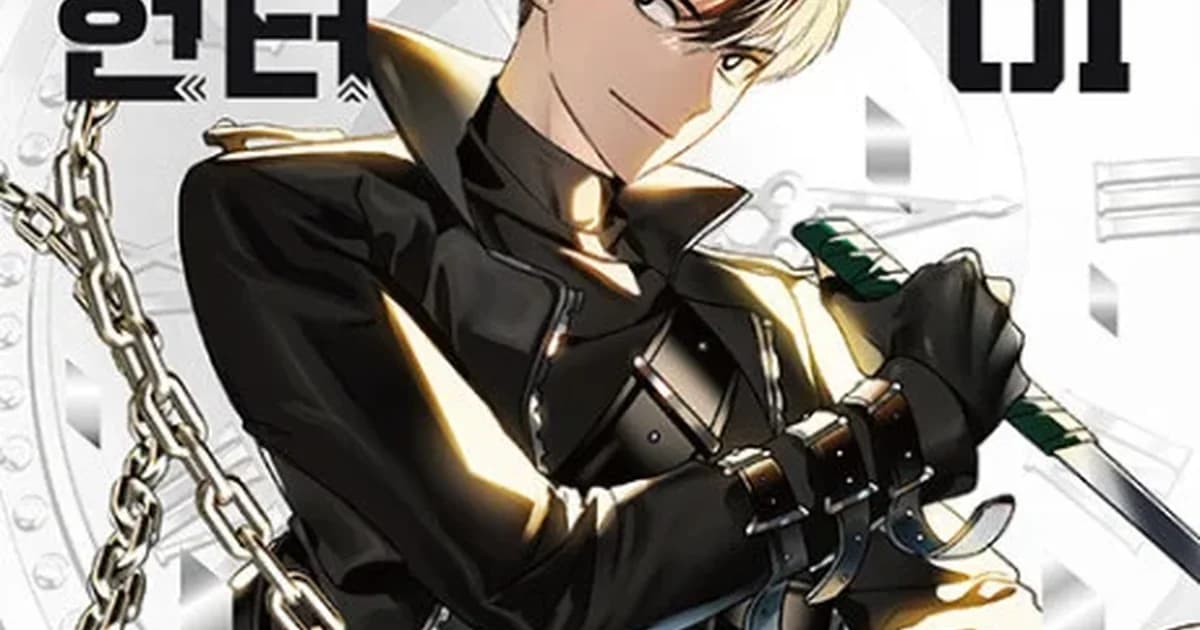
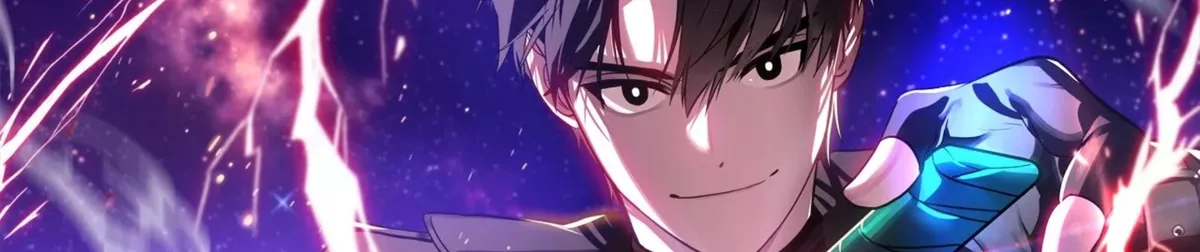 SSS-Class Revival Hunter banner. Banner via AniList.
Gong-ja starts at the bottom. The fan wiki describes him as an F-rank hunter who was an orphan before entering the Tower, bullied by people who looked down on him and envious of the elite. His rank history on the same page runs from F up through E, D, C, B, A and S to SSS, so the title is where he ends up, not where he starts.
AniList's main cast is Gong-ja Kim and the Sword Emperor (Geom-Je). The supporting cast includes the Flame Emperor (So-Ha Yu), the Black Witch (Anastasia Zelenska) and the Heresy Inquisitor (Bambollina). For the full cast with roles: SSS-Class Revival Hunter characters guide.
The arcs: where each one starts
Nobody official publishes an arc map. What we can show is where the official chapter titles and the series' own records put each turn, so treat these as starting points, not borders.
| Arc | Starts around | What marks it |
|---|---|---|
| 10th floor | chapter 14 | Tapas title "The 10th Floor"; the floor's boss is the Hellfire Maiden |
| 20th floor | cleared in chapter 44 | "20th Floor, Cleared"; the boss is Preta, the Demon King of Fall Rain |
| Murim (floor 22) | chapter 54 | "Demonic Everything"; AniList puts the Demonic Faction story on Floor 22 |
| Raviel (romance) | chapter 84, Season 3 | "Romance of the Book Treaders," then "Golden Hibiscus and Silver Lily"; Raviel Ivansia is Lady Silverlily |
| Escape quest | end of Season 4, into Season 5 | Fansia's Season 4 notice: the Sanwa tribe against six races (our translation) |
The murim arc is the one that matters for new readers. A reader who posted on r/SSSClassSuicideHunter that they'd reached chapter 54 and found it "just alright" got the subreddit's standard answer in the top reply: "The murim arc is highly rated by the community. I'd say finish it then decide if you still want to continue or not." Another told them they were "literally right at the start of the arc that elevated it from decent to amazing for most of us."
The arc after it splits people. One reader in the same thread called "the arc of Raviel" "even better," while another, who counts it among their top romances, admitted "a lot of people have issues with it," mostly "the pacing and romance development." If you came for tower fights, that's the stretch where you'll find out how patient you are.
The pattern fits what a Wuxiaworld reviewer says about the finished novel: "several arcs are deconstructions of usual genres, like murim, villainesses, demon kings." Each floor drops Gong-ja into a new genre, tests the death mechanic against it, then moves on.
For a broader view of where SSS-Class Revival Hunter sits among this year's picks:
Best Manhwa to Read in 2026 →
Where to read SSS-Class Revival Hunter (and the Tapas deadline)
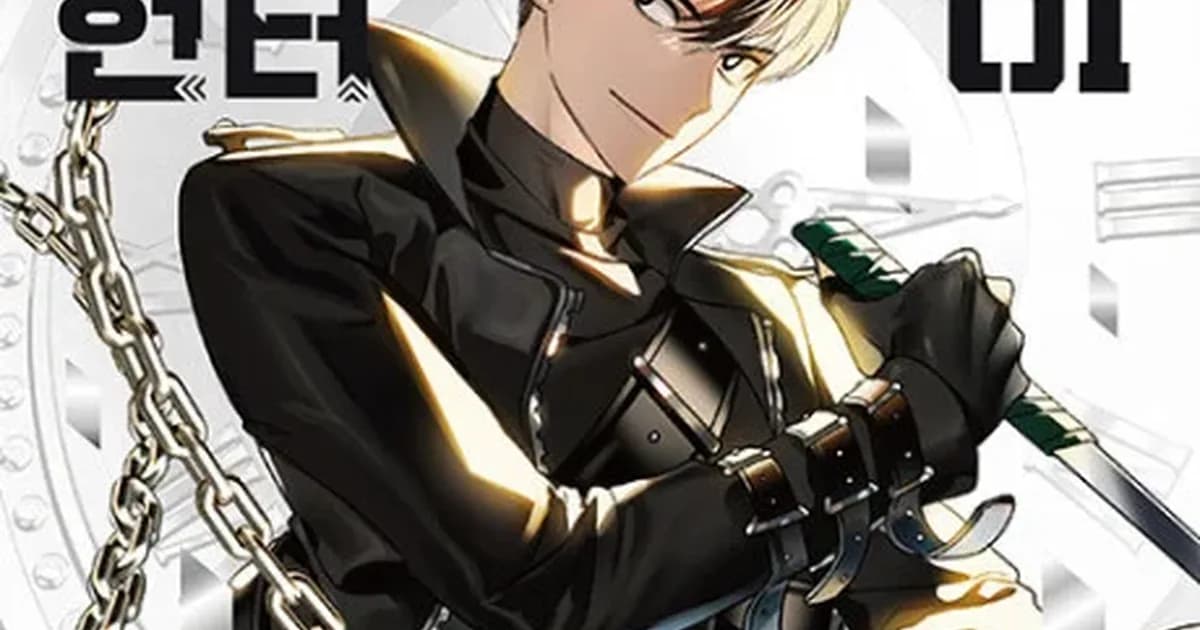
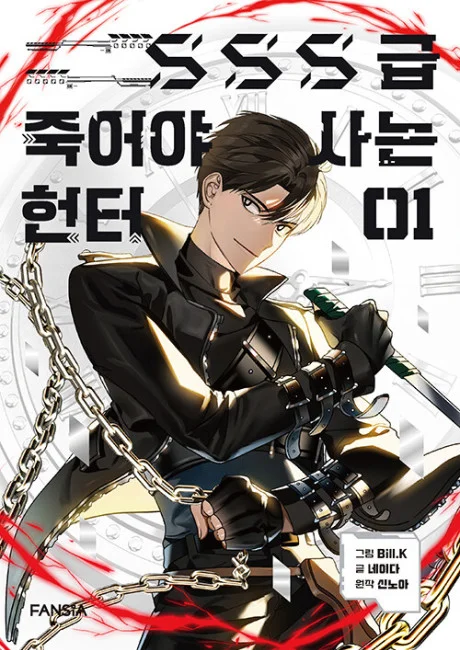 SSS-Class Revival Hunter by Neida, Bill K and Sinnoa. Cover via AniList.
The official English webcomic is on Tapas as SSS-Class Revival Hunter; episode 1 is free. Yen Press publishes the print edition, crediting Bill K (artist), Neida (adapted by) and Sinnoa (original author). The Korean original is on KakaoPage and Kakao Webtoon, and that's the only place Season 5 is running.
The deadline matters for anyone buying episodes. Tapas published an end-of-service FAQ: the "end of tapas service: march 31, 2027 at 23:59 pt." After that, readers "will no longer be able to access tapas, including any previously unlocked content." Free ink stopped on October 1, 2026, and Tapas says unlocked content "cannot be transferred to another kakao service or platform." Think twice before buying a large batch of episodes.
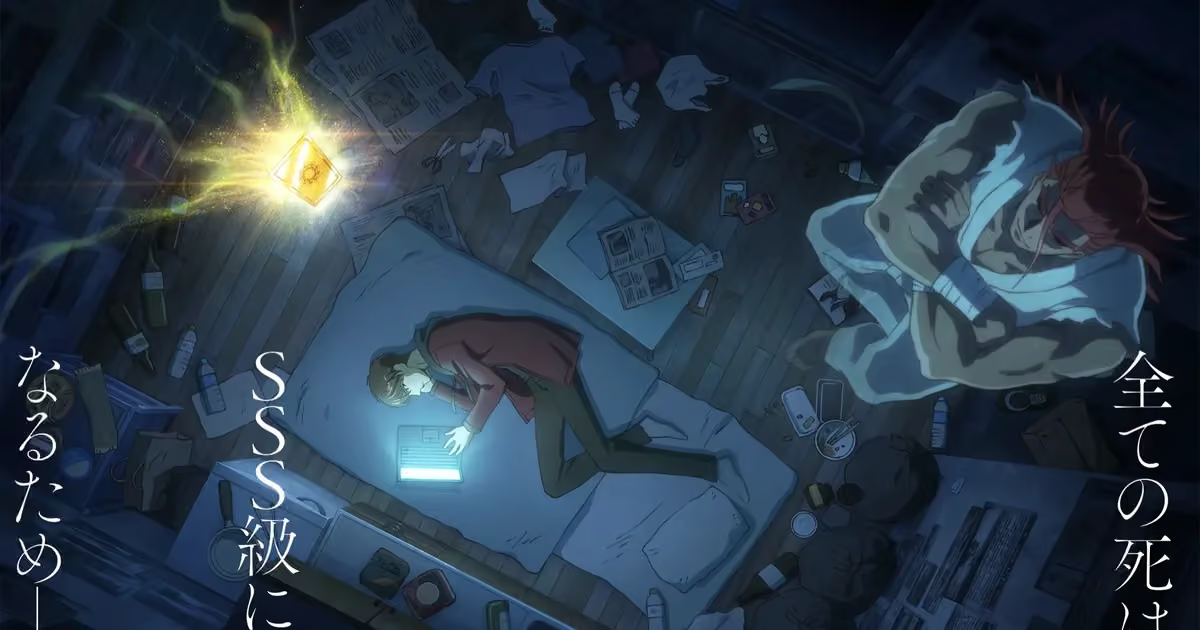
The anime is the other route in. AniList lists SSS-Class Revival Hunter as a TV series for January 2027 with STUDIO fu as the main studio, and Crunchyroll will stream it "worldwide, excluding parts of asia." Cast and staff details are in our SSS-Class Revival Hunter anime guide. Crunchyroll's official teaser:
Official teaser via Crunchyroll on YouTube.


SSS-Class Revival Hunter vs. similar series
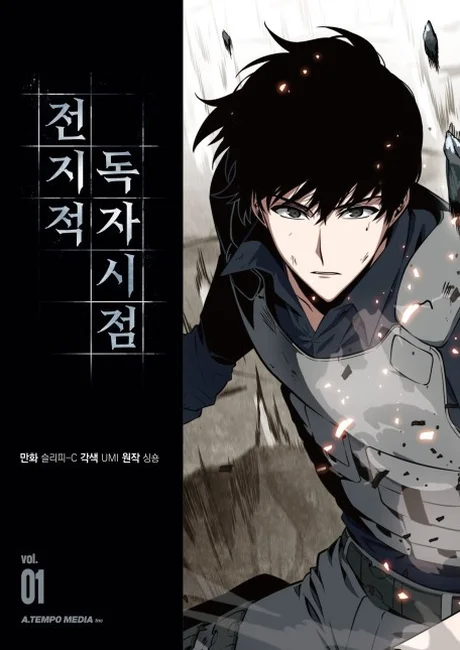 Omniscient Reader's Viewpoint by Sleepy-C, UMI and Singsyong. Cover via AniList.
Most manhwa like SSS-Class Revival Hunter lists land on other tower and regression series. The fair comparison point is foreknowledge: Gong-ja's edge is a day of a future he has already lived through and died in.
Omniscient Reader's Viewpoint is the closest companion: another protagonist whose advantage is knowing what comes next, and a story that cares what that knowledge costs. Solo Leveling is the common comparison for the bottom-ranked-hunter start, though its power curve is about accumulation rather than dying. Return of the Blossoming Blade and other murim regression series share the second-chance premise in a martial arts setting.
Step-by-Step
The SSS-Class Revival Hunter reading guide in five steps:
1. Start at episode 1 on Tapas: Search for SSS-Class Revival Hunter, the official English title. The prologue is free and sets up the Tower and the hunter ranks.
2. Read the first numbered chapters without skipping: They establish the copy skill and the 24-hour regression, which every later chapter relies on.
3. Push to the murim arc before judging: It starts around chapter 54, and it's where most readers say the series turns.
4. Read through the end of Season 4: That's the last English chapter. Season 5 is out only in Korean so far.
5. Plan around the Tapas shutdown, then decide on the novel: Don't stockpile episodes you can't finish before Tapas closes. The web novel on Wuxiaworld is complete, so it spoils the ending; read it only once you've accepted that.
SSS-Class Revival Hunter reading guide: two tips
Read slowly through the early chapters. The point of each death is what it teaches Gong-ja, and that only lands if you track what he knew before and after the reset.
Keep the title confusion in mind when searching: Tapas, Yen Press, Wuxiaworld and the anime all use SSS-Class Revival Hunter. SSS-Class Suicide Hunter is the alternative title AniList lists for the same series, and it's the name the subreddit still uses.
Manhwa vs. web novel: whether to switch
Switching is possible and official now. Wuxiaworld lists the novel as "completed" with 400 chapters, "licensed from sinnoa/ jayplemedia," translated by Namu, and it gives "1 free chapter every 23 hrs." The novel's status in Korean is completed, so it covers the full story.
Where to jump in is a reader estimate, not an official mapping. A post on the series subreddit says: "If you're caught up on the Manhwa and want to read the novel you can start on chapter 160." In the same thread, another reader points to the licensed release: "Wuxiaworld is fully translated, and the officially licensed release."
Our Take
New to it? Read the manhwa on Tapas in order and finish before the shutdown, or wait for the January 2027 anime. Judge it at the murim arc, not at chapter 20. If you're caught up and can't wait for an English Season 5, we'd go to the licensed novel rather than hunt for Korean raws, as long as you're fine knowing the ending.
How We Checked This
On October 19, 2026 we read the publisher Fansia's notices on the series' KakaoPage page (season starts and finales from 2022 to 2026), pulled the full Tapas episode list (all 154 titles, used for the arc table), re-checked the Tapas hiatus notice, and read the r/SSSClassSuicideHunter "Does it get better?" thread. The October 8 pass covered Tapas's end-of-service FAQ, AniList's records for the manhwa and the anime, the official anime site, Yen Press, Wuxiaworld, the fan wiki's Gong-ja Kim page and Crunchyroll's teaser. Each fact has a row in our sources table with a quoted line from the page.
Last reviewed: October 19, 2026
Frequently Asked Questions
How many chapters is SSS-Class Revival Hunter?
151 in English, over four seasons; Tapas shows 154 episodes because the prologue and two extras are numbered too. The web novel is complete at 400 chapters.
Is it on hiatus? When will it resume?
Only in English. Season 5 started in Korean on KakaoPage on September 26, 2026; Tapas hasn't given a date.
SSS-Class Suicide Hunter or SSS-Class Revival Hunter?
Same series. SSS-Class Revival Hunter is the official English title; SSS-Class Suicide Hunter is an alternative title for the Korean SSS-geup Jugeoya Saneun Hunter.
Is there an anime?
Yes: a TV anime in January 2027 from Studio fu, streaming on Crunchyroll.
What happens when Tapas shuts down?
Tapas ends service on March 31, 2027, and unlocked content can't be accessed or transferred to Kakao Page or Kakao Webtoon after that.
Should I switch to the web novel?
Only if you accept spoilers: it's complete and licensed in English on Wuxiaworld. One reader suggests starting at novel chapter 160 after catching up on the manhwa.
Related Reading
- SSS-Class Revival Hunter review →
- SSS-Class Revival Hunter Characters: Names, Titles, Guilds →: the cast, verified against AniList.
- Best System Fantasy Manhwa →
- Best Manhwa to Read in 2026 →
- Best Completed Manhwa →