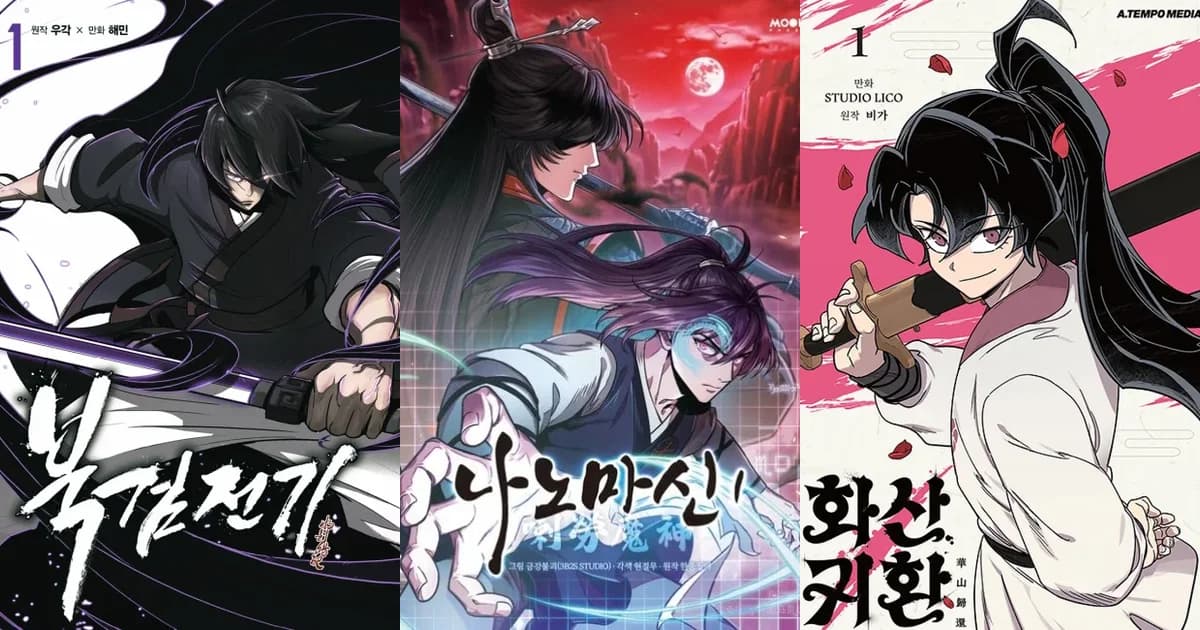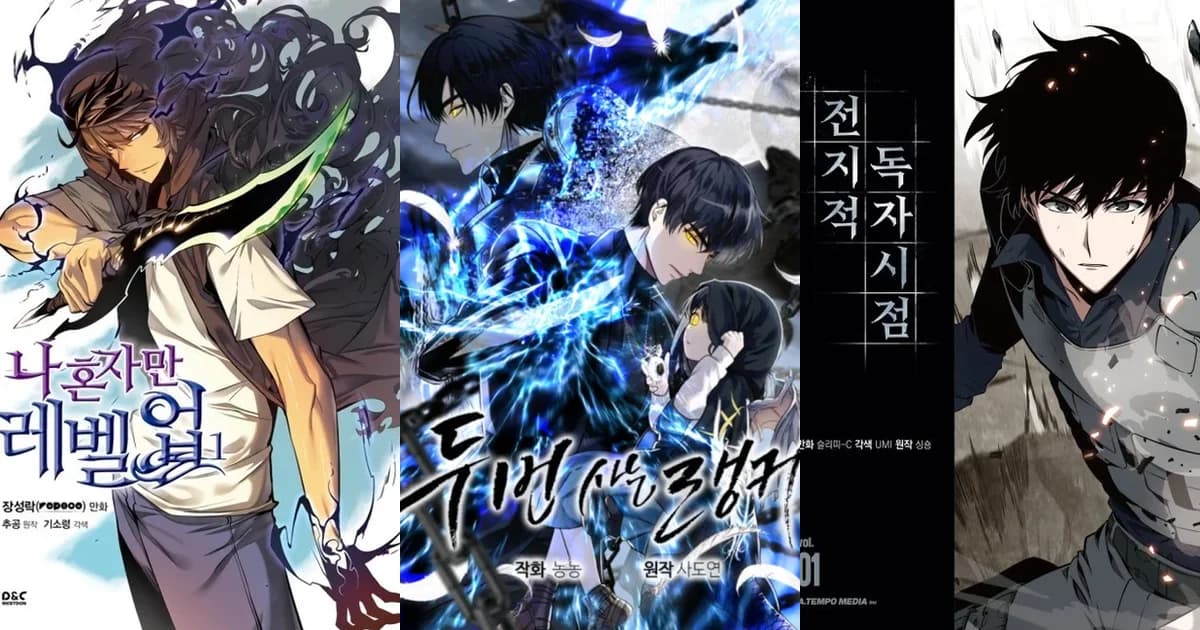
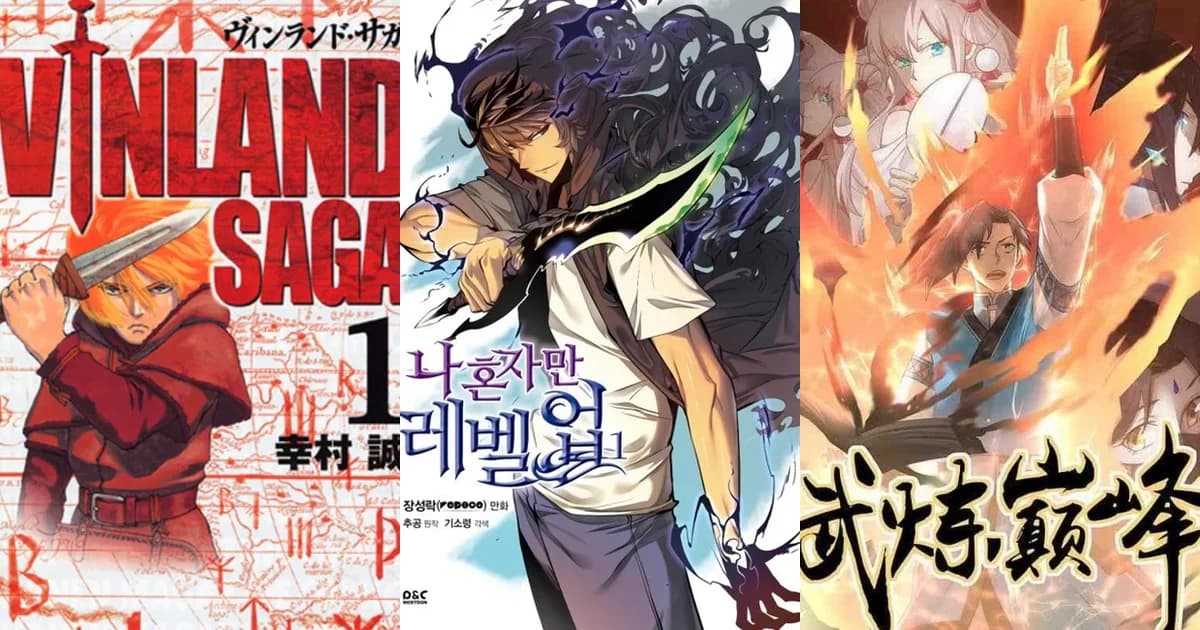
TL;DR: Manga vs manhwa vs manhua comes down to more than country of origin. Manga (Japan) is still mostly black-and-white and reads right to left. Manhwa (South Korea) has largely moved to full-color, vertical-scroll webtoons. Manhua (China, Hong Kong, Taiwan) sits in between, increasingly digital and colored like manhwa, but published under noticeably tighter content review. The country-of-origin explanation you've read elsewhere is correct but incomplete.
This is a terminology and format guide, not another recommendation list. If you searched for the difference between manga manhwa and manhua, the useful answer is origin plus edition, not a fixed art stereotype. For Chinese series by genre, use Best Manhua 2026: 10 Chinese Series Beyond Cultivation; for Chinese comics that are specifically finished, use Best Completed Manhua: 8 Finished Chinese Comics to Read. This page explains the labels and reading experience so those two lists do not compete with the comparison intent.
Key Takeaways
- Manga is Japanese, manhwa is Korean, manhua is Chinese (including Hong Kong and Taiwan), and that part every explainer gets right.
- The bigger practical difference in 2026 is publishing format: manga is still mostly black-and-white print-first, while manhwa and a growing share of manhua are full-color, phone-native webtoons.
- Naver Webtoon and KakaoPage built manhwa's global reach; manhua's equivalent platforms (Bilibili Comics, Tencent Comics, Kuaikan Manhua) operate under noticeably tighter Chinese content regulation, which changes what actually makes it onto the page.
- Reading direction still splits along the same lines it always has: manga right to left, manhwa top-to-bottom scroll, manhua somewhere in between depending on whether it's print or digital-first.
- Donghua is manhua's answer to anime: the animated adaptation format, sometimes in 3D CGI, a detail most "manga vs manhwa vs manhua" explainers skip entirely.
Manga vs Manhwa vs Manhua: The Basics
Short answer: manga is the Japanese category, manhwa the Korean category, and manhua the Chinese category; those labels identify origin, not a guaranteed art style. In practice, manga remains strongly page-based, while modern manhwa and manhua often use vertical scroll. The comparison table below separates reliable patterns from stereotypes.
| Check | Manga | Manhwa | Manhua |
|---|---|---|---|
| Origin | Japan | South Korea | China and Chinese-language publishing regions |
| Common reading direction | Right to left on traditional pages | Top to bottom for webtoons; page editions vary | Mixed: page editions and vertical-scroll releases both exist |
| Common current format | Print or digital pages | Phone-first vertical scroll is common | Mixed print, digital-page, and vertical-scroll formats |
| Color tendency | Black-and-white remains common | Full color is common on webtoon platforms | Full color is common digitally, but not universal |
| Official platform examples | Kodansha, K MANGA | WEBTOON, Tapas, Tappytoon | Webnovel, Tencent, Bilibili, Kuaikan |
| Verified examples | Vinland Saga on AniList and Kodansha | Solo Leveling on AniList and Tappytoon; 7FATES: CHAKHO on AniList and WEBTOON | Lord of Mysteries on AniList and Webnovel |
The live entity check matters because format shorthand can hide a status mistake. AniList currently records Vinland Saga as JP, FINISHED, 224 chapters, and isAdult=false; Solo Leveling as KR, FINISHED, 201 chapters, and isAdult=false; 7FATES: CHAKHO as KR, FINISHED, 53 chapters, and isAdult=false; and Lord of Mysteries as CN, RELEASING, with no chapter total and isAdult=false. The linked official platforms are separate edition checks.
Start with the part that's genuinely simple. Manga, manhwa, and manhua are just the words for "comics" in Japanese, Korean, and Chinese, respectively. Nothing more mystical than that. A manhwa isn't a genre or an art style on its own; it's a comic that originated in South Korea, whatever it looks like or is about.
Where people get tripped up is assuming the country label also tells you the format. It used to, mostly. For decades, manga, manhwa, and manhua all looked roughly similar: black-and-white ink on paper, serialized in magazines, collected into tankobon-style volumes. That's not really true anymore, and the gap is only getting wider.
Manga has stayed closest to that original model. The weekly magazine system, Shonen Jump being the most famous example, still drives how most manga gets made: black-and-white, print-first, chapter-by-chapter. Digital simulpubs exist now, but they're built to replicate that same weekly print cadence rather than reinvent it.
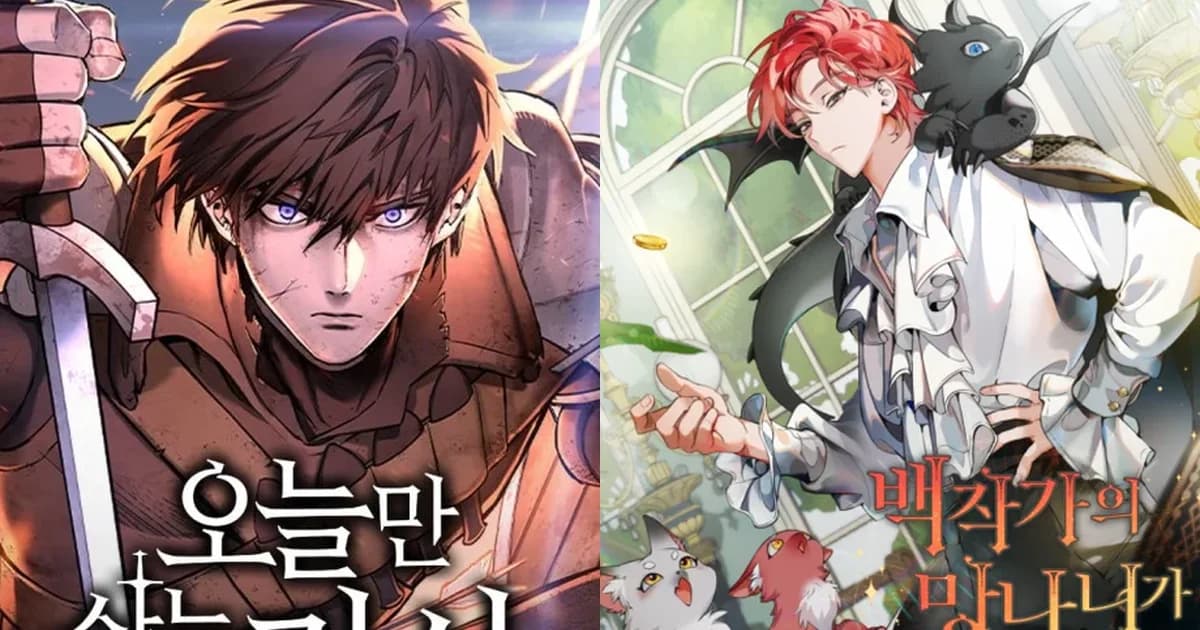
Manhwa took a different road. South Korea's comics industry restructured itself around Naver Webtoon and KakaoPage well before print manga's digital push caught up, and the vertical-scroll, full-color webtoon became the default format rather than an alternative one. If you've read a manhwa published after roughly 2015, there's a good chance you scrolled it on a phone rather than flipped a page.
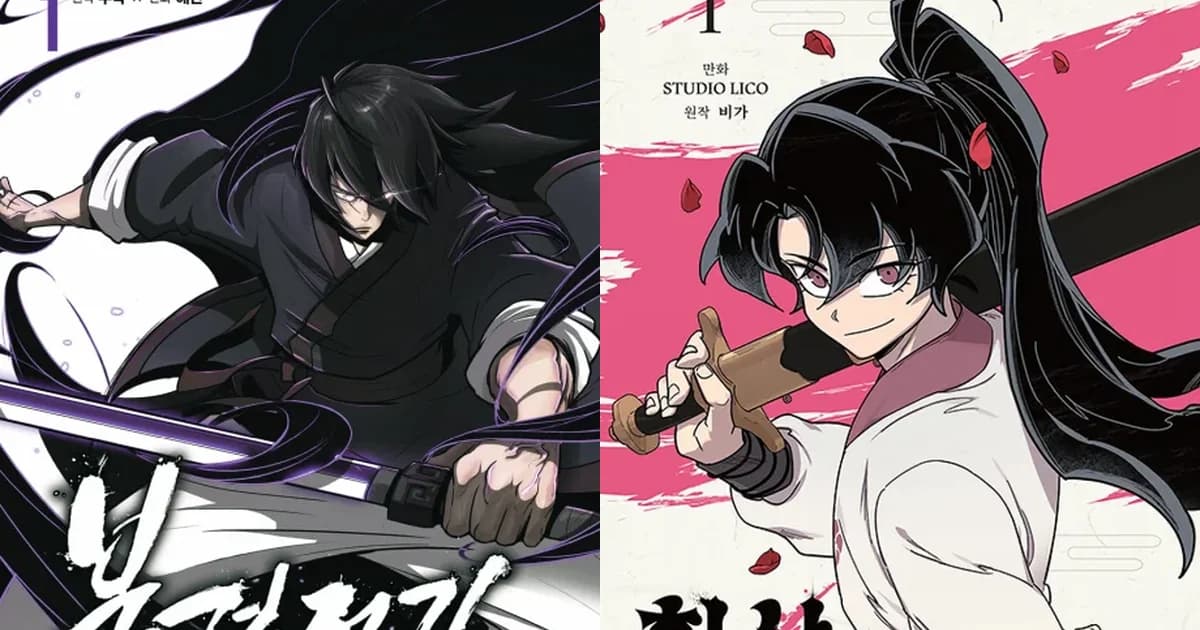
HYBE's 7FATES: CHAKHO is a good example of a full-color, phone-native webtoon. Its AniList record identifies the Korean series as FINISHED with 53 chapters and isAdult=false, while the official WEBTOON listing marks the English series Completed.
Reading Direction, Color, and Art Style Aren't Just Trivia
Advertisement
Short answer: reading direction and color reflect the edition's publishing format, not a hard national rule. Traditional manga is usually right-to-left and black-and-white; modern webtoon manhwa is usually top-to-bottom and full-color; manhua can be either page-based or vertical-scroll. Treat these as defaults, not tests.
These three differences get repeated everywhere, and they're worth actually explaining rather than just listing.
Reading direction comes from print-book conventions each country's publishing industry inherited. Manga reads right to left because that's how Japanese books have always been bound; when a manga gets an official English release, publishers either flip the whole thing (rare now, and controversial with artists) or keep the original right-to-left order and let readers adjust. Manhwa sidesteps the question almost entirely: a webtoon is one long vertical strip, so there's no left or right to argue about, just scroll down.
Color is less about culture and more about economics. Black-and-white printing is cheap at scale, which is exactly what a weekly magazine printing hundreds of thousands of copies needs. A webtoon has no print run, no ink cost, no page count constraint, so color became the default the moment the platform did. Manhua splits the difference: plenty of manhua is still print-first and black-and-white, but the newer wave of Chinese webcomic platforms looks a lot more like a manhwa app than a manga magazine.
Art style differences are the least reliable of the three, honestly. General trend-spotting (manga leans stylized, manhwa leans toward detailed realism, manhua often carries wuxia and cultivation-genre visual conventions) holds up as a broad pattern, but individual artists break it constantly. Treat this one as a loose tendency, not a rule you can identify a comic's origin from at a glance.
Where the Real Differences Show Up: Platforms and Business Models
Short answer: the official platform often tells you more about how a comic feels than its label. Manga commonly arrives through publishers or manga apps, manhwa through WEBTOON, Tapas, or Tappytoon, and manhua through Webnovel, Tencent, Bilibili, or Kuaikan. Those routes shape episode packaging, payment, and update cadence.
This is the part most comparison pages skip, and it's arguably more useful than the origin-country trivia.
Naver Webtoon launched in 2004 and grew into the platform that effectively defines what "webtoon" means today; it expanded internationally in 2014 under the LINE Webtoon brand, which is how most non-Korean readers first encountered the format. KakaoPage runs the other major manhwa ecosystem, built around a "wait or pay" model: read for free if you're willing to wait out a timer between chapters, or pay to unlock immediately. That single mechanic is a huge part of why manhwa serialization feels different to read than manga, where the whole week's chapter just drops at once.
Manhua's platform side runs through Bilibili Comics, Tencent Comics, Kuaikan Manhua, and licensed international routes such as Webnovel. Monetization can look similar on paper (chapter unlocks, ads, subscriptions), but the edition can differ in release cadence, translation, and content presentation. Check the official listing for the exact version you are reading instead of treating a platform pattern as a universal rule.
Not sure where to actually go read any of this legally? Our guide ranks the platforms by price, catalog, and free-chapter policy.
Where to Read Manhwa Legally in 2026 →
Manhua's Donghua Problem (and Why It's Not a Problem)
Short answer: donghua is animation from Chinese-language production, while manhua is the comic medium. A manhua can become a donghua, just as manga can become anime, but the two labels describe different media. Martial Peak is a verified CN manhua example with a live Webnovel comic route; its AniList status is RELEASING, not FINISHED.
One corner most explainers skip entirely: manhua's animated adaptations are generally called donghua, while anime is the usual term for Japanese animation. Some donghua use 3D CGI, but that is a production choice rather than the definition of the medium. Martial Peak is a useful live-status example: its AniList record says countryOfOrigin: CN, status: RELEASING, chapters: null, and isAdult=false; its official Webnovel comic page currently displays 1,614 English chapters. Neither source supports calling it finished.
That production difference isn't a downgrade; 3D donghua has gotten dramatically better at handling the sword-flurry, energy-blast choreography that cultivation and wuxia stories lean on, since 3D rigging can reuse and iterate on fight animation in ways hand-drawn 2D can't as cheaply. It's just a genuinely different pipeline from what a manga-to-anime adaptation goes through, and worth knowing before you go in expecting anime-style visuals.
Manga vs Manhwa vs Manhua: Which One Should You Start With?
Advertisement
Short answer: choose manga for page-based paneling, manhwa for phone-first vertical scroll, or manhua when you want either a mixed format or Chinese-origin genres such as cultivation. The choice is about the work and edition in front of you, not a claim that one national tradition is superior.
If you're coming at this from anime and wondering where to start reading, the honest answer depends on what pulled you in.
Liked a weekly-serialized shonen with a slow character-power buildup? Manga's the native format for that pacing, and it's not going anywhere. Liked something with a faster, binge-friendly chapter rhythm and modern, often system-fantasy premises? That's manhwa's wheelhouse right now, and it's the fastest-growing of the three by a wide margin. Interested in cultivation, immortal sects, and generational power struggles told with a rhythm neither manga nor manhwa really uses? Manhua, particularly the donghua-adapted ones, is worth a look specifically because it doesn't read like a manhwa with different names.
None of the three is "better." They're different production systems that happen to land in the same broad category, and once you know what to look for, telling them apart stops being a guessing game.
New to manhwa specifically and want a starting list instead of theory? picks entry points by genre.
Best Manhwa for Beginners →
Frequently Asked Questions
Is manhwa just Korean manga? Not quite. Manhwa is the Korean word for comics, the same way manga is the Japanese word and manhua is the Chinese word. Calling manhwa "Korean manga" gets the origin right but ignores real differences in format, color, and reading direction that developed once Korean publishers moved the medium online.
What's the actual difference between manhwa and manhua? Manhwa usually means a Korean comic, and modern webtoon manhwa is often full-color and vertical-scroll. Manhua usually means a Chinese comic, but its editions can be page-based or vertical-scroll and the color mix varies by platform. For examples of the official editions behind those labels, compare the live AniList and platform links in the table above.
Why is manga black and white but manhwa is in color? It's a print-versus-digital split more than a cultural one. Manga's weekly magazine format (Shonen Jump and similar) was built around fast, cheap black-and-white printing since the 1960s, and most manga still follows that model even now. Manhwa mostly skipped print-first serialization and grew up on Naver Webtoon and KakaoPage, platforms designed for scrolling on a phone, where full color costs nothing extra to publish.
What is manhua's animated version called? Donghua is the usual term for Chinese animation. It can adapt manhua just as anime can adapt manga, but the terms identify the animation tradition, not the comic format. Some donghua use 3D CGI, while others use 2D or mixed techniques, so "donghua" does not guarantee one visual style.
Do manga, manhwa, and manhua all read in the same direction? No. Traditional manga is commonly right to left, while webtoon manhwa is read top to bottom as one vertical strip. Manhua has no single universal direction: mainland Chinese page layouts are commonly left to right, some older regional print traditions differ, and newer digital releases often use vertical scroll. Always follow the official edition's viewer.
Related Reading
- Manhwa Color vs Black and White: Why the Difference Exists
- Where to Read Manhwa Legally in 2026
- Best Manhwa for Beginners
- Martial Peak Review
- Manga Collecting Tips: Formats, Storage, and Smart Buying: a practical guide to tankobon, omnibus, box-set, and deluxe editions.
- Best Manhua 2026: 10 Chinese Series Beyond Cultivation: Chinese-origin picks organized by mystery, romance, comedy, action, and fantasy.
- Best Completed Manhua: 8 Finished Chinese Comics to Read: a separate finished-only Chinese list with live AniList status checks.
References
-
AniList live entity checks
-
Vinland Saga:
JP,FINISHED, 224 chapters,isAdult=false. -
Solo Leveling:
KR,FINISHED, 201 chapters,isAdult=false. -
7FATES: CHAKHO:
KR,FINISHED, 53 chapters,isAdult=false. -
Lord of Mysteries:
CN,RELEASING, no chapter total,isAdult=false. -
Martial Peak:
CN,RELEASING, no chapter total,isAdult=false. -
Official edition checks