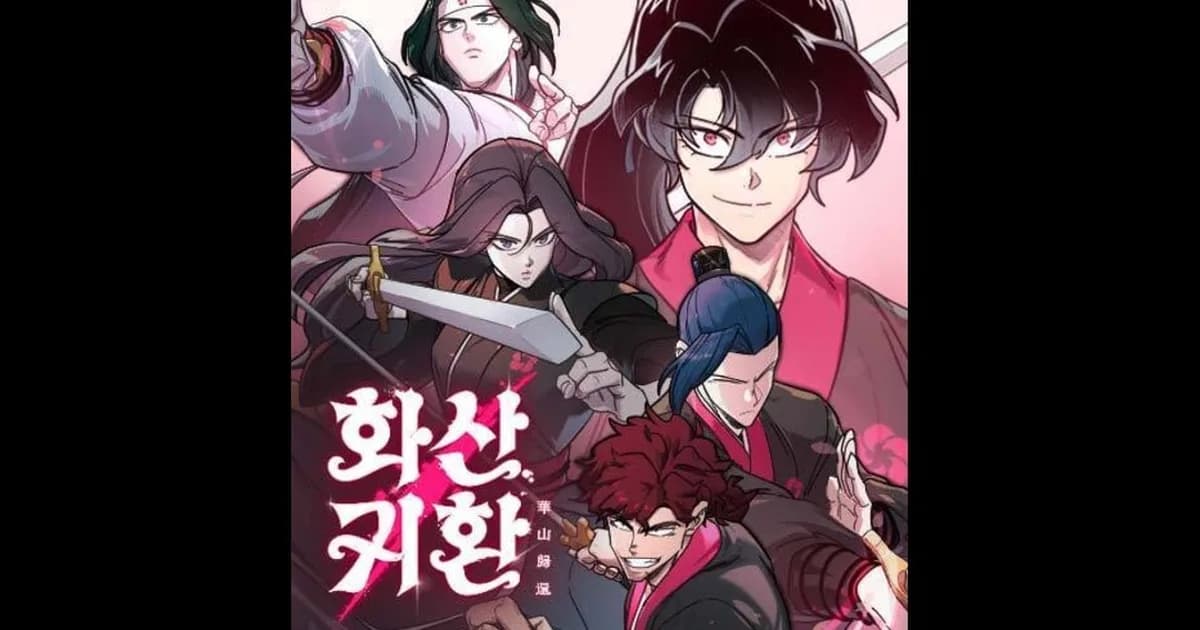
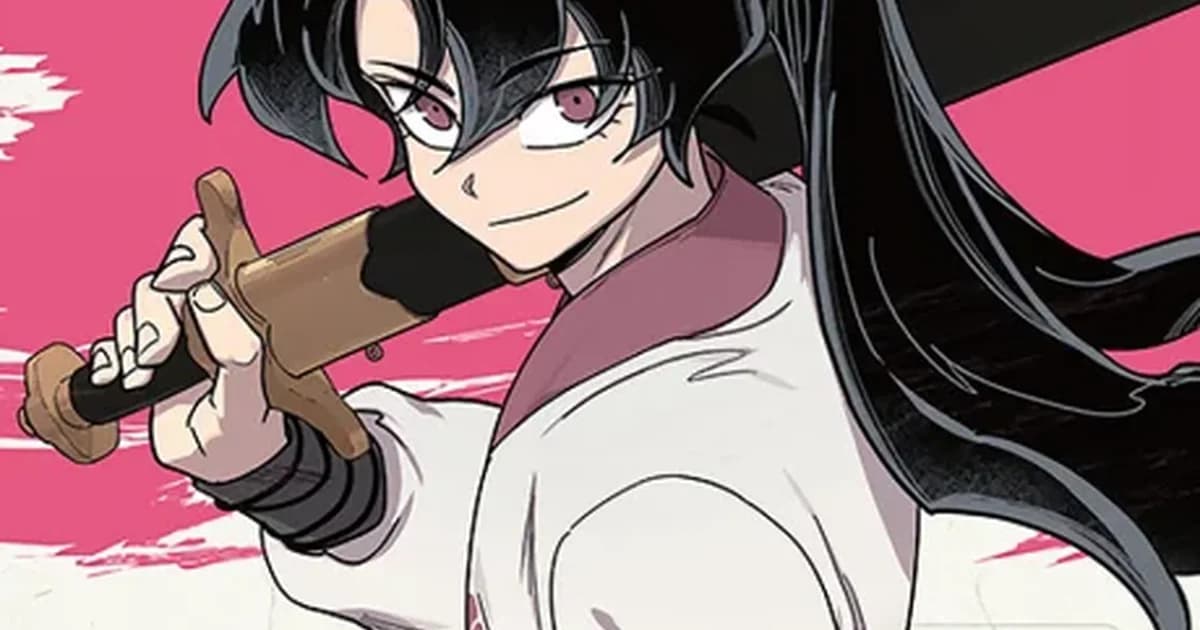
TL;DR: Return of the Blossoming Blade character guide, checked against AniList rather than a Fandom wiki's 81-entry category: Cheong-Myeong, the four disciples he trains, Mount Hua's leadership, and the Demonic Cult figures tied to his past life.
Search "Return of the Blossoming Blade characters" and the first real result is a dedicated Fandom wiki tracking 81 entries, backed by a TV Tropes page and two separate Anime-Planet listings that split the novel from the manga. That's a lot of scaffolding for a question most readers are actually asking in a much smaller form: who is this person I just met, and how do they relate to Cheong-Myeong?
This guide answers that question against one source: AniList's character database for the series, checked this session rather than pulled from a wiki entry someone wrote years ago. For the verdict on how this cast performs across three seasons, read the Return of the Blossoming Blade review. For where each season starts and how the novel runs ahead of the manhwa, see the Return of the Blossoming Blade reading guide. This page does neither job. It exists for one reason: to tell you who's who, with a source attached to every name.
Key Takeaways
- Cheong-Myeong is AniList's single main-cast entry, credited under five names including Plum Blossom Sword Saint and Chung-Myung.
- The four disciples AniList names by role are Baek Cheon, Jo Gul, Jong Yoon, and Yoo Iseol, matching the training group this site's reading guide already references.
- Mount Hua's leadership splits across two named roles: Hyun Jong as the current sect leader and Cheongmun as the 21st sect leader, a distinction most recap articles collapse into one person.
- Chun Ma, the Heavenly Demon, is the confirmed leader of the Demonic Cult and the antagonist from Cheong-Myeong's century-old final battle.
- The Wudang Sect supplies the most-developed rival cast, with Jin Mu, Mu Jin, and sect leader Heo Jinin all named individually on AniList.
- Every character and detail below traces back to AniList media entry 132144, checked directly this session rather than copied from a competitor wiki.
Overview
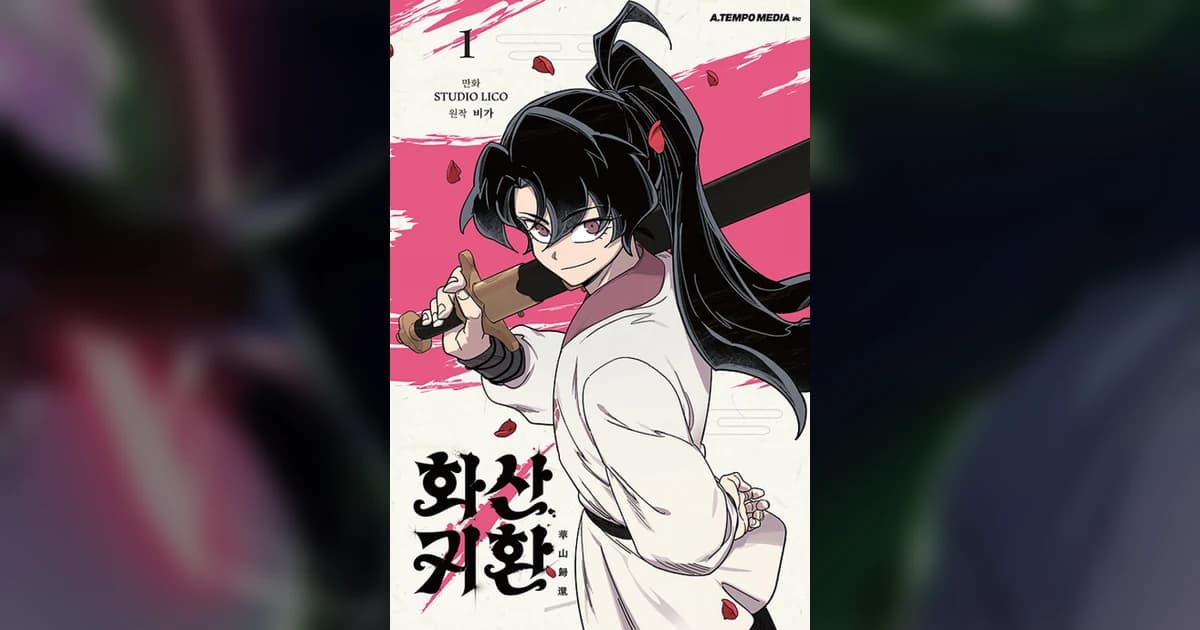
Return of the Blossoming Blade follows Cheong-Myeong, once the Plum Blossom Sword Saint and the strongest swordsman the Mount Hua Sect ever trained. He died a century ago in a mutual battle against Chun Ma, the Heavenly Demon, ending the Demonic Cult's original threat and, with him gone, Mount Hua's era of relevance along with it. He wakes up decades later as a low-ranked teenage disciple in a Mount Hua Sect that has drifted into mediocrity, full memory of his old life intact.
That premise puts an unusual amount of weight on names. Cheong-Myeong isn't rebuilding a sect in the abstract; he's rebuilding it person by person, and the manhwa keeps introducing new sect members, rival disciples, and old-era rivals who each carry their own titles, rank, and history. A reader six months into the series and a reader three chapters in are often tracking two different casts without realizing it.
For readers who want more of this exact setup elsewhere, manhwa like Return of the Blossoming Blade covers series that share the regression-with-foreknowledge structure, sorted by which specific angle hooked you.
Return of the Blossoming Blade Character Guide: Cheong-Myeong, the Reincarnated Swordsman
Advertisement
Cheong-Myeong is the only character AniList bills as a series main, and his profile is worth reading in full rather than summarized down to "regressed swordsman." AniList describes him as usually carefree, someone who enjoys fooling around and indulging in food and drink. Don't mistake that for simple, though. He's intelligent enough to use the carefree act deliberately, sometimes to the point of offending the people around him. Around his seniors specifically, the bio calls him sadistic, in the sense of enjoying getting a rise out of them rather than any real cruelty. What doesn't waver, per AniList, is his composure in an actual fight. He knows exactly when a situation calls for retreat and doesn't let pride override that judgment, which is a rarer trait than raw power in a genre built on undefeated protagonists.
The name itself has more variants than most casual coverage acknowledges. AniList's primary listing is Cheong-Myeong, with Chung-Myung recorded as an alternate romanization of the same two syllables. Beyond that, his titles stack up depending on who's speaking and what era they're from: Plum Blossom Sword Saint from his first life, Hua Sect's Rabid Dog and Mount Hua's Divine Dragon as reputation grew in the second, and Cho-Sam as an earlier alias.
Note: This site's review and reading guide use the one-word spelling "Cheongmyeong," which is how most English-language fan communities and the WEBTOON translation render the name. AniList's character database lists it as the hyphenated "Cheong-Myeong," with "Chung-Myung" recorded separately as an alternate romanization. Same character, three spellings circulating depending on the source you land on.
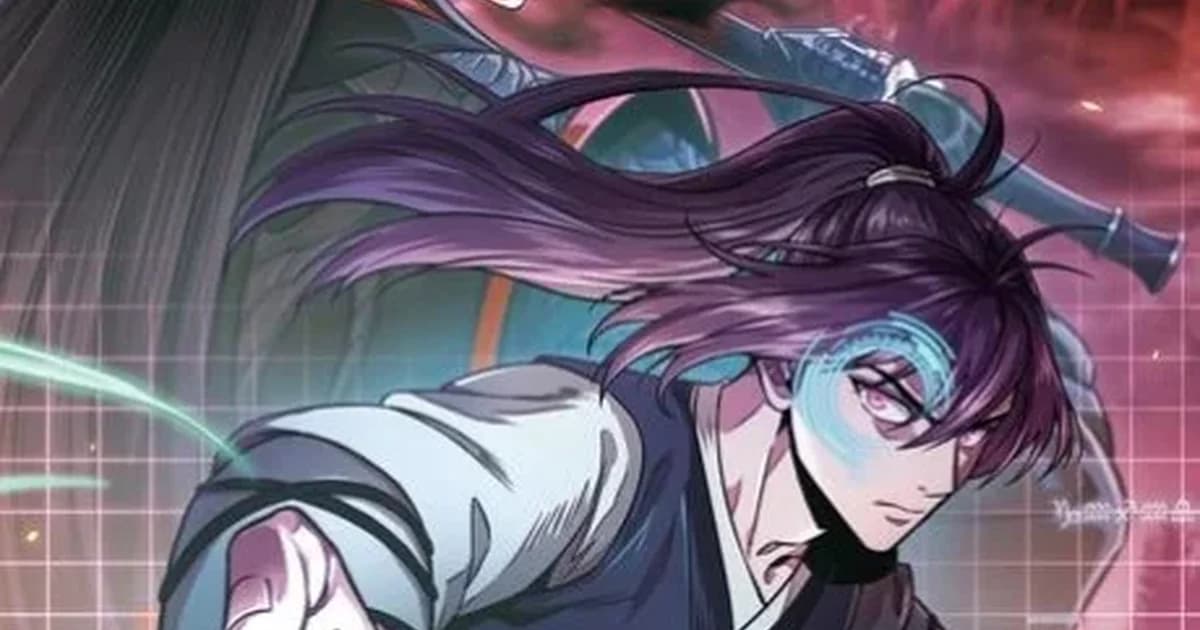
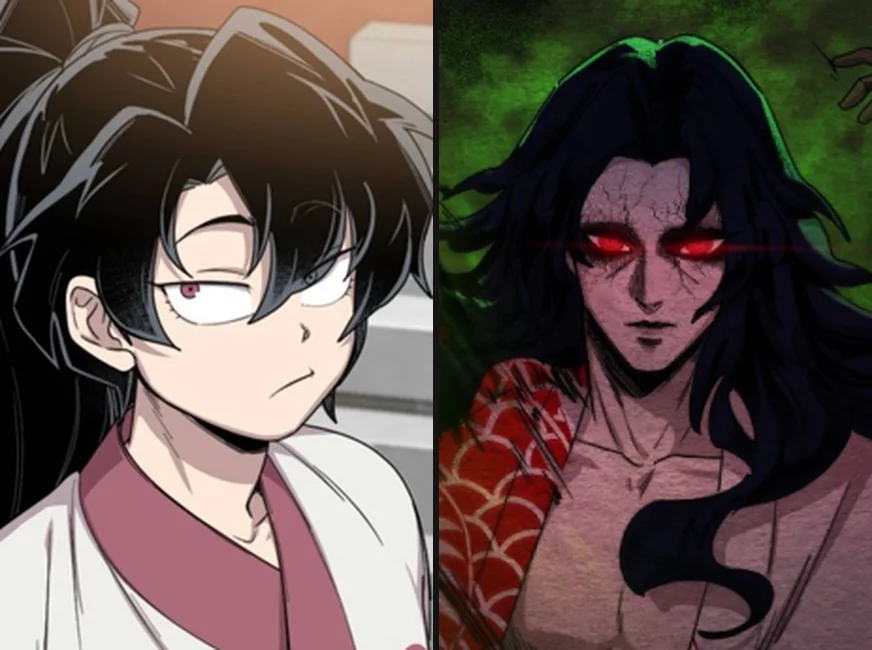 Cheong-Myeong (left) and Chun Ma, the Heavenly Demon (right), the two names AniList lists on opposite ends of the century-old battle that opens the story. Portraits via AniList.
The Four Disciples: Mount Hua's Next Generation
Cheong-Myeong doesn't train a full roster of anonymous juniors. AniList names four specific disciples who form his actual training group, and this site's own reading guide has referenced this exact quartet by name without previously giving them individual profiles.
Baek Cheon leads the second-ranked disciples of the Mount Hua Sect and, per AniList, was already known as the genius who would revitalize the sect before Cheong-Myeong ever entered the picture. His alternate titles, Sword Dragon and The Righteous Blossom, both point at a reputation built before the story's present timeline starts, not one Cheong-Myeong hands him.
Jo Gul is a third-class disciple and the second son of a merchant family, a background detail that matters in a sect hierarchy where most named disciples come from martial households instead. Jong Yoon, whom this site's reading guide has referred to by the shortened form "Yunjong," is the eldest of the third-class disciples and, according to AniList, one of the first people to befriend Cheong-Myeong after he reawakens. His alternate title, Great Sahyung, reflects that seniority among the junior ranks.
Yoo Iseol carries the title Ice Sword Plum Blossom and holds second-class disciple rank, one tier above Jo Gul and Jong Yoon in the sect's internal ladder. That ranking detail is easy to miss in a recap that treats "the four disciples" as one interchangeable unit. But it's the kind of structural fact the murim genre actually runs on. Rank determines who trains where, who gets sent on which mission, and whose opinion carries weight in a sect meeting.
SSS-Class Revival Hunter runs its own AniList-verified cast breakdown, useful if you're tracking how another dark murim-adjacent series names and ranks its supporting roster.
SSS-Class Revival Hunter Characters →
Mount Hua Sect Leadership: Past and Present
Most casual coverage of Return of the Blossoming Blade treats "the sect leader" as a single fixed role. AniList's character list confirms two separate named leadership positions, and conflating them erases a piece of the sect's own history.
Hyun Jong is credited as the current sect leader, the person Cheong-Myeong answers to and works alongside as he tries to drag Mount Hua back toward relevance. Cheongmun, also known as The Daxian Sword and Sahyung Jangmun, is listed separately as the 21st sect leader. AniList's bios don't spell out the exact handoff between the two. But the numbering places Cheongmun's tenure earlier in Mount Hua's history, closer to the era Cheong-Myeong actually remembers from his first life, while Hyun Jong runs the sect in the present-day story.
That's a small distinction with real payoff for readers trying to track who's who across flashback chapters versus present-day chapters. A character referred to only as "the sect leader" could be either Hyun Jong or Cheongmun depending on which timeline the panel is set in, and the honorific alone won't tell you which.
Return of the Blossoming Blade Character Guide: the Demonic Cult and Rival Sects
Murim manhwa run on sect politics as much as on individual power, and Return of the Blossoming Blade's named cast outside Mount Hua reflects that structure directly.
Chun Ma, the Heavenly Demon, leads the Demonic Cult. He's the antagonist from the story's opening: the man Cheong-Myeong killed in the mutual battle that ended both of their first lives a century ago. This site's existing coverage has referred to him as "Cheonma." AniList's character entry lists him as Chun Ma, with Heavenly Demon recorded as his title rather than a separate alias.
Taegeuggeomje, the Taiji Sword Emperor, is a different kind of data point: a named Wudang Sect member from a century ago who, per AniList, lost to Cheongmyeong directly. That's a specific, sourced detail about how Cheong-Myeong's old-era reputation was actually earned, not just asserted through titles.
The Wudang Sect is the most developed rival faction on AniList's list. Jin Mu, the Sword Dragon of Wudang, and Mu Jin, the Clear Flowing Sword and one of the sect's Three Swords, are both named 22nd-generation disciples. Heo Jinin leads the Wudang Sect in the present day, giving Wudang its own confirmed leadership structure parallel to Mount Hua's.
Two more named factions round out the wider murim world AniList's character list confirms: the Beggars' Union, represented by Hong Dae-Kwang, who heads its Luoyang branch, and Huayoung Gate, whose future successor is named as Wi Sohaeng, son of Wei Lishan. Neither gets the page time Mount Hua or Wudang does. But their presence confirms the sect-politics scaffolding the murim genre depends on: rival organizations with their own leadership and their own stake in how Mount Hua's rebuilding plays out.
Step-by-Step
Here's roughly the order this cast enters the story, useful for lining up a name against the chapter you're currently reading.
- Cheong-Myeong, from the opening chapter, already established as the reincarnated Plum Blossom Sword Saint waking up in the present-day Mount Hua Sect.
- Jong Yoon, early in Season 1, as one of the first sect members to actually befriend Cheong-Myeong rather than just tolerate him.
- Baek Cheon, Jo Gul, and Yoo Iseol, joining the training group across Season 1's opening stretch as the four-disciple roster takes shape.
- Hyun Jong and Mount Hua's leadership, once the sect's internal politics become directly relevant to what Cheong-Myeong is trying to rebuild.
- Chun Ma, referenced from the prologue's century-old battle onward, with the Demonic Cult's present-day remnants becoming a direct plot concern later in the run.
- Cheongmun, entering through flashback material tied to Mount Hua's earlier era rather than the present-day timeline.
- The Wudang Sect (Jin Mu, Mu Jin, Heo Jinin), arriving once Mount Hua starts re-engaging with the broader murim world in Season 2.
- Taegeuggeomje, Hong Dae-Kwang, and Wi Sohaeng, entering as the story's political scope widens to cover inter-sect events beyond Mount Hua and Wudang alone.
That order tracks the manhwa's season structure rather than the web novel's chapter numbering, since the two formats introduce some names at different points.
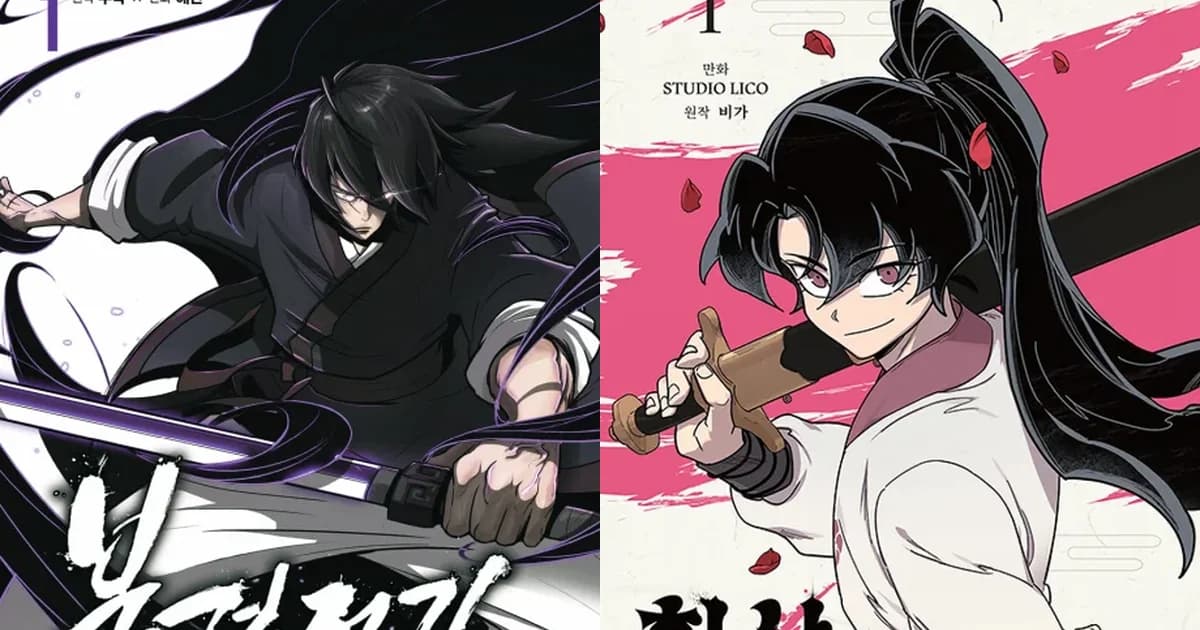
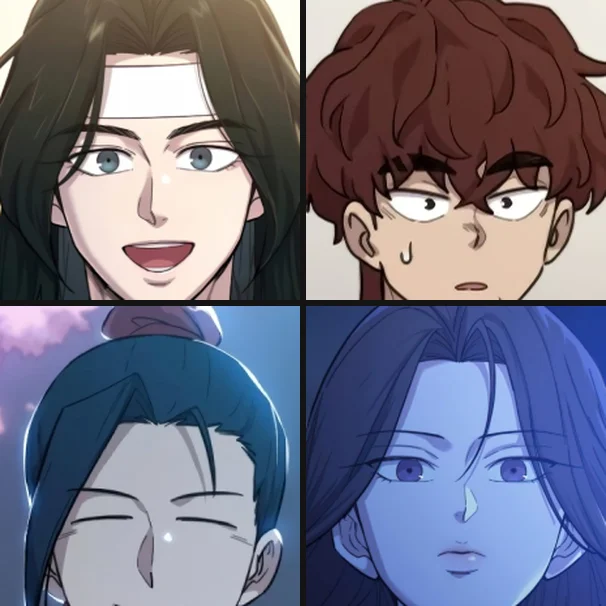 Clockwise from top left: Baek Cheon, Jo Gul, Yoo Iseol, and Jong Yoon, the four disciples AniList names as Cheong-Myeong's direct training group. Portraits via AniList.
Common Character Mix-Ups
A handful of names in this cast get flattened or confused in fast recaps, and it's worth separating them out directly.
Cheong-Myeong, Chung-Myung, and Cheongmyeong are the same person under three different romanizations. AniList lists the first two as primary and alternate; this site's other coverage uses the third. None of them is wrong. All three point at one character.
Jong Yoon and Yunjong are also the same person, not two different disciples. AniList's primary listing is Jong Yoon, with Yun Jong recorded as an alternate form; this site's reading guide has used the compressed "Yunjong" spelling in earlier coverage.
Hyun Jong and Cheongmun are the pairing readers most often collapse into a single "the sect leader" character. They're not the same person and don't hold the role at the same time; see the leadership section above for what actually separates them.
One more thing to flag directly: some fan discussion elsewhere refers to this series by its fan-translation title, Return of the Mount Hua Sect, and lists what looks like a completely different character roster under that name. It isn't a different cast. It's the same 29-character AniList list under a different series title.
Solo Leveling gets the same AniList-sourced cast treatment, useful for comparing how two very differently structured Korean system-fantasy and murim series build out their supporting cast.
Solo Leveling Character Guide →
Tips for Reading This Roster
Advertisement
Track this cast by rank and sect first, name second. Mount Hua's four disciples split across two class tiers: Yoo Iseol holds second-class rank, while Baek Cheon leads the second-ranked group as a whole; Jo Gul and Jong Yoon sit at third class. That hierarchy explains a lot of the group's internal dynamics that a flat, alphabetical character list won't surface on its own.
For the leadership roles specifically, keep Hyun Jong and Cheongmun mentally filed under different timelines rather than different people doing the same job simultaneously. And for the wider murim world: named factions outside Mount Hua (Wudang, the Beggars' Union, Huayoung Gate, the Demonic Cult) each have their own leadership and their own stakes. None of them exist purely to react to what Mount Hua is doing.
Related Reading
- Return of the Blossoming Blade Review: the verdict on how this cast holds up across three seasons and 180+ episodes.
- Return of the Blossoming Blade Reading Guide: arc-by-arc breakdown of where each season starts and how the novel runs ahead of the manhwa.
- Manhwa Like Return of the Blossoming Blade: six picks for readers drawn to the regression-with-foreknowledge structure this cast runs on.
- Best Murim Manhwa 2026: where this ensemble sits against the genre's other sect-politics casts.
Frequently Asked Questions
Who is Cheong-Myeong in Return of the Blossoming Blade?
Cheong-Myeong is the reincarnated Plum Blossom Sword Saint, the strongest swordsman the Mount Hua Sect ever produced. AniList's character bio describes him as carefree and quick to joke, but locked in the moment a real fight starts. He also goes by Chung-Myung, Cho-Sam, Hua Sect's Rabid Dog, and Mount Hua's Divine Dragon, depending on which arc and which enemy is talking about him.
Who are the Four Disciples of the Mount Hua Sect?
Baek Cheon, Jo Gul, Jong Yoon, and Yoo Iseol are the four named disciples AniList lists as Cheong-Myeong's core training group. Baek Cheon leads the sect's second-ranked disciples, Jo Gul is a third-class disciple and a merchant's second son, Jong Yoon was one of the first to befriend Cheong-Myeong, and Yoo Iseol carries the title Ice Sword Plum Blossom.
Who is Chun Ma, the Heavenly Demon?
Chun Ma is the leader of the Demonic Cult and the man Cheong-Myeong killed in a mutual death a century before the story opens. AniList lists him under both names, Chun Ma and Heavenly Demon, and his death is the event that ended the Demonic Cult's original threat and Mount Hua's golden age in the same battle.
Is Return of the Blossoming Blade the same as Return of the Mount Hua Sect?
Yes. Return of the Blossoming Blade is WEBTOON's official English title for the same manhwa that fan translations and novel readers call Return of the Mount Hua Sect. Every character in this guide belongs to one series, not two, regardless of which title led you here.
Who leads the Mount Hua Sect in the present day?
AniList credits Hyun Jong as the sect's current leader. A separate character, Cheongmun, is listed as the 21st sect leader and carries the title The Daxian Sword, placing his tenure earlier in the sect's history than the leadership Cheong-Myeong deals with directly.
Is this Return of the Blossoming Blade character guide based on the manhwa or the novel?
Both, in the sense that AniList's character database for the manga entry draws on the full story rather than only the chapters translated so far. Where a detail is specific to territory the manhwa hasn't reached in English, this guide sticks to what's confirmed rather than getting ahead of the current release.
What other sects appear in Return of the Blossoming Blade?
The Wudang Sect is the most developed rival sect on AniList's character list, with named disciples Jin Mu and Mu Jin and sect leader Heo Jinin. The Beggars' Union (Hong Dae-Kwang) and Huayoung Gate (Wi Sohaeng) also appear as named factions, which is standard for the murim genre's sect-politics structure.