
The best manhwa like Painter of the Night that isn't adult-only is King's Maker. One thing first: Painter of the Night (야화첩, Yahwacheop) is itself an 18+ series, and we don't list adult titles on this site, so every pick below is a non-adult BL or period drama with an official English edition. That rules out the usual suspects people paste into these threads. What's left still hits the same nerve: one man holding power over another, a setting that decides how far either can push, and a love story that isn't safe.
If the palace and the class gap hooked you, read the first four. If it was Seungho's fixation on Nakyum, jump to Lewellyn and Lost in the Cloud. At the End of the Road is the heaviest of the seven, so read the note before you start it.
Why Manhwa Like Painter of the Night Are Hard to Find Without 18+ Titles
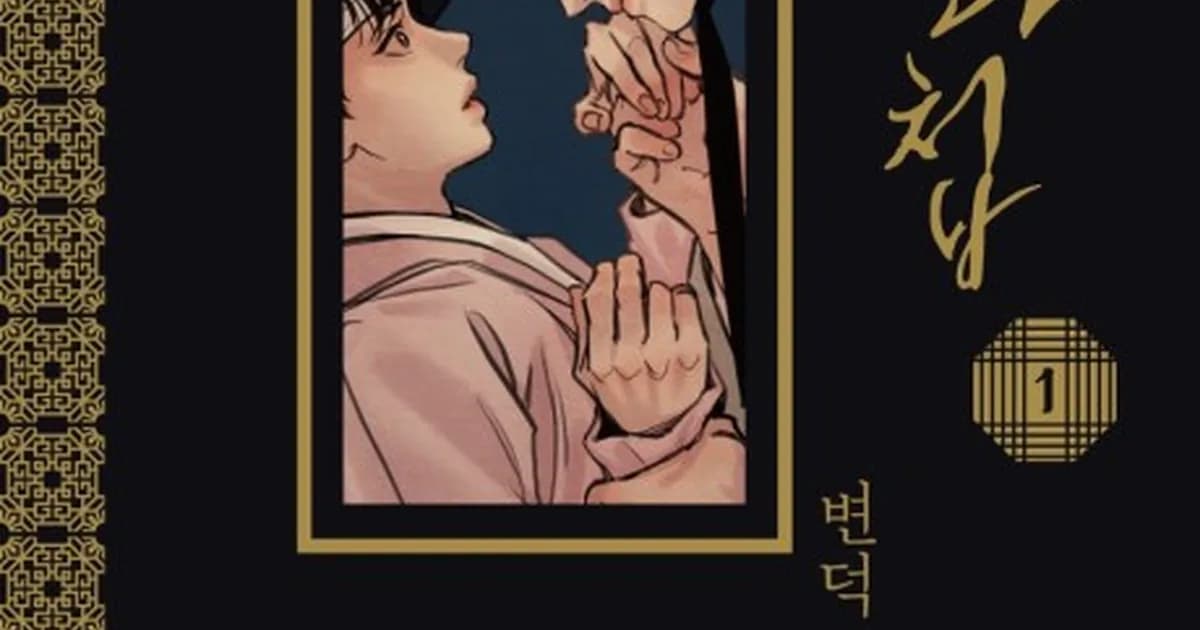
Byeonduck's story is about a painter who has sworn off erotic art and a nobleman who forces him to paint for him anyway. AniList flags it as adult content, and Lezhin's English page asks you to log in before it shows a thing. The easy answer is more adult webtoons. We'd rather point you at the parts of the story that work without them: the period setting where rank is a cage, and the obsession that sits under the romance. A good manhwa like Painter of the Night needs at least one of those two, and the best picks here have both.
So each pick below says what it shares with Painter of the Night and where it differs.
1. King's Maker
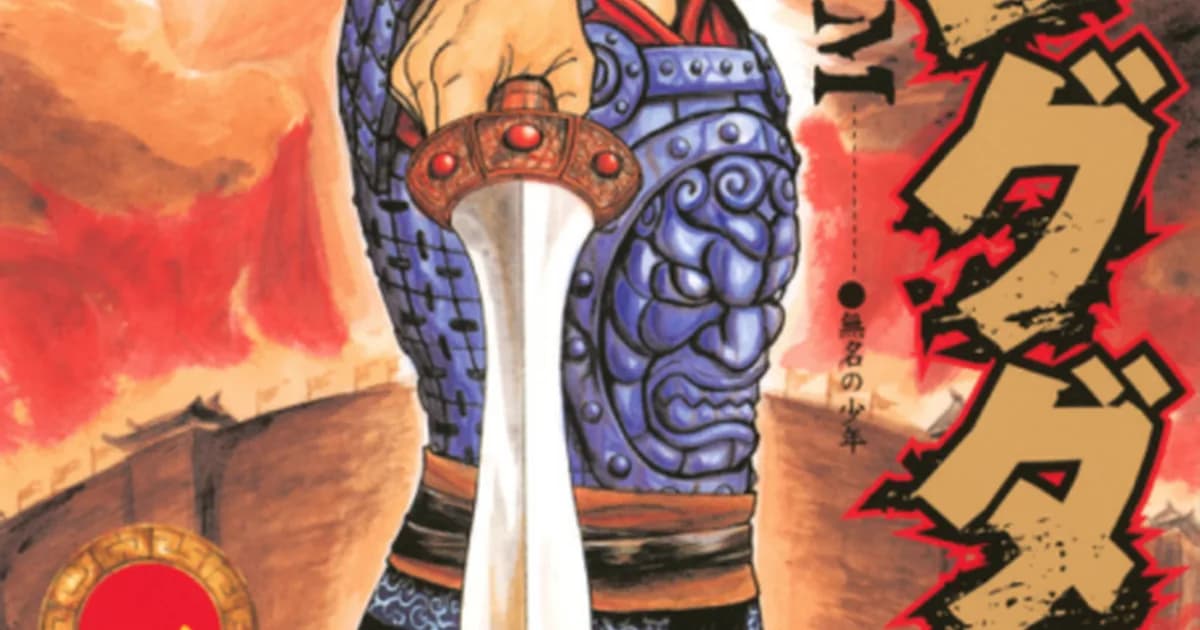
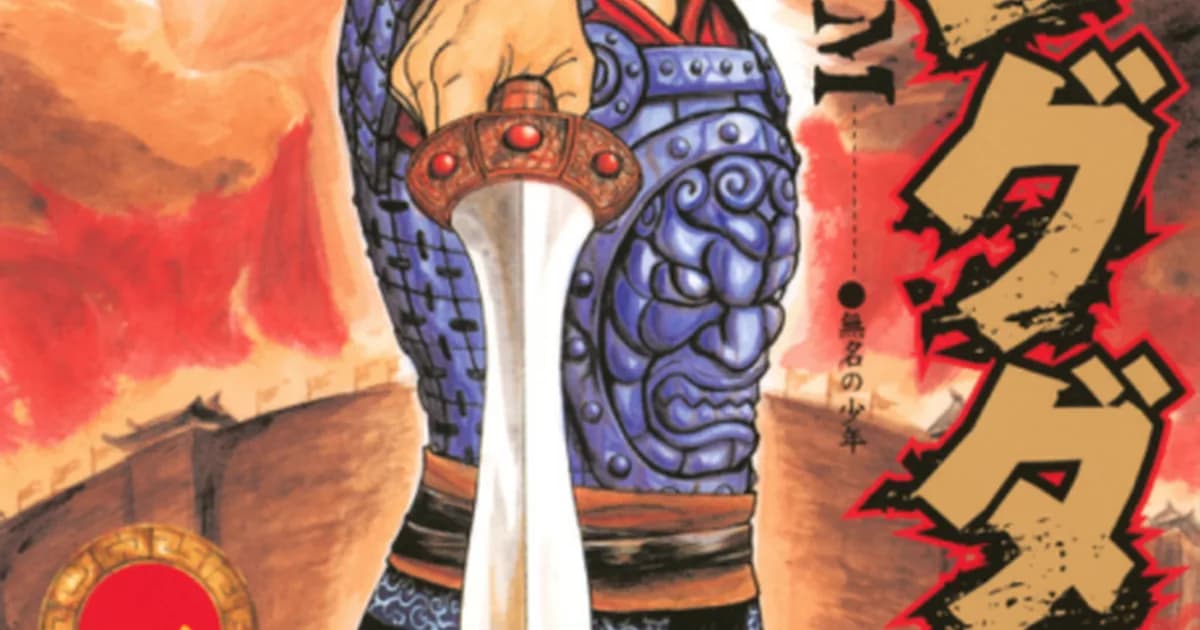
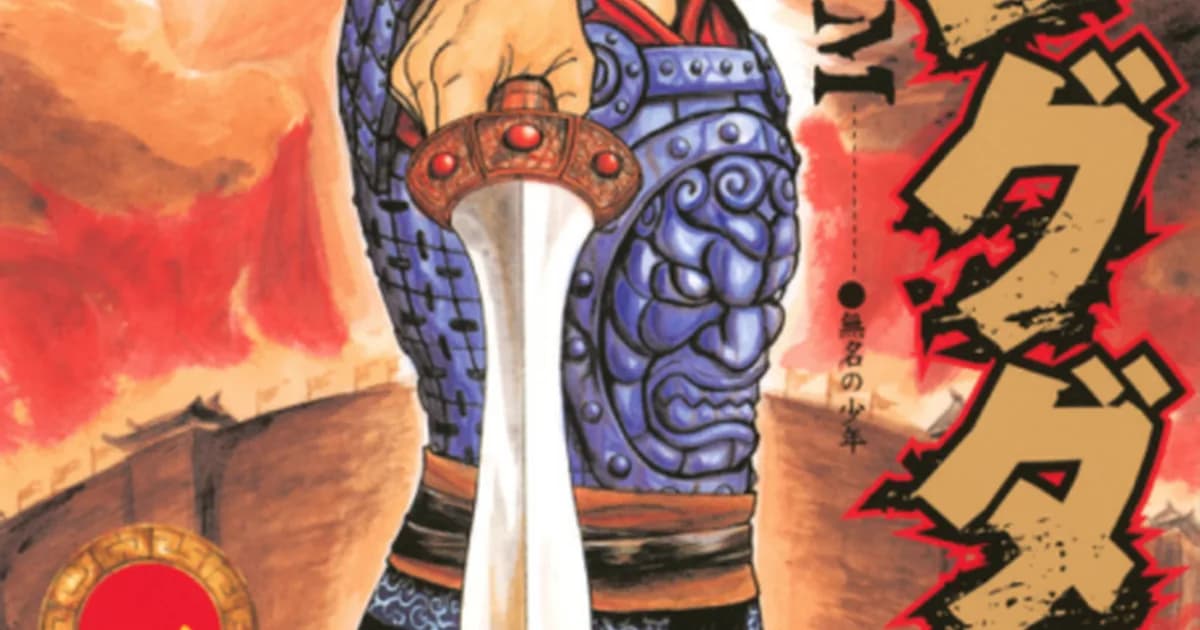
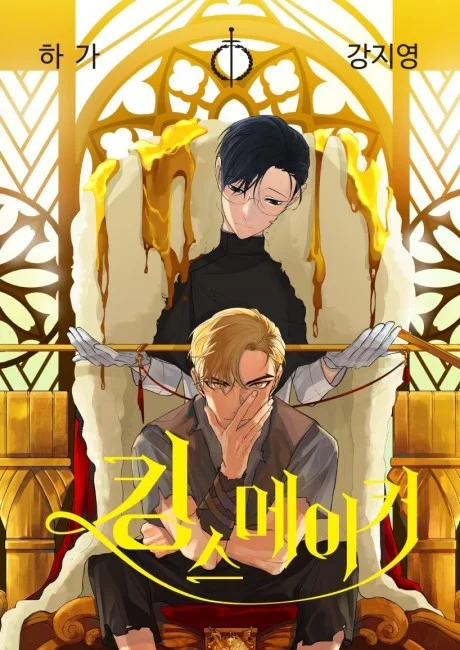 King's Maker (cover via AniList).
This is the closest manhwa like Painter of the Night on structure. Wolfgang Goldenleonard, the fourth prince, has lived on the streets for most of his life. When he's dragged back into the palace, he catches the eye of Shin Soohyuk, a "catamite of the King" who's looking for someone to put at the center of a rebellion. Like Nakyum, Soohyuk lives inside a household where someone else owns him, and every move he makes is shaped by that.
It's short and finished, a little under 40 chapters, and it reads on Tappytoon in English. The sequel, King's Maker: Triple Crown, finished in August 2026 and is on Tappytoon too. Fair warning from the publisher itself: Tappytoon says the series "contains suggestions of pedophilia and depictions of violent death." On MyAnimeList, one reader who loved the setup promised "drama around the throne" with "the king's boytoy" as the kingmaker, while another review says "Chapter 23 and 24 killed this piece of work so hard." We'd read it for the political plot and go in knowing what the tyrant king does.
2. Murderous Lewellyn's Candlelit Dinner
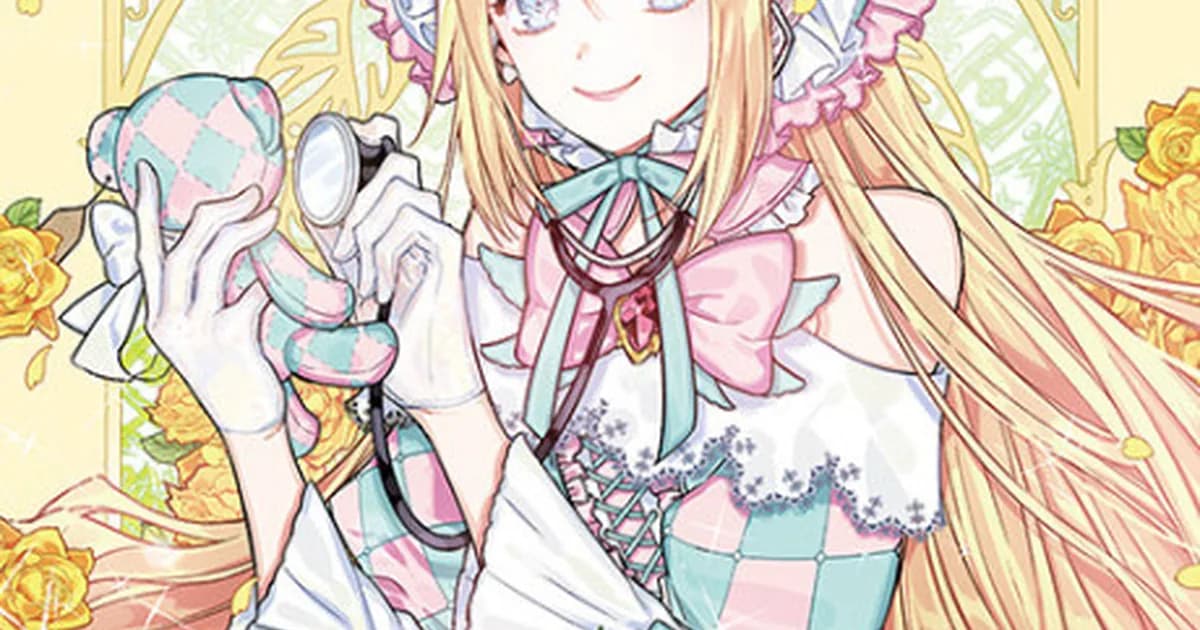
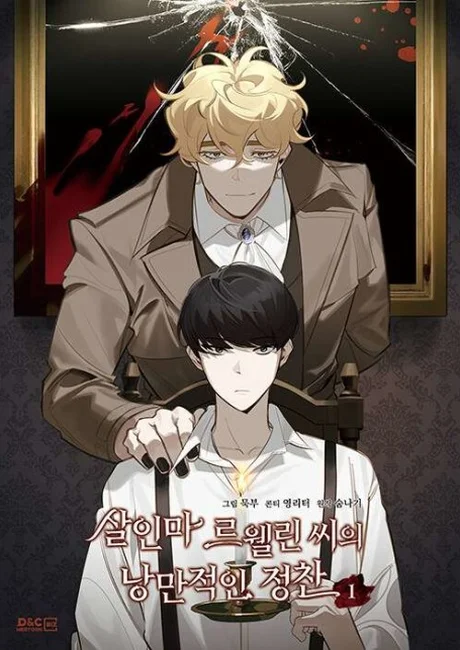 Murderous Lewellyn's Candlelit Dinner (cover via AniList).
If Seungho's obsession is what you can't shake, this is the one. Shavonne lives on rundown Ira Street, where a string of murders has everyone scared. His new neighbor Lewellyn is handsome, odd, and spends all day peeling onions on the stairs. Then Shavonne accepts a dinner invitation and finds something during the meal that brings the murders much closer to home. Lezhin files it under obsessive, murder, historical and thriller, which is the Painter of the Night mix with the knife out in the open.
It's complete at 90 chapters on Lezhin, and Yen Press publishes it in print. A MyAnimeList reviewer put the mood well: the art captures "that specific, suffocating atmosphere of an old period piece where danger is lurking in every poorly lit alleyway." We'd call it the best finished pick on the list.
3. Heaven Official's Blessing
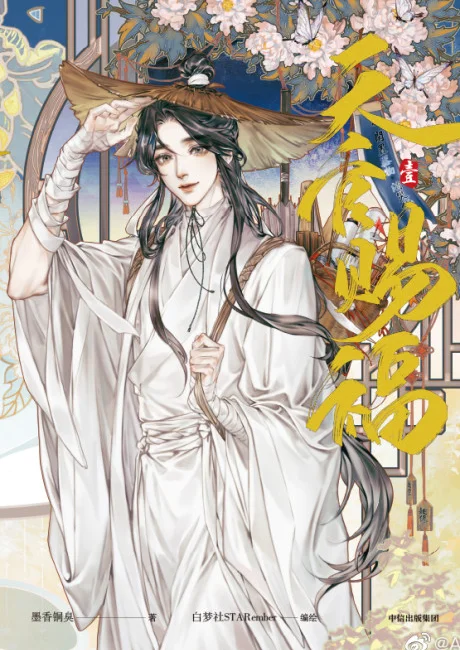 Heaven Official's Blessing (cover via AniList).
This one is a manhua, not a manhwa: Chinese, adapted from Mo Xiang Tong Xiu's novel, with art by STARember. Eight hundred years ago, Xie Lian was a beloved crown prince who ascended to the Heavens young. Now he's ascended for the third time as the laughingstock of all three realms, and his first job as a god brings him face to face with the demon king Hua Cheng, who, as Lezhin's own blurb puts it, "has been paying attention to him for a very long time." Lezhin tags it historical and obsessive. The difference from Painter of the Night is who holds the power: here it's the one doing the watching, and he's patient about it.
The catch is the English run. Lezhin lists it as on hiatus. We'd still read it if you want a period romance with real weight, and it's the gentlest pick here.
4. The King and Me
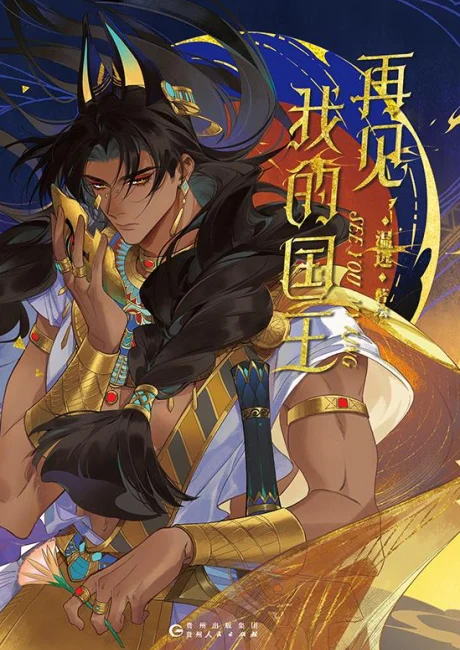 The King and Me (cover via AniList).
Another manhua, by W.Y and published by Kuaikan. Zhang Li brings a living stone statue home from the Ebiz ruins, watches it crumble, and then lands far back in Ebiz's past, where his companion is the nation's king. The king doesn't recognize him and imprisons him. A captive, a ruler with every card, and a palace full of plots: that's the Painter of the Night setup in an ancient kingdom.
It's on Tappytoon, and on Tapas as Till We Meet Again, My King. Tapas put the series on hiatus "until further notice" in September 2026, and Tapas itself shuts down next March, so we'd read it on Tappytoon. Our Tapas shutdown explainer covers what happens to anything you unlocked there.
5. Eternal Covenant
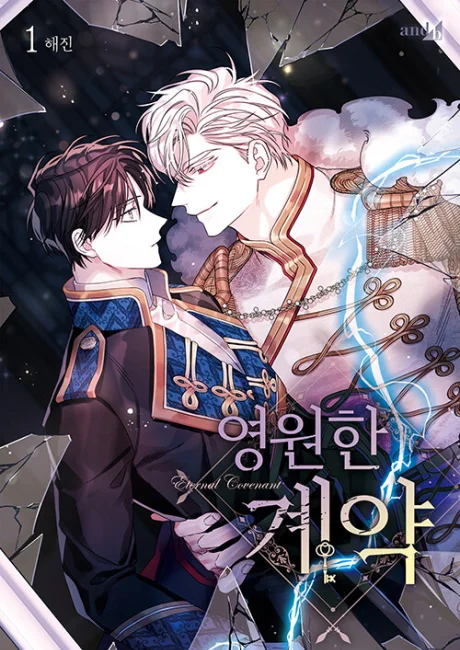 Eternal Covenant (cover via AniList).
Ian Gloucester has spent his life believing he's cursed to be a monster, serving the cardinal who took him in. Then Soleite Winkler, who shares the same "curse," tells him it's magic. The two form an alliance to expose corruption in the kingdom, and Ian's loyalty to the cardinal starts to crack. Swap the cardinal for Seungho's household and you'll see why it's here: a man owned by the person who saved him.
Tappytoon updates it every Sunday and it's still going, with TOKYOPOP handling print. Pick it if you want the servitude angle with a slower, kinder romance. Skip it if you need a finished story.
6. Lost in the Cloud
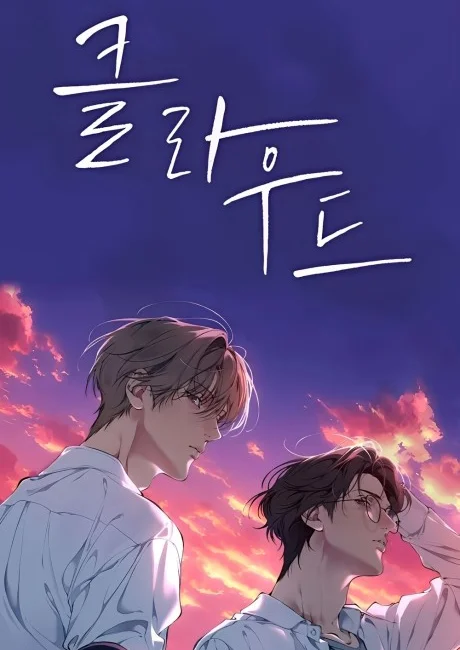 Lost in the Cloud (cover via AniList).
No palace here, just high school and a phone. Skylar has a secret hobby: taking photos of his crush, Chan-il. Cirrus stumbles onto Skylar's cloud storage, and the hold that gives him drives the story. Lezhin tags it manipulative. The power gap is modern and small-scale, but it's the same question Painter of the Night keeps asking: what happens when one person knows exactly how to hurt the other.
It's complete at 131 chapters on Lezhin, and Seven Seas has it in print. One MyAnimeList review said that going in, "it seemed to be a toxic romance," then gave the ending a 10/10. We'd read it for exactly that turn.
7. At the End of the Road
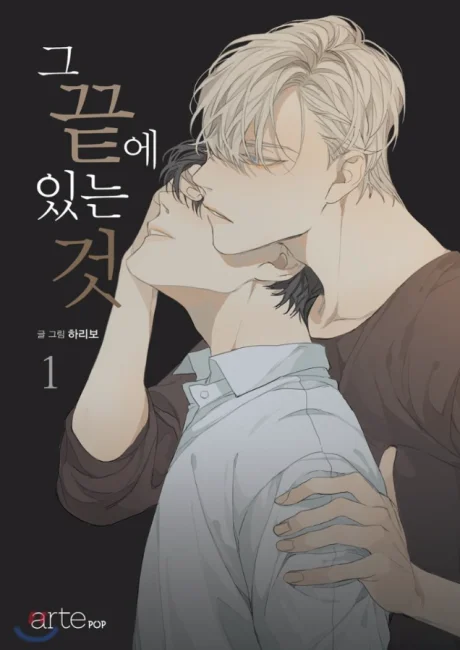 At the End of the Road (cover via AniList).
The darkest pick, and the one to think about before starting. After a car accident, Taemin wakes up in the body of Han Siwon, a boy who was bullied at school, and finds that his old friend Min Woojin has something to do with how Siwon ended up in the hospital. It's a body-swap mystery built on the kind of possessive attachment Painter of the Night readers recognize.
It's complete on Tappytoon. AniList counts 65 chapters by Haribo, eight of them extras. Content note: AniList's tags include bullying, suicide and sexual violence. Read it if you came to Painter of the Night for the darkness more than the romance. Skip it if you didn't.
Our Take on Manhwa Like Painter of the Night
If you want one manhwa like Painter of the Night without the 18+ label, it's King's Maker: a palace, a man who belongs to the king, and a slow plan to change that. If you want the obsession, Murderous Lewellyn's Candlelit Dinner is the stronger book and it's finished. The two manhua are worth breaking the "manhwa only" rule for. For more period drama beyond BL, our historical manhwa list splits court, romance and murim picks, and our best BL manhwa list covers the genre in every tone.
How We Checked This
For this rewrite we dropped every adult title from the old list and checked each new pick's adult flag, status and chapter count on AniList, then its English edition on Tappytoon, Lezhin or Tapas. Series summaries follow the publishers' own descriptions, and the reader quotes come from MyAnimeList reviews. If you're still deciding where to buy, our guide to reading manhwa legally compares the platforms.
Last reviewed: October 14, 2026
Related Reading
- Best Manhwa on Tappytoon: four of the picks above read there, and this list covers what else the platform does well.
- Best Historical Manhwa: court drama and period romance when you want the setting more than the BL.
References
- Painter of the Night on AniList
- King's Maker on Tappytoon
- King's Maker: Triple Crown on Tappytoon
- Murderous Lewellyn's Candlelit Dinner on Lezhin
- Heaven Official's Blessing on Lezhin
- The King and Me on Tappytoon
- Till We Meet Again, My King on Tapas
- Eternal Covenant on Tappytoon
- Lost in the Cloud on Lezhin
- Lost in the Cloud print edition, Seven Seas
- At the End of the Road on Tappytoon