
This Who Made Me a Princess reading guide has a short answer: it's one finished story, 135 chapters long, and you read it from Chapter 1 to the end. There's no side-path to work around. The real choice is the platform, because the three English apps are in very different places right now.
Reviewing
Who Made Me a Princess
Plutus (story), Spoon (art) · Seven Seas (English print)
The Korean title is 어느 날 공주가 되어버렸다 (Eoneu Nal Gongjuga Doeeobeoryeotda), readers shorten it to WMMAP, and it ran from December 2017 until it finished in December 2025. Plutus wrote the story; Spoon drew it.
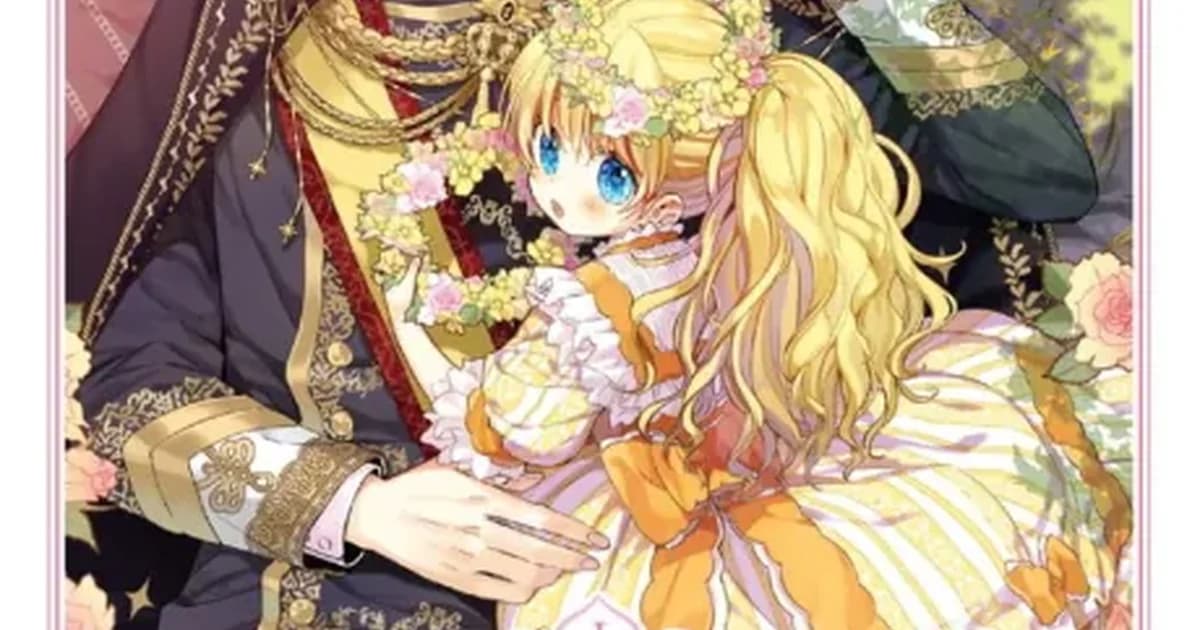
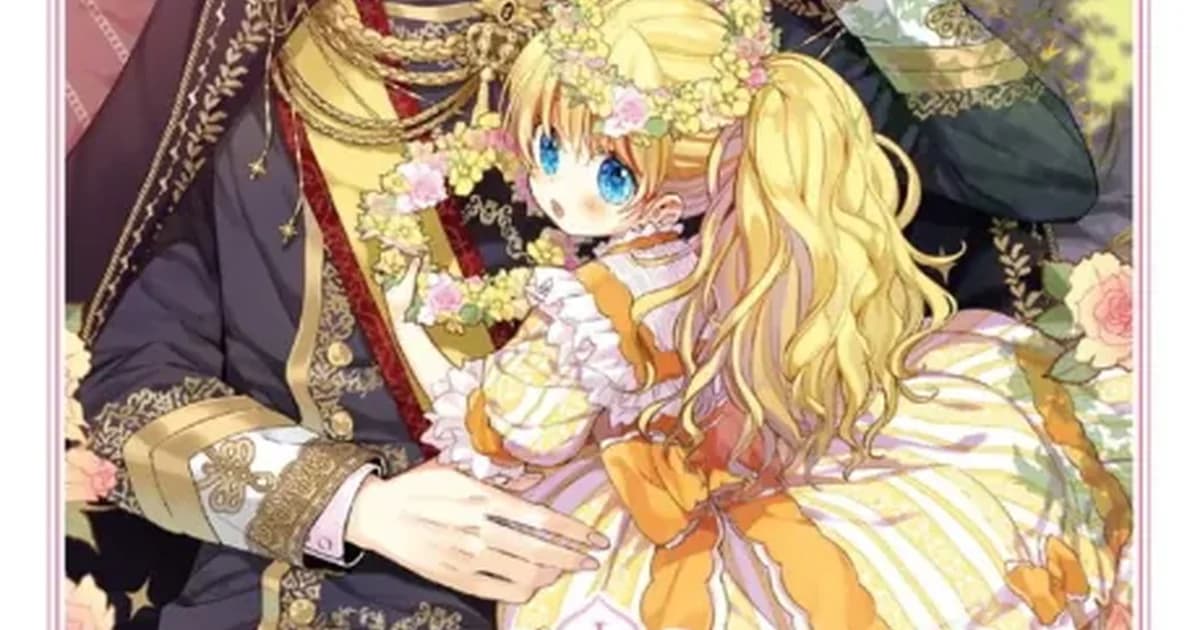
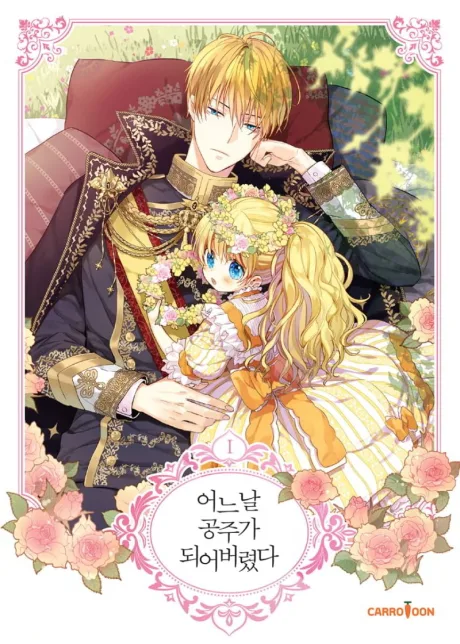 Who Made Me a Princess, Korean volume 1 cover. © Spoon, Plutus / CARROTOON. Via AniList.
What the story is
A modern woman who read a novel called The Lovely Princess wakes up as its doomed heroine: baby Athanasia, the forsaken princess of the Obelian Empire, who dies by her own father's order. Her first plan is sensible for a toddler with an adult's memory. Stay out of sight, hoard valuables, and run before it happens. The plan goes wrong, and she has to win over her father, Emperor Claude, instead.
That father is the whole argument about this series. One reader who finished it in one sitting put it bluntly: "he only likes athy cause she resembles her dead mom in an eerily similar manner is genuinely kind of disgusting." Go in knowing the book asks you to root for a reconciliation some readers never accept.
Where to read it
| Platform | What's there (checked October 16, 2026) |
|---|---|
| Tappytoon | Complete, from Episode 1 (December 21, 2018) |
| Tapas | Complete, 135 episodes; wait-until-free excludes the latest 40; the app closes March 31, 2027 |
| WEBTOON | New run from Episode 1 (March 4, 2026); website at Episode 35, 27 more in the app |
| Seven Seas (English), nine volumes; Vol. 9 came out March 18, 2025 |
Tappytoon is where we'd start a fresh read. It lists the series as completed and has it from the first episode.
Tapas has every episode too, but it shuts down on March 31, 2027, and episodes you unlock there go with it. Finish what you've started there; don't start a new read.
WEBTOON is the trap. Its listing went up on March 4, 2026 with the first three episodes, and it adds one a week. The website reached Episode 35 on October 14, 2026, and WEBTOON says 27 newer episodes are app-only. That's a re-release from the beginning, not new chapters after the ending, so you're a long way from the finale there.
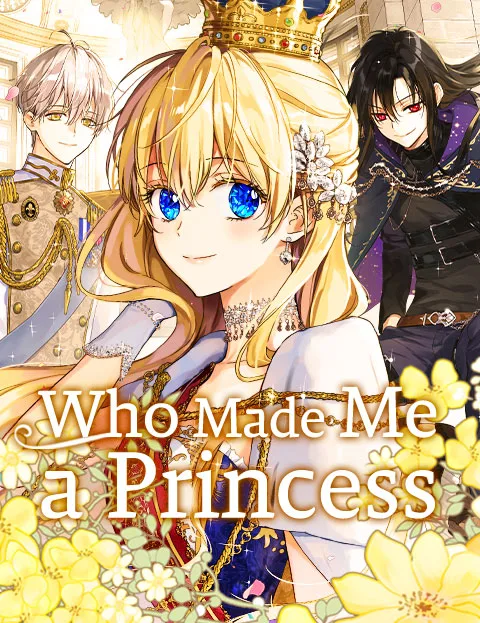 Who Made Me a Princess series poster on WEBTOON. © Spoon, Plutus / CARROTOON. Via WEBTOON.
Reading order: straight through, extras last
There's nothing to arrange. AniList's count of 135 includes ten extra chapters, so the story's main run ends a little before the last number, and the extras follow it. Don't stop at the main ending. "Also read short stories they are good too," one reader told someone who'd just binged it.
The final chapter went up in December 2025, and longtime readers turned up in the thread for it. "It's been years since I read this series, but this warms my heart and heals my soul," wrote one longtime reader.
Want the score before you commit?
Who Made Me a Princess Review →
The novel and the anime
Plutus's web novel came first, and the manhwa doesn't follow it line for line. A reader who read the novel in high school says the comic is kinder to its side characters: "Jennette gets a nastier character and a worse ending from what I remember." The same reader mentions an extra in the novel set in an alternate universe where Athanasia picks a different partner. We haven't read the novel, so treat that as one reader's memory, but it's a good reason to finish the manhwa first.
The animated version is Chinese: The Fated Magical Princess: Who Made Me a Princess, 16 episodes, which aired from September 28 to December 29, 2025. Crunchyroll carries it in English, and Japan got a TV broadcast too. KADOKAWA's teaser for that run:
*Teaser for the Japanese broadcast of the Who Made Me a Princess animated series, KADOKAWAanime (YouTube, Japanese).*Finished it and want the same feeling?
Manhwa Like Who Made Me a Princess →
Our Take
Read it on Tappytoon, in order, and keep going past the main ending into the extras. It's a finished story built around a father readers still argue about, and that argument is half the fun: decide for yourself whether Claude earns it. Skip WEBTOON for now unless you like waiting a week per chapter, and leave the novel until you've closed the manhwa.
Frequently Asked Questions
How many chapters is Who Made Me a Princess? 135 on AniList, finished on December 12, 2025. That count includes ten extra chapters. Tapas lists the same 135 episodes.
Is the whole series on WEBTOON? Not yet. WEBTOON started its own run from Episode 1 on March 4, 2026 and posts one a week. On October 16, 2026 the website was at Episode 35, with 27 more in the app.
Is there a reading order for Who Made Me a Princess? No. It's one story told in order, and the extra chapters come at the end of the count.
Is there a Who Made Me a Princess anime? Yes. The Fated Magical Princess: Who Made Me a Princess is a 16-episode Chinese animated series that aired from September 28 to December 29, 2025. AniList lists Crunchyroll as an English home.
Who wrote Who Made Me a Princess? Plutus wrote the original story and Spoon drew the manhwa. Seven Seas publishes the English print edition.
Related Reading
- Who Made Me a Princess Review: our score and what works, if you're still deciding whether to start.
- Who Made Me a Princess Characters: Athy, Claude, Lucas and the court, for when the names start piling up.
- Manhwa Like Who Made Me a Princess: eight series sorted by whether you came for the father, the death flag or the romance.
- Manhwa Like Doctor Elise: second-chance heroines with more romance up front.
- Best Romance Manhwa 2026: the wider romance list, finished and ongoing.
- Best Completed Manhwa: other finished series you can read start to end.
- Tapas Shutting Down: What We Know: what happens to episodes you've unlocked there.