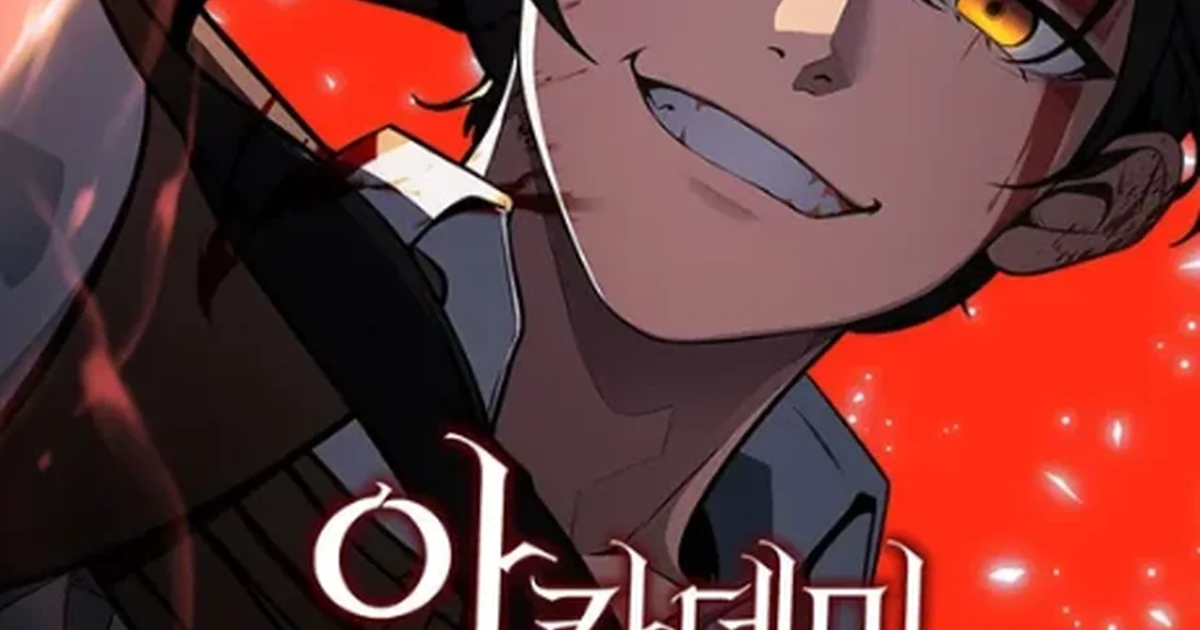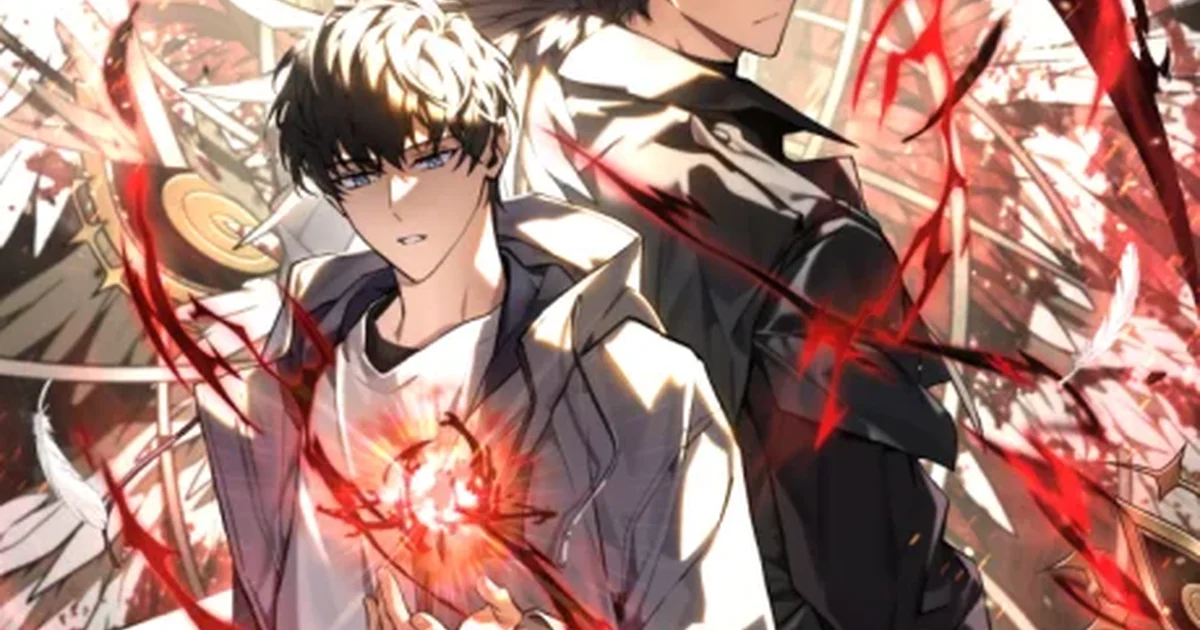

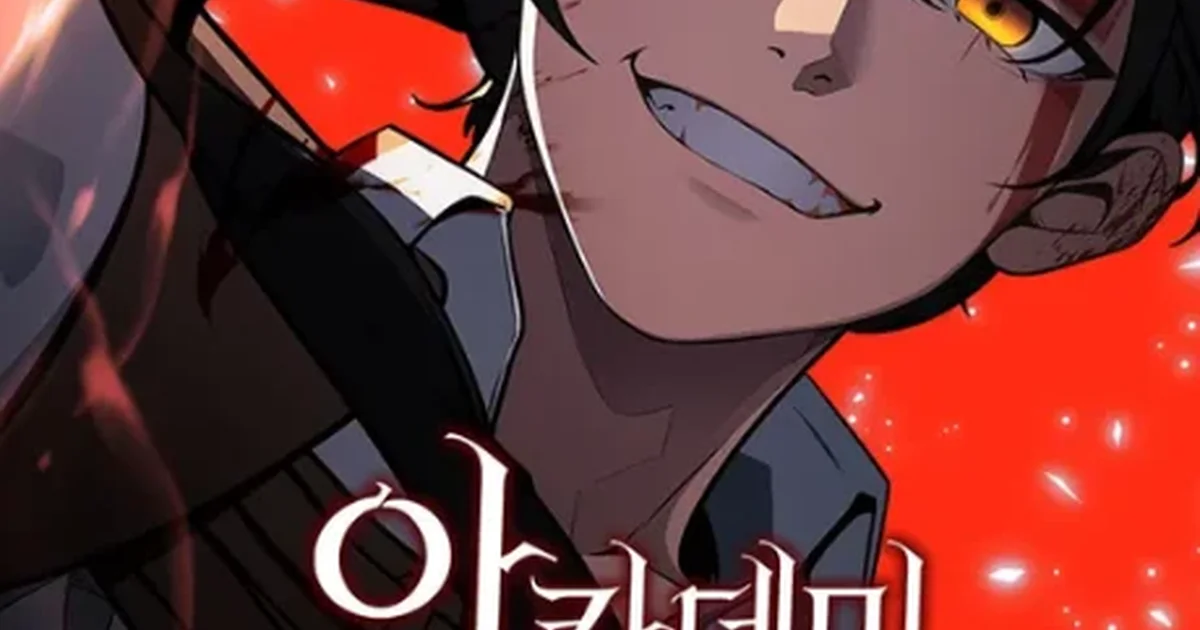
This I Killed the Main Player reading guide skips the score and covers what a new reader actually needs before opening Episode 1: how the regression mechanic works structurally, where the ongoing WEBTOON release currently stands, and what to expect once the opening momentum wears off. For the verdict on whether it's worth your time at all, see our full review.
TL;DR: I Killed the Main Player reading guide: start at Episode 1 on WEBTOON, no side stories to sequence in first. The regression is a single three-year jump, not a repeating loop. The English release is past Episode 112 as of September 12, 2026, updating weekly on Saturdays, with a known pacing dip once Corin's foreknowledge outpaces the obstacles.
I Killed the Main Player reading guide: key takeaways
- Start at Episode 1 on WEBTOON's English release. Nothing to sequence in first, no spinoff or prequel.
- The regression is one jump, not a resettable loop: Corin gets three years back, once, after the run collapses.
- Past Episode 112 as of September 12, 2026, updating weekly every Saturday.
- Internationally, the same manhwa is listed as I Killed the Academy Player in Thai and French. Same story, different title.
- The strategy-driven opening episodes are the strongest entry point; the pacing thins once nothing pushes back on what Corin already knows.
- No confirmed official English translation of the source web novel exists yet, so the manhwa is the practical way in.
I Killed the Main Player reading guide: overview
This guide is checked against WEBTOON's English release through Episode 112, posted September 12, 2026. It covers the reading path (where to start, how to pace the middle stretch), the mechanic that makes the premise work (what Corin actually knows and why), and where the ongoing release stands right now. It does not cover the quality verdict, the art assessment, or whether the series earns its 7.2/10; that's the review's job, and this guide links out to it rather than repeating it.
Going in, you need nothing. There's no companion novel to track down, no prequel one-shot, no side chapter that changes how the opening reads. The premise (Corin is a minor NPC who knows the game inside out, discovers the "main player" Sihu has been murdering NPCs for loot, and gets thrown three years back after Sihu's run falls apart) gets explained inside the story itself.
Time investment: 112 episodes at a normal reading pace runs somewhere around eight to ten hours, though that number keeps climbing every Saturday since the series is still releasing. Reading it as a weekly drop versus catching up in one or two long sessions changes how the pacing dip in the middle feels, which is the first decision this guide walks through below.
Step-by-Step
Advertisement
1. Start at Episode 1 on the official WEBTOON English page: The series runs under the WEBTOON Fantasy category, and the English edition is the version this guide (and every fact in it) is checked against. There's no earlier one-shot or prequel chapter to hunt down first.
2. Read the opening stretch for how Corin uses what he knows, not for the twist itself: The setup (his relationship to Sihu, what he knew before the jump, what he only learns after) unfolds fast. Pay attention to the specific plans he makes against Sihu's known habits rather than waiting for a reveal; the early payoff is tactical, not mysterious.
3. Know before you get there that the jump only happens once: Skip ahead to "The Regression, Explained" below if you want the structural reasoning, but the short version is that Corin doesn't get another rewind if this attempt fails. That changes how tense the early chapters read compared to a series where a death just resets the clock again.
4. Budget patience once the pacing thins, rather than reading weekly through it: Reader discussion (r/manhwa has an active thread specifically asking why the series slows down) and the review's own critique both flag a stretch where Corin's foreknowledge stops running into anything it hasn't already accounted for. Reading five or six episodes in one sitting through this patch holds together better than one a week.
5. Check the current front before deciding whether to binge or join weekly: As of September 12, 2026 the English release sits at Episode 112, updating every Saturday. Catching up in a batch now, rather than joining mid-release, means you hit the pacing dip without a week-long gap breaking the momentum.
6. If a search turns up "I Killed the Academy Player," know it's the same series: That's the title WEBTOON uses for the Thai and French editions. Stick with "I Killed the Main Player" for the English release so you don't end up on the wrong-language listing by accident.
For other manhwa that use a returning protagonist's foreknowledge as actual strategy instead of a stat advantage:
Best Regression Manhwa of 2026 →
The Regression, Explained
Most regression manhwa run on a loop the reader can trust will reset. The lead dies, fails, or hits a wall, and the story rewinds him to try again, sometimes more than once. That structure trades suspense for a different kind of tension: not "will he succeed," but "how many attempts will it take."
I Killed the Main Player doesn't build on that structure. Per the story's own synopsis, Corin's jump happens exactly once, triggered by Sihu's run collapsing at the very end. There's no second rewind waiting in reserve if this attempt goes wrong.
That's a structural choice worth sitting with: it changes what "knowledge" means for this specific lead. Corin isn't replaying content he's failed at before. He's applying what he picked up as a support NPC who watched Sihu's entire arc unfold once, from the inside, before any of it went wrong.
That distinction matters for how you should read the early chapters. Corin's foreknowledge isn't the god's-eye omniscience a repeat-looper accumulates over multiple resets. It's closer to institutional knowledge: he knows Sihu's build, his usual routes, and the people he'll target, because he lived through it once as the guy standing next to him.
The interesting question the opening episodes ask isn't whether Corin knows what happens next. It's whether knowing is enough when he only gets one shot to use it.
Where I Killed the Main Player Stands Right Now
As of September 12, 2026, the English WEBTOON release is at Episode 112, and the release cadence has been a consistent weekly Saturday drop for at least the last ten episodes checked for this guide. That's a change worth flagging if you've seen the series described elsewhere as a Sunday release; the schedule checked live for this guide lands on Saturdays.
The Korean original continues on Naver Webtoon, confirmed as a separate, official listing, though this guide doesn't verify a specific chapter count for that edition. If you're reading in English, the WEBTOON release is the complete, current, legally available version, and it's the one every fact in this guide is checked against.
On the reception side, the series sits at an AniList aggregate score of 75, a solid-but-not-outstanding number that lines up with what's covered above: a genuinely sharp opening premise carrying a middle stretch that a chunk of readers find repetitive. That's not a reason to skip it. It's a reason to plan around it, which is the whole point of the pacing advice in the steps above.
Tips
Batch-read once you hit the slow patch, don't ration it weekly. A single foreknowledge-driven episode a week reads thinner than the same material read in a sitting, because the tension in this stretch comes from accumulation, not from a cliffhanger built for weekly release.
Track Sihu's public reputation against what you know he's actually done. That gap, everyone else believing Sihu is the hero while Corin works against him in secret, is the tension engine of the early episodes. It's easy to read past it if you're focused on the action beats instead.
Don't expect Corin to out-power Sihu. He doesn't get stronger stats from the jump, he gets information. If you're reading this series the way you'd read a straightforward strength-progression story, the early fights will read as underwhelming instead of as the tactical wins they're built to be.
If the strategic, knowledge-as-weapon angle is what you're after without the single-jump structure, compare notes against how a similar power system paces itself. The Player Who Can't Level Up runs a different mechanic at a different pace and is worth checking if you're mapping out where to go after this one.
For a reading-order breakdown of another system-driven manhwa with its own foreknowledge mechanic:
The Player Who Can't Level Up Reading Guide →
Who This Reading Guide Is For
This is written for readers who've already decided the inverted, NPC-perspective premise sounds interesting and want the practical setup before starting: how the regression actually works, where the pacing dips, and where the release currently stands. It's also for readers who stalled out somewhere in the middle stretch and want to know whether the story recovers enough to justify catching back up.
It's less useful if you haven't decided whether the premise is worth your time yet. For that call, the full review covers the rating, the art, and the specific case for and against the series, including exactly where the middle stretch loses momentum and why. Come back here once you've made that call; the point of this I Killed the Main Player reading guide is planning the actual read, not making the case for it.
Where to Read I Killed the Main Player
Advertisement
I Killed the Main Player runs in English on WEBTOON, where it's a WEBTOON Original under the Fantasy category and the release this guide is checked against. The Korean original is published on Naver Webtoon. It also runs under the alternate title I Killed the Academy Player on WEBTOON's Thai and French editions, which is worth knowing if a search turns up that name instead.
There's no confirmed official English release of the source web novel by HELP.ME as of this guide's writing. If one surfaces later, WEBTOON's own series page is the most reliable place an official link would appear first, since that's where the manhwa credits point back to the original story.
Related Reading
- I Killed the Main Player Review: the full 7.2/10 verdict on the NPC-perspective hook, the art, and where the series loses momentum.
- Manhwa Like I Killed the Main Player: 6 picks sorted by which specific facet of the premise you want more of.
- Best Regression Manhwa of 2026: more series where a returning protagonist's foreknowledge functions as strategy, not just a power spike.
- Best System-Fantasy Manhwa: the wider genre this series sits inside, if the mechanics are what drew you here.
- The Player Who Can't Level Up Reading Guide: a different system-driven premise with its own foreknowledge mechanic.
- The Gamer Manhwa Review: a different take on knowledge-as-strategy power progression, at a slower burn.
Frequently Asked Questions
Where should I start reading I Killed the Main Player? Episode 1 on WEBTOON's English release. There's no prequel or side story to read first, and the NPC setup that makes the premise work gets established within the opening episodes.
Does I Killed the Main Player use a repeating time loop? No. The official synopsis and the story as published describe a single three-year jump after Sihu's run collapses, not a resettable loop. That's a structural difference from regression manhwa where the lead can fail and rewind again: here, failure this time doesn't hand Corin another do-over.
How many episodes does I Killed the Main Player have? Past Episode 112 on WEBTOON's English release as of September 12, 2026, updating weekly on Saturdays. The Korean original runs on Naver Webtoon as a separate, further-along release, though this guide only verifies counts on the English edition.
Where does I Killed the Main Player start to slow down? Once Corin's foreknowledge stops running into obstacles it can't out-plan. There's no confirmed episode number for exactly where that happens, but it's a pattern readers and the series' AniList score (75, a solid-not-elite number) both point to, and it's the same stretch our review flags as the weak middle.
Is I Killed the Main Player the same series as "I Killed the Academy Player"? Yes. It's the same story under a different title. WEBTOON's Thai and French editions list it as I Killed the Academy Player, while the English release uses I Killed the Main Player. If a search turns up the Academy Player name, it's the same manhwa, not a spinoff.
Is there an English translation of the I Killed the Main Player web novel? Not one this guide can confirm as officially available. HELP.ME is credited as the original story writer on WEBTOON's own author listing, but no official English web novel release has surfaced in research for this guide. The manhwa is the practical entry point for English readers right now.
What's the difference between this guide and the review? The review scores the series and weighs the NPC-perspective hook against the pacing problem in the middle. This guide skips the verdict and covers the practical side: where to start, how the regression mechanic actually works, and where the ongoing release currently stands.
References
- I Killed the Main Player on WEBTOON (official English release, episode count, and update schedule)
- I Killed the Main Player on AniList (aggregate reader score, staff credits, and international listing data)
- I Killed the Main Player original Korean on Naver Webtoon
- r/manhwa for ongoing reader discussion of the series