The Gamer reading guide, short version: the series is finished, a little over five hundred chapters split into seven seasons, and you start at Season 1, Episode 1. The real decision is how far to go. Readers who loved it mostly talk about the first hundred or so chapters, and the ending splits them. One practical catch for English readers: WEBTOON's website now shows only the first nine episodes, and the rest lives in the WEBTOON app. Our The Gamer review is where the quality verdict lives; this page is the reading path.
Reviewing
The Gamer
Sung Sang-young (story), Sang-ah (art)
What you're starting
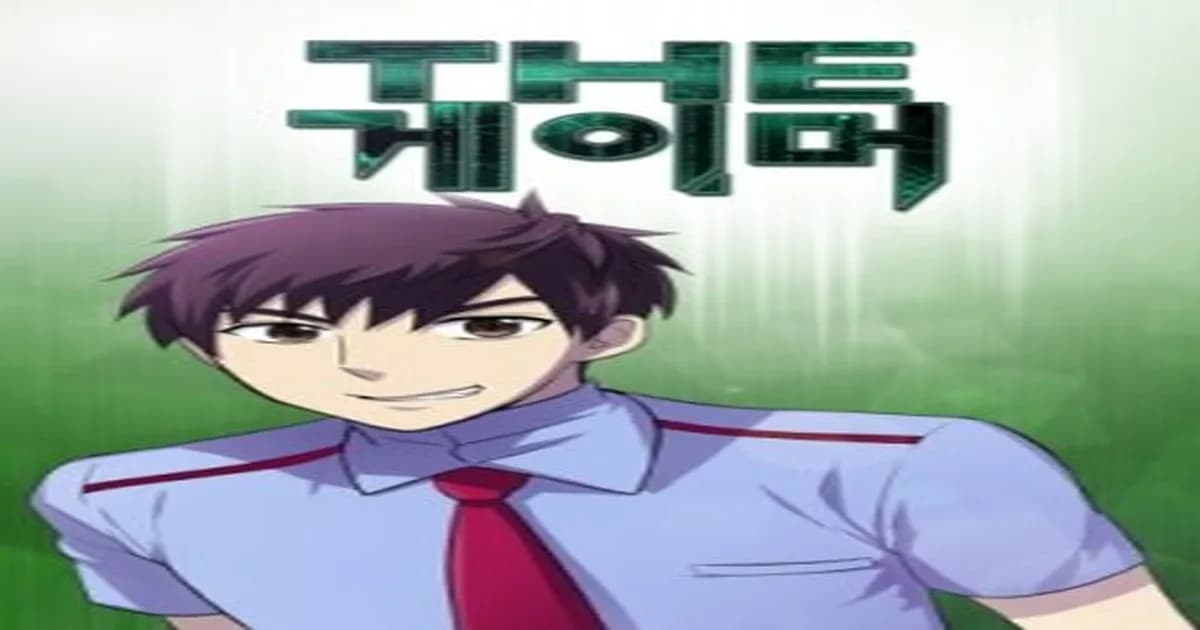
WEBTOON's English blurb: Jihan Han is "your typical high school student -- minus the fact the he's acquired the special ability to view the world around him as a video-game." Soon after, "he stumbles upon a hidden world filled with others just like him," and has to juggle homework and quests at the same time.
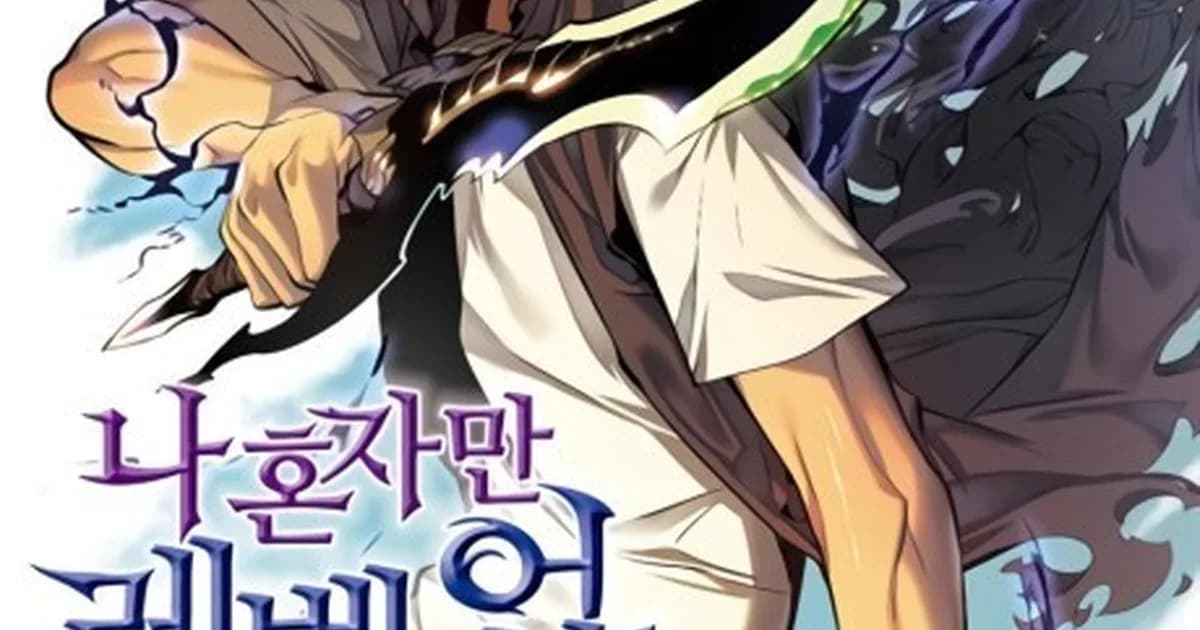
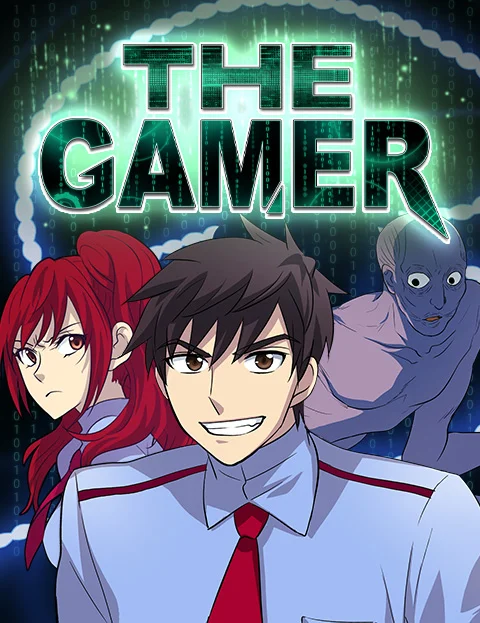 The Gamer, English WEBTOON cover (image via WEBTOON).
The Korean original is 더 게이머 (Deo Geimeo) on Naver Webtoon, written by Sung Sang-young and drawn by Sang-ah. Naver's one-line pitch asks what happens if reality turns into a game where "레벨이 오르고, 스테이터스를 올릴 수 있다면?" (you level up and can raise your stats). It ran from September 2013 to May 2024 and Naver marks it complete.
How many chapters and seasons The Gamer has
Naver lists 511 entries, and one of them is the author's afterword to Season 1, so the story itself is 510 episodes; AniList counts the same number. Naver splits the run into seven parts (부), which English readers call seasons. That's seven, not the nine some older guides list.
| Season | Episodes | Korean run |
|---|---|---|
| 1 | 86, plus an afterword | Sep 2013 to May 2015 |
| 2 | 37 | Jun 2015 to Mar 2016 |
| 3 | 72 | May 2016 to Sep 2017 |
| 4 | 154 | Nov 2017 to Oct 2020 |
| 5 | 82 | Dec 2020 to Jul 2022 |
| 6 | 35 | Sep 2022 to May 2023 |
| 7 | 44 | Jul 2023 to May 2024 |
The numbering trips people up. Naver numbers Season 1 straight through, then restarts at Episode 1 for every later season, so Naver's two-hundredth entry is Season 4, Episode 4. When a Reddit comment says "chapter 200" and the app says Season 4, they can mean the same page.
Look at Season 4 before you plan a binge: it's the longest by far, longer than Seasons 1 and 2 put together, and it ran for three years in Korea.
Where to start, and where readers stop
Start at the beginning: Naver's list opens on Episode 1, with no prologue in front of it.
Then use Season 1 as the test. It's long enough to show you whether the hook works for you: a high schooler treating his life like an RPG, grinding skills and reading stat windows. Readers who remember it fondly tend to point at that stretch. "It was very good first 40-70 chapters. After that they just throw EVERYTHING in there," one r/manhwa reader wrote. The most upvoted reply in a June 2026 thread about the ending says the same thing at greater length: "I enjoyed it alot the first 100 chapters or so but he got so many abilities and developed so many concurrent plot points that I couldn't keep up with what was going on anymore," that reader wrote, adding that they dropped it "after he started making giant robots to patrol the city."
So the honest stopping point is about where Season 2 ends. If you're still having fun there, the pile of powers and side plots is a feature for you, and the rest of the run gives you more of it.
Is the ending worth reaching?
Readers who finished don't agree. The June thread's own title rates it "8/10, the ending could be 9 or a 10." One reply liked where it landed: "It reminded me of how incremental games could either spiral into infinite or choose a spot to end at, and I think it chose a good spot." Another didn't: "There wasn't a lot of closure for multiple characters/storylines. It felt like a series that had been cancelled."
Pacing is the other common complaint about the late run. "Near the end, chapters were so short and you wouldn't understand anything from a chapter alone," one reader said. If that's how you read, save the last season and read it in one sitting.
Where to read The Gamer in English
WEBTOON is the official English home, and it marks the series completed. On the website, though, the episode list stops at Episode 9 (posted in 2014) under a banner that says "Read more episodes on the app!" We saw the same nine episodes from two countries on October 15, 2026. Plan on reading in the WEBTOON app, and check there what's free before you commit to five hundred episodes.
After you finish
There's a Korean spin-off. AniList lists The Gamer: Fantasia (더 게이머: 판타지아), built on Sung Sang-young's original story with Mangsaeng writing and drawing it, still running since May 2021. Its Jihan Han is a university student who dies in a work accident and gets a second life in a fantasy world, playing under the name Rudin. AniList lists no English edition.
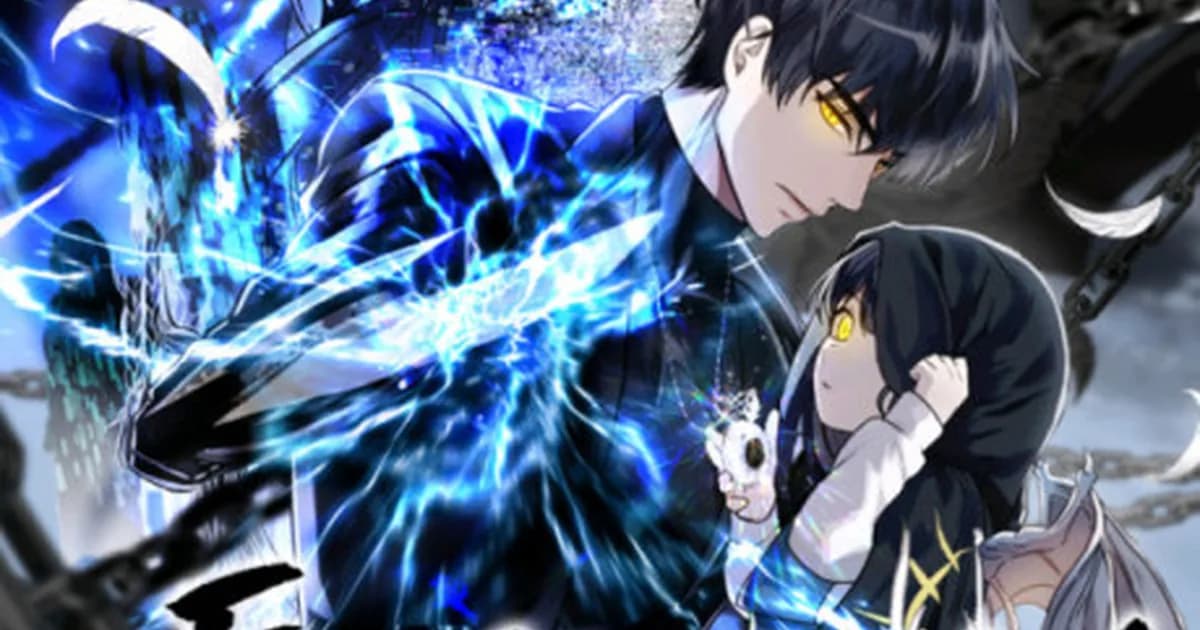
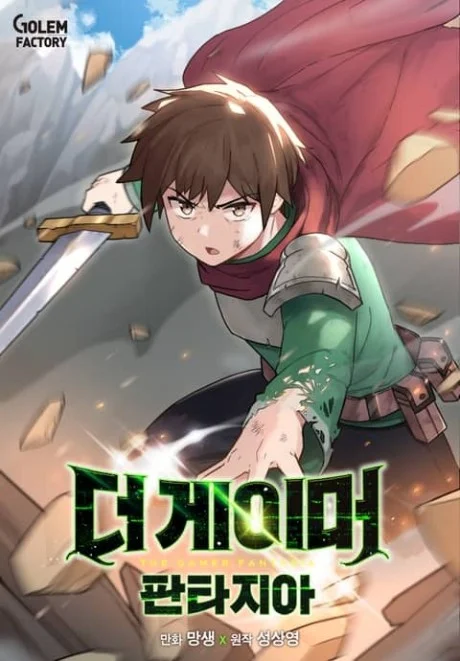 The Gamer: Fantasia, Korean cover (image via AniList).
For something in English, our manhwa like The Gamer list picks up the stat-window premise elsewhere, and the Solo Leveling reading guide covers the other big system manhwa.
Our take
If The Gamer reading guide comes down to one line, it's this: read Season 1 and be honest with yourself at the end of it. The Gamer is at its best when the joke is the system itself, and that's the early stretch. Go further if you like a sprawling cast and a power list that never stops growing; skip the late seasons if you're reading for clean game logic, because readers who stayed say that's what thins out.
How we checked this
For this update of The Gamer reading guide we read Naver's full episode list for The Gamer (all 511 entries, through Naver's own list API) and its title page, WEBTOON's English series page (fetched from Vietnam and from Canada), AniList's entries for The Gamer and The Gamer: Fantasia, and three r/manhwa threads, read through the Arctic Shift archive. We haven't reread the series for this update; the reading advice comes from those readers and from the season lengths. This pass corrected the season count (seven, not nine), replaced an AniList link that pointed to a different manga, removed the claim that the full run is free on WEBTOON's website, corrected "no spin-off" (Fantasia exists in Korean), dropped season-by-season quality claims that had no source, removed an image whose caption described a stat window that wasn't in the picture, and cut the TL;DR, key takeaways, step list and FAQ.
Last reviewed: October 15, 2026
Related Reading
- The Gamer Manhwa Review: our verdict on whether the series is worth starting at all.
- Manhwa Like The Gamer: other series built on a hero who sees his world as a game.
- Solo Leveling Reading Guide: the other big system manhwa, and where to start it.
- Best System Fantasy Manhwa: where The Gamer sits among the stat-window stories.
- The Tutorial Is Too Hard Reading Guide: a much grimmer system story, and how to read it in English.
- I Killed the Main Player Review: a game-world story where the hero's edge is knowing the plot rather than reading a stat window.